


Sweet peppers are mild, versatile peppers prized for their crisp texture, vibrant colors, and natural sweetness without the intense heat of hot peppers. From bell peppers and sweet mini peppers to Cubanelles and Italian frying peppers, they can be enjoyed raw, sautéed, roasted, grilled, stuffed, or blended into flavorful bases for cooking.
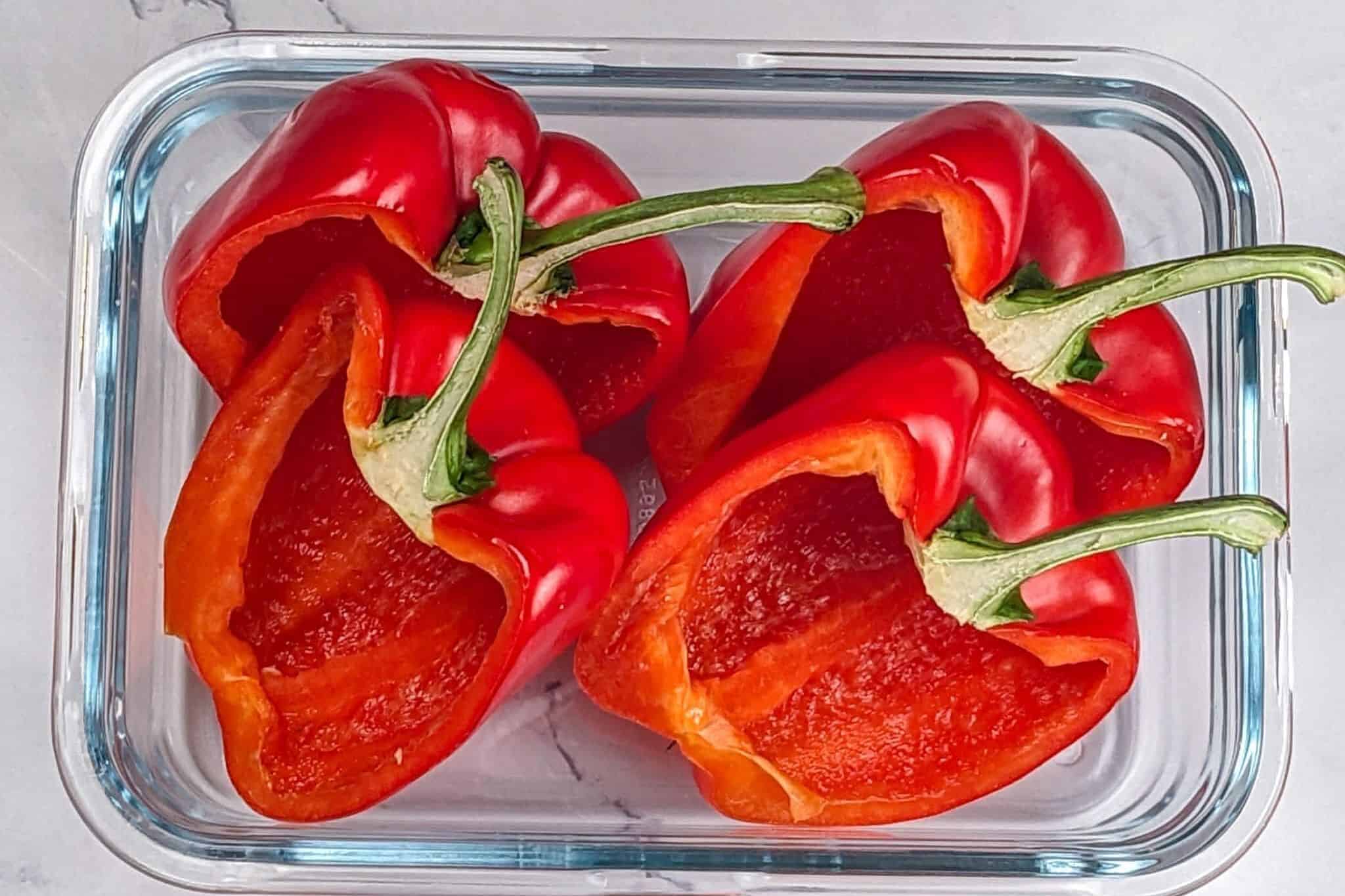
Table of Contents
Jump to:
- Sweet Peppers: A Flavorful Staple Around the World
- Why Learn to Prep Sweet Peppers?
- Note From Chef Maika
- What Are Sweet Peppers?
- Culinary Glossary
- Choosing the Perfect Sweet Peppers
- Sweet Peppers Around the World
- Essential Nutrients in Sweet Peppers
- How to Wash Sweet Peppers
- How to Cut and Remove the Seeds from Sweet Peppers
- Different Ways to Cut Sweet Peppers
- How to Roast Sweet Peppers
- How to Sauté Sweet Peppers
- How to Store Sweet Peppers
- Can You Freeze Sweet Peppers?
- Common Mistakes When Prepping Sweet Peppers
- 5 Quick Cooking Tips for Sweet Peppers
- Frequently Asked Questions
- More Cooking Tips and Tutorials
- Recipe Ideas
- Questions and Comments
Sweet Peppers: A Flavorful Staple Around the World
We've seen sweet peppers diced into soups, sliced for stir-fries, roasted for sauces, or blended into seasonings; they are one of the most versatile vegetables a home cook can keep on hand. They are a staple in kitchens around the world, valued not only for their vibrant colors but also for the depth of flavor, natural sweetness, and texture they add to countless recipes.
So why are you here? Learning how to prep sweet peppers properly does more than improve your knife skills; it helps you save time during meal prep, reduce waste, promote even cooking, and maximize their fresh, sweet flavor. In this guide, you'll learn how to choose the best sweet peppers, wash and cut them safely, remove the seeds and core, and store them correctly so they're always ready for your favorite recipes.
Quick Answer
Learning how to prep sweet peppers starts with choosing firm, glossy peppers that feel heavy for their size. Wash them under cool running water, dry them thoroughly, remove the stem, seeds, and white membranes, then slice, dice, or cut them into strips depending on your recipe. Store cut peppers in an airtight container in the refrigerator for up to 5 days, or freeze them for later use in cooked dishes. Properly preparing sweet peppers improves flavor, promotes even cooking, reduces waste, and speeds up meal prep throughout the week.
Why Learn to Prep Sweet Peppers?
Properly preparing sweet peppers helps you:
- Save time during meal prep.
- Create evenly cooked vegetables.
- Reduce waste.
- Improve knife skills.
- Preserve freshness longer.
- Build more flavorful dishes from the start.
Note From Chef Maika
In my Haitian culture, sweet peppers are an essential ingredient in epis, the aromatic seasoning base we use to build flavor in meats, seafood, beans, rice, soups, and vegetables. Haitian cuisine developed through a blend of culinary traditions, with particularly significant influences from African, Taíno, and European traditions.
One interesting parallel can be found in West African cooking, where peppers and aromatics are also pounded or blended to create foundational flavor bases. In Nigerian Yoruba cooking, for example, ata lilo, or blended pepper, commonly combines sweet red peppers, tomatoes, onions, and hot peppers and is used as a base for stews, sauces, soups, and dishes such as Jollof rice.

Looking for authentic Jollof Rice? Check out Authentic Nigerian Jollof Rice Recipe by Dish of Jazz ↗ and Chef Lola's Kitchen: Jollof Rice ↗.
While I haven't found historical evidence showing that Haitian epis directly descended from ata lilo, the similarity is a fascinating example of how blending fresh peppers and aromatics to build layers of flavor appears across African and Caribbean food traditions!
Recommended Reads
- How to Cook with Sweet Peppers: Flavor Pairing to Avoiding
- Quick Harissa Sauce with Pantry Staples
- Prepping Chili Peppers
- Shishito Eggplant Shrimp Stir-Fry
What Are Sweet Peppers?
Sweet peppers are mild, seed-bearing fruits in the Capsicum annuum species that are grown and cooked as vegetables. Unlike hot peppers, they contain little to no capsaicin, the natural compound responsible for the spicy heat found in chili peppers, making them an excellent choice for adding color, crunch, and natural sweetness without overwhelming a dish.
Although many people immediately think of green, red, yellow, and orange bell peppers, the sweet pepper family includes many other varieties, such as mini sweet peppers, Cubanelle peppers, banana peppers, and Italian frying peppers. Each offers its own flavor, texture, and culinary purpose, from crisp raw snacks to tender roasted vegetables and flavorful cooking bases.
Learn about the different heat levels in my Scoville Scale and Chili Peppers post.
Sweet peppers are enjoyed in cuisines around the world because they complement a wide range of ingredients. They can be eaten raw in salads and vegetable platters, sautéed for stir-fries, roasted to enhance their natural sweetness, stuffed with meats or grains, blended into sauces and seasonings, or grilled as a simple side dish. Their versatility makes them one of the most valuable vegetables to keep stocked in your kitchen.
Common sweet pepper varieties include:
- Bell peppers ↗: Thick-walled, crisp peppers available in green, red, yellow, orange, purple, white, and brown varieties.
- Mini sweet peppers ↗: Smaller versions of bell peppers with fewer seeds and a naturally sweeter flavor, perfect for snacking and roasting.
- Cubanelle peppers ↗: Long, light green peppers with thin walls and a mild sweetness, commonly used in Caribbean, Cuban, Dominican, Puerto Rican, and Italian cooking.
- Italian frying peppers: Thin-skinned sweet peppers that become exceptionally tender when sautéed or grilled, making them a favorite for sandwiches, pasta dishes, and simple side dishes.
- Banana peppers ↗: Mild, tangy peppers often enjoyed fresh or pickled on sandwiches, salads, and pizzas.
Pepper Colors: Don't judge a pepper by its color alone. Green bell peppers are typically harvested before they're fully ripe, while red, yellow, and orange peppers remain on the plant longer, allowing them to develop a sweeter flavor and higher natural sugar content.
Culinary Glossary
This section provides concise definitions of key terms to enhance understanding and improve cooking skills related to this post.
Pepper Preparations:
Ata Gige: A Yorùbá pepper preparation used in Nigerian cooking in which peppers and aromatics are processed into a coarse puree rather than completely smooth. The coarse texture makes it useful as a foundation for sauces, stews, relishes, and other dishes. Chef and author Yewande Komolafe uses ata gígé as the base for preparations such as Ata Dín Dín and Ofada Stew. I recommend checking out Yewande Komolafe Cookbook: My Everyday Lagos: Nigerian Cooking at Home and in the Diaspora.
Ata Lilo: A Yorùbá term commonly translated as "blended pepper," referring to peppers and aromatics ground or blended into a smooth puree. Depending on the preparation, ingredients may include red bell peppers, tomatoes, onions, hot peppers, garlic, or ginger, and the mixture can serve as a base for dishes such as stews and Jollof rice.
Ata Dín Dín: A Yorùbá cooked pepper sauce or relish made by frying a blended or coarsely processed mixture of peppers, onions, and aromatics in oil until reduced and deeply flavored. The ingredients and texture can vary, and it is commonly served with or used to flavor meats, rice, and other Nigerian dishes.
My Review: One of my favorite Nigerian chefs and cookbooks has been an incredible guide on my journey to connect with my roots, especially since finding out I’m about 17% Nigerian. I’ve always been curious to learn more about my ancestors, and this book was the perfect entry point. It’s written in a way that’s super approachable and easy to understand from an American perspective, which made diving into Nigerian cooking feel natural and exciting. To this day, I still use many of the recipes, especially the Ata Gige. It’s bold and flavorful, and it reminds me so much of Haitian Epis, which I truly believe has its roots in this blend. This book has become a meaningful staple in both my kitchen and my cultural journey.

More Terms:
Capsaicin: The naturally occurring compound responsible for the heat or burning sensation associated with hot peppers. Sweet peppers contain little to none, which is why they don't have the characteristic heat of chili peppers.
Epis: A Haitian seasoning blend made with fresh herbs, peppers, onions, garlic, and other aromatics. Recipes vary from household to household, and epis is commonly used to season meats, seafood, beans, rice, soups, and vegetables.
Julienne: A knife cut that produces long, thin, matchstick-shaped pieces. Sweet peppers cut this way are useful for stir-fries, salads, wraps, and other quick-cooking dishes.
Membrane (Pith): The pale inner tissue of a pepper that connects the seeds and core to the flesh. It is edible but is often trimmed away during preparation for a cleaner texture. See the sweet pepper anatomy.
Sofrito: An aromatic mixture used as a flavor foundation in many Caribbean, Latin American, Spanish, and Portuguese cooking traditions. The exact ingredients vary considerably by cuisine and region but may include peppers, onions, garlic, tomatoes, herbs, and other aromatics. Visit: Sense & Edibility: Puerto Rican Sofrito- Authentic Culantro Cooking Base.
Choosing the Perfect Sweet Peppers
Understanding the different varieties of sweet peppers can help you choose the right flavor, texture, and size for what you're cooking. Some peppers are thick and crisp enough for stuffing, while thinner varieties become tender quickly when sautéed or roasted. Even the color of a bell pepper can make a difference, with green peppers offering a more vegetal flavor and fully ripe red peppers developing greater natural sweetness.
Common Types of Sweet Peppers
Bell Peppers: These are the most familiar sweet peppers in the United States and come in green, red, yellow, orange, and other colors. Green peppers have a slightly grassy, more assertive flavor, while ripe red peppers are noticeably sweeter. Their thick walls make them great for stuffing, roasting, grilling, salads, and stir-fries.
Sweet Mini Peppers: Sometimes called mini bell peppers, these smaller peppers are crisp, naturally sweet, and typically have fewer seeds to remove. They're convenient for snacking, roasting whole, stuffing with cheese, or quickly slicing into salads and sautés.
Cubanelle and Other Sweet Frying Peppers: These elongated, thin-walled peppers cook quickly and become tender and sweeter when sautéed, fried, grilled, or roasted. Cubanelles are a specific mild pepper commonly used in Caribbean and Latin American cooking, while Italian frying peppers are a broader term for thin-walled sweet pepper varieties traditionally cooked until soft and lightly browned. They're especially good for sandwiches, pasta dishes, stuffing, and simple preparations with olive oil.
Banana Peppers: These pale yellow, curved peppers range from mild and sweet to slightly tangy. They're commonly eaten raw or pickled and work particularly well in salads, sandwiches, pizzas, and antipasto.
Choosing Fresh Peppers: No matter the variety, look for peppers that are firm, smooth, glossy, and heavy for their size. Avoid peppers with soft spots, deeply wrinkled skin, cracks, or signs of mold. A fresh pepper should also have a firm green stem rather than one that looks excessively dried or shriveled.
Sweet Peppers Around the World
Sweet peppers are used across cuisines to add color, texture, natural sweetness, and flavor. While their role varies considerably by region, here are a few examples of how different culinary traditions use them.
United States
In American cooking, bell peppers are eaten raw, grilled, roasted, sautéed, and stuffed. Sweeter red and yellow peppers work especially well in roasted dishes, while the more vegetal flavor of green peppers complements dishes such as chili and Louisiana's Creole and Cajun cooking. Try them in my Healthy Spicy Ground Turkey Stuffed Peppers.
Caribbean
Sweet peppers are important aromatics throughout Caribbean cooking. In Haitian cuisine, they're incorporated into epis, a blend of peppers, herbs, garlic, and other aromatics used to season everything from meats and seafood to beans and rice. Sweet peppers are also frequently paired with fiery Scotch bonnet peppers, creating a balance between mild pepper flavor and heat.
Latin America
Bell peppers and thin-walled sweet peppers appear in numerous Latin American cooking traditions. They're especially useful in aromatic bases such as sofrito, with the particular peppers, herbs, and other ingredients varying considerably among Puerto Rican, Cuban, Dominican, and other regional cuisines.
West and North Africa
In West African cooking, peppers and aromatics are frequently ground or blended into flavorful preparations. Yorùbá culinary traditions in Nigeria include ata gígé, a coarser pepper preparation, and ata lílọ, a more finely blended pepper mixture; these techniques can serve as the basis for stews, sauces, and rice dishes. These traditions helped inspire my Spicy Shrimp Farro Risotto with Mushrooms and Peas.
Across North Africa, sweet peppers are also roasted, cooked, and combined with aromatic spices in salads, sauces, stews, and other dishes.
East and Southeast Asia
In Chinese cooking, bell peppers are commonly stir-fried with meats and vegetables, where their crisp texture and sweetness complement savory sauces. In Thai cooking, sweet peppers may appear in stir-fries and curries alongside chilies, herbs, and other aromatics. You can see one way I use peppers in my Chinese-inspired Chicken Stir-Fry with Mushrooms, Peppers, and Green Beans in Hoisin Sauce.
Europe
Across European cuisines, sweet peppers may be roasted, sautéed, stuffed, or incorporated into dishes such as French ratatouille, Spanish-inspired romesco, and Italian preparations featuring sweet frying peppers. Roasting is particularly useful for concentrating the natural sweetness of red peppers, as in the romesco served with my Grilled Tofu with Vegetable Pearl Couscous Salad.
Essential Nutrients in Sweet Peppers
Sweet peppers aren't just colorful and flavorful; they also provide several important nutrients. Their nutritional content varies by variety and ripeness, with red, yellow, orange, and green peppers offering slightly different amounts of vitamins and plant compounds.
- Vitamin C: Sweet peppers are an excellent source of vitamin C, an antioxidant that supports immune function and helps the body absorb iron from plant-based foods.
- Vitamin A and carotenoids: Ripe red peppers are particularly rich in carotenoids, including beta-carotene, which the body can convert to vitamin A to support normal vision and immune function.
- Vitamin B6: Bell peppers provide vitamin B6, which plays a role in normal metabolism and nervous system function.
- Fiber: Sweet peppers provide dietary fiber while naturally containing relatively few calories, making them an easy way to add both texture and vegetables to a meal.
Read More nutrition facts on sweet bell peppers at Medical News Today: "Everything to Know About Bell Pepper" ↗.
Fun Fact: Different colors aren't just for presentation. As peppers ripen, their flavor and nutrient composition change, so using a mixture of green, yellow, orange, and red peppers can add variety in both flavor and nutrients. Related: My Video on How to Cut Bell Peppers for Stuffed Peppers
How to Wash Sweet Peppers
Always wash sweet peppers before cutting them to help prevent dirt and bacteria from the outside of the pepper from being transferred to the flesh with your knife.
- Rinse the whole pepper. Hold the pepper under cool running water. There's no need to use soap or detergent when washing fresh produce.
- Rub the surface. Gently rub the pepper with your hands while rinsing, paying extra attention around the stem where dirt can collect.
- Dry thoroughly. Pat the pepper completely dry with a clean kitchen towel or paper towel. This is especially important before sautéing, grilling, or roasting, as excess moisture can cause the peppers to steam rather than brown.
- Prep as needed. Once the pepper is clean and dry, remove the stem, seeds, and membranes before cutting it as directed in your recipe.
Batch Prepping: If you're prepping a whole batch of peppers for the week, wash and dry them all at once, but keep them whole until you're ready to cut or store them properly. Keeping excess moisture away helps preserve their crisp texture and freshness.
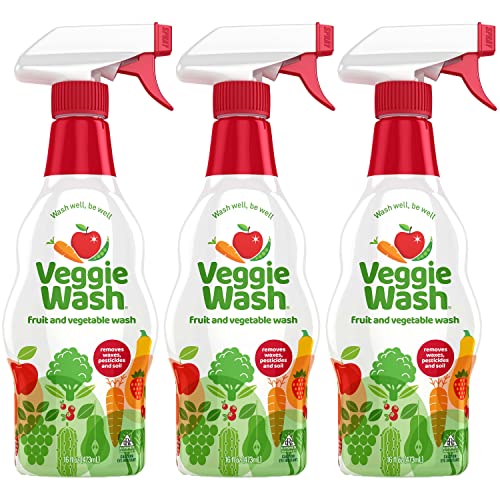
Veggie Wash Fruit and Vegetable Wash is a natural, plant-based cleaner that effectively removes dirt, wax, pesticides, and other residues from fresh produce. This 16-fluid-ounce bottle (Pack of 3) is ideal for cleaning a variety of fruits and vegetables, ensuring they are safe and ready to eat. Unlike simply rinsing with water, Veggie Wash uses naturally derived ingredients to break down and wash away contaminants while preserving your produce's freshness and taste. It’s free from harsh chemicals, synthetic detergents, and preservatives, making it a great choice for health-conscious consumers who want cleaner, safer fruits and veggies for their meals.
How to Cut and Remove the Seeds from Sweet Peppers
Once your sweet peppers are washed and completely dry, you can remove the stem, seeds, and white membrane before making the final cut needed for your recipe. This method works especially well for bell peppers because it keeps the pepper's sides intact and helps reduce waste.

Slice off the top and bottom. Lay the pepper on its side and carefully cut off the top around the stem, followed by a thin slice from the bottom.

Stand the pepper upright. Place the pepper on one of its newly cut, flat ends. This creates a stable surface for the next cut.

Slice the pepper in half. Cut straight down through the center of the pepper to split it into two halves, exposing the seeds, ribs, and white pith.

Remove the pith and seeds. Lay each half flat and use the tip of your knife to carefully cut along the white pith and ribs, removing them along with the attached seeds. Shake or brush away any remaining loose seeds.
Use it all: Don't throw away the top and bottom pieces. Cut the usable pepper flesh away from the stem and add it to your strips or dice to help reduce food waste.
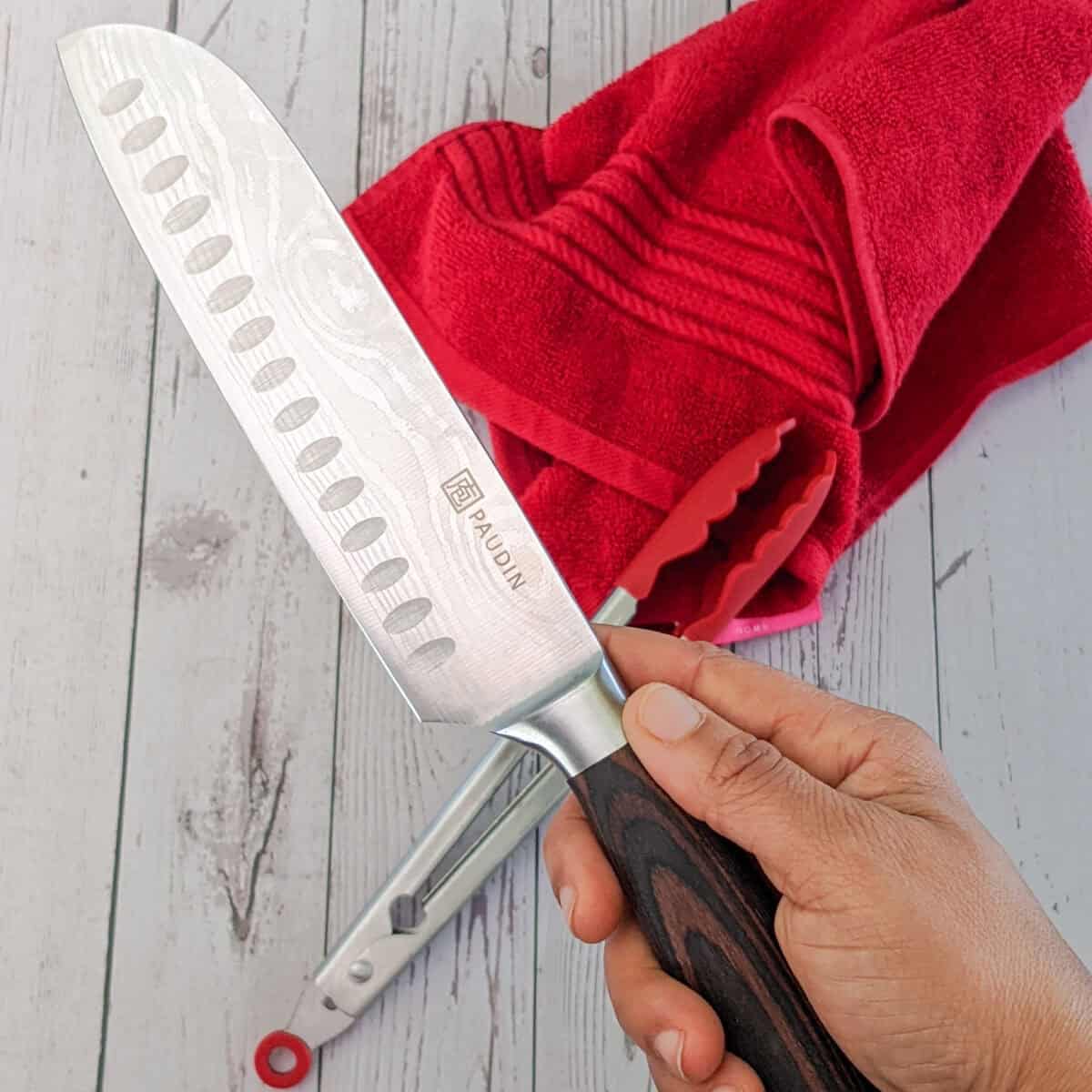
My Review: This knife is well-made. Super solid and multi-functional. It is made with high-carbon steel, so it will not rust. Slicing meat, like fish, is easier with the grooves. It doesn’t stick to the knife. The handle has an excellent grip and isn't heavy. For some background, a Santoku is a versatile Japanese kitchen knife characterized by its straight edge and "sheepsfoot" blade, designed for precise slicing, dicing, and chopping. Its name means "three virtues," referring to its ability to handle meat, fish, and vegetables efficiently, making it a staple in both professional and home kitchens.
Different Ways to Cut Sweet Peppers
How you cut a sweet pepper depends on what you're making and how quickly you want it to cook. Keeping the pieces similar in size helps them cook evenly, whether you're working over medium heat in a large skillet or roasting them on a sheet pan.
Strips
Are you whipping up a stir-fry, stuffing tacos, or adding peppers to a flavorful sofrito? Learning this technique will improve your cooking. Getting perfectly uniform, small-diced bell peppers is essential for sauces, salsas, and finely textured dishes.
In this quick tutorial, I'll show you how to small-dice bell peppers, making your prep work easier and more efficient. Watch the video below to see how it's done step by step!
Best for Fajitas, stir-fries, sandwiches, salads, roasting, and sautéing:
- Lay a pepper panel skin-side down on your cutting board.
- Slice lengthwise into strips of your desired thickness.
- Keep the strips similar in size for even cooking.
Dice
Small dicing bell peppers involves using precise knife skills to cut the pepper into uniform, small cubes, which not only ensures even cooking but also enhances the visual presentation of your dish. Learn how to remove the seeds and pith. Best for: Soups, stews, omelets, rice dishes, sauces, seasoning bases, and ground beef dishes.

The top and bottom of the bell pepper are cut off. Then, run the knife along the inside to remove all of the white pith.

Cut the pepper into strips.

Gather a few strips together without overcrowding your knife. Dice the peppers into even small squares.

Uniform strips will create a uniform dice.
Rings
Best for: Sandwiches, burgers, salads, grilling, roasting, and garnishes. Caribbean dishes use this a lot for stewed and fried dishes.
- Keep the whole pepper intact and slice off the top around the stem.
- Pull out the core and seeds.
- Carefully remove any remaining white membrane from inside.
- Place the pepper on its side and slice crosswise into rings.
How to Cut Peppers for Stuffing (Video & Pictures)
Stuffed peppers are a delicious and versatile dish, but cutting them correctly ensures they hold their shape and cook evenly. In this guide, I'll show you how to prep bell peppers for stuffing, whether you prefer cutting them in half for easy servings or coring them whole for a classic presentation.
Watch the video and follow the step-by-step pictures to get perfectly prepped peppers every time!

Use a sharp, pointy knife.

Start at the base of the stem.

Cut through the base of the stem, then continue cutting to split it in half.

Stand the pepper upright.

Return the knife to the base of the split stem.

Cut the pepper completely in half.

Using the tip of the knife, separate the core from the stem. A pairing knife will work as well.

Separate the pith from the flesh.
What is a pairing knife? A paring knife is a small, versatile knife with a short, sharp blade, typically 2.5 to 4 inches long, designed for precision tasks like peeling, trimming, and slicing fruits and vegetables.
My Review: As a professional chef, I rely on quality knives. After loving the PAUDIN Santoku Knife, I invested in the 7-Piece Chef Knife Set, and I'm thrilled! These lightweight, sharp knives make prep work effortless when I'm dicing or chopping. The high-carbon stainless steel blades maintain their edge, and the Pakkawood handles provide a comfortable grip. I've used this set in my classes and home kitchen, and it consistently delivers precision. If you want a reliable, professional-quality knife set without overspending, PAUDIN is a fantastic choice! Highly recommended for both home cooks and professionals!


Remove the separated core and pith with your fingers.

Rest the pepper with the cavity facing you.

Use a spoon or a measuring spoon to scoop out the remaining pith.

Now, the pepper is ready for stuffing.
What is the pith? The pith of a bell pepper is the white, spongy interior membrane that connects the seeds to the pepper's walls, often removed because it can taste slightly bitter.
How to Large Dice
Dicing bell peppers is a fundamental skill that can elevate your culinary creations. Large dicing involves cutting the pepper into uniform, approximately ¾-inch-square pieces, ideal for dishes that call for a chunkier texture, such as stir-fries, kebabs, or hearty stews.
Best for Kebabs, grilling, sheet-pan meals, roasted peppers, and recipes where you want the pepper to retain some texture:
- Cut around the core to create large pepper panels.
- Leave the panels whole or cut each one into two or three similarly sized pieces.
Size Matters: Consider the cooking time when choosing pepper size. Thin strips and small dice cook quickly, while larger pieces can withstand longer cooking without becoming overly soft.
How to Roast Sweet Peppers
Roasting is one of the best ways to bring out the natural sweetness of sweet peppers. The high heat softens the peppers while browning and lightly charring the edges, creating a deeper flavor than eating them raw.
- Preheat the oven. Heat your oven to 425°F.
- Prep the peppers. Wash and dry the peppers, then remove the stem, core, seeds, and membranes. Cut them into strips or larger pieces depending on how you plan to use them.
- Season. Toss the peppers with a small amount of olive oil and a pinch of salt. You can also add seasonings such as garlic powder or freshly ground black pepper.
- Arrange on the pan. Spread the peppers in a single layer on a baking sheet. You can line the sheet pan with parchment paper for easier cleanup, but avoid overcrowding so the peppers roast instead of steam.
- Roast. Cook for about 20 to 25 minutes, turning once halfway through, until the peppers are tender and browned around the edges. Cooking time may vary depending on the size and thickness of the peppers.
Ways to Use Roasted Peppers
Serve roasted peppers as a simple side dish, toss them into pasta, add them to sandwiches and grain bowls, or pair them with ingredients such as feta cheese, goat cheese, balsamic vinegar, or Italian sausage.
Charred vs Roasted: If you want deeply charred peppers for peeling and blending into sauces, that's a slightly different technique. Roast or broil the whole pepper until the skin is blistered and blackened, then cover it briefly so the skin loosens before peeling.
How to Sauté Sweet Peppers
Sautéing is a quick way to cook sweet peppers while keeping some of their crisp texture. It's especially useful for weeknight meals because you can easily cook peppers alongside onions, proteins, or other vegetables in the same skillet.
- Heat the skillet. Heat a small amount of olive oil in a large skillet over medium to medium-high heat.
- Cut the peppers evenly. Slice the cleaned and seeded peppers into strips or similarly sized pieces so they cook at roughly the same rate.
- Add the peppers. Once the oil is hot, add the peppers in an even layer. Avoid overcrowding the skillet, which can trap moisture and cause the peppers to steam.
- Season lightly. Add a pinch of salt and any seasonings that complement your recipe, such as garlic powder, black pepper, dried herbs, or spices.
- Sauté until desired doneness. Cook for about 5 to 8 minutes, stirring occasionally. Cook them for less time if you prefer a crisp-tender texture or a few minutes longer for softer, sweeter peppers with more browning.
Browning: Don't stir the peppers constantly. Giving the sides of the pepper a little uninterrupted contact with the hot skillet encourages browning, which adds another layer of flavor while bringing out their natural sweetness.
How to Store Sweet Peppers
Proper storage helps sweet peppers stay crisp and gives you more time to use them before they begin to soften. The best storage method depends on whether your peppers are whole, already cut, or cooked.
Whole Sweet Peppers
- Keep them dry. If you aren't using the peppers right away, avoid washing them before storage. Excess moisture can encourage spoilage.
- Refrigerate them. Place whole peppers in the refrigerator's crisper drawer, preferably where they have some airflow rather than sealed tightly in a container.
- Wash before using. Rinse and thoroughly dry the peppers when you're ready to prep them.
Bell vs. Small Peppers: Whole bell peppers generally remain good quality for about 1 to 2 weeks, though smaller, ripe peppers may soften sooner.
Cut Sweet Peppers
- Remove excess moisture. Make sure the cut peppers are dry before storing them.
- Use an airtight container. Place sliced or diced peppers in a covered food storage container or a resealable bag.
- Refrigerate promptly. Store them in the refrigerator and plan to use them within about 2 to 3 days for best quality.
Prepping a whole batch ahead of time can make weeknight cooking easier, since your peppers are ready for stir-fries, omelets, salads, sheet-pan meals, and other sweet pepper recipes.
Cooked Sweet Peppers
Allow cooked peppers to cool, then transfer them to an airtight container and refrigerate them promptly. For best quality, use them within about 3 to 4 days. Read more: Understanding Food Temperature Safety Zones: Cook, Store & Serve Safely. Also, look beyond the calendar when deciding whether a pepper is still good. Wrinkling and slight softening indicate a loss of freshness and texture, while mold, a slimy surface, leaking liquid, or an unpleasant odor are signs that the pepper should be discarded. Related Read: How to Cook with Sweet Peppers: Flavor Pairing to Avoiding.
Airtight Food Containers: I interchange glass food storage containers with plastic clip-on lids. I always suggest glass storage containers because they can be microwaved, hold food without staining, and maintain a more stable temperature, keeping food fresher for longer. I recommend checking out these airtight food containers on Amazon.
Can You Freeze Sweet Peppers?
Yes, sweet peppers freeze very well, and unlike many vegetables, they do not need to be blanched first. Their texture will soften after thawing, so frozen peppers are best saved for cooked dishes rather than recipes where you want the crisp texture of a fresh pepper. For best quality, try to use frozen sweet peppers within about 8 to 12 months.
- Wash and dry. Rinse the peppers thoroughly and make sure they're completely dry.
- Remove the core and seeds. Cut away the stem, core, seeds, and membranes.
- Cut for future recipes. Slice, dice, or chop the peppers as you typically use them. You can also freeze smaller sweet peppers in larger pieces.
- Freeze in a single layer. Spread the peppers on a baking sheet in a single layer and freeze until firm. This helps prevent the pieces from freezing together into a single large clump.
- Transfer for storage. Once frozen, place the peppers in a freezer-safe container or bag, remove as much air as possible, label, and return them to the freezer.
- Cook straight from frozen. For most recipes, there's no need to thaw them first. Add the amount you need directly to soups, stews, sauces, stir-fries, omelets, or other cooked dishes.
Frozen Prep: Freeze peppers in the cuts you use most often. Having a bag of diced peppers ready for seasoning bases and another of sliced peppers for quick meals can save valuable prep time later.
Common Mistakes When Prepping Sweet Peppers
Sweet peppers are easy to work with, but a few small changes in how you prep and cook them can improve their texture, flavor, and cooking results.
- Cutting before washing: Wash the whole pepper first so your knife doesn't carry dirt or bacteria from the skin onto the cut surface. Read more about How to Prevent Cross-Contamination in Your Kitchen.
- Using a dull knife: The smooth skin of a pepper can be surprisingly difficult to cut. A sharp chef's knife gives you better control and requires less pressure.
- Making uneven cuts: A mixture of very small and large pieces won't cook at the same rate. Keep your cuts relatively uniform, especially when sautéing or roasting.
- Crowding the pan: Packing too many peppers into a skillet or sheet pan traps steam. Give them enough room if you want browned edges instead of soft, steamed peppers.
- Cooking wet peppers: Dry freshly washed peppers thoroughly before sautéing, grilling, or roasting. Surface moisture can interfere with browning.
- Overcooking them: Unless you're intentionally cooking peppers until very soft, watch their texture. Sweet peppers can go from crisp-tender to overly soft quickly, especially when they're cut into smaller pieces.
- Throwing away perfectly usable peppers: A slightly wrinkled pepper may no longer be ideal for eating raw, but if it shows no signs of spoilage, its softer texture can still work well in soups, sauces, stews, or roasted pepper recipes.
Cook with Intention: Match the size of your cut to the cooking method. Smaller pieces are perfect when you need peppers to cook quickly or blend into a dish, while larger pieces are better when you want the pepper to remain noticeable and hold its shape.
5 Quick Cooking Tips for Sweet Peppers
Your Cooking Tips Resource Guide - Become a better home cook with tips to help you cook more efficiently on the Cook's Notebook tab.
- Don't throw out peppers just because they've softened. If a pepper is slightly wrinkled but shows no signs of spoilage, use it in cooked dishes where crispness isn't important, such as soups, stews, sauces, seasoning blends, or roasted peppers.
- Match the color to the flavor you want. Green peppers have a more vegetal, slightly bitter flavor, while ripe red, yellow, and orange peppers are generally sweeter and work well when you want more natural sweetness.
- Cut according to cooking time. Thin strips and small dice cook quickly, while larger pieces hold their shape better during roasting, grilling, and longer cooking methods.
- Give peppers room to brown. Whether you're using a large skillet or sheet pan, avoid overcrowding. Space allows moisture to escape, so the peppers develop browned edges rather than simply steaming.
- Use high heat to develop deeper flavor. Roasting, grilling, broiling, and sautéing encourage browning and bring out the peppers' sweetness. Just keep an eye on smaller or thinner peppers because they cook faster.
Frequently Asked Questions
Here is a list of common questions I have answered. If you have any questions, please write them in the comments below.
Bell peppers are a type of sweet pepper, but not all sweet peppers are bell peppers. Sweet peppers also include varieties such as mini sweet peppers, Cubanelles, banana peppers, and Italian frying peppers.
The biggest differences are ripeness and flavor. Green bell peppers are typically harvested earlier and have a more vegetal, slightly bitter flavor, while peppers allowed to ripen further can develop yellow, orange, or red hues and greater natural sweetness. However, the mature color ultimately depends on the pepper variety.
You don't have to remove the white membrane or pith; it's edible. However, I usually trim it away because it can have a firmer texture and a slightly more bitter flavor than the pepper's flesh.
Yes. Sweet pepper seeds are edible and aren't responsible for the spicy heat associated with hot peppers. Most cooks remove them because their texture and mild bitterness aren't particularly desirable in a finished dish.
Absolutely. Sweet peppers can be eaten raw and are especially good when fresh and crisp. Slice them for salads, sandwiches, dips, snack plates, or other dishes where you want crunch and fresh pepper flavor.
Cooking reduces moisture and changes some of the pepper's flavor compounds, making its natural sweetness more noticeable. High-heat methods such as roasting, grilling, and sautéing also create browning that adds deeper, more complex flavors.
Not necessarily. Sweet mini peppers generally contain fewer seeds than larger bell peppers, so you can sometimes cook them whole. If you're stuffing, slicing, or serving them raw, you may still prefer to remove the stem, seeds, and membrane.
More Cooking Tips and Tutorials
If you found this tutorial helpful, you'll love my Cook's Notebook collection. From knife skills and flavor bases to time-saving tricks and essential equipment guides, this section is packed with chef-tested lessons to help you cook with confidence
- Seasonal Produce Guide: What Fruits and Vegetables Are in Season?
- How to Roast Food: The Fundamental Principles of Roasting
- 2026 Fall Seasonal Produce Guide: Fruits and Vegetables to Enjoy This Season
- Indian Cooking Techniques That Changed How I Think About Food
Recipe Ideas
Explore our globally inspired Recipes to find your next favorite flavor and make weeknight cooking effortless!
- Massaged Kale Salad with Cabbage, Carrots, and Radishes
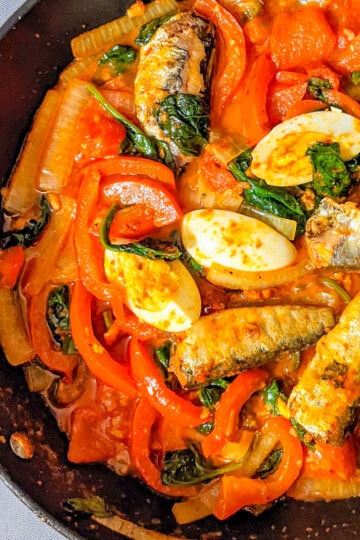
- Harissa Smoked Sardines with Spinach and Boiled Egg
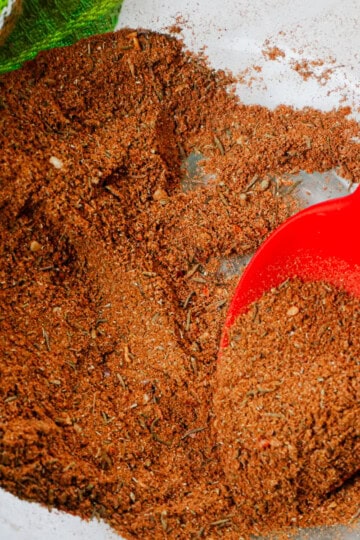
- Homemade Ras El Hanout Substitute
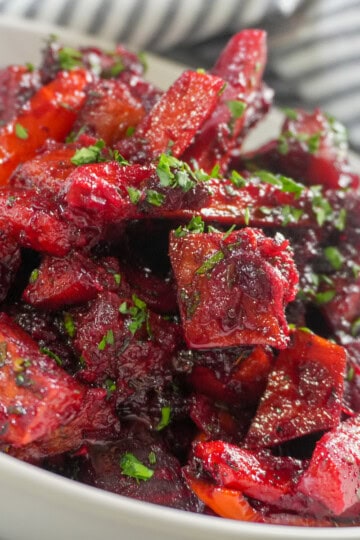
- Ras El Hanout Roasted Vegetables with Red Beet Hot Honey Glaze


Chef Maika Frederic-Liebman
Chef and Educator
Professionally trained Haitian-American chef Maika Frederic created Just Maika Cooking, where she shares globally inspired recipes, cooking techniques, ingredient guides, and food safety tips to help home cooks become more creative and confident in the kitchen. Combining years of professional culinary experience with a passion for teaching, she makes global flavors approachable through practical, accessible instruction for cooks of every skill level.
SUBSCRIBE: 👈To my YouTube Channel to Get Notifications of New Videos.
Questions and Comments
If you have a question or comment about this cooking tutorial, please post it below. You will definitely get a quick response, and it will also help our other readers stay informed. Thanks!
Leave a Reply