

This homemade ras el hanout substitute combines cumin, turmeric, thyme, coriander, cardamom, allspice, cinnamon, red pepper flakes, and black pepper into an aromatic spice blend you can keep ready in your spice rack. Make this easy blend in about 5 minutes and use it to season roasted vegetables, chicken, rice dishes, soups, and more.
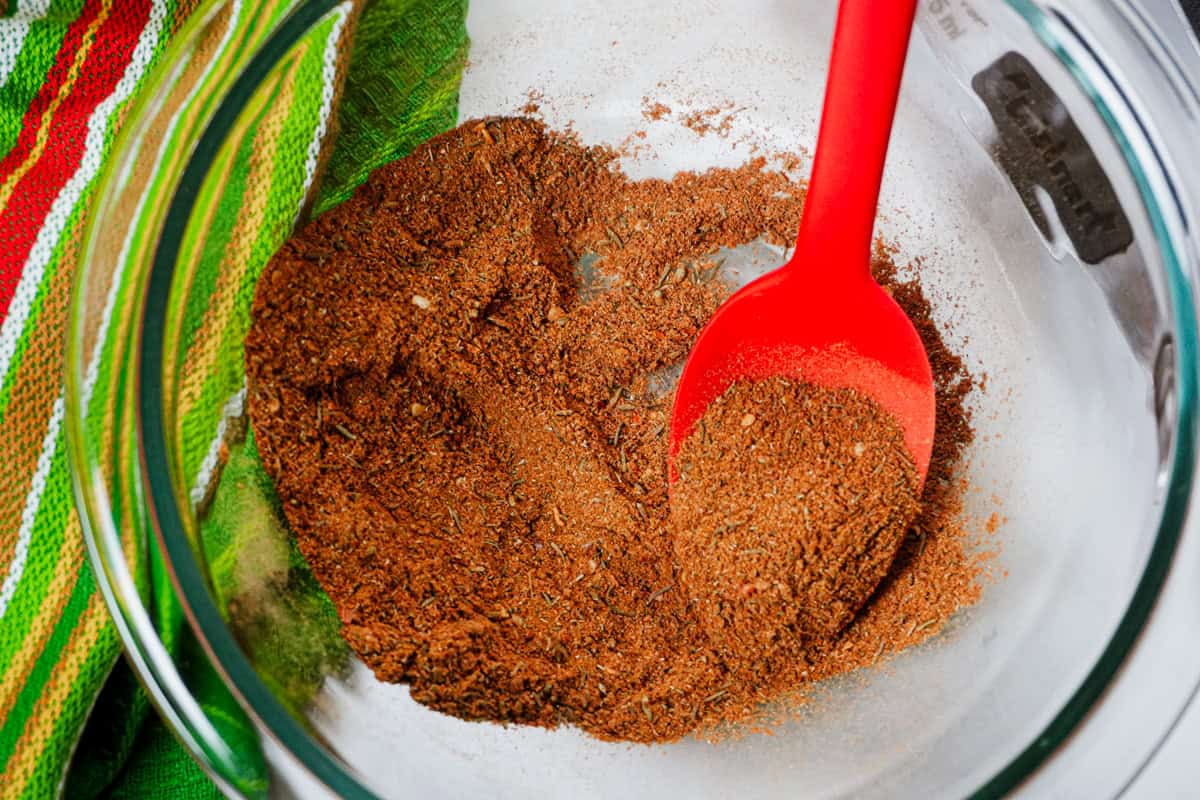
Table of Contents
Jump to:
- Make Your Own Ras El Hanout Spice Mix at Home
- Ingredients with Steps
- Culinary Glossary
- What Is Ras El Hanout?
- Is Ras El Hanout the Same as Garam Masala or Curry Powder?
- Instructions with Pictures
- Equipment You'll Need (With Alternatives)
- Kitchen Tools I Use and Recommend
- Storage Instructions
- Substitutions
- Variations
- Ways to Use Homemade Ras El Hanout
- 5 Quick Cooking Tips
- Frequently Asked Questions
- More Homemade Seasonings and Recipes
- Cooking Tips and Tutorials
- 📖 Recipe
- Have a Comment or Question?
Make Your Own Ras El Hanout Spice Mix at Home
If a recipe calls for ras el hanout and you don't have a jar hiding on the top shelf of your spice cabinet, you don't necessarily need another trip to the grocery store. This homemade ras el hanout recipe uses familiar ground spices to create a convenient substitute with earthy, warm, slightly sweet, and spicy flavors.
Ras el hanout is associated with North African cooking, particularly Moroccan cuisine, but no single formula exists. Recipes and spice merchants can create their own signature flavor using different spices and proportions. My version isn't intended to replace a traditional Moroccan ras el hanout from a specialty spice shop. Instead, it's an accessible homemade substitute you can make with spices you may already have at home.
Why You'll Love This Recipe
- Made with familiar spices: You don't need hard-to-find ingredients to make this useful spice blend.
- Ready in five minutes: Measure the ground spices, mix, and transfer everything to a sealed jar.
- You control the ingredients: Making your own spice blends lets you adjust the heat and know exactly what's in the mixture.
- Easy to keep on hand: One batch fits conveniently into a small household spice jar.
- Versatile seasoning: Use it as a dry rub, season roasted vegetables, or add aromatic flavor to chicken, rice dishes, soups, and grains.
Note From Chef Maika
I love making my own spice blends and have been doing it for years. There was even a time when I made and sold some of my own seasoning blends. Lately, I've decided that I'd rather help my readers learn how to make their own at home. It's a great way to control what's in your seasoning blend, adjust flavors to your family's preferences, and make small amounts while your spices are still fresh.
This particular blend started as the quick ras el hanout substitute I recommended when one of my recipes called for ras el hanout, and you didn't have it. Instead of measuring nine different seasonings every time, mix a small jar once and keep it ready in your spice rack.
Recommended Reads
Ingredients with Steps
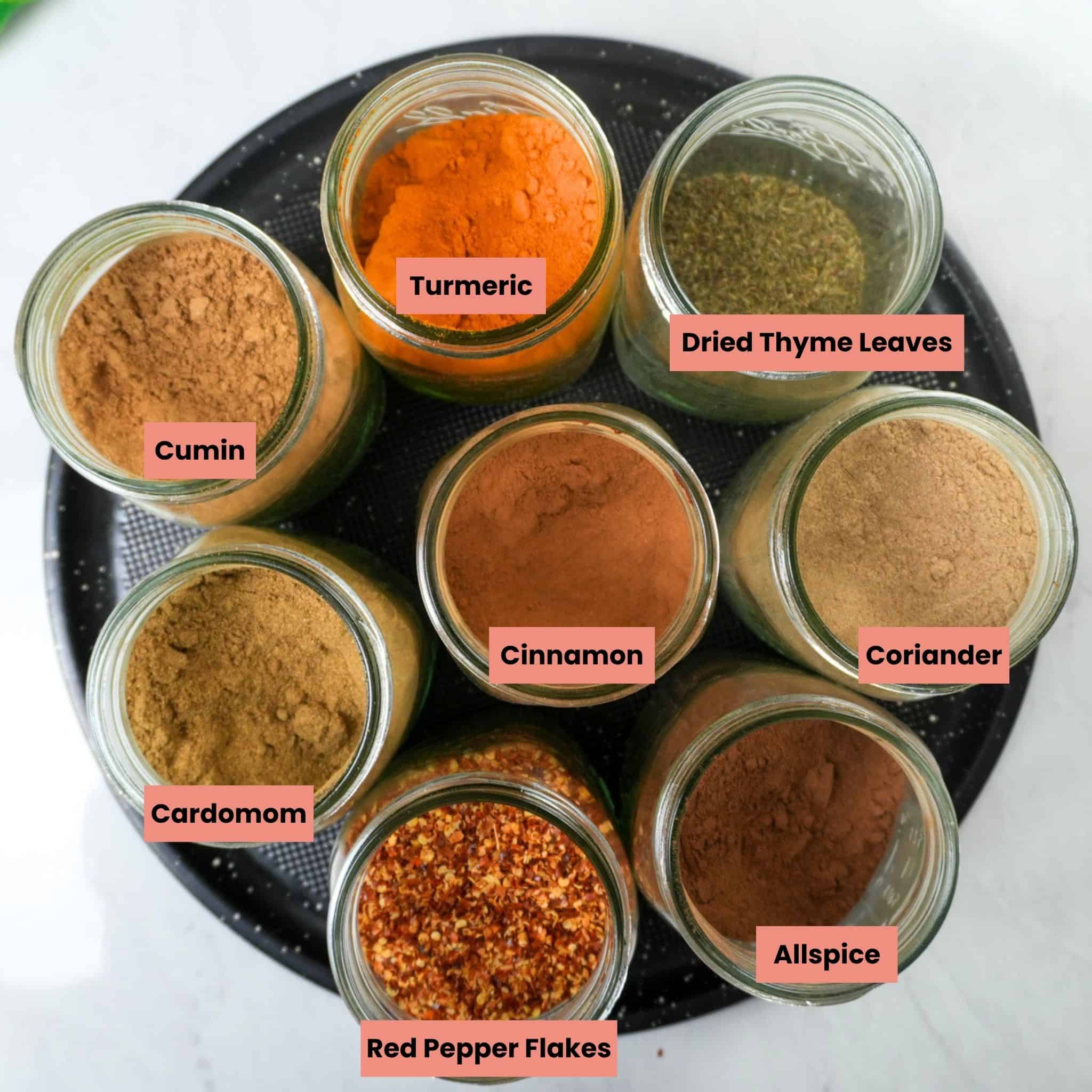
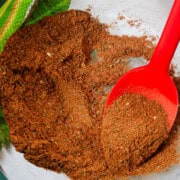
Combine the ground cumin, turmeric powder, dried thyme leaves, ground coriander, ground cardamom, ground allspice, ground cinnamon, red pepper flakes, and ground black pepper in a small bowl. Mix thoroughly until the different spices are evenly distributed, then transfer the ras el hanout spice mix to a clean, dry, airtight container. Shake the sealed jar before each use, and measure out only what you need for your recipe.
Culinary Glossary
This section provides concise definitions of key ingredients and techniques to help you understand and improve your cooking skills related to this post. Find More Terms: Culinary Glossary.
Ingredients
- Ras El Hanout: A North African spice blend particularly associated with Moroccan cuisine. The ingredients and proportions can vary considerably depending on the cook or spice seller. Visit my Ras el Hanout recipe page, featuring recipes using this fragrant spice blend.
- Cumin: An earthy, warm spice that provides much of the savory foundation in this homemade blend.
- Turmeric: A ground spice known for its golden color and earthy flavor.
- Coriander: The dried seed of the cilantro plant. Ground coriander contributes a warm, slightly citrusy quality to spice mixes.
- Cardamom: A highly aromatic spice with complex herbal, citrusy, and slightly sweet notes.
- Allspice: A single dried berry, not a spice mixture. Its flavor can suggest cinnamon, clove, and nutmeg.
- Red Pepper Flakes: Crushed dried chili peppers that provide the spicy finish in this blend.
Techniques
- Spice Blend: A combination of individual spices mixed together to create a consistent flavor profile. Find other seasoning blends.
- Dry Rub: A dry mixture of herbs and spices applied directly to food before cooking.
- Ground Spices: Spices processed into a fine powder or small particles, making them convenient for quick seasoning blends.
What Is Ras El Hanout?
The name ras el hanout, also written ras al hanout, is commonly translated as "head of the shop," referring to a spice merchant's special or select mixture. That helps explain why no single ras el hanout blend is followed by every cook or spice house.
Traditional blends can be much more elaborate than this recipe. Depending on the maker, you may encounter whole spices such as coriander seeds, cumin seeds, black peppercorns, cardamom pods, fennel seeds, cinnamon sticks, or other fragrant spices. Specialty versions may also contain less familiar ingredients.
Some recipes and commercial blends include ingredients such as rose petals, grains of paradise, long pepper, orris root, or anise seed. Their inclusion doesn't mean you need them to make my recipe. Those variations illustrate how diverse ras el hanout can be.
From Your Pantry
My version intentionally stays simple. It is designed to be a good ras el hanout substitute when you want an aromatic spice blend made from ingredients that are easier to find in an everyday grocery store.
Is Ras El Hanout the Same as Garam Masala or Curry Powder?
No. Ras el hanout, garam masala, and curry powder are different spice mixes connected to different culinary traditions.
They can share similar spices, which is why their ingredient lists sometimes appear related, but they don't automatically have the same flavor profile. Substituting garam masala or curry powder for ras el hanout can noticeably change a dish's flavor.
The same applies to a general Middle Eastern spice blend. North African and Middle Eastern cuisines have many distinct seasoning traditions, so don't treat these terms as interchangeable just because some blends share similar spices.
Instructions with Pictures
Follow the instructions and cooking tips below using the step-by-step picture guide.
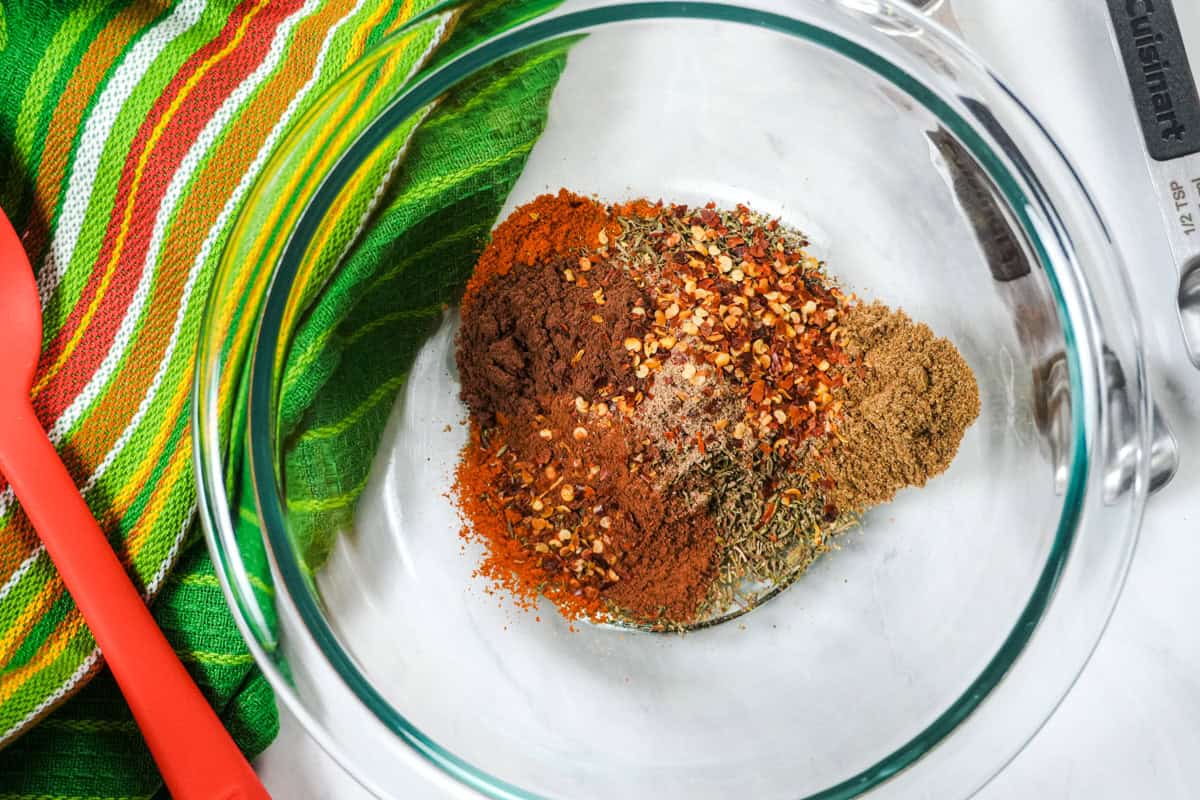
Step 1: Measure the Spices. Measure the cumin, turmeric, dried thyme, ground coriander, cardamom, allspice, cinnamon, red pepper flakes, and black pepper into a small bowl.
Because this recipe uses ground spices, you don't need a spice grinder or food processor. Get measuring spoons.
Step 2: Mix Thoroughly. Use a small whisk or spoon to combine the spices until the mixture looks evenly distributed.
Pay particular attention to the turmeric and finely ground spices. You don't want concentrated pockets of one spice remaining in the finished mixture.
Step 3: Transfer to a Spice Jar.
Transfer the spice mixture to a clean, completely dry jar with an airtight lid. A small funnel can make this easier and help prevent you from losing freshly mixed spices on the counter.
Step 4: Label and Store.
Label the jar with the blend name and the date you made it. Store it in a cool, dry, dark place away from direct sunlight and heat. Shake the jar before measuring the seasoning because ingredients of different sizes and densities can settle over time.
My Review: The SWOMMOLY 42 Square Glass Spice Jar Set has been a reliable storage solution, and I’ve purchased these jars multiple times to store and sell my own custom spice blends. Since I regularly use homemade spice mixes in my cooking, I can confidently say they hold up very well for long-term storage, and the airtight lids help keep everything fresh. I also love that each jar comes with both pour-and-sift shaker options, which make portion control much easier while cooking. The square shape keeps shelves organized, and the included 703 labels, chalk marker, and funnel make the whole setup feel complete and practical.

Equipment You'll Need (With Alternatives)
Here's what you'll need to be efficient, plus easy swaps if you don't have everything on hand. You don't need a spice grinder for this recipe because we're starting with ground spices. If you decide to experiment with whole spices in your own blend later, a grinder becomes useful.
- Measuring Spoons: Measure the individual spices accurately (a small measuring spoon set).
- Small Bowl: Provides enough room to combine the seasonings without spilling (a small food-storage container).
- Small Whisk: Evenly distributes the ground spices (a fork or spoon).
- Spice Jar: Keeps the finished seasoning protected from air and moisture (any small airtight container or sealed jar).
- Small Funnel: Makes transferring the blend into a narrow spice jar easier (a folded piece of parchment paper).
Kitchen Tools I Use and Recommend
These are some of the kitchen tools I personally use that make cooking faster and easier. If you're building your kitchen setup or upgrading your tools, these are great places to start. More Kitchen Must-Haves - Find other tools I use here.
Review: The Cuisinart Stainless Steel 6-piece magnetic measuring spoon set seamlessly blends style and functionality. Crafted from durable stainless steel with a chic black-and-silver finish, each spoon features permanent measurement markings for clear, easy reading. The magnetic handles snap together to stay organized yet separate smoothly for use. With a polished finish and six sizes ranging from ⅛ teaspoon to 1 tbsp, this set offers precise measuring and convenient storage, ideal for baking, cooking, and spice blending.

My Review: I love the clean, classic look of this Pyrex 3-piece glass mixing bowl set. It’s a staple in my kitchen. Pyrex is known for its durability, and these bowls definitely live up to that reputation. I use them for everything from mixing batters to storing leftovers, and their microwave-safe feature makes them super multifunctional. They’re also easy to clean and stack nicely in the cabinet. The only reason this isn’t a five-star for me is that I always have that little fear of breaking them when I’m using or storing them, even though they’re made to last.
My Review: The SWOMMOLY 42 Square Glass Spice Jar Set has been a reliable storage solution, and I’ve purchased these jars multiple times to store and sell my own custom spice blends. Since I regularly use homemade spice mixes in my cooking, I can confidently say they hold up very well for long-term storage, and the airtight lids help keep everything fresh. I also love that each jar comes with both pour-and-sift shaker options, which make portion control much easier while cooking. The square shape keeps shelves organized, and the included 703 labels, chalk marker, and funnel make the whole setup feel complete and practical.
Storage Instructions
Learn how to properly store leftovers and reheat them to keep them fresh and flavorful. Learn more about Understanding Food Temperature Safety Zones: Cook, Store & Serve Safely.
Keep your homemade ras el hanout in an airtight container in a cool, dry, dark place, such as a spice cabinet away from your oven.
For the freshest aromatic flavor, I recommend making small amounts rather than filling a large container that could sit unused for years. This recipe makes about 7 tablespoons, which fits comfortably into a regular household spice jar while leaving enough room to shake the ingredients before using.
For best flavor, use the blend within about 6 months. The ground spices may remain usable beyond that point when properly stored, but their aroma and flavor gradually become less pronounced.
Substitutions
Find easy ingredient swaps to fit dietary needs or what you already have in your pantry.
Dairy-Free
- This seasoning blend is dairy-free.
Gluten-Free
- The individual spices in this recipe are naturally gluten-free. If you need to avoid gluten for medical reasons, check packaged spice labels for processing or cross-contact information relevant to your needs.
Vegetarian
- This homemade spice blend contains no meat-based ingredients and is vegetarian.
Convenience
- Whole Spices: If you only have whole coriander seeds, cumin seeds, black peppercorns, or cardamom pods, grind them before measuring. For this recipe, measuring already-ground spices is the fastest and most consistent method.
- Cayenne Pepper: If you don't have red pepper flakes, use a small amount of cayenne pepper. Start conservatively because finely ground cayenne distributes more evenly and can taste hotter.
- Dried Thyme: If you use finely ground thyme powder instead of dried thyme leaves, start with slightly less and adjust future batches to your preference.
Change Heat Level - Modify the recipe's heat level to your liking and learn more about the Scoville Scale and Chili Pairings.
My Review: I’ve had this grinder for so long, I honestly can’t remember when I first bought it, and that says a lot. It’s been my go-to for grinding not just coffee but also spices, dried herbs, and even rice as a thickener. Despite years of use, it still runs smoothly and holds up well, making it one of the most reliable tools in my kitchen.

Variations
Explore fun twists and creative ways to make this recipe your own. Explore. Experiment. Taste.
- Make It Milder: Reduce the red pepper flakes by half or omit them completely. You can always add cayenne pepper or chili flakes directly to an individual dish when you want more heat.
- Make It Spicier: Increase the red pepper flakes slightly or add a small amount of cayenne pepper. Adjust gradually so the spicy flavors don't overpower the fragrant spices. Also check out the Scoville Scale and Chili Pairings.
- Experiment With Whole Spices: As you become more comfortable making your own blend, try starting with whole cumin seeds, coriander seeds, black peppercorns, or cardamom pods. Toast them gently, allow them to cool completely, and grind them into a fine powder before combining. This creates a fresher aromatic flavor but turns the recipe into a more involved spice-making project than my quick pantry version.
- Adjust the Sweet Spices: For a warmer profile, make small adjustments to the cinnamon, allspice, or cardamom. Make changes in small amounts and write down what you changed so you can reproduce your favorite version.
Ways to Use Homemade Ras El Hanout
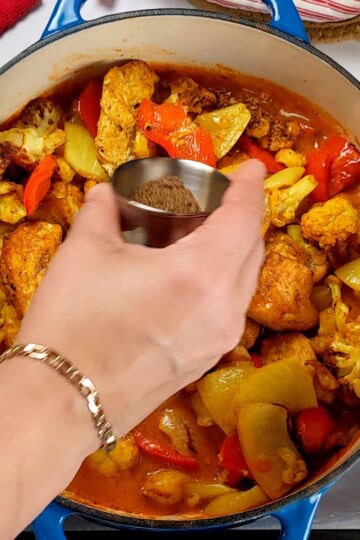
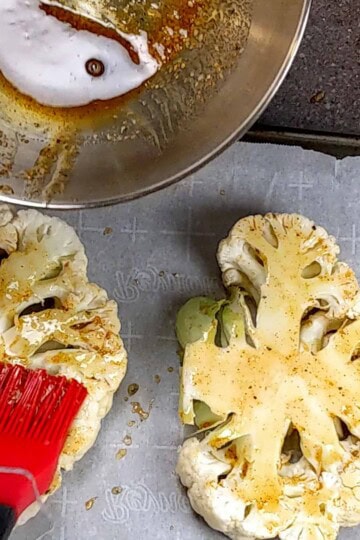
This versatile spice blend works anywhere you want earthy warmth and aromatic flavor. Try it as a dry rub for chicken or lamb, toss it with vegetables and oil before roasting, stir a small amount into rice dishes or grains, or use it to season soups and stews.
It also works well on roasted sweet potatoes, carrots, squash, cauliflower, and chickpeas. Start with a modest amount when trying it in a new dish, then add more according to your taste.
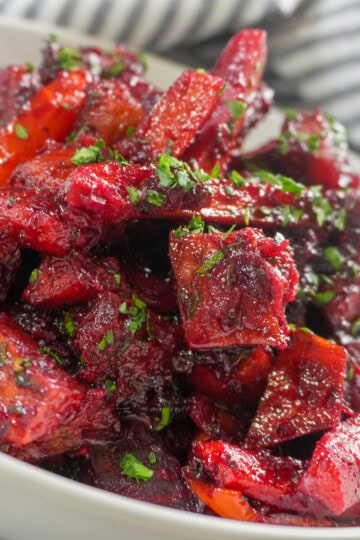
One of my favorite ways to use it is in my Ras El Hanout Roasted Vegetables with Red Beet Hot Honey Glaze, where the aromatic spices season the vegetables before roasting.
5 Quick Cooking Tips
Cook's Notebook is your Cooking Tips Resource Guide. Become a better home cook with tips to help you cook more efficiently.
- Start with fresh spices: Your finished blend can only be as flavorful as the spices going into it. If you can barely smell a spice when you open the container, replacing it may improve your blend.
- Keep moisture out: Always use completely dry measuring spoons and containers. Moisture can cause ground spices to clump and deteriorate.
- Shake before measuring: Different spices can settle inside the jar, so give your blend a quick shake before each use.
- Make small batches: A small spice jar is easier to use while the spices are still fragrant than a large batch that sits for a long time.
- Season with salt separately: Keeping salt out of the blend gives you more control when using it as a dry rub or adding it to recipes with other salty ingredients.
Support Global Food Bloggers
Ras el hanout has deep roots in North African food traditions, and this recipe is my convenient homemade substitute, not an authentic or definitive Moroccan spice blend. If you'd like to explore Moroccan cooking and learn how cooks from the region prepare and use their own blends, visit these creators:
Looking for authentic Moroccan cuisine? Check out My Moroccan Food and Salima's Kitchen.
Frequently Asked Questions
Here is a list of common questions I have answered. If you have any questions, please write them in the comments below.
If you don't have a commercial ras el hanout blend, you can combine aromatic ground spices such as cumin, turmeric, coriander, cardamom, allspice, cinnamon, thyme, black pepper, and chili flakes. The result won't duplicate every traditional blend, but it provides a convenient flavor profile for recipes that call for ras el hanout.
No. This is my simplified homemade ras el hanout substitute made with commonly available pantry spices. Traditional Moroccan ras el hanout varies among cooks, families, spice merchants, and spice shops and can contain a much broader blend of spices.
Not for this recipe. Because it uses ground spices and is intended to be a quick substitute, simply measure and mix them. If you're making your own blend from whole spices, lightly toasting certain spices before grinding can intensify their aroma.
Use the amount specified in the recipe you're preparing. If you're experimenting on your own, start with a small amount, taste as you cook when appropriate, and add more as needed because spice blends can have strong flavors.
Yes. Ras el hanout works well in a dry rub or as a seasoning for chicken and other proteins. Combine it with oil and the appropriate amount of salt, then season before cooking. You can also use it to season lamb, roasted vegetables, rice, and other savory dishes.
More Homemade Seasonings and Recipes
Making your own spice mixes is an easy way to experiment with flavor while controlling what goes into your food.
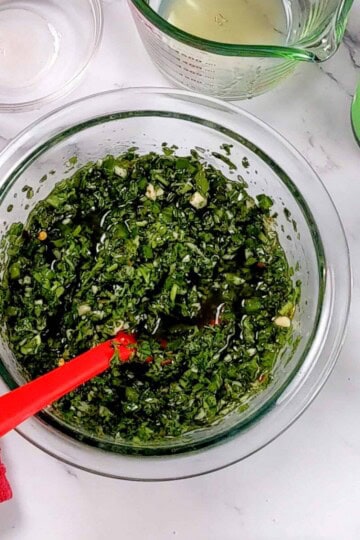
- Spicy Jalapeño Chimichurri Sauce Recipe
- Garlic and Ginger Paste: A Flavor Shortcut Every Home Cook Needs
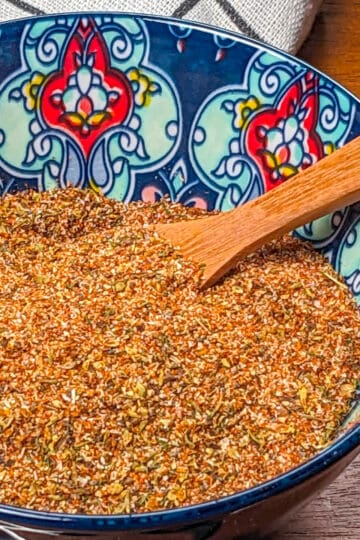
- 3 DIY Salt-Free Spice Blends to Boost Weeknight Meals
- All-Purpose Umami: A Salt-Free Spice Blend That Makes Everything Taste Better
Cooking Tips and Tutorials
If you found this tutorial helpful, you'll love my Cook's Notebook collection. From knife skills and flavor bases to time-saving tricks and essential equipment guides, this section is packed with chef-tested lessons to help you cook with confidence.
- Seasonal Produce Guide: What Fruits and Vegetables Are in Season?
- How to Roast Food: The Fundamental Principles of Roasting
- 2026 Fall Seasonal Produce Guide: Fruits and Vegetables to Enjoy This Season
- Indian Cooking Techniques That Changed How I Think About Food
📖 Recipe
Homemade Ras El Hanout Substitute
Ingredients
- 4 teaspoons ground cumin
- 4 teaspoons turmeric powder
- 4 teaspoons dried thyme leaves
- 1 teaspoon ground coriander
- 1 teaspoon ground cardamom
- 1 teaspoon ground allspice
- 1 teaspoon ground cinnamon
- 1 teaspoon red pepper flakes
- 1 teaspoon ground black pepper
Equipment
Instructions
- Save Time in the Kitchen: Read the instructions thoroughly, then gather and prep all your ingredients before cooking! Learn Prepping Tips.
- Combine the Spices: Add the cumin, turmeric, thyme, coriander, cardamom, allspice, cinnamon, red pepper flakes, and black pepper to a small bowl.
- Mix Well: Whisk or stir thoroughly until all the spices are evenly distributed.
- Transfer to a Jar: Transfer the seasoning to a clean, completely dry spice jar and seal tightly.
- Use as Needed: Shake before each use, then measure the amount called for in your recipe. Add kosher salt separately, depending on the dish you're preparing.
Notes
Nutrition


Chef Maika Frederic-Liebman
Chef and Educator
Professionally trained Haitian-American chef Maika Frederic created Just Maika Cooking, where she shares globally inspired recipes, cooking techniques, ingredient guides, and food safety tips to help home cooks become more creative and confident in the kitchen. Combining years of professional culinary experience with a passion for teaching, she makes global flavors approachable through practical, accessible instruction for cooks of every skill level.
SUBSCRIBE: 👈To my YouTube Channel to Get Notifications of New Videos.
Have a Comment or Question?
If you have a question or comment about this post, please post it below. You will receive a prompt response. It also helps our other readers to stay informed. Thanks!
Leave a Reply