-
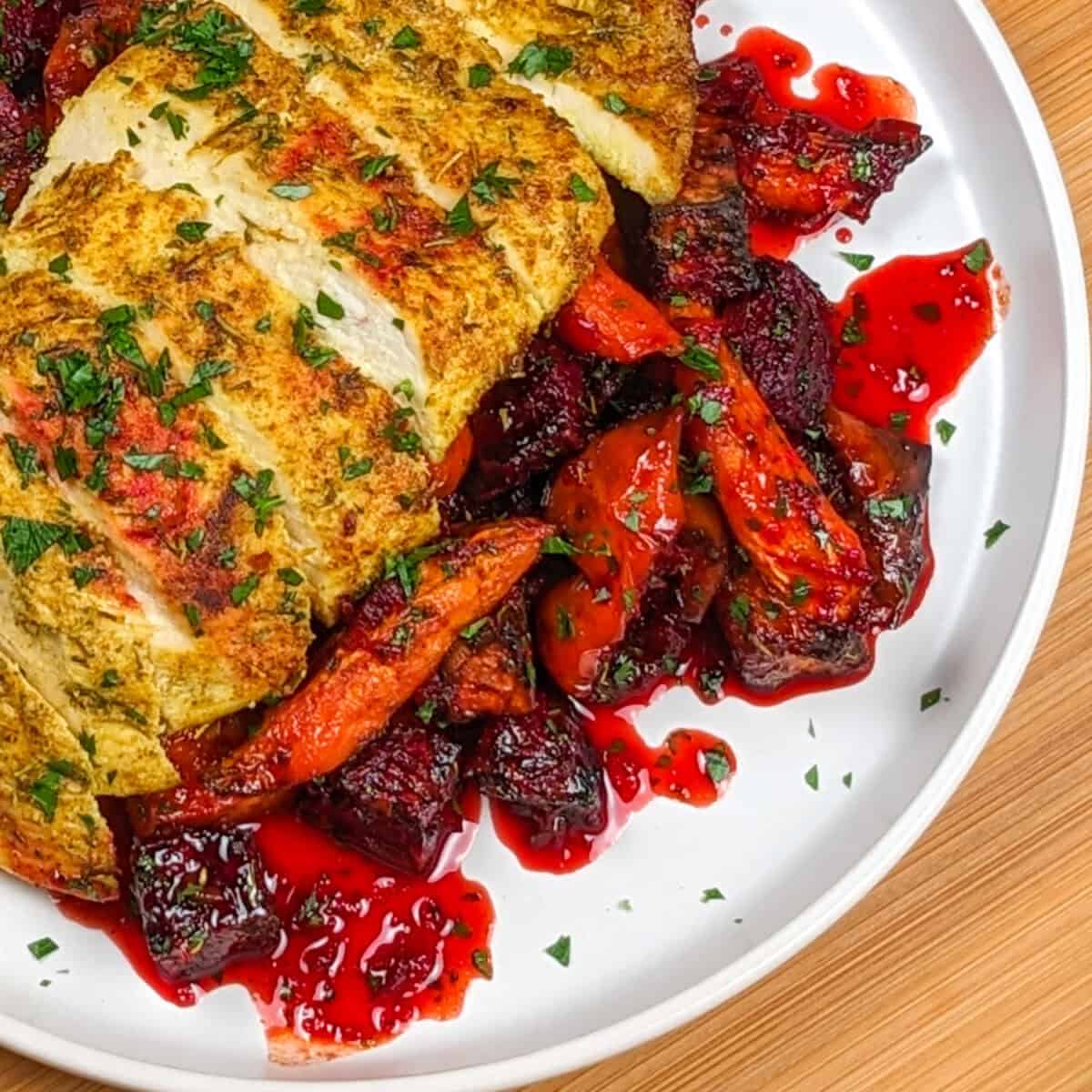
Hot Honey Baked Chicken Breast and Glazed Vegetables
-
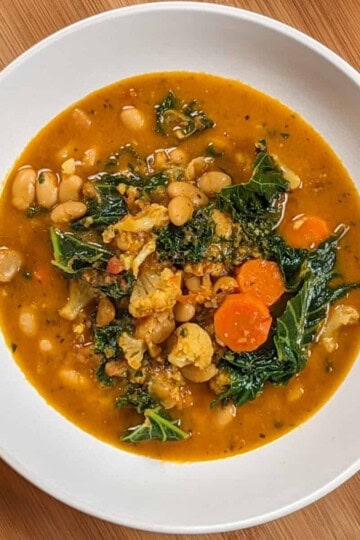
Vegetarian Ras El Hanout White Bean and Kale Soup
-
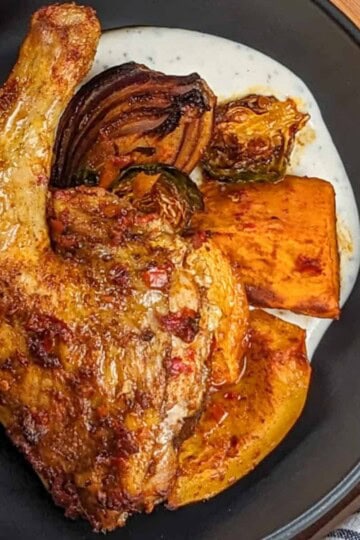
Roasted Calabrian Pepper Spatchcocked Chicken & Vegetables
-
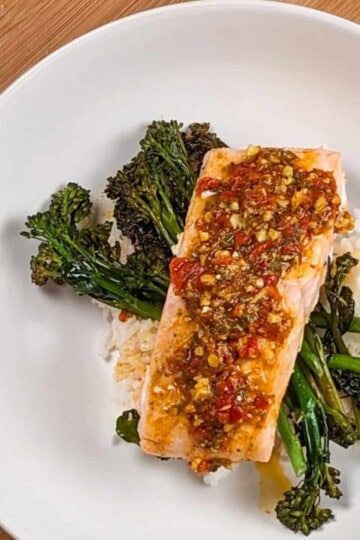
Calabrian Pepper Basil Baked Salmon and Broccolini
-
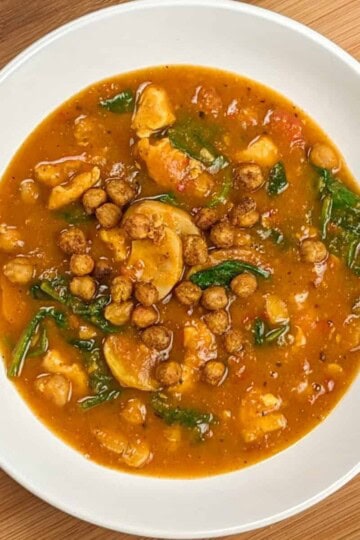
Air Fryer Butternut Squash Spiced Chickpeas Chicken Soup
-
Grilled Zhug Ras El Hanout Lamb Chops and Tomato Salad
What Is Ras El Hanout?
Ras el hanout is an aromatic North African spice blend associated particularly with the Maghreb, including Morocco, Algeria, and Tunisia. Rather than following one universal recipe, the spices in ras el hanout can vary by region, spice merchant, brand, or cook.
You'll often find warm, earthy, floral, and slightly sweet spices working together in the blend. Depending on the version you purchase, ingredients may include cumin, coriander, turmeric, cinnamon, cardamom, ginger, black pepper, allspice, cloves, or other spices. And That's also what makes ras el hanout so interesting to cook with: every blend can taste a little different!

Here you'll find my globally inspired recipes using ras el hanout along with practical tips for experimenting with this versatile seasoning in your own kitchen.
What Does Ras El Hanout Mean?
The Arabic name ras el hanout is commonly translated as "head of the shop" or "top of the shop." The phrase refers to a spice seller's special or select blend, not a standardized combination of spices. And That's why it's an important detail when you're shopping for it!
And remember, if you compare two jars of ras el hanout, don't be surprised if their ingredient lists aren't identical. One might lean heavily toward cumin and coriander, while another may be more floral, sweet, peppery, or warming.
What Does Ras El Hanout Taste Like?
No single flavor defines every ras el hanout seasoning blend. Before using a new brand, I recommend smelling (something I do) and tasting a tiny amount first. That will give you a better idea of which ingredients to pair with it.
Depending on its ingredients, you may notice:
- Earthy flavors from spices such as cumin and turmeric.
- Citrusy or floral notes from coriander and other aromatic spices.
- Warm sweetness from cinnamon, cardamom, cloves, or allspice.
- Peppery heat from black pepper, chile, or other warming spices.
- Savory complexity created by combining several spices rather than relying on one dominant flavor.
How to Use Ras El Hanout
One of the easiest ways to start cooking with ras el hanout is to treat it as an all-purpose aromatic spice blend. You can also combine ras el hanout with oil to make a quick seasoning paste for proteins and vegetables!
That's the approach I use for my Hot Honey Baked Chicken Breast and Glazed Vegetables, where I mix ras el hanout with avocado oil and hot honey before brushing it onto chicken and tossing it with vegetables. Super easy!
Try it also with:
- Chicken
- Lamb
- Fish
- Chickpeas
- Lentils
- Carrots
- Sweet potatoes
- Squash
- Cauliflower
- Eggplant
- Couscous
- Rice
- Soups and stews
- Marinades
- Sauces and dressings
How Much Ras El Hanout Should I Use?
If you've never cooked with your particular blend before, start conservatively. Usually for roasted vegetables or proteins, try about 1 to 2 teaspoons per pound of food, then adjust based on the strength of your blend and your taste.
Remember that spices become more noticeable as you cook them in fat and expose them to heat. The good thing is, you can always add more seasoning instead of trying to dilute it. Fixing a dish after you've added far too much is considerably less fun.
Chef Tip: Bloom Your Spices
Ras el hanout contains fat-soluble aromatic compounds, so combining it with oil can help distribute its flavors throughout a dish. Importantly, just keep the heat under control. Ground spices can burn quickly, and burned spices will make the entire dish bitter.
This technique is often called blooming spices:
- For marinades and roasted foods, mix the seasoning with oil before coating your ingredients.
- For soups, stews, and sauces, you can briefly cook the seasoning in oil with your aromatics before adding liquids.
Ras El Hanout vs. Curry Powder
Ras el hanout and curry powder are not interchangeable cultural terms for the same seasoning! Both names can refer to blends containing multiple spices, and individual products may share ingredients such as cumin, coriander, turmeric, or cinnamon. However, they come from different culinary histories and traditions. Rather than assuming you can automatically replace one with the other, check the ingredients on your jar and think about the flavor you're trying to create.
I tend to think about the produce, meats, and seafood typically used in the area where my spice blend is from, then create my own version of the combination, since it's more likely to pair well.
Is Ras El Hanout Spicy?
Not necessarily. Ras el hanout is usually better described as highly aromatic and warmly spiced rather than automatically hot. But some blends contain black pepper, chile, or other ingredients that add heat, while others have little noticeable spice. So check the ingredient label if you're sensitive to spicy food.
Where Can I Buy Ras El Hanout?
Look for ras el hanout in the spice aisle of well-stocked grocery stores, international markets, Middle Eastern or North African markets, specialty spice stores, or online. When comparing blends, read the ingredient list. And no ras el hanout has to contain exactly the same spices, so choose one whose flavor profile suits the type of cooking you enjoy.
How to Store Ras El Hanout
Keep ras el hanout in an airtight container in a cool, dry, dark location away from direct sunlight, heat, and moisture. Importantly, avoid storing frequently used spices immediately beside your stove if that area becomes hot or steamy. Also, ground spices don't suddenly become unsafe as they age, but their aromatic compounds gradually deteriorate. So, if you open the jar and barely smell anything, your seasoning probably won't add much flavor to dinner either.
Get more valuable tips by subscribing to my Let's Get Cooking Newsletter.
Can I Make My Own Ras El Hanout?
Yes, but remember there isn't one definitive recipe. If you don't have ras el hanout and simply need a substitute for one of my recipes, I sometimes make a quick blend using spices such as:
- Ground cumin
- Turmeric
- Dried thyme
- Ground coriander
- Ground cardamom
- Ground allspice
- Ground cinnamon
- Red pepper flakes
- Salt and black pepper
Support Authentic Food Bloggers
I consider this a practical substitute for my recipes, rather than an authentic or definitive ras el hanout formula. If you're interested in learning how ras el hanout is traditionally prepared and used, I encourage you to explore recipes and resources from North African cooks and food writers who can provide the cultural context, regional variations, and traditions behind the blend, such as My Moroccan Food and Our Tunisian Table.
Note From Chef Maika
What I love about spice blends is that they give home cooks another way to experiment without requiring an entire counter covered with spice jars.
My French culinary training taught me to build flavor carefully in stages: aromatics, seasoning, cooking technique, sauce, and finishing ingredients. As I've continued learning about foods and techniques from around the world, spice blends have become another tool for building those layers.
Ras el hanout is especially interesting because the blend itself encourages you to pay attention. Instead of assuming every jar tastes the same, smell it. Read the ingredients. Taste a tiny amount. Notice whether yours is earthy, floral, peppery, warm, or slightly sweet. Then start experimenting with ingredients that complement those flavors.
That's how I want you to use the recipes on this page: not as rules for the only way to cook with ras el hanout, but as starting points to help you feel more comfortable using it in your own kitchen.
Frequently Asked Questions
What is ras el hanout made of?
There isn't one standardized ingredient list. Depending on the blend, ras el hanout may include spices such as cumin, coriander, cinnamon, turmeric, cardamom, ginger, black pepper, allspice, cloves, and other aromatics.
Is ras el hanout the same as garam masala?
No. Both are aromatic spice blends whose exact recipes can vary, but they come from different culinary traditions and shouldn't be treated as different names for the same seasoning.
Can I use ras el hanout on chicken?
Yes. Ras el hanout works especially well in a seasoning rub or marinade for chicken. Mixing it with oil helps distribute the ground spices evenly over the meat.
Can I use ras el hanout on vegetables?
Absolutely. Try it with roasted carrots, sweet potatoes, cauliflower, squash, eggplant, or other vegetables.
Does ras el hanout contain salt?
It depends on the product. Some commercial blends contain salt, while others contain only spices. Check the ingredient label before adding additional salt to your recipe.
Is ras el hanout hot?
Not necessarily. Most blends are aromatic and warming, but the heat level depends on whether ingredients such as chile or larger amounts of black pepper are included.
Start Cooking With Ras El Hanout
If that jar of ras el hanout has been sitting in your spice cabinet waiting for you to figure out what to do with it, start with one of the recipes below. Pay attention to how the spices change when you combine them with oil, expose them to heat, and pair them with sweet, savory, or acidic ingredients. Then use what you've learned to experiment with your next meal.
Explore. Experiment. Taste.
Ras El Hanout Recipes
Explore my ras el hanout recipes below. These recipes are globally inspired creations from the Just Maika Cooking kitchen. They aren't presented as traditional North African dishes unless specifically identified as such.