-
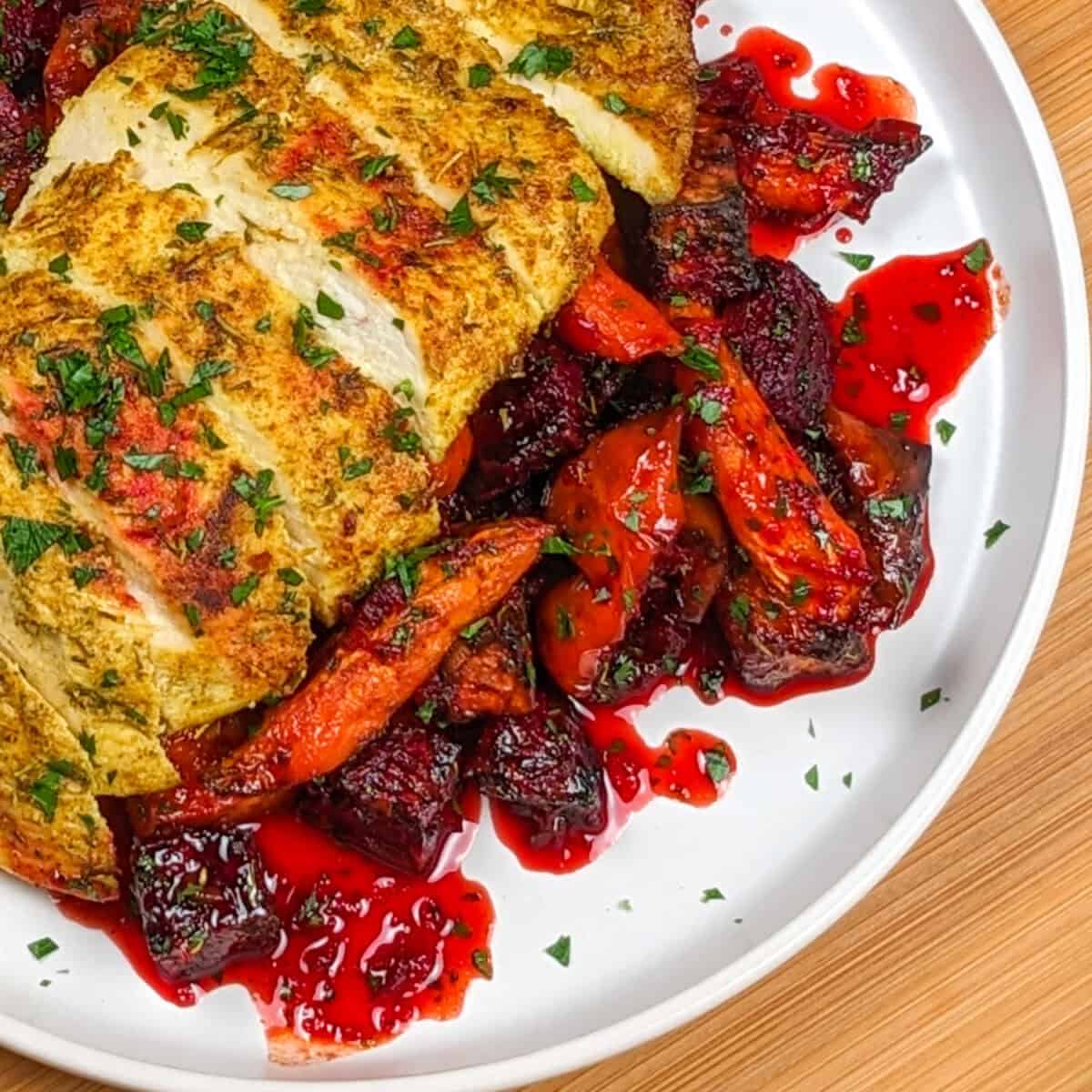
Hot Honey Baked Chicken Breast and Glazed Vegetables
-
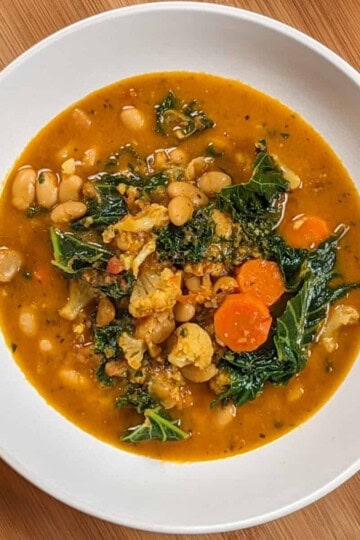
Vegetarian Ras El Hanout White Bean and Kale Soup
-
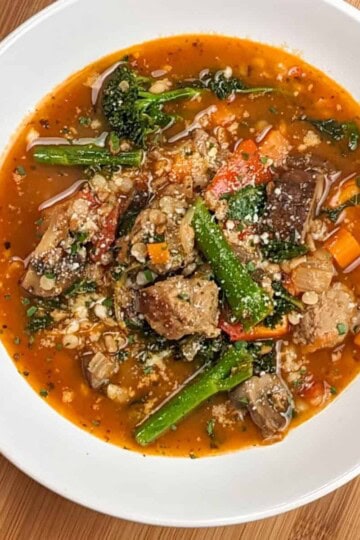
Easy and Healthy Spicy Turkey Meatball Kale Soup
-
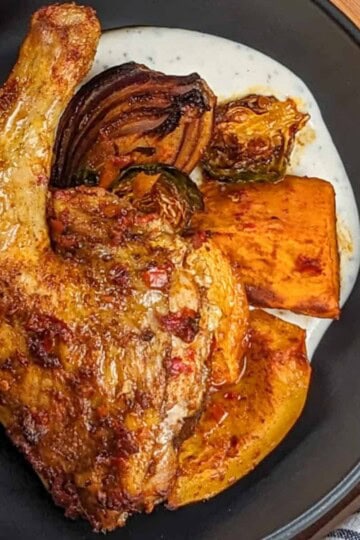
Roasted Calabrian Pepper Spatchcocked Chicken & Vegetables
-
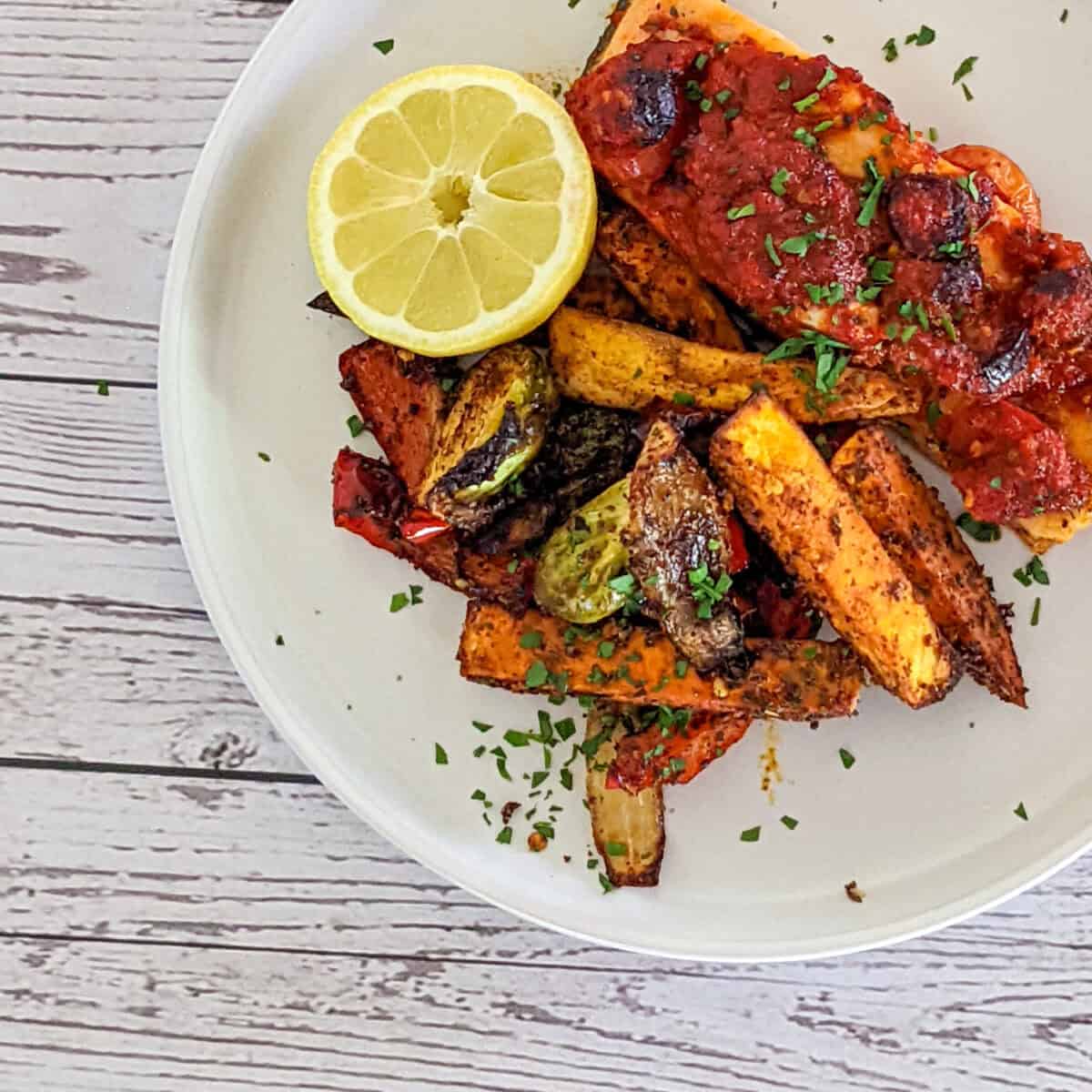
Air Fryer Roasted Harissa Salmon with Paprika Potatoes and Brussel Sprouts
-
Easy Spicy Italian Chicken Sausage Soup with Farro
-
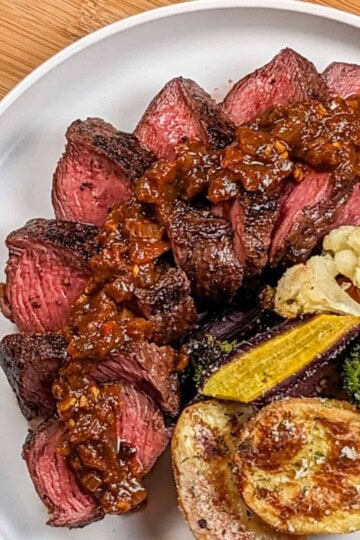
Pan-Seared Sirloin Steak with Spicy Baharat Sauce
-
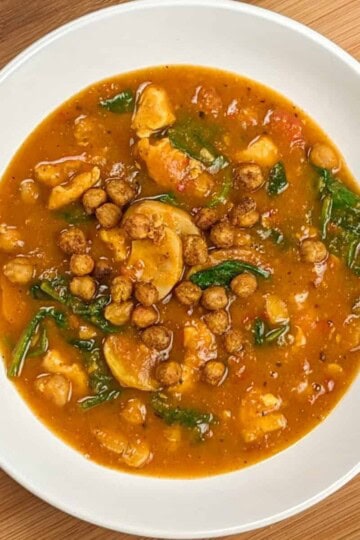
Air Fryer Butternut Squash Spiced Chickpeas Chicken Soup
-
Grilled Zhug Ras El Hanout Lamb Chops and Tomato Salad
-
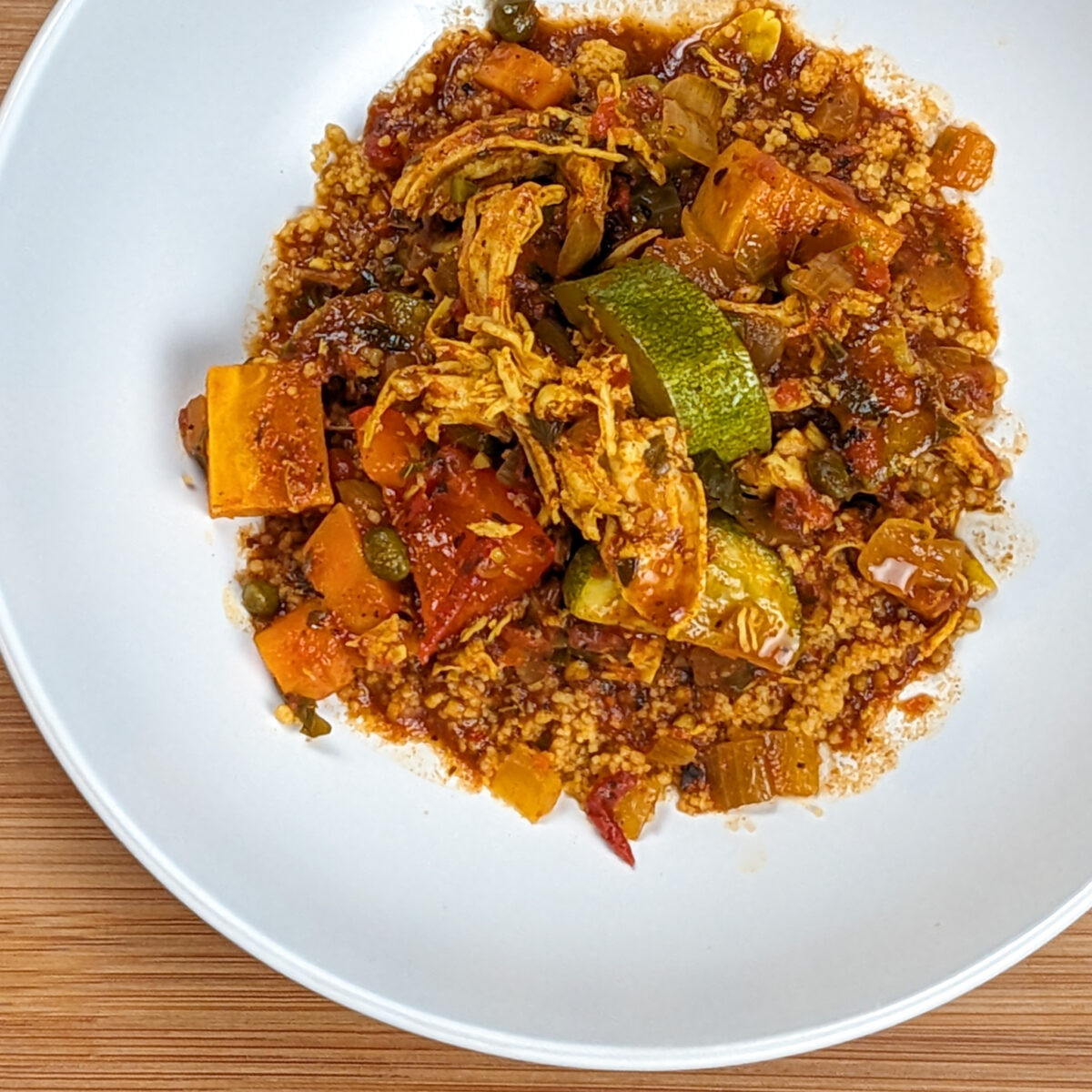
Spicy Chicken Vegetable Stew with Harissa Tomato Sauce
-
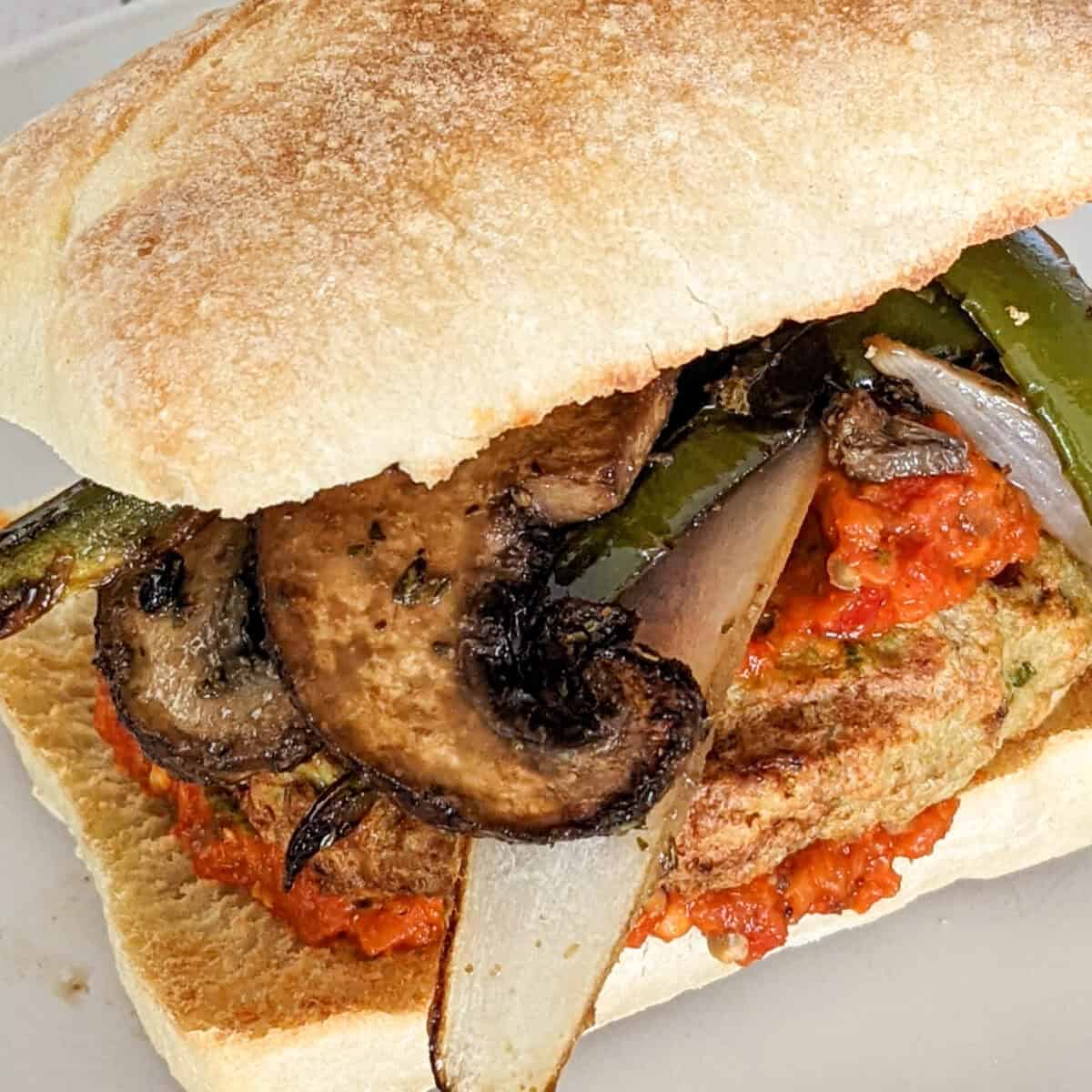
Harissa Chicken Burger with Grilled Eggplant and Mushrooms
-
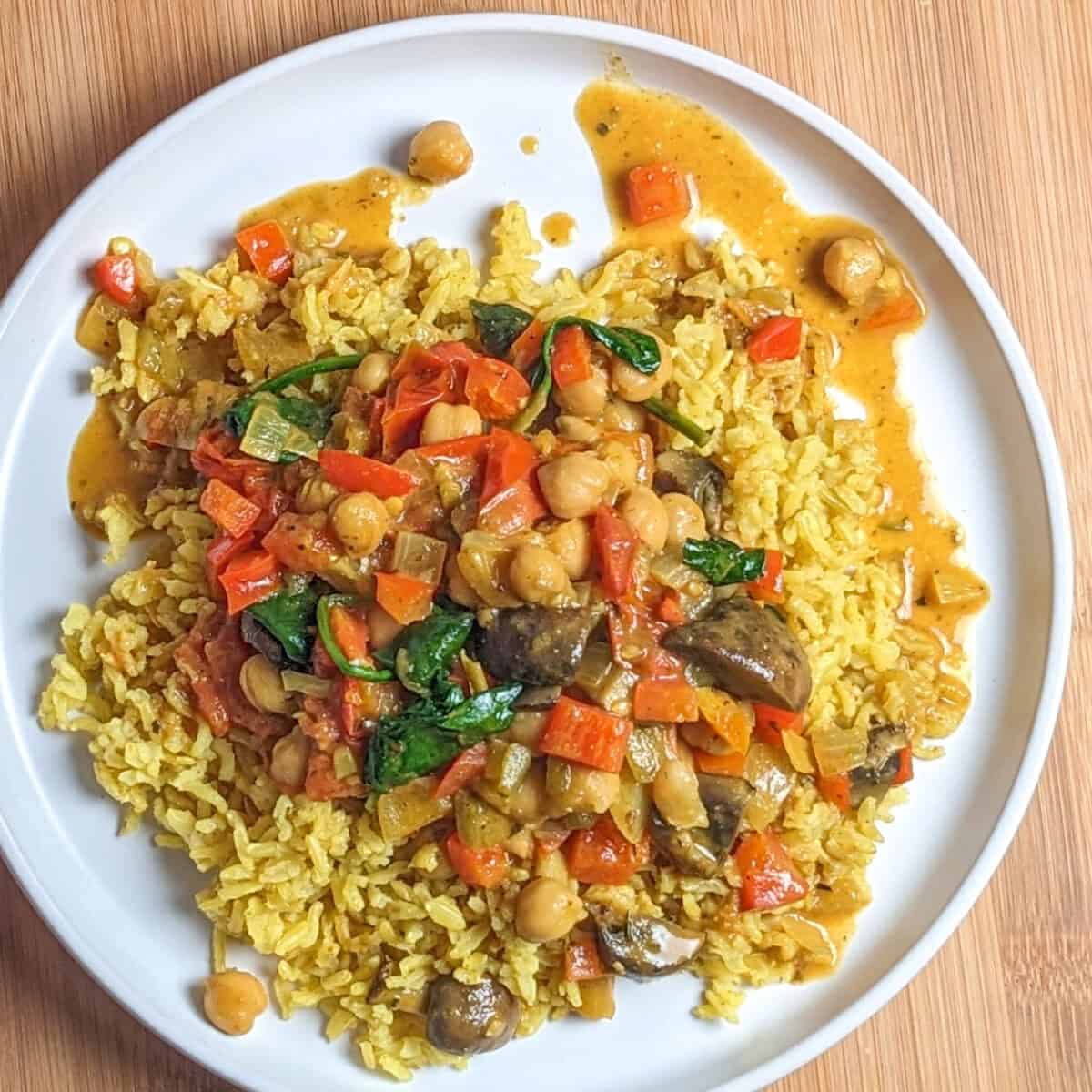
Vegetarian Chickpeas and Mushrooms Curry: Easy Comfort Food
-
Quick Vegetable Pearl Couscous Salad with Basil Romesco Sauce
-
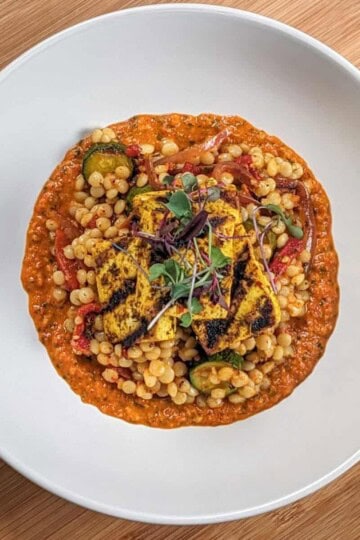
Grilled Tofu with Vegetable Pearl Couscous Salad
-
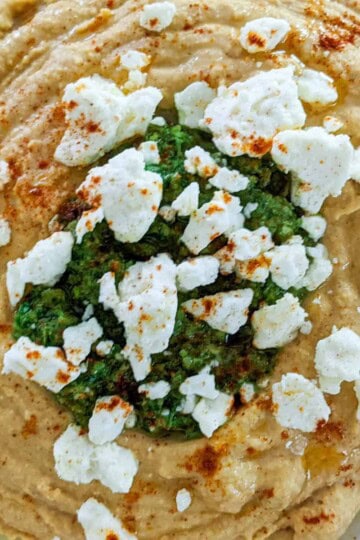
Spicy Zhug Hummus with Feta – Twist on Classic Hummus
-
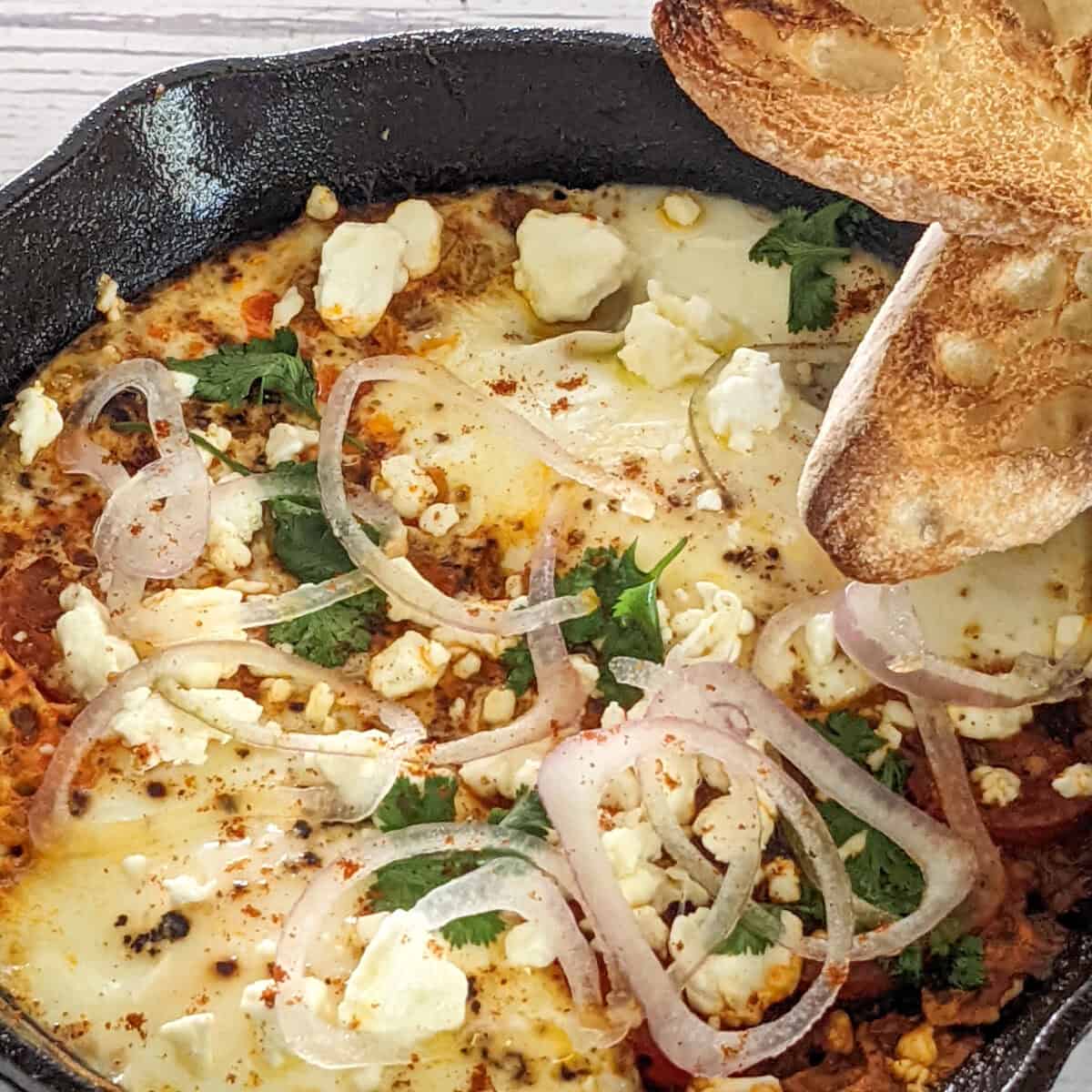
Harissa Egg & Toast with Feta Cheese and Olive Oil
-
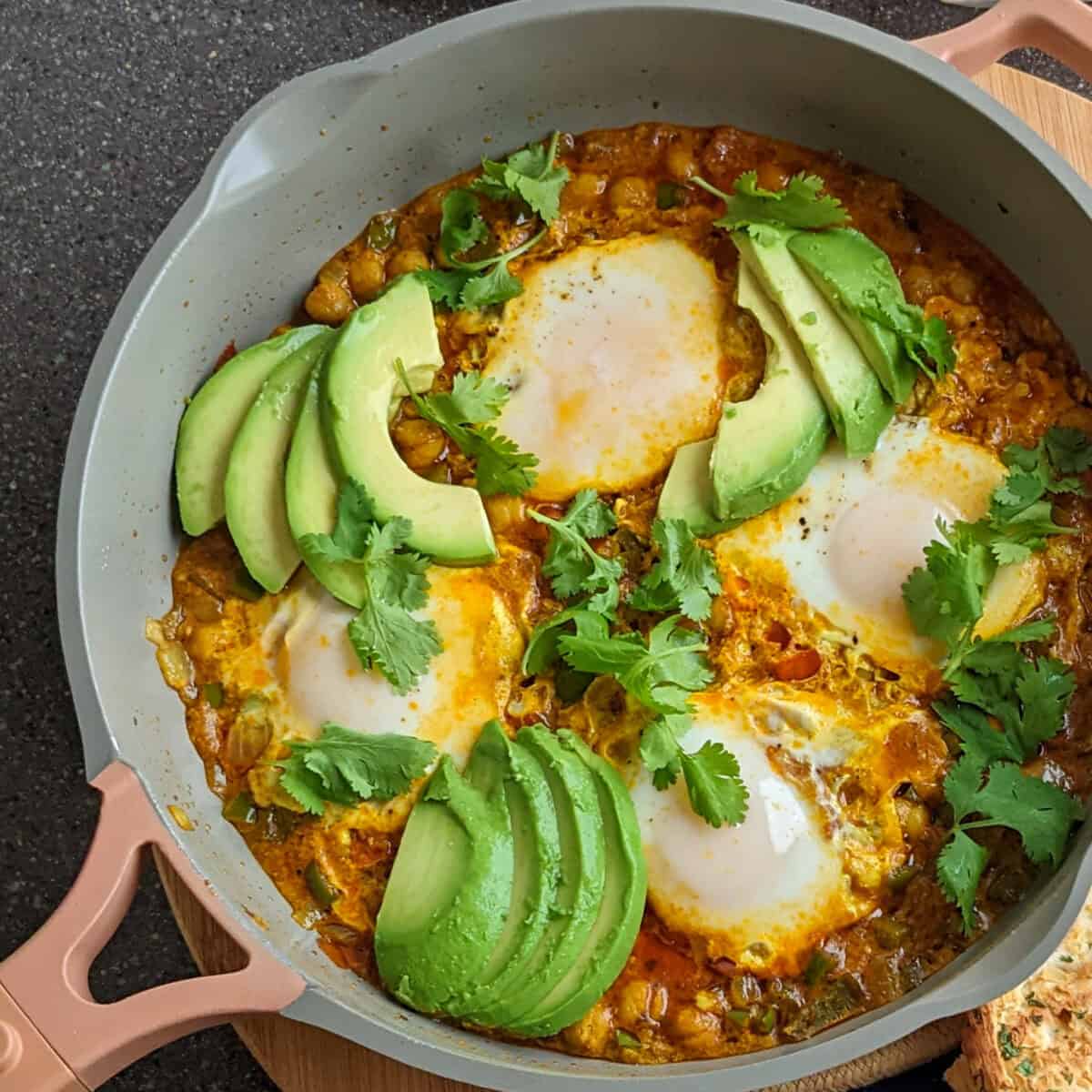
Chickpeas and Egg Masala Skillet
-
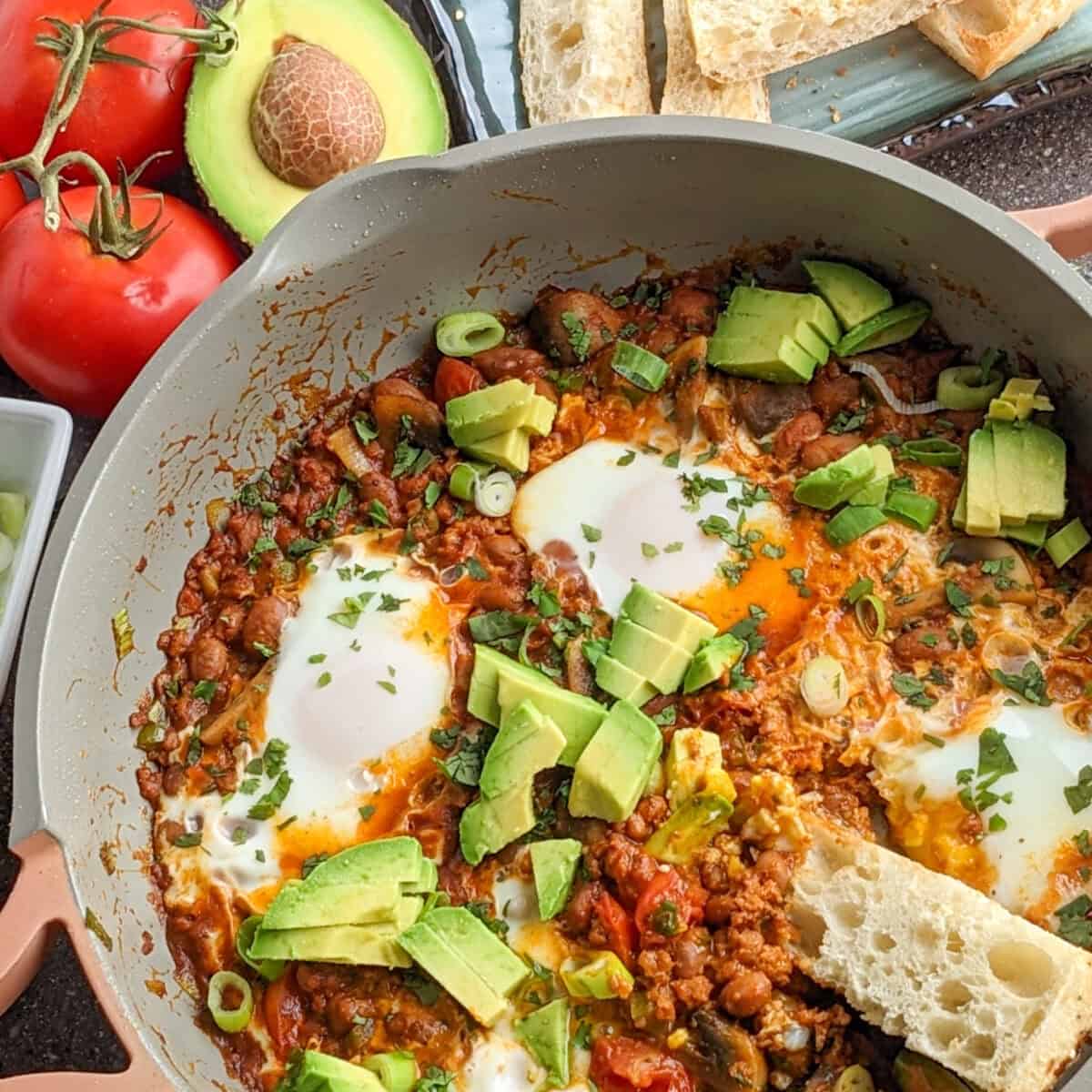
Piquant Chorizo Beans and Eggs Skillet
-
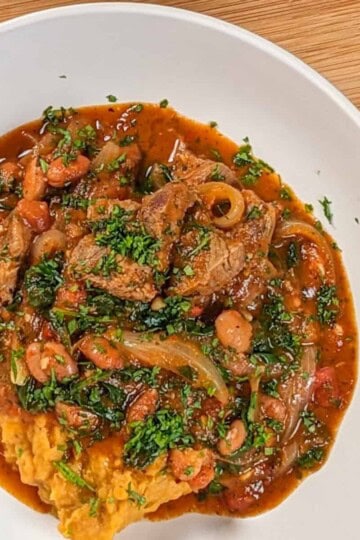
Quick and Easy Lean Baharat Spiced Bean and Lamb Stew
-
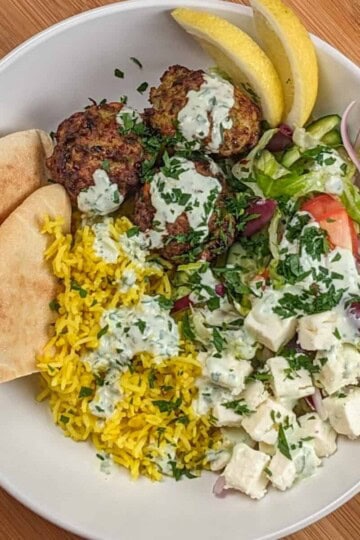
Spicy Greek Chicken Meatball Rice Bowl
-
Chicken Meatballs & Israeli Couscous Vegetable Soup
North African cuisine is one of my favorite sources of inspiration when I want to build layers of warm spices, chile heat, fresh herbs, vegetables, grains, and slow-developed savory flavors.
On Just Maika Cooking, you'll find North African-inspired recipes, rather than recipes presented as traditional or authentic. I use ingredients and flavor combinations from across the region as a starting point, then combine them with my own cooking style, culinary training, and influences from other parts of the world.
Why I Love North African Cuisine
What draws me most to North African cooking is the way spices can create depth without every dish needing to be overwhelmingly spicy.
Blends and seasonings such as ras el hanout, harissa, cumin, coriander, paprika, and warm spices can completely change something as familiar as roasted chicken, vegetables, beans, or soup. And that's the part I love experimenting with: taking ingredients home cooks already recognize and pairing them in new ways.
What Is North African Cuisine?
North African cuisine encompasses the food traditions of several countries across the northern part of the African continent, including Morocco, Algeria, Tunisia, Libya, and Egypt, along with neighboring areas whose culinary traditions overlap across geographic and cultural boundaries.
There isn't one single "North African cuisine." Geography, agriculture, religion, trade, migration, and centuries of cultural exchange have created distinct regional cooking traditions. Across the region, you'll encounter everything from couscous and slow-cooked stews to grilled meats, seafood, legumes, vegetables, breads, preserved ingredients, chile pastes, and aromatic spice blends.
The Flavors That Define North African Cooking
Common Flavor Profiles
Sweet and savory ingredients can also appear together, especially in dishes that combine meat with dried fruits, nuts, warm spices, or honey.
North African dishes frequently build flavor with ingredients such as:
- Cumin
- Coriander
- Paprika
- Turmeric
- Cinnamon
- Ginger
- Chile peppers
- Garlic
- Preserved lemon
- Olives
- Tomatoes
- Fresh herbs
- Olive oil
Ras El Hanout
Ras el hanout is a North African spice blend especially associated with the Maghreb. There isn't one universal formula, so the spices and proportions can vary considerably between producers and cooks.
That's one reason I enjoy using it. A single blend can bring several layers of flavor to roasted vegetables, chicken, lamb, beans, and soups without requiring you to measure numerous individual spices.
Harissa
Harissa is another ingredient example you'll see frequently throughout my North African-inspired recipes. This chile-based seasoning is particularly associated with Tunisia and is also used elsewhere across the Maghreb. Depending on the preparation, it may include dried or fresh chiles along with garlic, spices, and oil. And I use it when I want concentrated chile flavor for marinades, sauces, soups, roasted vegetables, seafood, or sandwiches.
A Brief History of North African Cuisine
North African food reflects thousands of years of agriculture, migration, trade, conquest, and cultural exchange. For example, Indigenous Amazigh (Berber) food traditions form an important foundation of Maghrebi cooking. Over centuries, those traditions interacted with Arab, Mediterranean, Andalusian, Ottoman, sub-Saharan African, and European influences.
The incredible result isn't one uniform cuisine but a collection of regional food traditions that continue to change from country to country, city to city, and family to family.
Couscous offers a particularly good example of this shared culinary heritage. Algeria, Mauritania, Morocco, and Tunisia jointly added their preparation and consumption traditions to UNESCO's Representative List of the Intangible Cultural Heritage of Humanity in 2020. Couscous varies by region, season, ingredients, and occasion, showing how a shared food can still have countless local expressions!
Regional Differences in North African Cooking
Morocco
Moroccan cooking is especially known internationally for dishes such as tagines and couscous, along with combinations of warm spices, preserved lemons, olives, dried fruits, nuts, herbs, and slow-cooked meats and vegetables.
Support Authentic Food Bloggers such as My Moroccan Food and Salima's Kitchen.
Algeria
Algerian cuisine varies considerably by region and includes couscous, breads, vegetables, legumes, lamb, chicken, seafood, and chile-based seasonings. Mediterranean, Amazigh, Arab, and other historical influences contribute to its diversity.
Support Authentic Food Bloggers such as The Teal Tangine and Petite Panière.
Tunisia
Tunisian cooking is particularly well known for its use of harissa, chiles, tomatoes, olive oil, seafood, couscous, eggs, and spices. Many dishes bring together savory ingredients with a noticeable chile-forward character.
Support Authentic Food Bloggers such as Our Tunisian Table and Afooda.
Libya
Libyan cuisine reflects Mediterranean, Arab, Amazigh, and regional African influences. Pasta, couscous, grains, legumes, lamb, tomatoes, spices, and chile-based sauces all appear within its cooking traditions.
Support Authentic Food Bloggers such as The Libyan Kitchen and Libyan Food.
Egypt
Egypt sits at the crossroads of North Africa and the Middle East, giving its cuisine its own distinct identity. Beans, lentils, grains, vegetables, breads, herbs, garlic, and spices form the foundation of many everyday dishes.
Support Authentic Food Bloggers such as SCARF GAL FOOD and The Egyptian Kitchen.
Essential Ingredients in North African-Inspired Cooking
You don't need an enormous spice cabinet to begin experimenting with these flavors. Some useful ingredients to explore include ras el hanout, harissa, cumin, coriander, paprika, cinnamon, turmeric, chickpeas, couscous, tomatoes, olives, lemons, garlic, fresh herbs, dried fruits, nuts, and olive oil. Start with ingredients you already know and introduce one new spice blend, condiment, or technique at a time.
How North African Cuisine Inspires My Recipes
My recipes aren't meant to recreate the traditional dishes of Morocco, Algeria, Tunisia, Libya, Egypt, or other North African communities. Instead, I take inspiration from their ingredients, spice combinations, condiments, and cooking techniques and experiment with them in dishes designed for the everyday home cook.
That might mean seasoning chicken and vegetables with ras el hanout, adding harissa to a tomato-based stew, pairing lamb with North African spices, or bringing those flavors into soups, burgers, salmon, beans, and vegetable-forward meals.
You'll see that inspiration throughout recipes such as my Vegetarian Ras El Hanout White Bean and Kale Soup, Hot Honey Baked Chicken Breast and Glazed Vegetables, Spicy Chicken Vegetable Stew with Harissa Tomato Sauce, Harissa Chicken Burger with Grilled Eggplant and Mushrooms, Air Fryer Roasted Harissa Salmon, and Grilled Zhug Ras El Hanout Lamb Chops, and on and on!
It's all part of what I encourage here at Just Maika Cooking: learn where flavors come from, understand what inspired the dish, and then get comfortable experimenting in your own kitchen.
Explore North African-Inspired Recipes
Browse the North African-inspired recipes below for approachable ways to experiment with ras el hanout, harissa, warming spices, couscous, chickpeas, vegetables, chicken, lamb, seafood, and more.
These recipes reflect my interpretation of the flavors and ingredients I've learned about and enjoyed, rather than an attempt to represent the full traditions of North African cooking. Explore. Experiment. Taste.