-
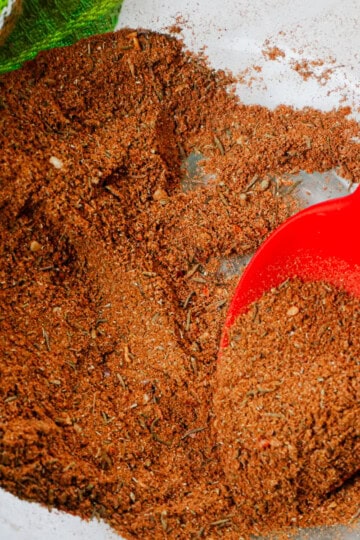
Homemade Ras El Hanout Substitute
-
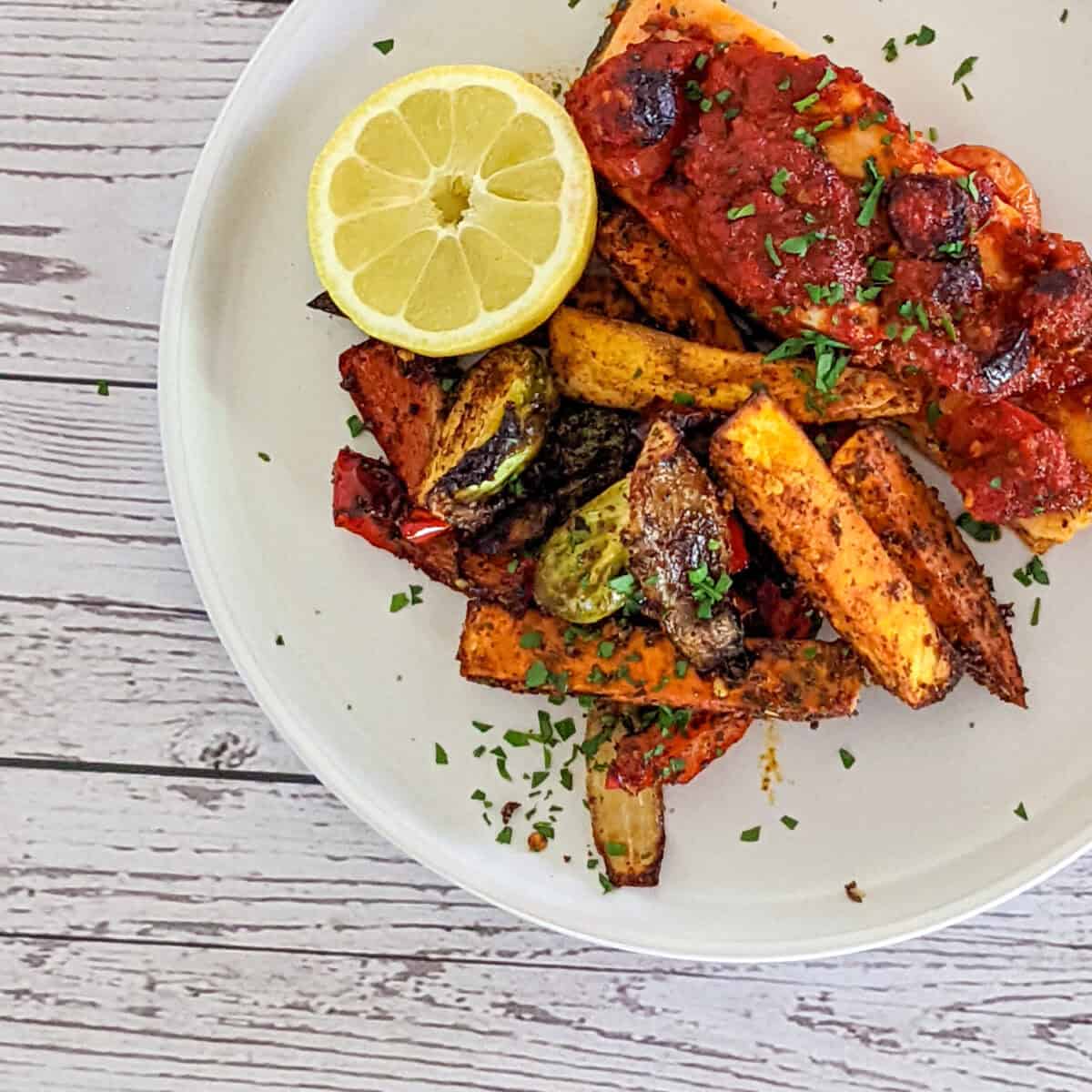
Air Fryer Harissa Salmon with Sweet Potatoes and Brussels Sprouts
-
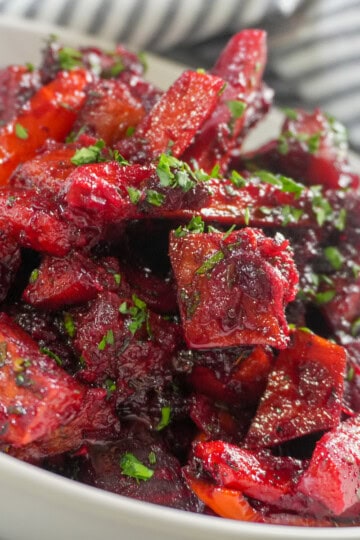
Ras El Hanout Roasted Vegetables with Red Beet Hot Honey Glaze
-
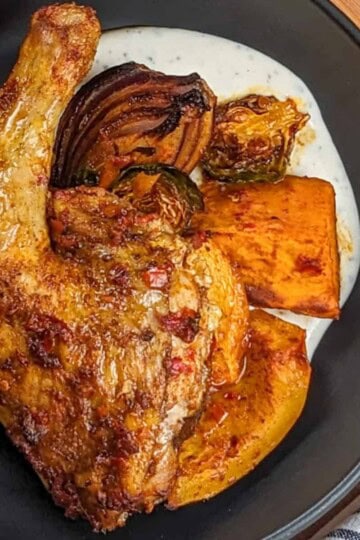
Roasted Calabrian Pepper Spatchcocked Chicken & Vegetables
-
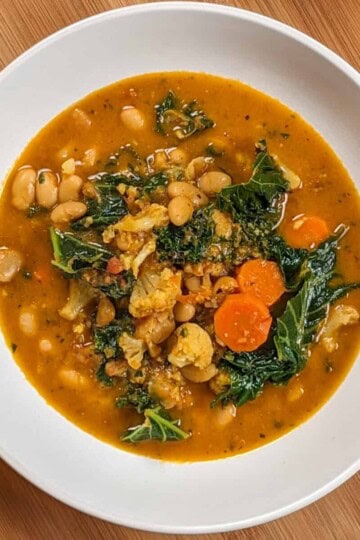
Vegetarian Ras El Hanout White Bean and Kale Soup
-
Spicy Moroccan-Inspired Harissa Carrot Salad
-
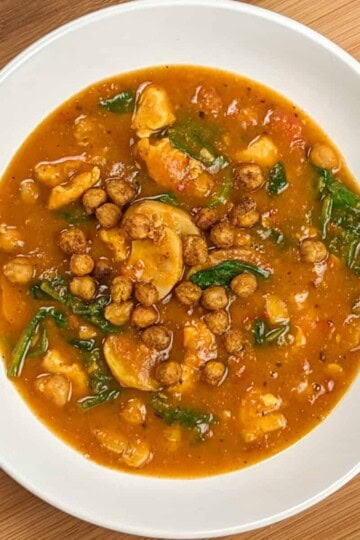
Air Fryer Butternut Squash Spiced Chickpeas Chicken Soup
-
Spicy Chicken Vegetable Stew with Harissa Tomato Sauce
-
Harissa Chicken Burger with Grilled Eggplant and Mushrooms
-
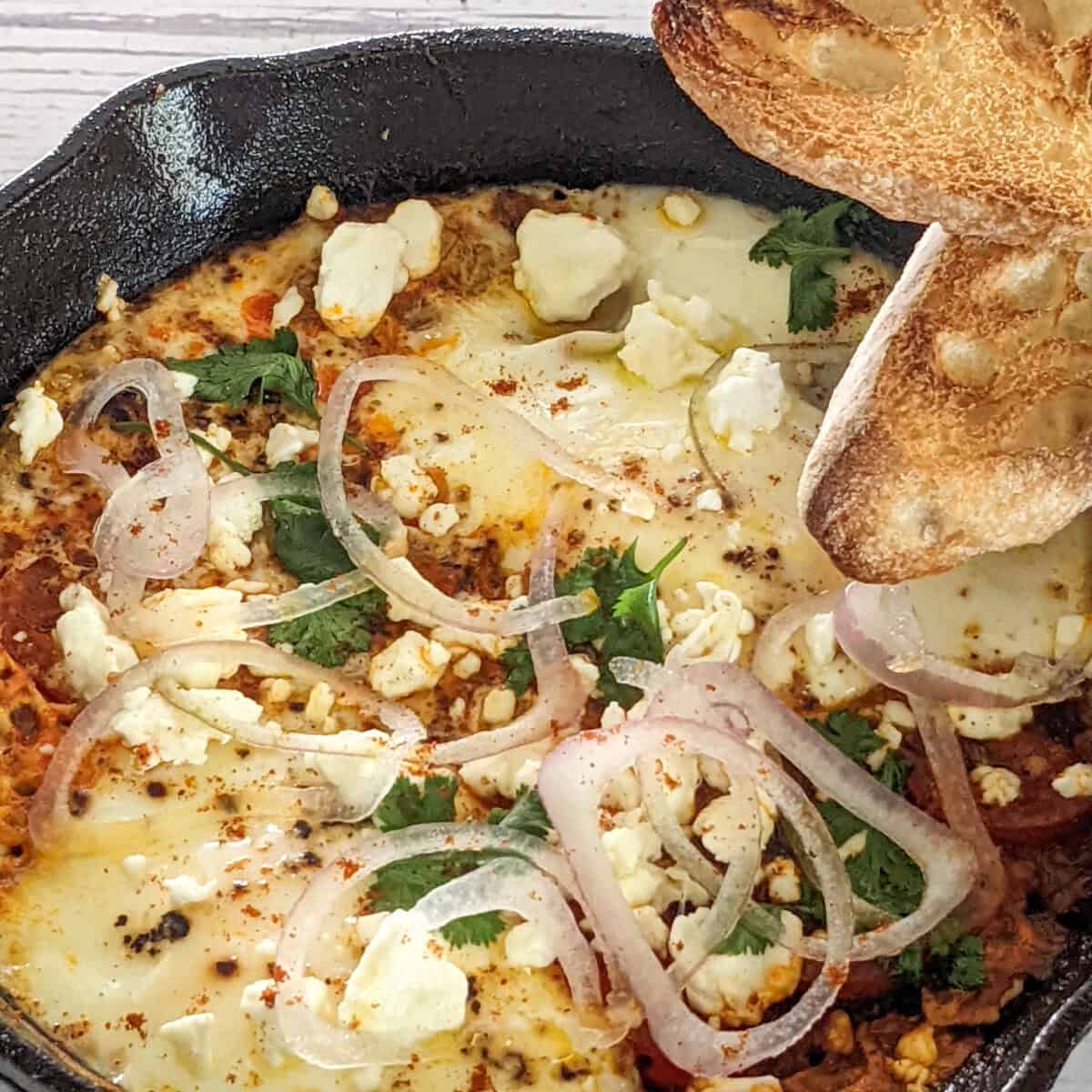
Harissa Egg & Toast with Feta Cheese and Olive Oil
Moroccan cuisine has always captured my attention because it brings together so many things I love about cooking: warm spices, fresh herbs, colorful vegetables, grains, slow-cooked dishes, and that wonderful balance between savory, sweet, spicy, and aromatic flavors.
But I'm also drawn to Moroccan food visually. The colorful ingredients, beautifully arranged dishes, patterned serving pieces, tagines, textiles, and warm earthy colors surrounding the food create an aesthetic that feels just as inviting as the flavors themselves. It inspires me to think about how a dish looks on the table, not just how it tastes.
The recipes you'll find in this category are Moroccan-inspired rather than traditional Moroccan recipes. They show how ingredients, seasonings, and cooking ideas from Moroccan and broader North African cuisine have influenced how I experiment in my own kitchen.
Why I Love Moroccan Cuisine
As a chef, I'm naturally interested in cuisines that teach me new ways to combine ingredients, and Moroccan cooking offers so much to explore. Its cuisine reminds me that color can be part of the eating experience.
I especially love how colorful Moroccan dishes can be. Golden couscous, deep red harissa, orange carrots, green herbs, roasted peppers, olives, preserved lemons, and richly seasoned vegetables can all appear on the same table. That visual abundance inspires my own cooking. I love creating dishes where the vegetables, sauces, spices, and garnishes bring their own colors to the plate, rather than relying on decoration just to make food look pretty.
What Is Moroccan Cuisine?
Moroccan cuisine reflects the country's geography, agriculture, trade, and centuries of cultural exchange. Amazigh ↗ traditions form an important foundation of Moroccan food, while Arab, Andalusian, Jewish, Mediterranean, and African influences have also contributed to the cuisine over time.
Some of Morocco's best-known foods include couscous, tagines, pastilla, rfissa, breads, salads, grilled meats, and richly seasoned stews. Meals often combine vegetables, grains, meats, dried fruits, nuts, herbs, spices, and preserved ingredients in ways that create layers of flavor rather than relying on just one dominant seasoning.
The Flavors That Define Moroccan Cooking
Common Flavor Profiles
Moroccan cooking is known for aromatic seasoning rather than simply being "spicy." You may also encounter ras el hanout, a spice blend whose exact combination varies, and harissa, a chile paste associated with North African cooking. What interests me most is how these ingredients can move between savory, sweet, earthy, bright, and spicy flavors within the same meal.
Common ingredients and seasonings can include:
- Cumin
- Coriander
- Cinnamon
- Ginger
- Turmeric
- Paprika
- Saffron
- Black pepper
- Fresh parsley and cilantro
- Preserved lemon
- Olives
- Dates and other dried fruits
- Almonds and other nuts
Textures and Cooking Styles
Texture is another part of the experience. For example, tender braised meats pair well with couscous or bread. Roasted vegetables bring caramelization and deeper flavors. Nuts provide crunch, while dried fruits can add a chewy sweetness against savory spices! Slow cooking is important to many traditional dishes, but Moroccan flavors can also inspire quicker meals, which I enjoy experimenting with for Just Maika Cooking.
A Brief History of Moroccan Cuisine
Morocco sits at a crossroads between North Africa, the Mediterranean, the Atlantic, and the Arab world, creating a cuisine shaped by local traditions and centuries of movement and cultural exchange. Amazigh food traditions ↗ are among its oldest foundations, including the preparation of grains, breads, couscous, vegetables, and meats.
Later Arab and Andalusian influences added spices, ingredients, agricultural traditions, and sweet-and-savory combinations. Morocco's historic Jewish communities also contributed significantly to the country's culinary traditions. So, rather than coming from one single influence, Moroccan cuisine developed through these layers while maintaining strong regional and family traditions.
Essential Ingredients in Moroccan Cooking
If you're beginning to explore Moroccan-inspired cooking, you may already have many useful ingredients in your pantry.
Couscous: A North African staple traditionally made from tiny granules of semolina and commonly served with vegetables, meat, or broth.
Ras el Hanout: An aromatic North African spice blend that can include cumin, coriander, turmeric, cinnamon, ginger, pepper, and other spices, depending on the maker. Search the Ras el Hanout Recipe Collection.
Harissa: A chile-based North African condiment that adds heat along with concentrated pepper and spice flavor. Search the Harissa Recipe Collection.
Preserved Lemon: Lemons preserved with salt until their rind becomes intensely citrusy, salty, and aromatic.
Olives: Frequently used to provide briny contrast to richly seasoned dishes.
Fresh Herbs: Cilantro and parsley bring freshness to cooked dishes, salads, marinades, and sauces.
Dried Fruits and Nuts: Ingredients such as dates, apricots, raisins, almonds, and other nuts can create the sweet-savory contrasts found throughout Moroccan cooking.
Moroccan-Inspired Recipes on Just Maika Cooking
These recipes aren't intended to recreate traditional Moroccan dishes. Instead, they show how Moroccan and North African ingredients have influenced my own cooking.
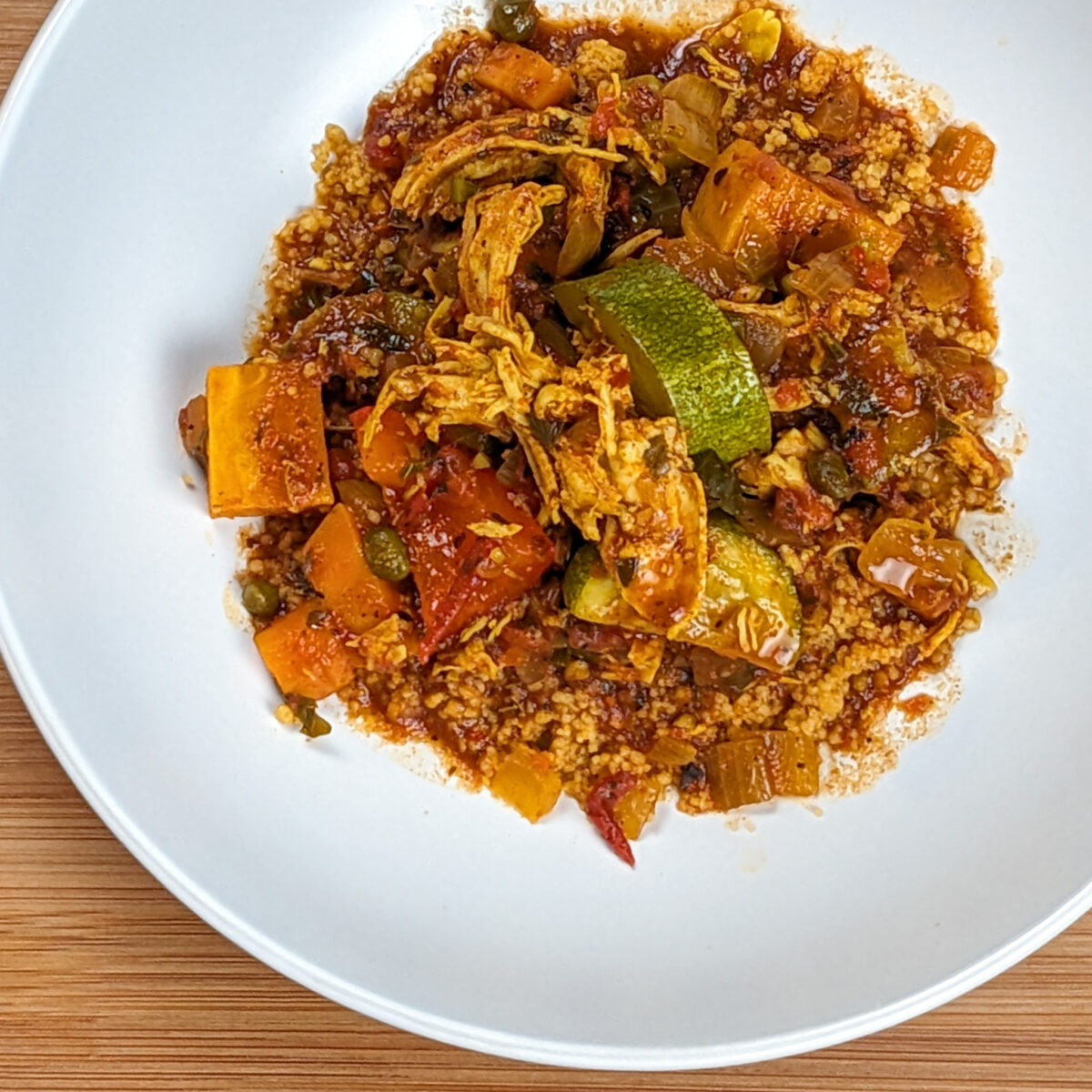
Chicken Vegetable Couscous
My Chicken Vegetable Couscous is perhaps the clearest introduction to this inspiration, bringing chicken, vegetables, couscous, and aromatic seasoning together in one colorful meal. It draws on the relationship between couscous, vegetables, spices, and proteins found throughout North African cooking, adapting those ideas into an approachable home-cooked dinner.
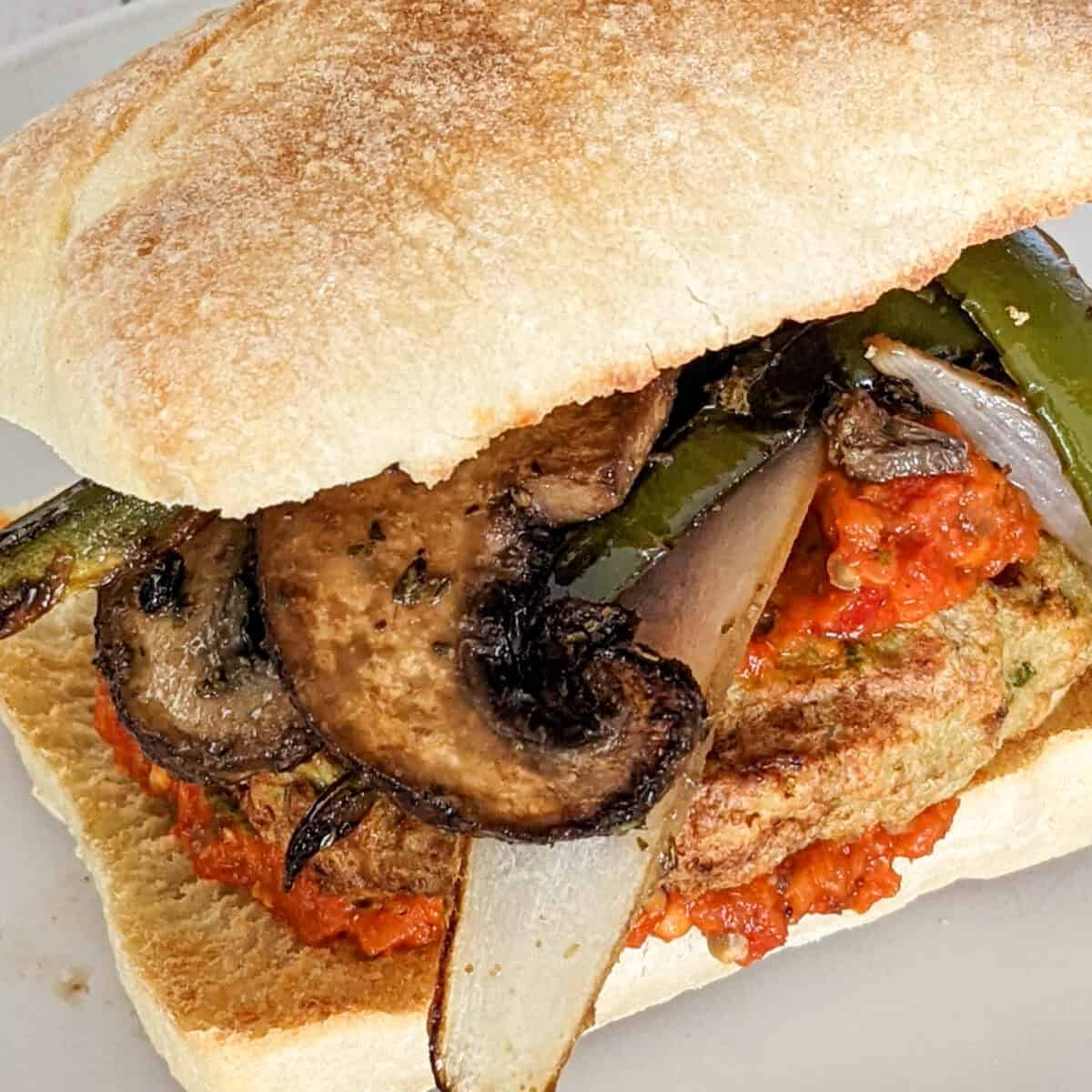
Chicken Burger with Spicy Eggplant Harissa
The Chicken Burger with Spicy Eggplant Harissa takes those flavors in a completely different direction. Here, harissa becomes part of a spicy eggplant topping for a chicken burger, showing how an ingredient associated with North African cooking can inspire something as familiar as a burger.
Roasted Harissa Salmon with Paprika Potatoes
My Roasted Harissa Salmon with Paprika Potatoes uses harissa to bring chile heat and concentrated seasoning to salmon, paired with paprika-seasoned potatoes. This is exactly the type of recipe I enjoy creating: taking a flavor or ingredient I've learned about through another cuisine and exploring how it works in an easy meal at home.
Harissa Egg Toast
The Harissa Egg Toast shows how these influences don't have to be reserved for elaborate dinners. Harissa brings bold pepper flavor to a simple egg toast, making it an easy way to experiment with North African-inspired flavors without needing a long ingredient list.
Moroccan Cuisine's Influence on My Cooking
What I take from Moroccan cuisine isn't one particular dish. It's an approach to building food with color, aroma, texture, spice, and contrast. It encourages me to experiment with warm spices alongside fresh herbs, spicy peppers against cooling or savory ingredients, and brightly colored vegetables arranged in ways that make you want to start eating before the plate even reaches the table.
That visual inspiration is especially important to me. Moroccan food and dining aesthetics show how the colors of the ingredients, serving dishes, and table can all become part of the experience. My recipes may take those ideas somewhere completely different, but that's what Explore. Experiment. Taste. is about: learning from cuisines around the world and allowing those lessons to inspire something new in your own kitchen.
Looking for Traditional Moroccan Recipes?
The recipes on Just Maika Cooking are globally inspired and reflect my own cooking style rather than representing traditional Moroccan cuisine.
If you're interested in learning how Moroccan dishes are traditionally prepared, I encourage you to seek out Moroccan cooks, chefs, cookbook authors, and food writers who can share their cuisine through their own experiences, regional traditions, and family recipes. I recommend My Moroccan Food and Salima's Kitchen as a great start.