


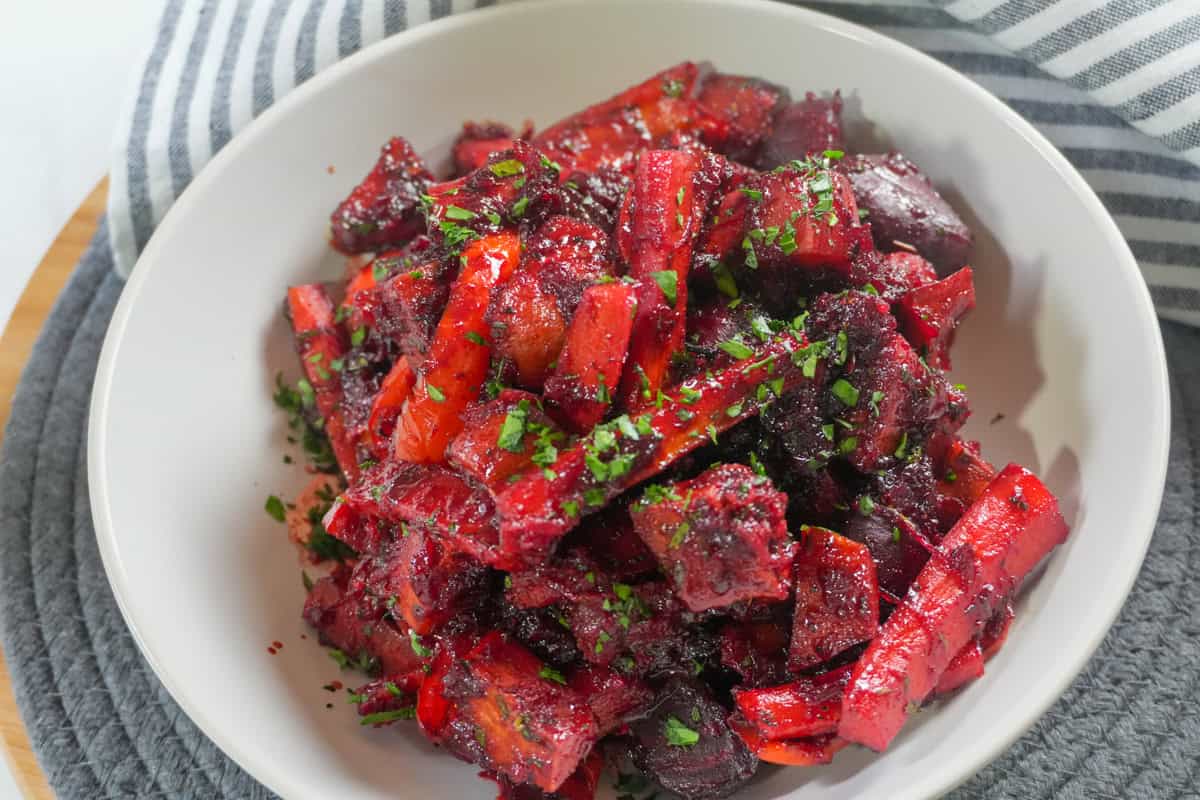
These ras el hanout roasted vegetables combine tender Japanese sweet potatoes, carrots, red bell peppers, and beets with warm, aromatic spices. Finished with a tangy Red Beet Hot Honey Glaze, this colorful side dish has subtle sweetness and a gentle spicy kick.
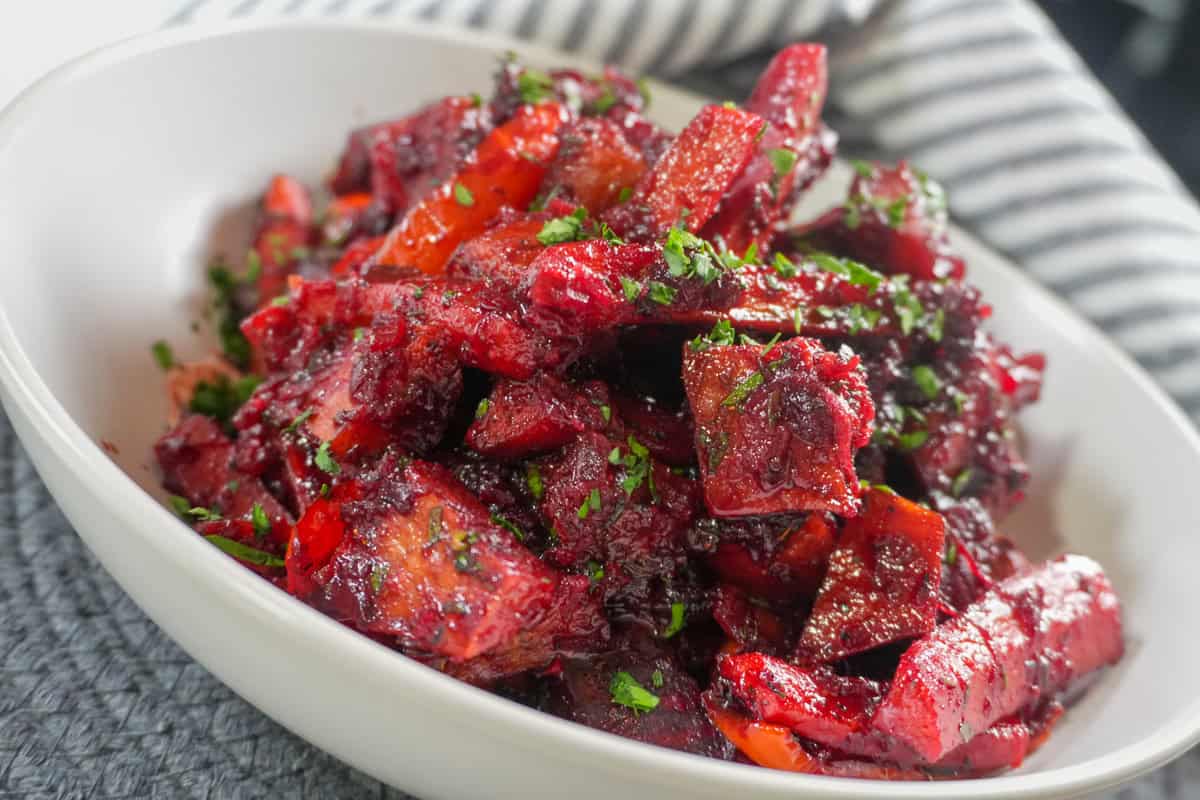
Table of Contents
Jump to:
- An Easy Roasted Vegetable Side Dish with a Sweet and Spicy Finish
- Why You'll Love This Recipe
- Ingredients with Steps
- Culinary Glossary
- Instructions with Pictures
- Equipment You'll Need (With Alternatives)
- Kitchen Tools I Use and Recommend
- Storage and Reheating
- Substitutions
- Variations
- 5 Quick Cooking Tips
- Frequently Asked Questions
- More Vegetable Side Dishes to Try
- Cooking Tips and Tutorials
- 📖 Recipe
- Have a Comment or Question?
An Easy Roasted Vegetable Side Dish with a Sweet and Spicy Finish
Roasted vegetables are one of my favorite ways to turn simple ingredients into a flavorful side dish. The oven's dry heat brings out the natural sweetness of root veggies while creating lightly caramelized, golden-brown edges. For this vegetable recipe, I season carrots, Japanese sweet potatoes, red bell peppers, and beets with ras el hanout and avocado oil before roasting.
Instead of adding honey before they cook, I finish them with a warm red beet and hot honey glaze made with garlic, onion, apple cider vinegar, and vegetable broth. The result is a savory, tangy side dish with just enough sweetness and heat to complement roast chicken, pork tenderloin, or your favorite weeknight meal.
Why You'll Love This Recipe
- Warm, aromatic seasoning: Ras el hanout adds layers of flavor without requiring you to measure several individual spices.
- Naturally sweet vegetables: Roasting enhances the sweetness of Japanese sweet potatoes, carrots, and beets while giving them lightly browned edges.
- Balanced hot honey glaze: A small amount of hot honey provides a gentle spicy kick without overpowering the vegetables.
- Flexible cooking methods: Prepare this easy side dish in the oven or air fryer, depending on your equipment and available time.
- Colorful and versatile: These roasted root vegetables make a great addition to holiday dinners, family meals, or a simple weeknight dinner.
Note From Chef Maika
This recipe started as the vegetable portion of my Hot Honey Baked Chicken Breast and Glazed Vegetables. I enjoyed the combination of ras el hanout and roasted vegetables so much that I wanted to give the side dish its own recipe.
As I continued developing it, I realized the vegetables didn't need additional sweetness during roasting. The Japanese sweet potatoes, carrots, and beets already develop plenty of natural sweetness in the oven. By keeping the roasting seasoning simple and reducing the amount of hot honey in the sauce, I could create a more balanced glaze where the tangy beet flavor comes through first, followed by a slight spicy kick.
I also prefer finishing the vegetables directly in a large sauté pan with the warm glaze. This allows me to gently coat each piece without breaking apart the tender root vegetables.
Recommended Reads
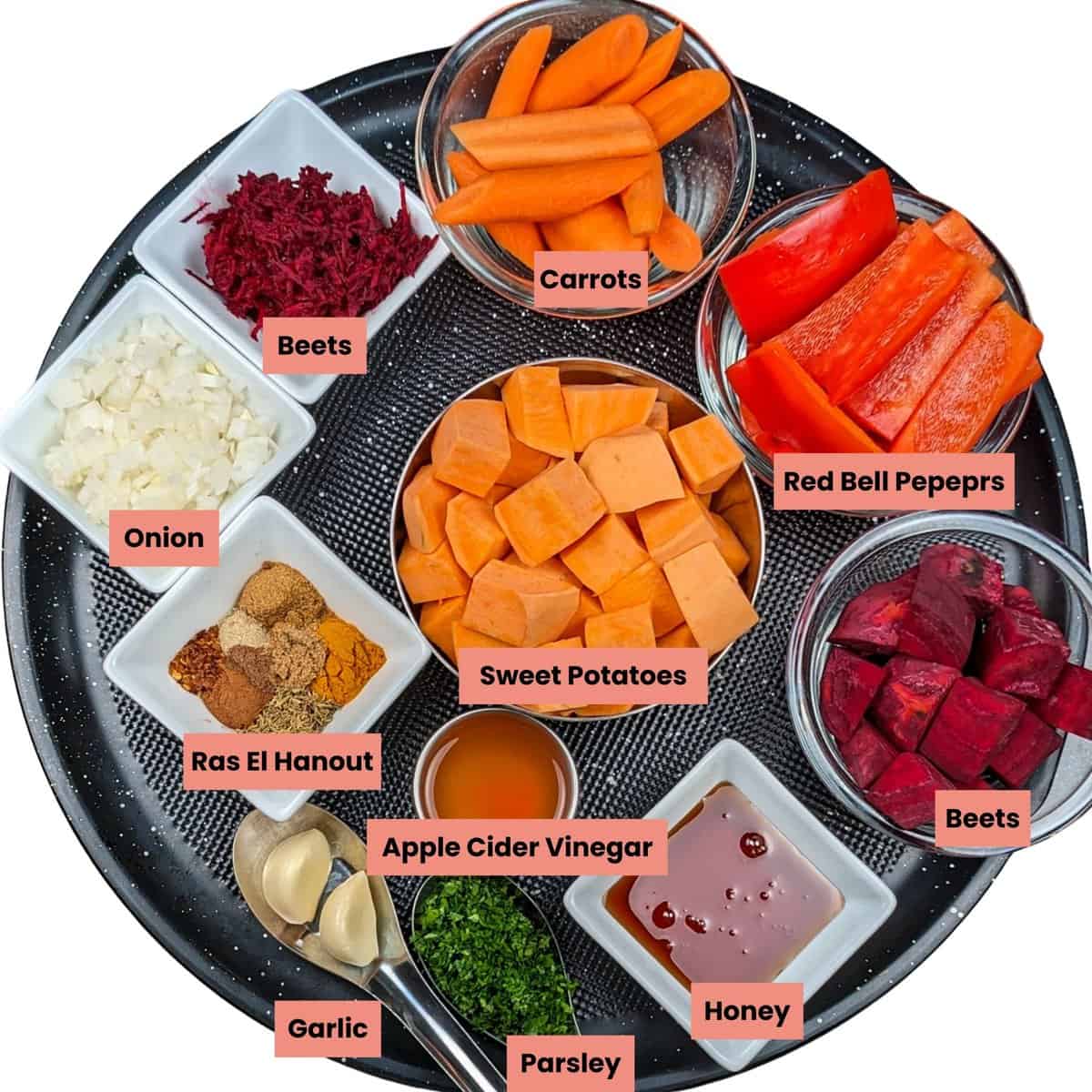
Ingredients with Steps
Toss the carrots, red bell peppers, Japanese sweet potatoes, and red beets with ras el hanout and avocado oil in a large mixing bowl. Arrange the root vegetables in a single layer on a prepared baking sheet and roast until they begin to soften, then add the bell peppers and continue cooking until tender and lightly browned.
Meanwhile, sauté the onion and grated beet in avocado oil, add the garlic cloves, then simmer with apple cider vinegar, vegetable broth, and hot honey until thickened and glossy. Finish with fresh parsley, add the roasted vegetables directly to the warm glaze, and gently fold until evenly coated.
Culinary Glossary
This section provides concise definitions of key ingredients and techniques to enhance understanding and improve cooking skills related to this post. Find More Terms: Culinary Glossary.
Ingredients
- Ras El Hanout: A North African spice blend commonly associated with Moroccan cooking. The combination varies but may include cumin, coriander, cinnamon, ginger, turmeric, and other aromatic spices.
- Japanese Sweet Potatoes: A variety of sweet potato often recognized by its reddish-purple skin and pale flesh. It has a dense, starchy texture and becomes naturally sweet when cooked.
- Hot Honey: Honey infused with chili peppers or other spicy ingredients, adding both sweetness and heat.
- Apple Cider Vinegar: Vinegar made from fermented apple cider that provides acidity to balance rich, sweet, and savory flavors.
- Avocado Oil: A neutral-flavored cooking oil suitable for high-temperature roasting.
Techniques
- Roasting: A dry-heat cooking method that uses hot air to cook food and develop browning on its surface. Read more in How to Roast Food: The Fundamental Principles of Roasting.
- Caramelization: The browning of sugars under heat, creating deeper color and flavor. Roasted vegetables also develop flavor through other browning reactions. Read more in How the Maillard Reaction Makes Food Taste Better.
- Reduction: Simmering a liquid to evaporate water, concentrate flavor, and thicken its consistency.
- Baton: A thick, stick-shaped vegetable cut, larger than a traditional matchstick or julienne cut.
- Glazing: Coating food with a sauce that creates a flavorful, lightly glossy finish.
Instructions with Pictures
Follow the instructions and cooking tips below using the step-by-step picture guide.
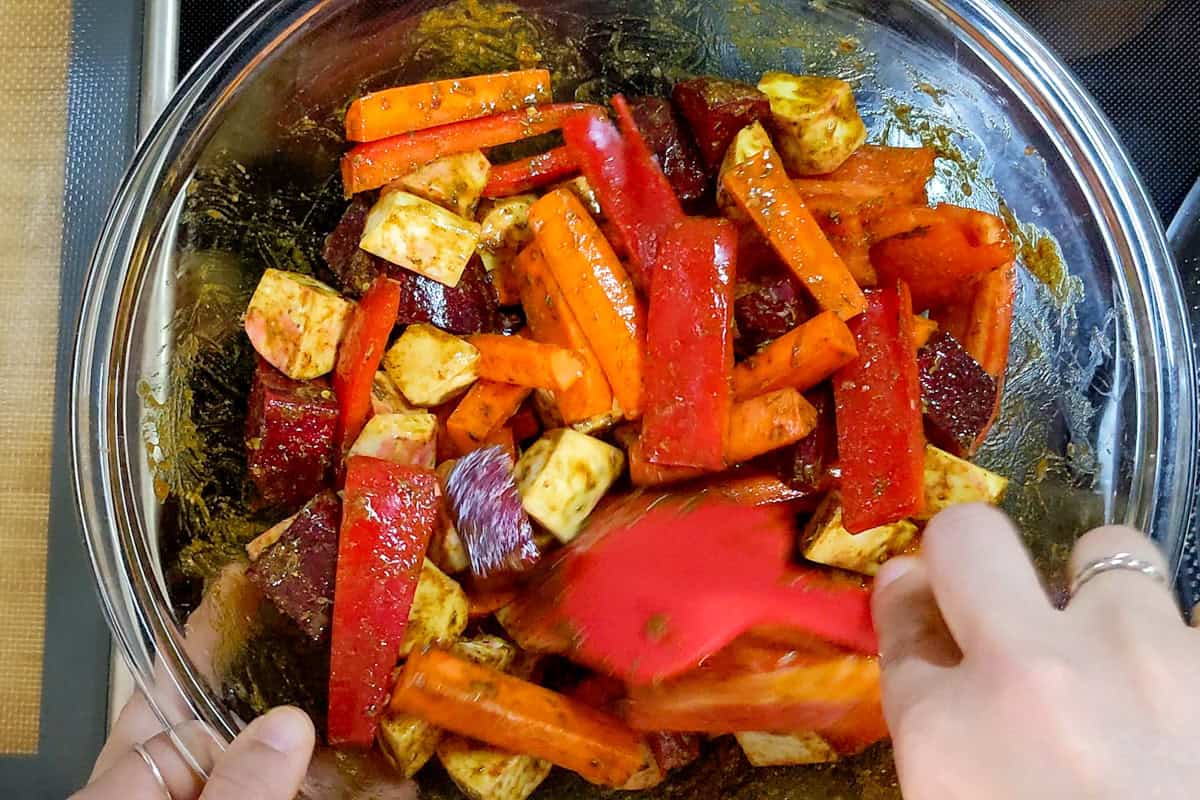
Step 1: Prepare and Season the Vegetables. Cut the carrots into thick batons, about ½ inch thick, and the red bell peppers into thick strips. Peel and cut the Japanese sweet potatoes and red beets into approximately 1-inch cubes.
In a large bowl, combine the ras el hanout and avocado oil. Add the prepared vegetables and toss to coat evenly. Get the Pyrex glass mixing bowl set.
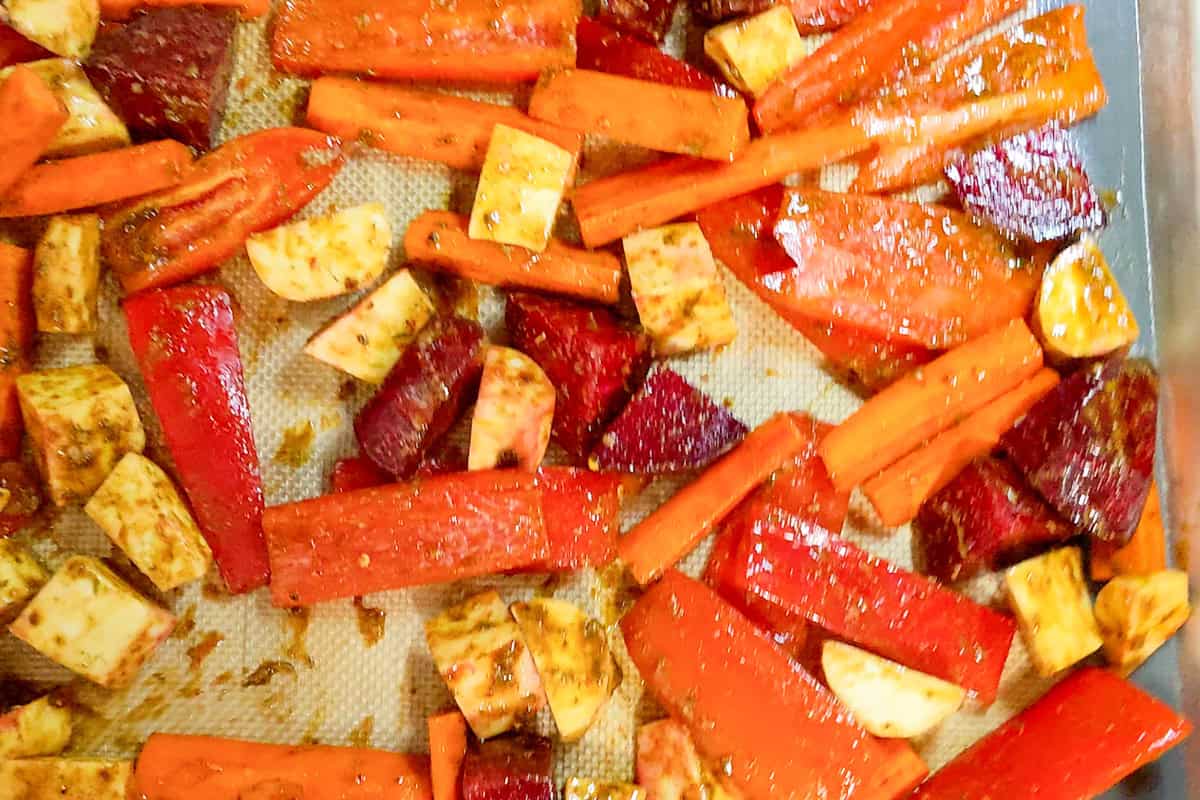
Step 2: Roast the Root Vegetables.
Preheat the oven to 400°F (204°C) and line two large baking sheets with parchment paper.
Arrange the carrots, Japanese sweet potatoes, and beets in a single layer on the prepared baking sheets, leaving space between the pieces. Roast for approximately 20 minutes, tossing halfway through.
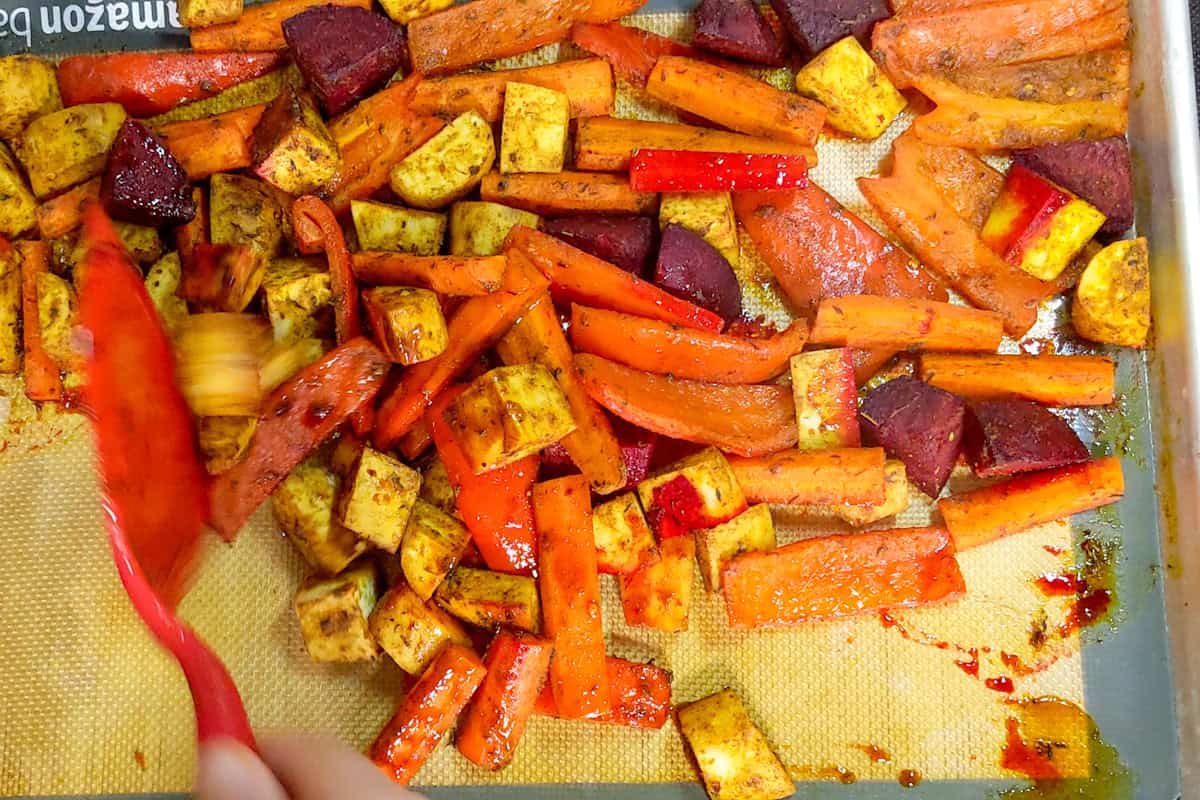
Step 3: Add the Red Bell Peppers. Add the seasoned red bell peppers and roast for about 15-20 minutes, tossing once, until the vegetables are fork-tender and lightly golden brown around the edges.
The cooking time may vary depending on the size of the vegetables and how crowded the baking sheets are.
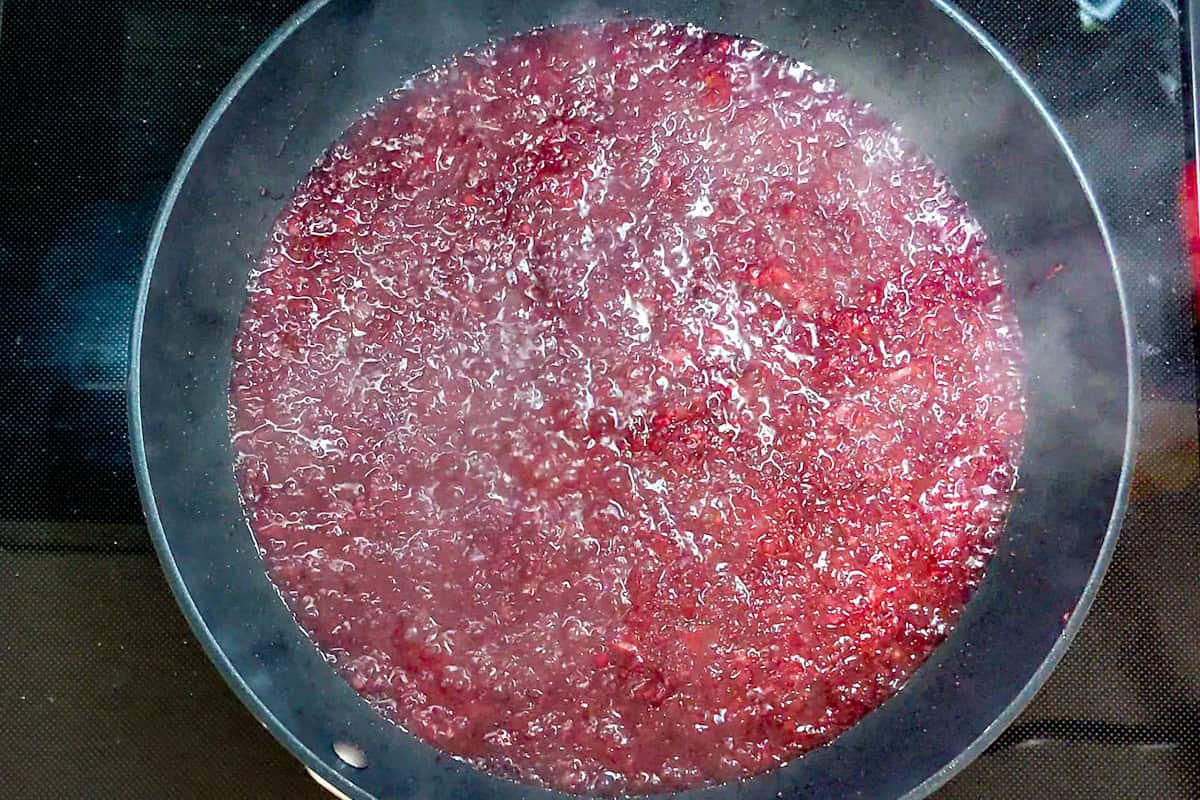
Step 4: Prepare the Red Beet Hot Honey Glaze. While the vegetables roast, heat avocado oil in a large, deep sauté pan over medium heat. Add the minced onion and grated beet and cook for 4-5 minutes, until softened.
Add the minced garlic and cook for another 30-60 seconds until fragrant. Stir in the apple cider vinegar, low-sodium vegetable broth, and hot honey. Bring to a gentle simmer and cook uncovered for about 10-15 minutes, stirring occasionally, until the mixture thickens and becomes glossy. Stir in the chopped fresh parsley.
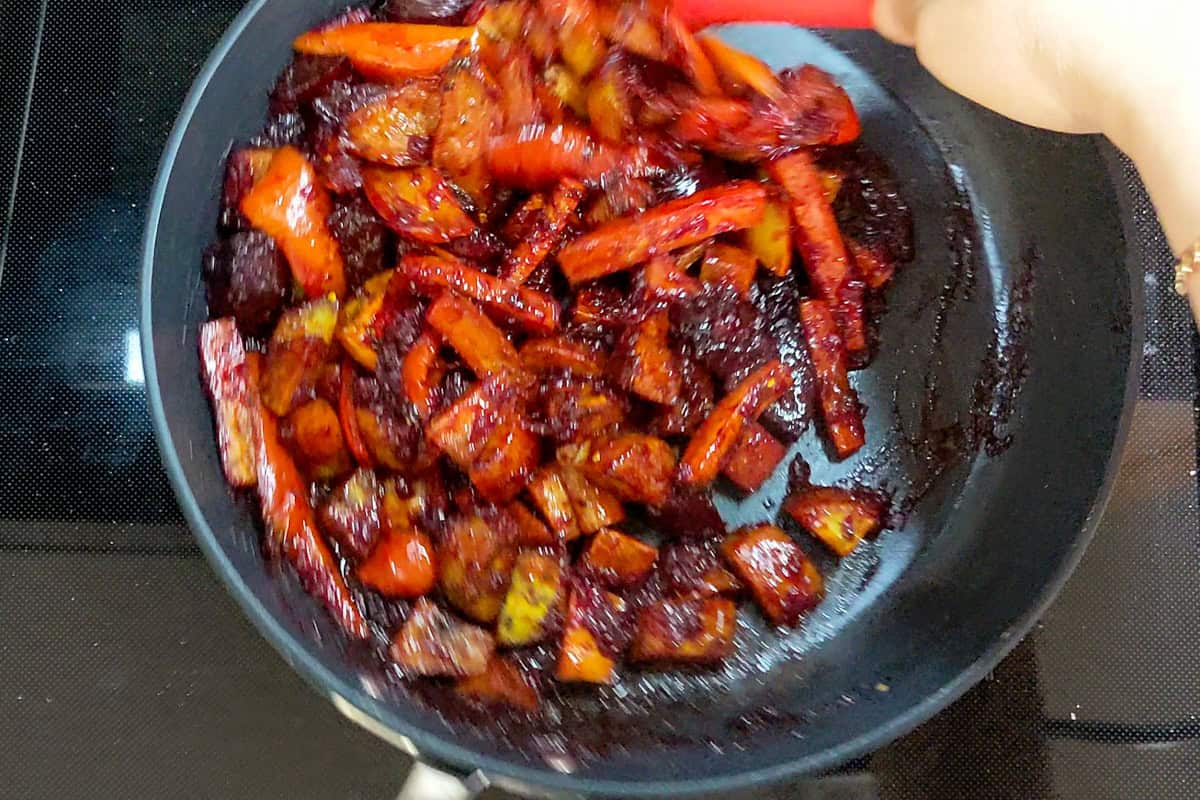
Step 5: Glaze the Roasted Vegetables. Reduce the heat beneath the glaze to low. Add the roasted vegetables directly to the large sauté pan.
Using a silicone spatula, gently fold the vegetables into the sauce for approximately 1-2 minutes, until evenly coated. Avoid vigorous stirring, which can break apart the tender Japanese sweet potatoes and beets.
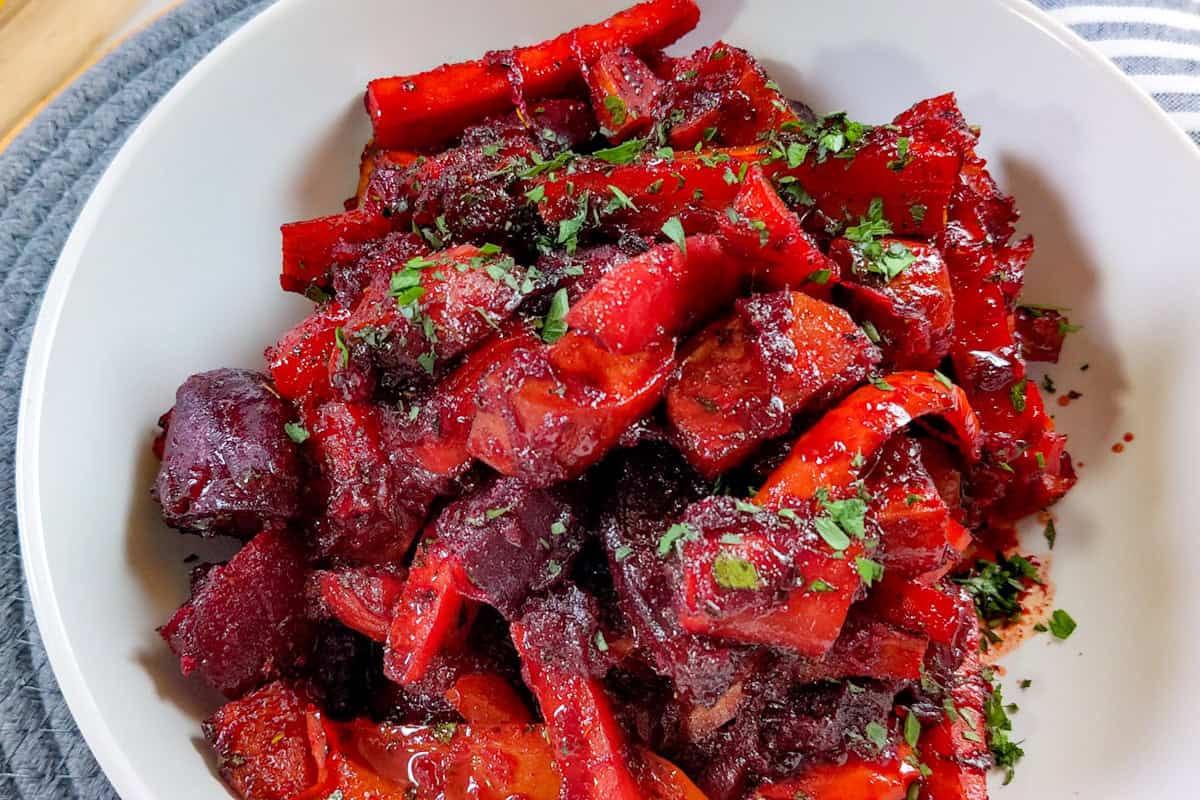
Step 6: Garnish and Serve.
Remove the pan from the heat and transfer the glazed vegetables to a serving platter. Garnish with additional chopped fresh parsley and serve warm.
Air Fryer Instructions
Preheat the air fryer to 350°F (177°C). Arrange the seasoned carrots, Japanese sweet potatoes, and beets in a single layer in the basket. Cook for approximately 15 minutes, shaking halfway through.
Add the red bell peppers and continue cooking for another 10-15 minutes, until the vegetables are tender and lightly browned. Work in batches as necessary to avoid overcrowding.
Prepare the glaze on the stovetop and finish the vegetables in the sauté pan as directed above.
Equipment You'll Need (With Alternatives)
Here's what you'll need to be efficient, plus easy swaps if you don't have everything on hand.
- Chef's Knife: Cuts the carrots into thick batons and the root vegetables into even cubes (or use a sturdy vegetable knife).
- Cutting Board: Provides a stable surface for preparing the vegetables (a large, non-slip cutting mat).
- Large Mixing Bowl: Lets you toss the vegetables evenly with ras el hanout and avocado oil (a large, food-safe container).
- Large Baking Sheet: Provides enough surface area to roast the vegetables in a single layer (two smaller rimmed sheet pans).
- Parchment Paper: Helps prevent sticking and makes cleanup easier (a lightly oiled baking sheet).
- Coarse Grater: Shreds the beet for the glaze (a food processor with a shredding attachment).
- Large, Deep Sauté Pan: Reduces the glaze and provides room to gently coat the roasted vegetables (a wide Dutch oven).
- Silicone Spatula: Folds the vegetables into the glaze without breaking them apart (a wooden spoon used gently).
- Air Fryer: An alternative to oven roasting (a conventional oven and sheet pan).
Kitchen Tools I Use and Recommend
These are some of the kitchen tools I personally use that make cooking faster and easier. If you're building your kitchen setup or upgrading your tools, these are great places to start. More Kitchen Must-Haves - Find other tools I use here.
My Review: The PAUDIN 8-inch Chef's Knife is an absolute standout in both sharpness and craftsmanship. It stays incredibly sharp through regular use, making prep work effortless. The high-carbon stainless steel blade showcases PAUDIN’s attention to detail, while the ergonomic handle provides a comfortable grip for extended use. Despite its premium feel, this knife is impressively affordable, offering exceptional quality without the high price tag. That’s why I’ve recently switched all my knives to PAUDIN—they truly deliver on durability, beauty, and performance. If you want a reliable, well-crafted knife at a great value, this is the one to get!

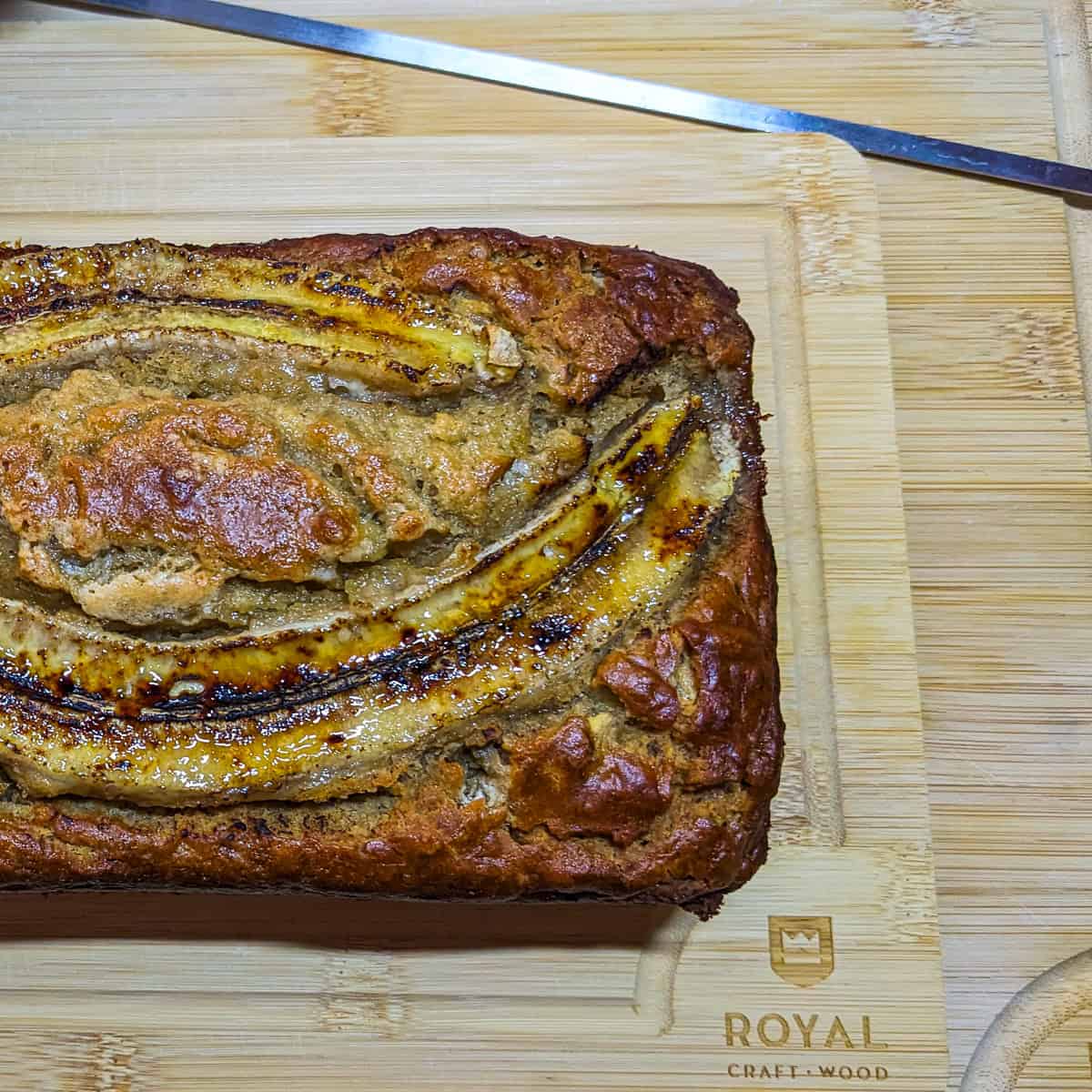
My Review: I love that this bamboo cutting board set came in so many convenient sizes; it makes it easy to grab exactly what I need, whether I’m chopping herbs or breaking down meat. The bright tones of the wood really stood out to me; they look beautiful on camera and bring a nice pop of warmth to my kitchen. It’s especially come in handy during meal prep or when I have someone else helping me; everyone gets their own board! I also appreciate how lightweight yet sturdy they are, making them easy to move around while still holding up to serious chopping. Definitely a great gift for yourself or anyone who loves to cook or entertain. P.S. My hubby accidentally placed it in the dishwasher. And guess what? It didn't warp. A+!
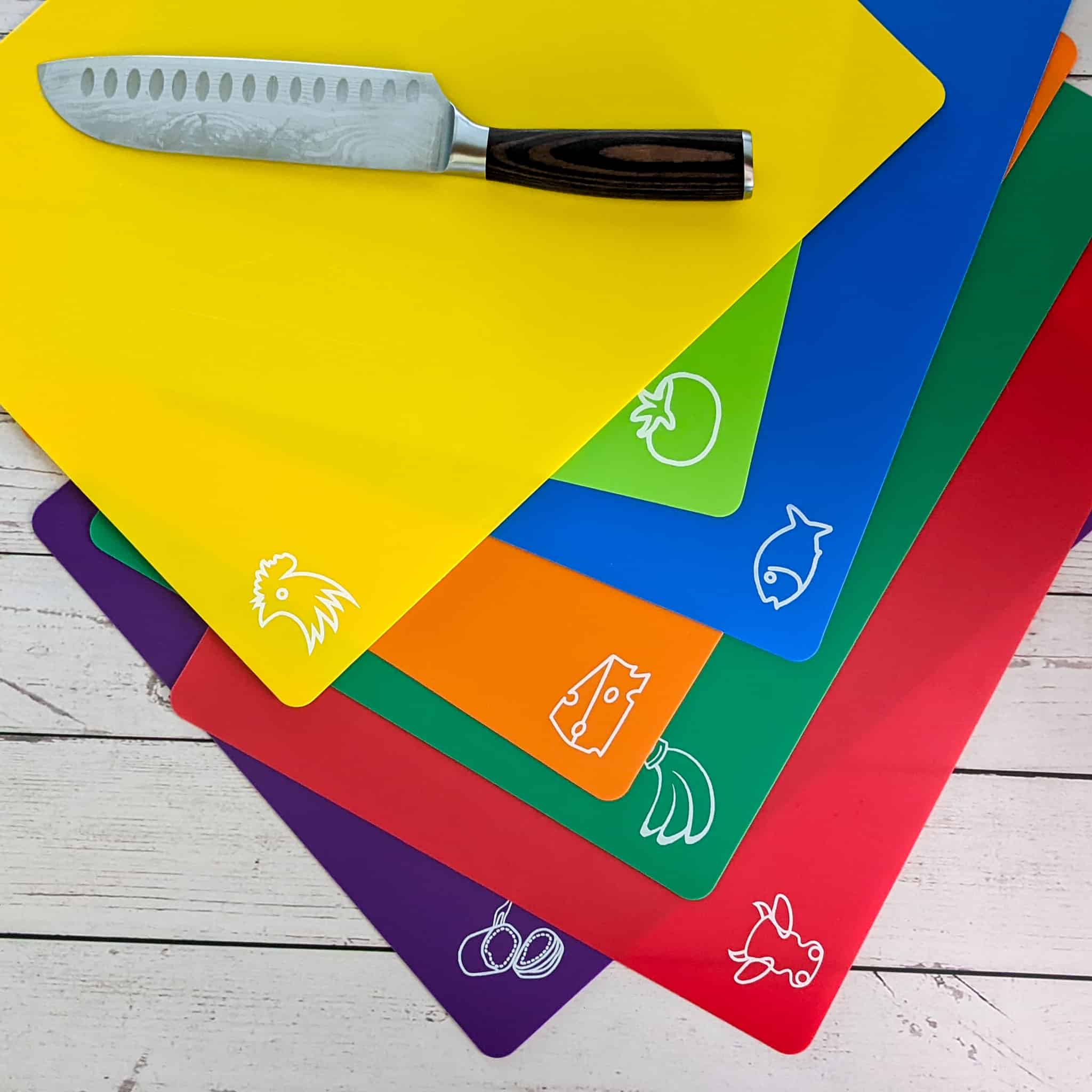
My Review: I’ve used these Fotouzy Cutting Board Mats for a long time, and while they’re flexible, dishwasher-safe, and great for preventing cross-contamination with their color coding, I now prefer solid plastic cutting boards. They’re BPA-free, non-porous, and wide enough to protect my wooden board, especially handy when zesting or transferring ingredients. That said, they don’t stay perfectly steady, even with a damp towel underneath, so I give them a 4 out of 5. But I still use it a lot for quick meat and veggie preps and place them right in the dishwasher.
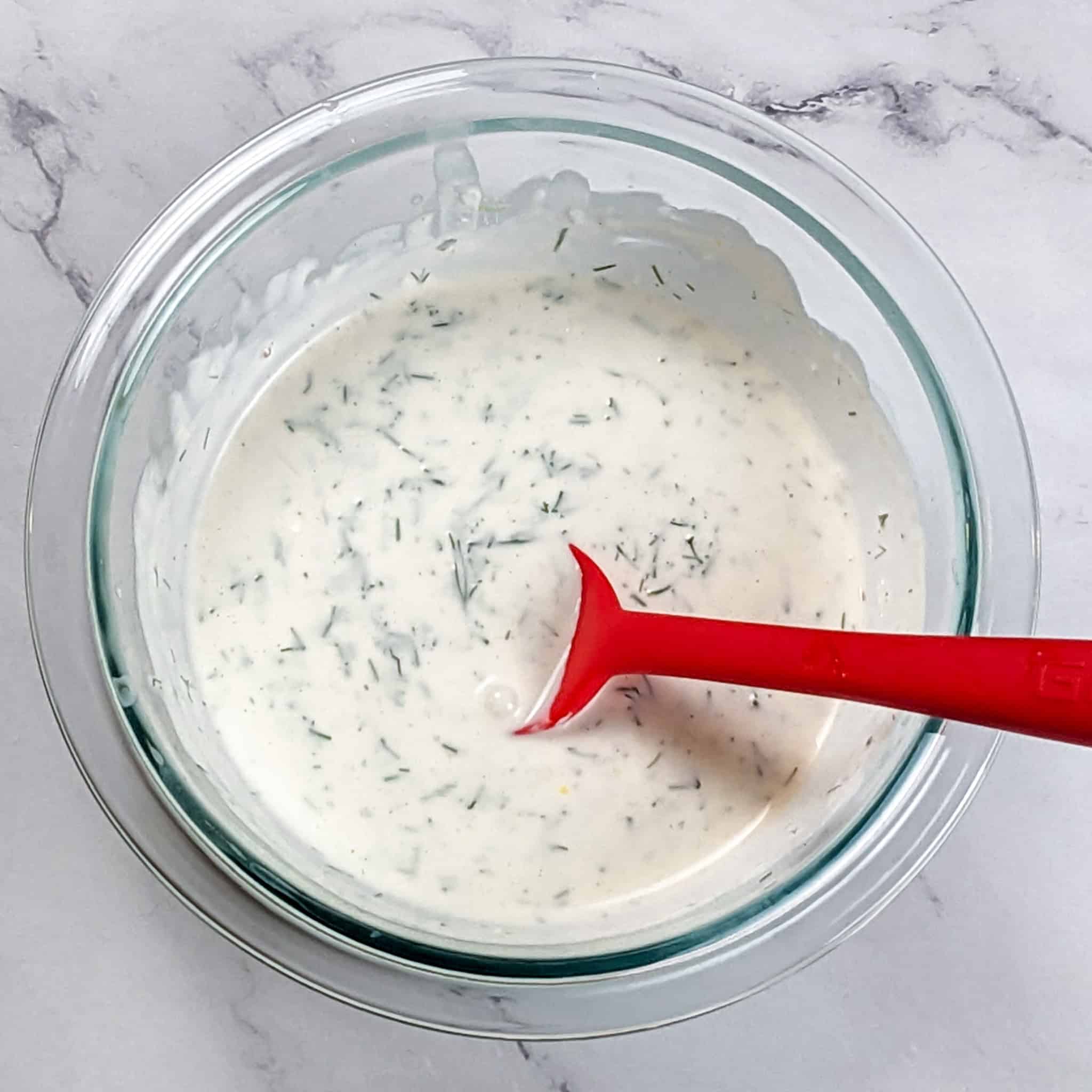
My Review: I love the clean, classic look of this Pyrex 3-piece glass mixing bowl set. It’s a staple in my kitchen. Pyrex is known for its durability, and these bowls definitely live up to that reputation. I use them for everything from mixing batters to storing leftovers, and their microwave-safe feature makes them super multifunctional. They’re also easy to clean and stack nicely in the cabinet. The only reason this isn’t a five-star for me is that I always have that little fear of breaking them when I’m using or storing them, even though they’re made to last.
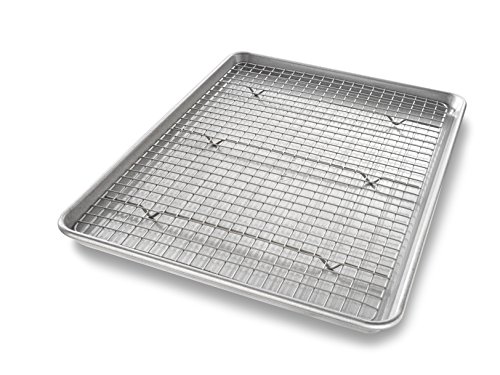
My Review: The USA Pan Bakeware Half Sheet Baking Pan and Nonstick Cooling Rack Set is such a smart buy, it’s incredibly convenient to have both the pan and rack come together as a set. You never know when you’ll need the rack for roasting, cooling, or glazing, and having it perfectly fitted to the pan saves so much time and hassle. The pan itself is super sturdy with excellent heat distribution, and the nonstick rack makes cleanup a breeze. I’ve used it for everything from baking cookies to roasting vegetables and even draining fried foods. It’s one of those kitchen upgrades that just makes life easier.
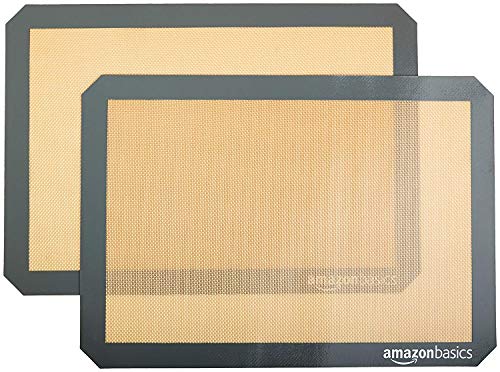
My Review: This Amazon Basics Silicone Baking Mat works exactly as it should: non-stick, easy to clean, and a perfect eco-friendly swap for parchment paper or foil. I toss it in the dishwasher after use, and it saves me from scrubbing sheet pans. If you own sheet pans, this is the companion you need. I first saw bakers using these in hotel kitchens, and now I can’t imagine cooking without one!
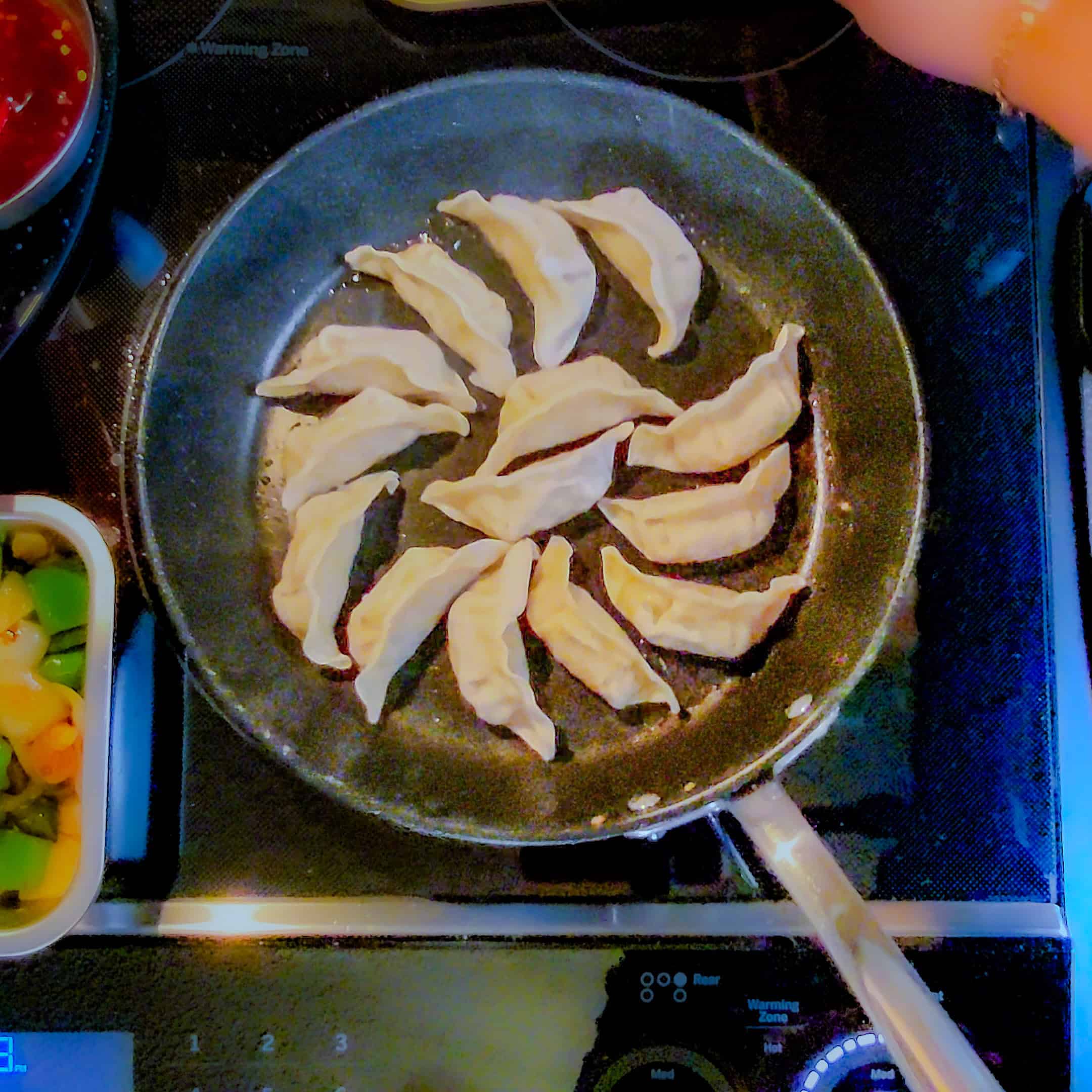
My Review: I absolutely love my All-Clad HA1 Hard Anodized Nonstick Fry Pans! I have two essential sizes, and they make cooking so much easier. The larger pan is perfect for dishes like chicken cutlets or stir-fries, while the smaller one is ideal for delicate tasks like making sauces, frying potstickers, or whipping up egg dishes. I’ve been a loyal All-Clad fan for years. They’ve been my go-to brand since my time working in commercial kitchens. Their durability and performance are unmatched, and I love that they’re USA-made and have been around for so long. These pans are no exception; they heat evenly, clean up effortlessly, and are incredibly reliable.
My Review: I originally purchased the LISOS Wide Silicone Egg Spatula for its intended use with a Japanese tamagoyaki pan, but I've found myself reaching for it for so much more. The wide, flexible surface is especially useful when I'm roasting vegetables in my air fryer or on a sheet pan in the oven because I can scoop up a larger portion at once instead of chasing individual pieces around the pan.
What I love most is that it's not just a tamagoyaki spatula. I use it for omelets, roasted vegetables, and other foods that benefit from a wider surface when lifting, flipping, or transferring. It's one of those simple kitchen tools that ended up being much more versatile than I expected.
Try a wide spatula when transferring roasted vegetables from your air fryer basket or sheet pan. The extra surface area helps you scoop up several pieces at once, especially smaller vegetables that tend to scatter when you're using a traditional narrow spatula.

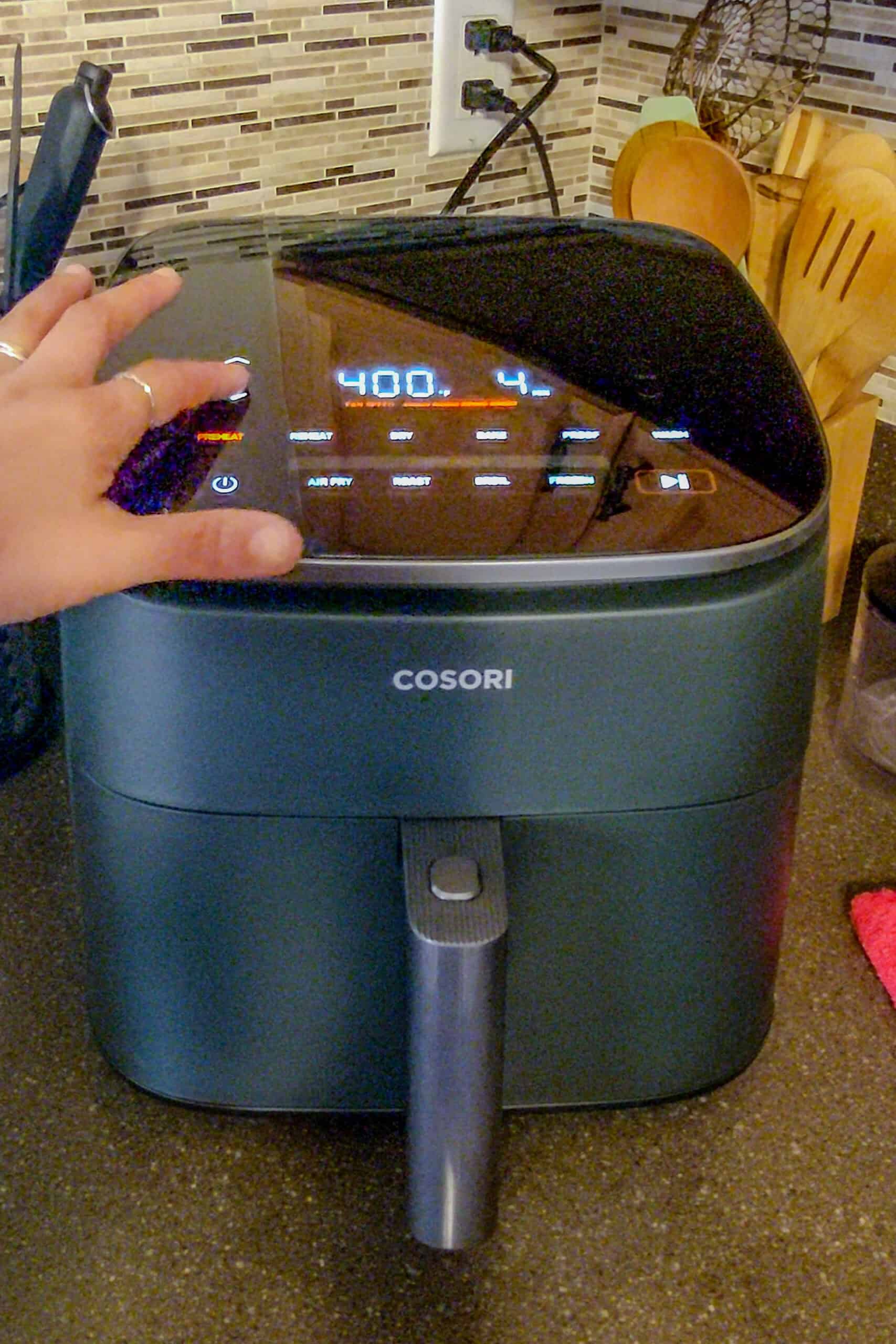
Review: The Cosori Turbo Blaze Air Fryer has been an absolute big help in my kitchen! The large basket is perfect for cooking larger portions, and cleanup is a breeze: just toss it in the dishwasher, and it comes out spotless and undamaged. I also love the thoughtful design, with a flat grid basket and silicone feet that prevent scratching and are super easy to remove and reinsert. The big, clear display with multiple preset temperature and time options makes cooking so quick and hassle-free, taking all the guesswork out of the process. Honestly, I love it so much that I haven’t had to pull out my Ninja air fryer since getting this one! I even ended up buying one for my mom!
While I haven't personally used this mandoline slicer, I like the idea of its detachable 3-cup storage container, which can help keep your prep area cleaner by catching sliced ingredients as you work. The container also includes measurement markings, making it useful for tracking how much you've prepped without needing another measuring cup.

Storage and Reheating
Learn how to properly store leftovers and reheat them to keep them fresh and flavorful. Learn more about Understanding Food Temperature Safety Zones: Cook, Store & Serve Safely.
Refrigeration
Allow the roasted vegetables to cool briefly, then transfer them to an airtight container and refrigerate within two hours of cooking. Store for up to 3-4 days.
Freezing
You can freeze the cooked vegetables, but their texture may soften considerably after thawing, especially the red bell peppers and Japanese sweet potatoes. For best results, freeze the roasted vegetables separately from the glaze in freezer-safe containers for up to 2-3 months. Thaw overnight in the refrigerator before reheating.
Reheating
For the best texture, reheat the vegetables in a sauté pan over medium-low heat, stirring gently until heated through. Alternatively, spread them on a baking sheet and reheat at 350°F until hot. Watch the glaze to keep it from getting too dark or sticky.
Make Ahead
Cut the carrots, peppers, sweet potatoes, and beets ahead of time, then refrigerate in covered containers. Keep the cut sweet potatoes submerged in cold water in the refrigerator to limit discoloration, then drain and dry thoroughly before seasoning and roasting.
You can also prepare the red beet glaze ahead of time and gently reheat it before adding the freshly roasted vegetables.
My Review: These Pyrex Freshlock containers are the closest match to my favorite IKEA version, shallow, stackable, and built for everyday use. The shallow design is especially helpful for food safety, letting hot meals cool faster before refrigerating. They don’t stain, the airtight locking lids seal in freshness, and they work beautifully for both hot and cold storage. Plus, they’re freezer-, microwave-, and dishwasher-safe for easy cleanup.

Substitutions
Find easy ingredient swaps to fit dietary needs or what you already have in your pantry.
Dairy-Free
- This recipe is naturally dairy-free. The vegetables are roasted with avocado oil rather than butter, and the glaze contains no milk or cream.
Gluten-Free
- The recipe uses naturally gluten-free vegetables, oil, honey, and vinegar. Use a gluten-free ras el hanout blend and vegetable broth if you need to avoid gluten, since packaged blends and broths can contain additional ingredients.
Vegetarian
- This recipe is vegetarian when made with vegetable broth. Honey is suitable for many vegetarian diets, although it is not vegan.
Convenience
- Japanese Sweet Potatoes: Substitute regular orange-fleshed sweet potatoes or peeled butternut squash. Adjust roasting time based on tenderness.
- Fresh Carrots: Use thick-cut, ready-to-cook carrots from the grocery store to save preparation time.
- Fresh Beets: Use plain, precooked beets for the glaze if needed, but reduce the sautéing time because they are already tender. Raw beets are preferable for roasting.
- Avocado Oil: Substitute olive oil suitable for roasting.
- Ras El Hanout: Use a store-bought blend rather than combining individual spices.
- Apple Cider Vinegar: Substitute red wine vinegar for a similarly tangy finish.
- Hot Honey: Combine regular honey with a pinch of red pepper flakes or cayenne for a similar sweet-and-spicy finish.
Change Heat Level - Modify the recipe's heat level to your liking and learn more about the Scoville Scale and Chili Pairings.
Variations
Explore fun twists and creative ways to make this recipe your own. Explore. Experiment. Taste.
- Butternut Squash and Sweet Potato: Replace half the Japanese sweet potatoes with peeled, cubed butternut squash. Since squash generally softens faster, add it later in the roasting process and check for tenderness.
- Brussels Sprouts and Root Vegetables: Replace the red bell peppers with halved Brussels sprouts. Toss with the ras el hanout seasoning and roast until the cut sides are golden brown, and the centers are tender.
- Maple and Beet Glaze: For a different sweetness, substitute pure maple syrup for the hot honey. Add a pinch of crushed red pepper flakes if you still want a gentle spicy kick.
- Balsamic Beet Glaze: Replace part of the apple cider vinegar with balsamic vinegar for a deeper, slightly sweeter flavor. Reduce the glaze carefully because balsamic vinegar becomes sweeter and more concentrated as it cooks.
- Add Fresh Herbs: Finish the vegetables with fresh thyme alongside the parsley for a more herbaceous flavor.
- Make It a Complete Meal: Serve the vegetables with roast chicken or pork tenderloin. For a meat-free option, pair them with seasoned chickpeas or lentils.
5 Quick Cooking Tips
Cook's Notebook is your Cooking Tips Resource Guide. Become a better home cook with tips to help you cook more efficiently.
- Dry the vegetables before roasting: Excess moisture creates steam and slows browning, especially on Japanese sweet potatoes and beets. Read more in How to Roast Food: The Fundamental Principles of Roasting.
- Give the vegetables space: Spread them in a single layer on a large sheet pan. Use two baking sheets if necessary, so they roast instead of steam.
- Keep the seasoning balanced: Ras el hanout blends vary, so taste your blend before adding extra kosher salt or black pepper. Salt the vegetables lightly if the blend contains none.
- Watch for uneven cooking: Root vegetables take longer to soften than red bell peppers. Add the peppers later to prevent them from becoming too soft.
- Reduce the glaze before adding vegetables: The sauce should be thick enough to cling to a spoon. Adding vegetables too early can make them overly soft and prevent the glaze from reducing properly.
Support Global Food Bloggers
Looking for authentic Moroccan cuisine? Check out My Moroccan Food and Salima's Kitchen.
Frequently Asked Questions
Here is a list of common questions I have answered. If you have any questions, please write them in the comments below.
For this recipe, 400°F is a good starting temperature. It allows the carrots, beets, and sweet potatoes to soften while developing lightly browned edges. Cooking time depends on the size of the pieces and how evenly they're spread across the baking sheet.
Yes. Roast the vegetables and prepare the glaze separately, then refrigerate both in airtight containers. Reheat the glaze in a sauté pan and add the warmed vegetables just before serving to preserve their texture.
Overcrowding, excess moisture, and uneven cutting can prevent browning. Spread the vegetables in a single layer, dry them thoroughly before seasoning, and use multiple baking sheets if necessary. The finished vegetables will also soften slightly once coated in the glaze.
Yes. Regular orange-fleshed sweet potatoes work well, but they tend to be softer and moister than Japanese sweet potatoes. Check for tenderness earlier and fold them gently into the glaze to prevent breaking.
Start with less hot honey and taste the glaze after it reduces. For more heat without extra sweetness, add a small pinch of crushed red pepper flakes. If the glaze tastes too sharp, let the onion and beet soften fully, then adjust with a little more honey rather than adding a large amount at once.
More Vegetable Side Dishes to Try
Explore more flavorful vegetable recipes to serve alongside your favorite weeknight meals and holiday dinners.
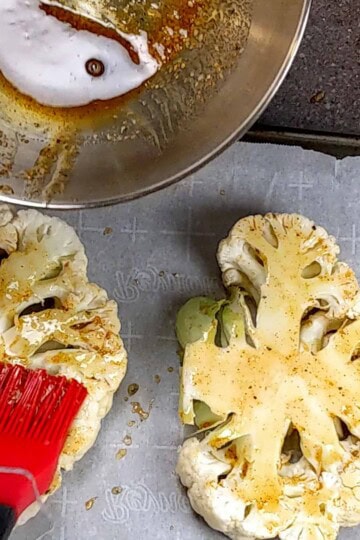
- How to Make and Roast Cauliflower Steaks
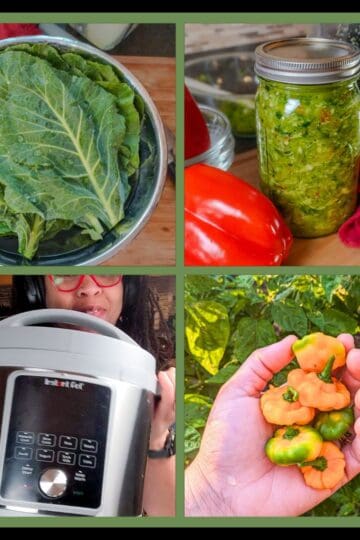
- Instant Pot Collard Greens with Smoked Turkey
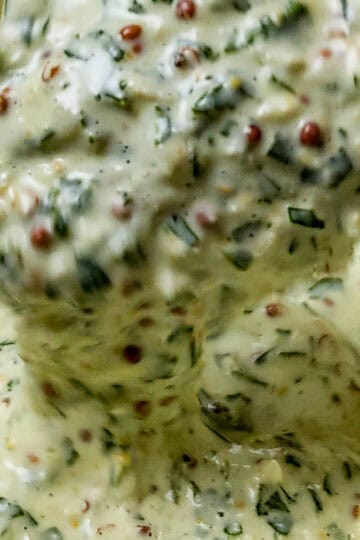
- 5-Minute Chunky Dijon Lemon Mustard Remoulade Sauce Recipe
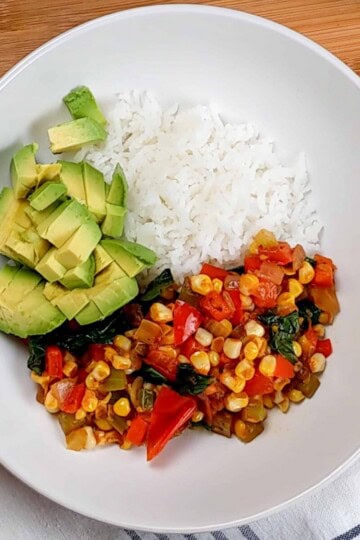
- How to Cook Perfect Jasmine Rice in a Rice Cooker
Cooking Tips and Tutorials
If you found this tutorial helpful, you'll love my Cook's Notebook collection. From knife skills and flavor bases to time-saving tricks and essential equipment guides, this section is packed with chef-tested lessons to help you cook with confidence.
- Seasonal Produce Guide: What Fruits and Vegetables Are in Season?
- How to Roast Food: The Fundamental Principles of Roasting
- 2026 Fall Seasonal Produce Guide: Fruits and Vegetables to Enjoy This Season
- Indian Cooking Techniques That Changed How I Think About Food
📖 Recipe
Ras El Hanout Roasted Vegetables with Red Beet Hot Honey Glaze
Ingredients
Ras El Hanout Roasting Seasoning
- 1 tablespoon ras el hanout
- 2 tablespoons avocado oil
Vegetables
- 2 medium carrots cut into thick batons, approximately ½-inch thick
- 3 medium red bell peppers cut into thick strips
- 4 small Japanese sweet potatoes or regular sweet potato, cut into approximately 1-inch cubes
- 2 medium red beets peeled and cut into approximately 1-inch cubes
Red Beet Hot Honey Glaze
- 1 tablespoon avocado oil
- 1 small onion minced
- 1 medium red beet grated
- 4 garlic cloves minced
- 3 tablespoons apple cider vinegar
- ½ cup low-sodium vegetable broth
- 2 tablespoons hot honey
- 10 fresh parsley leaves chopped
Garnish
- Chopped fresh parsley
Equipment
- Sheet Pan or air fryer
- Large fry pan
Instructions
- Save Time in the Kitchen: Read the instructions thoroughly, then gather and prep all your ingredients before cooking! Learn Prepping Tips.
Prepare the Vegetables
- Prepare for Cooking: Read the instructions thoroughly, then gather, measure, and prepare all your ingredients before cooking. Follow either the oven or air fryer directions below.
- Make the Ras El Hanout Seasoning: In a large mixing bowl, combine the ras el hanout and avocado oil until evenly mixed.
- Season the Vegetables: Add the prepared carrots, red bell peppers, Japanese sweet potatoes, and beets. Toss until evenly coated with the seasoning.
Oven Method
- Preheat the Oven: Preheat to 400 °F. Line two large rimmed baking sheets with parchment paper.
- Roast the Root Vegetables: Arrange the seasoned carrots, Japanese sweet potatoes, and beets in a single layer, leaving space between the pieces. Roast for approximately 20 minutes, tossing halfway through.
- Add the Bell Peppers: Add the seasoned red bell peppers and continue roasting for another 15-20 minutes, tossing once, until the vegetables are fork-tender and lightly caramelized.
Air Fryer Method
- Preheat the Air Fryer: Preheat to 350 °F.
- Air Fry the Root Vegetables: Arrange the seasoned carrots, Japanese sweet potatoes, and beets in a single layer in the air fryer basket. Cook for approximately 15 minutes, shaking halfway through.
- Add the Bell Peppers: Add the seasoned red bell peppers and continue cooking for approximately 10-15 minutes, until the vegetables are tender and lightly browned. Work in batches as necessary.
Make the Red Beet Hot Honey Glaze
- Sauté the Aromatics: While the vegetables roast, heat the avocado oil in a large, deep sauté pan over medium heat. Add the minced onion and grated beet. Cook for approximately 4-5 minutes, stirring occasionally, until softened. Add the minced garlic and cook for another 30-60 seconds until fragrant.
- Build the Glaze: Stir in the apple cider vinegar, vegetable broth, and hot honey. Bring to a gentle simmer.
- Reduce the Glaze: Simmer uncovered for approximately 10-15 minutes, stirring occasionally, until the beet mixture is tender, thickened, and glossy, with a slightly chunky, chutney-like consistency. Stir in the chopped parsley.
Glaze and Serve
- Coat the Roasted Vegetables: Reduce the heat to low. Add the roasted vegetables directly to the sauté pan with the warm Red Beet Hot Honey Glaze. Gently fold them into the glaze for approximately 1-2 minutes, until evenly coated. Work in batches if necessary.
- Garnish and Serve: Remove from the heat, garnish with additional chopped parsley, and serve warm.
Notes
Nutrition


Chef Maika Frederic-Liebman
Chef and Educator
Professionally trained Haitian-American chef Maika Frederic created Just Maika Cooking, where she shares globally inspired recipes, cooking techniques, ingredient guides, and food safety tips to help home cooks become more creative and confident in the kitchen. Combining years of professional culinary experience with a passion for teaching, she makes global flavors approachable through practical, accessible instruction for cooks of every skill level.
SUBSCRIBE: 👈To my YouTube Channel to Get Notifications of New Videos.
Have a Comment or Question?
If you have a question or comment about this post, please post it below. You will receive a prompt response. It also helps our other readers to stay informed. Thanks!

Leave a Reply