

Learn how to roast food using the fundamental principles of heat, moisture, space, size, fat, cooking time, and temperature. This guide explains everything from roasting vegetables and poultry to using an air fryer, creating better browning through the Maillard reaction, and checking safe internal temperatures. Get the Quick Roasting Guide (Printable).
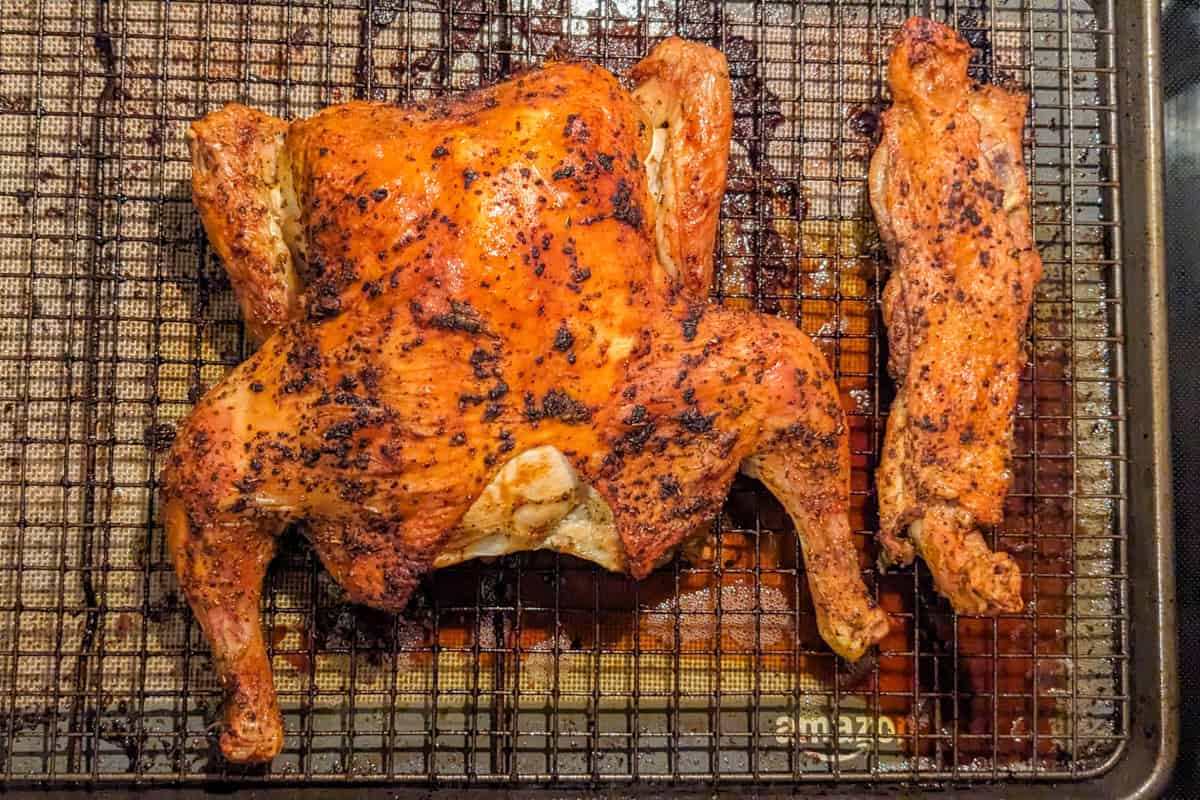
Table of Contents
Jump to:
- Learn the Fundamentals of Roasting for Better Results
- What Is Roasting?
- Why Is Roasting Such a Useful Cooking Technique?
- Why Roast Vegetables?
- The 7 Fundamental Principles of Roasting
- Roasting and the Maillard Reaction
- Why Drying Food Helps It Brown
- High-Heat Roasting vs. Slow Roasting
- How to Roast Chicken and Poultry
- How to Roast Meat
- How to Roast Fish
- How to Roast in an Air Fryer
- Oven Roasting vs. Air Fryer Roasting (Table)
- What Equipment Do You Need for Roasting?
- Kitchen Tools I Use and Recommend
- What Is Fond?
- Safe Internal Temperatures for Roasting (Table)
- Roasting vs. Baking vs. Broiling
- Why Aren't My Roasted Vegetables Browning?
- Why Are My Roasted Vegetables Soggy?
- Should You Cover Food While Roasting?
- Should I Use Parchment Paper?
- Do You Have to Flip Food While Roasting?
- Frequently Asked Questions
- More Roasting Recipes
- Cooking Tips and Tutorials
- Quick Roasting Guide (Printable)
- Have a Comment or Question?
Learn the Fundamentals of Roasting for Better Results
Roasting is a dry-heat cooking method that uses the hot air inside an oven to cook food while developing color, texture, and deeper flavor. From whole chickens and large roasts to squash, potatoes, Brussels sprouts, and other vegetables, learning a few fundamental roasting principles can help you get better results without memorizing a different technique for every ingredient.

Dry Heat + Hot Air = Browning + Concentrated Flavor
The key is understanding what happens to food as it roasts. Oven temperature, moisture, space, size, cooking time, fat, and internal temperature all affect the final result!
This guide is your starting point for learning how to roast food in both a conventional oven and an air fryer. Once you understand those principles, you'll know why vegetables sometimes steam instead of browning, why drying poultry matters, when to choose high heat instead of slow roasting, and how the Maillard reaction creates some of the flavors we love about roasted food.
What Is Roasting?
Roasting is a dry-heat cooking method that cooks food by surrounding it with hot, dry air. And unlike boiling, steaming, braising, or stewing, roasting doesn't rely on liquid as the primary way to transfer heat to food. The relatively dry environment lets surface moisture evaporate. As the surface becomes hotter and drier, browning can occur.
Now, modern conventional ovens make this process easy to control, but dry-heat cooking is much older than our modern kitchens. Traditional roasting methods have included cooking near open fires and inside heated clay ovens. The equipment has changed. The fundamental idea hasn't.
That's How We Get
- Crispy poultry skin
- Golden potatoes
- Browned Brussels sprouts
- Tender squash with caramelized edges
- A flavorful crust on roast meat
- Concentrated flavors in roasted vegetables
Learn More: How the Maillard Reaction Makes Food Taste Better.
Note From Chef Maika
When you're learning how to roast food, you don't need to memorize dozens of rules. Once you understand the following principles, you can apply them to a sheet pan of squash, an air fryer full of vegetables, a whole chicken, or your next large roast. That's when you're no longer just following a recipe. You're understanding why the recipe works. As always, continue to: Explore. Experiment. Taste.
The 7 Roasting Checks
Heat: Is the oven hot enough?
Moisture: Is the surface dry?
Space: Does the food have room to roast?
Size: Are the pieces evenly sized?
Fat: Is everything lightly coated?
Time: Has it roasted long enough?
Temperature: Is it safely and properly cooked?
Recommended Reads
Why Is Roasting Such a Useful Cooking Technique?
Roasting is one of the first techniques worth understanding because you can apply the same basic principles to an enormous range of foods. Once your food is prepared, much of the actual cooking is hands-off.
You can also roast individual ingredients or build an entire meal on one pan. You can use a roasting pan, rimmed sheet pan, cast-iron skillet, baking dish, conventional oven, convection oven, or even an air fryer, depending on what you're making.
Why Roast Vegetables?
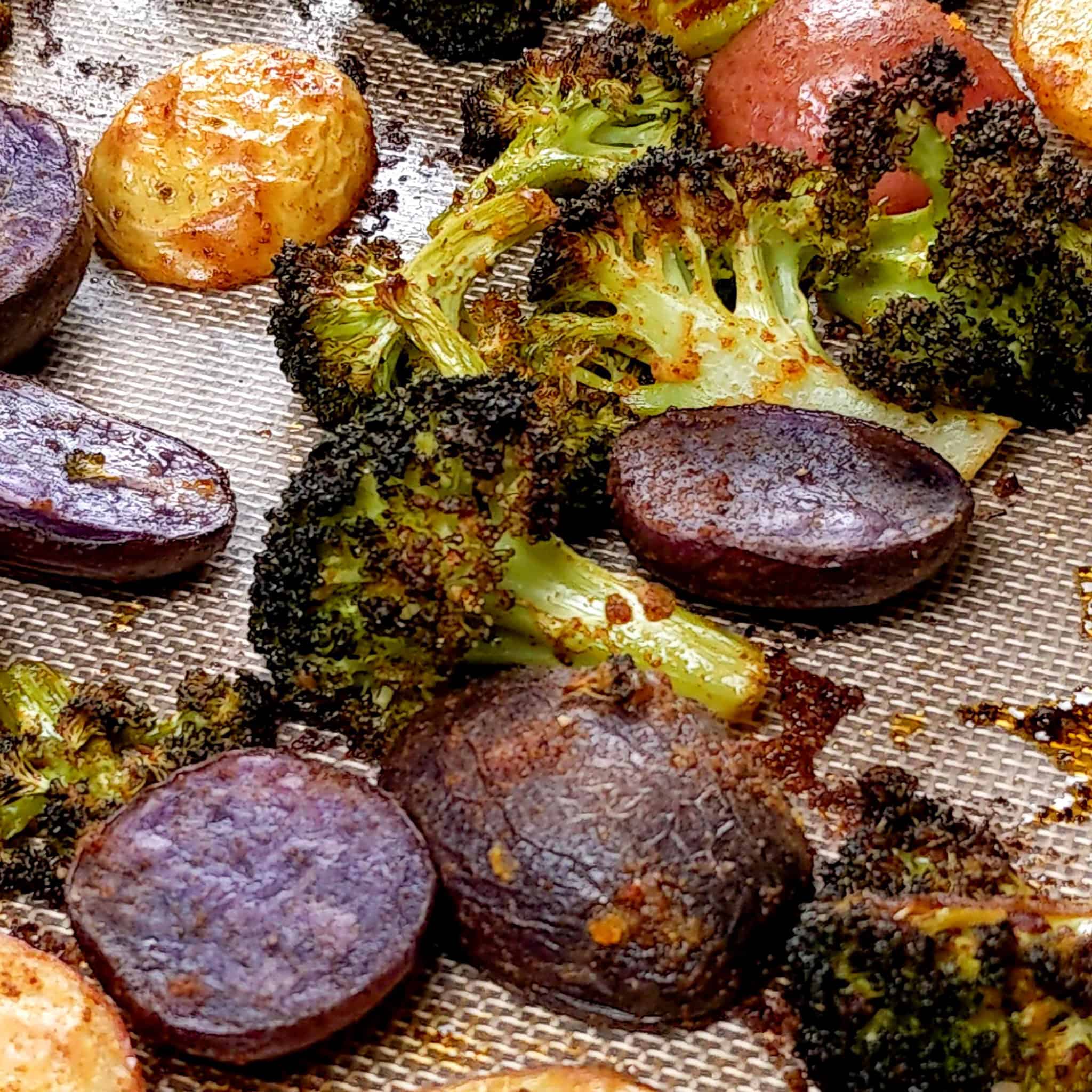
If you've ever thought you didn't like a particular vegetable, it is worth trying it roasted before writing it off completely. Like Brussels sprouts! Roasting changes both flavor and texture! Remember, vegetables contain water. As they roast, some of that moisture evaporates, creating steam that eventually tenderizes them and concentrates their flavors. At the same time, browning creates additional surface flavors.
That's why roasted carrots, onions, sweet potatoes, winter squash, cauliflower, and Brussels sprouts can taste dramatically different from their boiled or steamed versions. It is particularly useful for root vegetables and winter squash because their dense texture stands up well to high heat.
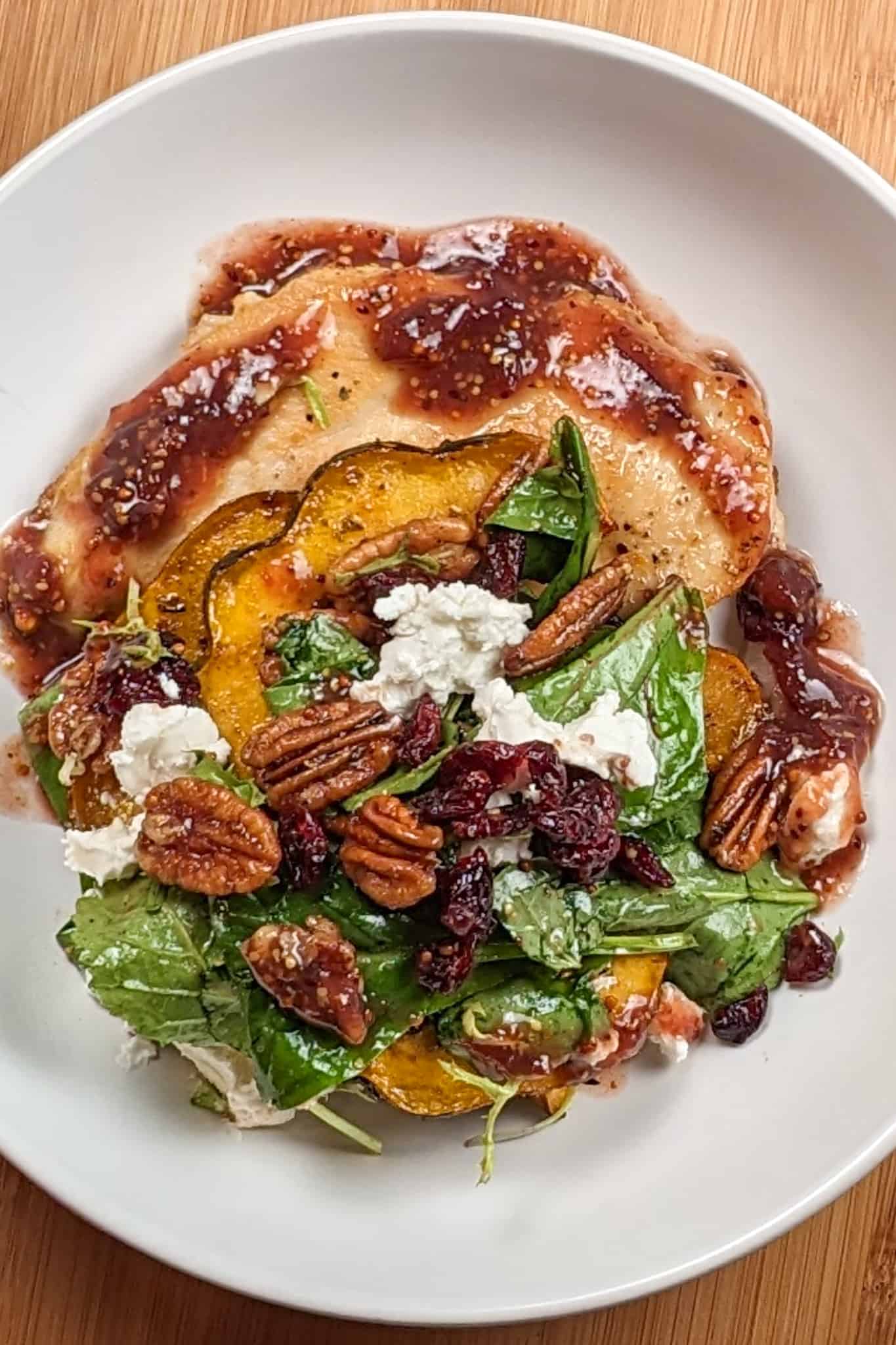
My Chicken Paillard with Cranberry Pecan Acorn Squash Salad is a good example. The sliced acorn squash is coated with a maple-spiced mixture and roasted until tender, then paired with greens, cranberries, pecans, and chicken. Roasting turns the squash into a flavorful component rather than simply a cooked vegetable.
Roasting Can Give Vegetables
- Browned, flavorful edges
- A tender interior
- Crisp surfaces
- Concentrated natural sweetness
- More complex roasted flavors
- Contrasting textures
The 7 Fundamental Principles of Roasting
You don't need a separate rulebook for every ingredient you put in the oven. Instead, remember these seven principles. Also check out Cook's Notebook for more cooking tips and resource guides to help you become a better home cook.
1. Heat
Your oven temperature controls how quickly the exterior and interior cook. For example, higher temperatures encourage faster surface browning and work especially well for many vegetables, potatoes, and smaller cuts of protein.
Lower temperatures cook more gently and can be useful for certain large roasts. Neither method is automatically better. Remember, the goal is to choose the right heat for the food you're cooking.
2. Moisture
Moisture is one of the biggest factors affecting browning! If the food's exterior is wet, that water needs to evaporate before the surface can brown efficiently.
This is why I frequently tell you to pat ingredients dry.
- For poultry, removing excess moisture helps the seasoning adhere and encourages better browning.
- For vegetables and chickpeas, drying can be the difference between something crisp and something soft.
3. Space
Don't overcrowd your pan!
Food releases moisture while cooking. Pack too much food into a small space, and that moisture becomes trapped. Now you're creating steam.
Instead of getting the roasted texture you wanted, your food can become soft and pale. Spread ingredients into a single layer and leave some room between them. If necessary, use two pans.
4. Size
Your cuts don't have to be perfect; just aim for consistency!
Similar-sized pieces cook at similar rates. This is especially important when roasting root vegetables, squash, potatoes, or mixed vegetables. If one piece is twice the size of another, the smaller piece may become dark and dry before the larger one becomes tender.
5. Fat
A light coating of fat helps seasoning adhere and promotes more even surface browning. Olive oil and avocado oil are two common choices for roasting vegetables. Use enough to lightly coat the food, not enough to leave ingredients swimming in oil. Heart-Healthy, High Smoke Point Oils for Cooking.
6. Time
Cooking time is a guideline, not the final authority!
How long something takes to roast depends on its thickness, size, starting temperature, moisture content, oven temperature, pan, and even how crowded that pan is. Use the recipe's time to know approximately when to start checking.
7. Internal Temperature
Use a food thermometer!
For meat, poultry, and seafood, appearance and cooking time aren't enough. Your timer tells you when to check. Your thermometer helps tell you when the food has reached its target internal temperature.
Roasting and the Maillard Reaction
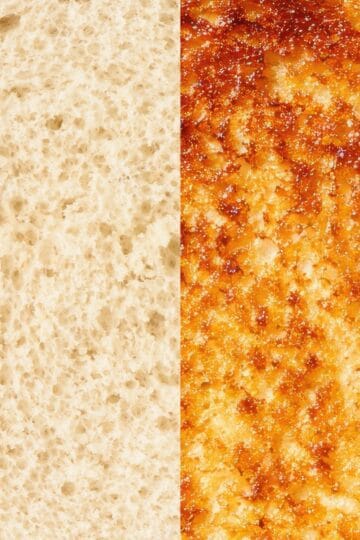
Here's where roasting gets especially interesting. The Maillard reaction is a complex series of reactions between amino acids and reducing sugars that occurs when food is exposed to heat. You don't have to remember the chemistry to recognize the results. Those browned surfaces develop flavors and aromas that weren't present in the raw ingredient.
Think About!
- Golden chicken skin
- A browned roast
- Crispy potatoes
- Deeply browned Brussels sprouts
- Toasted bread
- Roasted nuts
Why Drying Food Helps It Brown
Water slows surface browning because moisture must evaporate before the surface can get hot enough for rapid browning. This connects several roasting principles together. That's also why overcrowding causes so many roasting problems. Because food releases water, the water becomes trapped as steam, and the surface stays wetter.
Dry surface + sufficient heat + enough space = better opportunity for browning.
High-Heat Roasting vs. Slow Roasting
Not everything needs to be blasted with high heat, however.
High-Heat Roasting
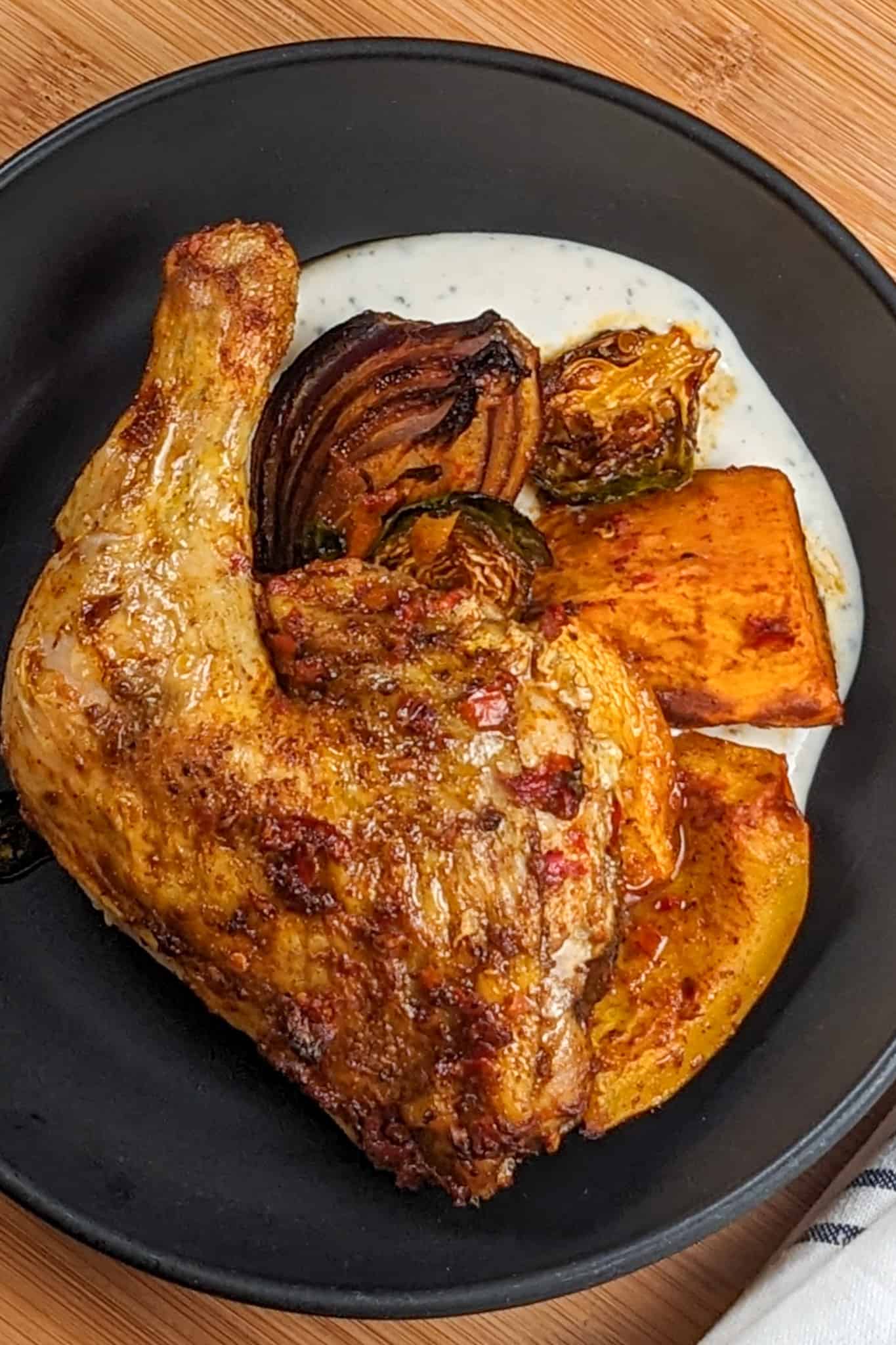
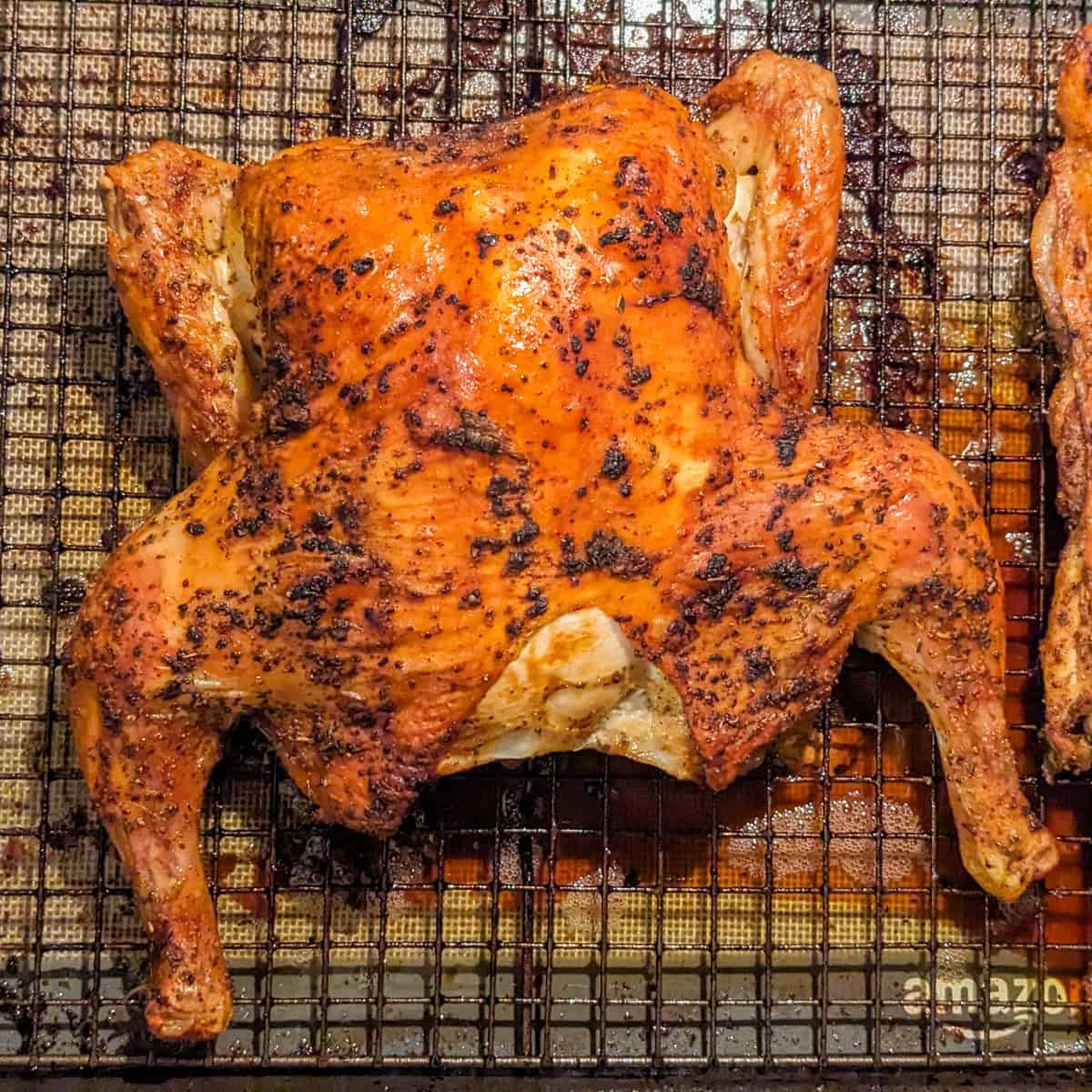
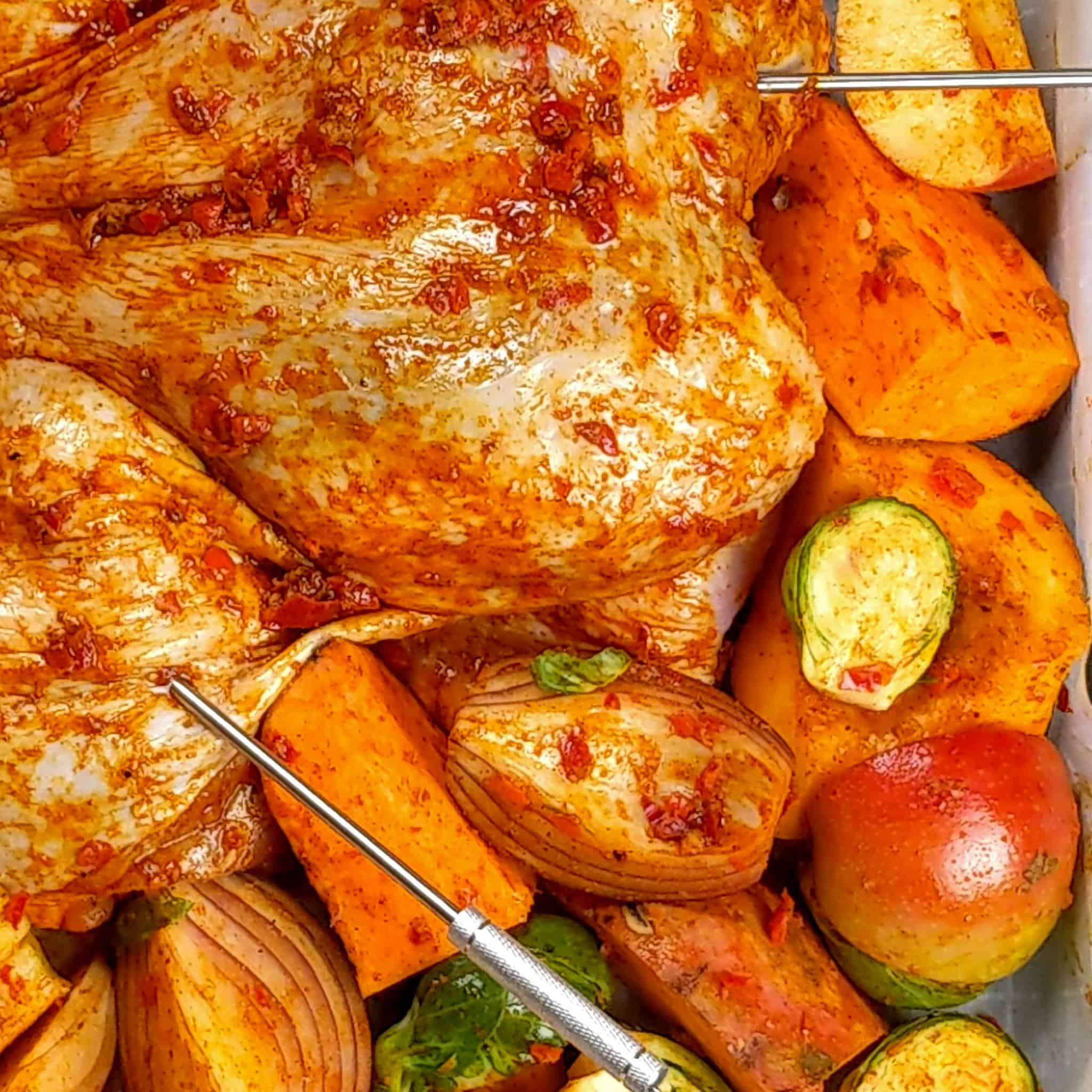
Temperatures around 400°F to 450°F are commonly used when you want relatively fast cooking and plenty of exterior browning. For example, in my Roasted Calabrian Pepper Spatchcocked Chicken and Vegetables, I start the chicken and vegetables at 425°F, then reduce the temperature to 400°F. Spatchcocking exposes more of the chicken to the heat while the large-cut vegetables roast alongside it.
High heat works especially well for many:
- Root vegetables
- Potatoes
- Brussels sprouts
- Cauliflower
- Broccoli
- Winter squash
- Chicken pieces
Slow Roasting
The method should always match the ingredient!
Slow roasting uses lower temperatures and a longer cooking time. This can help with certain large pieces of meat because the lower heat gives the center more time to cook before the exterior becomes excessively dark. For tougher cuts, longer cooking can also help soften connective tissue as collagen breaks down. For example, a Brussels sprout doesn't need to spend hours slowly roasting just because slow roasting works well for certain cuts of meat.
How to Roast Vegetables
Here's a simple formula you can use for most vegetables.
Prep → Dry → Cut → Oil → Season → Space → Roast → Check
- Prep: Wash and prepare the vegetable as necessary.
- Dry: Remove excess surface moisture. This step is especially important when you want crisp or deeply browned surfaces.
- Cut: Cut the vegetable into relatively uniform pieces.
- Oil: Lightly coat with olive oil, avocado oil, or another appropriate cooking fat.
- Season: Add salt and your preferred herbs, spices, or seasoning blends.
- Space: Arrange everything in a single layer. Leave enough space for moisture to escape.
- Roast: Place them into a fully preheated oven at the temperature appropriate for the vegetable. Many vegetables roast particularly well around 400°F to 450°F.
- Check: Look for browning and test the texture. A knife or fork should easily enter vegetables meant to become tender, while the exterior should show the browning you're looking for.
Roasting Squash
Winter squash is an excellent vegetable for learning roasting because the difference between raw and roasted squash is so dramatic. Acorn squash, butternut squash, delicata squash, and similar varieties have dense flesh that softens beautifully with dry heat.
- Smaller pieces generally cook faster and create more surface area for browning.
- Larger pieces take longer but can develop a creamy interior.
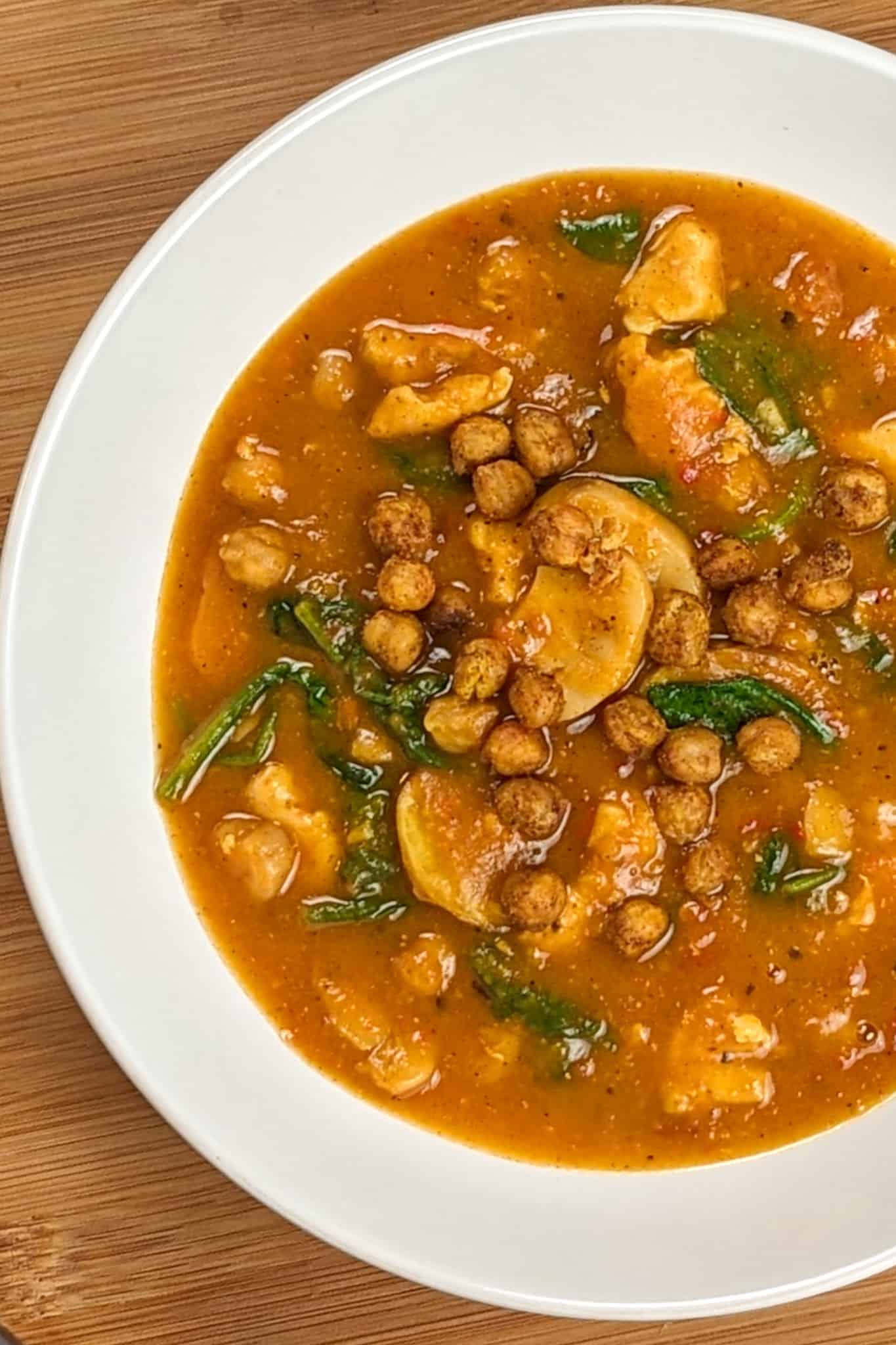
My Chicken Paillard recipe uses sliced acorn squash roasted until tender, while my Air Fryer Butternut Squash Spiced Chickpeas Chicken Soup roasts butternut squash before puréeing it with chicken broth to create the soup base.
That demonstrates another benefit of roasting vegetables: the roasted ingredient doesn't necessarily have to be served whole. You can roast vegetables first to develop flavor and then turn them into soups, sauces, purées, fillings, and other dishes.
Depending on the variety and recipe, you can roast squash:
- Halved
- Cut into wedges
- Sliced
- Cubed
- Peeled or unpeeled
How to Roast Chicken and Poultry
Roasting poultry combines the same principles of heat, moisture, and browning with an additional requirement (Get the Internal Meat Temperature Chart (Printable Guide)):
- Start by removing excess surface moisture when appropriate.
- For skin-on poultry, a drier exterior helps encourage browned, crisp skin.
- Season thoroughly and place the poultry in a roasting pan, skillet, or sheet pan appropriate for its size.
Whole Chicken
You can also spatchcock a whole chicken before roasting. Removing the backbone and flattening the chicken creates a more even shape and exposes more skin to the oven's heat. As the poultry cooks, it releases fat and its own juices. Those drippings can also provide the foundation for gravy or a pan sauce. Most importantly, use a thermometer rather than judging doneness by skin color or juices.
How to Roast Meat
When you roast meat, you're balancing exterior browning with the desired internal doneness. Some large roasts are better suited to lower temperatures and longer cooking, while other cuts can benefit from higher heat. Use a thermometer to monitor the center rather than relying exclusively on minutes per pound.
Cooking time can change depending on:
- Weight
- Thickness
- Bone-in versus boneless
- Oven temperature
- Starting temperature
- Type of roasting pan
- Amount of fat
- Desired doneness
How to Roast Fish
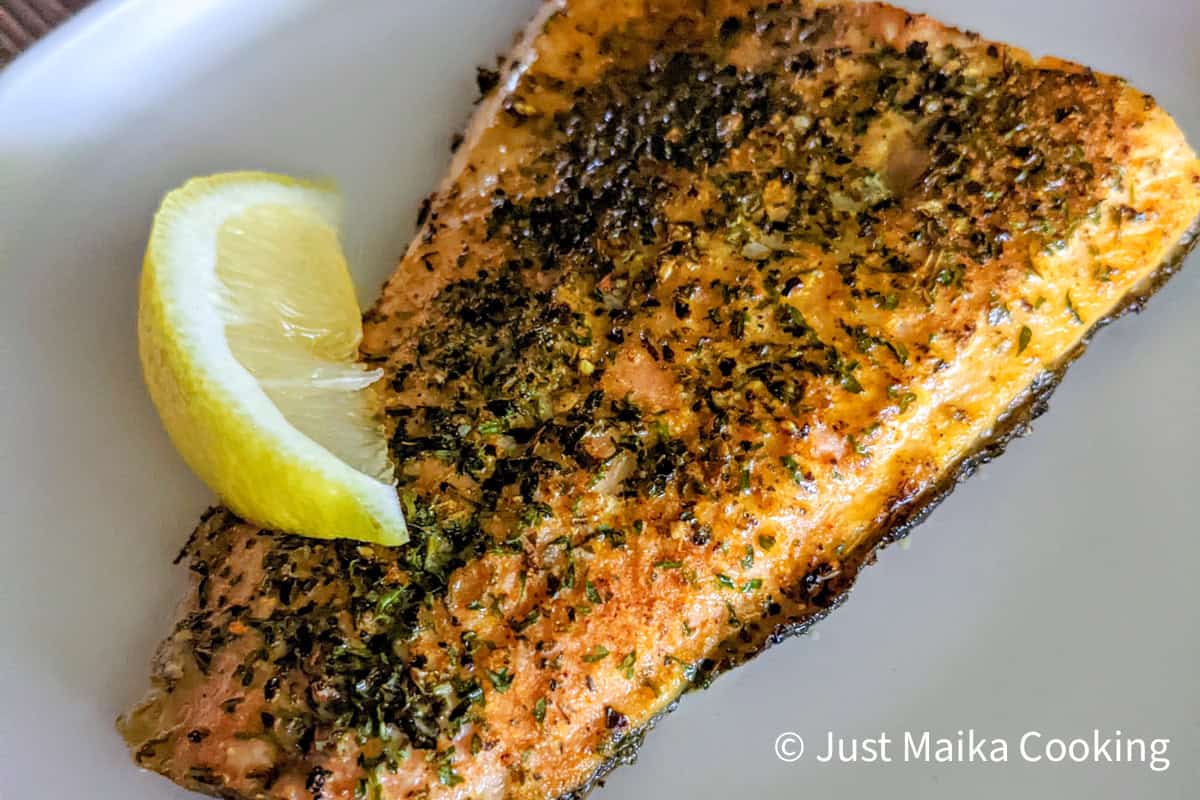
Fish usually roasts much faster than poultry or large cuts of meat. That's why thickness matters tremendously. A thick center-cut salmon fillet needs more time than a thin fillet, even when the portions look similar from above. Fish can go from moist to dry relatively quickly.
Remember to lightly season and oil the fish as appropriate, then start checking early.
How to Roast in an Air Fryer
Yes, you can roast food in an air fryer! In fact, the same roasting principles still apply. An air fryer is essentially a compact convection-style cooking appliance that moves hot air rapidly around the food. The small cooking chamber and strong airflow can produce fast browning and crisp surfaces.
The biggest difference is speed!
Because air fryers circulate hot air so efficiently, foods may cook faster than they would in a conventional oven.
Review: The Cosori Turbo Blaze Air Fryer has been an absolute big help in my kitchen! The large basket is perfect for cooking larger portions, and cleanup is a breeze: just toss it in the dishwasher, and it comes out spotless and undamaged. I also love the thoughtful design, with a flat grid basket and silicone feet that prevent scratching and are super easy to remove and reinsert. The big, clear display with multiple preset temperature and time options makes cooking so quick and hassle-free, taking all the guesswork out of the process. Honestly, I love it so much that I haven’t had to pull out my Ninja air fryer since getting this one! I even ended up buying one for my mom!
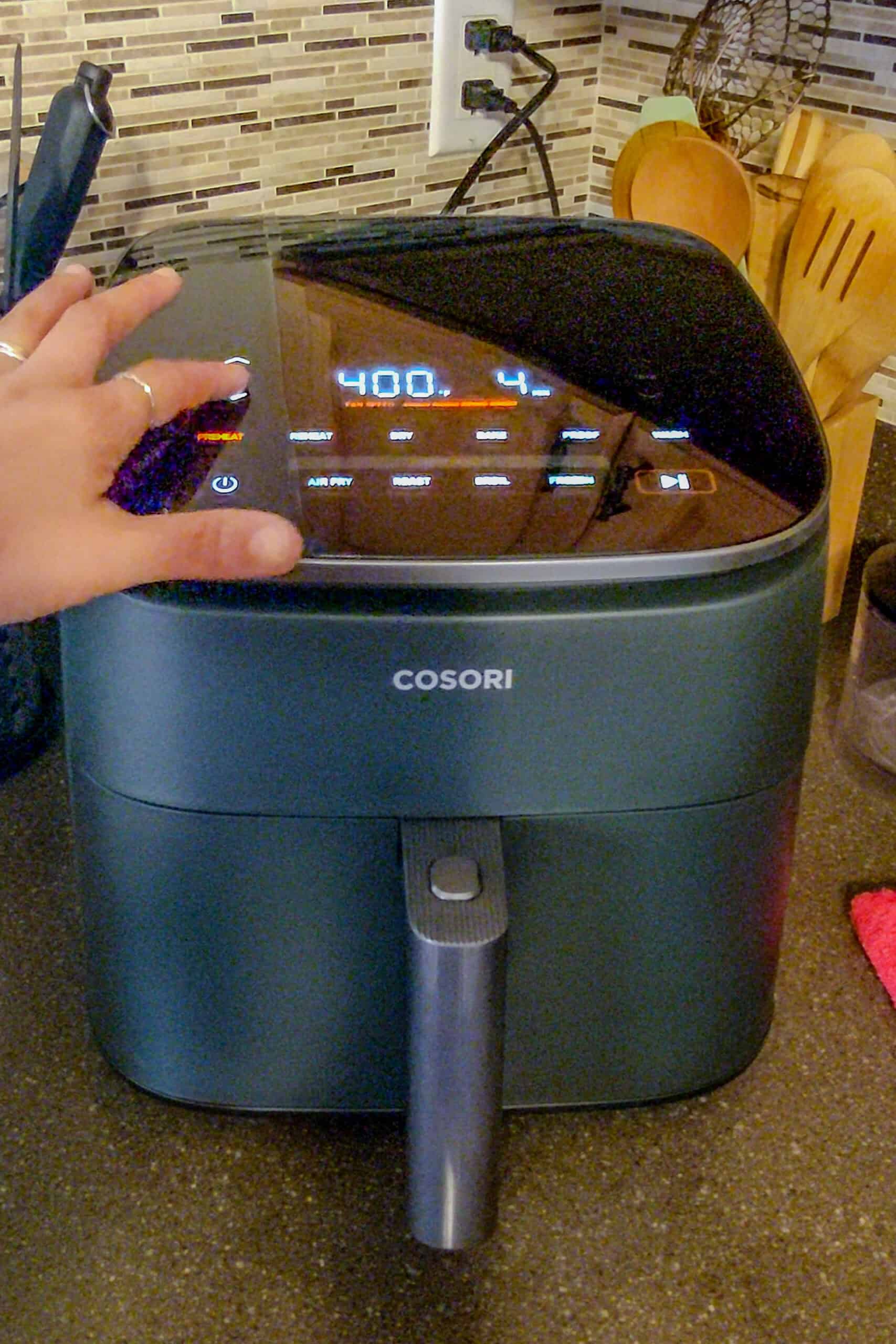
My Review: I use this must-have air fryer practically every day! Most of my recipes call for it. It is quick and easy to use. Also, it’s multifunctional, with not only an air fryer option but also roast, grill, bake, and even a dehydrate function. Setting the time and temperature is easy with soft, clearly labeled buttons. See the results with my Air Fryer Branzino with Lemon Potatoes and Vegetables recipe. 08/19/24: I rate this product 4 out of 5 for space and convenience. It takes up a lot of space.
Additionally, it has many components that need cleaning and is not dishwasher-safe. I suggest hand washing after every use to prevent chipping. However, I refuse to give this equipment away; as an air fryer, it's the best I've had so far.

Air Fryer Roasting Principles
Hot air needs room to circulate!
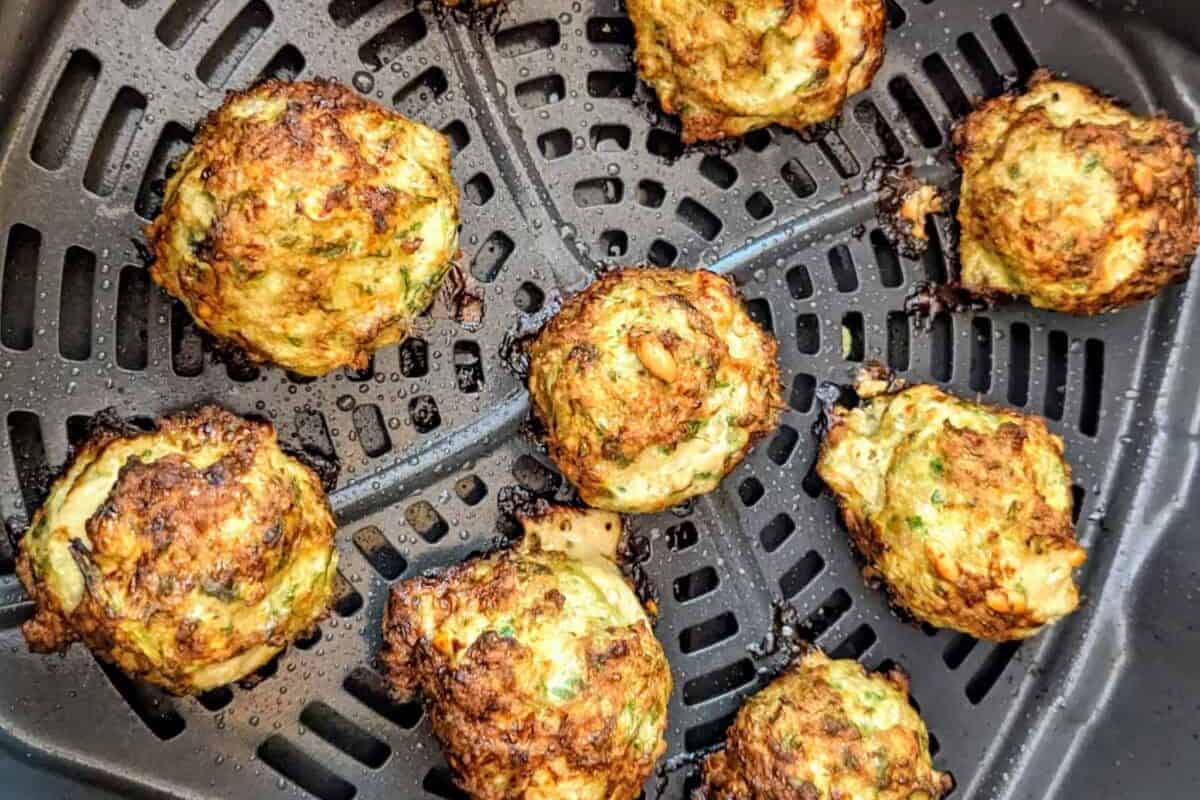
My Air Fryer Butternut Squash Spiced Chickpeas Chicken Soup uses this method twice: butternut squash is air-roasted before being puréed into the soup, while chickpeas and potatoes are air-fried until golden and finished with ras el hanout.
The same principle applies here as it does in your oven:
Overloading the basket can reduce browning and increase cooking time.
For better results:
- Preheat when your recipe or appliance recommends it.
- Dry the food.
- Lightly coat with oil when appropriate.
- Don't overcrowd the basket.
- Arrange food in an even layer when possible.
- Toss or flip foods during cooking when needed.
- Begin checking earlier than you would in a conventional oven.
- Use internal temperature for proteins.
Oven Roasting vs. Air Fryer Roasting (Table)
Neither method is universally better!
- If you're roasting a sheet pan full of vegetables for a family meal, the oven may be much more practical.
- If you're roasting a small amount of squash, potatoes, broccoli, or Brussels sprouts, the air fryer may get the job done faster.
| Cooking Tip | Oven | Air Fryer |
|---|---|---|
| Best for | Larger batches | Smaller batches |
| Air movement | Natural or fan-assisted | Rapid fan circulation |
| Preheating | Usually longer | Usually shorter |
| Cooking speed | Moderate | Often faster |
| Capacity | Large | Limited |
| Browning | Excellent | Excellent |
| Batch cooking | Better | May require multiple batches |
What Equipment Do You Need for Roasting?
You don't necessarily need a dedicated roasting pan.
Rimmed Sheet Pan: One of the most versatile roasting tools. The wide surface gives vegetables room to spread out and works well for chicken pieces, potatoes, squash, and sheet-pan meals.
Roasting Pan: Useful for a whole chicken, turkey breast, or large roast. Its deeper sides also help contain drippings.
Cast-Iron Skillet: Cast iron retains heat extremely well and is useful when you want strong browning or need to move food from the stovetop directly into the oven. Best Cast Iron Skillet Care | Cooking, Cleaning to Seasoning.
Oven-Safe Stainless-Steel Skillet: Stainless steel is excellent for proteins, particularly when you plan to turn the browned bits left in the pan into a sauce.
Air Fryer: An air fryer is particularly convenient for small batches of vegetables and proteins where you want rapid circulation and browning.
Food Thermometer: For meat, poultry, and seafood, this is one of the most important roasting tools you can own. Understanding Food Temperature Safety Zones: Cook, Store & Serve Safely.
Kitchen Tools I Use and Recommend
These are some of the kitchen tools I personally use that make cooking faster and easier. If you're building your kitchen setup or upgrading your tools, these are great places to start. More Kitchen Must-Haves - Find other tools I use here.
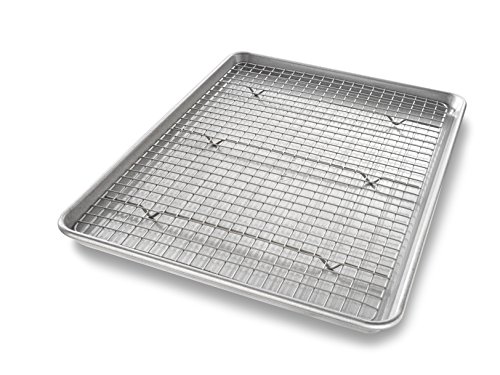
My Review: The USA Pan Bakeware Half Sheet Baking Pan and Nonstick Cooling Rack Set is such a smart buy, it’s incredibly convenient to have both the pan and rack come together as a set. You never know when you’ll need the rack for roasting, cooling, or glazing, and having it perfectly fitted to the pan saves so much time and hassle. The pan itself is super sturdy with excellent heat distribution, and the nonstick rack makes cleanup a breeze. I’ve used it for everything from baking cookies to roasting vegetables and even draining fried foods. It’s one of those kitchen upgrades that just makes life easier.
My Review: The Lodge Blacklock 10.25" Triple Seasoned Cast Iron Skillet has quickly become one of my favorite pieces of cookware. I’m especially impressed by how lightweight it feels compared to traditional cast iron, making it easy to maneuver while cooking and serving. The clean, smooth finish not only looks sleek but also delivers reliable nonstick performance, making cleanup simple. It’s a premium skillet that combines classic durability with a modern design upgrade I truly appreciate.
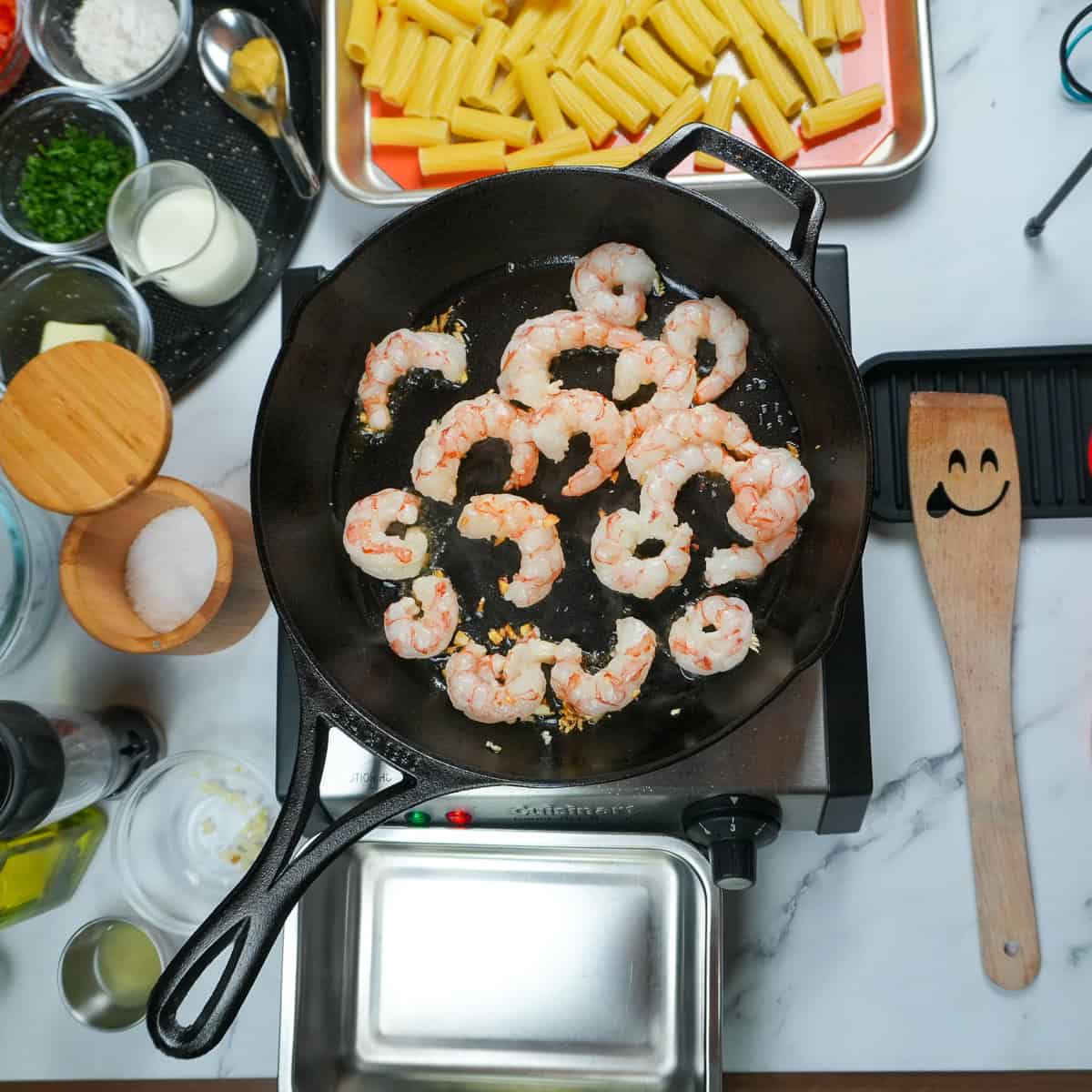
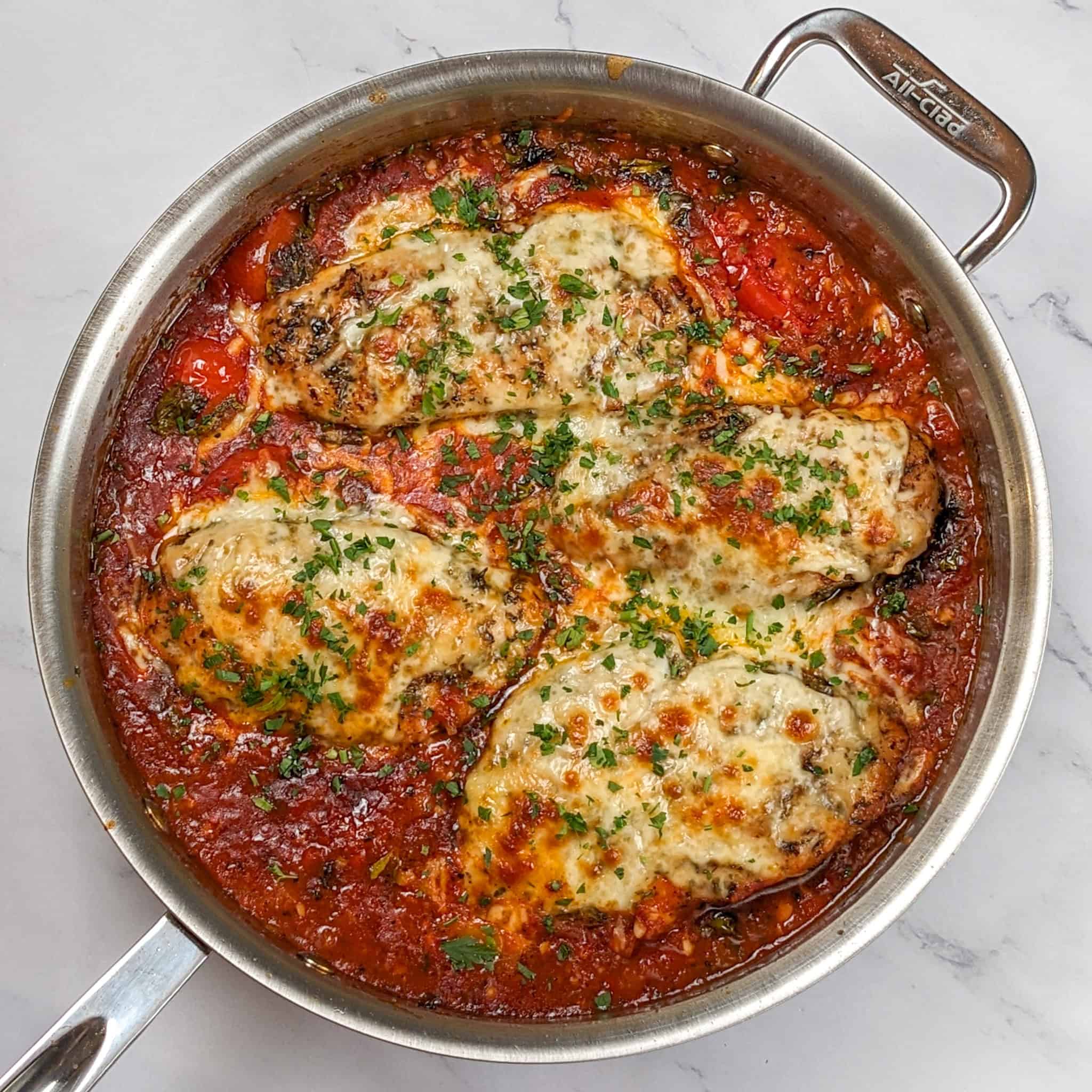
My Review: I absolutely love this All-Clad D3 4-Quart Stainless Steel Sauté Pan. It’s a professionally trusted workhorse in my kitchen. From its sleek, classic design to its even heat control, this pan makes cooking feel effortless. It’s oven- and broiler-safe up to 600°F and still dishwasher-safe, which is a huge win for easy cleanup. None of my All-Clad pans are going anywhere; they're built to last a lifetime and then some. If you're serious about quality cookware, this sauté pan is worth every penny.
Review: The Cosori Turbo Blaze Air Fryer has been an absolute big help in my kitchen! The large basket is perfect for cooking larger portions, and cleanup is a breeze: just toss it in the dishwasher, and it comes out spotless and undamaged. I also love the thoughtful design, with a flat grid basket and silicone feet that prevent scratching and are super easy to remove and reinsert. The big, clear display with multiple preset temperature and time options makes cooking so quick and hassle-free, taking all the guesswork out of the process. Honestly, I love it so much that I haven’t had to pull out my Ninja air fryer since getting this one! I even ended up buying one for my mom!
America's Test Kitchen - Winner
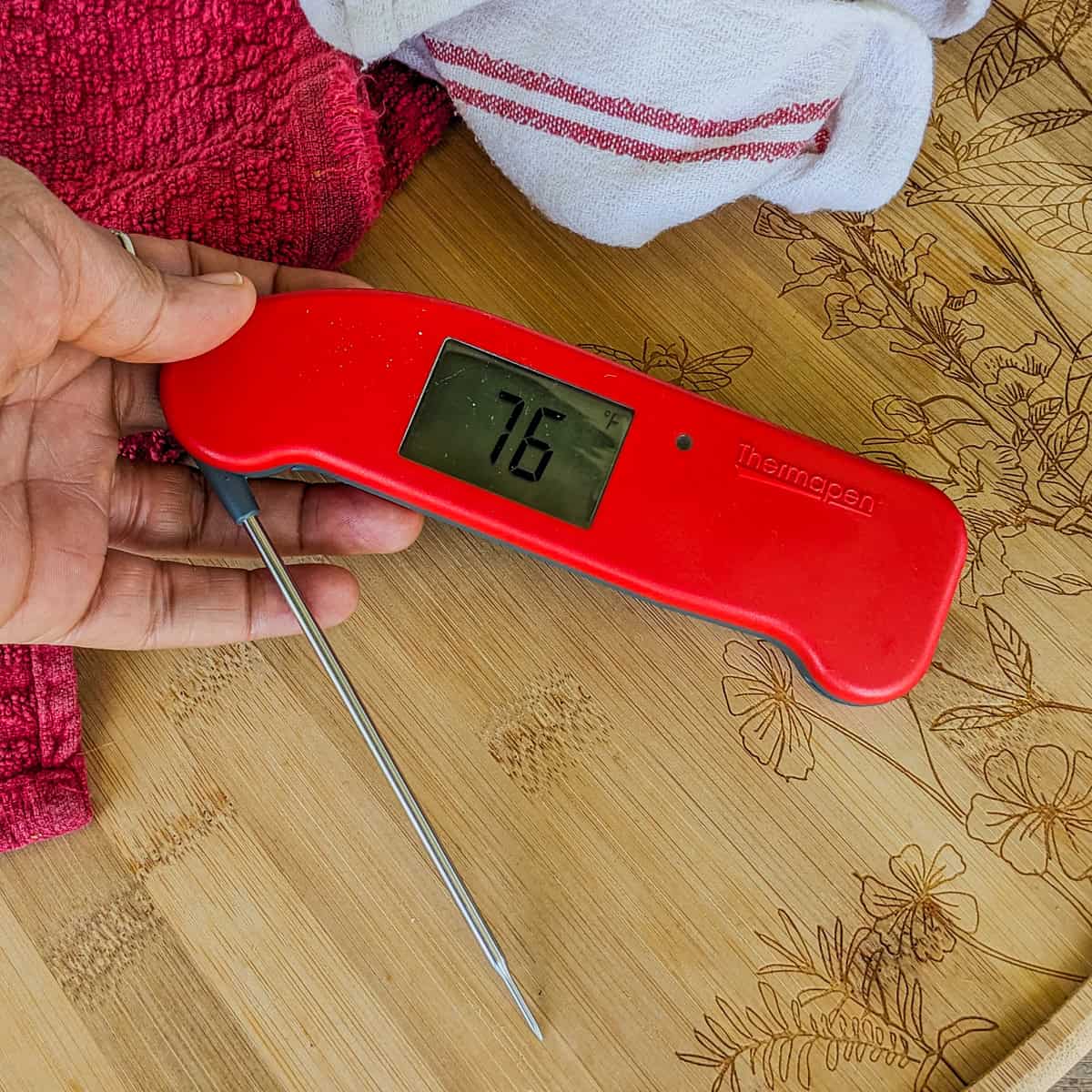
My Review: The Thermapen ONE by ThermoWorks is my go-to kitchen thermometer - simple, fast, and incredibly precise. It delivers accurate readings in just one second, making it perfect for everything from meats to baked goods. I love that it's waterproof, has a rotating backlit display, and turns on automatically when you unfold the probe. America's Test Kitchen voted it its top thermometer. It comes with a 5-year warranty and a NIST-traceable calibration certificate, so you can trust it as a must-have tool for any cook.
Notable Mention
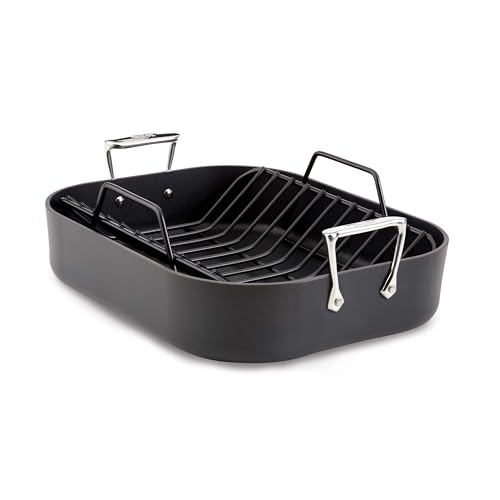
A quality roasting pan is a great tool to have when you want the flexibility to roast everything from a whole chicken or pork roast to a beef prime rib. I especially like the rack because it elevates the meat above the bottom of the pan, letting heat circulate while leaving space underneath to collect flavorful drippings for gravy or pan sauces.
This roaster is also made by All-Clad, a cookware company I've trusted and used for years. I appreciate durable kitchen equipment that can serve more than one purpose, and a sturdy non-stick stainless steel roasting pan is one of those pieces you can bring out for Sunday dinners, holiday meals, and special occasions year after year.
What Is Fond?
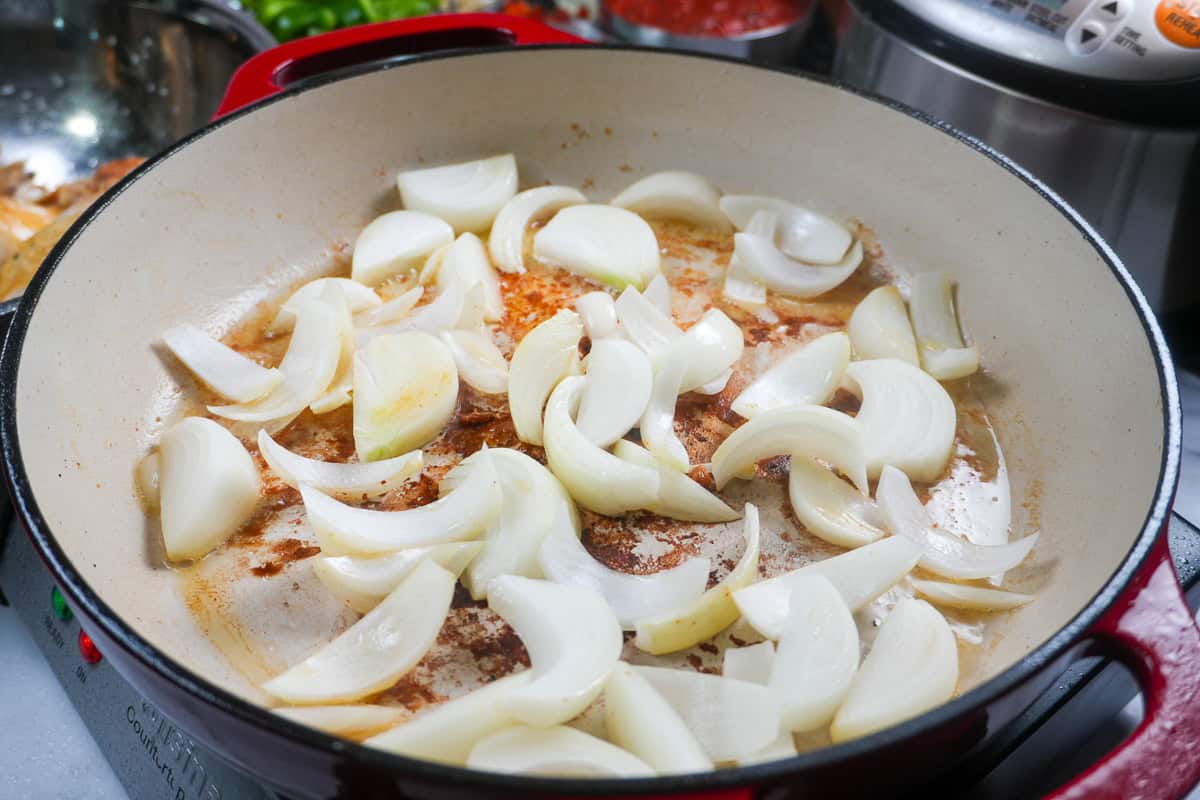
Don't automatically scrub away those brown bits stuck to the bottom of your roasting pan. That's fond! Fond is the flavorful browned residue left on cookware after cooking meat, poultry, or vegetables. Add broth, stock, wine, water, or another appropriate liquid to the pan, and deglaze to loosen those browned bits. That concentrated flavor can become the beginning of a gravy, jus, or pan sauce.
Safe Internal Temperatures for Roasting (Table)
Cooking time alone cannot tell you whether meat or poultry is safely cooked. Use a food thermometer and check the thickest part of the food. Avoid touching bone, the roasting pan, or large pockets of fat with the thermometer probe.
For a whole chicken or large roast, check more than one location. Your timer tells you when to start checking. Your thermometer tells you when the food has reached its target temperature.
Common minimum temperatures include:
| Food | Minimum Internal Temperature |
|---|---|
| Poultry | 165°F |
| Ground meats | 160°F |
| Whole cuts of beef, pork, veal and lamb | 145°F + appropriate rest |
| Fish | 145°F |
Roasting vs. Baking vs. Broiling
All three techniques happen in an oven, but they're used differently.
Don't Get Confused
Roasting: Roasting uses dry heat and is commonly associated with vegetables, meat, poultry, and fish where browning is desirable.
Baking: Baking also uses dry oven heat, but the term is more commonly associated with breads, cakes, pastries, casseroles, and foods that develop structure as they cook. In many modern ovens, baking and roasting may actually use the same heating elements.
Broiling: Broiling exposes food to intense direct heat, usually from the oven's top element. It's useful for quickly browning the surface of food, but you need to watch it closely because the intense heat can burn food quickly.
Why Aren't My Roasted Vegetables Browning?
If your vegetables are cooked but pale, you're probably dealing with too much moisture, not enough heat, or both. Before changing everything else, look at your pan. If the vegetables are piled together, spread them out.
Common causes include:
- Overcrowding
- Wet vegetables
- Too low an oven temperature
- Too much marinade
- Too small a pan
- Not enough cooking time
Why Are My Roasted Vegetables Soggy?
Soggy roasted vegetables are usually steamed instead of roasted effectively. As vegetables heat, they release moisture. If that water can't escape, steam surrounds the food. Use a larger pan, dry your vegetables thoroughly, avoid excess liquid, and don't overcrowd them.
Should You Cover Food While Roasting?
Usually, no! Roasting uncovered exposes the surface to dry heat and encourages browning. Covering traps moisture! However, foil can help if part of a chicken or roast is browning too quickly before the center is cooked through. Loosely tent that area instead of tightly sealing the entire pan.
Should I Use Parchment Paper?
Parchment makes cleanup easier and can prevent sticking. Direct contact with a metal sheet pan, however, can sometimes create stronger browning on the surface touching the pan. Neither choice is wrong. Decide whether easy cleanup or maximum contact browning is more important for that recipe.
Do You Have to Flip Food While Roasting?
Not always. Potatoes, squash, and many other vegetables benefit from flipping or tossing because more surfaces get an opportunity to brown. Large poultry and delicate fish may not need to be flipped at all. Follow what the ingredient needs instead of automatically flipping everything halfway through.
Frequently Asked Questions
Here are common questions I have answered. If you have any questions, please write them in the comments below.
There isn't one universal temperature. Many vegetables roast well around 400°F to 450°F, while meats and poultry may use higher or lower temperatures depending on their size and the cooking method.
Roasting removes some moisture, concentrates flavors, changes texture, and encourages browning reactions that create additional flavors and aromas. Read How the Maillard Reaction Makes Food Taste Better.
Yes. Many frozen vegetables can go directly into the oven or air fryer without thawing. Give them plenty of room, especially because frozen vegetables release moisture as they cook.
Yes, but choose vegetables with similar cooking times or stagger when you add them to the pan.
Yes. My spatchcocked chicken and vegetables are a good example. The key is choosing the vegetable size carefully so the vegetables and protein finish at about the same time.
No. Sheet pans, oven-safe skillets, baking dishes, roasting pans, and air fryers can all roast food.
Generally, not when your goal is traditional dry roasting unless the recipe specifically requires liquid. Adding water creates additional steam, which can interfere with browning.
Use enough oil to lightly and evenly coat their surfaces without leaving them swimming in excess fat.
Overcooking is a common cause. Use cooking time as an estimate and monitor internal temperature instead of relying on the clock alone.
Remember four things:
Heat + Dry Surface + Fat + Space
Use sufficient heat, remove excess moisture, lightly coat the food with an appropriate fat, and leave enough space for moisture to escape.
More Roasting Recipes
Looking for recipe ideas that use the roasting technique? Try these:
- Rosemary Garlic Roasted Chicken with Pan Gravy
- Pan-Roasted Chicken and Andouille Sausage Gumbo
- Steak Shawarma Recipe with Fall Holiday Flavors | Easy Lebanese Style
- Spatchcock Turkey Backbone Gravy (Mirepoix & Haitian Spices)
Cooking Tips and Tutorials
If you found this tutorial helpful, you'll love my Cook's Notebook collection. From knife skills and flavor bases to time-saving tricks and essential equipment guides, this section is packed with chef-tested lessons to help you cook with confidence.
- 2026 Fall Seasonal Produce Guide: Fruits and Vegetables to Enjoy This Season
- Indian Cooking Techniques That Changed How I Think About Food
- What Is Emulsification? A Simple Guide to Creamier Sauces and Dressings
- Homemade Baby Food: How to Prep, Freeze & Build Easy Meals

Quick Roasting Guide (Printable)
| If You Want... | Focus On... |
|---|---|
| More browning | Higher heat + dry surface |
| Crisp vegetables | Space + heat + limited moisture |
| Even cooking | Uniform cuts |
| Better seasoning | Light coating of fat |
| Crispy poultry skin | Dry surface + exposed skin |
| Safe poultry | 165°F internal temperature |
| Faster small batches | Air fryer |
| Larger batches | Oven + sheet pan |
| Pan gravy | Save the fond and drippings |
| Better results overall | Don't rely on cooking time alone |


Chef Maika Frederic-Liebman
Chef and Educator
Professionally trained Haitian-American chef Maika Frederic is the creator of Just Maika Cooking, where she shares globally inspired recipes, cooking techniques, ingredient guides, and food safety tips designed to help home cooks become more creative and confident in the kitchen. Combining years of professional culinary experience with a passion for teaching, she makes global flavors approachable through practical, accessible instruction for cooks of every skill level.
SUBSCRIBE: 👈To my YouTube Channel to Get Notifications of New Videos.
Have a Comment or Question?
If you have a question or comment about this post, please post it below. You will receive a prompt response. It also helps our other readers to stay informed. Thanks!
Leave a Reply