

Safe cooking temperatures can be confusing when you're comparing USDA recommendations, food safety charts, and different cooking methods online. This printable internal meat temperature chart simplifies those guidelines into an easy-to-follow reference guide, helping home cooks confidently check doneness and food safety, and measure temperatures for beef, poultry, pork, lamb, seafood, and more.
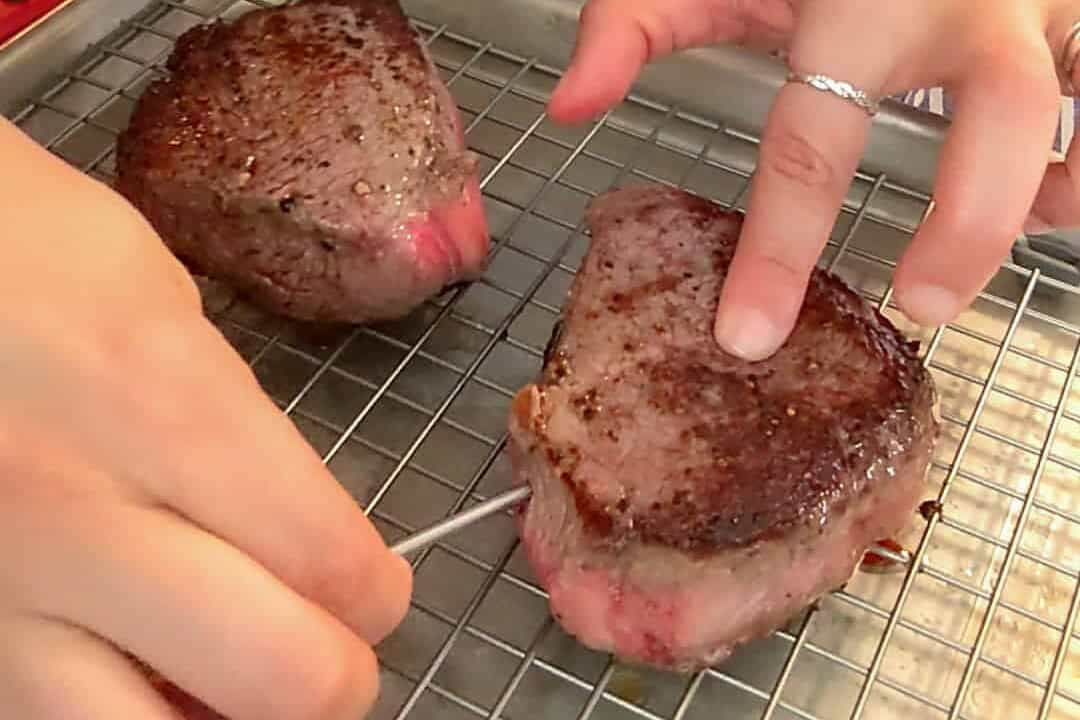
Table of Contents
Jump to:
- Importance of Safe Internal Cooking Temperatures Knowledge
- Quick Answer: Safe Internal Meat Temperatures
- Note From Chef Maika
- Why Internal Meat Temperatures Matter
- Food Safety, the Danger Zone, and Harmful Bacteria
- How to Use a Food Thermometer Correctly
- Internal Meat Temperature Charts by Protein
- Beef Internal Temperature Chart
- Poultry Internal Temperature Chart
- Pork Internal Temperature Chart
- Lamb Internal Temperature Chart
- Seafood Internal Temperature Chart
- Ground Meat Temperature Chart
- Resting Meat After Cooking
- Common Internal Temperature Mistakes
- Equipment You'll Need (With Alternatives)
- Kitchen Tools I Use and Recommend
- Culinary Glossary
- 5 Quick Cooking Tips
- Frequently Asked Questions
- Latest Recipes
- Cooking Tips and Tutorials
- Have a Comment or Question?
Importance of Safe Internal Cooking Temperatures Knowledge
Knowing the correct internal meat temperature is one of the most important skills a home cook can learn. Whether grilling steaks, roasting a whole chicken, smoking a pork shoulder, or cooking seafood for a quick weeknight meal, using a food thermometer helps ensure your food reaches a safe internal temperature and prevents overcooking.
The challenge is that there are countless food safety charts, USDA recommendations, and cooking guides available online, and they aren't always easy to interpret while you're actively cooking. This guide simplifies those recommendations into a practical, beginner-friendly resource with printable charts, temperature references, and easy explanations for different types of meat. Think of it as a kitchen companion that helps you cook confidently while keeping food safety top of mind.
Quick Answer: Safe Internal Meat Temperatures
If you're in a hurry, use this quick reference chart for the most common safe minimum internal temperatures recommended for home cooking.
Quick Reference Internal Meat Temperature Chart
| Protein | Safe Internal Temperature | Rest Time |
|---|---|---|
| Chicken | 165°F | 3 minutes |
| Turkey | 165°F | 3 minutes |
| Ground Beef | 160°F | Optional |
| Ground Pork | 160°F | Optional |
| Ground Chicken | 165°F | Optional |
| Pork Chops | 145°F | 3 minutes |
| Pork Tenderloin | 145°F | 3 minutes |
| Fish | 145°F | Optional |
PDF Printable:
Note From Chef Maika
As a chef and cooking instructor, one of my goals is to make cooking knowledge accessible to everyone. Whether you're a young cook learning kitchen basics, a busy parent trying to get dinner on the table, or someone who simply needs a quick reference while cooking, this guide was created with you in mind.
I know that not everyone has time to dig through lengthy food safety websites or search for answers while standing over a hot stove. That's why I've broken down these internal meat temperature charts into simple, easy-to-read references you can use quickly when cooking beef, poultry, pork, seafood, lamb, and other proteins.
Feel free to bookmark this page, print the charts, and keep them where they'll be most useful. Add them to your favorite recipe binder, tuck them into your kitchen reference notebook, or hang them on the refrigerator door for quick access. Over time, you'll rely on them less as the temperatures become second nature, but until then, think of these charts as your kitchen cheat sheets for cooking with confidence and keeping food safe.
Why Internal Meat Temperatures Matter
Cooking meat to the proper internal temperature is about more than simply following a recipe. It helps ensure food safety, improves consistency, and gives you a more reliable way to determine doneness than relying on color or cooking time alone.
Many home cooks grew up learning that a piece of meat was done when it "looked cooked," but appearance can be misleading. Some meats can remain pink after reaching a safe internal temperature, while others may appear fully cooked before reaching a temperature that reduces harmful bacteria. That's why professional chefs, food scientists, and food safety organizations recommend using a food thermometer as the most reliable way to determine doneness.
Understanding internal temperature also helps you avoid overcooking. Instead of guessing and hoping for the best, you can cook steaks to your preferred doneness, roast poultry safely, and prepare seafood with confidence while preserving flavor, texture, and moisture.
As you become more comfortable using a thermometer, you'll find that temperature-based cooking removes much of the uncertainty from the cooking process and helps produce more consistent results.
Want to Learn More?
Food safety organizations such as the USDA and FDA provide detailed guidance on safe cooking temperatures, while recipe developers and culinary educators often provide additional tips for achieving specific levels of doneness and texture. I've included helpful resources throughout this guide for readers who want to explore these topics in greater depth.
Food Safety, the Danger Zone, and Harmful Bacteria
One of the primary reasons for maintaining safe internal temperatures is to reduce the risk of foodborne illness. Raw meat can naturally contain harmful bacteria such as Salmonella, E. coli, Campylobacter, and Listeria. When food is cooked to the appropriate temperature, these harmful germs are reduced to levels considered safe for consumption.
Food safety experts often refer to the temperature range between 40°F and 140°F as the Danger Zone. Within this range, bacteria can multiply rapidly when food is left at unsafe temperatures for extended periods.
This is why safe cooking temperatures, proper food storage, and correct reheating practices work together as part of a complete food safety system.
Some proteins require higher cooking temperatures than others because they carry different food safety risks:
- Whole cuts of beef can often be safely enjoyed at lower temperatures.
- Ground meats require higher temperatures because bacteria can become distributed throughout the meat during processing.
- Poultry requires higher temperatures to kill the bacteria commonly associated with raw chicken and turkey.
- Seafood has its own temperature guidelines based on texture, safety, and species.

Understanding these differences helps explain why there is no single temperature that works for every type of meat. Related Reading: Learn more about safe cooking, serving, cooling, and storage temperatures in my Food Temperature Safety Zones Guide.
How to Use a Food Thermometer Correctly
A food thermometer is one of the most valuable tools in the kitchen because it removes guesswork from cooking meat. Even the most accurate internal meat temperature chart won't help if the thermometer is inserted incorrectly or if it's measured at the wrong location.
Learning how to properly check internal temperatures can improve both food safety and cooking results when grilling a steak, roasting a whole chicken, smoking a brisket, or cooking seafood.
Use the Right Type of Thermometer
Several types of cooking thermometers are available, and each serves a different purpose.
Instant-Read Thermometer
An instant-read thermometer provides a quick temperature reading within seconds. It's one of the most versatile tools for everyday cooking and works well for steaks, chicken breasts, pork chops, seafood, and other quick-cooking proteins.
Leave-In Probe Thermometer
A probe thermometer remains inserted into the food throughout the cooking process. These thermometers are especially useful for smoking meats, roasting large cuts, whole poultry, and long cooks that require frequent temperature monitoring.
Wireless Meat Thermometer
Wireless thermometers let you monitor temperatures remotely via a smartphone or receiver. These are popular for grilling, smoking, and outdoor cooking, where frequent lid openings can affect cooking temperatures.
Equipment Guide: If you're shopping for a thermometer, check out my reviews and recommendations for cooking thermometers and grilling tools.
Where to Insert the Thermometer
For the most accurate reading, insert the thermometer into the thickest part of the meat.
General guidelines include:
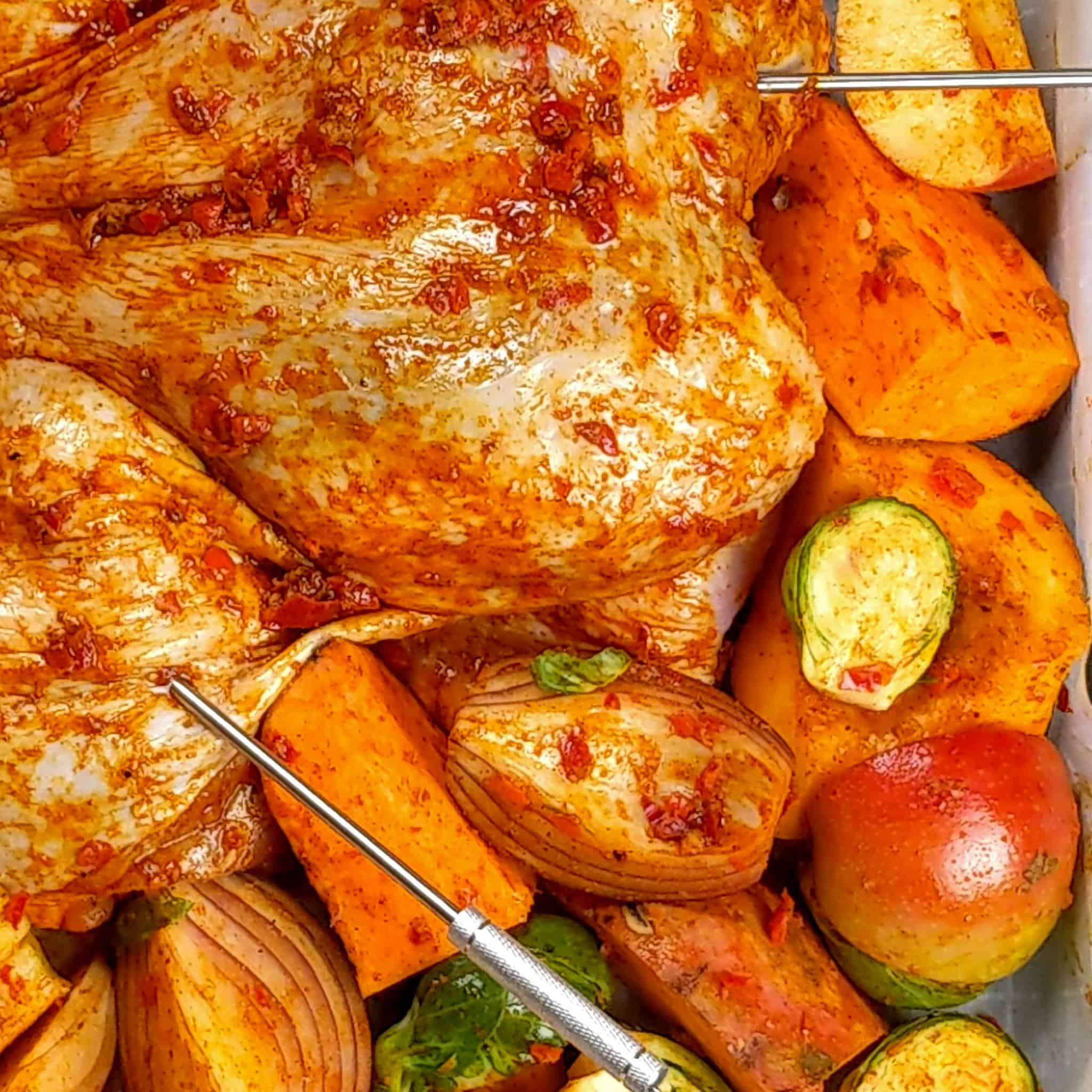
- Chicken breasts: Insert into the thickest part of the breast.
- Chicken thighs: Insert into the innermost part of the thigh without touching the bone.
- Whole poultry: Check both the thickest part of the breast and the innermost part of the thigh.
- Steaks and chops: Insert through the side toward the center of the thickest section.
- Roasts: Insert into the center of the roast.
- Fish fillets: Insert into the thickest portion of the fillet.
Avoid these areas to provide accurate readings:
- Bones
- Large pockets of fat
- Gristle
- Stuffing
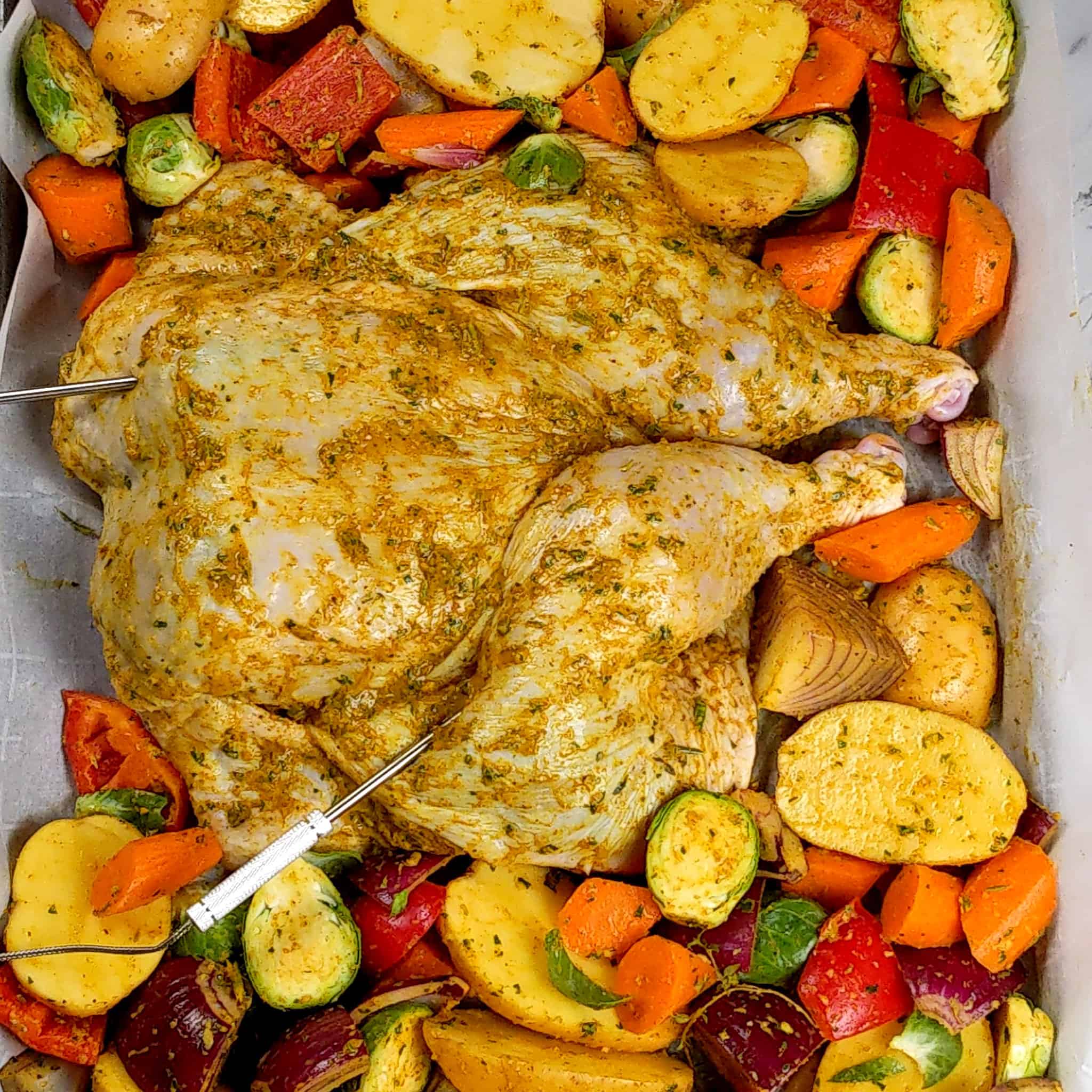
Check More Than One Spot
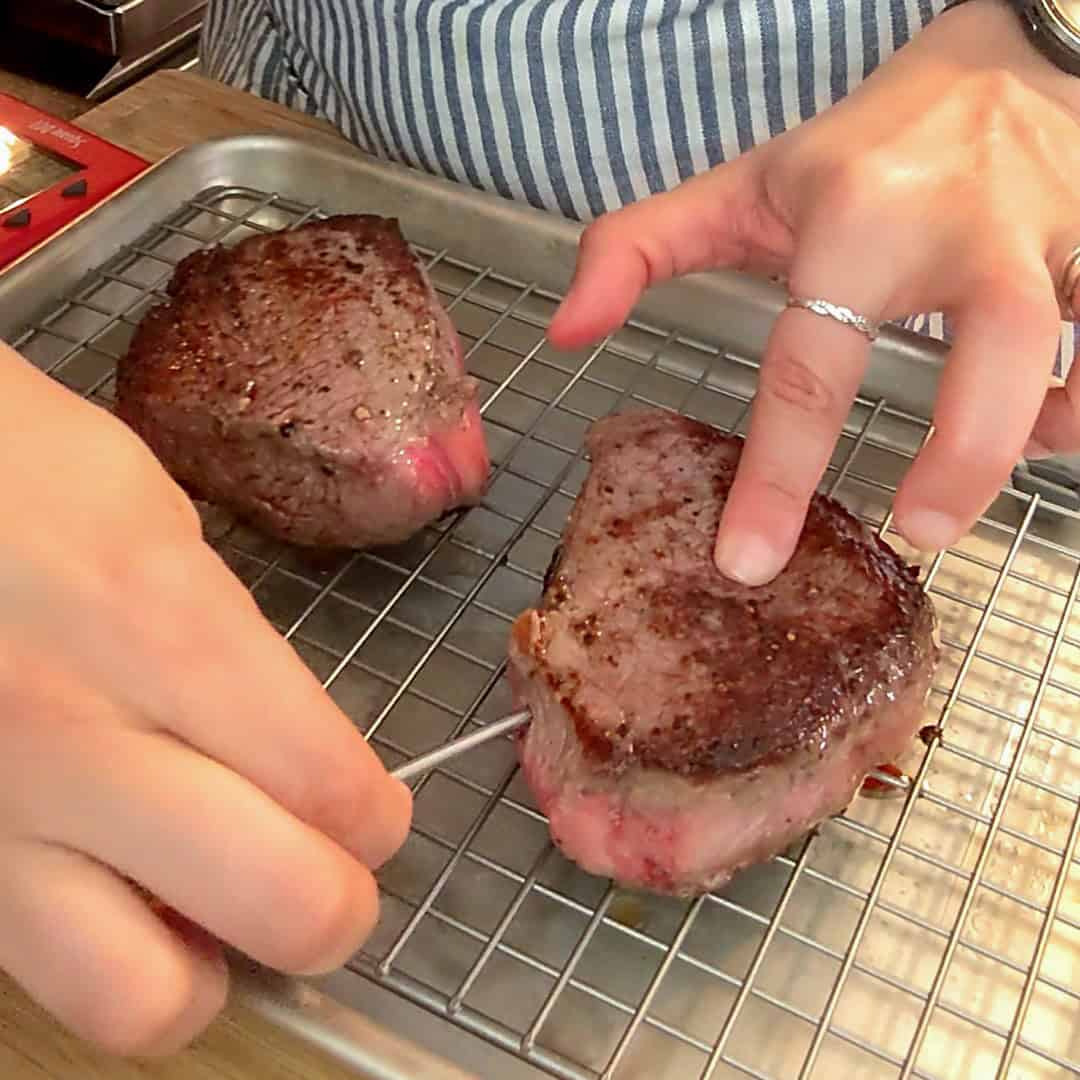
Large cuts of meat may cook unevenly. When cooking whole birds, roasts, or large cuts of pork and beef, check multiple locations before determining doneness.
This extra step can help prevent undercooked sections while ensuring the entire piece of meat reaches a safe internal temperature.
Don't Rely on Color Alone
Color is not always a reliable indicator of safety.
For example:
- Beef can remain pink after reaching a safe temperature.
- Poultry can sometimes appear pink near the bone even when fully cooked.
- Smoke rings in barbecue can create a pink appearance despite safe temperatures.
That is why professional kitchens rely on temperature readings rather than visual cues alone.
Let Rest Time Work for You
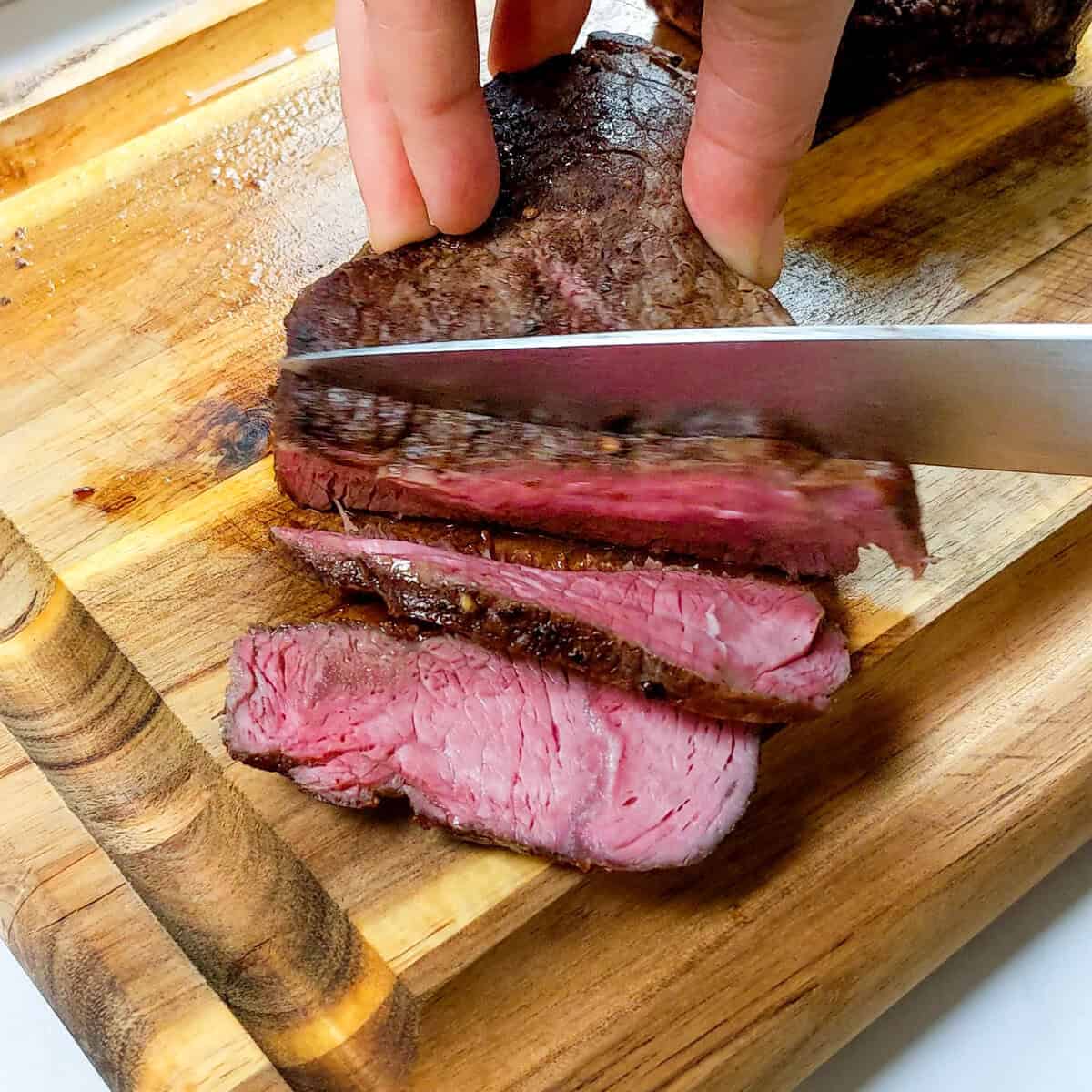
Many meats continue cooking after you remove them from the heat source. This process is called carryover cooking. As a result, some cuts can rise several degrees during the resting period. Understanding this concept helps you avoid overcooking and achieve more accurate final temperatures.
Related Reading: Learn more about carryover cooking, resting meat, and steak doneness in my Steak Grilling Times Chart guide.
Internal Meat Temperature Charts by Protein
Different types of meat have different safe minimum internal temperatures, resting requirements, and cooking considerations. While the charts below provide quick-reference guidelines, factors such as cooking method, thickness, bone-in versus boneless cuts, and carryover cooking can all affect the final result.
Use these charts as practical kitchen references when preparing beef, poultry, pork, lamb, seafood, and ground meats. For more detailed guidance, be sure to explore the related tutorials and cooking guides linked throughout this article.
Beef Internal Temperature Chart
Beef offers some of the greatest flexibility when it comes to doneness. Unlike poultry, many whole cuts of beef can be safely enjoyed at various temperatures depending on personal preference. Whether you prefer a bright red center in a medium-rare steak or a fully cooked well-done steak, using a thermometer helps you achieve consistent results.
Beef Steak Doneness Chart:
| Doneness | Remove From Heat | Final Temperature After Resting |
|---|---|---|
| Rare | 120–125°F | 125–130°F |
| Medium-Rare | 130–135°F | 135–140°F |
| Medium | 140–145°F | 145–150°F |
| Medium-Well | 150–155°F | 155–160°F |
| Well-Done | 160°F+ | 165°F+ |
PDF Printable:
Temperatures may continue to rise during the resting period due to carryover cooking. Related Guide: Learn more about cooking times, grill temperatures, and resting steaks in my Steak Grilling Times Chart.
Poultry Internal Temperature Chart
Chicken and turkey require higher cooking temperatures than many other proteins due to the food safety risks associated with raw poultry. The USDA recommends cooking all poultry to a minimum internal temperature of 165°F.
One important thing to remember: dark meat often benefits from cooking slightly beyond the minimum safe temperature. Higher temperatures help break down connective tissue, resulting in a more tender and flavorful dish.
Poultry Temperature Chart:
| Poultry Cut | Safe Internal Temperature | Rest Time |
|---|---|---|
| Chicken Breast | 165°F | 3 minutes |
| Chicken Thighs | 165°F | 3 minutes |
| Whole Chicken | 165°F | 3 minutes |
| Turkey Breast | 165°F | 3 minutes |
| Whole Turkey | 165°F | 3 minutes |
PDF Printable:
Related Guides: Searing Chicken Tips, How to Cut Up a Whole Chicken, and Food Temperature Safety Zones.
Pork Internal Temperature Chart
Pork has changed significantly over the years. Modern USDA recommendations allow many whole cuts of pork to be safely cooked to lower temperatures than previous generations were taught. Cooking pork to the proper temperature helps preserve moisture while still meeting food safety recommendations.
Pork Temperature Chart:
| Pork Cut | Safe Internal Temperature | Rest Time |
|---|---|---|
| Pork Chops | 145°F | 3 minutes |
| Pork Tenderloin | 145°F | 3 minutes |
| Pork Roast | 145°F | 3 minutes |
| Ground Pork | 160°F | Optional |
PDF Printable:
A properly cooked pork chop can remain slightly pink in the center and still be perfectly safe to eat when it has reached the recommended internal temperature.
Lamb Internal Temperature Chart
Lamb is often compared to beef because both can be enjoyed at various levels of doneness. However, lamb has a distinct flavor profile and varying amounts of connective tissue depending on the cut. Using a food thermometer helps you reach your preferred doneness while maintaining tenderness and moisture.
Temperature is also the most reliable way to get consistent results when preparing a tender leg of lamb, lamb chops, or a lamb roast.
Lamb Doneness Chart:
| Doneness | Remove From Heat | Final Temperature After Resting |
|---|---|---|
| Rare | 120–125°F | 125–130°F |
| Medium-Rare | 130–135°F | 135–140°F |
| Medium | 140–145°F | 145–150°F |
| Medium-Well | 150–155°F | 155–160°F |
| Well-Done | 160°F+ | 165°F+ |
PDF Printable:
Many chefs prefer lamb cooked to medium-rare or medium because these temperatures help preserve tenderness while highlighting the meat's natural flavor. Lamb is one of those proteins where personal preference plays a large role. While some cuts shine at medium-rare, tougher cuts used in braises and stews become more tender when cooked longer at higher temperatures.
Seafood Internal Temperature Chart
Seafood can be intimidating because it often cooks much faster than other proteins. Unlike beef or pork, seafood can quickly go from perfectly cooked to dry and overcooked in just a few minutes. While the USDA recommends a safe internal temperature of 145°F for most fish, visual indicators such as opacity, texture, and flaking can also help you tell when it's done.
Seafood Temperature Chart:
| Seafood | Safe Internal Temperature | Visual Cue |
|---|---|---|
| Fish Fillets | 145°F | Opaque and flakes easily |
| Whole Fish | 145°F | Flesh separates from bone |
| Shrimp | 145°F | Pink, opaque, and firm |
| Scallops | 145°F | Opaque and slightly firm |
| Lobster | 145°F | Opaque flesh |
PDF Printable:
Because seafood cooks so quickly, an instant-read thermometer can be especially helpful when learning to cook fish and shellfish. Related Guide: Learn how to identify visual signs of doneness, cooking temperatures, and common seafood mistakes in my Fish Doneness Guide.
Ground Meat Temperature Chart
Ground meats require higher cooking temperatures than many whole cuts because bacteria that normally stay on the surface can spread throughout the meat during grinding and processing. For this reason, ground beef, ground pork, ground chicken, and ground turkey all have different food safety considerations than steaks, chops, and roasts.
Ground Meat Temperature Chart:
| Ground Meat | Safe Internal Temperature | Rest Time |
|---|---|---|
| Ground Beef | 160°F | Optional |
| Ground Pork | 160°F | Optional |
| Ground Lamb | 160°F | Optional |
| Ground Chicken | 165°F | Optional |
| Ground Turkey | 165°F | Optional |
PDF Printable:
Whether you're making burgers, meatballs, meatloaf, stuffed peppers, or taco meat, using a thermometer remains the most reliable way to confirm doneness. Food Safety Reminder: Ground poultry should always reach 165°F because raw chicken and turkey carry higher food safety risks.
Printable Internal Meat Temperature Charts
These printable charts are quick-reference resources you can keep nearby while you cook. That's why having a visual reference can make cooking less stressful and more consistent when you're grilling outdoors, roasting in the oven, meal prepping for the week, or teaching a young cook how to use a thermometer.
What to do Next?
Feel free to bookmark this page, print the charts, or save them alongside your favorite recipes. Over time, you'll begin to memorize many of these temperatures, but until then, a simple chart can help remove the guesswork.
Chef's Tip: Consider creating a kitchen reference binder with your favorite recipes, conversion charts, cooking guides, and food safety references. Having everything in one place makes it easier to cook confidently without constantly searching for information online.
Resting Meat After Cooking
One of the most overlooked cooking techniques is allowing meat to rest after it comes off the heat. While it may be tempting to cut into a steak, roast, or chicken immediately, resting allows the juices to redistribute throughout the meat rather than run onto the cutting board.
Resting also accounts for carryover cooking, a process in which residual heat continues to cook the meat after you remove it from the grill, oven, smoker, or stovetop. Depending on the cut's size and thickness, the internal temperature can rise by several degrees during resting.
Understanding carryover cooking helps explain why many temperature charts recommend removing meat from the heat before it reaches its final serving temperature.
Why Resting Matters
Allowing meat to rest can help:
- Improve moisture retention.
- Create more even internal temperatures.
- Reduce juice loss during slicing.
- Improve texture and tenderness.
- Prevent overcooking from carryover heat.
Whether you're cooking a perfectly seared pork chop, a medium-rare lamb roast, or a grilled steak, resting is one of the easiest ways to improve your results.
Meat Resting Time Chart
| Protein | Recommended Rest Time | Notes |
|---|---|---|
| Steaks | 5-10 minutes | Thicker steaks may benefit from longer resting. |
| Pork Chops | 3-5 minutes | Helps retain moisture. |
| Pork Roasts | 10-15 minutes | Larger cuts need more time. |
| Chicken Breasts | 3-5 minutes | Prevents juices from escaping. |
| Whole Chicken | 10-15 minutes | Check multiple areas before carving. |
| Turkey | 20-30 minutes | Improves slicing and moisture retention. |
| Lamb Chops | 5-10 minutes | Similar to steaks. |
| Lamb Roast | 10-15 minutes | Allows temperatures to stabilize. |
PDF Printable:
Chef's Tip: Tent meat loosely with foil during the resting period. Wrapping it tightly can trap steam and soften the crust you've worked hard to create.
Common Internal Temperature Mistakes
Even with a reliable food thermometer and a good temperature chart, small mistakes can cause inaccurate readings and inconsistent results. Understanding these common issues will help you cook meat more confidently while improving both food safety and flavor.
Measuring Too Close to the Bone
Bones heat differently from meat and can give a false temperature reading. When checking doneness, insert the thermometer into the thickest part of the meat while avoiding contact with bones.
This is especially important when cooking:
- Chicken thighs
- Whole chickens
- Turkey breasts
- Bone-in pork chops
- Lamb chops
Measuring in the Wrong Location
The thickest part of the meat usually takes the longest to cook. Checking thinner sections can make food seem done before the entire cut reaches a safe internal temperature.
For example:
- Check the thickest part of the breast on chicken.
- Check the innermost part of the thigh on poultry.
- Check the center of steaks and roasts.
- Check the thickest portion of fish fillets.
Relying on Color Instead of Temperature
Color alone is not a reliable indicator of doneness.
Examples include:
- Beef can remain pink after reaching a safe temperature.
- Poultry can appear slightly pink near the bone even when fully cooked.
- Smoked meats often develop a pink smoke ring despite being fully cooked.
A food thermometer provides a much more accurate measurement than visual cues alone.
Not Accounting for Carryover Cooking
Many proteins continue cooking after you remove them from the heat source.
This carryover cooking can increase internal temperatures by several degrees, especially in:
- Thick steaks
- Roasts
- Whole chickens
- Whole turkeys
- Large pork cuts
Understanding carryover cooking helps prevent overcooking and improves final texture.
Not Letting Meat Rest
Cutting into meat immediately after cooking lets flavorful juices run onto the cutting board instead of staying in the meat.
Resting allows:
- Juices to redistribute.
- Temperatures to stabilize.
- Texture to improve.
- Cleaner slicing.
Using an Uncalibrated Thermometer
Even high-quality thermometers should be checked periodically for accuracy. If your thermometer consistently reads too high or too low, it can affect food safety and cooking results.
Chef's Tip: If your recipes seem overcooked or undercooked despite following temperature guidelines, test your thermometer's accuracy before adjusting your cooking times.
Guessing Instead of Measuring
One of the biggest mistakes home cooks make is relying solely on cooking times.
Cooking times can vary depending on:
- Thickness
- Cooking method
- Heat source
- Starting temperature
- Weather conditions when grilling
Temperature remains the most reliable way to determine doneness.
Recommended Reads
- Steak Grilling Times Chart: Perfect Temp & Cook Times
- Understanding Food Temperature Safety Zones: Cook, Store & Serve Safely
- Listeria and Frozen Dinners: Why Food Safety Matters
- Grilled Pork Chops with Tamarind Habanero Glaze and Coleslaw
- What Is HACCP and Why Every Home Cook Should Care About It
Equipment You'll Need (With Alternatives)
The right tools make checking internal meat temperatures easier, more accurate, and safer. Fortunately, you don't need a professional kitchen setup, just a few reliable basics.
- Instant-Read Thermometer: The most important tool for quickly checking the internal temperature of steaks, poultry, pork, seafood, and other proteins. Or any digital food thermometer with a quick response time.
- Leave-In Probe Thermometer: Perfect for roasts, smoked meats, whole chickens, whole turkeys, and other long-cooking recipes that benefit from continuous temperature monitoring. Don't have one? Use a standard instant-read thermometer to check periodically throughout cooking.
- Wireless Meat Thermometer: Allows you to monitor temperatures remotely while grilling, smoking, or roasting without frequently opening the lid or oven door. Or use a wired probe thermometer.
- Tongs: Useful for safely turning meats without piercing them and allowing juices to escape. Alternatively, use a fish spatula or sturdy kitchen spatula.
- Cutting Board: Provides a stable surface for resting, carving, and serving cooked meats. Don't have one? Just use a large serving platter designated for cooked foods.
- Aluminum Foil: Helpful for loosely tenting meat while it rests after cooking. Or try using an overturned mixing bowl or a lid placed loosely over the meat.
- Kitchen Timer: Helps track cooking and resting times while you monitor internal temperatures. I personally like to use a smartphone timer or a smart speaker timer.
- Optional but Helpful:
- Meat carving knife
- Chef's knife
- Bristle-free Grill brush
- Roasting pan
- Sheet pan with wire rack
- Heat-resistant gloves
- Smoker box or wood chips for grilling
Chef Maika's Recommendation: If you're only going to invest in one tool from this list, make it a quality instant-read thermometer. Learning to cook by temperature rather than guessing is one of the fastest ways to improve consistency, food safety, and kitchen confidence. Check out my reviews below.
Kitchen Tools I Use and Recommend
These are some of the kitchen tools I personally use in my kitchen that make recipes like this faster and easier to prepare. If you're building your kitchen setup or upgrading your tools, these are great places to start. More Kitchen Must-Haves - Find other tools I use here.
America's Test Kitchen - Winner
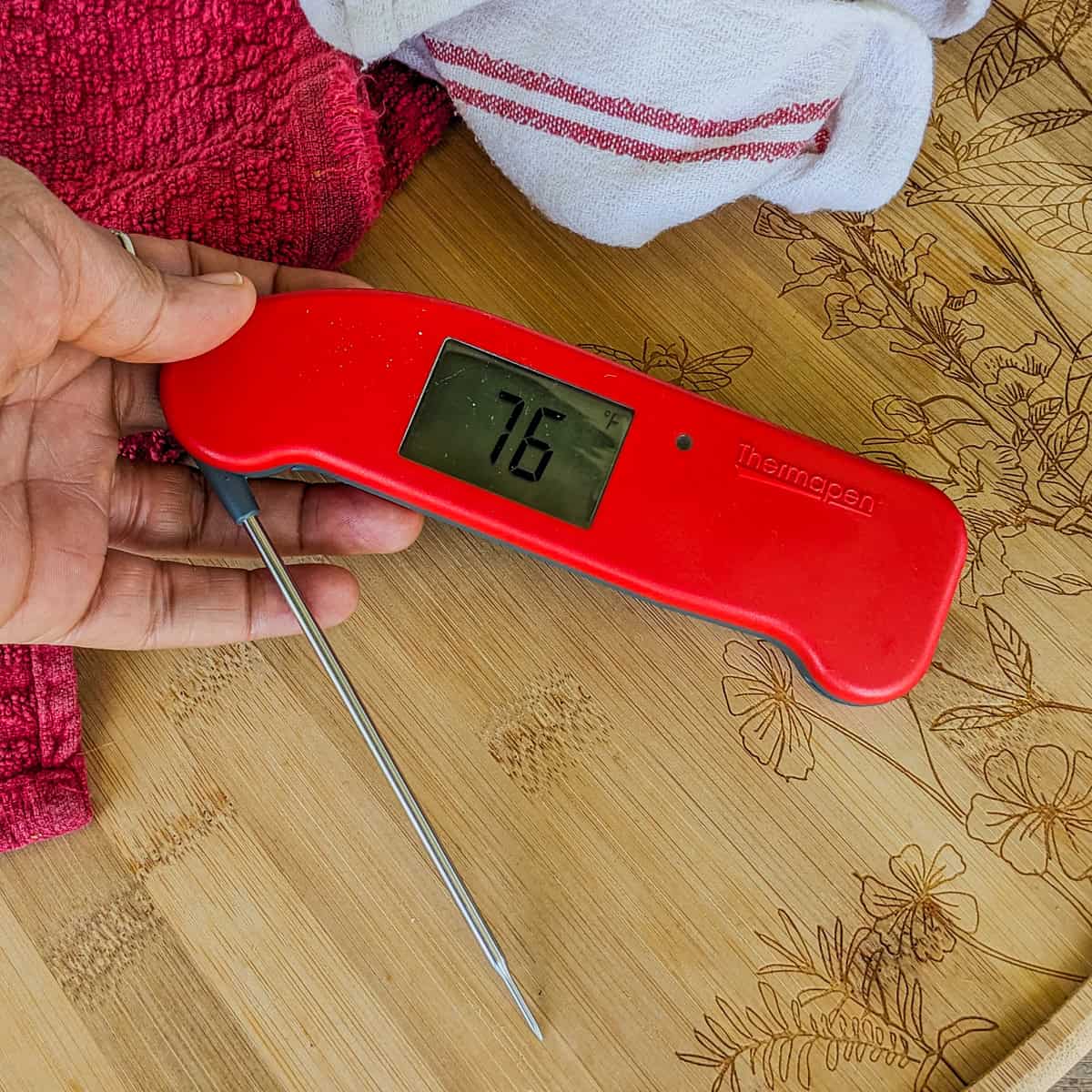
My Review: The Thermapen ONE by ThermoWorks is my go-to kitchen thermometer - simple, fast, and incredibly precise. It delivers accurate readings in just one second, making it perfect for everything from meats to baked goods. I love that it's waterproof, has a rotating backlit display, and turns on automatically when you unfold the probe. America's Test Kitchen voted it its top thermometer. It comes with a 5-year warranty and a NIST-traceable calibration certificate, so you can trust it as a must-have tool for any cook.
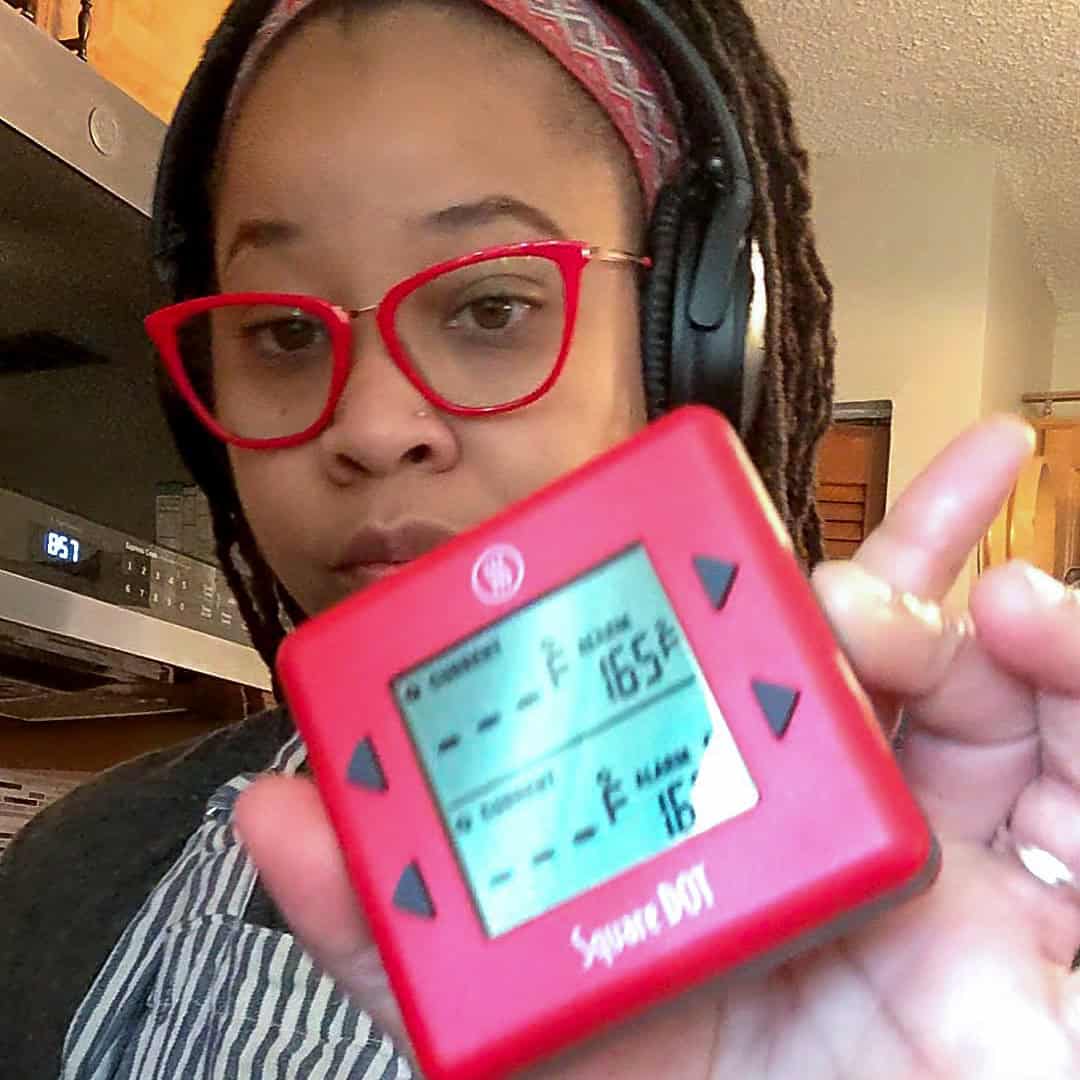
My Review: I finally used the ThermoWorks Square Dot®, and it's as great as my colleagues said. It's precise and easy to use, and America's Test Kitchen recommends it. ThermoWorks even provides helpful care and usage guides, so it earns a 5 out of 5 from me. The Square Dot® offers dual-temperature tracking and a clear display, making it easy to monitor both food and oven temperatures for accurate cooking.
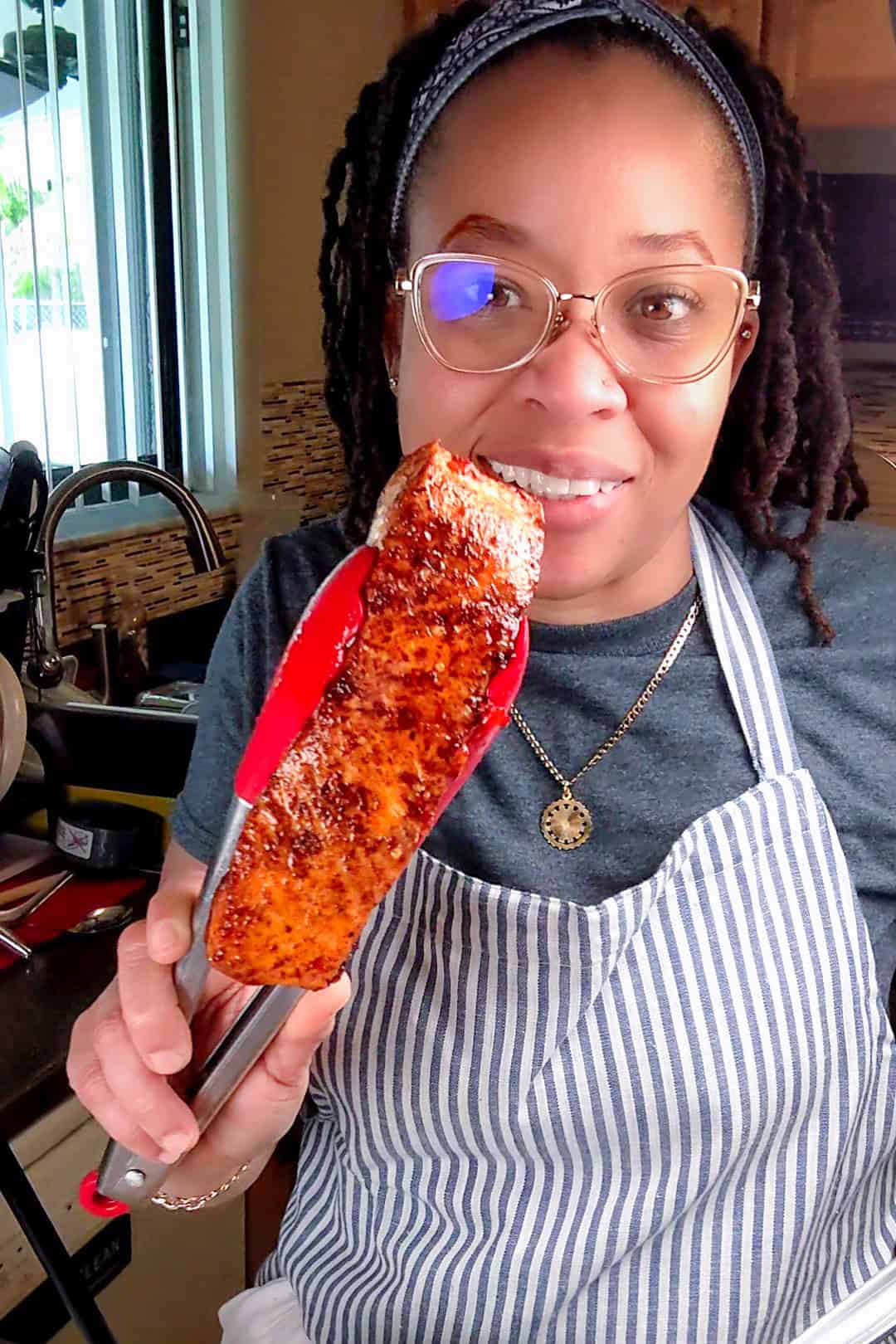
My Review: These tongs have been indispensable kitchen tools. Their sturdy build and heat-resistant silicone tips make them dependable for a range of cooking tasks, from flipping delicate fish fillets to pulling a hot oven rack, making them a valuable addition to my kitchen. The only problem I've had is grasping items with the tip. Silicone tongs are flexible and are not sturdy enough to pick up heavy things with their tips. So I gave it a 4 out of 5. Hence, I still keep my metal tongs.
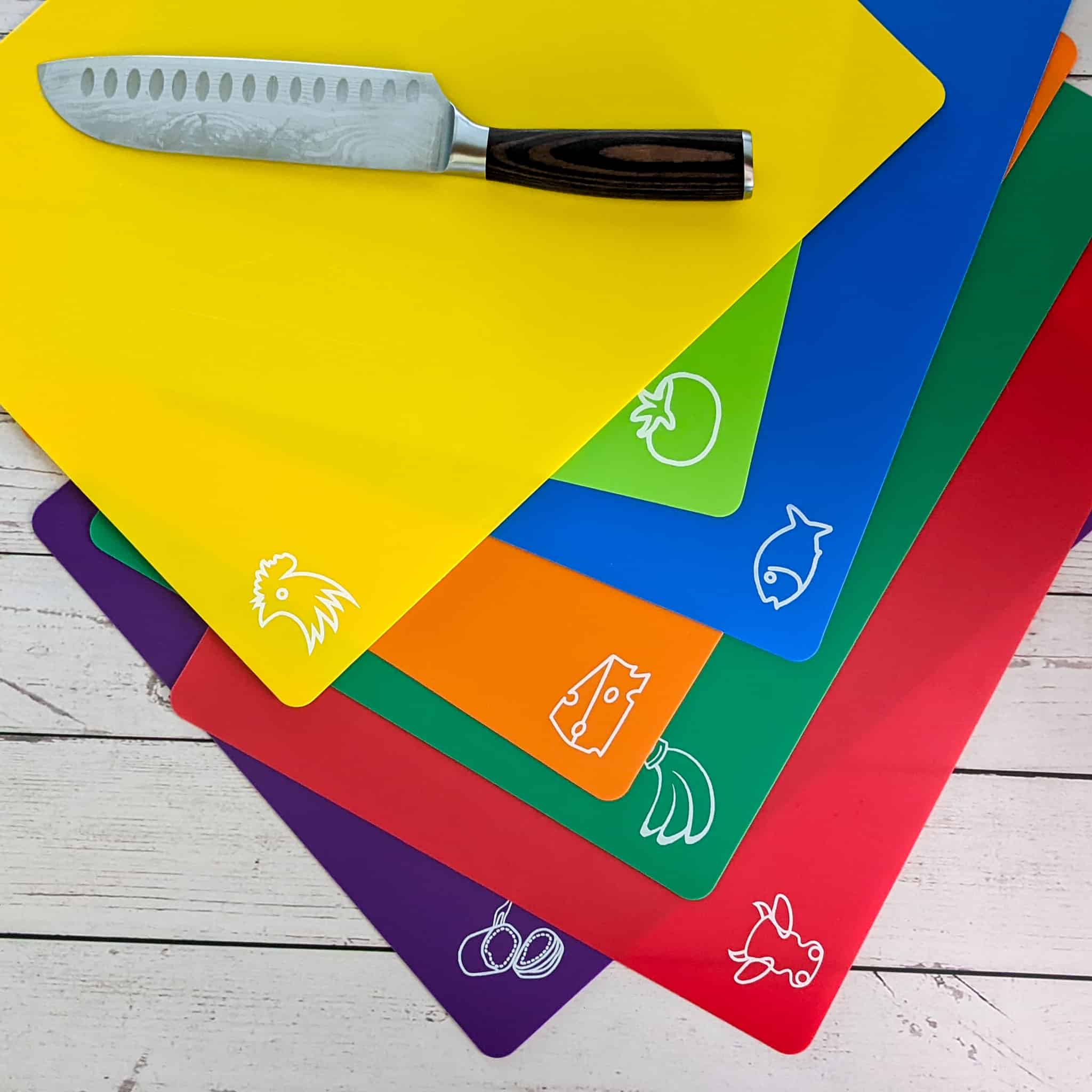
My Review: I’ve used these Fotouzy Cutting Board Mats for a long time, and while they’re flexible, dishwasher-safe, and great for preventing cross-contamination with their color coding, I now prefer solid plastic cutting boards. They’re BPA-free, non-porous, and wide enough to protect my wooden board, especially handy when zesting or transferring ingredients. That said, they don’t stay perfectly steady, even with a damp towel underneath, so I give them a 4 out of 5. But I still use it a lot for quick meat and veggie preps and place them right in the dishwasher.
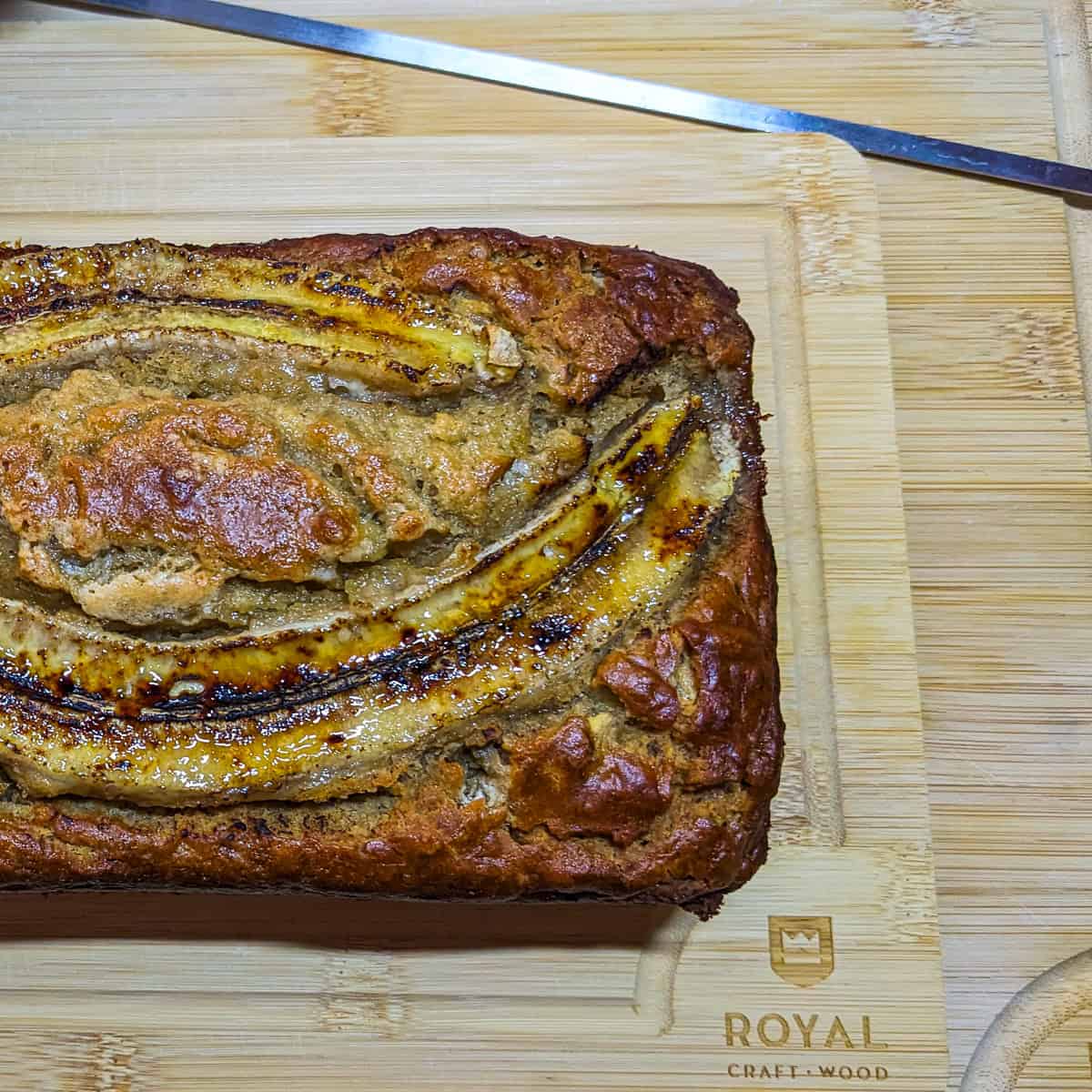
My Review: I love that this bamboo cutting board set came in so many convenient sizes; it makes it easy to grab exactly what I need, whether I’m chopping herbs or breaking down meat. The bright tones of the wood really stood out to me; they look beautiful on camera and bring a nice pop of warmth to my kitchen. It’s especially come in handy during meal prep or when I have someone else helping me; everyone gets their own board! I also appreciate how lightweight yet sturdy they are, making them easy to move around while still holding up to serious chopping. Definitely a great gift for yourself or anyone who loves to cook or entertain. P.S. My hubby accidentally placed it in the dishwasher. And guess what? It didn't warp. A+!
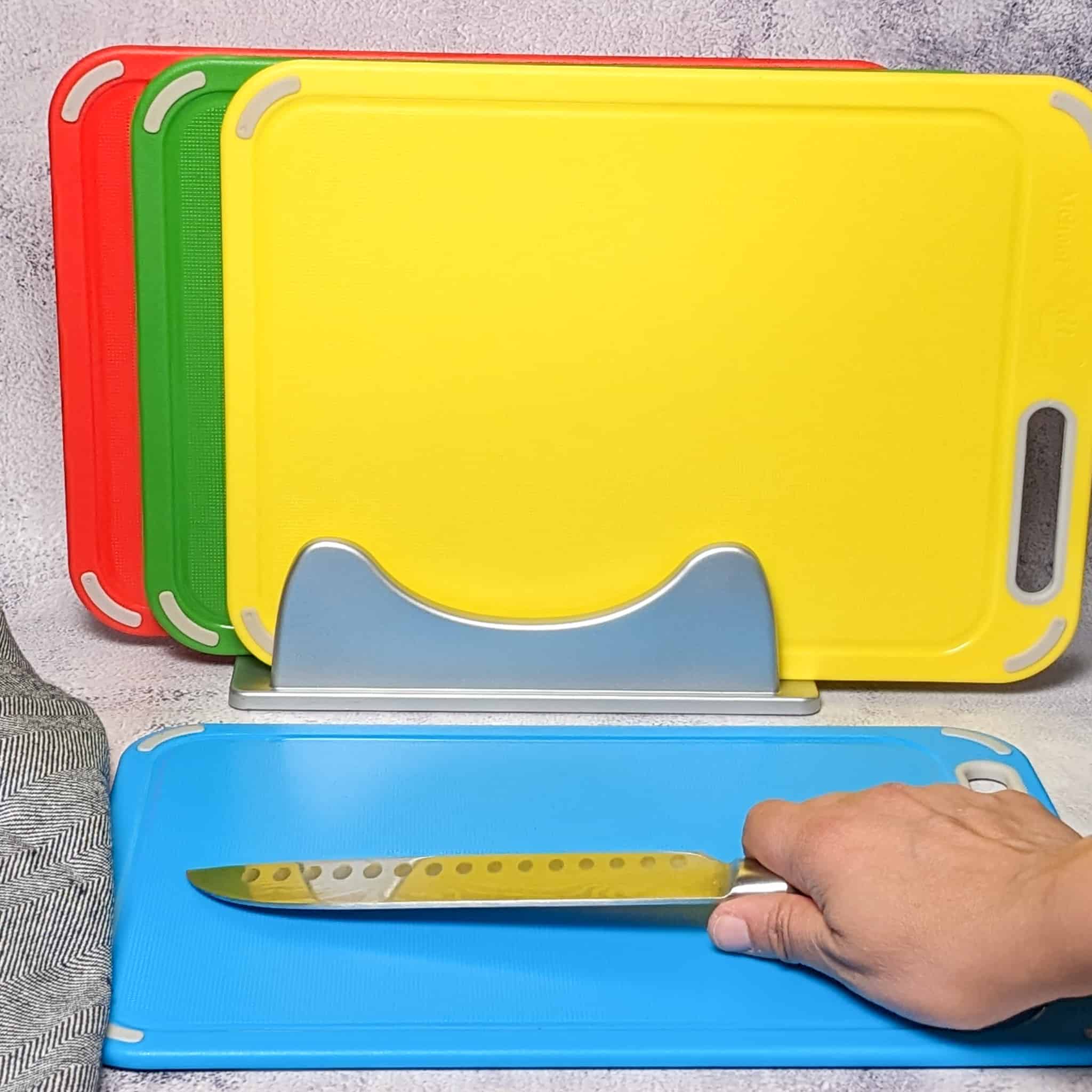
My Review: I absolutely love this Plastic Cutting Board Set of 4 with a Storage Stand! The color-coded boards are a lifesaver for preventing cross-contamination, especially when I’m switching between meats and veggies. The plastic is super sturdy, so I don’t have to worry about it flexing while I’m chopping. What really stands out for me is how easy they are to use after chopping. I slide everything straight into the pot, which keeps my kitchen clean and saves time. Cleanup is such a breeze, too; they go right into the dishwasher without any warping. Plus, the storage stand keeps everything neat and organized. These boards have made cooking so much easier and more enjoyable!
My Review: As a professional chef, I rely on quality knives. After loving the PAUDIN Santoku Knife, I invested in the 7-Piece Chef Knife Set, and I'm thrilled! These lightweight, sharp knives make prep work effortless when I'm dicing or chopping. The high-carbon stainless steel blades maintain their edge, and the Pakkawood handles provide a comfortable grip. I've used this set in my classes and home kitchen, and it consistently delivers precision. If you want a reliable, professional-quality knife set without overspending, PAUDIN is a fantastic choice! Highly recommended for both home cooks and professionals!

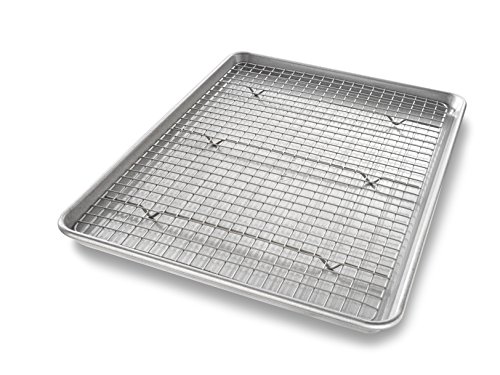
My Review: The USA Pan Bakeware Half Sheet Baking Pan and Nonstick Cooling Rack Set is such a smart buy, it’s incredibly convenient to have both the pan and rack come together as a set. You never know when you’ll need the rack for roasting, cooling, or glazing, and having it perfectly fitted to the pan saves so much time and hassle. The pan itself is super sturdy with excellent heat distribution, and the nonstick rack makes cleanup a breeze. I’ve used it for everything from baking cookies to roasting vegetables and even draining fried foods. It’s one of those kitchen upgrades that just makes life easier.
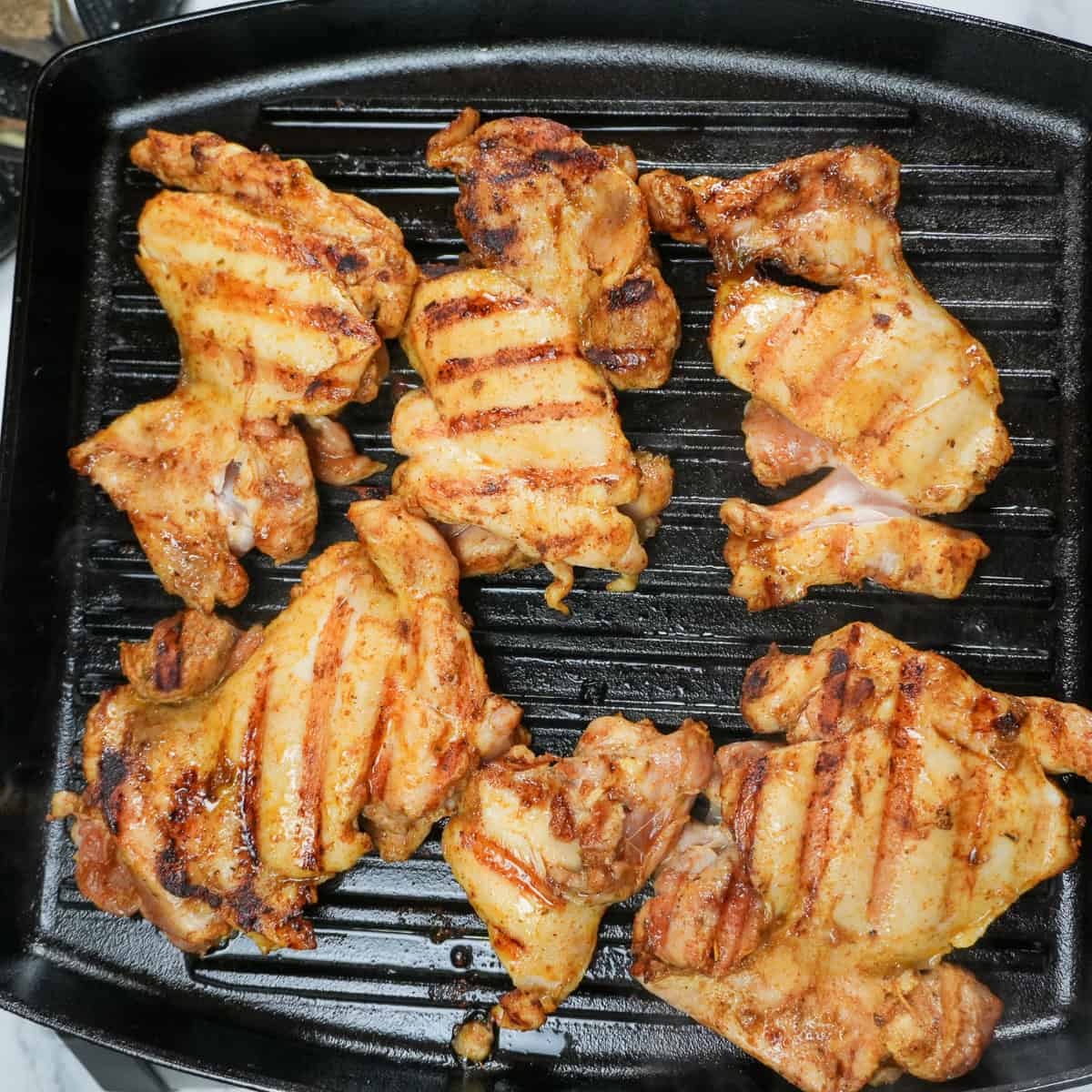
My Review: I was thrilled when Lodge introduced its Blacklock 12-Inch Triple-Seasoned Cast Iron Grill Pan. It combines the durability I’ve always trusted from the brand with a much lighter design that makes it a breeze to handle. The larger square surface was a welcome upgrade, easily fitting about 1 ¾ pounds of boneless, skinless chicken thighs with room to spare, and the triple seasoning provided a naturally nonstick finish right out of the box. I’ve been cooking with Lodge cast iron for years, and once again, they didn’t disappoint. This pan is built to last a lifetime while still making everyday cooking feel effortless. Check out my cast-iron care guide to keep yours in top shape!
Culinary Glossary
This section concisely defines key ingredients, tools, and techniques related to internal meat temperatures to help build your cooking knowledge and confidence.
- Carryover Cooking: The continued rise in a food's internal temperature after it has been removed from the heat source. This is why many meats are removed from the grill, oven, or smoker a few degrees before reaching their final serving temperature.
- Danger Zone: The temperature range between 40°F and 140°F is where harmful bacteria can multiply rapidly. Proper cooking, cooling, and storage practices help keep food out of this range.
- Doneness: A term used to describe how thoroughly a piece of meat has been cooked. Common levels of doneness include rare, medium-rare, medium, medium-well, and well-done.
- Food Thermometer: A kitchen tool used to measure the internal temperature of food. It is one of the most reliable ways to determine doneness and verify food safety.
- Instant-Read Thermometer: A type of food thermometer that provides a temperature reading within seconds. Ideal for checking steaks, poultry, pork, seafood, and other proteins during cooking.
- Internal Temperature: The temperature is measured at the center or thickest part of a food item. Internal temperature determines both doneness and food safety.
- Rest Time: The period after cooking when meat is allowed to sit before slicing or serving. Resting helps redistribute fluids and stabilize body temperature.
- Safe Internal Temperature: The minimum temperature recommended by food safety organizations to reduce harmful bacteria and lower the risk of foodborne illness.
- Thickest Part: The area of a cut of meat that takes the longest to cook. Thermometers should generally be inserted into this section to obtain the most accurate reading.
- USDA Guidelines: Food safety recommendations published by the United States Department of Agriculture (USDA) that provide guidance on safe cooking temperatures, food handling, storage, and preparation practices.
5 Quick Cooking Tips
Cook's Notebook is your Cooking Tips Resource Guide. Become a better home cook with tips to help you cook more efficiently.
- Check the temperature before checking the time. Cooking times are helpful estimates, but a food thermometer provides the most reliable way to determine doneness and food safety.
- Insert the thermometer into the thickest part. Avoid bones, large pockets of fat, and gristle to get the most accurate internal temperature reading.
- Remove meat before it reaches the final temperature. Many proteins continue cooking during carryover cooking, causing the internal temperature to rise while resting.
- Give the meat time to rest. Resting helps retain juices, improves texture, and allows temperatures to stabilize before slicing and serving.
- Keep a temperature chart nearby. Bookmark this guide, save the printable charts, or keep them in your recipe binder for quick reference whenever you're cooking beef, poultry, pork, seafood, lamb, or ground meats.
Frequently Asked Questions
Here is a list of common questions I have answered. If you have any questions, please write them in the comments below.
The safest and most reliable method is to use a food thermometer. Insert it into the thickest part of the meat and compare the reading to the recommended safe internal temperature for that protein.
Yes. This process is called carryover cooking. Depending on the cut's size and thickness, the internal temperature can rise by several degrees while the meat rests.
Different types of meat carry different food safety risks. Poultry is more susceptible to certain harmful bacteria, so USDA guidelines recommend cooking chicken and turkey to a safe internal temperature of 165°F.
No. Color alone is not a reliable indicator of doneness. Some meats can remain pink after reaching a safe internal temperature, while others may appear fully cooked before they are safe to eat. A food thermometer is the most accurate way to check.
Insert the thermometer into the thickest part of the meat while avoiding bones, large pockets of fat, and gristle. For poultry, check both the thickest part of the breast and the innermost part of the thigh.
A safe internal temperature is the minimum temperature needed to reduce harmful bacteria. The serving temperature may be slightly higher because carryover cooking can continue to raise the temperature during resting.
When meat is ground, bacteria originally on the surface can be distributed throughout the product. This is why ground beef, ground pork, ground chicken, and ground turkey have different temperature recommendations than whole cuts.
Resting times vary by protein and size. Small cuts such as steaks and pork chops may only need a few minutes, while large roasts, whole chickens, and turkeys often benefit from longer resting periods before carving.
Yes. Cooking times can vary depending on the thickness of the meat, the cooking method, the heat source, and the starting temperature. A thermometer provides a much more reliable indication of doneness than time alone.
Absolutely. These printable charts are designed to be kitchen reference tools. Consider keeping them in a recipe binder, kitchen notebook, grilling station, or on your refrigerator for quick access while cooking.
Latest Recipes
Looking for recipe ideas? Try these:
- Harissa Smoked Sardines with Spinach and Boiled Egg
- Homemade Ras El Hanout Substitute
- Ras El Hanout Roasted Vegetables with Red Beet Hot Honey Glaze
- How to Make and Roast Cauliflower Steaks
Cooking Tips and Tutorials
If you found this tutorial helpful, you'll love my Cook's Notebook collection. From knife skills and flavor bases to time-saving tricks and essential equipment guides, this section is packed with chef-tested lessons to help you cook with confidence.
- Seasonal Produce Guide: What Fruits and Vegetables Are in Season?
- How to Roast Food: The Fundamental Principles of Roasting
- 2026 Fall Seasonal Produce Guide: Fruits and Vegetables to Enjoy This Season
- Indian Cooking Techniques That Changed How I Think About Food


Chef Maika Frederic-Liebman
Chef and Educator
Professionally trained Haitian-American chef Maika Frederic created Just Maika Cooking, where she shares globally inspired recipes, cooking techniques, ingredient guides, and food safety tips to help home cooks become more creative and confident in the kitchen. Combining years of professional culinary experience with a passion for teaching, she makes global flavors approachable through practical, accessible instruction for cooks of every skill level.
Have a Comment or Question?
If you have a question or comment about this post, please post it below. You will receive a prompt response. It also helps our other readers to stay informed. Thanks!
Leave a Reply