


Fresh berries are one of the most delicate fruits you can bring home from grocery stores or the farmers' market, but the best way to extend their shelf life is by storing them properly from day one. Learning how to store berries while controlling excess moisture can help reduce food waste, keep them fresher longer, and ensure they're always ready for delicious ways to enjoy them.
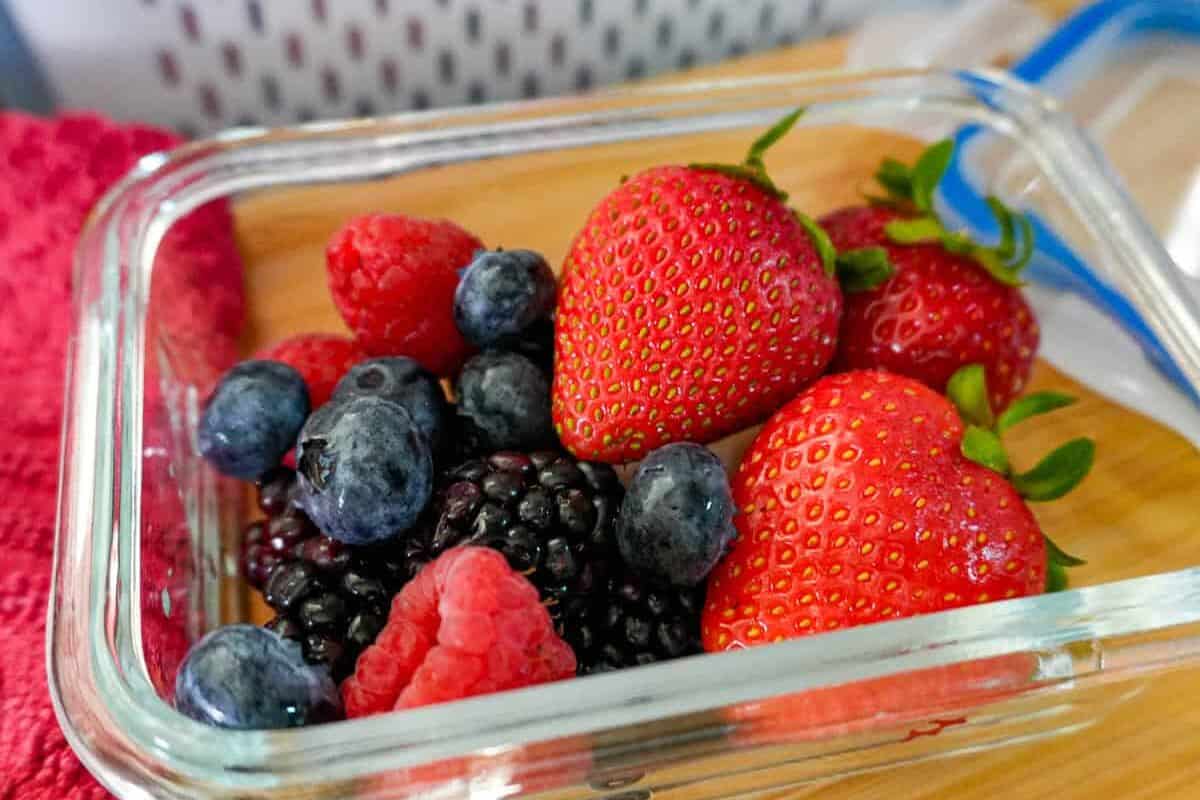
Table of Contents
Jump to:
- Keep Fresh Berries Fresher for Longer
- What's the Best Way to Store Fresh Berries?
- Why Do Fresh Berries Spoil So Quickly?
- Should You Wash Fresh Berries Before Storing Them?
- How to Store Fresh Berries Step-by-Step
- How to Store Different Types of Fresh Berries
- Best Storage Containers for Fresh Berries
- How Long Do Fresh Berries Last? (Printable)
- What Makes Fresh Berries Spoil Faster?
- Can You Freeze Fresh Berries?
- Culinary Glossary
- Equipment You'll Need (With Alternatives)
- Kitchen Tools I Use and Recommend
- 5 Quick Berry Storage Tips
- Frequently Asked Questions
- Berry Recipes
- Cooking Tips and Tutorials
- Have a Comment or Question?
Keep Fresh Berries Fresher for Longer
There's nothing more disappointing than opening the refrigerator a day or two after buying fresh berries only to find moldy berries or soft, mushy fruit. Whether you're stocking up during berry season, picking up a container from the grocery store, or bringing home a fresh haul from the farmers market, knowing how to store berries properly can make a noticeable difference in how long they stay fresh.
As a chef, I keep fresh berries on hand for everything from breakfasts and smoothies to salads and desserts, so I've learned that a few simple storage habits go a long way. In this guide, I'll walk you through the best way to store strawberries, blueberries, raspberries, and blackberries, explain when to wash them, how to reduce excess moisture, and which storage containers work best to help you enjoy fresh berries for as long as possible.
What's the Best Way to Store Fresh Berries?
The best way to store fresh berries is to remove any damaged or moldy berries, keep the remaining berries as dry as possible, and refrigerate them in a breathable storage container lined with a dry paper towel. Avoid washing berries until you're ready to eat them, since excess moisture encourages mold spores to grow and can shorten their shelf life.
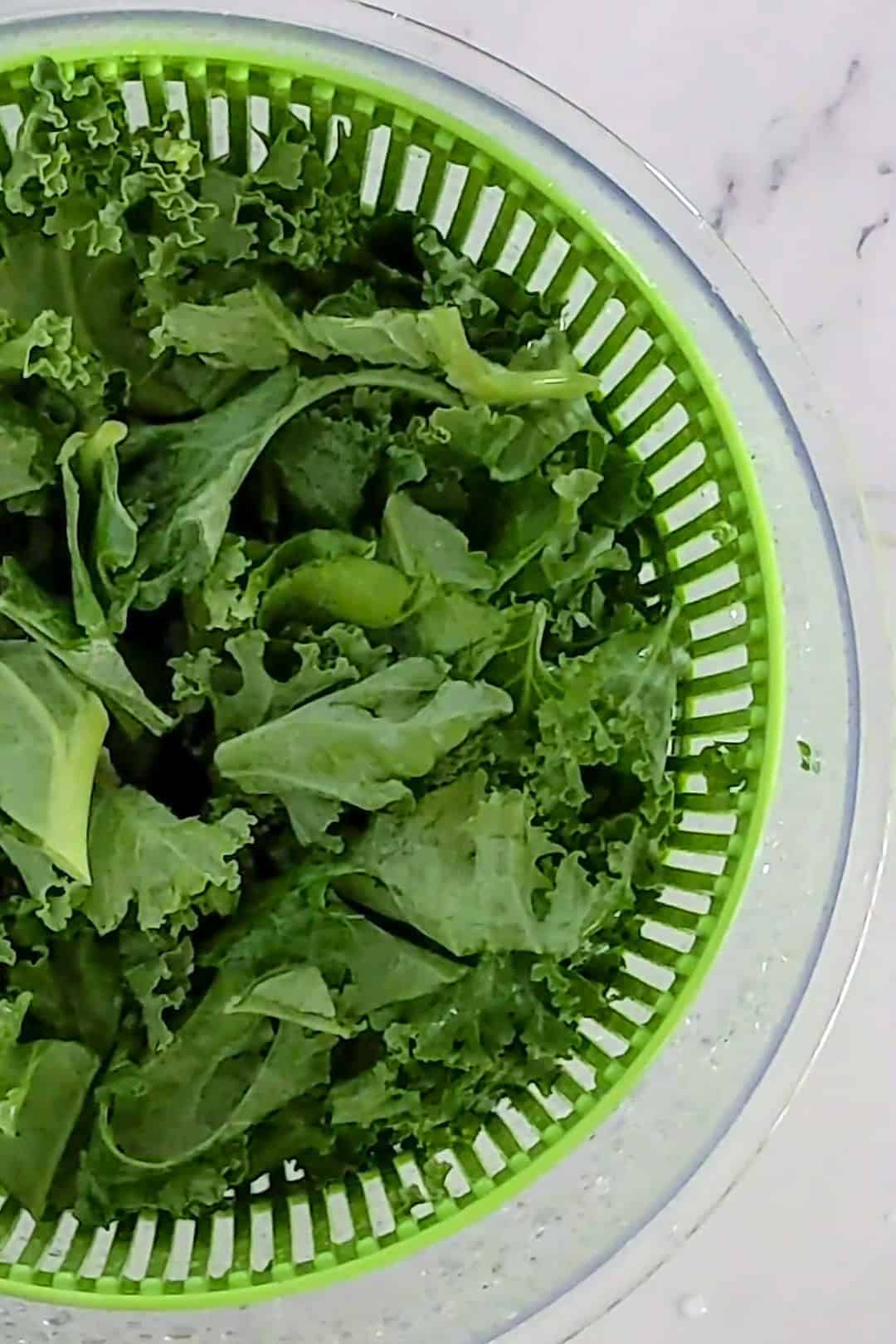
For berries that need to be washed ahead of time for meal prep, give them a quick rinse with cool water or a vinegar solution, dry them thoroughly using a salad spinner and a clean kitchen towel or cloth towel, then store them in a single layer or loosely packed container with a fresh paper towel on the bottom of the container to absorb excess water. Proper storage helps keep berries fresh longer while reducing food waste.
Note From Chef Maika
Fresh berries are one of those ingredients I always keep in my refrigerator because they're incredibly versatile. Whether I'm adding blueberries to breakfast, tossing strawberries into a salad, blending raspberries into a smoothie, or using blackberries to finish a dessert, I know they'll get used quickly-but only if I store them the right way.
Over the years, I've learned that a few extra minutes spent sorting, drying, and storing berries properly saves both money and frustration. As someone who values reducing food waste and making cooking more accessible, I want to share the simple techniques that help me keep berries fresher for longer so they're ready whenever inspiration strikes.
Recommended Reads
- How to Wash Fresh Herbs the Right Way
- How to Store Fresh Herbs Properly
- Understanding Food Temperature Safety Zones: Cook, Store & Serve Safely
- Internal Meat Temperature Chart (Printable Guide)
- Steak Grilling Times Chart
- Cooking Tips for Searing Chicken
Why Do Fresh Berries Spoil So Quickly?
Fresh berries have a high water content and delicate skins, making them more fragile than many other fruits. Even a small amount of excess moisture, bruising, or a single moldy berry can quickly spread mold spores throughout the container, especially when the berries are packed closely together.
Temperature changes during harvesting, transportation, and storage can also shorten their shelf life before they even reach your kitchen. Understanding what causes berries to spoil makes it easier to choose the best storage method, helping you keep berries fresher, more flavorful, and ready to enjoy for longer while reducing food waste.
Should You Wash Fresh Berries Before Storing Them?
In most cases, the best way to store fresh berries is to wash them only when you're ready to eat or cook with them. Washing adds excess moisture that can cling to the fruit, creating an environment where mold spores thrive and shortening the berries' shelf life.
If you prefer to wash berries ahead of time for meal prep, use a quick rinse under cool water, or soak them briefly in a solution of 1 cup white vinegar and 3 cups water. Drain the berries well, then dry them completely using a salad spinner, followed by a clean kitchen towel or a cloth towel, before placing them in a storage container lined with a dry paper towel. The drier the berries are before refrigeration, the longer they'll stay fresh. Dig deeper and read Want berries with fewer pesticides? Here's how to wash them by Karen Feldscher on Harvard.edu.

Chef's Tip: Washing berries ahead of time is fine, as long as you dry them thoroughly. The real culprit isn't the water used to wash them, it's the excess moisture left behind before storage.
How to Store Fresh Berries Step-by-Step
Follow these simple steps to keep fresh berries tasting their best for as long as possible.
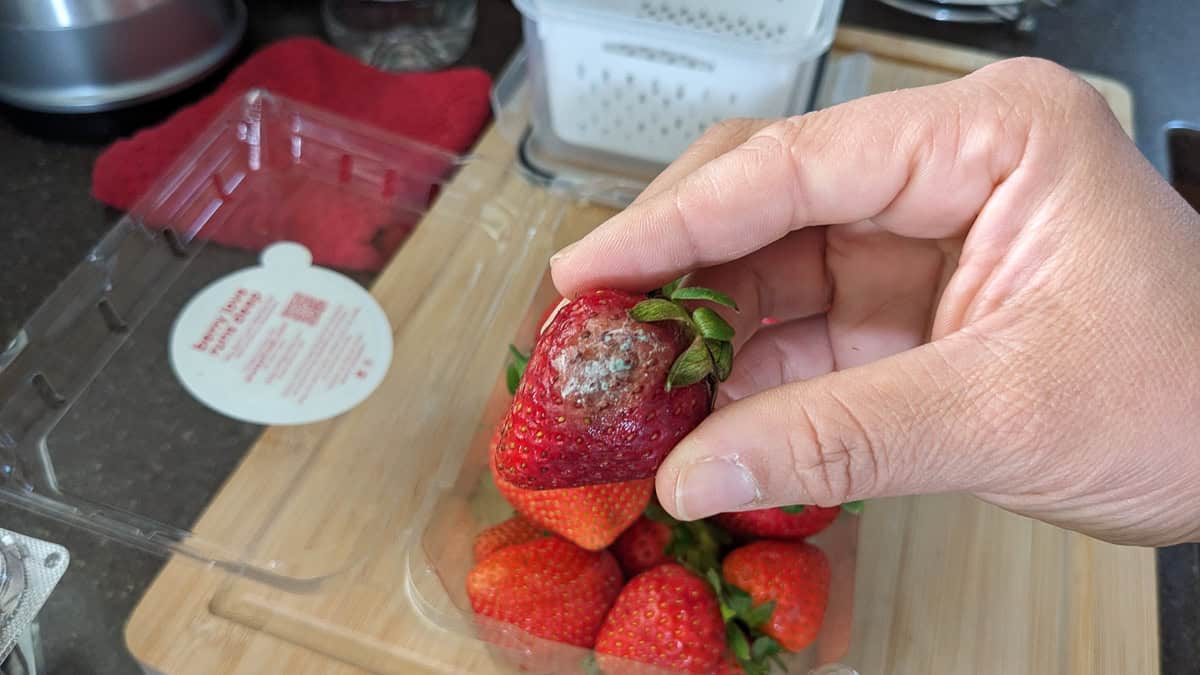
Sort Through the Berries: As soon as you get home, inspect the container and remove any bruised, leaking, or moldy berries. Even one moldy berry can spread mold spores to the rest of the batch, shortening the shelf life of the fresh berries.
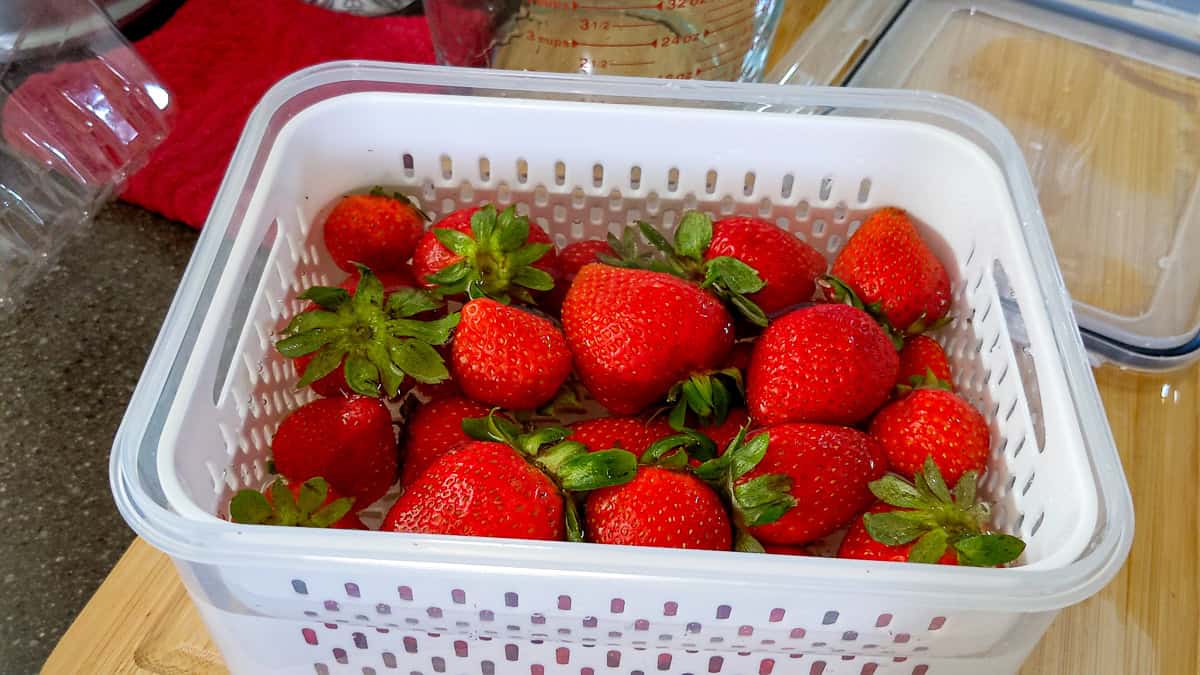
Wash Only If Needed: If you plan to eat the berries over the next few days, it's usually best to leave them unwashed until you're ready to use them. If you're meal prepping, give them a quick rinse, then dry them completely before storing.
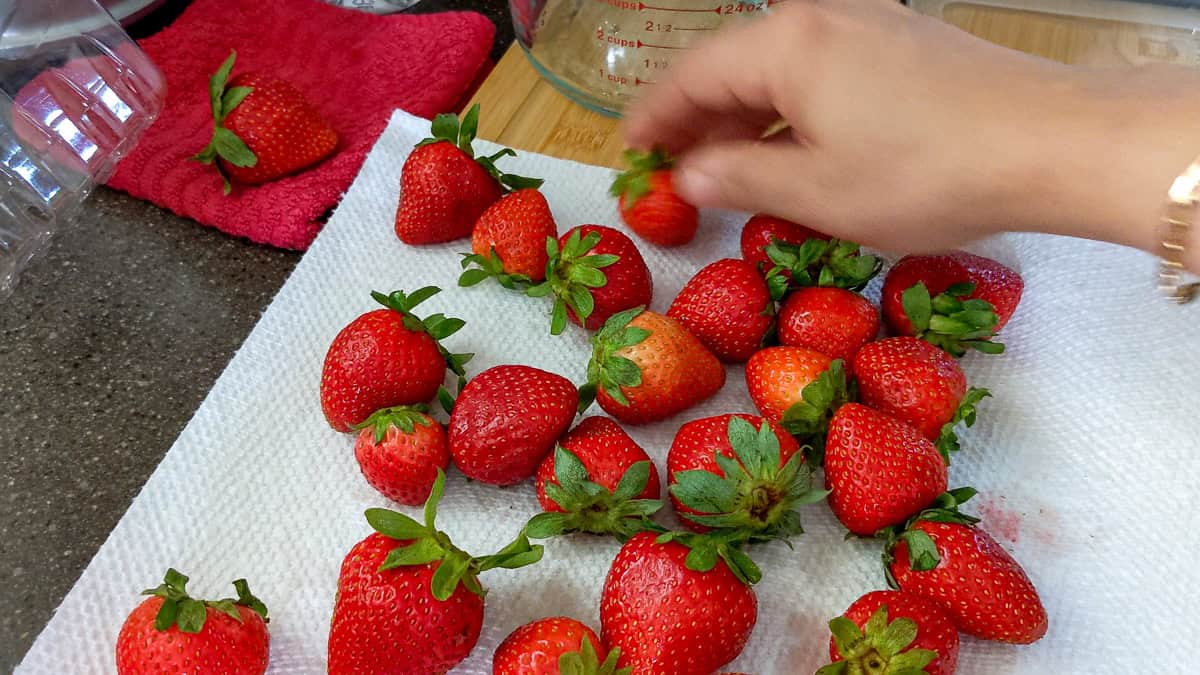
Dry the Berries Thoroughly: After washing, use a salad spinner when appropriate, then gently pat the berries dry with a clean kitchen towel or a cloth towel. Removing as much excess water as possible is one of the best ways to help prevent mold growth.
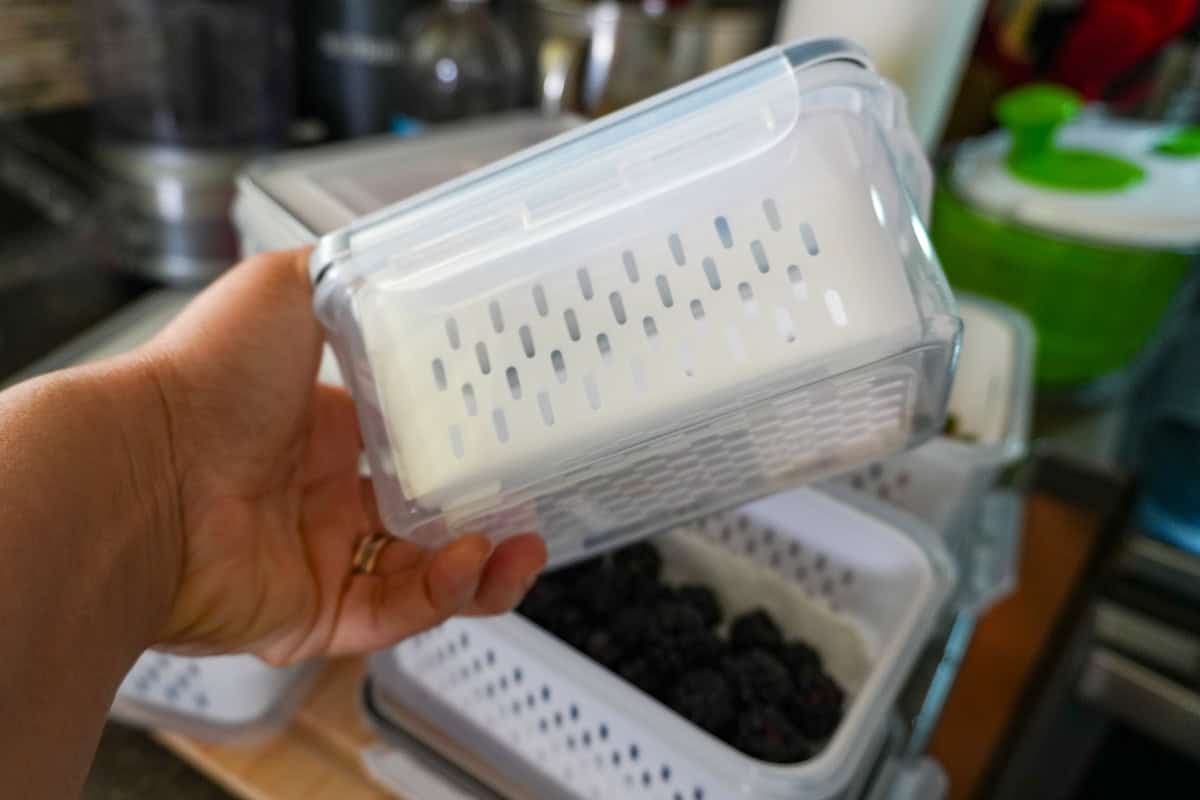
Choose the Right Storage Container: Store berries in a clean container that allows some airflow, rather than packing them tightly in an airtight container. If your container has a removable colander or drainage basket, it helps keep the berries elevated so they aren't sitting in excess moisture. For added protection, place a dry paper towel on the bottom of the container to absorb any remaining moisture.
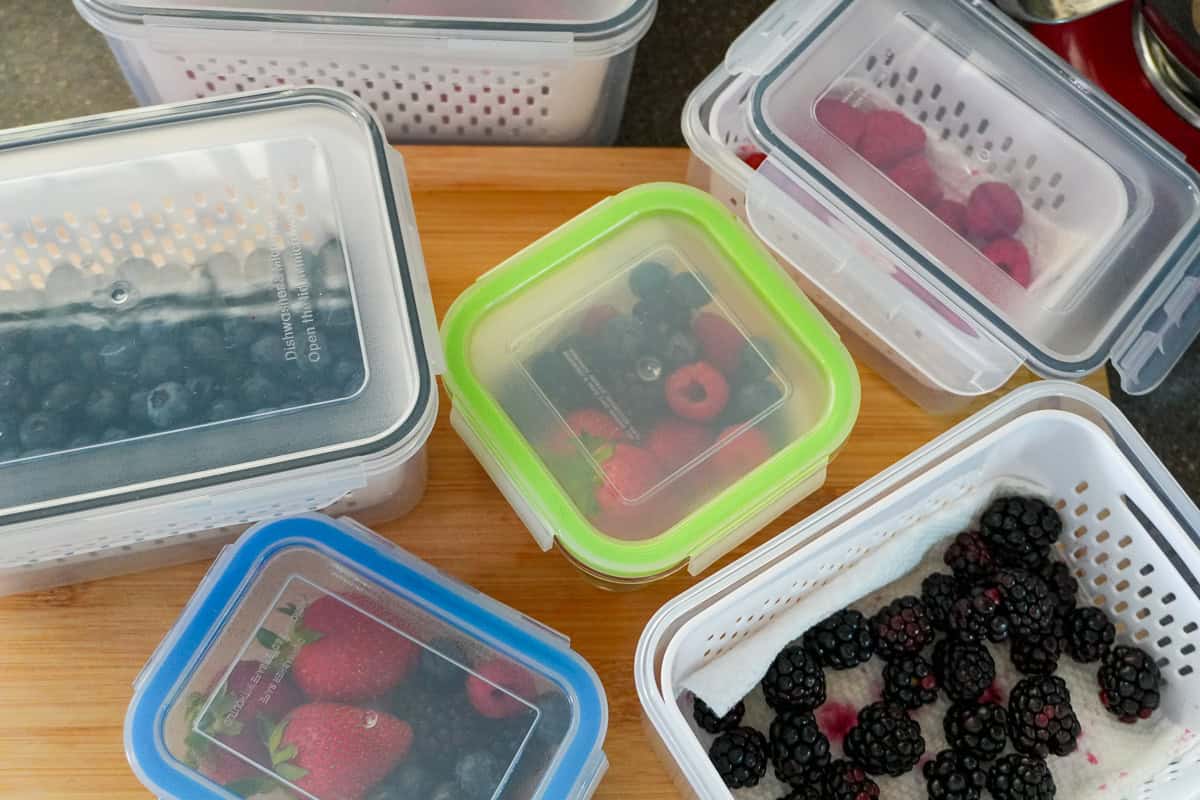
Refrigerate Promptly: Place the container in the refrigerator as soon as possible after storing the berries. Keeping them consistently cold helps preserve their texture and flavor while extending their shelf life.

Check Every Day: If you notice any berries beginning to soften or develop mold, remove them right away. Checking your berries daily is a great way to keep the remaining fruit fresh and reduce food waste.
Learn more about safe refrigerator temperatures in my guide to Understanding Food Temperature Safety Zones: Cook, Store & Serve Safely.
How to Store Different Types of Fresh Berries
While the same basic storage principles apply to all fresh berries, some varieties are more delicate than others and benefit from a few extra precautions.
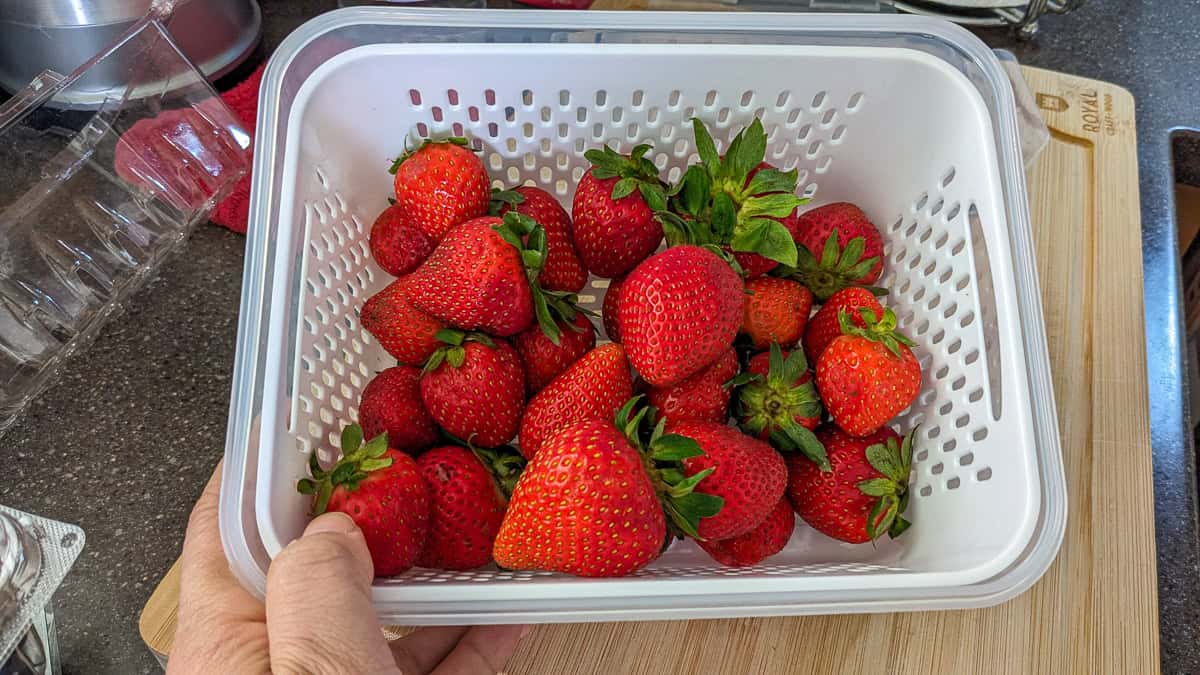
Strawberries: Store strawberries unwashed with their green tops attached until you're ready to use them. Because they're firmer than other berries, they can be stored in a single layer or loosely stacked in a storage container lined with a dry paper towel.
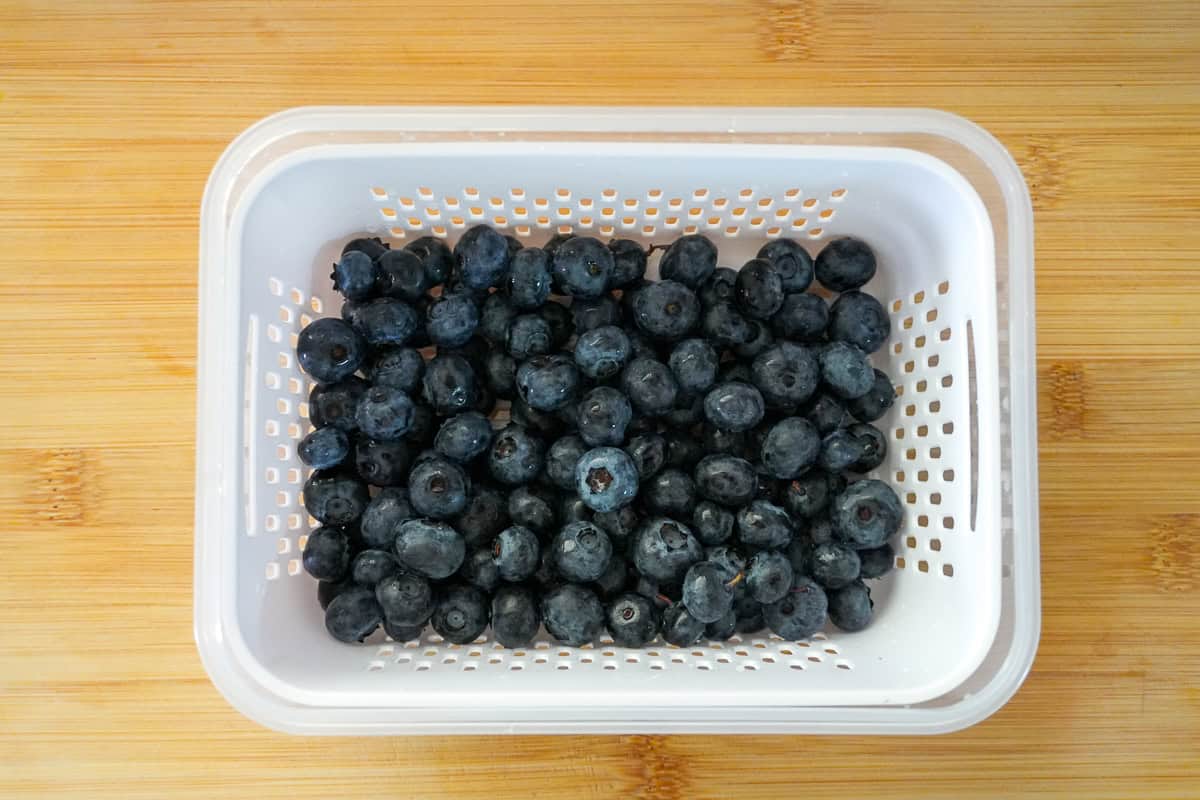
Blueberries: Blueberries have a natural protective coating called the bloom, which helps retain moisture and slow spoilage. Avoid washing them until needed, and store them in a breathable container to help maximize their shelf life.
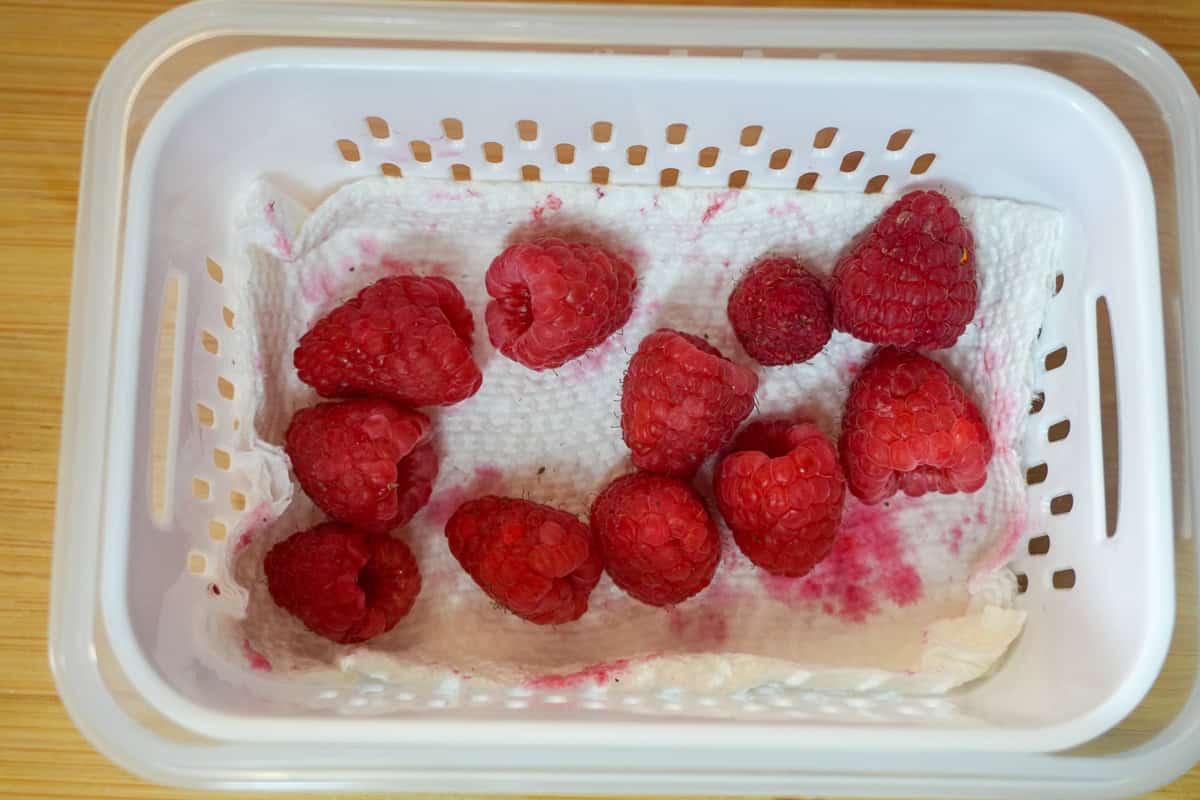
Raspberries: Raspberries are among the most delicate berries and bruise easily. Store them in a single layer whenever possible, handle them gently, and check daily for any soft or moldy berries to remove.
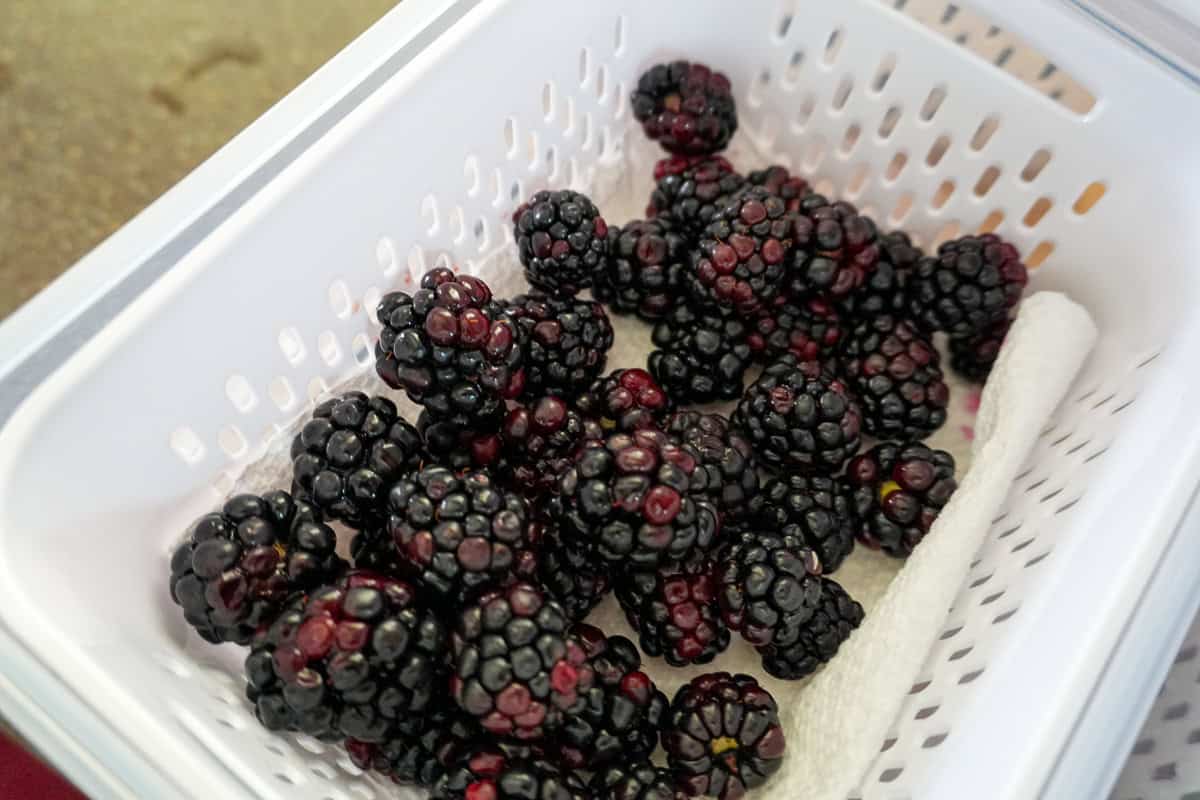
Blackberries: Blackberries are sturdier than raspberries but still benefit from careful handling. Store them in a shallow container with good airflow and remove any damaged berries promptly to help prevent mold from spreading.
Mixed Berries: If you've purchased or prepared a mixture of berries, store each type separately whenever possible. Different berries release moisture at different rates, so keeping them in individual containers can help them stay fresh longer.
Best Storage Containers for Fresh Berries
The container you choose can make a difference in keeping berries fresh, especially if you're washing them ahead of time for meal prep. The best storage containers allow excess moisture to drain away from the fruit while protecting delicate berries from being crushed.
When shopping for berry storage containers, look for features such as:
- Removable colanders or drainage baskets to keep berries from sitting in excess water.
- Ventilation or breathable designs that help reduce trapped moisture.
- Leak-resistant lids for transporting berries or organizing your refrigerator.
- Clear containers so it's easy to see when berries need to be used.
- Stackable designs that maximize refrigerator space.
One of my favorite options is a produce storage container with a removable colander, which makes washing, draining, and storing berries much more convenient. Instead of transferring berries between multiple bowls and containers, you can rinse, drain, and refrigerate them in a single container, helping reduce excess moisture that can shorten their shelf life.
No storage container can keep berries fresh forever, but choosing one designed for produce storage can help protect delicate fruits, reduce food waste, and make it easier to keep fresh ingredients ready for snacks, breakfasts, salads, desserts, and smoothies throughout the week.
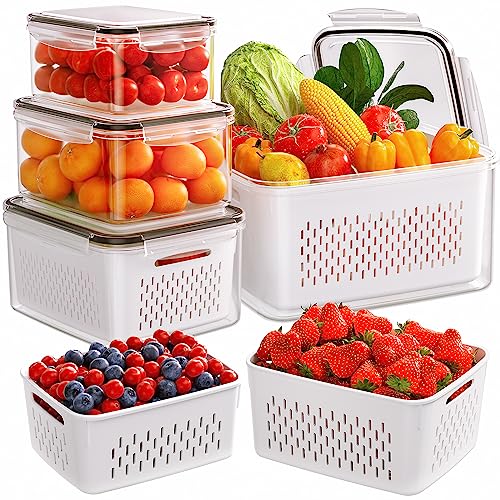
Recommended: I use produce storage containers with removable colanders because they make it easy to rinse, drain, and store berries in one container while helping keep excess moisture away from the fruit.
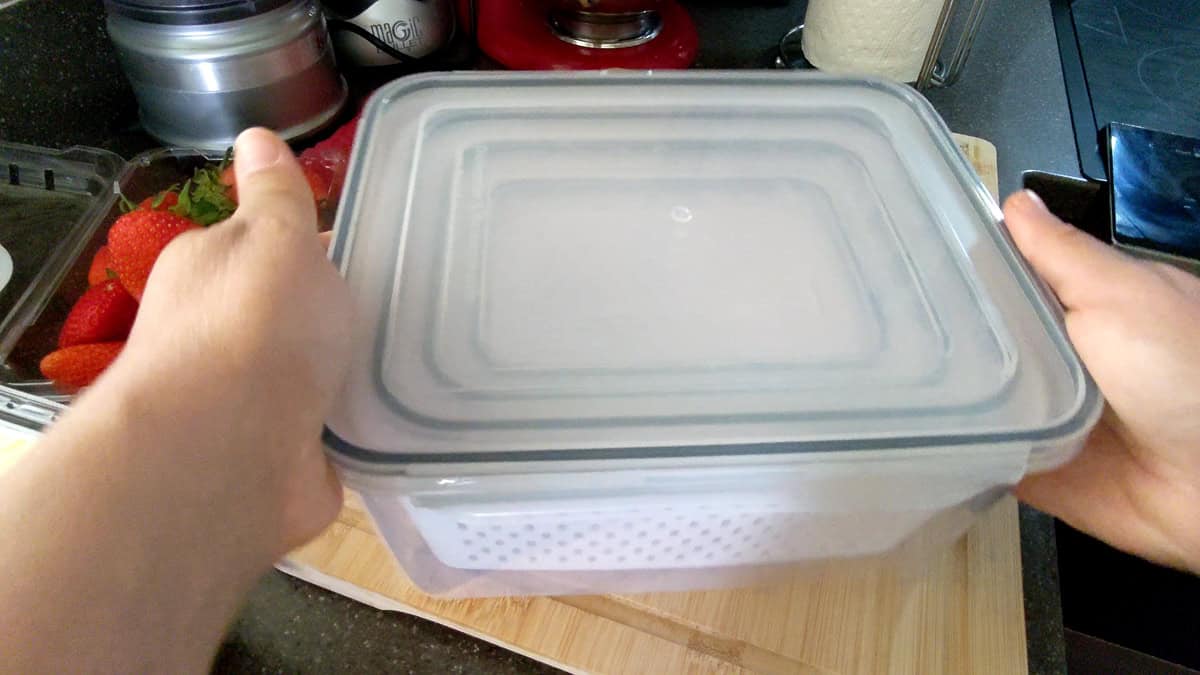
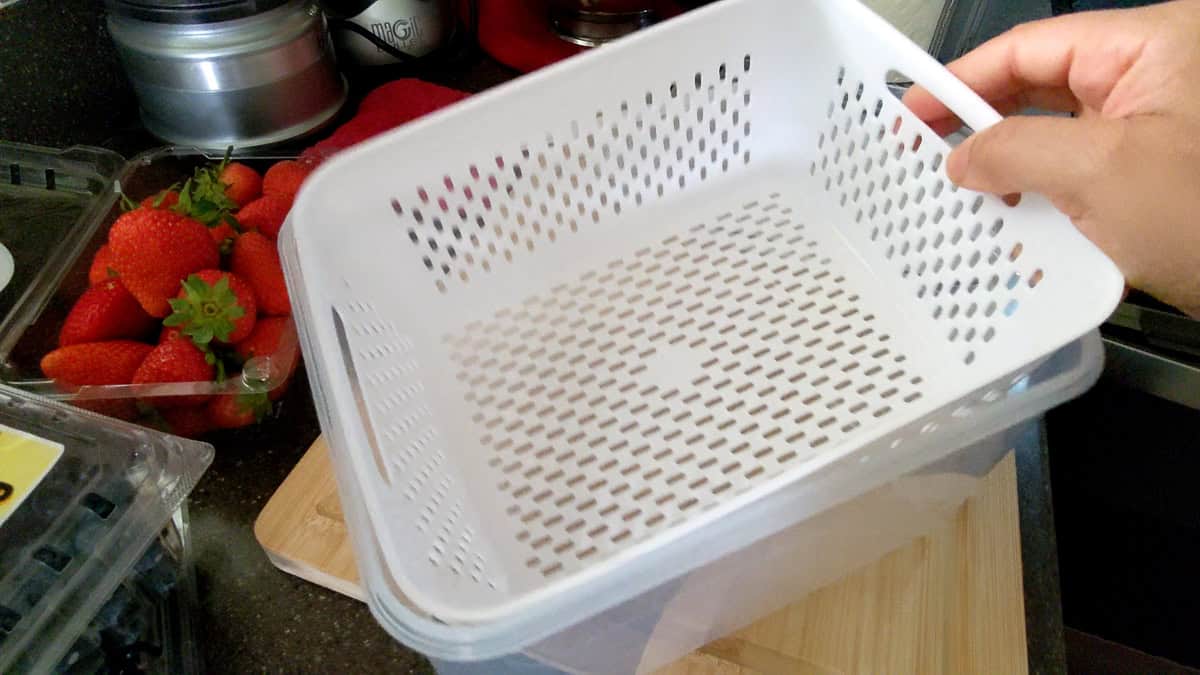
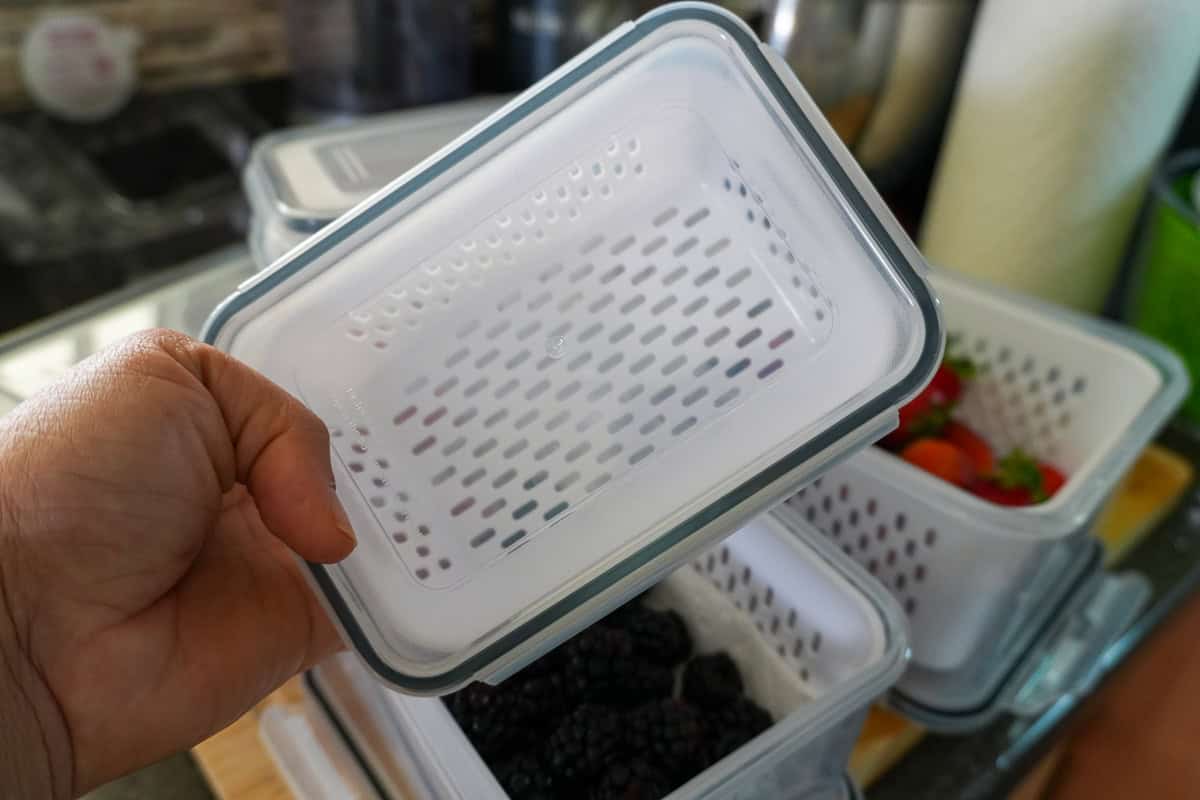
My Review: I absolutely love these 5-pack fruit storage containers. They completely exceeded my expectations! I was truly surprised at how long they kept my produce fresh, especially delicate items like berries and lettuce that usually spoil quickly. The removable colanders are super convenient for rinsing and draining right in the container, and the leakproof lids make fridge organization a breeze. I was so impressed with how well they worked, I went ahead and bought three packs! These have definitely become a go-to in my kitchen for keeping fruits, veggies, and even prepped meats fresher for longer.
How Long Do Fresh Berries Last? (Printable)
How long fresh berries stay fresh depends on the variety, how ripe they were when purchased, and how they're stored. Keeping berries dry, refrigerated, and free from damaged fruit will usually give you the longest shelf life.
| Berry | Average Refrigerator Storage Time | Best Storage Tip |
|---|---|---|
| Strawberries | 5-7 days | Leave stems attached until ready to use. |
| Blueberries | 7-14 days | Store unwashed in a breathable container. |
| Raspberries | 2-4 days | Keep in a single layer and check daily. |
| Blackberries | 3-5 days | Remove any soft berries as soon as you notice them. |
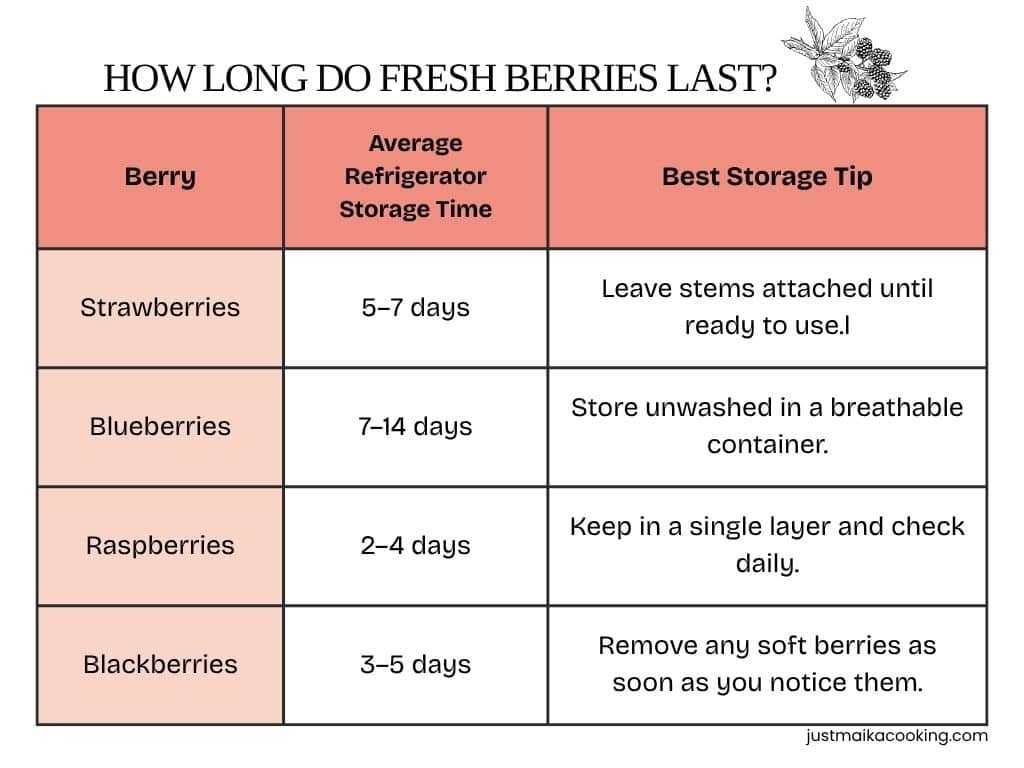
Remember that these are general guidelines. If you notice mold, an off smell, leaking juices, or an unusually soft texture, it's best to discard the affected berries to help prevent spoilage from spreading to the rest of the container.
What Makes Fresh Berries Spoil Faster?
Even the freshest berries can spoil quickly if they're stored improperly. Avoid these common mistakes to help keep your berries fresh, flavorful, and ready to enjoy.
Leaving Moldy Berries in the Container: One moldy berry can quickly spread mold spores to nearby berries. Check your container when you bring it home and remove any bruised, leaking, or damaged fruit right away.
Storing Wet Berries: One of the biggest reasons berries spoil early is excess moisture. If you wash berries before storing them, make sure they're completely dry before refrigerating.
Packing Berries Too Tightly: Delicate berries bruise easily when they're overcrowded. Whenever possible, store them in a single layer or leave enough space for air to circulate around the fruit.
Using the Wrong Container: Containers that trap too much moisture can shorten the shelf life of fresh berries. Choose produce storage containers that promote drainage or airflow, especially if the berries have been washed.
Forgetting to Check Them Regularly: Fresh berries continue to ripen after purchase. Taking a minute each day to remove any soft or moldy berries can help protect the rest of the fruit and reduce food waste.
Can You Freeze Fresh Berries?
Yes! Freezing is a great way to preserve fresh berries, so you won't have to use them before they spoil. Frozen berries are perfect for smoothies, baked goods, sauces, jams, and many cooked recipes, although they'll become softer once thawed.
To freeze berries successfully:
- Remove any bruised or moldy berries.
- Wash them if desired and dry them thoroughly.
- Arrange the berries in a single layer on a parchment-lined baking sheet.
- Freeze until firm, about 2 to 4 hours.
- Transfer the frozen berries to a freezer-safe bag or airtight container, removing as much air as possible before sealing.
For the best quality, use frozen berries within 6 to 12 months. Label each container with the date so you can rotate older berries to the front and enjoy them while they're at their peak flavor. Related: Learn how to safely thaw frozen fruit and other ingredients in my Understanding Food Temperature Safety Zones: Cook, Store & Serve Safely guide.
Culinary Glossary
This section concisely defines the key ingredients and techniques covered in this post to enhance understanding and improve cooking skills.
- Bloom: The natural waxy coating found on blueberries that helps protect the fruit and slow moisture loss.
- Delicate Fruits: Fruits with thin skins that bruise and spoil easily, such as raspberries and blackberries.
- Excess Moisture: Water left on the surface of food after washing or condensation that can speed up spoilage and mold growth.
- Mold Spores: Microscopic reproductive cells produced by mold that spread through the air and grow when conditions are warm and moist.
- Shelf Life: The length of time food remains fresh, safe, and at its best quality when stored properly.
- Salad Spinner: A kitchen tool that removes excess water from washed fruits and vegetables using centrifugal force.
- Single Layer: A storage method where food is arranged without stacking to minimize bruising and allow better airflow.
- Produce Storage Container: A container designed to help extend the freshness of fruits and vegetables by improving drainage, airflow, or moisture control.
Equipment You'll Need (With Alternatives)
Here's what you'll need to efficiently get started, plus easy swaps if you don't have everything on hand.
- Produce storage container with a removable colander: Wash, drain, and store berries in one container (alternative: a mesh colander and a glass food storage container).
- Salad spinner: Removes excess water after washing (alternative: clean kitchen towel).
- Large bowl: Washing berries or preparing a vinegar solution (alternatively, use a mixing bowl).
- Clean kitchen towel or cloth towel: Gently dries delicate berries (alternative: paper towels).
- Paper towels: Absorb moisture during storage (alternative: reusable produce cloths).
- Sheet pan: Flash-freezing berries before long-term storage (alternative: large plate or tray).
Kitchen Tools I Use and Recommend
These are some of the kitchen tools I personally use in my kitchen that make recipes like this faster and easier to prepare. If you're building your kitchen setup or upgrading your tools, these are great places to start. More Kitchen Must-Haves - Find other tools I use here.
My Review: I absolutely love these 5-pack fruit storage containers. They completely exceeded my expectations! I was truly surprised at how long they kept my produce fresh, especially delicate items like berries and lettuce that usually spoil quickly. The removable colanders are super convenient for rinsing and draining right in the container, and the leakproof lids make fridge organization a breeze. I was so impressed with how well they worked, I went ahead and bought three packs! These have definitely become a go-to in my kitchen for keeping fruits, veggies, and even prepped meats fresher for longer.
My Review: Cuisinart is a renowned brand known for its innovative, high-quality kitchen appliances and tools that make cooking and food prep effortless. Additionally, the Cuisinart Salad Spinner has been a trusty tool in my kitchen for years, and it’s proven to be so much more than just a salad spinner! Despite its compact size, it handles everything with ease, from rinsing and drying delicate herbs to cleaning mushrooms and, of course, prepping perfectly dry greens for salads. Its durable design has stood the test of time, and its efficiency has made meal prep so much quicker and easier. If you’re looking for a versatile, long-lasting kitchen tool, this little spinner is a must-have! I've made a post about it; check out my salad spinner post here.
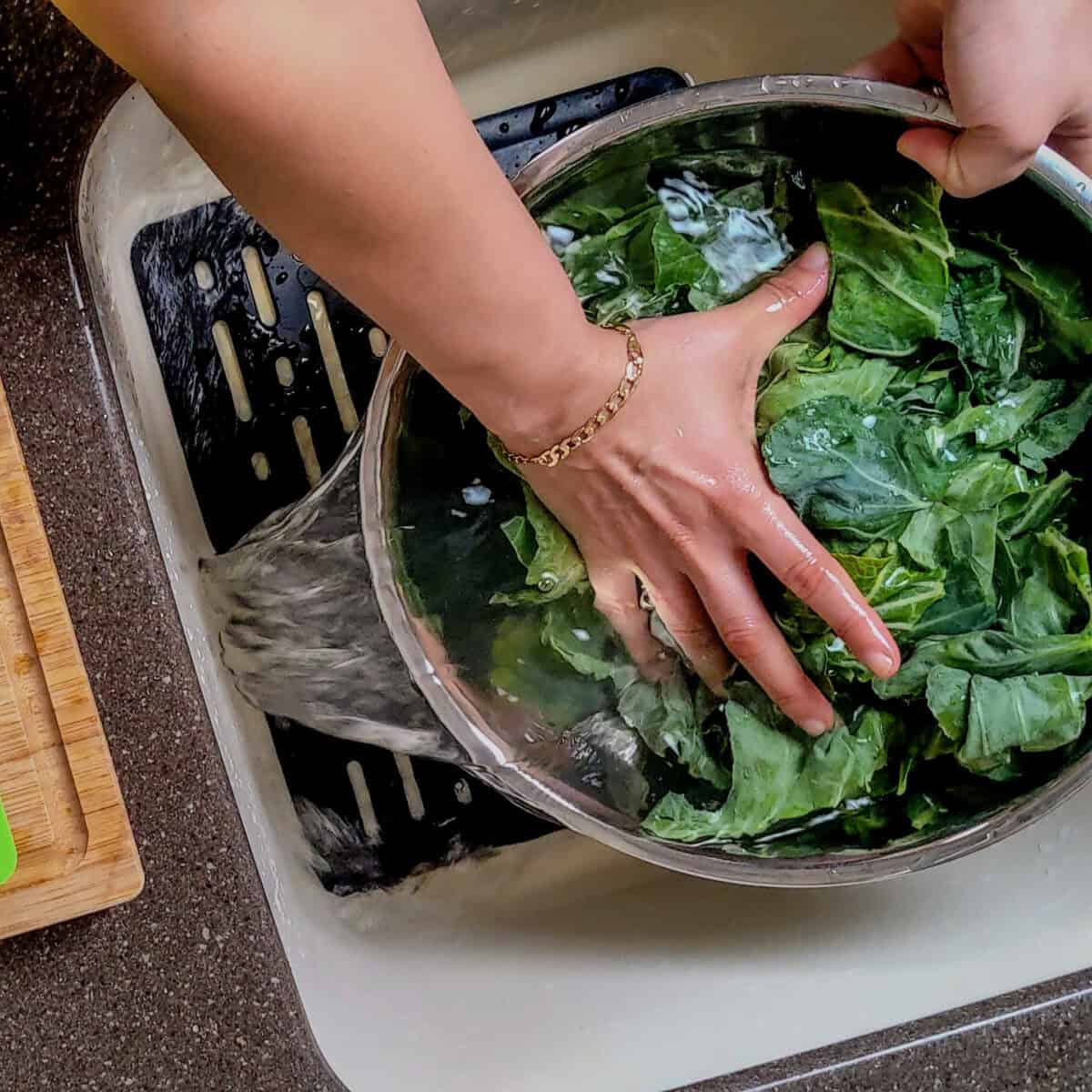
My Review: The American Metalcraft 16" Stainless Steel Mixing Bowl is one of those kitchen essentials I think every cook should have, and honestly, I believe it’s smart to own at least two of these large bowls. They’re incredibly useful for big prep jobs like washing greens, marinating meats, seasoning large batches, or even breaking down whole chickens. The stainless steel construction feels sturdy and well-crafted, so it can handle heavy kitchen use and last for years. Simple, reliable, and versatile, this is the kind of bowl you’ll constantly reach for in the kitchen.
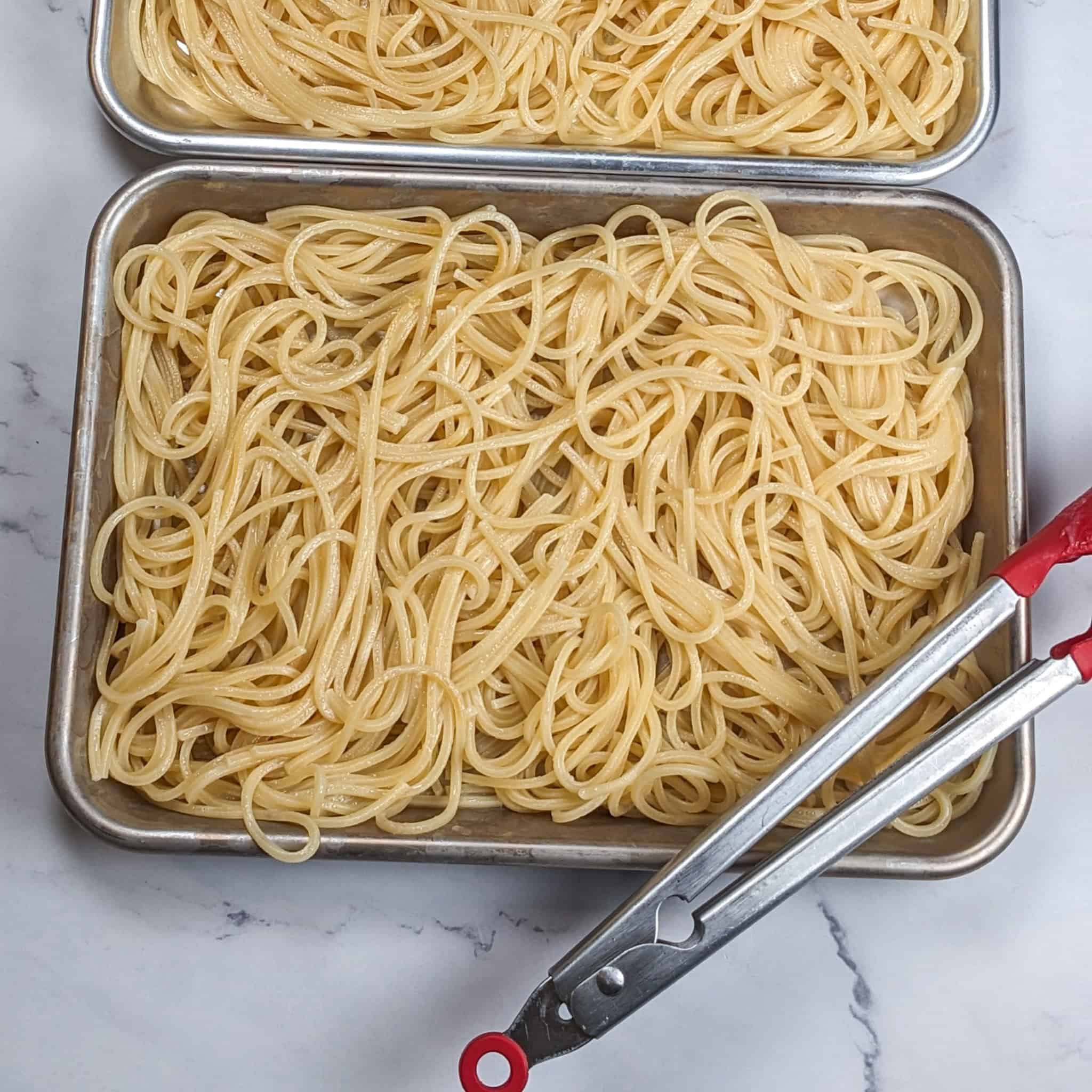
My Review: The Nordic Ware ⅛ Sheet Pan is one of those versatile tools I find myself reaching for daily, which is why I love keeping several on hand. Its sturdy aluminum build makes it perfect for everything from setting up a breading station to neatly holding prepped ingredients, and even spreading out hot pasta to cool quickly without sticking. Lightweight yet durable, it’s the ideal size for small tasks that make a big difference in keeping my kitchen organized and efficient. The only thing to note is that if you run them through the dishwasher, the finish will change, so hand washing is best to keep them looking their best.
5 Quick Berry Storage Tips
Cook's Notebook is your Cooking Tips Resource Guide. Become a better home cook with tips to help you cook more efficiently.
- Inspect berries as soon as you get home. Remove any bruised or moldy berries before storing the rest.
- Keep berries as dry as possible. Excess moisture is one of the biggest causes of mold growth and early spoilage.
- Store berries in the refrigerator. Refrigerate them promptly to help maintain their texture and extend their shelf life.
- Use the right storage container. Containers with removable colanders or drainage baskets help keep berries from sitting in excess moisture.
- Buy only what you'll use. Purchasing smaller amounts more often can help reduce food waste and ensure you're always enjoying berries at their freshest.
Frequently Asked Questions
Here is a list of common questions I have answered. If you have any questions, please write them in the comments below.
It's safest to discard any berries that are touching or immediately surrounding a moldy berry because mold spores may have already spread, even if they aren't yet visible.
It's usually best to wait until you're ready to eat them. Washing berries before storage adds moisture, which can encourage mold growth unless they're dried thoroughly.
A breathable produce storage container with a removable colander or drainage basket works well because it helps keep excess moisture away from the fruit while protecting delicate berries from being crushed.
You can, but storing each variety separately often helps them last longer since different berries have different moisture levels and shelf lives.
Berries naturally have a high moisture content and delicate skins. Warm temperatures, trapped moisture, damaged fruit, or leaving one moldy berry in the container can quickly cause mold to spread.
Berry Recipes
Looking for recipes using berries? Try these:
- Banana Berry Corn Muffins with Greek Yogurt
- Fresh Cranberry Ginger Chutney | Quick and Easy
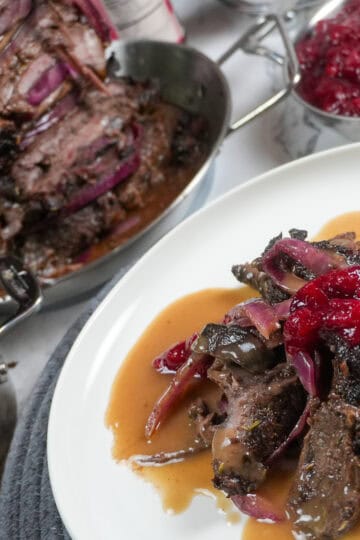
- Steak Shawarma Recipe with Fall Holiday Flavors | Easy Lebanese Style
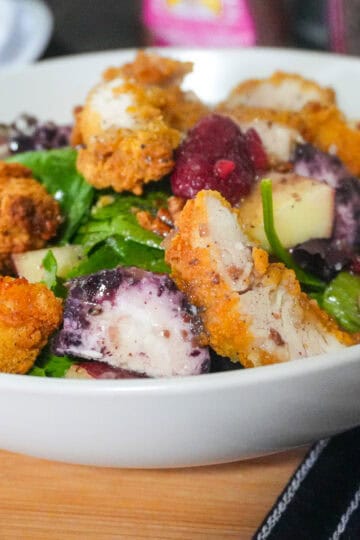
- Fresh Berry Apple Pecan Chicken Salad with Goat Cheese
Cooking Tips and Tutorials
If you found this tutorial helpful, you'll love my Cook's Notebook collection. From knife skills and flavor bases to time-saving tricks and essential equipment guides, this section is packed with chef-tested lessons to help you cook with confidence.
- Seasonal Produce Guide: What Fruits and Vegetables Are in Season?
- How to Roast Food: The Fundamental Principles of Roasting
- 2026 Fall Seasonal Produce Guide: Fruits and Vegetables to Enjoy This Season
- Indian Cooking Techniques That Changed How I Think About Food

Just Remember
If you're preparing breakfast for the week, blending smoothies, baking desserts, or adding berries to fresh salads, these simple storage habits can help keep your favorite fruits ready whenever inspiration strikes.
Learning how to store fresh berries doesn't require complicated techniques or expensive equipment. By controlling excess moisture, removing damaged fruit, and choosing the right storage container, you can enjoy fresher berries for longer, reduce food waste, and get more value from every grocery trip.


Chef Maika Frederic-Liebman
Chef and Educator
Professionally trained Haitian-American chef Maika Frederic is the creator of Just Maika Cooking, where she shares globally inspired recipes, cooking techniques, ingredient guides, and food safety tips designed to help home cooks become more creative and confident in the kitchen. Combining years of professional culinary experience with a passion for teaching, she makes global flavors approachable through practical, accessible instruction for cooks of every skill level.

Subscribe to my YouTube Channel
SUBSCRIBE: 👈To my YouTube Channel to Get Notifications of New Videos.
Have a Comment or Question?
How do you keep fresh berries from spoiling too quickly? Do you have a favorite storage tip, meal prep routine, or berry recipe? Share your experience in the comments below. I love learning new kitchen tips from fellow home cooks! Thanks!
Leave a Reply