


Learn the best searing chicken tips for getting a golden, flavorful crust without drying out your chicken. This chef-tested guide covers pan temperature, oil choices, timing, and simple fixes for common mistakes like sticking, steaming, and uneven browning.

Get more chicken prepping tips in the How to Cut Chicken: Prepping to Cooking Tutorials.
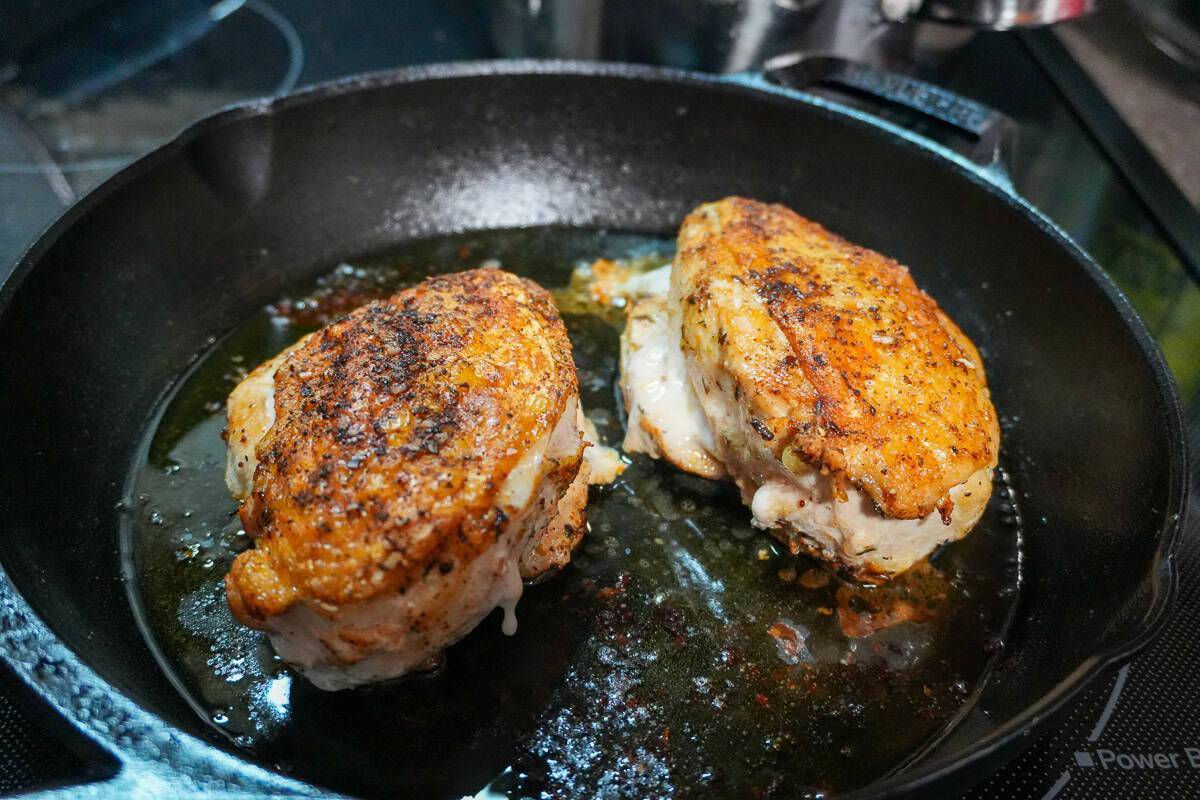
Table of Contents
Jump to:
- Perfect Seared Chicken
- Note from Chef Maika
- Quick Answer: 7 Searing Chicken Tips for Better Results
- Video Overview: Prevent Chicken from Sticking
- Searing vs. Browning
- Before You Begin: Safety & Setup
- Equipment You'll Need
- Kitchen Must-Haves Reviews
- 101: Prepping the Chicken
- 102: Heating the Oil
- 103: Step-by-Step: How to Sear Chicken
- Common Mistakes Recap
- 5 Quick Tips for a Perfect Sear
- Frequently Asked Questions
- Chicken Recipes
- Cooking Tips and Tutorials
- Have a Comment or Question?
Perfect Seared Chicken
There's something deeply satisfying about hearing that first sizzle when chicken hits a hot pan. But if you've ever ended up with pale chicken, a torn crust, smoky oil, or meat stuck to the skillet, you're not alone. Searing chicken looks simple, but it's one of those foundational cooking techniques that teaches you how to manage heat, moisture, timing, and patience all at once.
From my chef's perspective, a good sear is more than just color. It builds flavor through browning, creates that golden restaurant-style crust, and gives chicken a better texture before it's served as-is, sliced for salads, finished in sauces, or added to rice bowls, pasta, stews, and skillet meals.
In this guide, I'll walk you through my best searing chicken tips so you can understand what's happening in the pan and how to fix the most common problems before they ruin dinner. Once you learn the rhythm of a hot pan, a thin layer of oil, dry chicken, and the right flip, this technique becomes one of the most useful cooking skills in your kitchen.
Note from Chef Maika
One of the biggest lessons I learned working in professional kitchens is that great cooking often comes down to mastering simple techniques. Searing chicken is one of those skills. It doesn't require expensive ingredients or fancy equipment, but it does require paying attention to the details. A dry surface, a properly heated pan, and a little patience can completely change the outcome of a meal.
I still judge a lot about a cook by how they sear protein. Not because it has to be perfect every time, but because it shows an understanding of heat, timing, and observation. Learning to recognize the sound of a proper sizzle, the look of oil at the right temperature, and when the chicken is ready to release naturally from the pan are skills that carry over into almost every type of cooking.
If your chicken doesn't come out perfectly on the first try, don't worry. Every cook has made pale chicken, burned chicken, or chicken that welded itself to the pan.
The goal isn't perfection. The goal is to learn what happened so you can make small adjustments the next time. That's how confidence is built in the kitchen, one meal at a time.
Quick Answer: 7 Searing Chicken Tips for Better Results
If you're short on time, follow these simple tips for a golden-brown crust and juicy chicken every time:
- Pat the chicken dry with paper towels before cooking.
- Preheat the pan before adding oil.
- Use a high-smoke-point oil, such as avocado or grapeseed oil.
- Place the chicken in the pan only after the oil is hot and shimmering.
- Avoid overcrowding the pan; cook in batches if necessary.
- Let the chicken sear undisturbed until it naturally releases from the surface.
- Cook until the internal temperature reaches 165°F and allow it to rest before slicing.
Chef's Tip: If the chicken sticks when you try to flip it, it's usually not ready. Give it another 30 to 60 seconds and try again.
Video Overview: Prevent Chicken from Sticking
Before we get into the step-by-step process, watch this quick demonstration on preventing chicken from sticking to the pan. One of the most common searing mistakes is trying to flip chicken before a proper crust has formed.
Learning how to sear properly changes everything from the flavor of your food to the way you approach cooking itself. When that golden-brown crust forms, it's not just visually appealing; it's flavor science in action.
The heat triggers the Maillard Reaction (my favorite culinary science term), a series of chemical reactions between proteins and sugars on the surface of the chicken. These reactions create the rich, savory flavors and beautiful browning that make seared chicken so satisfying.
A Basic Yet Powerful Cooking Skill
From my chef's perspective, searing is one of the most useful cooking techniques to learn because it appears in cuisines all over the world. Whether it's a French pan-seared chicken breast finished with butter, Japanese teriyaki chicken caramelized to a glossy finish, or Haitian and Caribbean dishes where chicken is seared before braising, the underlying technique is remarkably similar.
What always fascinates me is how each culture has its own approach, from the type of fat used to the timing of the flip, yet they're all working toward the same goal: building flavor through proper browning.
Pan Searing Chicken Know-How
That's why this guide focuses specifically on searing chicken. Once you understand how heat, moisture, oil, and timing work together, you'll be able to apply these same principles to beef, fish, tofu, vegetables, and many other ingredients.
Before we get into the cooking process, let's start by understanding the difference between browning and searing.
Searing vs. Browning
Many home cooks use the terms searing and browning interchangeably, but understanding the difference can help you become a more confident cook.
Browning
Browning is the general process by which food develops color as it cooks. This can happen slowly over moderate heat and is common when roasting vegetables, baking bread, or cooking proteins.
Searing
Searing is a specific high-heat cooking technique used to rapidly develop a deeply browned crust on the surface of food. The goal is to maximize flavor, texture, and visual appeal through intense surface browning.
Think of it this way:
| Browning | Searing |
|---|---|
| Moderate heat | Medium-high to high heat |
| Develops color gradually | Creates a flavorful crust quickly |
| Used in many cooking methods | Typically used for proteins |
| Can occur during roasting, baking, or sautéing | Usually done in a skillet, grill pan, or grill |
When you sear chicken, you're creating hundreds of new flavor compounds through the Maillard reaction. Those golden-brown bits on the surface add depth, richness, and savory notes that simply can't be achieved by boiling, steaming, or poaching.
As a chef, I often think of searing as the foundation layer of flavor. Whether I'm making a simple chicken breast, a Caribbean stew, a stir-fry, or a braised dish, that initial sear helps build complexity from the very beginning of the cooking process.
Chef's Tip: A properly seared piece of chicken should be golden brown, not black. If the surface is turning dark before the inside cooks, your heat is likely too high, or the seasoning contains sugars that are burning.
Before You Begin: Safety & Setup
Searing chicken involves high heat, hot oil, and raw poultry, so taking a few minutes to prepare your workspace can make cooking safer, cleaner, and less stressful.
Set Up Your Cooking Area
Before turning on the stove, make sure your cooking space is ready for high-heat cooking.
- Turn on your range hood or open a nearby window for ventilation.
- Keep flammable items such as paper towels, kitchen towels, and packaging away from the burner.
- Use long-handled tongs to reduce the risk of oil splatter.
- Position the pan handles inward so they aren't accidentally bumped.
Read More: Smart Storage and Kitchen Safety Tools I Can't Live Without.
Prevent Cross-Contamination
Raw chicken can spread harmful bacteria if it isn't handled properly.
- Use a dedicated cutting board for raw poultry.
- Wash your hands thoroughly after handling raw chicken.
- Clean knives, cutting boards, and countertops before using them for other ingredients.
- Sanitize food-contact surfaces after prep is complete.
Read More: How to Prevent Cross-Contamination in Your Kitchen.
Practice Mise en Place
One of the biggest mistakes home cooks make when searing chicken is gathering ingredients after the pan is already hot.
Before heating the skillet, make sure you have:
- Chicken prepped and seasoned.
- Oil measured and ready.
- Tongs nearby.
- Instant-read thermometer within reach.
- A serving plate is prepared for resting the chicken.
When the oil is shimmering, everything should already be within arm's reach. This simple mise en place habit helps you stay focused on the sear instead of searching through drawers and spice cabinets.
Read More: Mise en Place 101: The Home Cook's Guide to Prepping Smarter, Not Harder.
Equipment You'll Need
Having the right equipment makes it much easier to achieve a golden-brown crust, maintain consistent heat, and cook chicken to a safe temperature.
Heavy-Bottomed Skillet or Cast Iron Pan
A quality skillet is the foundation of a good sear. Heavy-bottomed pans retain heat more evenly, helping create consistent browning without hot spots.
Best choices:
- Cast iron skillet
- Stainless steel skillet
- Enameled cast-iron skillet
Alternatively, using a grill pan can work, but it won't create as much surface contact as a flat skillet.
Tongs
Tongs let you flip chicken safely without piercing the meat or losing valuable juices. They're also helpful for repositioning chicken pieces without disturbing the developing crust. Alternatively, use a fish spatula or offset spatula.
Instant-Read Thermometer
The safest and most reliable way to determine doneness is by checking the internal temperature.
Chicken should reach:
| Cut | Finished Temperature |
|---|---|
| Chicken Breast | 165°F |
| Chicken Thighs | 165°F |
| Chicken Tenders | 165°F |
| Ground Chicken | 165°F |
Alternative? None! A thermometer is one of the most valuable kitchen tools you can own.
Paper Towels
Surface moisture is the enemy of a good sear. Patting the chicken dry removes excess moisture, so it browns instead of steaming. Or, use a clean, lint-free kitchen towel reserved for food prep.
High Smoke Point Oil
Searing requires oils that can withstand higher temperatures without smoking.
Good options include:
- Avocado oil
- Grapeseed oil
- Canola oil
- Peanut oil
- Light olive oil
Read More: Heart Healthy, High Smoke Point Oils for Cooking.
Splatter Screen (Optional)
A splatter screen helps contain grease while allowing steam to escape. It's especially useful when cooking skin-on chicken or working in smaller kitchens. Alternatively, partially cover the pan with a lid while maintaining airflow.
Sharp Knife (Optional)
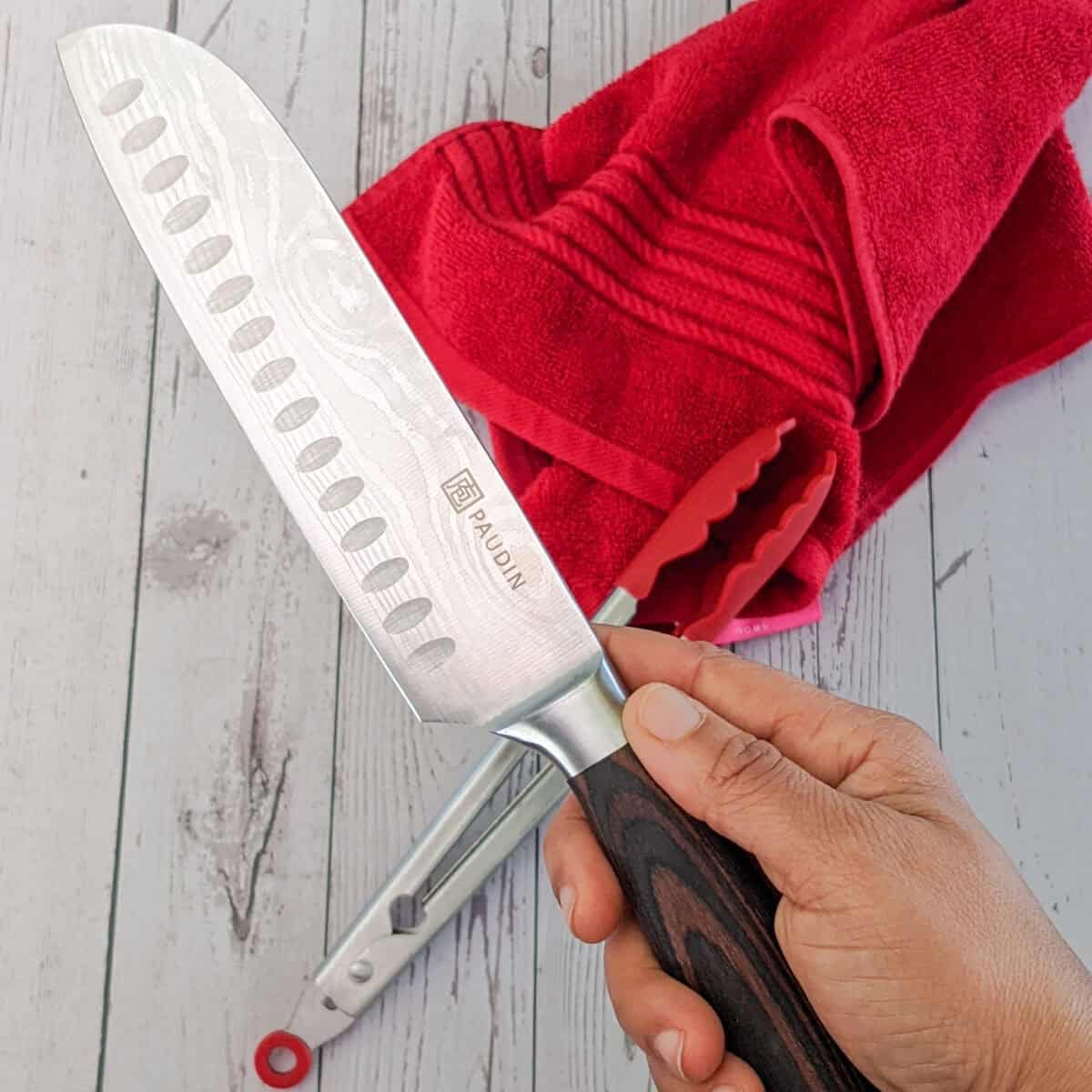
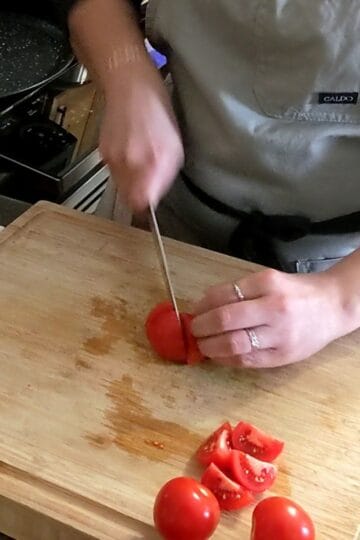
Uniform pieces cook more evenly and develop a better sear. A sharp knife makes trimming, portioning, and preparing chicken much easier. If chicken tends to stick to your knife during prep, a Santoku knife's granton edge (the dimples along the blade) helps reduce sticking.
Boning Knife (Optional)
A boning knife is useful when trimming thighs, removing excess fat, deboning chicken, or breaking down larger cuts before cooking.
Chef's Tip: You don't need expensive equipment to sear chicken successfully. If I had to choose only three tools, I'd pick a good skillet, a pair of tongs, and an instant-read thermometer. Those three items alone will dramatically improve your results.
The tools below are either equipment I personally use in my kitchen or products I recommend for home cooks learning how to sear chicken and other proteins with confidence.
Kitchen Must-Haves Reviews
These are some of the kitchen tools I use that make recipes easier to prepare and faster to cook. If you're building your kitchen setup or upgrading your tools, these are great places to start. More Kitchen Must-Haves - Find other tools I use here.
My Review: The Lodge Blacklock 10.25" Triple Seasoned Cast Iron Skillet has quickly become one of my favorite pieces of cookware. I’m especially impressed by how lightweight it feels compared to traditional cast iron, making it easy to maneuver while cooking and serving. The clean, smooth finish not only looks sleek but also delivers reliable nonstick performance, making cleanup simple. It’s a premium skillet that combines classic durability with a modern design upgrade I truly appreciate.
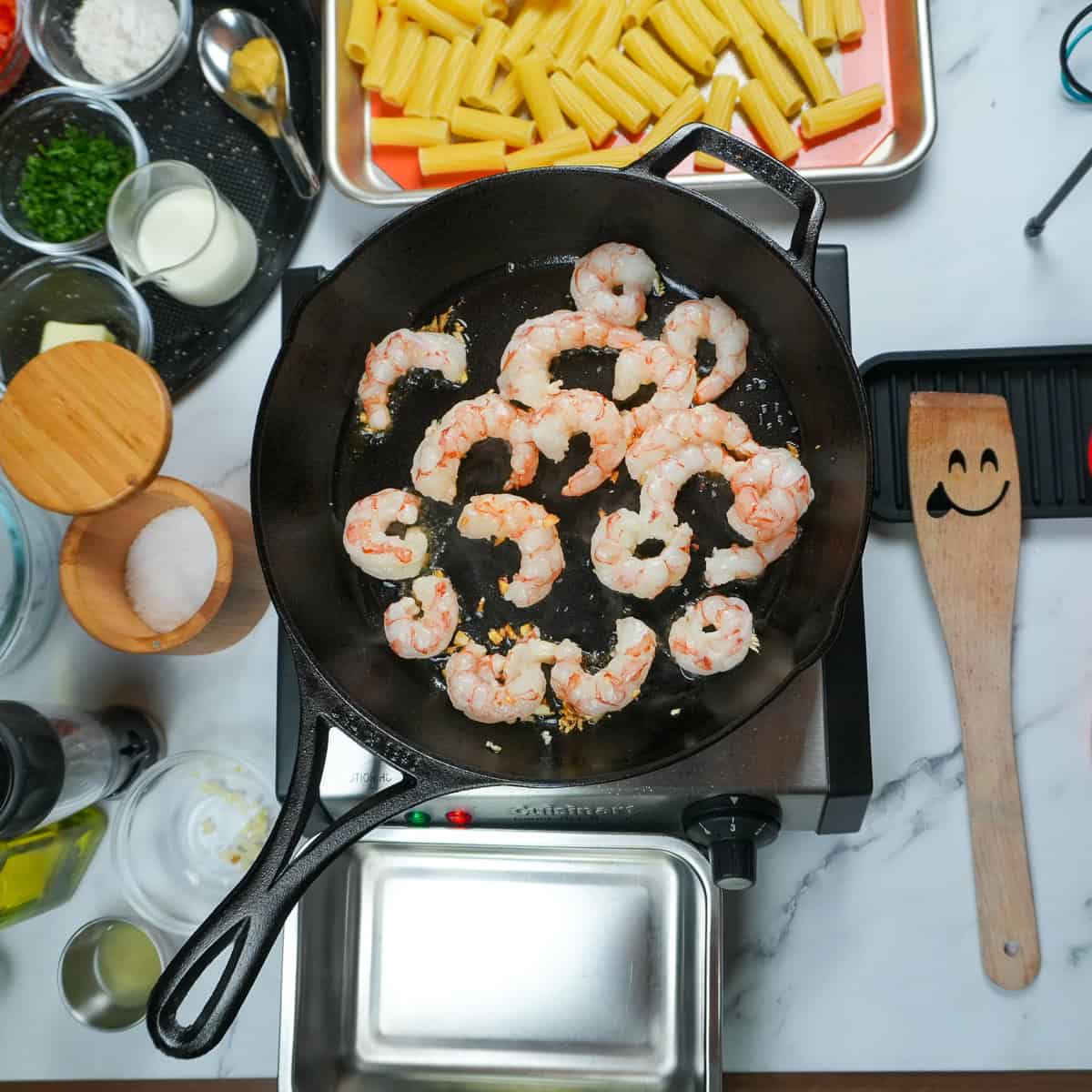
My Review: I love and trust All-Clad for their high-quality pans that truly last a lifetime, and this D3 10-Inch Stainless Steel Fry Pan with a lid is no exception. It delivers fast, even heat and comes out of the dishwasher looking impeccable every time, which makes cleanup effortless. It’s super easy to use, whether you're searing, sautéing, or finishing a dish in the oven, plus it's oven- and broiler-safe up to 600°F. One tip for getting that perfect nonstick surface: always let the pan heat up on its own first, then add your oil and wait until it’s hot before adding delicate foods like fish. This pan is a staple in my kitchen and earns its keep every single day.
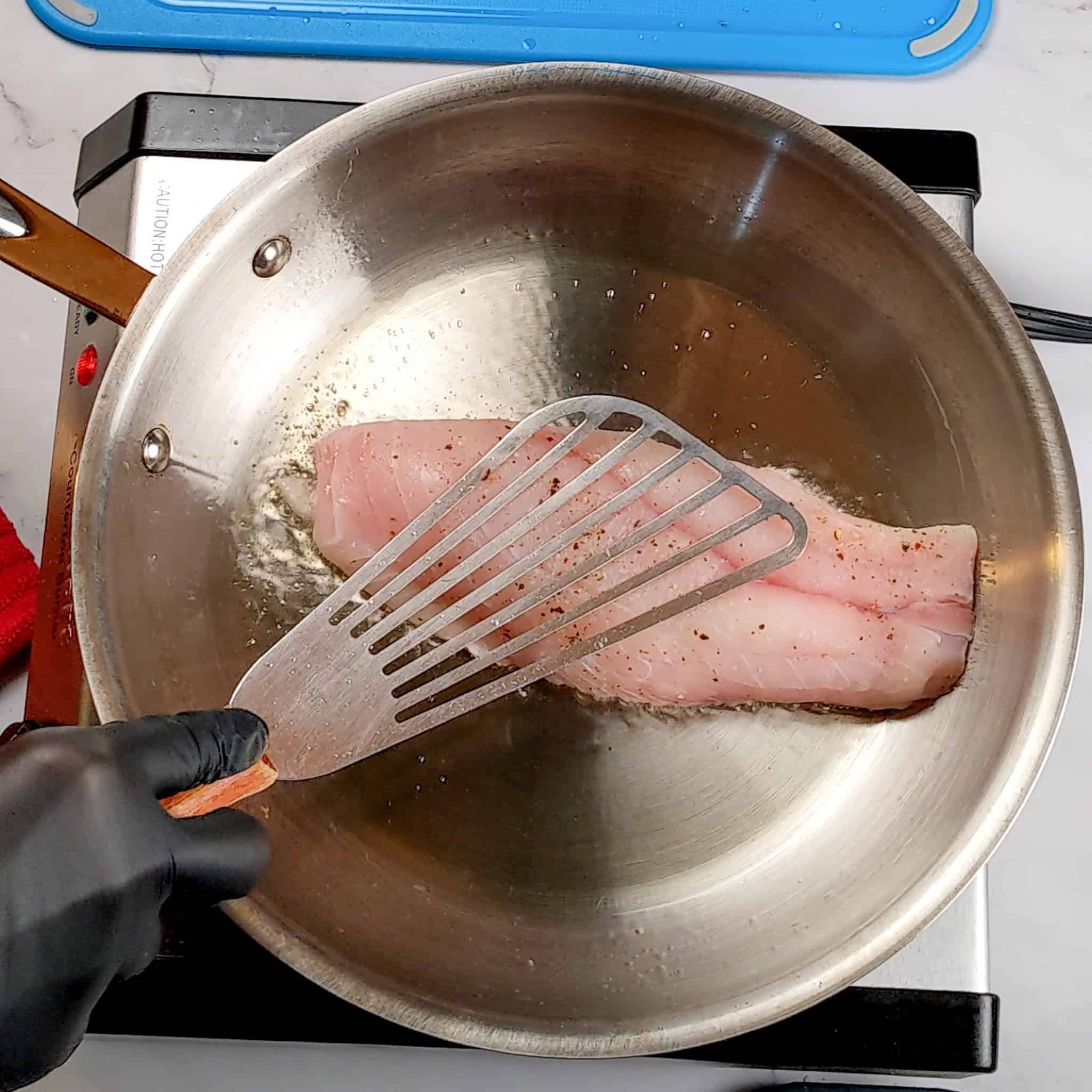
My Review: For 125 years, Lodge Cast Iron has been a family-owned company located in South Pittsburg, Tennessee. Their cookware, known for its dependability, is made of rugged, seasoned cast iron for excellent heat retention and durability. This is still my go-to Dutch oven. You'll find it in a lot of my recent videos. It's heavy, durable, non-stick, and it holds heat well. Also, a big lesson: never preheat an enameled Dutch oven without oil. This will crack the enamel. I learned this the hard way.
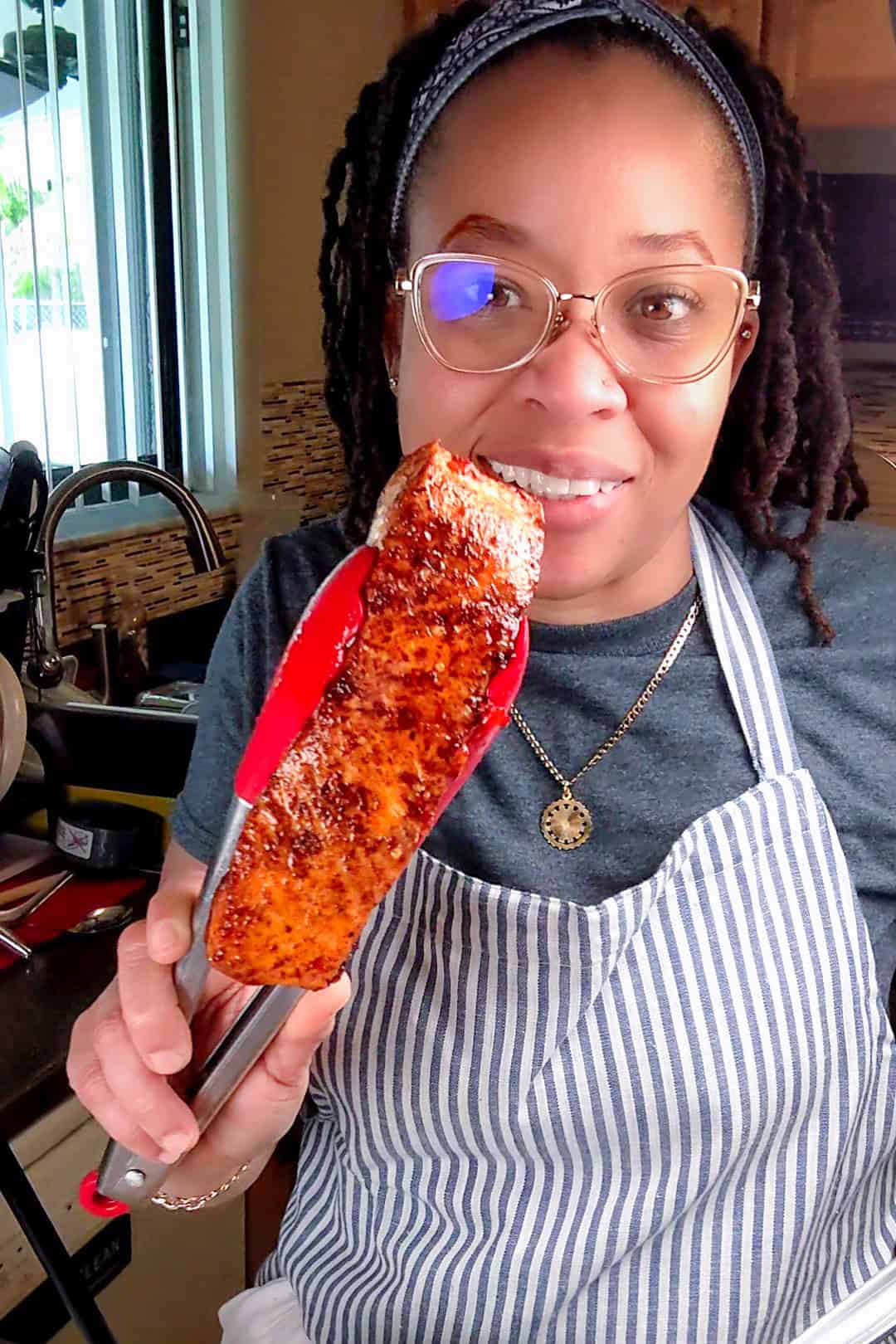
My Review: These tongs have been indispensable kitchen tools. Their sturdy build and heat-resistant silicone tips make them dependable for a range of cooking tasks, from flipping delicate fish fillets to pulling a hot oven rack, making them a valuable addition to my kitchen. The only problem I've had is grasping items with the tip. Silicone tongs are flexible and are not sturdy enough to pick up heavy things with their tips. So I gave it a 4 out of 5. Hence, I still keep my metal tongs.
America's Test Kitchen - Winner
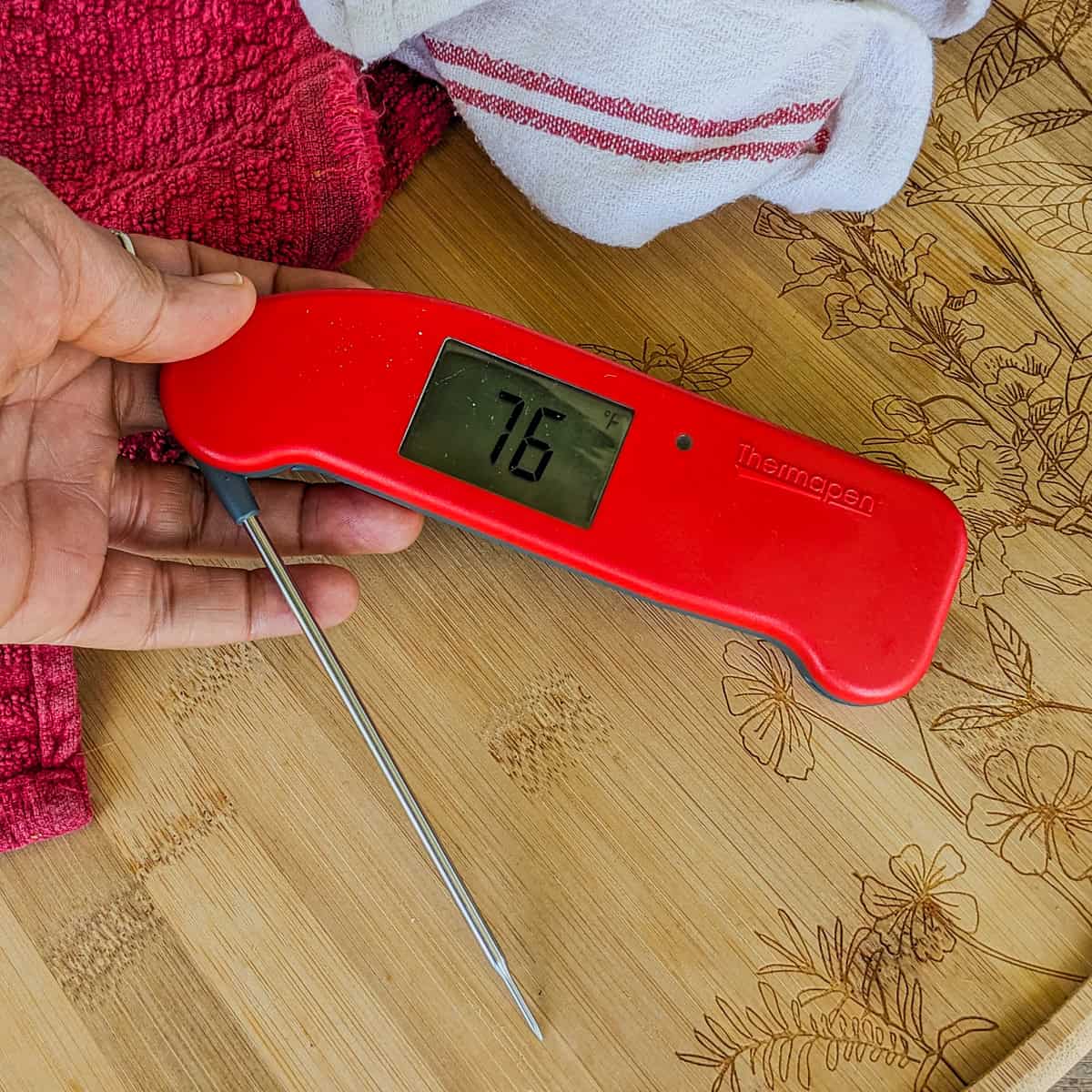
My Review: The Thermapen ONE by ThermoWorks is my go-to kitchen thermometer - simple, fast, and incredibly precise. It delivers accurate readings in just one second, making it perfect for everything from meats to baked goods. I love that it's waterproof, has a rotating backlit display, and turns on automatically when you unfold the probe. It's been voted America's Test Kitchen's top thermometer. It comes with a 5-year warranty and a NIST-traceable calibration certificate, ensuring its reliability makes it a must-have tool for any cook.
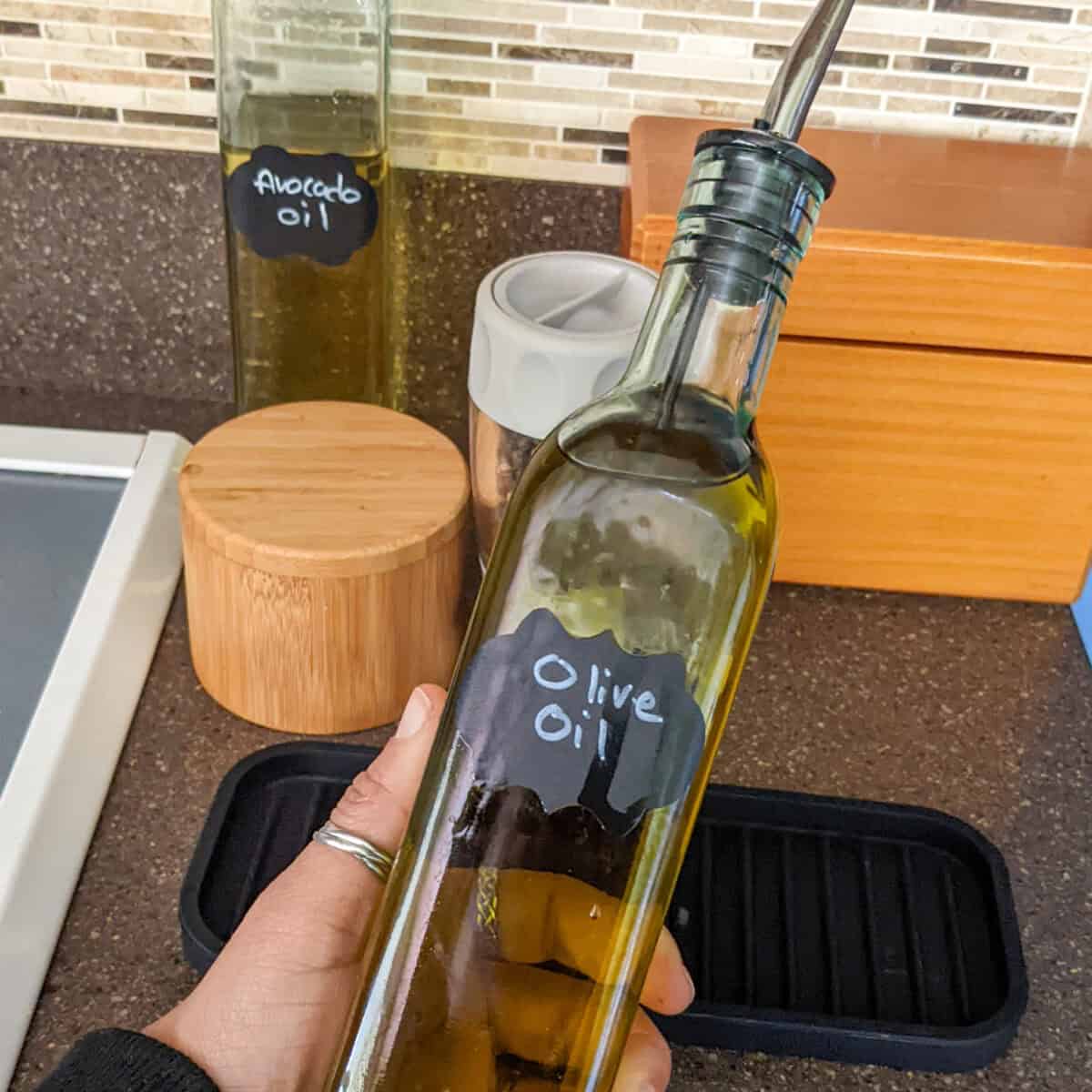
My Review: This is a chef’s and home cook’s staple in the kitchen. My top reasons to get these are: (1) Keep your oils organized! Since they are slim, they are easy to store on the counter. (2) There are no funky labels on them, so you can see exactly how much you have left. (3) They are effortless to fill and grip when cooking on the fly. Keep them right next to the stove without problems. (4) You will notice many of my recipes call for either olive oil or avocado oil. Avocado oil has a high smoke point, making it excellent for cooking at high heat, such as grilling. Additionally, both oils are beneficial for your health. Therefore, organizing them allows me to use them conveniently and frequently.
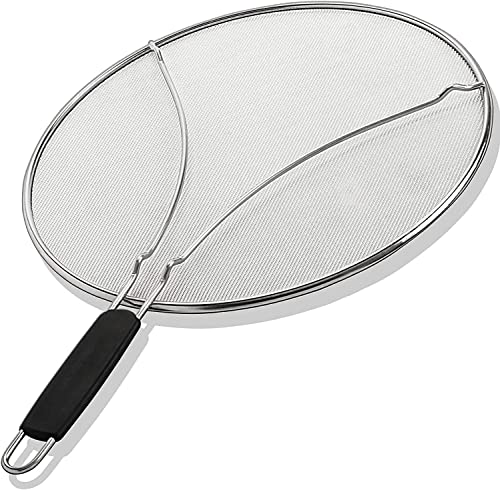
My Review: Oh yes! One of my biggest helpers in the kitchen is the splatter screen. You’ve probably seen in one of my videos where I have two round red spots on my hand. That was thanks to good old kitchen oil that popped from a hot pan. It was the day I didn’t use my splatter guard. Silly me. And that’s why it has become one of my must-haves. I got the 13-inch one to fit most of my pots and pans. Watch me use it in action while making my Butternut Squash Chicken Chili recipe. I gave this a four since I still get oil splatters, but in smaller droplets, and it prevents the big poppers! If you have a better solution, reply in the next newsletter.
My Review: This knife is well-made. Super solid and multi-functional. It is made with high-carbon steel, so it will not rust. Slicing meat, like fish, is easier with the grooves. It doesn’t stick to the knife. The handle has an excellent grip and isn't heavy. For some background, a Santoku is a versatile Japanese kitchen knife characterized by its straight edge and "sheepsfoot" blade, designed for precise slicing, dicing, and chopping. Its name means "three virtues," referring to its ability to handle meat, fish, and vegetables efficiently, making it a staple in both professional and home kitchens.
My Review: The boning knife is a solid, affordable option that performs exactly how you need it to. I bought it specifically for breaking down a whole chicken, and I love how sharp and lightweight it is. It makes trimming and deboning feel much more controlled and efficient. The German high-carbon stainless steel holds its edge well, and the pakkawood handle feels comfortable in the hand. I already own other PAUDIN knives, so I knew what to expect, and once again, they delivered great quality at a very reasonable price.

Recommended Reads
- Easy Spicy Creamy Coconut Mushroom Chicken with Rum
- Pan-Seared Sirloin Steak with Spicy Baharat Sauce
- Sesame Seed-Crusted Ahi Tuna with Spicy Sesame-Soy Sauce
- Jerk Steak Fajitas | Super Easy 30 Minute Meal
- Indoor Grilling Essentials: Best Tools for Smokeless Grilling at Home
101: Prepping the Chicken
A successful sear starts before the chicken ever touches the pan. Proper preparation helps create better browning, more even cooking, and a crisp, flavorful crust.
1. Pat the Chicken Dry
Use paper towels to remove as much surface moisture as possible. Moisture creates steam, and steam prevents browning. The drier the surface, the easier it is for the chicken to develop a golden crust.
2. Season the Chicken
Season the chicken evenly with salt, black pepper, and any additional spices you plan to use. Salt helps draw moisture toward the surface while also enhancing flavor. If you're using a seasoning blend that contains sugar, be aware that it may brown more quickly and require slightly lower heat.
3. Take the Chill Off
For best results, allow the chicken to sit at room temperature for about 10 to 15 minutes before cooking. This helps reduce the temperature difference between the chicken and the pan, making it easier to cook evenly.
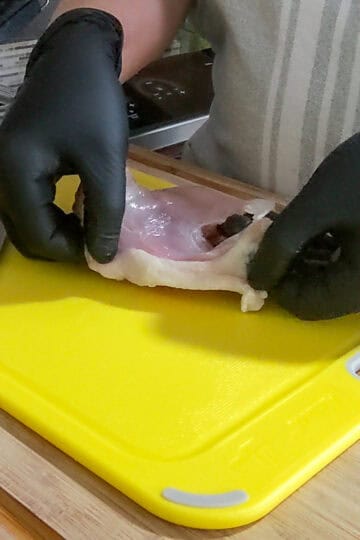
4. Trim Excess Fat and Loose Pieces
Remove any loose pieces of skin, excess fat, or thin hanging sections that could burn before the rest of the chicken finishes cooking. A clean, evenly shaped piece of chicken will sear more consistently.
5. Create an Even Thickness
If one end of the chicken breast is much thicker than the other, consider:
- Butterflying the chicken breast.
- Pounding it to an even thickness.
- Cutting large breasts into smaller portions.
Uniform pieces cook more evenly and are less likely to dry out. Read More: How to Butterfly Chicken Breasts.
Get Your Mise en Place Ready
Before heating the pan, make sure everything is within reach:
- Prepared chicken.
- High smoke point oil.
- Tongs.
- Instant-read thermometer.
- Resting plate.
Once the oil starts shimmering, focus on cooking, not on searching for equipment. Read more: Mise en Place 101: The Home Cook's Guide to Prepping Smarter, Not Harder.
Chef's Tip: One of the easiest ways to improve your searing results is to prep your chicken first, then leave it uncovered in the refrigerator for 30 minutes to an hour before cooking. The circulating air helps dry the surface, which can lead to even better browning and a crispier crust.
102: Heating the Oil
The temperature of your oil can make or break your sear. If the oil isn't hot enough, the chicken will steam rather than brown. If it's too hot, the outside can burn before the inside cooks properly.
1. Start with a Preheated Pan
Place your skillet over medium-high heat and allow it to preheat for 2 to 3 minutes before adding the oil. A properly heated pan helps create immediate contact between the chicken and the cooking surface, which is essential for developing a flavorful crust.
2. Add the Oil
Once the pan is hot, add enough oil to lightly coat the bottom of the skillet. You don't need a deep pool of oil. A thin, even layer is enough to help transfer heat and encourage browning.
3. Look for the Shimmer
As the oil heats, it will begin to look glossy and move more freely around the pan. When you swirl the skillet, the oil should flow easily and quickly across the surface. This is often called the shimmer stage, and it's one of the best visual indicators that the oil is ready.
4. Listen for the Sizzle
One of my favorite tests is to gently touch the edge of a piece of chicken to the oil.
You're listening for a strong, steady sizzle.
- No sizzle? The oil needs more time.
- Violent popping and excessive splattering? The oil may be too hot.
- Steady sizzling? You're ready to cook.
As you gain experience, you'll start recognizing the sound of a properly heated pan before you even place the chicken down.
5. What If the Oil Starts Smoking?
A small wisp of smoke can happen with very hot pans, but heavy smoking is a sign that the oil is too hot.
If this happens:
- Remove the pan from the heat.
- Allow it to cool slightly.
- Carefully wipe out any burned oil if necessary.
- Add fresh oil and try again.
Burned oil can leave bitter flavors on the chicken and make it harder to achieve an even sear. That's why you need a high-smoke-point oil. Learn more about these oils with healthy options to use.
Quick Reference Guide
| What You See | What It Means |
|---|---|
| Oil looks thick and sluggish | Not hot enough |
| Oil shimmers and moves easily | Ready for searing |
| Gentle steady sizzle | Ideal temperature |
| Heavy smoke | Too hot |
| Violent splattering | Heat may be too high or food may be wet |
Chef's Tip: One of the most valuable skills you can develop is learning to cook with your senses. Watch how the oil moves, listen to the sizzle, and pay attention to how the chicken reacts when it touches the pan. Over time, you'll rely less on exact timings and more on what the food is telling you.
103: Step-by-Step: How to Sear Chicken
Once your chicken is prepped and your oil is shimmering, the cooking process moves quickly. Follow these steps to create a golden-brown crust while keeping the inside juicy and flavorful.
1. Preheat the Pan
Place your skillet over medium-high heat and allow it to warm for 2 to 3 minutes before adding oil. A properly preheated pan helps the chicken begin browning immediately instead of sticking or steaming.
2. Add the Oil
Pour in just enough oil to lightly coat the cooking surface. Swirl the pan to distribute the oil evenly and wait until it reaches the shimmer stage before adding the chicken.
3. Place the Chicken in the Pan
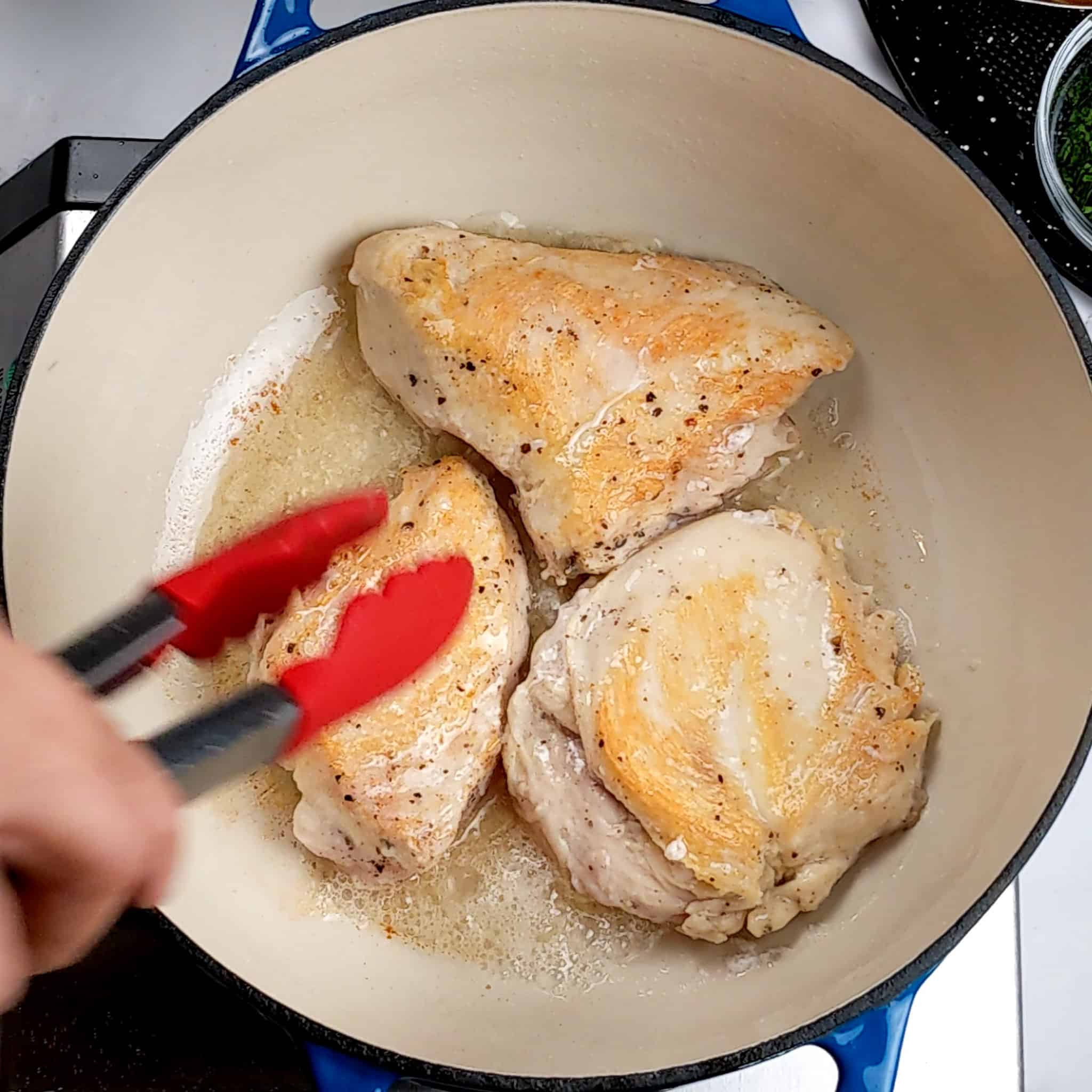
Lay the chicken presentation-side down, usually the smoother side. You should hear a steady sizzle when the chicken touches the pan. That sound is a good indicator that your oil and pan are at the proper temperature.
4. Leave It Alone
This is often the hardest part for home cooks. Allow the chicken to cook undisturbed for 3 to 5 minutes, depending on thickness. Moving it too soon can tear the developing crust and prevent proper browning.
5. Check for Natural Release
Before flipping, gently test the chicken with your tongs. If it sticks firmly to the pan, give it more time. When a proper crust has formed, the chicken will naturally release from the cooking surface with very little resistance.
6. Flip the Chicken
Turn the chicken over and continue cooking the second side. You should see a deep golden-brown crust on the first side.
7. Reduce the Heat if Needed
After flipping, reduce the heat to medium if the chicken is browning too quickly. This allows the center to cook through without burning the exterior.
8. Check the Internal Temperature
Cook until the thickest part of the chicken reaches an internal temperature of 165°F. An instant-read thermometer is the most reliable way to determine doneness.
9. Finish Thick Cuts in the Oven (Optional)
For thick chicken breasts or bone-in pieces:
- Sear both sides until golden brown.
- Transfer the skillet to a 375°F oven.
- Cook for 8 to 12 minutes, depending on thickness.
- Verify doneness with a thermometer.
Cast-iron and oven-safe stainless-steel skillets work especially well for this technique.
10. Rest Before Serving
Transfer the chicken to a plate or cutting board and let it rest for about 5 minutes before slicing. Resting allows the juices to redistribute throughout the meat, helping keep the chicken moist.
How Do You Know When Chicken Is Ready to Flip?
Look for these signs:
- Golden-brown edges form around the bottom.
- A steady sizzle rather than aggressive popping.
- The chicken releases naturally from the pan.
- The surface develops a visible crust.
If the chicken sticks, it's usually not ready yet. Give it another 30 to 60 seconds and test again.
Don't Be Discouraged
If your first few tries aren't picture-perfect, searing is one of those techniques that gets better with practice. One of the biggest mistakes I see is cooks trying to force the flip. The more you cook, listen, and observe, the more instinctive it becomes, and soon you'll recognize that perfect sizzle, when to flip to get that golden crust consistently.
Common Mistakes Recap
Even experienced cooks occasionally run into searing problems. The good news is that most issues can be traced back to heat, moisture, timing, or pan selection. Use this guide to troubleshoot common searing mistakes and improve your results the next time you cook.
My Chicken Isn't Browning
Possible causes:
- Pan wasn't hot enough.
- Oil wasn't hot enough.
- Chicken was too wet.
- Pan was overcrowded.
How to fix it: Pat the chicken dry, preheat the pan properly, wait for the oil to shimmer, and cook in batches if necessary.
My Chicken Keeps Sticking to the Pan
Possible causes:
- Trying to flip too early.
- Pan wasn't fully preheated.
- Uneven oil coverage.
How to fix it: Allow the chicken to cook longer before flipping. A properly formed crust will naturally release from the cooking surface.
My Chicken Burns Before It's Cooked Through
Possible causes:
- Heat is too high.
- Chicken pieces are uneven in thickness.
- Seasoning contains sugar.
How to fix it: Lower the heat after flipping, pound thicker portions to an even thickness, and save sweet glazes for later in the cooking process.
My Kitchen Fills With Smoke
Possible causes:
- Oil exceeded its smoke point.
- Pan is overheated.
- Excess fat is burning.
How to fix it: Choose a high-smoke-point oil, monitor the heat carefully, and trim excess fat before cooking.
My Chicken Is Dry
Possible causes:
- Overcooking.
- Not checking temperature.
- Skipping the resting period.
How to fix it: Use an instant-read thermometer and remove the chicken once it reaches 165°F. Allow it to rest for 5 minutes before slicing.
Chef's Tip: Every searing mistake is feedback. When something goes wrong, don't just move on. Ask yourself whether the issue was heat, moisture, timing, or equipment. The answer is usually one of those four things, and identifying it will help you become a more confident cook.
5 Quick Tips for a Perfect Sear
Your Cooking Tips Resource Guide - Become a better home cook with tips to help you cook more efficiently on the Cook's Notebook tab. Short on time? Keep these five chef-tested tips in mind whenever you're searing chicken:
- Dry Chicken Browns Better. Always pat the chicken dry with paper towels before cooking. Surface moisture creates steam, which prevents the golden-brown crust you're trying to achieve.
- Wait for the Oil to Shimmer. Adding chicken too early can lead to sticking and uneven browning. The oil should look glossy and move freely around the pan before you begin cooking.
- Let the Chicken Release Naturally. One of the biggest mistakes home cooks make is flipping too soon. When a proper crust forms, the chicken will release from the pan with minimal effort.
- Use a Thermometer Instead of Guessing. A golden crust doesn't always mean the inside is fully cooked. Check the thickest part of the chicken and cook until the internal temperature reaches 165°F.
- Rest Before Slicing. Allow the chicken to rest for about 5 minutes after cooking. This gives the juices time to redistribute throughout the meat, resulting in a more tender, flavorful dish.
Chef Tip: If you're learning to sear chicken, focus on mastering one thing first: patience. Most searing problems happen because cooks rush the process. A properly heated pan, dry chicken, and a few uninterrupted minutes are often all you need to create a beautiful crust.
Frequently Asked Questions
Here is a list of common questions I have answered. If you have any questions, please write them in the comments below.
The simplest test is the water droplet trick: flick a drop onto the pan. If it sizzles sharply and evaporates instantly, it's ready. You can also hover your hand a few inches above the surface; you should feel steady, radiant heat. Starting with a properly heated pan ensures your chicken sears rather than steams.
Absolutely, but be sure to pat off the excess marinade first. Too much liquid or sugar in the marinade can cause the chicken to burn before it browns. For best results, sear lightly, then finish cooking in the oven or reduce the marinade separately into a glaze.
Choose oils with a high smoke point to withstand the higher temperatures required for searing. Good options include: Avocado oil, Grapeseed oil, Canola oil, Peanut oil, Light olive oil. Save butter for the final minute of cooking. Butter adds rich flavor, but its milk solids can burn quickly during initial searing.
Yes, and it's one of my favorite methods for thick cuts. Once both sides are golden brown, transfer the pan to a preheated 375°F oven and cook until the internal temperature reaches 165°F. This combo method gives you the best of both worlds: a crisp crust and a juicy center.
Chicken usually sticks when it hasn't had enough time to develop a crust. Before flipping, look for: Golden-brown edges. A steady sizzling sound. And natural release from the pan. If the chicken is still sticking, give it another 30 to 60 seconds and try again. In most cases, patience solves the problem.
Let the pan cool slightly, then deglaze it with warm water while it's still warm (not hot). Use a wooden spoon to lift up any browned bits. This creates a quick pan sauce or makes cleaning easier. For cast iron, wipe it clean and re-oil lightly to maintain the seasoning.
Chicken usually steams instead of searing when there is too much moisture in the pan. This can happen if the chicken wasn't patted dry, the pan wasn't hot enough, or too many pieces were added at once. To encourage browning, dry the chicken thoroughly, preheat the pan properly, and cook in batches when necessary.
Yes, but the results may differ from those with stainless steel or cast iron cookware. Nonstick pans are excellent for preventing sticking and making cleanup easier, but they generally don't produce the same deep browning and crust development as stainless steel or cast iron. For the best sear, many chefs prefer stainless steel, cast iron, or enameled cast iron cookware.
What Does Deglaze Mean? It's when you loosen and dissolve the browned bits (fond) stuck to the bottom of a hot pan by adding liquid such as broth, wine, or water, to create a flavorful base for sauces. But here we use it to clean the pan.
Now that you've learned the fundamentals of searing chicken, continue building your kitchen confidence with more beginner-friendly cooking tutorials, food safety guides, equipment recommendations, and chef-tested techniques from my Cook's Notebook series.
Chicken Recipes
Now that you've learned how to build a flavorful golden-brown crust, it's time to put those searing skills into practice. Explore these chicken recipes to see how proper browning, temperature control, and pan-searing techniques can transform everyday ingredients into delicious meals.
- Kimchi Fried Rice Recipe | Simple Base You Can Build On
- Pan-Roasted Chicken and Andouille Sausage Gumbo
- Fresh Berry Apple Pecan Chicken Salad with Goat Cheese
- Braised Chicken | Mexican-Style with Roasted Tomato Sauce
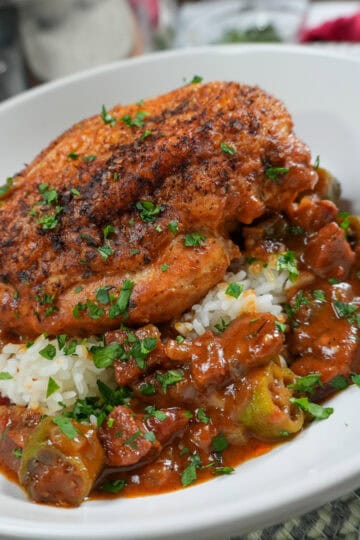
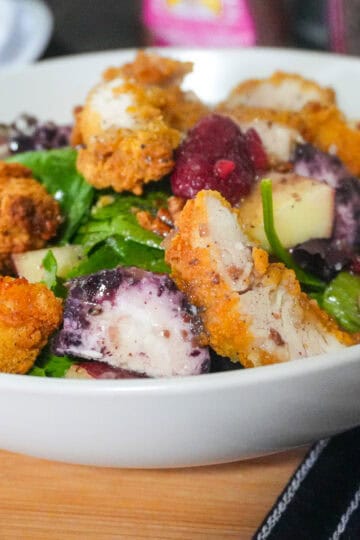
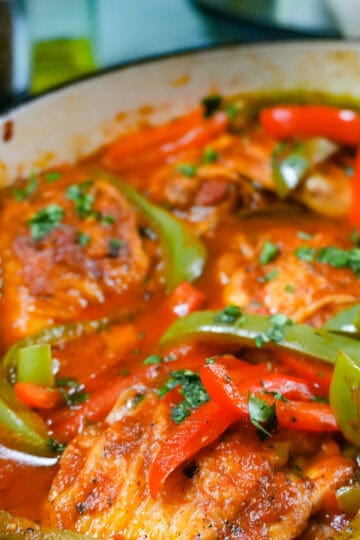
Every great meal starts with strong kitchen fundamentals. Browse more chef-tested tutorials covering food safety, ingredient preparation, knife skills, cooking techniques, and equipment guides designed to help home cooks build confidence one skill at a time.
Cooking Tips and Tutorials
If you found this tutorial helpful, you'll love my Cook's Notebook collection. From knife skills and flavor bases to time-saving tricks and essential equipment guides, this section is packed with chef-tested lessons to help you cook with confidence.
- Homemade Baby Food: How to Prep, Freeze & Build Easy Meals
- Summer Seasonal Produce: A Guide to Fruits and Vegetables in Season
- The Best Cooking Shows on Prime Video for Curious Home Cooks
- How to Trim Chicken: The Best Way to Prep Chicken Before Cooking

Subscribe to my YouTube Channel
SUBSCRIBE: 👈To my YouTube Channel to Get Notifications of New Videos.


Chef Maika Frederic-Liebman
Chef and Educator
Professionally trained Haitian-American chef Maika Frederic is the creator of Just Maika Cooking, where she shares globally inspired recipes, cooking techniques, ingredient guides, and food safety tips designed to help home cooks become more creative and confident in the kitchen. Combining years of professional culinary experience with a passion for teaching, she makes global flavors approachable through practical, accessible instruction for cooks of every skill level.
Have a Comment or Question?
If you have a question or comment about this post, please post it below. You will definitely get a quick response. It also helps our other readers to stay informed. Thanks!
Leave a Reply