


Learn how to tell when fish is done cooking using simple visual cues, the fork test, and the correct internal temperature for safe, moist, flaky fish. This home cook's guide breaks down fish doneness by texture, color, thickness, and fish type so you can stop guessing and start cooking seafood with confidence.
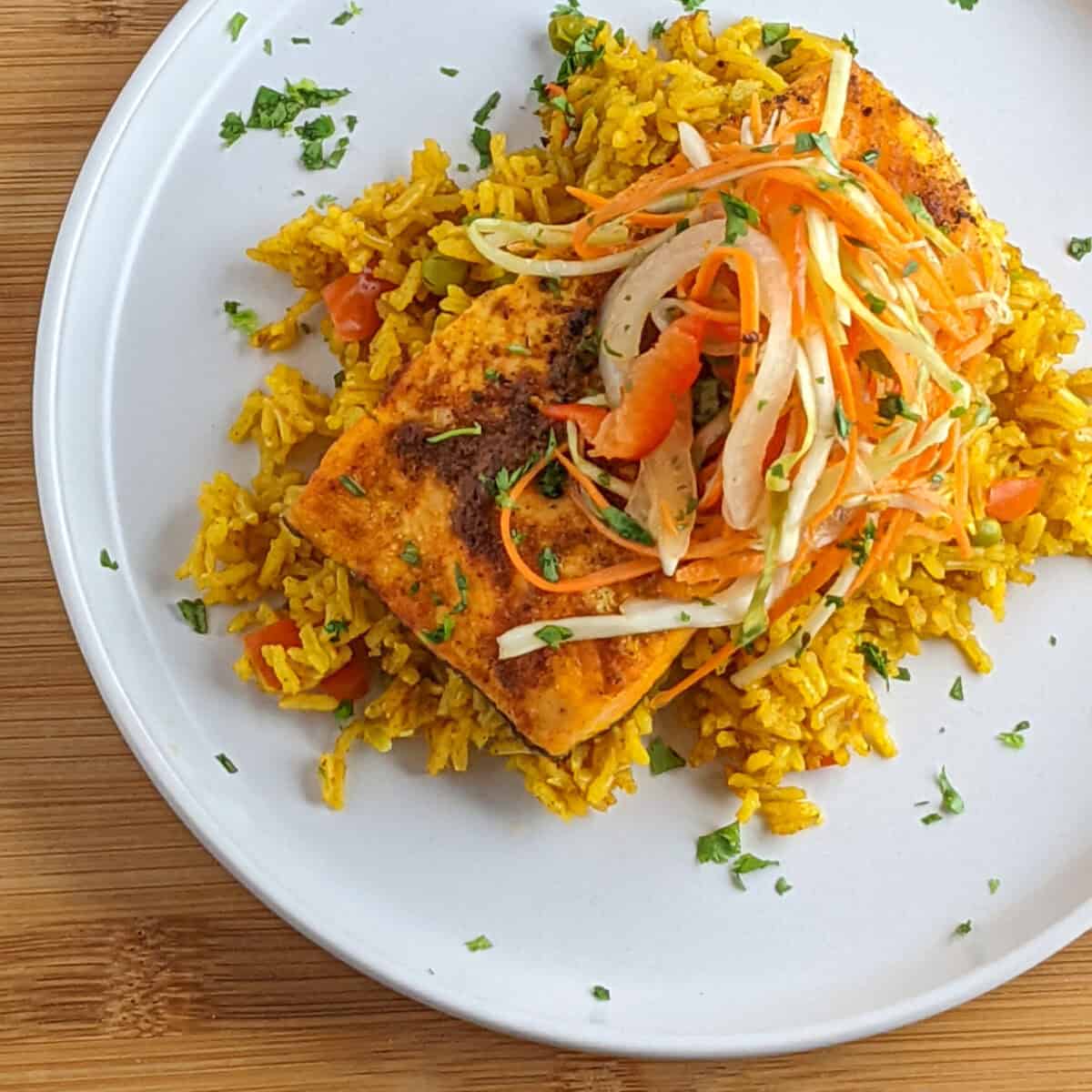
Table of Contents
Jump to:
- Fish Doneness Guide
- Quick Answer: How Do You Know When Fish Is Done Cooking?
- Quick Fish Doneness Tips Review
- Note From Chef Maika
- Why Learning Fish Doneness Matters
- The Best Ways to Tell When Fish Is Done Cooking
- Fish Doneness Temperature Guide
- Common Signs Your Fish Is Overcooked
- Common Mistakes When Cooking Fish
- Feeling Overwhelmed? Use This Guide as a Reference
- Fish-Specific Doneness Tips for Home Cooks
- Best Tools for Checking Fish Doneness
- Kitchen Tools I Use and Recommend
- Frequently Asked Questions
- Cooking Fish with Confidence
- Cooking Tips and Tutorials
- Related Seafood Recipes and Cooking Guides
- Have a Comment or Question?
Fish Doneness Guide
Cooking fish at home can feel intimidating, especially when you're trying to avoid dry, rubbery seafood or the risk of undercooking it. Unlike chicken or beef, fish cooks very quickly and can go from tender and flaky to overcooked in just a few minutes, making timing, temperature, and visual cues extremely important.
The good news is that learning how to tell when fish is done cooking becomes much easier once you understand a few key signs. Whether you're pan-searing salmon, roasting Atlantic cod, grilling tuna steaks, or air-frying trout, this guide will help you recognize perfectly cooked fish using texture, color, internal temperature, and simple chef-tested techniques like the fork test.

By the end of this guide, you'll feel more confident cooking seafood at home while following proper food safety guidelines for delicious results every time.
Quick Answer: How Do You Know When Fish Is Done Cooking?
Fish is done cooking when the flesh turns opaque, flakes easily with a fork, and reaches a safe internal temperature of 145°F in the thickest part of the fish according to food safety guidelines. Perfectly cooked fish should look moist and tender, not translucent or raw in the center, while still maintaining its natural flavor and delicate texture.
Quick Fish Doneness Tips Review
- Fish is generally done cooking at 145°F
- The flesh should look opaque, not translucent
- Properly cooked fish flakes easily with a fork
- Fish continues cooking after leaving the heat
- Overcooked fish becomes dry, rubbery, or chalky
- Thin fish fillets cook faster than thick cuts
- A meat thermometer removes guesswork
Note From Chef Maika
One of the biggest lessons I learned working with seafood is that fish keeps cooking even after you remove it from the heat. Many home cooks accidentally overcook fish because they wait until it looks completely finished in the pan. Learning to trust temperature, texture, and visual cues rather than relying solely on cooking time can help you make restaurant-quality seafood with much more confidence.
As a young cook back in the day, I dreaded seeing the white protein coagulation slowly push out of a beautiful salmon fillet because I knew it usually meant the fish was starting to overcook. Watching that happen taught me that fish is delicate and deserves proactive attention, patience, and careful heat control instead of aggressive cooking.
I was also highly influenced by Chef Eric Ripert's French poissonnier approach to seafood cookery, which completely opened my mind to the idea that fish deserves the same level of respect as any other protein. On a personal level, seafood was already deeply rooted in my family.
My grandmother grew up near the sea in Haiti before later living in the Bahamas, where fish was a major part of everyday cooking. From dried salted fish dishes and hearty soups to the raw seafood salads my mother loved growing up, seafood has always carried both cultural importance and culinary technique in my life.
Why Learning Fish Doneness Matters
Knowing how to properly check fish doneness can completely change the way you cook seafood at home. Many beginner home cooks either remove fish too early out of fear of overcooking it or leave it on the heat too long until it becomes dry and tough.
Understanding the right fish temperature, visual cues, and texture changes helps you cook seafood more confidently and consistently.
Better Texture and Flavor
Perfectly cooked fish should be moist, flaky, and tender. When fish is overcooked, the proteins tighten too much, making the flesh dry, chewy, and crumbly rather than delicate and buttery.
Improved Food Safety
Using proper fish-cooking temperatures helps reduce the risk of foodborne illness and harmful bacterial growth. This is especially important for people with weakened immune systems, pregnant women, children, and older adults.
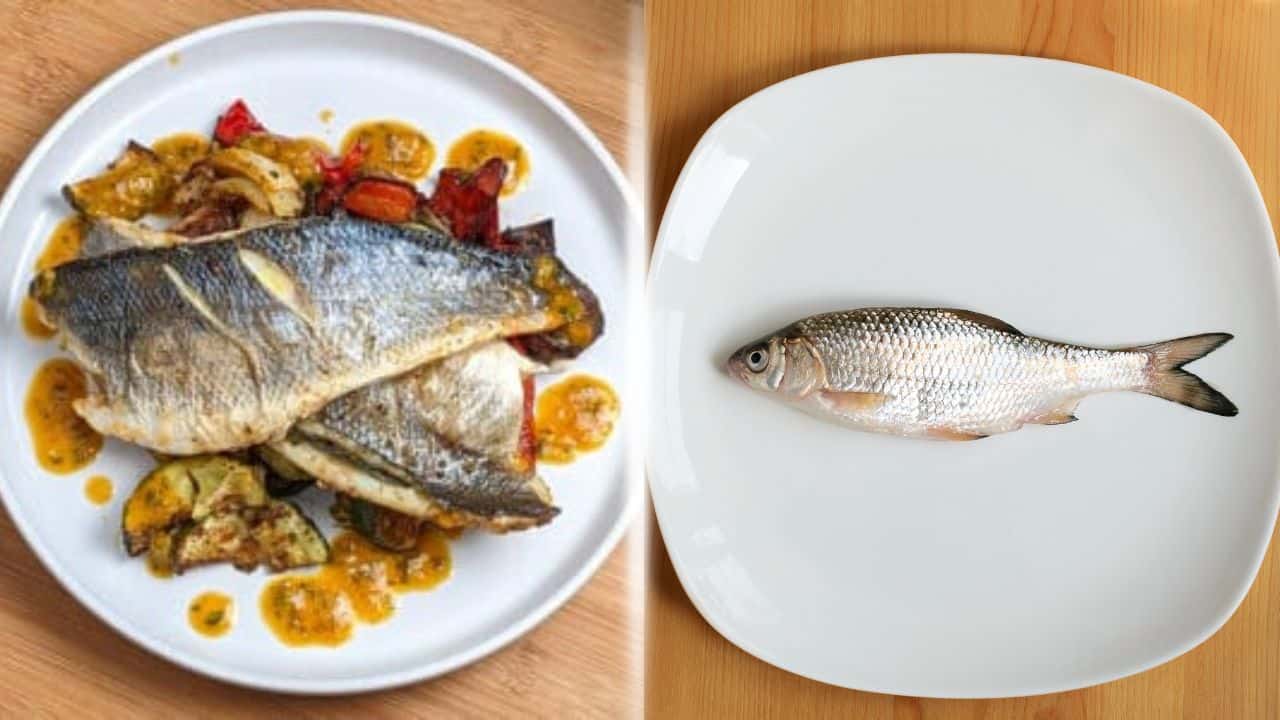
Different Fish Types Cook Differently
Thin white fish fillets like tilapia or Atlantic cod cook much faster than fattier fish like salmon or black cod. Learning how thickness, fat content, and cooking methods affect doneness helps prevent uneven cooking.
Prevents Guesswork
Simple methods like checking the thickest part of the fish with a meat thermometer or using the fork test take the stress out of cooking seafood. Once you understand the signs, you won't have to rely only on cooking times.
Helps You Cook Seafood More Often
Seafood can actually be one of the fastest proteins to prepare for busy weeknight meals. Understanding proper doneness makes cooking fish feel far less intimidating for beginner home cooks.
The Best Ways to Tell When Fish Is Done Cooking
There are several reliable ways to check fish doneness, and the best approach is usually a combination of temperature, texture, and visual cues instead of relying on time alone.
1. Check the Internal Temperature
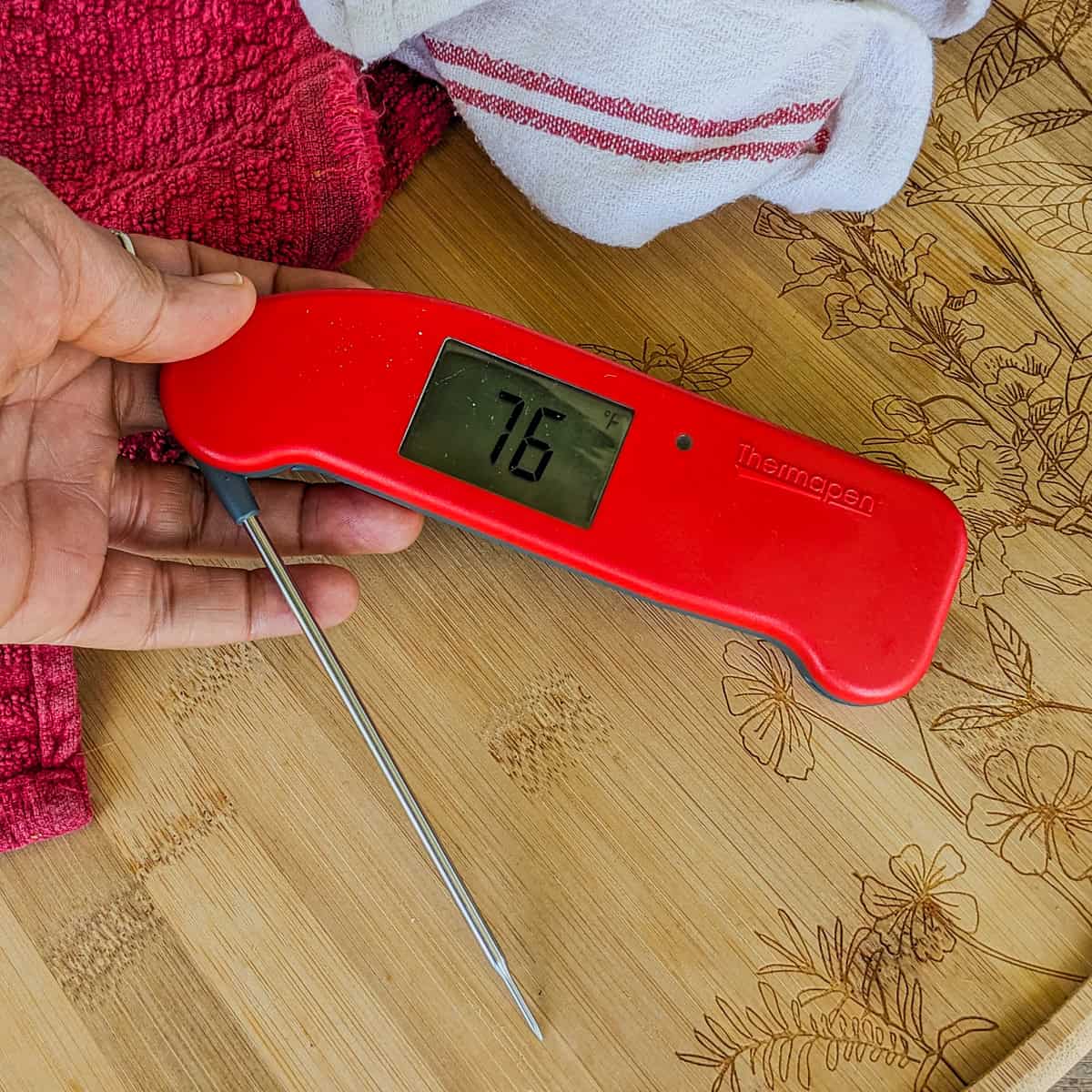
The safest and most accurate way to check fish doneness is with a meat thermometer or an instant-read thermometer. Insert the thermometer into the thickest part of the fish fillet without touching the pan or bones.
According to food safety guidelines, most fish should reach a safe internal temperature of:
- 145°F for fully cooked fish
- The fish should remain moist and flaky at this temperature
Some chefs prefer removing fish slightly earlier, around 135°F to 140°F, because carryover cooking from the external heat source continues cooking the fish after it leaves the pan or oven. This works best with high-quality, fresh fish that will rest before serving.
2. Look for Opaque Flesh
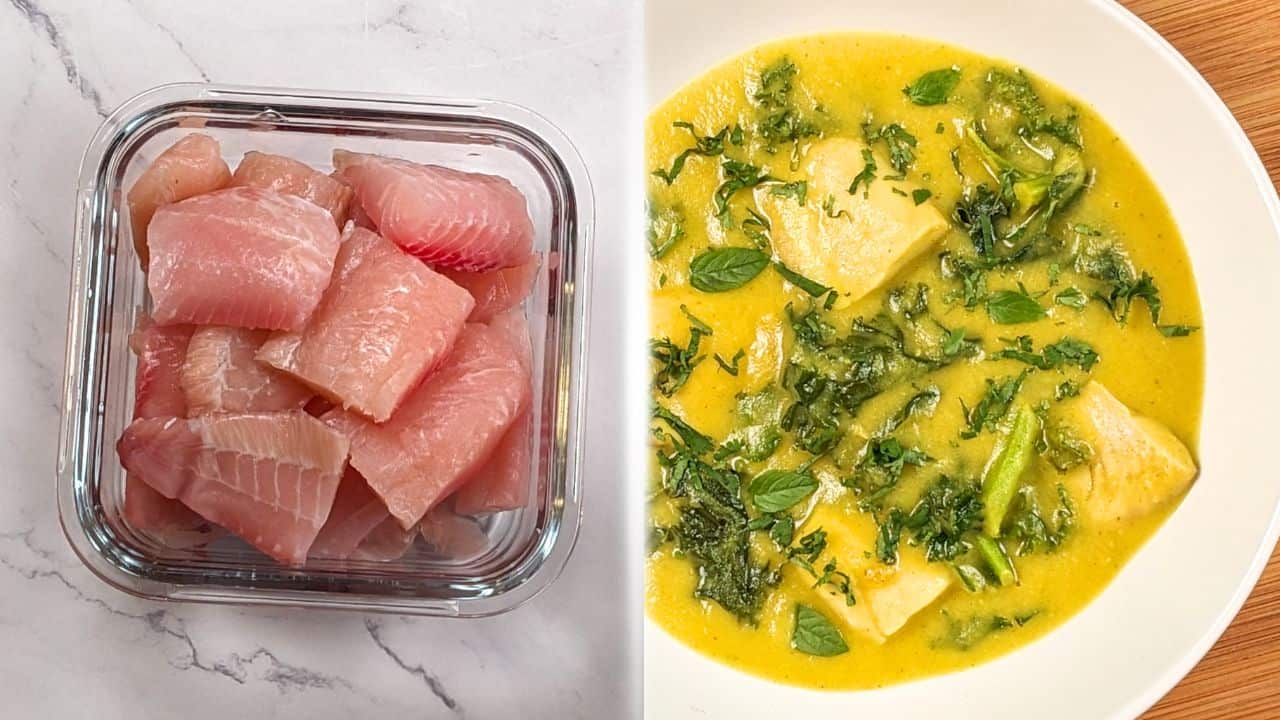
Raw fish usually appears translucent or glossy. As fish cooks, its flesh becomes more opaque.
For example:
- Salmon changes from translucent deep orange to a lighter, opaque pink
- White fish, like Atlantic cod, turns bright white and flakes apart easily
- Tuna steaks may still appear pink in the center, depending on the desired doneness
If the center still looks shiny and raw, the fish likely needs more cooking time.
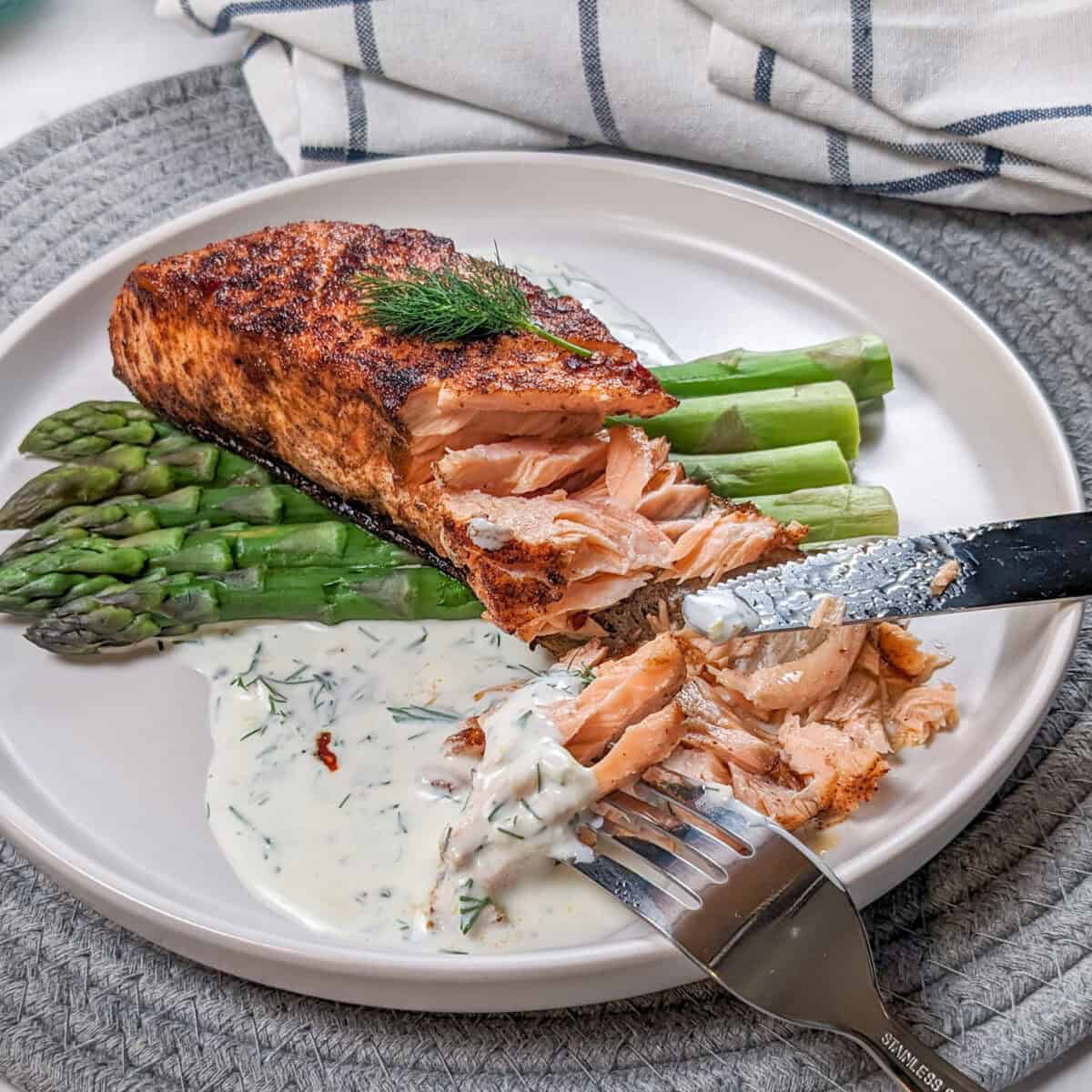
3. Use the Fork Test
The fork test is one of the most common visual methods for checking whether fish is perfectly cooked.
To test:
- Insert a fork into the thickest part of the fish
- Gently twist the fork
- The fish should separate into flakes easily without resistance
If the flesh feels rubbery or remains tightly compacted, it likely needs more cooking time.
4. Pay Attention to Texture
| Cooked fish should feel: | Overcooked fish often becomes: |
|---|---|
| Moist Tender Lightly firm Easy to flake | Dry Tough Chalky Stringy |
5. Watch the Thickest Part Carefully
The thickest part of the fillet cooks the slowest. Thin edges may finish earlier, especially with uneven fish fillets.
When cooking fish:
- Monitor the center closely
- Reduce the heat if the exterior cooks too quickly
- Consider lower temperatures for thicker cuts to promote even cooking
This is especially important for large salmon fillets, black cod, or thick tuna steaks.
Fish Doneness Temperature Guide
Using a meat thermometer is one of the most reliable ways to avoid undercooked or overcooked fish. Different types of fish can vary slightly in texture and ideal doneness, but this chart gives beginner home cooks a safe and practical starting point.
Salmon
Recommended Temperature: 125°F-145°F
Texture When Done: Moist, flaky, and tender
Chef Notes: Many chefs prefer cooking salmon at slightly lower temperatures for a softer, more buttery texture. Watch for white protein coagulation as a sign the fish may be overcooking.
Atlantic Cod
Recommended Temperature: 140°F-145°F
Texture When Done: Firm, opaque, and flaky
Chef Notes: A great beginner-friendly white fish that clearly changes from translucent to solid white as it cooks.
Black Cod
Recommended Temperature: 130°F-140°F
Texture When Done: Buttery, silky, and soft
Chef Notes: Its higher fat content helps keep the fish moist even at lower cooking temperatures.
Tilapia
Recommended Temperature: 140°F-145°F
Texture When Done: White, lean, and flaky
Chef Notes: Tilapia cooks very quickly, especially thin fillets, so monitor the thickest part carefully.
Trout
Recommended Temperature: 140°F-145°F
Texture When Done: Tender with delicate flakes
Chef Notes: Thin tail sections can overcook before the center finishes cooking.
Tuna Steak
Recommended Temperature: 115°F-145°F
Texture When Done: Rare to fully cooked, depending on preference
Chef Notes: Tuna is often intentionally served rare or medium-rare in the center when using sushi-grade fish.
Mahi-Mahi
Recommended Temperature: 140°F-145°F
Texture When Done: Firm and flaky
Chef Notes: Overcooking can quickly dry out this lean fish.
Halibut
Recommended Temperature: 130°F-140°F
Texture When Done: Firm yet moist
Chef Notes: Thick halibut fillets benefit from gentler heat for even cooking.
Snapper
Recommended Temperature: 140°F-145°F
Texture When Done: Moist and flaky
Chef Notes: Excellent for roasting, grilling, or pan-searing whole or filleted.
Shrimp
Recommended Temperature: 120°F-135°F
Texture When Done: Pink and slightly firm
Chef Notes: Shrimp cook extremely fast and become rubbery when overcooked.
Chef's Tip: Fish continues cooking from residual heat after being removed from the pan, oven, grill, or air fryer. For thicker fish fillets, consider removing them slightly before the final temperature and letting carryover cooking finish the cooking naturally.
Important: Consuming raw seafood poses food safety risks and should be prepared only from properly sourced, handled, and stored fish. Learn more about prepping and cooking fish.
Common Signs Your Fish Is Overcooked
Overcooked fish is one of the most common problems beginner home cooks face when preparing seafood. Because fish cooks so quickly, even an extra minute or two over the heat can dramatically change the texture and flavor.
Dry and Chalky Texture
Perfectly cooked fish should feel moist and tender. Overcooked fish often becomes dry, chalky, or crumbly because too much moisture has been pushed out during cooking.
Excessive White Protein on Salmon
That white substance that sometimes appears on cooked salmon is called albumin, a protein that coagulates and rises to the surface during cooking. A small amount is normal, but excessive albumin usually means the salmon was exposed to high heat or cooked too long.
Tough or Rubbery Flesh
Fish should flake apart gently. If it feels tough, chewy, or rubbery when using the fork test, it has likely overcooked.
Strong Fishy Smell
Freshly cooked fish should smell mild and clean. Overcooking can intensify strong fishy odors and negatively affect the natural flavors of the seafood.
Splitting or Cracking
When fish becomes too dry, the flesh may visibly crack or separate aggressively rather than gently flake.
Curled Shrimp
Shrimp naturally curl while cooking, but tightly curled shrimp usually indicate overcooking. Properly cooked shrimp should form a loose "C" shape rather than a tight "O" shape.
Burnt Exterior Before the Center Cooks
This usually happens when cooking fish at too high a heat. Lower temperatures and gentler cooking methods often help thicker fish cook more evenly.
Common Mistakes When Cooking Fish
Even experienced home cooks can struggle with seafood because fish is far more delicate and time-sensitive than many other proteins. Understanding these common mistakes can help you cook fish more confidently and consistently.
Cooking Straight From the Refrigerator
Ice-cold fish placed directly into a hot pan can cook unevenly. Letting fish sit at room temperature for about 10 to 15 minutes before cooking can promote more even cooking while still following food safety best practices.
Not Patting the Fish Dry
Excess moisture prevents proper browning and can lead to steaming rather than searing. Use paper towels to gently pat fish fillets dry before seasoning and cooking.
Using Heat That Is Too High
Very high heat may burn the exterior before the thickest part of the fish reaches the correct internal temperature. Delicate seafood often benefits from medium or medium-low heat, depending on the cooking method.
Constantly Flipping the Fish
Fish can easily break apart if moved too much. Allow it to naturally release from the pan before flipping to help maintain structure and develop better color.
Relying Only on Cooking Time
Cooking time varies based on:
- Thickness of the fish
- Type of fish
- Cooking method
- Starting temperature
- Pan material
- Oven temperature
Instead of relying only on minutes, use visual cues, texture, and a meat thermometer.
Overcrowding the Pan
Too many fish fillets in one pan lowers the surface temperature and creates steam. This prevents good browning and can lead to uneven cooking.
Ignoring Carryover Cooking
Fish continues cooking after being removed from the external heat source. Removing fish slightly before the final temperature can help prevent overcooked fish.
Using Old or Poor-Quality Seafood
Fresh fish should smell clean and mild, never strongly fishy. Poor-quality seafood can negatively affect both texture and flavor, even if cooked correctly.
Feeling Overwhelmed? Use This Guide as a Reference
If this feels like a lot of information all at once, don't worry. Seafood cookery takes practice, and even professional cooks continue to learn how different fish respond to heat, timing, and cooking methods.
Think of this guide like a kitchen reference book rather than something you need to memorize from beginning to end.
Bookmark it and return to specific sections whenever you run into a question, challenge, or new type of fish you want to cook. Over time, you'll naturally start recognizing visual cues, texture changes, and proper doneness with much more confidence.
Fish-Specific Doneness Tips for Home Cooks
Different types of fish behave differently during cooking because of their fat content, thickness, texture, and natural moisture levels. Understanding these differences can help you avoid overcooking and improve your confidence when preparing seafood at home.
Salmon
Salmon is a fattier fish that stays moist more easily than lean white fish. It can be cooked to different levels of doneness depending on personal preference.
Best Signs of Doneness:
- Opaque pink color
- Flakes easily with gentle pressure
- Slightly translucent center for medium doneness
Common Mistake:
Cooking over very high heat until large amounts of white albumin appear.
Atlantic Cod
Cod is one of the easiest white fish for beginners because the flesh visibly changes as it cooks.
Best Signs of Doneness:
- Bright opaque white color
- Large flaky sections
- Firm but moist texture
Common Mistake:
Overbaking until dry and stringy.
Tuna Steak
Tuna is unique because it is often intentionally served rare or medium-rare in the center.
Best Signs of Doneness:
- Seared exterior
- Pink or red center, depending on preference
- Tender texture without dryness
Common Mistake:
Cooking tuna fully through, like traditional white fish, can make it dry and tough.
Trout
Trout is delicate and cooks quickly, especially thinner tail sections.
Best Signs of Doneness:
- Flesh separates easily from the skin
- Moist flaky texture
- Opaque center
Common Mistake:
Leaving the thinner edges over direct heat too long.
Halibut
Halibut is thick and lean, making it easy to overcook if exposed to aggressive heat.
Best Signs of Doneness:
- Firm but still moist center
- Gentle flaking
- Slight resistance when pressed
Common Mistake:
Using heat that is too high, causing dry outer layers before the center finishes cooking.
Shrimp
Shrimp cook extremely fast and should be monitored closely.
Best Signs of Doneness:
- Pink exterior
- Opaque center
- Loose "C" shape curl
Common Mistake:
Cooking until tightly curled and rubbery.
Best Tools for Checking Fish Doneness
Having the right kitchen tools can make cooking seafood much less stressful, especially for beginner home cooks who are learning how quickly fish can go from perfectly cooked to overdone.
Instant-Read Meat Thermometer
An instant-read thermometer is one of the most reliable tools for checking the internal temperature of fish. It helps remove guesswork and improves food safety.
Best For:
- Thick salmon fillets
- Tuna steaks
- Whole fish
- Halibut and cod
- Air fryer or grilled seafood
Chef's Tip: Insert the thermometer into the thickest part of the fish, avoiding bones and the cooking surface for the most accurate reading.
Fish Spatula
A fish spatula has a thin, flexible edge that slides under delicate seafood without tearing it.
Best For:
- Pan-seared fish
- Delicate white fish
- Crispy skin salmon
- Whole fish fillets
Cast Iron Skillet
Cast iron holds heat well and helps create an even sear on fish when properly preheated.
Best For:
- Salmon
- Tuna steaks
- Blackened fish
- Skin-on seafood recipes
Chef's Tip: Make sure the pan is properly heated before adding fish to prevent sticking.
Nonstick Skillet
Nonstick pans can be helpful for beginners because delicate fish fillets release more easily.
Best For:
- Thin white fish
- Tilapia
- Trout
- Low-fat fish varieties
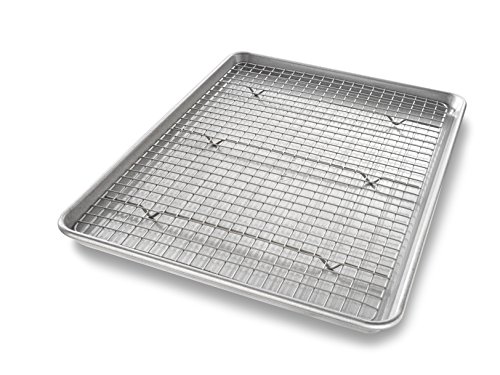
Baking Sheet and Wire Rack
Using a wire rack allows hot air to circulate around the fish for more even roasting.
Best For:
- Batch cooking seafood
- Oven-baked fish
- Large fillets
Paper Towels
Paper towels may seem simple, but properly drying fish before cooking dramatically improves browning and texture.
Best For:
- Pan-searing
- Grilling
- Crispy skin fish recipes
- Preventing steaming during cooking
Kitchen Tools I Use and Recommend
These are some of the kitchen tools I use that make cooking faster and easier. If you're building your kitchen setup or upgrading your tools, these are great places to start. More Kitchen Must-Haves - Find other tools I use here.
America's Test Kitchen - Winner
My Review: The Thermapen ONE by ThermoWorks is my go-to kitchen thermometer - simple, fast, and incredibly precise. It delivers accurate readings in just one second, making it perfect for everything from meats to baked goods. I love that it's waterproof, has a rotating backlit display, and turns on automatically when you unfold the probe. America's Test Kitchen voted it its top thermometer. It comes with a 5-year warranty and a NIST-traceable calibration certificate, so you can trust it as a must-have tool for any cook.
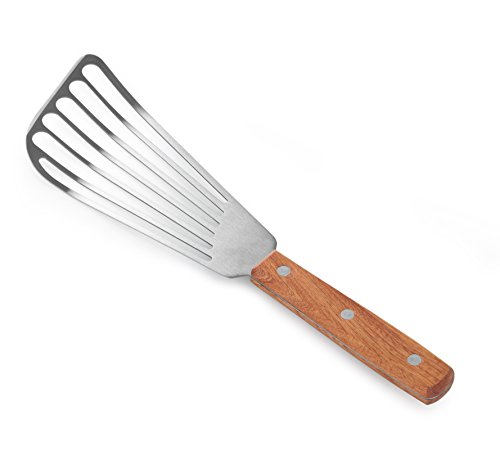
My Recommendation: The New Star Foodservice Wood Handle Fish Spatula is very similar to a fish spatula I’ve personally used for years, which is why I feel comfortable recommending it. I also like that it comes from a smaller business and is the type of kitchen tool most home cooks will keep for a long time, rather than constantly replace. In my opinion, a fish spatula is an important kitchen staple because its super-thin, angled blade slides under delicate fish without tearing it. The wide surface also helps support the fish while flipping, making it much easier to handle fragile fillets with confidence. Plus, it's at a reasonable price. If you want a household brand name, I'd suggest getting the OXO Good Grips Stainless Steel Fish Turner for a couple of bucks more.
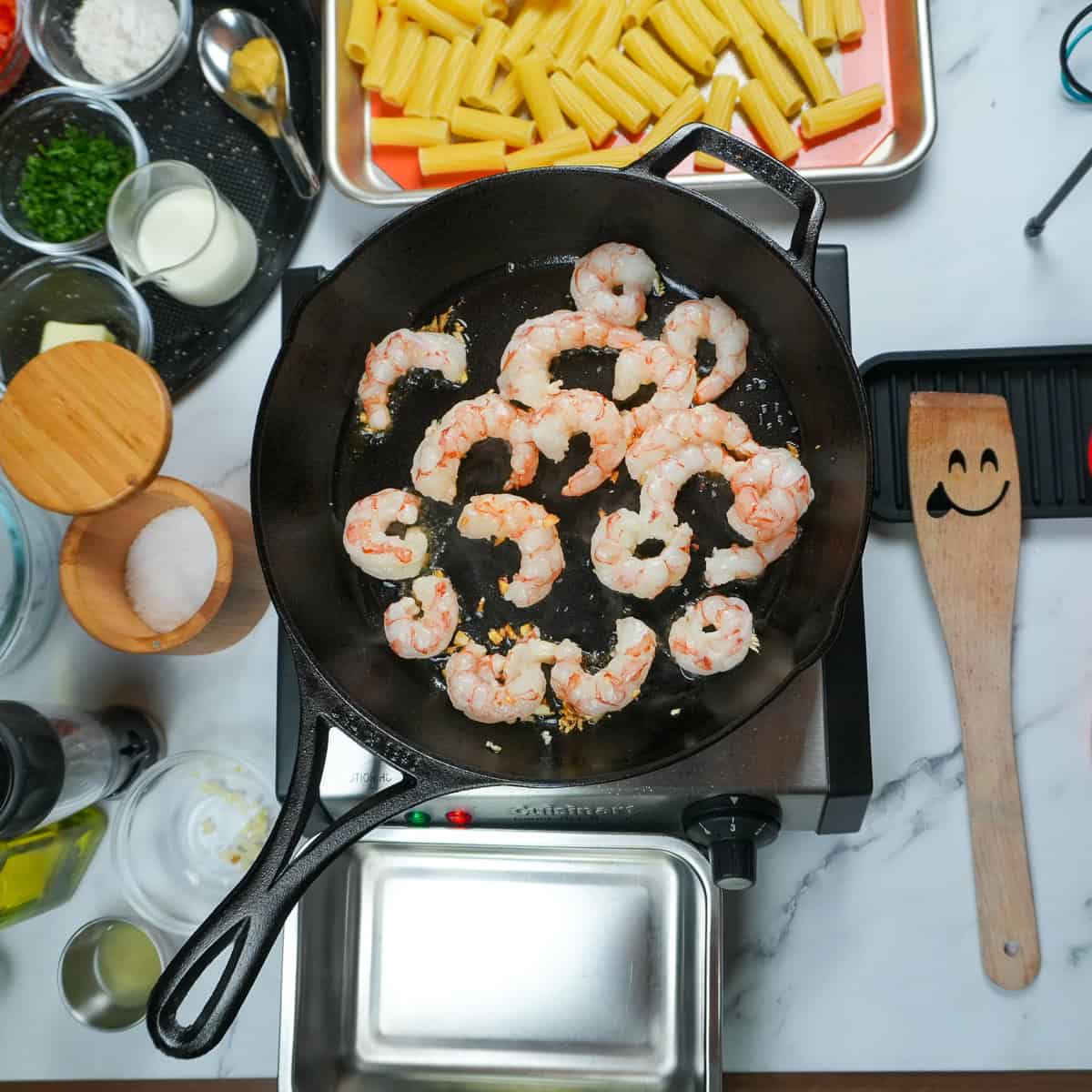
My Review: The Lodge Blacklock 10.25" Triple Seasoned Cast Iron Skillet has quickly become one of my favorite pieces of cookware. I’m especially impressed by how lightweight it feels compared to traditional cast iron, making it easy to maneuver while cooking and serving. The clean, smooth finish not only looks sleek but also delivers reliable nonstick performance, making cleanup simple. It’s a premium skillet that combines classic durability with a modern design upgrade I truly appreciate.
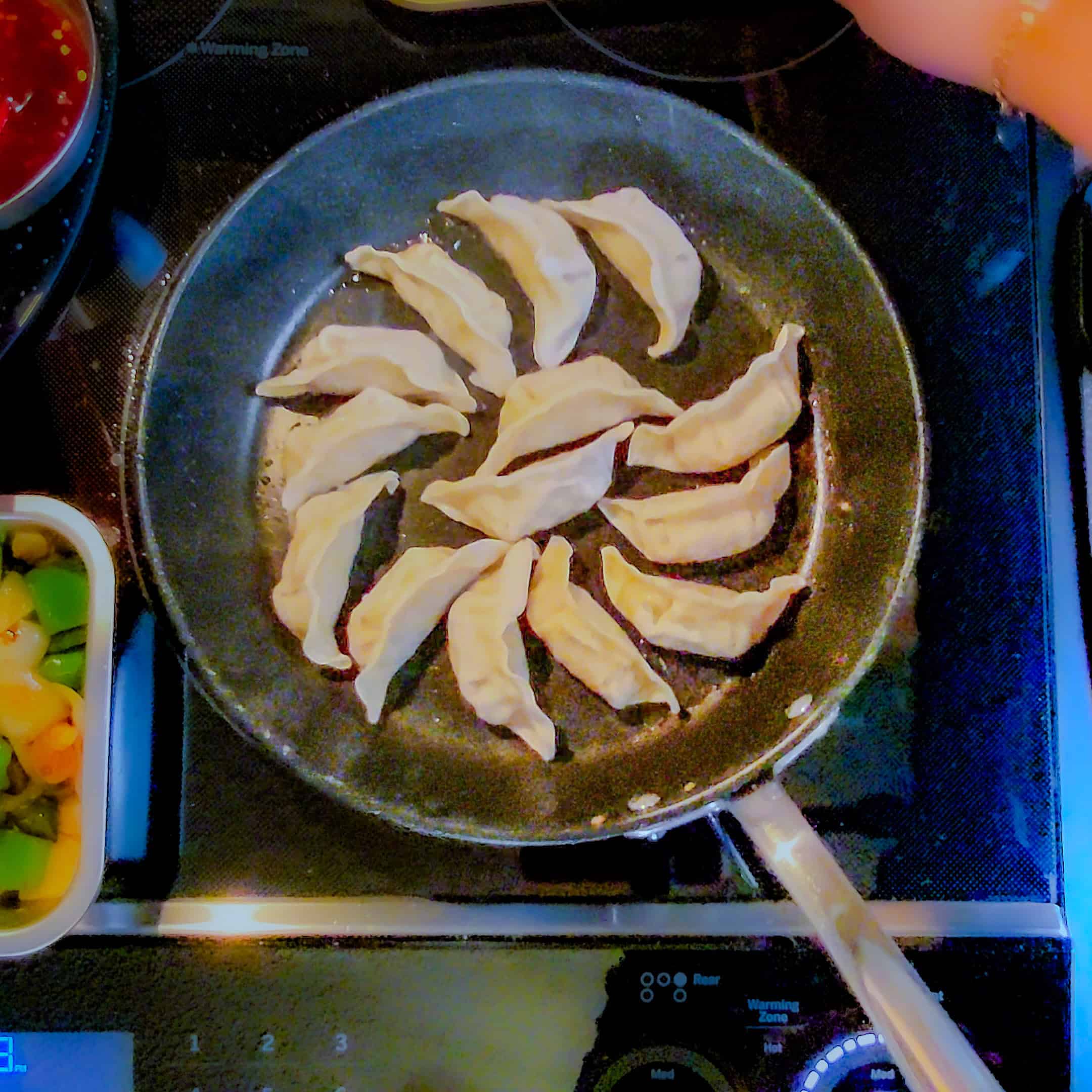
My Review: I absolutely love my All-Clad HA1 Hard Anodized Nonstick Fry Pans! I have two essential sizes, and they make cooking so much easier. The larger pan is perfect for dishes like chicken cutlets or stir-fries, while the smaller one is ideal for delicate tasks like making sauces, frying potstickers, or whipping up egg dishes. I’ve been a loyal All-Clad fan for years. They’ve been my go-to brand since my time working in commercial kitchens. Their durability and performance are unmatched, and I love that they’re USA-made and have been around for so long. These pans are no exception; they heat evenly, clean up effortlessly, and are incredibly reliable.
My Review: The USA Pan Bakeware Half Sheet Baking Pan and Nonstick Cooling Rack Set is such a smart buy, it’s incredibly convenient to have both the pan and rack come together as a set. You never know when you’ll need the rack for roasting, cooling, or glazing, and having it perfectly fitted to the pan saves so much time and hassle. The pan itself is super sturdy with excellent heat distribution, and the nonstick rack makes cleanup a breeze. I’ve used it for everything from baking cookies to roasting vegetables and even draining fried foods. It’s one of those kitchen upgrades that just makes life easier.
Frequently Asked Questions
Here is a list of common questions I have answered. If you have any questions, please write them in the comments below.
Most fish should reach a safe internal temperature of 145°F in the thickest part of the fish according to food safety guidelines. The flesh should also appear opaque and flake easily with a fork.
Yes, some fish, like salmon and tuna, can still appear slightly pink in the center depending on the type of fish and desired doneness. Tuna steaks are commonly served rare or medium-rare when prepared using high-quality seafood.
The white substance is called albumin, a protein that coagulates during cooking. A small amount is normal, but excessive albumin usually means the salmon was cooked at too high a temperature or for too long.
Yes. The fork test is one of the easiest visual methods for checking fish doneness. Properly cooked fish should gently flake apart when a fork is inserted into the thickest part of the fillet.
Undercooked fish often appears translucent, glossy, or raw in the center and may resist flaking. Using a meat thermometer is the safest way to confirm proper doneness.
Fish contains less connective tissue than many other proteins, making it naturally delicate and fast-cooking. Thin fish fillets can sometimes fully cook in just a few minutes.
Yes. Allowing fish to rest for a few minutes helps the cooking finish gently and allows juices to redistribute throughout the seafood.
Some fish are prepared for raw consumption, such as sushi-grade salmon or tuna, but proper sourcing, handling, and freeze-thaw safety standards are extremely important to reduce the risk of harmful pathogens and foodborne illnesses.
Atlantic cod, salmon, and tilapia are often considered beginner-friendly fish because their texture changes are easier to recognize during cooking.
Fish may fall apart if flipped too early, overcooked, or handled too aggressively. Allowing the fish to naturally release from the pan before flipping can help maintain structure.
Cooking Fish with Confidence
Learning how to tell when fish is done cooking takes practice, but it becomes much easier once you understand the relationship between temperature, texture, moisture, and visual cues. The more seafood you cook, the more naturally you'll begin recognizing signs like opaque flesh, gentle flaking, and proper firmness without second-guessing yourself.
Remember that fish is delicate and deserves attention throughout the cooking process. Small adjustments in heat, timing, and handling can make a major difference between dry overcooked seafood and a moist, flavorful chef-worthy dish.
Whether you're pan-searing salmon, roasting Atlantic cod, grilling tuna steaks, or experimenting with new seafood recipes, use this guide as a trusted kitchen reference whenever you need it.
Cooking fish at home doesn't have to feel intimidating. With patience, practice, and a better understanding of fish doneness, you'll build confidence one fillet at a time.
Cooking Tips and Tutorials
If you found this tutorial helpful, you'll love my Cook's Notebook collection. From knife skills and flavor bases to time-saving tricks and essential equipment guides, this section is packed with chef-tested lessons to help you cook with confidence.
- Seasonal Produce Guide: What Fruits and Vegetables Are in Season?
- How to Roast Food: The Fundamental Principles of Roasting
- 2026 Fall Seasonal Produce Guide: Fruits and Vegetables to Enjoy This Season
- Indian Cooking Techniques That Changed How I Think About Food
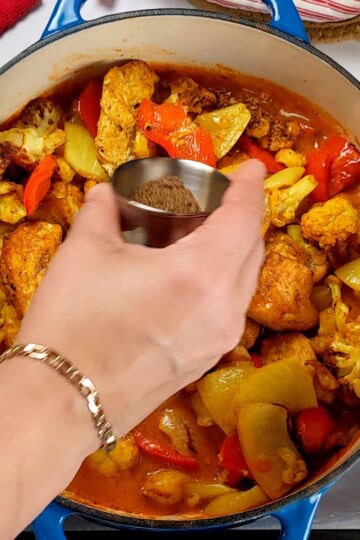
Related Seafood Recipes and Cooking Guides
Ready to practice your seafood cooking skills? Here are a few beginner-friendly recipes and seafood guides that can help you apply the techniques from this fish doneness guide in real kitchen situations.
Beginner-Friendly Seafood Recipes
- Air Fryer Rainbow Trout
- Calabrian Pepper Salmon with Creamy Lemon Dill Sauce
- Haitian Spaghetti with Shrimp
- Seafood Neoguri with Mushrooms, Spinach, and Egg
- Sweet Gochujang Salmon Bowls
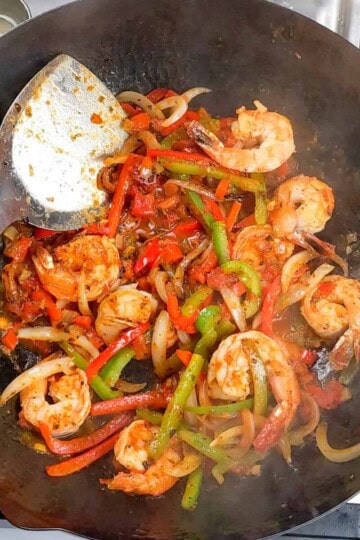
- Shrimp Fajitas
Every type of seafood cooks a little differently, so don't be discouraged if it takes a few tries to find your rhythm. Over time, you'll naturally begin recognizing the signs of perfectly cooked fish with much more confidence.
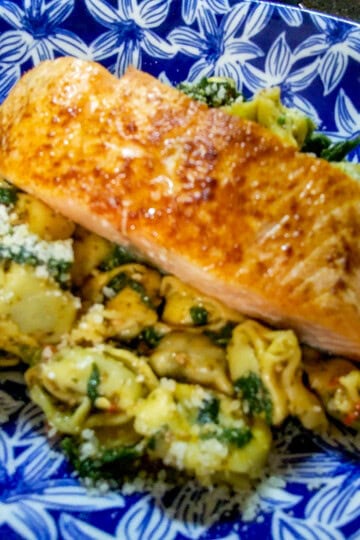
- Air Fryer Salmon with Spicy Pesto Spinach Tortellini
- Gourmet Global Shrimp Recipes to Expand Your Dinner Rotation
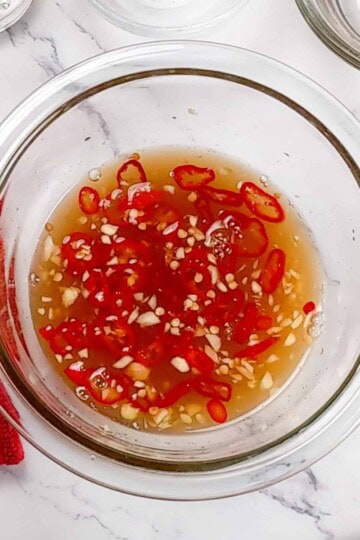
- Spicy Nuoc Cham Sauce (Vietnamese Fish Dipping Sauce)
- Grilled Lemon Oregano Dressing & Vinaigrette Recipe
Subscribe to my YouTube Channel
SUBSCRIBE: 👈To my YouTube Channel to Get Notifications of New Videos.


Chef Maika Frederic-Liebman
Chef and Educator
Professionally trained Haitian-American chef Maika Frederic created Just Maika Cooking, where she shares globally inspired recipes, cooking techniques, ingredient guides, and food safety tips to help home cooks become more creative and confident in the kitchen. Combining years of professional culinary experience with a passion for teaching, she makes global flavors approachable through practical, accessible instruction for cooks of every skill level.
Have a Comment or Question?
If you have a question or comment about this post, please post it below. You will receive a prompt response. It also helps our other readers to stay informed. Thanks!
Leave a Reply