


Welcome to my essential guide on prepping fish at home, where you'll learn simple preparation techniques, knife skills, seafood safety tips, and the best ways to prepare different types of fish before cooking. Whether you're working with whole fish, delicate fish fillets, lean fish like cod, or oily fish like salmon, this guide will help you feel more confident handling fresh fish in your own kitchen.
In this Cook's Notebook tutorial from Just Maika Cooking, I'll walk you through beginner-friendly fish preparation methods, including drying fish properly with paper towels, removing the skin, checking for bones, creating slits for crispy skin, and choosing the right cooking method for good results. You'll also find seafood shopping tips, fish cooking guidance, and chef-tested techniques to help you create flavorful fish meals with confidence.
Table of Contents
Jump to:
- How Do You Prep Fish Before Cooking?
- Essential Fish Prep Steps Before Cooking
- Safe Fish Handling Tips
- Should You Rinse Fish Before Cooking?
- How to Remove Fish Skin
- How to Create Slits in Fish
- Why Creating Slits in Fish Helps Cooking
- Why Drying Fish Before Cooking Matters
- Watch How to Sear Fish
- How to Buy Fresh Fish at the Grocery Store
- How to Buy Fresh Salmon (Pictures)
- Salmon Recipes
- Types of Fish and the Best Cooking Methods
- Common Fish Prep Mistakes to Avoid
- Beginner Fish Cooking Tips for Better Results
- Sustainable Seafood Tips for Home Cooks
- Equipment You'll Need (With Alternatives)
- Kitchen Tools I Use and Recommend
- Frequently Asked Questions
- Cooking Tips and Tutorials
- Fish Recipes to Practice Your Skills
- Leave a Comment or Ask a Question
How Do You Prep Fish Before Cooking?
Prepping fish before cooking starts with checking it for scales, excess moisture, and any remaining bones, then choosing your cooking method. Whether you are working with whole fish or fish fillets, proper preparation helps create crispy skin, even cooking, better flavor absorption, and safer handling of raw fish.
To prep fish properly, pat it dry with clean paper towels, inspect for pin bones, trim any unwanted sections, and season according to the type of fish and the recipe. Some fish may also benefit from simple preparation techniques, such as making slits in the skin, marinating in lemon juice and fresh herbs, or briefly bringing the fish closer to room temperature before cooking for more even results.
Essential Fish Prep Steps Before Cooking
Learning how to prep fish properly is one of the simplest ways to improve the texture, flavor, and overall quality of your fish meals. Whether you are pan-searing lean fish, roasting whole fish, or preparing oily fish for high-heat applications, these preparation steps help create good results every time.
Check the Fish for Scales and Bones
Before cooking fish, inspect the flesh carefully for any remaining scales or bones. Whole fish may need to be scaled with a fish scaler, while fish fillets like salmon or trout may still contain small pin bones that should be removed with tweezers or clean kitchen pliers.
Pat the Fish Dry
Fresh fish often contains excess moisture, especially after thawing frozen fish or rinsing under cold water. Use clean paper towels to gently pat the surface dry before seasoning. Dry fish develops better crispy skin, browns more evenly, and helps seasoning stick properly during cooking.
Remove the Skin if Needed
Depending on the cooking method, you may want to remove the skin before cooking fish. Some recipes benefit from skin-on cooking for crispy texture, while others work better with skinless fillets. Use a sharp knife and steady pressure to carefully separate the skin from the flesh.
Create Slits for Even Cooking
For thicker cuts or whole fish, shallow slits help heat penetrate more evenly and allow marinades, lemon juice, fish sauce, fresh herbs, white wine, or spices to absorb deeper into the flesh. This technique can also help prevent curling during medium- to high-heat cooking.
Portion the Fish Properly
Cut the piece of fish into evenly sized portions for consistent cooking time and more accurate internal temperature control. Smaller fillets cook quickly over medium heat, while meatier fish may require lower-temperature roasting or longer cooking times.
Season Based on the Type of Fish
Different types of fish respond differently to seasoning and heat. Lean fish usually pairs well with lighter flavors like lemon juice and fresh herbs, while oily fish can handle stronger marinades, black pepper, spice blends, and higher-heat cooking methods.
Safe Fish Handling Tips
Proper seafood handling is essential when working with raw fish at home. Fresh fish is an excellent source of lean protein, but it must be stored, thawed, and prepared correctly to maintain quality, texture, and food safety.
Keep Fish Cold Until Ready to Prep
Store fresh fish in the coldest part of the refrigerator and avoid leaving it at room temperature for extended periods. If using frozen fish, thaw it overnight in the refrigerator or under cold water for safer results.
Use Separate Cutting Boards
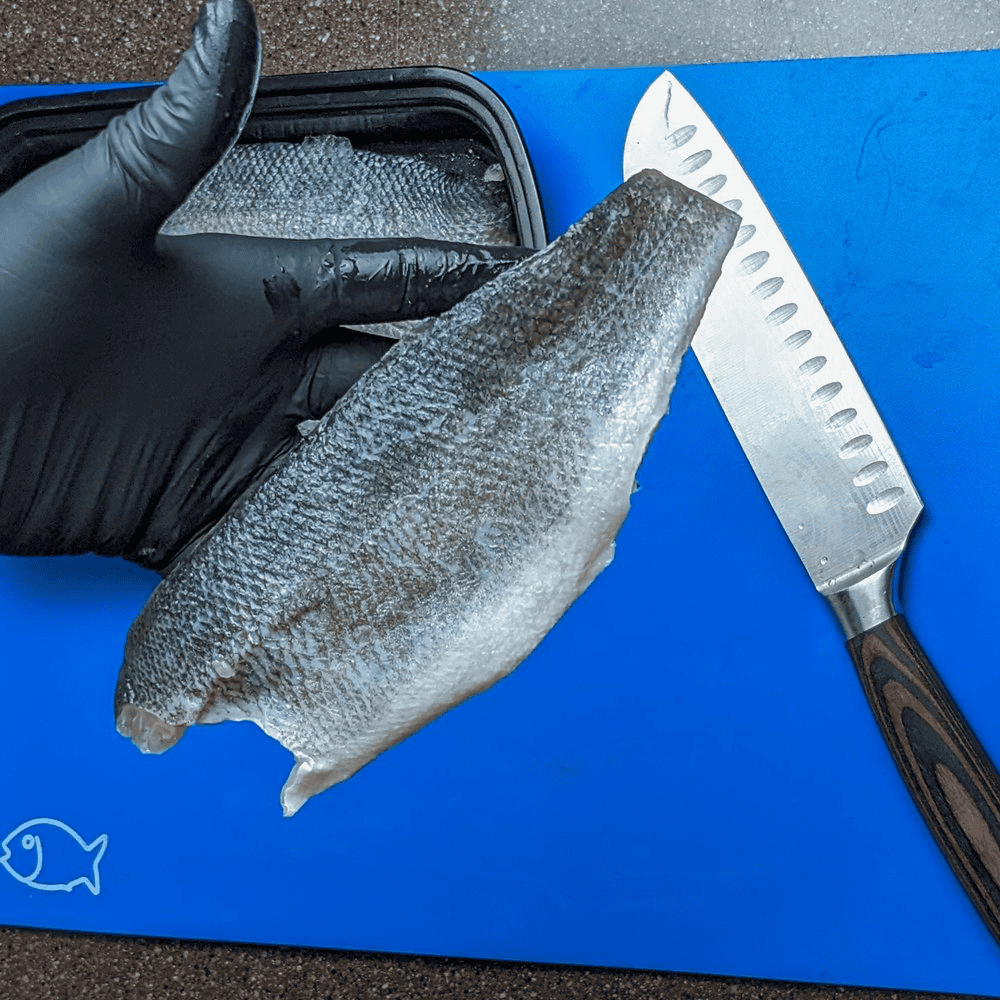
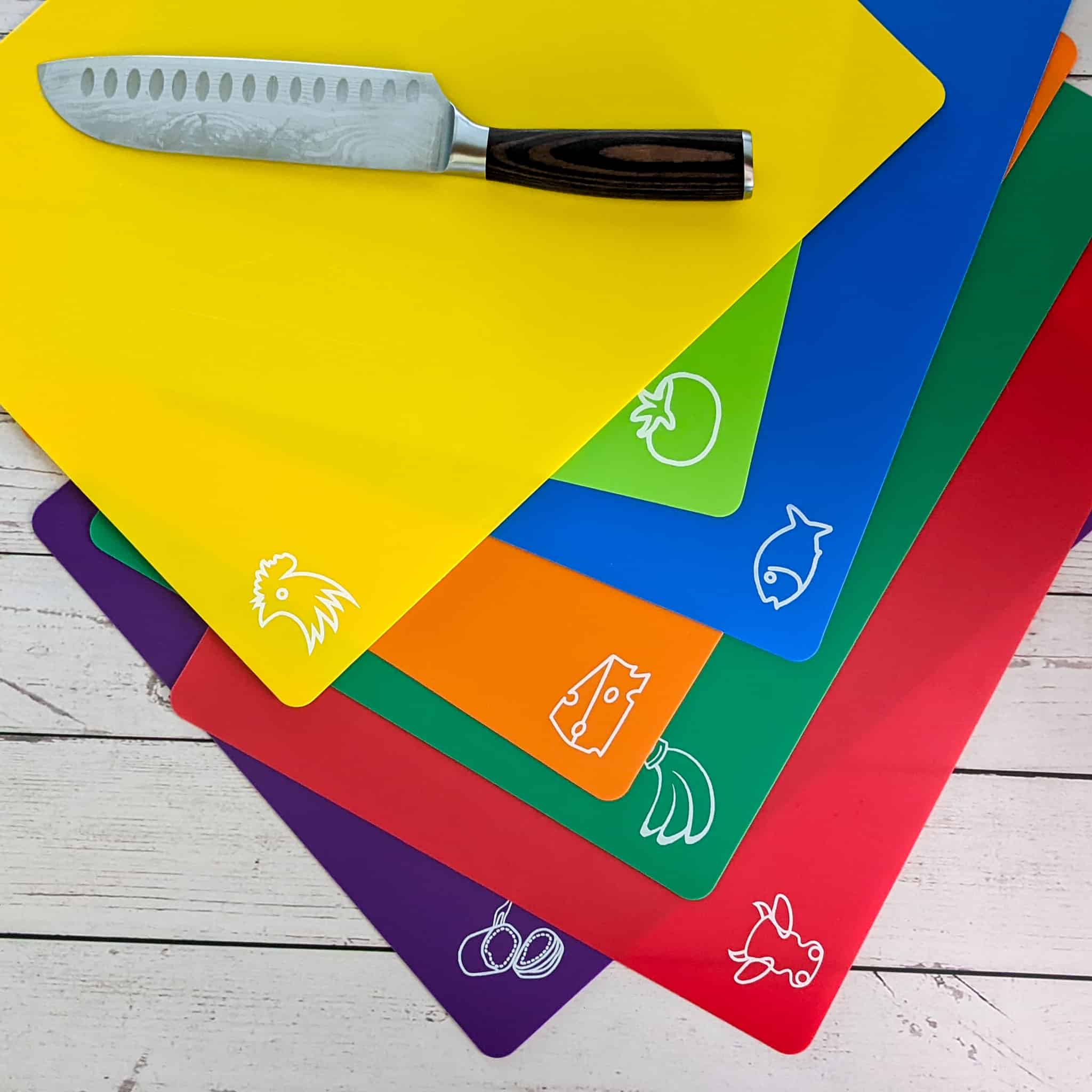
Always use a separate cutting board for raw fish to help prevent cross-contamination with vegetables, cooked foods, or ready-to-eat ingredients. Color-coded cutting boards are one of the simplest ways to stay organized while prepping multiple ingredients.
Dry Fish Before Cooking
Use paper towels or a clean paper towel to remove excess moisture before cooking fish. This helps create crispy skin, promotes a golden-brown sear, and prevents steaming during medium-high-heat cooking.
Wash Hands and Tools Thoroughly
After handling raw fish, wash your hands, knives, fish scaler, and prep surfaces with hot soapy water. This is especially important when switching between seafood, poultry, vegetables, or fresh herbs during meal prep.
Cook Fish to the Proper Internal Temperature
Fish should reach a safe internal temperature of 145°F in the thickest part of the flesh. Proper cooking time will vary depending on the cooking method, thickness, and type of fish being prepared.
Should You Rinse Fish Before Cooking?
Whether or not you should rinse fish before cooking is a common question among beginner home cooks. In most cases, rinsing fish is unnecessary and can increase the risk of spreading bacteria around the kitchen through water splashes.
When Rinsing Fish May Be Helpful
Some whole fish or freshly cleaned seafood may occasionally contain:
- loose scales
- blood residue
- small debris from processing

In these cases, a quick rinse under cold water may help clean the surface before preparation.
Always Dry Fish Thoroughly After Rinsing
If you do rinse fish, immediately pat it completely dry with clean paper towels. Excess moisture can negatively affect texture, prevent crispy skin, and interfere with proper browning during cooking.
Avoid Soaking Fish
Do not soak raw fish in water for extended periods. Soaking can affect the texture of delicate fish fillets and reduce flavor.
Lemon Juice Is Not a Replacement for Proper Handling
Some people use lemon juice or vinegar to reduce fishy odors, but acidic ingredients should not replace proper seafood storage and safe handling practices.
Focus on Proper Storage Instead
The best way to maintain fresh fish quality is by:
- keeping seafood cold
- storing it properly
- using it within recommended timeframes
- handling raw fish safely during prep
Chef Tip: Strong fishy odors are often a sign that the fish is no longer fresh. Fresh fish should smell clean and mild rather than overly sour or overpowering.
Cultural Fish and Meat Cleaning Traditions
In many Caribbean cultures, including Haitian cuisine, seafood and meat are traditionally "cleaned" with citrus juice or vinegar before cooking. Ingredients like lemon juice, lime juice, sour oranges, or vinegar are often rubbed onto raw fish, chicken, beef, or pork as part of the preparation process before seasoning and marinating.
Historically, this practice helped clean and freshen meat and seafood when refrigeration, transportation, and modern food safety systems were less reliable than they are today. While modern food safety practices have evolved, this tradition remains deeply rooted in Caribbean cooking because it also affects the dish's flavor, aroma, and overall authenticity.
In Haitian cooking, especially, fish and meat are commonly washed with citrus or vinegar before being marinated in epis, the flavorful Haitian seasoning base made with herbs, peppers, garlic, and aromatics. This extra preparation step is still widely practiced in Haitian households today because it contributes to the signature taste and cultural identity of many traditional dishes.
Chef Tip: If using citrus juice or vinegar during fish prep, avoid soaking delicate fish fillets for too long, as the acidity can begin to alter the flesh's texture, as in ceviche.
How to Remove Fish Skin
Removing fish skin may seem intimidating at first, but with a sharp knife, steady pressure, and a dry work surface, it becomes much easier.

This technique works especially well for salmon, trout, and other fish fillets, where you may want skinless portions for certain cooking methods or recipes.

Step 1: Pat the Fish Dry
Use clean paper towels to remove excess moisture from the fish fillet. Dry fish is easier to grip safely and helps prevent slipping while cutting.

Step 2: Place the Fish Skin-Side Down
Lay the fish flat on a cutting board, skin side down. Position the tail end or thinner side of the fish closest to your non-dominant hand for better control.

Step 3: Hold the Skin Firmly
Gently grip the edge of the skin with your fingers, a paper towel, or disposable gloves to help keep the fish steady while cutting.

Step 4: Insert the Knife Between the Skin and Flesh
Using a sharp fillet knife, Santoku knife, or chef's knife, carefully slide the blade between the flesh and the skin at a slight angle.

Step 5: Use Smooth Back-and-Forth Motions
Instead of forcing the knife downward, use gentle sawing motions while pulling the skin slightly in the opposite direction. Let the blade glide along the skin to help preserve as much flesh as possible.

Step 6: Trim and Inspect the Fish
Once the skin is removed, inspect the fish for any remaining skin, scales, or pin bones before seasoning or cooking.
Chef Tip: Keeping the knife slightly angled downward toward the skin helps reduce waste and creates a cleaner separation between the flesh and the skin.
The TikTok Way
There was a TikTok trend when writing this for removing salmon skin with hot water, which has gained popularity for its simplicity and effectiveness.
To do this, follow these steps:
- First, boil a pot of water. Then, place the salmon fillet on a cutting board, skin-side up.
- Pour the hot water directly over the salmon skin for a few seconds. The heat will cause the skin to loosen and curl, making it easier to peel off.
- Using a pair of tongs or your fingers, gently lift the skin from the salmon and remove it.
This method is quick, safe, and ensures a clean separation of the skin from the fillet, making it perfect for recipes where you prefer skinless salmon.
How to Create Slits in Fish
Creating shallow slits in fish is a simple preparation technique that helps fish cook more evenly while allowing seasonings and marinades to absorb deeper into the flesh. This method is commonly used for whole fish and thicker fish fillets, especially when grilling, roasting, frying, or air frying seafood.
Step 1: Pat the Fish Dry
Use clean paper towels to blot excess moisture from the fish's surface. Dry fish is easier to handle and helps create cleaner cuts without slipping.

Step 2: Place the Fish on a Stable Cutting Board
Lay the fish flat on a cutting board, skin side up if applicable. Make sure the fish is stable before cutting.
Step 3: Use a Sharp Knife
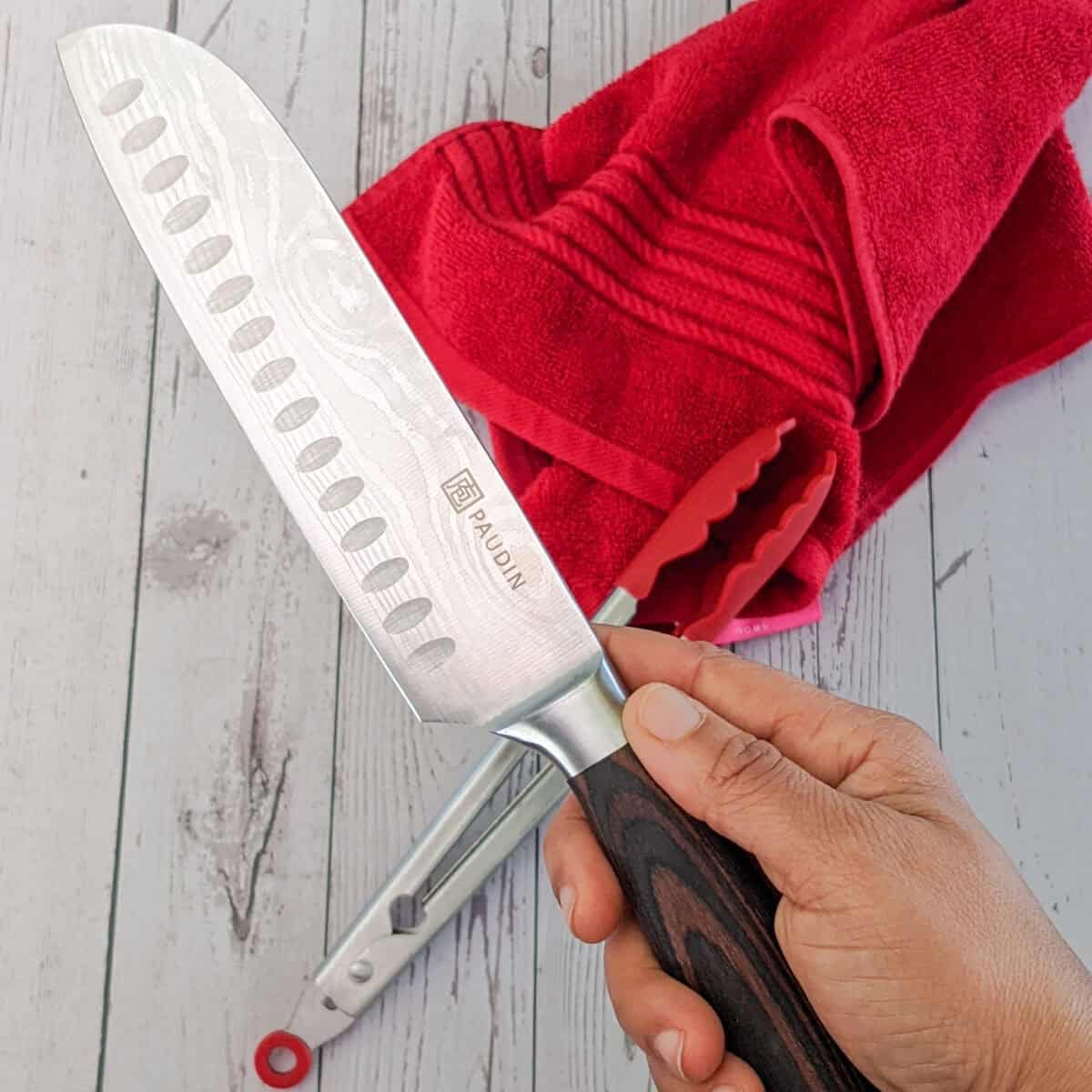
Use a sharp Santoku knife, chef's knife, or fillet knife for cleaner cuts. Dull knives can tear flesh rather than slice through it smoothly.

Step 4: Create Shallow Diagonal Slits
Carefully make shallow diagonal cuts across the thickest parts of the fish. The slits should be deep enough to penetrate the surface but not so deep that the fish falls apart during cooking.

Step 5: Space the Slits Evenly
Depending on the size of the fish, create two to four evenly spaced slits along each side. Whole fish and thicker fillets may require additional cuts for even cooking.

Step 6: Add Seasoning or Marinade
Once the slits are made, rub seasoning, lemon juice, fresh herbs, spices, or marinades into the cuts to help flavor penetrate deeper into the fish.
Chef Tip: Creating slits works especially well for whole fish because it helps heat reach the thicker center portions more evenly while reducing curling during high-heat cooking methods.
Why Creating Slits in Fish Helps Cooking
Creating shallow slits in whole fish or thick fish fillets is a simple preparation technique that improves both cooking performance and flavor. This method is commonly used in many global cuisines, especially when grilling, roasting, or frying fish.
Helps Fish Cook More Evenly
Fish naturally vary in thickness from end to end. Creating shallow cuts allows heat to penetrate deeper into the fish, helping it cook more evenly and reducing the risk of undercooked areas.
Improves Flavor Absorption
Slits allow marinades, fish sauce, citrus juice, fresh herbs, black pepper, and spice blends to penetrate deeper into the flesh instead of sitting only on the surface.
Reduces Curling During Cooking
When fish skin is exposed to medium-high heat, it can tighten and curl. Small slits help relax the skin and keep the piece of fish flatter during cooking for better pan contact and more even browning.
Encourages Crispy Skin
The additional surface area created by the slits helps moisture escape more efficiently, making it easier to achieve crispy skin and a golden-brown texture during high-heat applications.
Great for Whole Fish and Thick Fillets
This technique works especially well for:
- Whole fish
- Salmon
- Branzino
- Snapper
- Trout
- Thick, meaty fish fillets
Chef Tip: Use a sharp knife and make shallow diagonal cuts instead of deep slices. Cutting too deeply can cause delicate fish to break apart during cooking.
Why Drying Fish Before Cooking Matters
One of the most overlooked steps when prepping fish is properly drying the surface before cooking. Removing excess moisture helps improve texture, flavor development, and overall cooking performance across many cooking methods.
Better Browning and Crispy Skin
Dry fish sears much more effectively over medium-high heat because moisture creates steam rather than allowing direct contact with the hot pan. Patting fish dry with paper towels helps create crispy skin and a golden brown crust, especially when pan-searing salmon, trout, or other oily fish.
Seasonings Stick Better
Dry fish allows spices, black pepper, fresh herbs, marinades, and seasoning blends to adhere more evenly to the flesh's surface, rather than sliding off with moisture.
Improved Texture
Excess moisture can create a mushy or rubbery texture during cooking. Properly dried fish develops a firmer texture and cooks more evenly from edge to center.
Helps Prevent Sticking
Wet fish is more likely to stick to pans, grill grates, or baskets during high-heat applications. Drying the fish first helps create better surface contact with oil and cooking surfaces.
Useful for Multiple Cooking Methods
Drying fish is beneficial for:
- Pan-searing
- Grilling
- Roasting
- Air frying
- Broiling
- Baking
Chef Tip: After patting the fish dry, let it rest, uncovered, in the refrigerator for a short time if you want even crispier skin before cooking.
Watch How to Sear Fish
What is the Maillard Reaction? The Maillard reaction is the chemical browning process that occurs when the surface of dry fish is exposed to high heat, creating a flavorful golden brown crust and deeper savory flavor during searing.
How to Buy Fresh Fish at the Grocery Store
Buying fresh fish can feel intimidating at first, especially with the wide variety of whole fish, fish fillets, shellfish, and frozen seafood available today. Learning what to look for helps you select better-quality seafood with more confidence and improves your results when cooking fish at home.
Look for a Clean, Mild Smell
Fresh fish should smell clean and slightly briny like the ocean, not overly fishy or sour. Strong odors are often a sign that the fish is no longer at peak freshness.
Check the Texture of the Flesh
The flesh should look firm, moist, and slightly shiny, rather than dull or dry. When gently pressed, fresh fish should spring back instead of leaving an indentation.
Inspect Whole Fish Carefully
When buying whole fish, check for:
- clear eyes instead of cloudy eyes
- bright red or pink gills
- shiny skin
- tightly attached scales
- firm flesh
These are common signs of freshness and proper storage.
Pay Attention to Moisture and Packaging
Avoid packages with excessive liquid buildup, broken seals, or large ice crystals if purchasing frozen fish. Too much moisture can affect texture, indicating the fish has partially thawed and refrozen.
Understand Different Types of Fish
Different types of fish have different textures, fat contents, and ideal cooking methods:
- Lean fish like cod or tilapia cook quickly and work well with lighter sauces and fresh herbs.
- Oily fish like salmon or mackerel hold up well to grilling, roasting, and high-heat applications.
- Meaty fish like swordfish or tuna can handle stronger marinades, black pepper, and medium-high heat cooking.
Ask Questions at the Fish Counter
Do not hesitate to ask questions when buying seafood. A fishmonger can help recommend:
- The best fish for a specific cooking method
- Sustainable seafood options
- Cooking time guidance
- Whether the fish was previously frozen
- How to store raw fish properly at home
Learning how to shop for fresh fish is one of the simplest ways to improve your seafood cooking skills and create better fish meals at home.
How to Buy Fresh Salmon (Pictures)
Learning how to buy fresh fish starts with understanding the differences between common salmon varieties. Each type of salmon has a different flavor, texture, fat content, and ideal cooking method. These shopping tips can help you choose higher-quality fish with more confidence, whether you are buying fresh or frozen seafood.
Types of Salmon and Shopping Tips
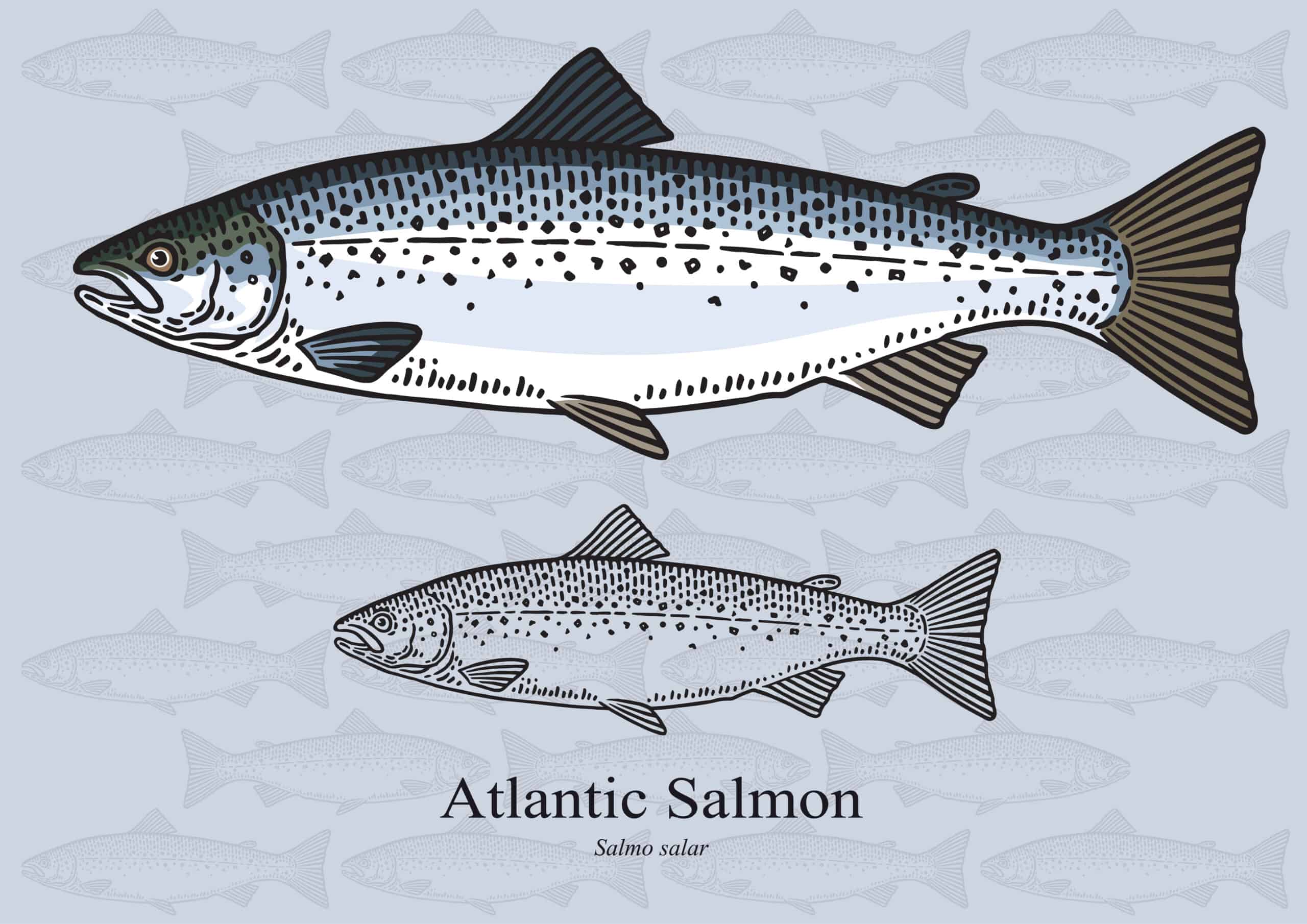
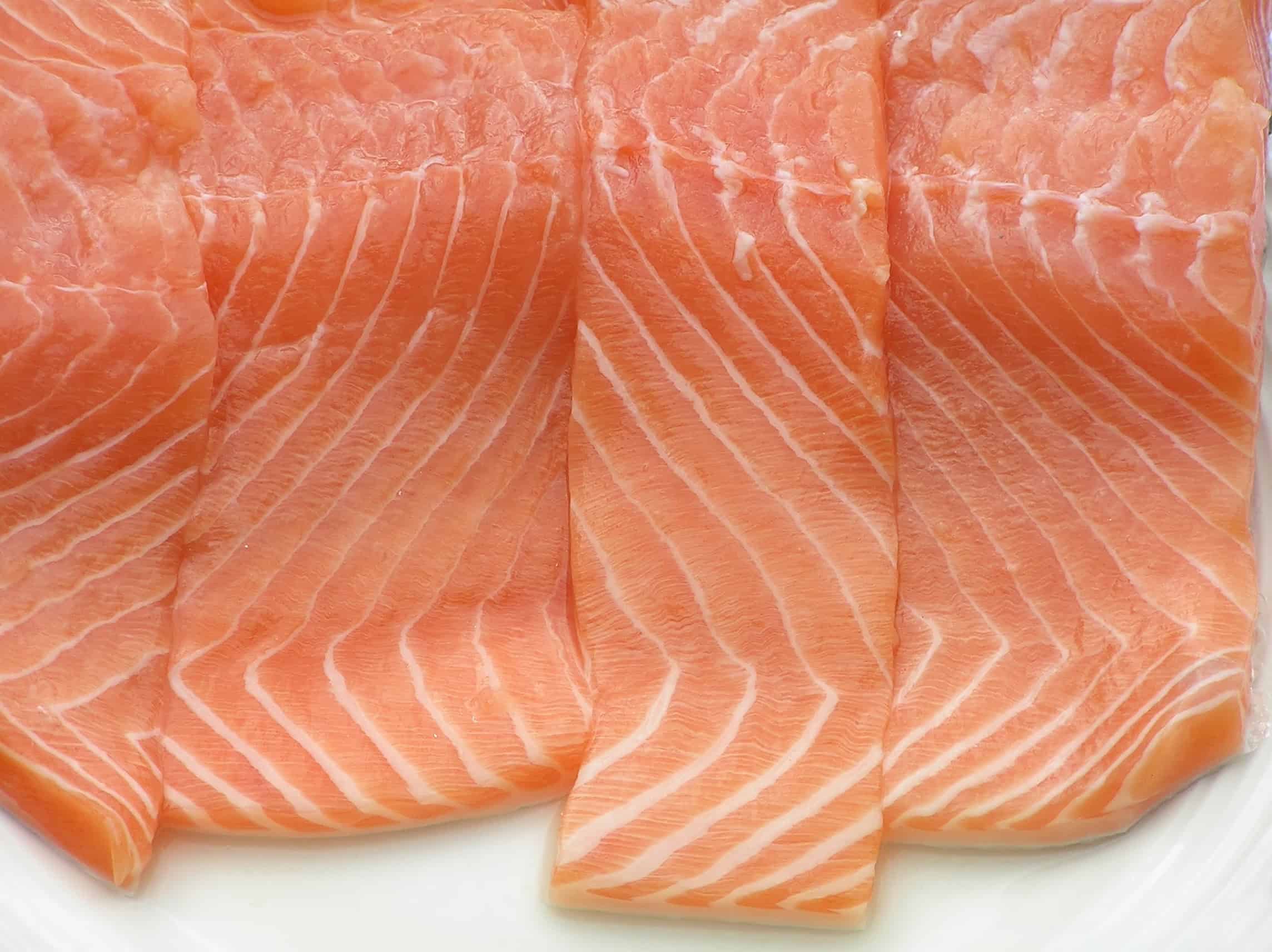
Atlantic Salmon - Atlantic salmon is commonly farmed and widely available year-round. It has a mild flavor and a medium-firm texture.
Shopping Tips: Look for fillets that are bright pink with a fresh, mild scent. Avoid any with a strong fishy odor or dull, discolored spots. Check for sustainability certifications, such as MSC (Marine Stewardship Council), to ensure responsible farming practices.
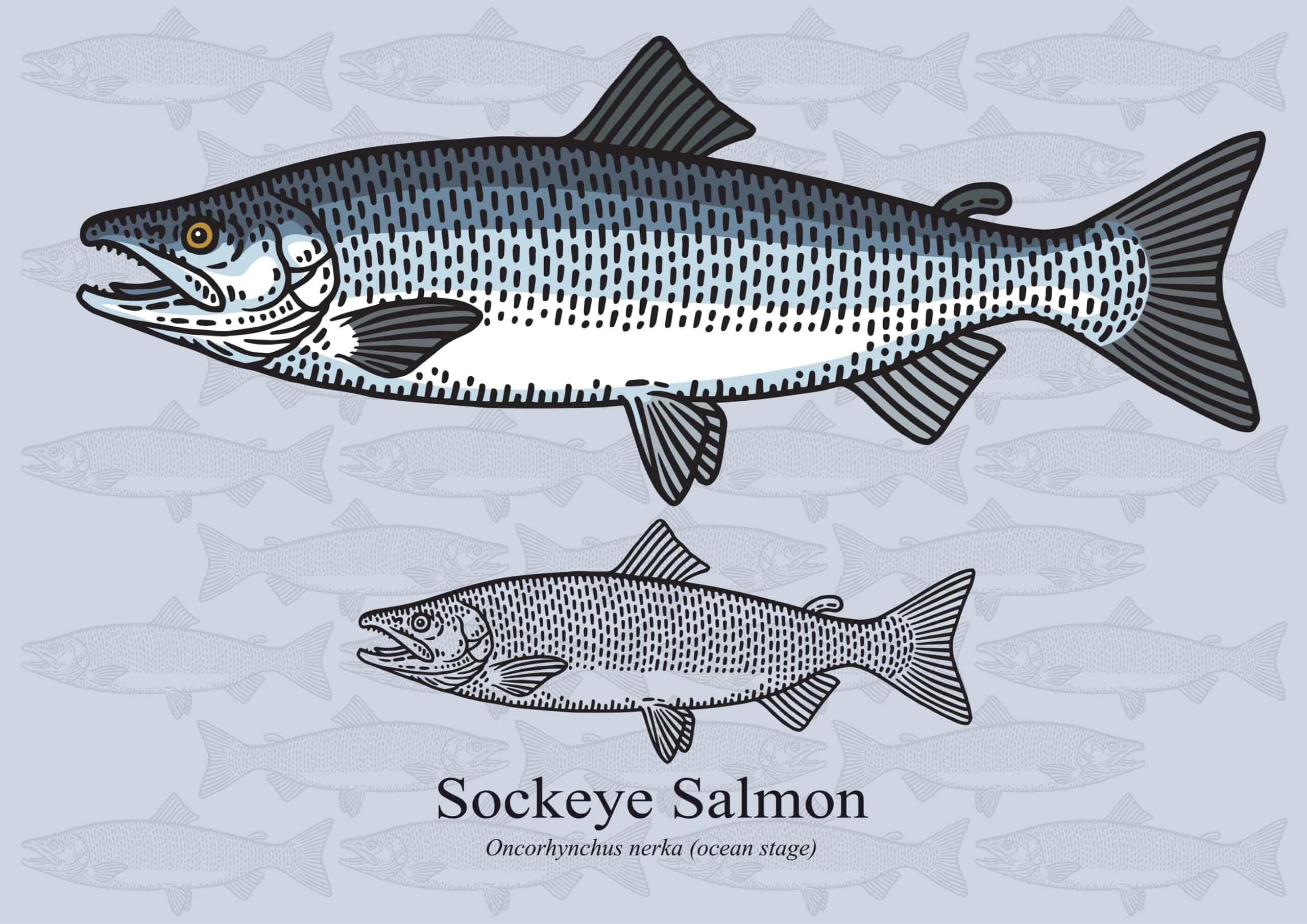
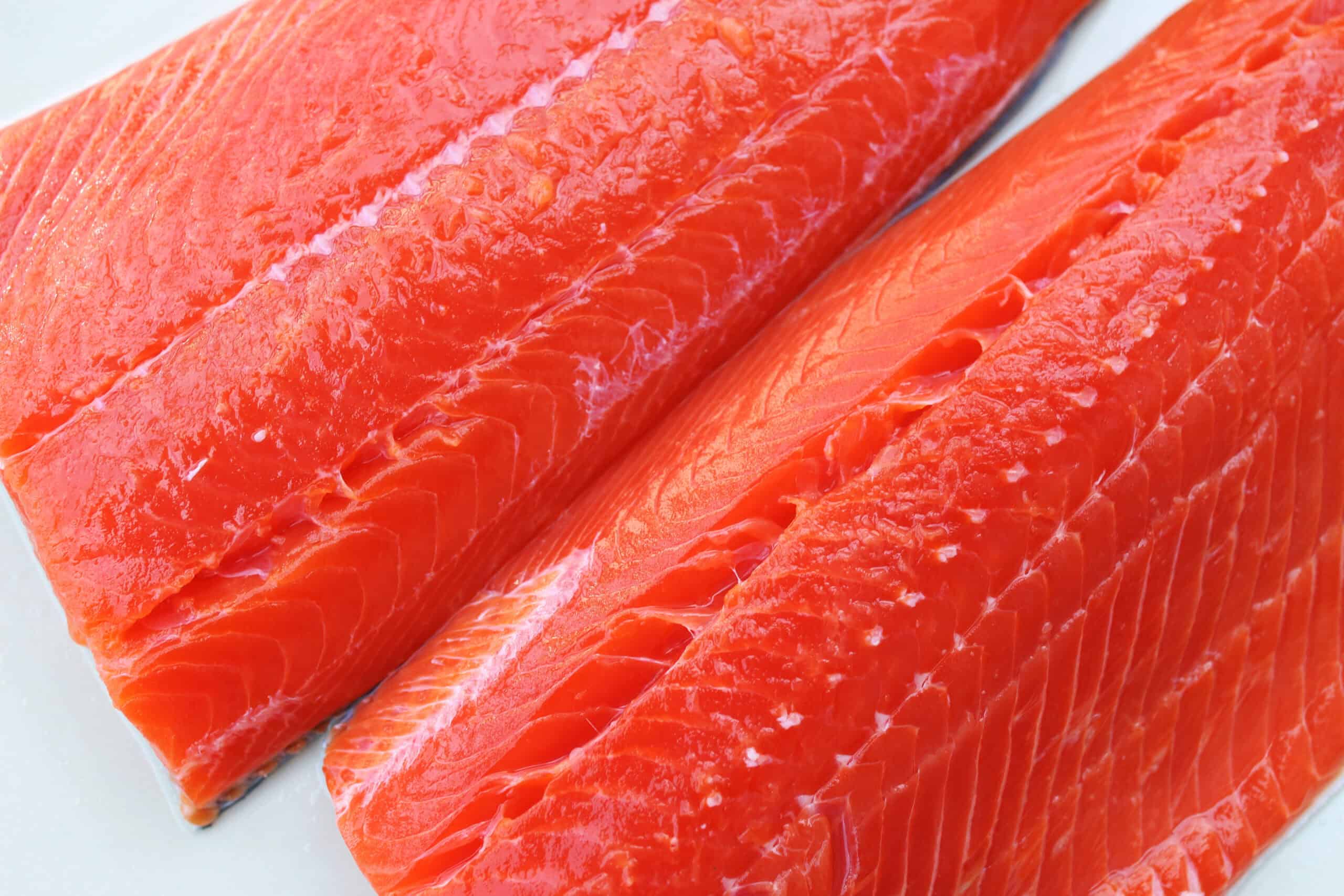
Sockeye Salmon - (Red salmon) is known for its vibrant red flesh and rich, robust flavor. It is typically wild-caught and available fresh during its summer season or frozen year-round.
Shopping Tips: Choose fillets with a deep red color and firm texture. Fresh sockeye should have a clean, ocean-like smell. Check for clear packaging with minimal ice crystals to ensure freshness when buying frozen.
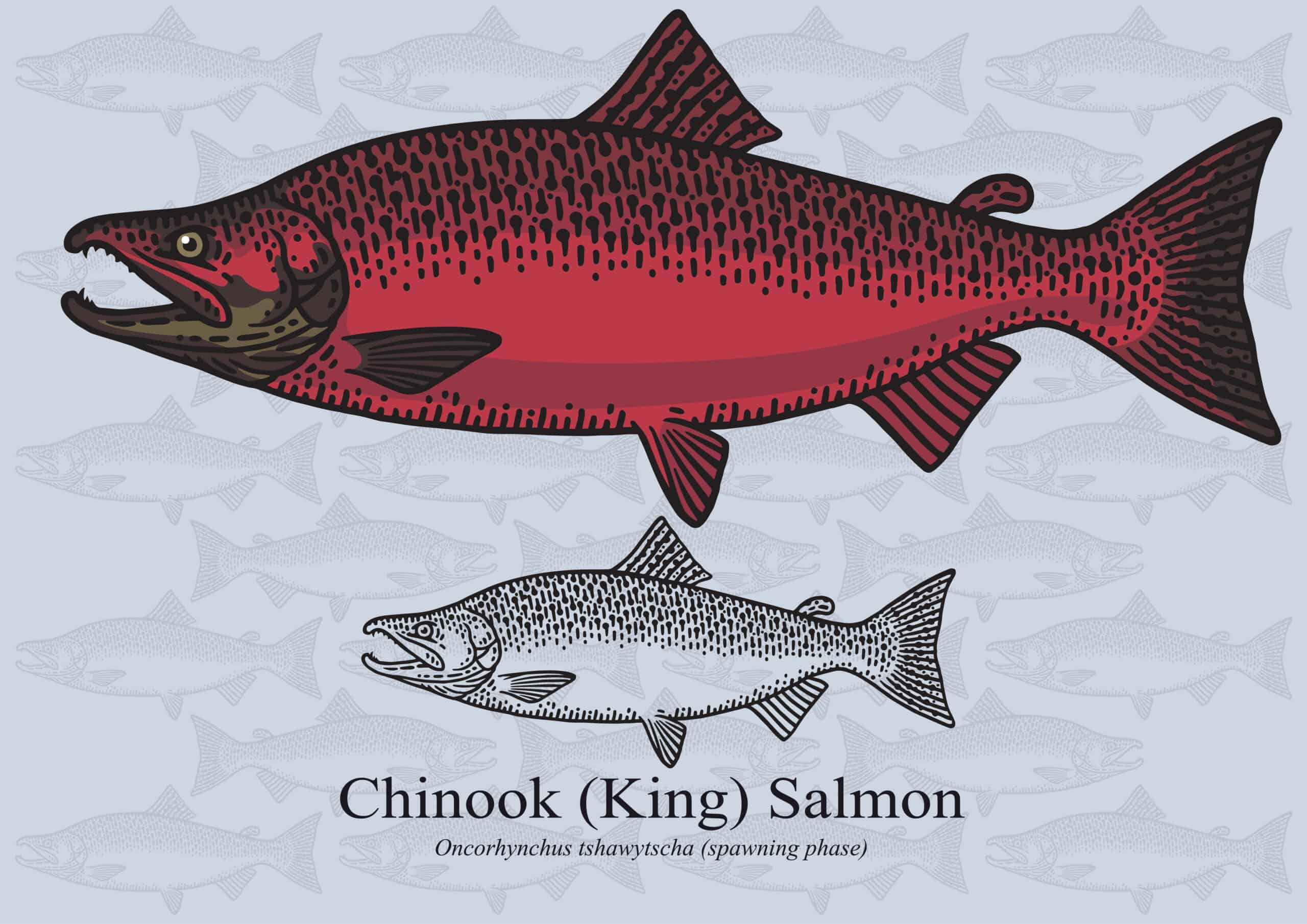
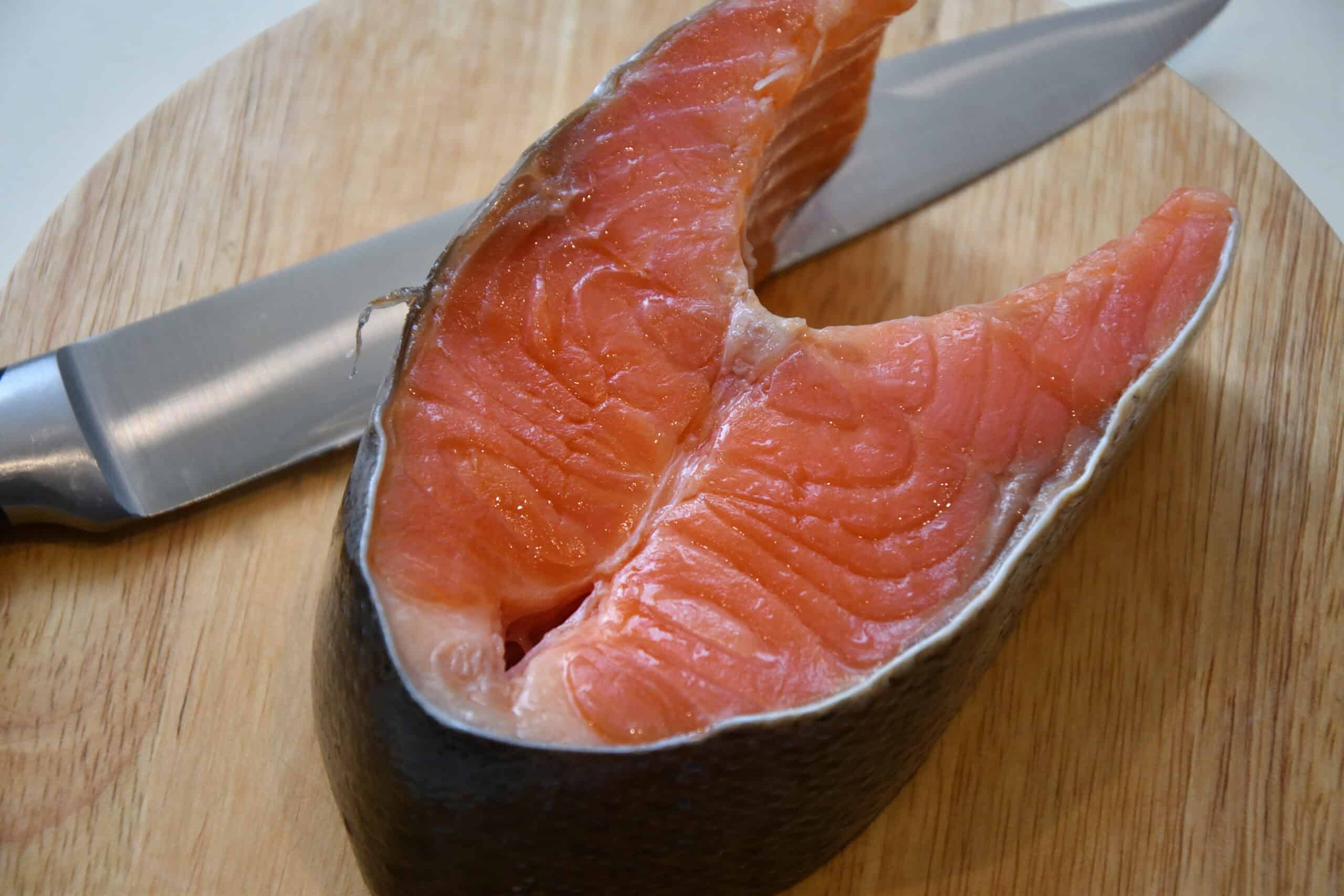
King Salmon - (Chinook) is prized for its high-fat content, buttery texture, and rich flavor. It is the largest of the salmon species and is often wild-caught.
Shopping Tips: Look for fillets that are rich in color and appear moist but not slimy. Fresh king salmon should have a pleasant, briny scent. Because it's often more expensive, make sure to buy from reputable sources, especially if you are looking for wild-caught options.
Other Fish Shopping Tips
No matter the type of fish, always look for:
- clean ocean-like smell
- firm flesh
- moist appearance
- clear packaging
- minimal liquid buildup
- properly refrigerated seafood
Salmon Recipes
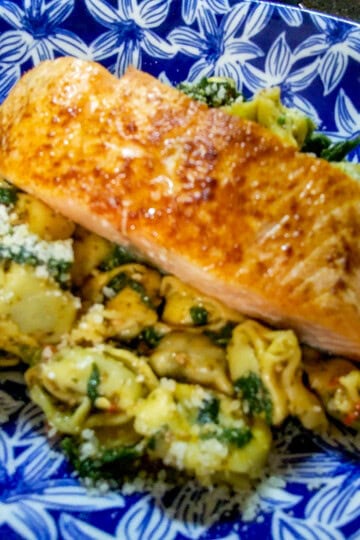
- Air Fryer Salmon with Spicy Pesto Spinach Tortellini
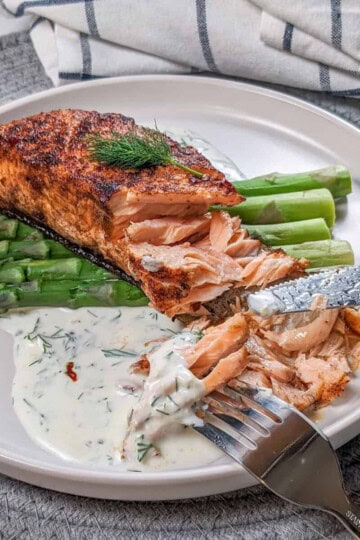
- Calabrian Pepper Salmon with Creamy Lemon Dill Sauce
- Easy Sheet Pan Spicy Miso Salmon Rice Bowl
- Sheet Pan Citrus Chili Lime Salmon with Vegetables


Types of Fish and the Best Cooking Methods
Different types of fish respond differently to heat, seasoning, and cooking time. Understanding which cooking method works best for each type of fish can help you achieve better texture, flavor, and overall results in the kitchen.
Lean Fish
Lean fish have lower fat content and cook quickly, making them ideal for lighter meals and delicate sauces.
| Examples: | Best cooking methods: |
|---|---|
| Cod Tilapia Haddock Snapper | Baking Pan-searing over medium heat En papillote Light grilling |
Chef Tip: Lean fish can dry out quickly, so avoid overcooking and use sauces, lemon juice, or fresh herbs to help maintain moisture.
Oily Fish
Oily fish contain more healthy fats, which help keep the flesh moist during cooking and create a rich flavor.
| Examples: | Best cooking methods: |
|---|---|
| Salmon Mackerel Sardines Trout | Grilling Roasting Air frying High heat applications |
Chef Tip: Oily fish are excellent for achieving crispy skin and pair well with bold marinades, black pepper, fish sauce, and citrus-based flavors.
Meaty Fish
Meaty fish are firm and hearty, making them perfect for stronger seasonings and more aggressive cooking methods.
| Examples: | Best cooking methods: |
|---|---|
| Swordfish Tuna Mahi-Mahi | Grilling Broiling Pan-searing over medium-high heat |
Chef Tip: Meaty fish can handle marinades with white wine, garlic, spices, and stronger herb blends without falling apart during cooking.
Whole Fish
Cooking whole fish helps preserve moisture and creates incredibly flavorful results.
| Popular options: | Best cooking methods: |
|---|---|
| Branzino Red snapper Trout | Roasting Grilling Steaming En papillote |
Chef Tip: Creating shallow slits in whole fish allows heat and seasoning to penetrate more evenly while helping the fish cook consistently from edge to center.
Frozen Fish vs Fresh Fish
Fresh fish is excellent when available, but frozen fish can also produce great results when handled properly. Many frozen seafood products are processed and frozen shortly after being caught, helping preserve freshness.
Chef Tip: Thaw frozen fish slowly in the refrigerator or under cold water, rather than leaving it at room temperature, to maintain texture and food safety. For more guidance on safe cooking and storage temperatures, check out my food safety temperature guide.
Common Fish Prep Mistakes to Avoid
Even experienced home cooks can run into problems when prepping fish. Small mistakes during preparation can affect texture, flavor, cooking time, and overall results. Fortunately, most fish prep issues are easy to fix with a few simple techniques.
Cooking Fish with Too Much Moisture
One of the most common mistakes when cooking fish is skipping the drying step. Excess moisture prevents fish from developing crispy skin and a golden brown surface, especially during high-heat applications like pan-searing or grilling. Always pat fish dry thoroughly with paper towels before seasoning.
Overhandling Delicate Fish
Some fish fillets are naturally delicate and can break apart easily during prep. Avoid pressing, squeezing, or constantly flipping the fish while handling it. A sharp knife and gentle movements help preserve the flesh's structure.
Not Checking for Fish Bones
Even professionally processed fish fillets can still contain small pin bones. Run your fingers gently across the flesh of the fish before cooking to check for hidden bones that may affect the eating experience.
Using the Wrong Cooking Method
Different types of fish respond better to certain cooking methods. Lean fish can dry out quickly over medium-high heat, while meaty fish and oily fish often hold up better to grilling, roasting, or searing. Choosing the right cooking method helps improve flavor and texture.
Overcrowding the Pan
Adding too many pieces of fish to the pan at once lowers the temperature and causes them to steam rather than sear. Leave enough space around each piece of fish for proper airflow and even browning.
Skipping Rest Time After Cooking
Just as meat does, fish benefits from a brief rest after cooking. Allowing fish to sit for a few minutes helps the juices redistribute and prevents the flesh from falling apart too quickly when served.
Beginner Fish Cooking Tips for Better Results
Cooking fish at home can feel intimidating at first because seafood cooks quickly, and delicate fish can easily dry out if overcooked. The good news is that a few simple techniques can help you cook fish with much more confidence.
Bring Fish Closer to Room Temperature Briefly
Allowing fish to sit out for a short period before cooking can promote more even cooking, especially for thicker cuts or whole fish. Avoid leaving raw fish at room temperature too long for food safety reasons.
Use the Right Heat Level
Different types of fish respond differently to heat:
- Lean fish usually cook best over medium heat.
- Oily and meaty fish often handle medium-high to high heat better.
Choosing the proper temperature helps prevent sticking, burning, or drying out the flesh.
Do Not Overcook Fish
Fish continues cooking slightly after being removed from the heat. Pull the fish when it flakes easily with a fork and reaches a safe internal temperature of 145°F in the thickest section.
Let the Pan Heat Properly First
Adding fish to a cold pan often causes sticking and uneven browning. Preheat the pan and oil properly before adding the fish for better searing and crispy skin.
Keep Seasoning Simple
Fresh fish does not always need heavy seasoning. Lemon juice, black pepper, fresh herbs, white wine, garlic, and light seasoning blends are often enough to enhance the natural flavor of seafood.
Match the Cooking Method to the Fish
Choosing the right cooking method helps improve texture and flavor:
- Pan-searing creates crispy skin and a golden-brown surface.
- En papillote helps delicate fish stay moist.
- Grilling works well for meaty fish and oily fish.
- Baking is beginner-friendly for many fish fillets.
Chef Tip: The simplest way to become more confident cooking fish is repetition. Start with forgiving fish like salmon or trout before moving on to more delicate seafood varieties.
Sustainable Seafood Tips for Home Cooks
As more people cook seafood at home, learning about sustainable seafood choices has become an important part of responsible fish preparation and cooking. Choosing seafood carefully helps support healthier oceans, fishing communities, and long-term fish populations for future generations.
Look for Sustainability Certifications
When shopping for fresh fish or frozen seafood, look for labels and certifications that support responsible fishing and farming practices, such as:
These certifications can help identify seafood sourced with environmental responsibility in mind.
Try Different Types of Fish
Many home cooks rely heavily on the same few seafood options, like salmon or shrimp. Exploring different types of fish can help reduce pressure on overfished species while expanding your cooking skills and flavor experiences.
Consider Local and Seasonal Seafood
Locally sourced fish is often fresher and may require less transportation and storage time. Seasonal seafood choices can also help support more sustainable fishing cycles.
Frozen Fish Can Be a Smart Choice
Frozen seafood is often processed and frozen shortly after being caught, helping preserve freshness while reducing food waste. Properly thawed frozen fish can produce excellent results for many fish meals and cooking methods.
Avoid Wasting Seafood
Seafood can be expensive, so proper preparation and storage matter. Learning simple preparation techniques, such as properly portioning fish, storing raw fish correctly, and using leftovers creatively, can help reduce kitchen waste.
Learn About Seafood Sources
Ask questions at the fish counter about:
- where the fish comes from
- whether it was wild-caught or farm-raised
- recommended cooking methods
- freshness and storage guidance
The more you learn about sourcing seafood, the more confident you become as a home cook.
Chef Tip: Sustainable seafood cooking does not have to feel restrictive. Small choices over time, like trying new species or supporting responsible fisheries, can make a meaningful difference while helping you discover new favorite fish meals.
Equipment You'll Need (With Alternatives)
Having the right tools makes prepping fish easier, safer, and much less intimidating, especially for beginner home cooks learning how to handle raw fish for the first time.
Fish Fillet Knife or Santoku Knife
A sharp knife helps create cleaner cuts, reduces tearing, and makes it easier to remove skin or portion fish fillets evenly. Alternative: A sharp chef's knife can also work well for most home cooks.
Fish Scaler
A fish scaler helps remove scales from whole fish quickly while minimizing mess and protecting the delicate flesh underneath. Alternative: The back of a butter knife or spoon can help remove scales in a pinch.
Color-Coded Cutting Board
Using a dedicated cutting board for seafood helps prevent cross-contamination and keeps your prep station organized. Alternative: Any large non-slip cutting board reserved for raw fish preparation.
Paper Towels or Clean Kitchen Towels
Paper towels help remove excess moisture from fresh fish before cooking, which improves browning and helps create crispy skin. Alternative: Use a clean kitchen towel, washed immediately after handling raw fish.
Fish Bone Tweezers or Kitchen Tweezers
Tweezers make it easier to remove small pin bones from fish fillets without damaging the flesh. Alternative: Clean needle-nose pliers reserved for kitchen use only.
Disposable Gloves
Disposable nitrile gloves help improve grip while handling slippery fish and can make cleanup easier during seafood prep. Alternative: Wash hands frequently with hot soapy water during preparation.
Instant-Read Thermometer
An instant-read thermometer helps check the internal temperature of fish accurately and prevents overcooking. Alternative: Use visual cues such as flaky flesh and opaque color, though a thermometer provides more consistent results.
Baking Sheet or Wire Rack
A baking sheet or wire rack is useful for drying fish in the refrigerator before roasting, baking, or air frying. Alternative: Use a large plate lined with paper towels.
Kitchen Tools I Use and Recommend
These are some of the kitchen tools I use that make recipes like this faster and easier to prepare. If you're building your kitchen setup or upgrading your tools, these are great places to start. More Kitchen Must-Haves - Find other tools I use here.
My Review: This knife is well-made. Super solid and multi-functional. It is made with high-carbon steel, so it will not rust. Slicing meat, like fish, is easier with the grooves. It doesn’t stick to the knife. The handle has an excellent grip and isn't heavy. For some background, a Santoku is a versatile Japanese kitchen knife characterized by its straight edge and "sheepsfoot" blade, designed for precise slicing, dicing, and chopping. Its name means "three virtues," referring to its ability to handle meat, fish, and vegetables efficiently, making it a staple in both professional and home kitchens.
My Review: I’ve used these Fotouzy Cutting Board Mats for a long time, and while they’re flexible, dishwasher-safe, and great for preventing cross-contamination with their color coding, I now prefer solid plastic cutting boards. They’re BPA-free, non-porous, and wide enough to protect my wooden board, especially handy when zesting or transferring ingredients. That said, they don’t stay perfectly steady, even with a damp towel underneath, so I give them a 4 out of 5. But I still use it a lot for quick meat and veggie preps and place them right in the dishwasher.
My Review: I highly recommend the ForPro Professional Collection Disposable Nitrile Gloves. They’re food-safe, powder-free, and latex-free, making them perfect for cooking. I’ve ordered these several times and use them both personally and for my videos. The gloves are durable and chemically resistant, offering excellent protection when handling raw ingredients. When pressed for time, they’re my go-to for preventing cross-contamination without needing to wash my hands constantly. A must-have for any busy kitchen!

America's Test Kitchen - Winner
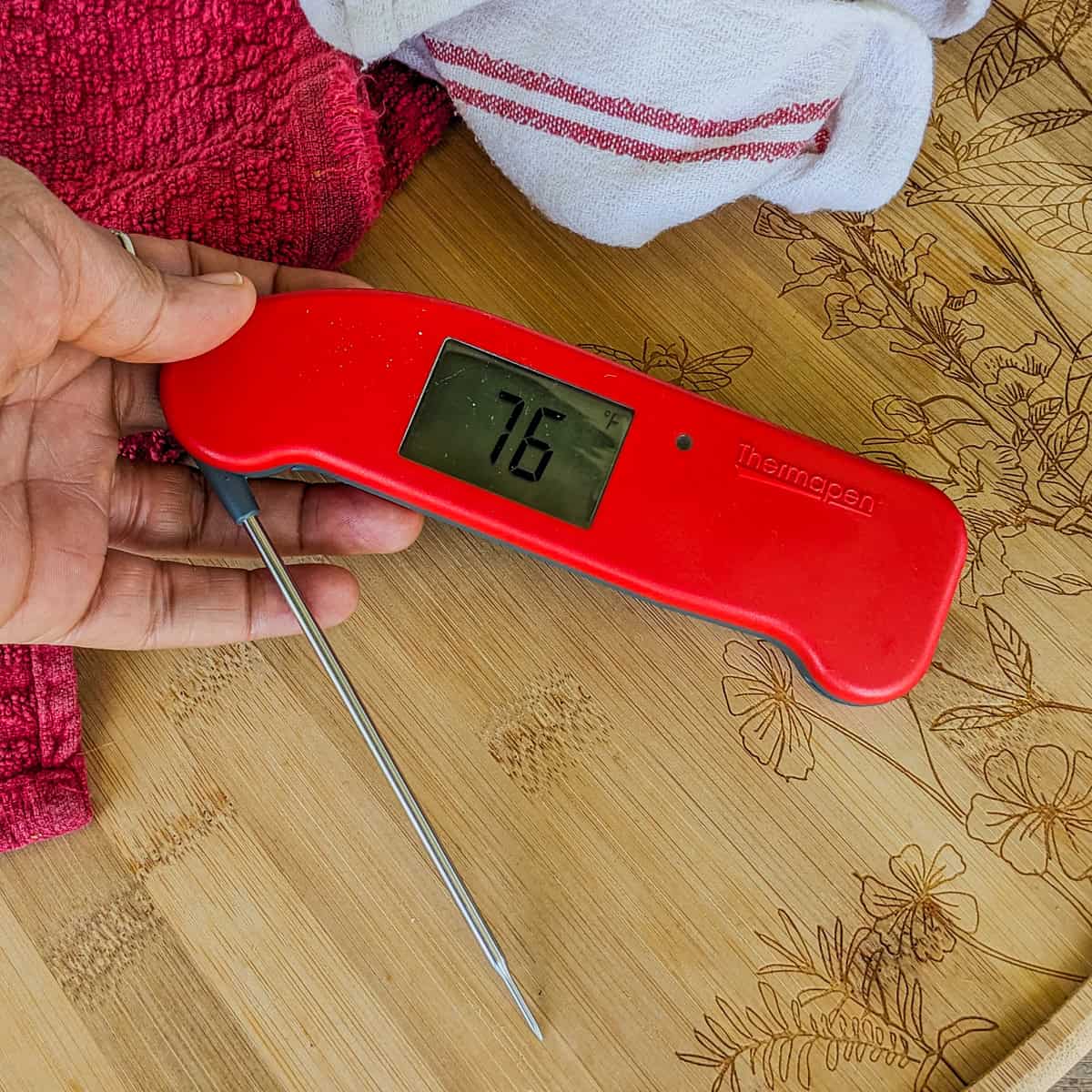
My Review: The Thermapen ONE by ThermoWorks is my go-to kitchen thermometer - simple, fast, and incredibly precise. It delivers accurate readings in just one second, making it perfect for everything from meats to baked goods. I love that it's waterproof, has a rotating backlit display, and turns on automatically when you unfold the probe. America's Test Kitchen voted it its top thermometer. It comes with a 5-year warranty and a NIST-traceable calibration certificate, so you can trust it as a must-have tool for any cook.
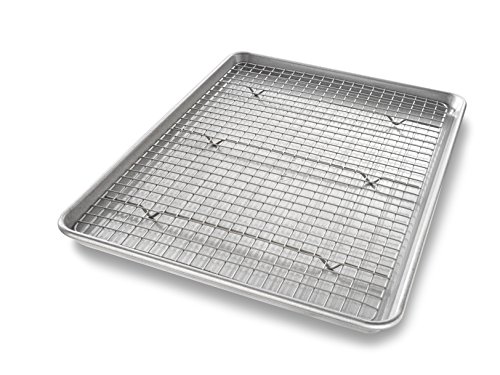
My Review: The USA Pan Bakeware Half Sheet Baking Pan and Nonstick Cooling Rack Set is such a smart buy, it’s incredibly convenient to have both the pan and rack come together as a set. You never know when you’ll need the rack for roasting, cooling, or glazing, and having it perfectly fitted to the pan saves so much time and hassle. The pan itself is super sturdy with excellent heat distribution, and the nonstick rack makes cleanup a breeze. I’ve used it for everything from baking cookies to roasting vegetables and even draining fried foods. It’s one of those kitchen upgrades that just makes life easier.
Frequently Asked Questions
The best way to prep fish is to inspect it for scales and fish bones, pat it dry with paper towels, portion it evenly, and season it according to the cooking method you plan to use. Proper preparation helps improve texture, flavor, and cooking consistency.
Allowing fish to sit out briefly before cooking can help it cook more evenly, especially thicker cuts or whole fish. However, raw fish should never remain at room temperature for extended periods due to food safety concerns.
Fish commonly sticks when the pan is not hot enough, the fish contains excess moisture, or is moved too early during cooking. Patting fish dry thoroughly and preheating the pan properly can help create better browning and easier release.
Fish is cooked when the flesh becomes opaque, flakes easily with a fork, and reaches a safe internal temperature of 145°F in the thickest section.
Salmon, trout, cod, and tilapia are often beginner-friendly options because they are widely available and relatively forgiving during cooking. Oily fish like salmon also stay moister during high-heat cooking methods.
Frozen fish can still produce excellent results when thawed properly. Many seafood products are frozen shortly after being caught, which helps preserve freshness and texture.
In many Caribbean cultures, including Haitian cuisine, fish is traditionally cleaned with citrus juice or vinegar before marinating. While this practice has historical roots in older food-handling methods, it also contributes flavor and remains an important part of authentic cultural cooking traditions today.
Drying the fish thoroughly with clean paper towels, using medium-high heat, and avoiding overcrowding the pan are among the most effective ways to achieve crispy skin and a golden-brown texture.
Cooking Tips and Tutorials
If you found this prepping fish guide helpful, explore more chef-tested cooking tutorials inside the Cook's Notebook collection on Just Maika Cooking.
From knife skills and seafood safety to seasoning guides, cooking methods, and beginner-friendly techniques, these educational resources are designed to help home cooks build confidence in the kitchen one skill at a time.
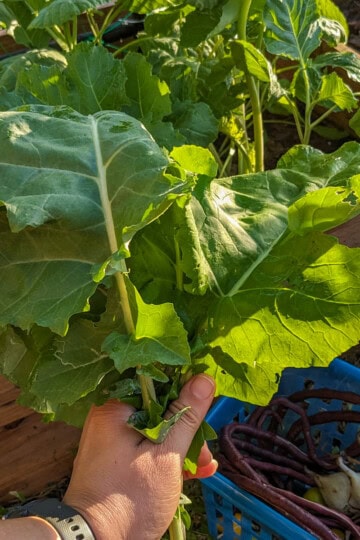
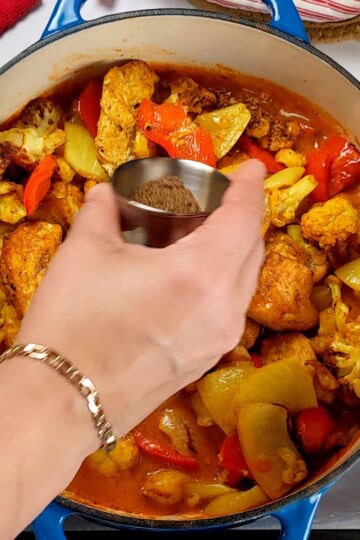
- Seasonal Produce Guide: What Fruits and Vegetables Are in Season?
- How to Roast Food: The Fundamental Principles of Roasting
- 2026 Fall Seasonal Produce Guide: Fruits and Vegetables to Enjoy This Season
- Indian Cooking Techniques That Changed How I Think About Food
You'll also find tutorials covering:
- How to sear proteins properly
- Understanding cooking oils and heat levels
- Ingredient preparation techniques in every recipe post
- Kitchen safety tips
- Essential kitchen equipment
- Fish recipes and seafood meal inspiration
Whether you are learning how to prep whole fish, improve crispy skin, or cook delicate fish fillets with confidence, the Cook's Notebook series is here to make cooking more approachable, practical, and enjoyable for everyday home cooks.
Fish Recipes to Practice Your Skills
Now that you've learned the basics of prepping fish, it's time to put those techniques into practice with real seafood recipes. These fish meals use many of the preparation methods covered throughout this guide, including properly drying fish, creating slits for even cooking, achieving crispy skin, and balancing flavor with citrus, fresh herbs, and seasoning blends.
Whether you are working with salmon, trout, or whole fish, practicing different cooking methods is one of the best ways to build confidence and improve your home-cooking skills with seafood.
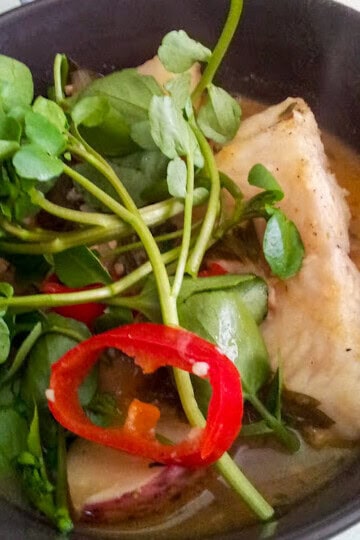
- Spicy Basa Fish Stew with Potatoes and Watercress
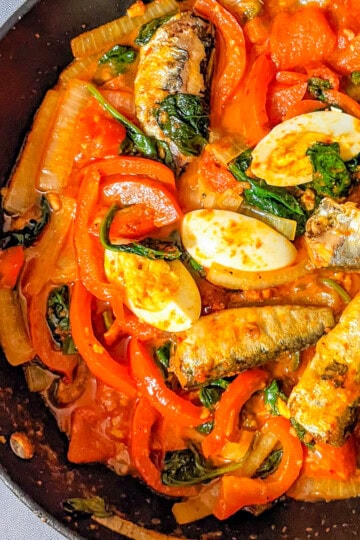
- Harissa Smoked Sardines with Spinach and Boiled Egg
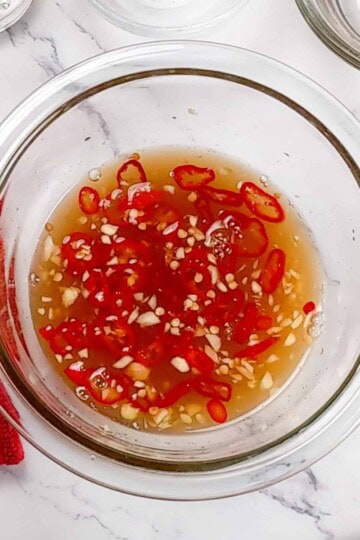
- Spicy Nuoc Cham Sauce (Vietnamese Fish Dipping Sauce)
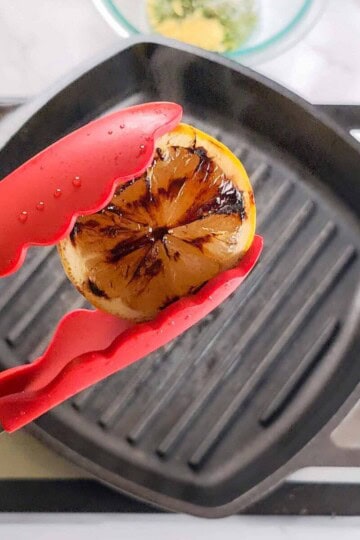
- Grilled Lemon Oregano Dressing & Vinaigrette Recipe
- 20 Irresistible Fish Recipes
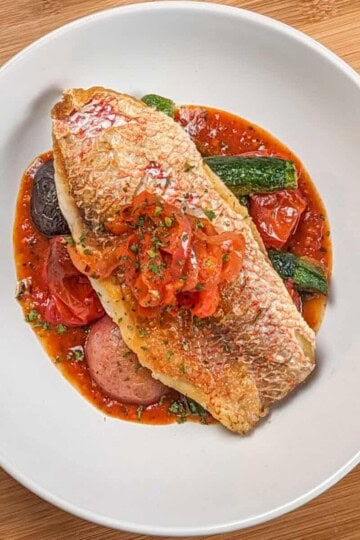
- Seared Snapper Spicy Creole Sauce and Roasted Vegetables
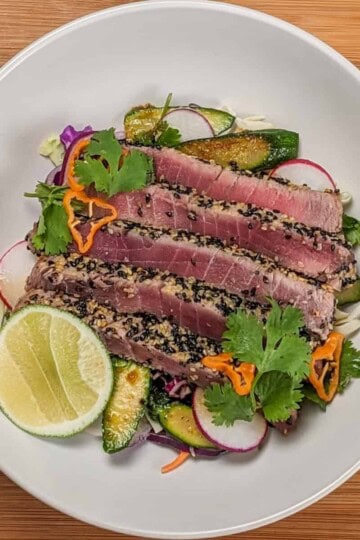
- Sesame Seed-Crusted Ahi Tuna with Spicy Sesame-Soy Sauce
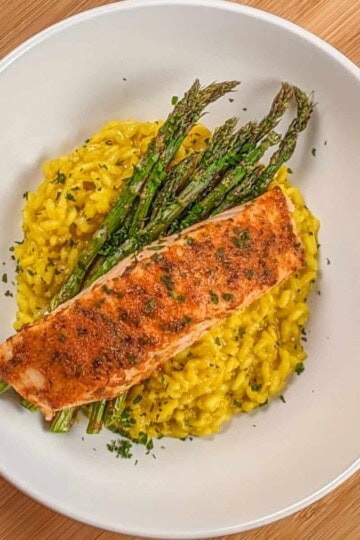
- Air Fryer Habanero Adobo Salmon with Creamy Yellow Risotto



Chef Maika Frederic-Liebman
Chef and Educator
Professionally trained Haitian-American chef Maika Frederic created Just Maika Cooking, where she shares globally inspired recipes, cooking techniques, ingredient guides, and food safety tips to help home cooks become more creative and confident in the kitchen. Combining years of professional culinary experience with a passion for teaching, she makes global flavors approachable through practical, accessible instruction for cooks of every skill level.
Leave a Comment or Ask a Question
I'd love to hear your experiences, questions, and favorite ways to prepare seafood at home. Whether you are learning how to prep whole fish for the first time, working on achieving crispy skin, or experimenting with different cooking methods, your feedback helps make the Cook's Notebook series even more helpful for other home cooks.
Didn't find the fish preparation technique you were looking for? Leave a comment below with your question or request. As a professionally trained chef, I regularly update this prepping fish guide with new tutorials, seafood tips, and beginner-friendly techniques based on reader feedback and real cooking experiences.

Leave a Reply