


Discover how the Maillard reaction transforms everyday ingredients into flavorful, golden-brown dishes, creating the rich aromas and savory flavors we love. Learn the science behind browning, why it matters, and how to use it to improve everything from meats and vegetables to breads and baked goods.

Table of Contents
Jump to:
- Browning in Cooking
- So, What's the Maillard Reaction?
- What You'll Learn
- Why the Maillard Reaction Makes Food Taste Better
- How the Maillard Reaction Works
- Maillard Reaction vs. Caramelization: What's the Difference?
- Maillard Reaction vs. Caramelization at a Glance (Table)
- Conditions Needed for the Maillard Reaction
- Why Your Food Isn't Browning
- Does the Maillard Reaction Only Happen on Meat?
- How to Get Better Browning Every Time.
- Does the Maillard Reaction Mean Food Is Fully Cooked?
- Is the Maillard Reaction Safe?
- Culinary Glossary
- Equipment for Better Browning
- 5 Quick Tips for Better Browning
- Frequently Asked Questions
- Continue Building Your Cooking Skills
- Looking for Flavorful Recipes?
- Have a Comment or Question?
Browning in Cooking
Have you ever wondered why a perfectly seared steak tastes so much richer than boiled meat or why roasted vegetables develop a deep, nutty sweetness? The answer lies in the Maillard reaction, a natural chemical process that occurs when heat transforms proteins and sugars into hundreds of new flavor compounds.
While the science may sound intimidating, understanding this simple cooking principle can help you make better decisions in the kitchen, from choosing the right pan and cooking temperature to knowing when to dry ingredients before cooking.
Learning how the Maillard reaction works will help you create more flavorful meals with confidence, from searing chicken and roasting vegetables to toasting bread and baking cookies.

Learn how the Maillard reaction creates golden-brown color and rich flavor in meats, vegetables, bread, and more with practical tips for better cooking at home.
So, What's the Maillard Reaction?
The Maillard reaction is a natural chemical reaction that occurs when proteins (amino acids) and reducing sugars are heated to high temperatures, typically above 285°F (140°C).
This process creates the golden-brown color, rich aromas, and complex savory flavors found in foods like seared steak, roasted chicken, toasted bread, roasted vegetables, cookies, coffee, and many other cooked foods.
Unlike caramelization, which involves only sugars, the Maillard reaction requires both proteins and sugars to produce hundreds of new flavor compounds that make food taste more delicious.
In short, the Maillard reaction doesn't "lock in juices," it creates the flavorful browned crust and irresistible aroma that make cooked food so satisfying.
What You'll Learn
- The Maillard reaction is responsible for the golden-brown color of many cooked foods.
- It occurs when proteins and sugars react under high heat.
- Browning creates hundreds of new flavor and aroma compounds.
- The reaction occurs not only on meat but also on vegetables, bread, coffee beans, nuts, and baked goods.
- Dry surfaces, high temperatures, and proper airflow help promote better browning.
- Browning enhances flavor, while resting meat helps retain its juices after cooking.
Note From Chef Maika
One of the biggest turning points in my culinary career came when I truly understood the Maillard reaction. Like many cooks, I was taught the old culinary myth that searing meat "locks in the juices."
As I learned more about the science behind cooking, I realized that it isn't what browning is doing at all. Instead, the Maillard reaction is all about building incredible layers of flavor, aroma, and color on the surface of food. That shift in understanding completely changed how I cook.
Rather than chasing a perfect sear to keep juices inside, I now focus on properly resting meat after cooking to help retain its natural juices, and use browning intentionally as a flavor-enhancing technique. It's a small change in mindset that makes a big difference on the plate.
My hope is that by understanding the Maillard reaction, you'll gain the confidence to make smarter cooking decisions and discover just how much better your favorite meals can taste. So let's dive in and start putting this delicious science into action today.
Recommended Reads
- How to Bread Chicken the Easy Way (Step-by-Step Guide)
- Easy Spiced Brown Rice & Quinoa Recipe - Flavorful & Healthy
- Spicy Zhug Chicken Pita Sandwich with Spinach Date Salad
- Habanero Tamarind Glaze | Sweet, Spicy, and Tangy
Why the Maillard Reaction Makes Food Taste Better
The Maillard reaction is responsible for much of the rich flavor, inviting aroma, and golden-brown color that make cooked food so satisfying. As proteins and natural sugars react under high heat, they create hundreds of new flavor and aroma compounds that simply weren't present before cooking.
This transformation is why roasted, grilled, baked, and seared foods often taste more complex than foods prepared with moist-heat methods like boiling or steaming.
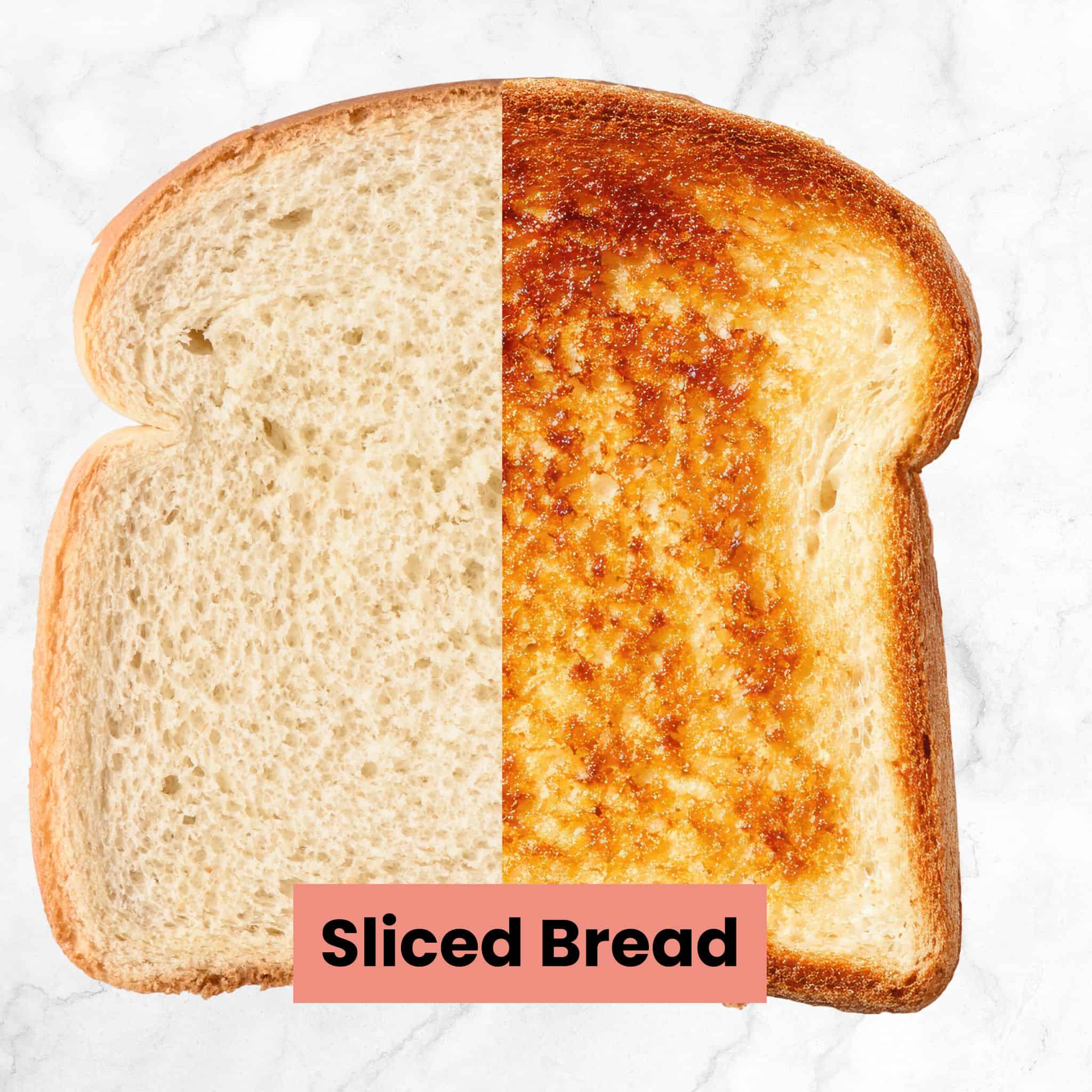
Think about the difference between toasted and untoasted bread. Toasting develops a crisp, golden crust with nutty, roasted flavors that plain bread doesn't have.
The same thing happens when you sear a steak, roast chicken, bake cookies, or roast vegetables. The Maillard reaction produces layers of savory, toasted, earthy, and sometimes slightly sweet flavors that make food more enjoyable to eat.
Beyond flavor, the Maillard reaction also alters how food smells. Much of what we perceive as taste actually comes from aroma, and the compounds created during browning contribute to the mouthwatering scent of fresh bread, roasted coffee, grilled meats, and baked desserts. These aromas stimulate the senses before you even take the first bite.
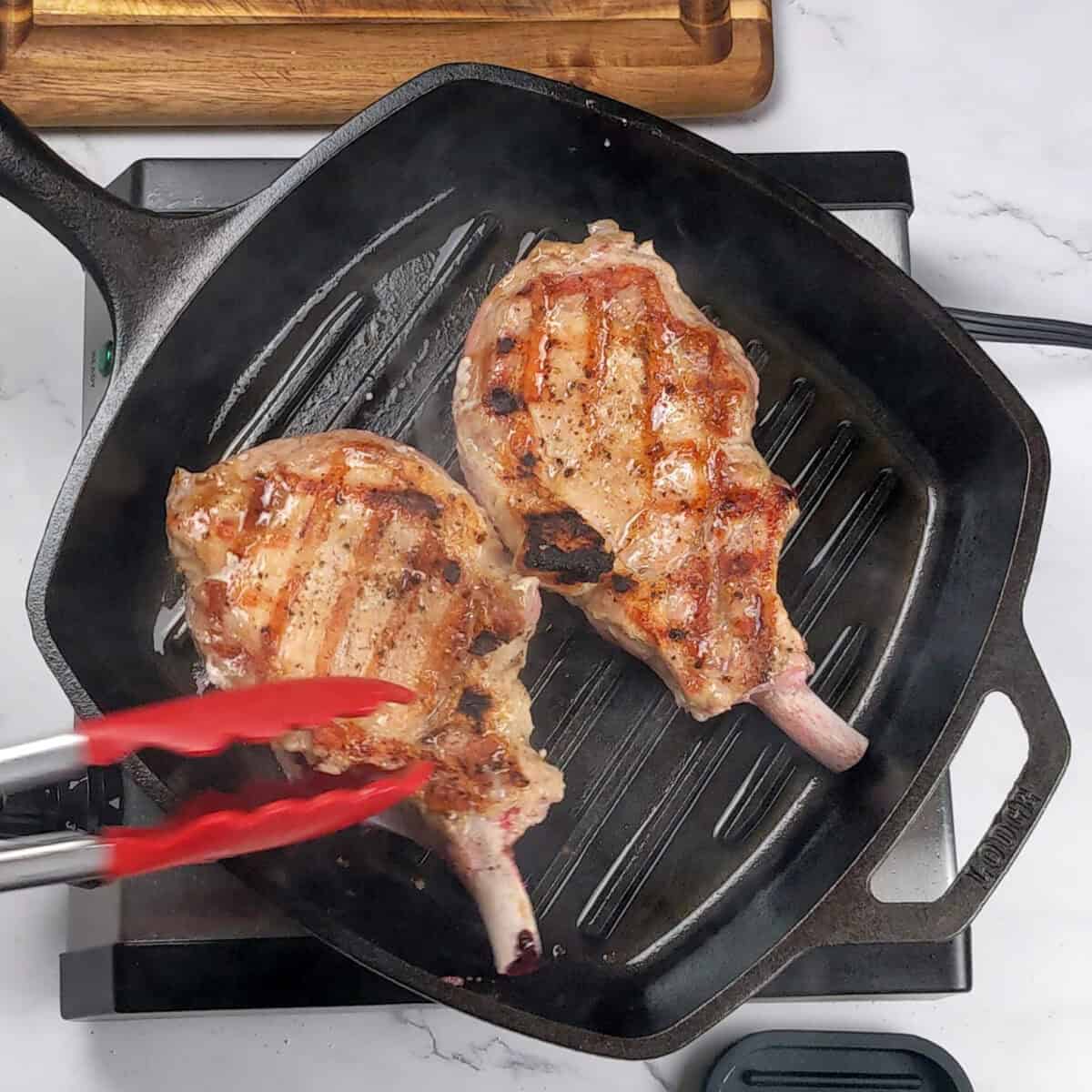
The Maillard reaction also improves texture. A crisp chicken skin, the crust on a loaf of bread, the browned edges of roasted potatoes, or the caramelized surface of mushrooms all develop through this reaction. The contrast between a crisp exterior and a tender interior creates a more enjoyable eating experience.
While the Maillard reaction is often associated with meat, it occurs in many foods that contain both proteins and natural sugars. Vegetables, bread, nuts, coffee beans, baked goods, and even some cheeses all develop richer flavor and color through this same cooking process.
Chef's Tip: Don't think of the Maillard reaction as simply "browning." Think of it as building flavor. Every time you create a beautiful golden-brown crust instead of a pale surface, you're giving your food the opportunity to develop deeper flavor, aroma, and texture.
How the Maillard Reaction Works
The Maillard reaction is a natural chemical reaction that begins when amino acids in proteins react with reducing sugars as the surface of food reaches high temperatures. As the heat increases, these molecules react with one another, creating hundreds of new flavor, aroma, and color compounds. This is why foods develop a rich brown crust and a more complex taste as they cook.
You don't need to memorize the chemistry to take advantage of it. The most important thing to know is that the Maillard reaction needs the right conditions to happen. Foods need sufficient protein and natural sugars, a relatively dry surface, and temperatures high enough for browning to occur. If the surface of the food stays too wet, the energy from the heat is spent evaporating moisture rather than driving the reaction that develops flavor.
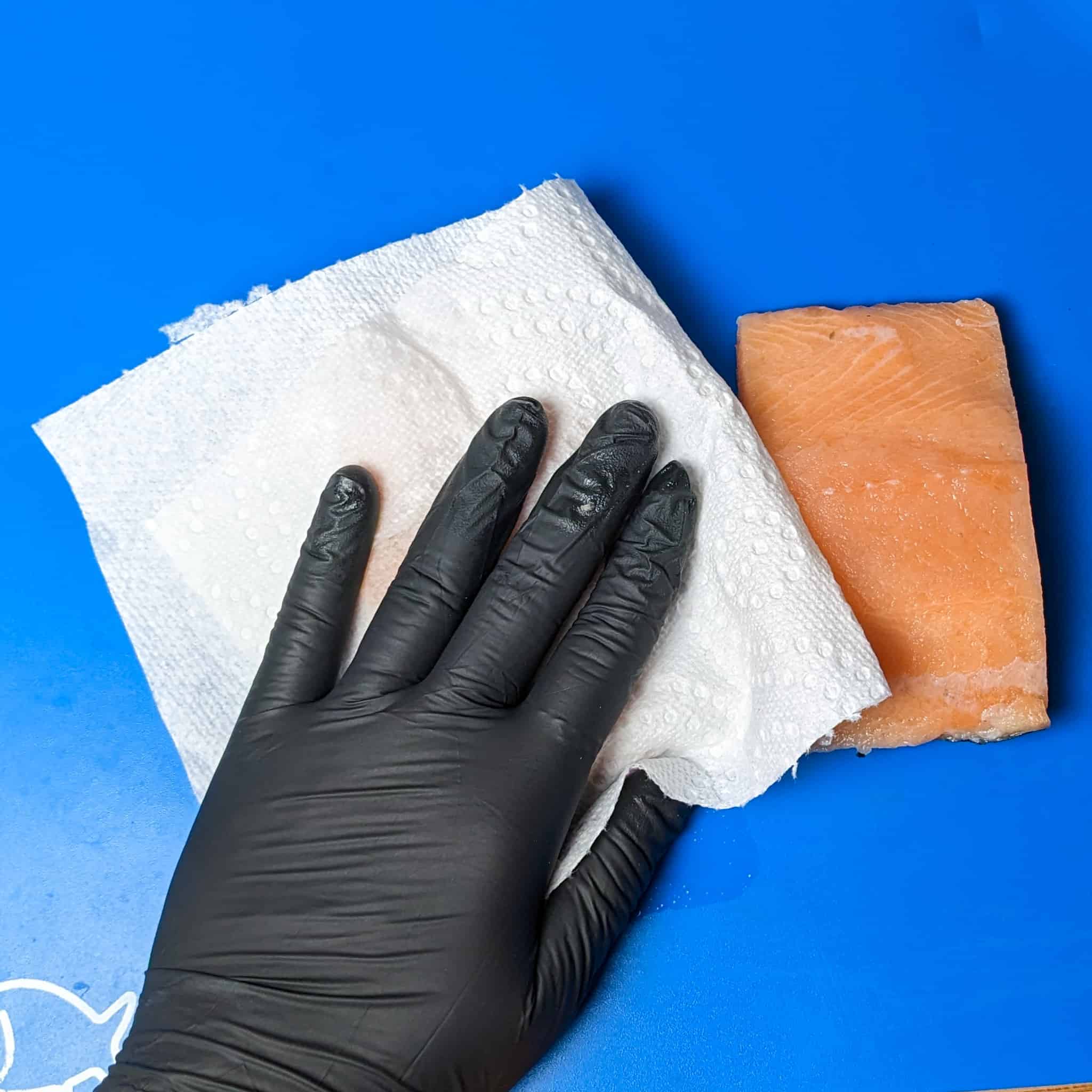
This is why recipes often recommend patting meat dry with paper towels before cooking, preheating your pan, and avoiding overcrowding. These simple techniques allow the food's surface to heat more quickly, making it easier to develop an even, golden-brown crust.
Although people often think of steak or chicken when discussing the Maillard reaction, the same process occurs in many everyday foods. Toasted bread, roasted vegetables, baked cookies, coffee beans, and even roasted nuts all develop their distinctive flavors through this reaction. While the exact flavor compounds differ depending on the ingredients, the science behind the browning process is the same.

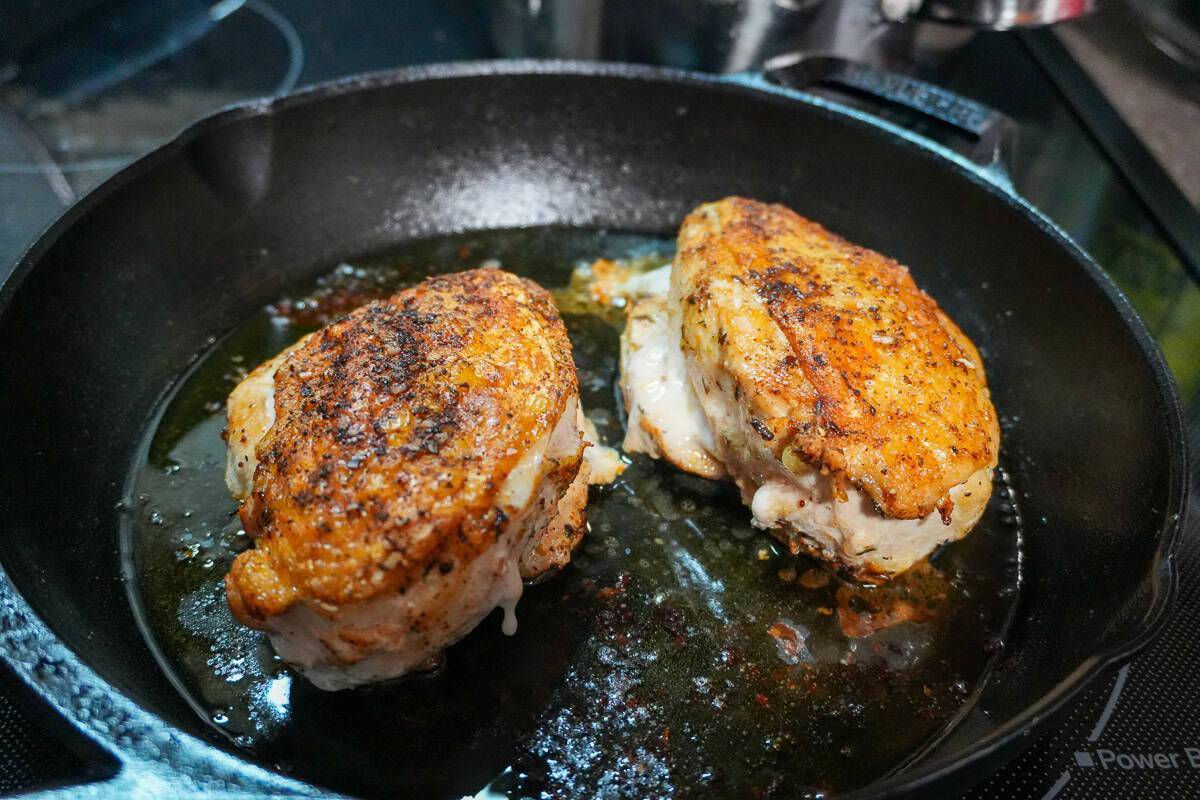
As you can see in the images above, the Maillard reaction occurs on the surface of food, where heat, proteins, and natural sugars come together to create color, aroma, and flavor.
Scientists have identified hundreds of compounds that form during the Maillard reaction, which is why browned foods can develop such a wide range of flavors from nutty and toasty to roasted, savory, and slightly sweet. Rather than producing just one flavor, the reaction creates a unique combination that depends on the type of food, its protein and sugar content, the cooking method, and the temperature used.
Try This: Think of the Maillard reaction as a chain of tiny flavor-building events. The longer the surface stays in the ideal browning range without burning, the more flavorful the final dish becomes.
Maillard Reaction vs. Caramelization: What's the Difference?
Although both the Maillard reaction and caramelization create delicious browned foods, they are not the same cooking process. They produce different flavors, occur under different conditions, and involve different ingredients. Understanding the difference can help you choose the best cooking method for the results you want.
The Maillard reaction occurs when amino acids (proteins) react with reducing sugars at high temperatures. This reaction creates the deep, savory, roasted flavors found in seared meats, toasted bread, roasted vegetables, coffee beans, and baked goods.
Caramelization, on the other hand, is the browning of sugars alone. As sugars are heated to higher temperatures, they break down, forming new compounds that create sweet, buttery, caramel-like flavors.
Since proteins aren't required, caramelization is common in foods with a high sugar content, such as caramel sauce, candy, maple syrup, and slowly cooked onions.
Interestingly, some foods experience both the Maillard reaction and caramelization during cooking. As onions cook, they first develop savory browned flavors through the Maillard reaction. As they continue to cook, their natural sugars begin to caramelize, creating the sweet, rich flavor associated with caramelized onions. The same can happen with roasted sweet potatoes and certain baked goods, where both reactions contribute to the final taste and color.
Now you know that onions have protein! But a small amount.
Maillard Reaction vs. Caramelization at a Glance (Table)
| Feature | Maillard Reaction | Caramelization |
|---|---|---|
| Requires proteins | ✔ Yes | ✘ No |
| Requires sugars | ✔ Yes | ✔ Yes |
| Main ingredients | Amino acids + reducing sugars | Sugars only |
| Flavor | Savory, roasted, nutty, umami | Sweet, buttery, caramel-like |
| Common foods | Steak, chicken, bread, vegetables, coffee | Caramel sauce, candy, maple syrup, onions |
| Appearance | Golden to deep brown crust | Amber to dark brown syrup or surface |
Know the Difference: Toasted bread gets most of its rich flavor from the Maillard reaction, while the crisp caramelized sugar topping on a crème brûlée is created through caramelization.
Common Misconception
Many people assume that any food that turns brown is caramelizing! But that's not always true. Thus, the misconception. As mentioned above, if proteins are present, as in meat, bread, mushrooms, potatoes, and many vegetables, the Maillard reaction is usually responsible for most of the browning and flavor development.
Caramelization becomes the dominant process when sugars are heated alone or when foods contain high concentrations of natural or added sugars. Don't worry about memorizing the chemistry.
In Summary
Chef's Tip: As a home cook, simply remember this rule: If proteins and sugars are browning together, you're likely seeing the Maillard reaction. If sugar is browning on its own, it's caramelization. Understanding this distinction will help you better predict the flavors different cooking methods can create.
Conditions Needed for the Maillard Reaction
As mentioned before, the Maillard reaction doesn't happen automatically every time you cook. It requires the right combination of heat, proteins, natural sugars, and a relatively dry surface to create the rich browning and complex flavors associated with roasted, grilled, baked, and pan-seared foods. If one of these conditions is missing, food may cook through without developing much color or flavor.
1. High Heat Is Essential
The Maillard reaction begins once the surface of food reaches approximately 285°F (140°C). This temperature allows proteins and reducing sugars to react and form the flavorful compounds responsible for browning. Cooking methods such as pan-searing, roasting, grilling, broiling, air frying, and baking can all reach these temperatures.
By comparison, water boils at 212°F (100°C) at sea level. That's why foods cooked entirely by boiling, poaching, or steaming rarely develop a golden-brown crust; the surface simply doesn't get hot enough while it's surrounded by water.
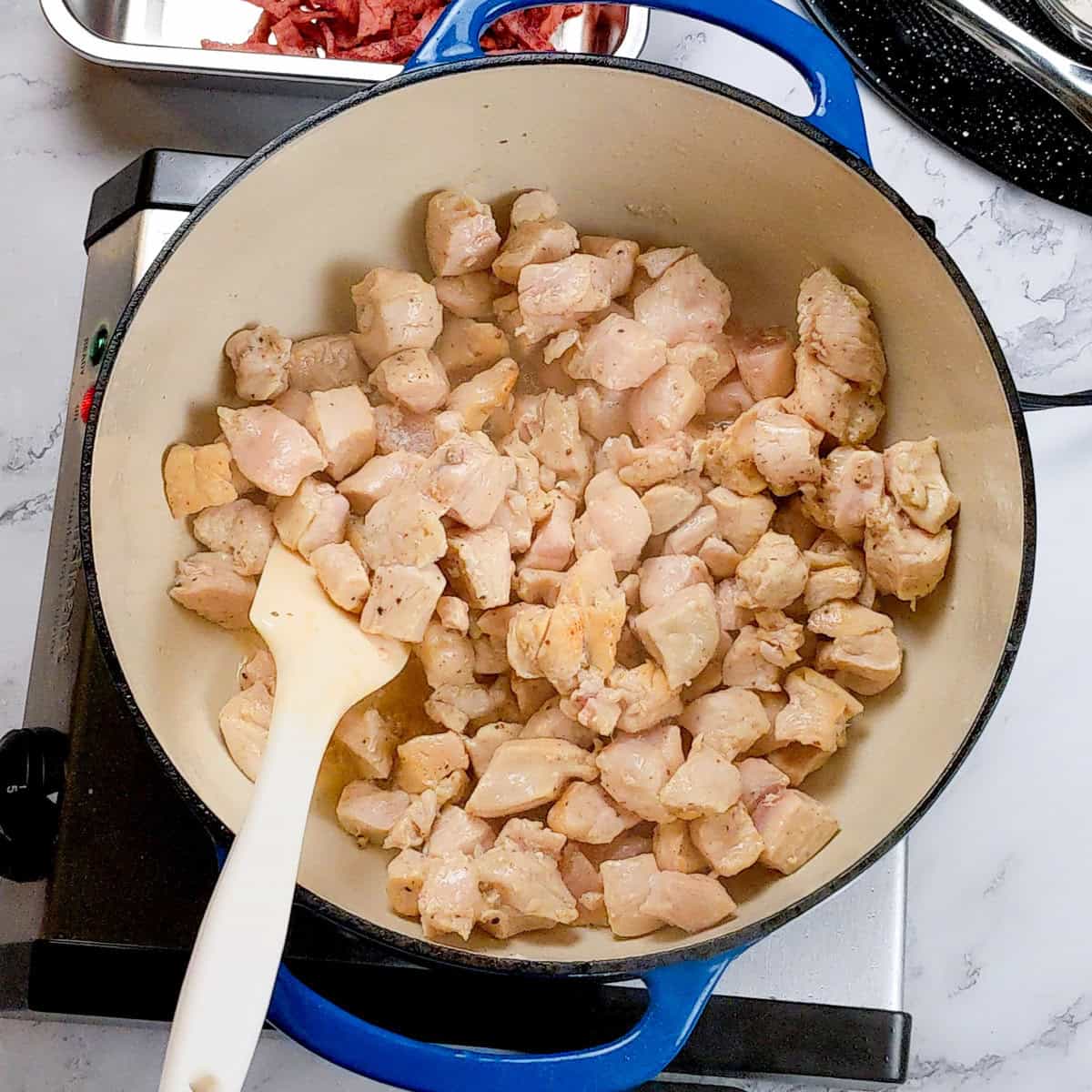
Chef's Tip: Browning starts before you ever add food to the pan. A properly preheated pan, dry ingredients, and enough space for steam to escape can make the difference between beautifully browned food and food that simply cooks through.
2. A Dry Surface Browns Better
One of the biggest obstacles to browning is surface moisture. Before food can brown, any excess water on its surface must first evaporate. Until that happens, the surface temperature stays close to the boiling point of water instead of climbing into the Maillard reaction range.
This is why you'll often see recipes recommend:
- Patting meat and seafood dry with paper towels
- Washing vegetables ahead of time so they can dry completely
- Preheating the pan before adding food
- Avoiding excess marinades on the surface before cooking
A dry surface allows food to brown more quickly and evenly.
4. Protein and Natural Sugars Work Together
The Maillard reaction depends on the combination of amino acids from proteins and reducing sugars found naturally in many foods. Different foods contain different amounts of proteins and sugars, so each develops its own unique flavor and color during cooking.
That's why it occurs in such a wide variety of ingredients, including:
- Meat and poultry
- Fish and seafood
- Mushrooms
- Potatoes
- Bread and pizza dough
- Coffee beans
- Nuts
- Roasted vegetables
5. Give Food Enough Space
Crowding the pan traps steam between pieces of food. Instead of browning, the food begins to steam as moisture builds up. Leaving a little space between pieces allows steam to escape, helping the surface stay hot enough to develop a crisp, golden-brown exterior.
If you're cooking a large batch, it's often better to cook in multiple batches than to overcrowd the pan.
6. Use the Right Cookware
Heavy cookware retains heat more effectively, helping maintain the high temperatures needed for consistent browning. Cast iron, carbon steel, and quality stainless steel pans are excellent choices because they recover heat quickly after food is added.
While nonstick pans are convenient for delicate foods, they often don't produce the same deep, even browning as heavier cookware because they're typically used over moderate heat.
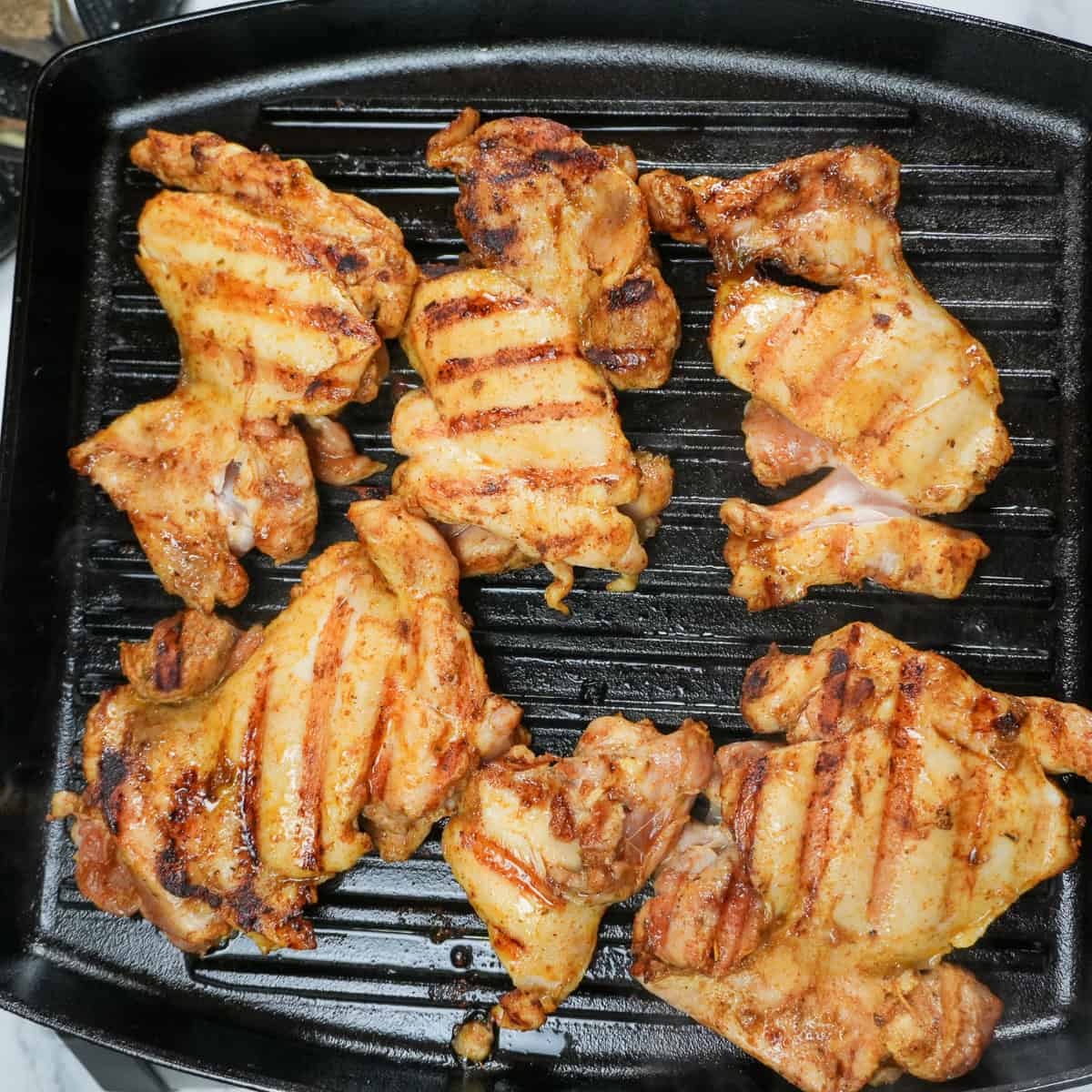
My Review: I was thrilled when Lodge introduced its Blacklock 12-Inch Triple-Seasoned Cast Iron Grill Pan. It combines the durability I’ve always trusted from the brand with a much lighter design that makes it a breeze to handle. The larger square surface was a welcome upgrade, easily fitting about 1 ¾ pounds of boneless, skinless chicken thighs with room to spare, and the triple seasoning provided a naturally nonstick finish right out of the box. I’ve been cooking with Lodge cast iron for years, and once again, they didn’t disappoint. This pan is built to last a lifetime while still making everyday cooking feel effortless. Check out my cast-iron care guide to keep yours in top shape!
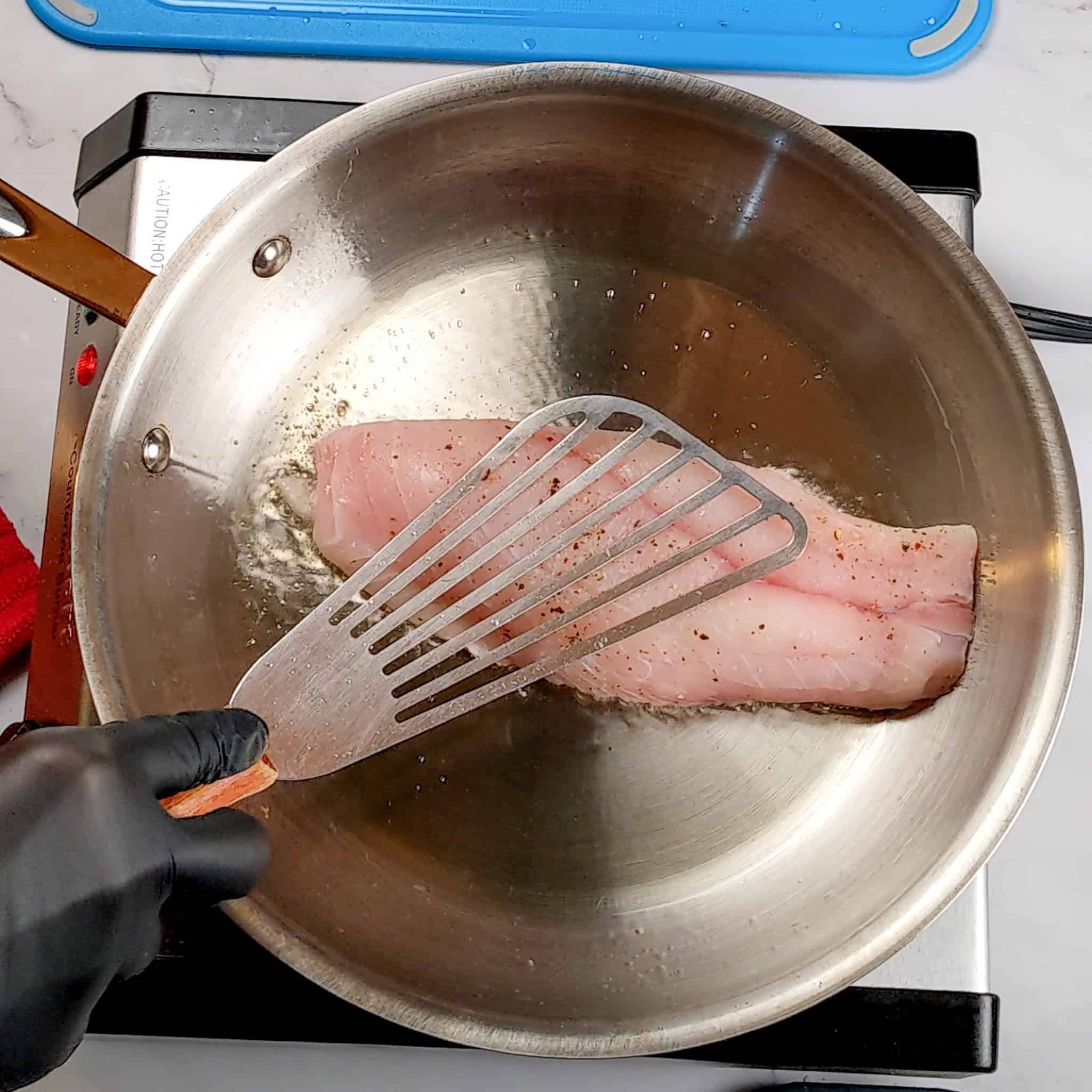
My Review: I love and trust All-Clad for their high-quality pans that truly last a lifetime, and this D3 10-Inch Stainless Steel Fry Pan with a lid is no exception. It delivers fast, even heat and comes out of the dishwasher looking impeccable every time, which makes cleanup effortless. It’s super easy to use, whether you're searing, sautéing, or finishing a dish in the oven, plus it's oven- and broiler-safe up to 600°F. One tip for getting that perfect nonstick surface: always let the pan heat up on its own first, then add your oil and wait until it’s hot before adding delicate foods like fish. This pan is a staple in my kitchen and earns its keep every single day.
Why Your Food Isn't Browning
If your food is coming out pale instead of beautifully golden brown, the Maillard reaction probably isn't reaching its full potential. Fortunately, most browning problems have simple solutions. By making a few small adjustments, you can dramatically improve the color, flavor, and texture of your cooking.
1. Your Pan Isn't Hot Enough
One of the most common reasons food doesn't brown is starting with a pan that hasn't fully preheated. When food is added too soon, the surface temperature drops before the Maillard reaction can begin, so the food slowly cooks rather than developing a flavorful crust.
Instead, allow your pan to fully preheat before adding oil and food. A properly heated pan helps create even browning from the moment the food touches the surface.
2. There's Too Much Moisture
Water is one of the biggest obstacles to browning. If the surface of your ingredients is wet from washing, thawing, or marinating, the moisture must evaporate before browning can begin. Until then, the food is essentially steaming.
Instead, pat meat, seafood, and vegetables dry with paper towels before cooking. If using a marinade, gently blot away any excess liquid while leaving the seasoning behind.
3. The Pan Is Overcrowded
When too much food is added at once, steam becomes trapped between the pieces. Instead of browning, the food cooks in its own moisture.
Instead, leave a little space between each piece of food, or cook in batches if needed. Better airflow allows excess moisture to escape, encouraging a crisp, browned exterior.
4. You're Flipping the Food Too Soon
It's tempting to move food around constantly, but doing so interrupts the browning process before a crust has time to develop.
Instead, once the food is placed in the pan, let it cook undisturbed until it naturally releases from the surface. That's often a sign that a flavorful crust has formed.
5. The Heat Is Too Low
Cooking over low or medium-low heat may fully cook the food, but it often won't generate enough surface heat for strong browning.
Instead, use medium-high to high heat when appropriate for the ingredient and cookware. Adjust as needed to promote browning without burning.
6. The Wrong Pan Is Being Used
Different cookware transfers and retains heat differently. Lightweight pans can lose heat quickly when food is added, making it harder to maintain the temperatures needed for the Maillard reaction.
Instead, use a cast-iron skillet, a carbon-steel pan, or a heavy stainless-steel skillet for a deep, even sear.
7. You're Cooking With Too Much Liquid
Adding broth, wine, butter, or other liquids too early lowers the surface temperature and shifts the cooking method from searing to simmering.
Instead, brown the food first, then add liquids after a crust has developed.
8. The Food Is Straight From the Refrigerator
Very cold food can lower the pan's temperature, slowing browning, especially when cooking large cuts of meat.
Instead, depending on the recipe and food safety considerations, let some foods sit at room temperature for a short time before cooking. Always follow safe food-handling practices and avoid leaving perishable foods out for longer than recommended.
The Takeaway
Great browning is usually the result of patience, not higher heat. A hot pan, dry ingredients, enough space, and resisting the urge to constantly move the food will reward you with deeper flavor and better texture.
Common Browning Mistakes at a Glance (Table)
| Mistake | What Happens | Better Approach |
|---|---|---|
| Cold pan | Food cooks slowly instead of browning | Fully preheat the pan |
| Wet ingredients | Surface steams instead of browning | Pat food dry before cooking |
| Overcrowding | Steam builds up | Cook in batches if needed |
| Flipping too soon | Crust doesn't have time to form | Let food cook undisturbed |
| Low heat | Pale color and less flavor | Use medium-high to high heat when appropriate |
| Adding liquid too early | Stops browning | Brown first, add liquid later |
Does the Maillard Reaction Only Happen on Meat?
No. While the Maillard reaction is most commonly associated with seared steaks, roasted chicken, and grilled burgers, it also occurs in many other foods. As long as a food contains enough protein (amino acids) and natural sugars, it can develop the rich flavor, appealing aroma, and golden-brown color characteristic of the Maillard reaction when cooked with dry heat.
Again, this is why foods as different as roasted vegetables, toasted bread, baked cookies, coffee beans, and roasted nuts all become more flavorful during cooking. Although the same chemical reaction occurs, each food develops its own unique combination of flavor compounds based on its protein and sugar content.
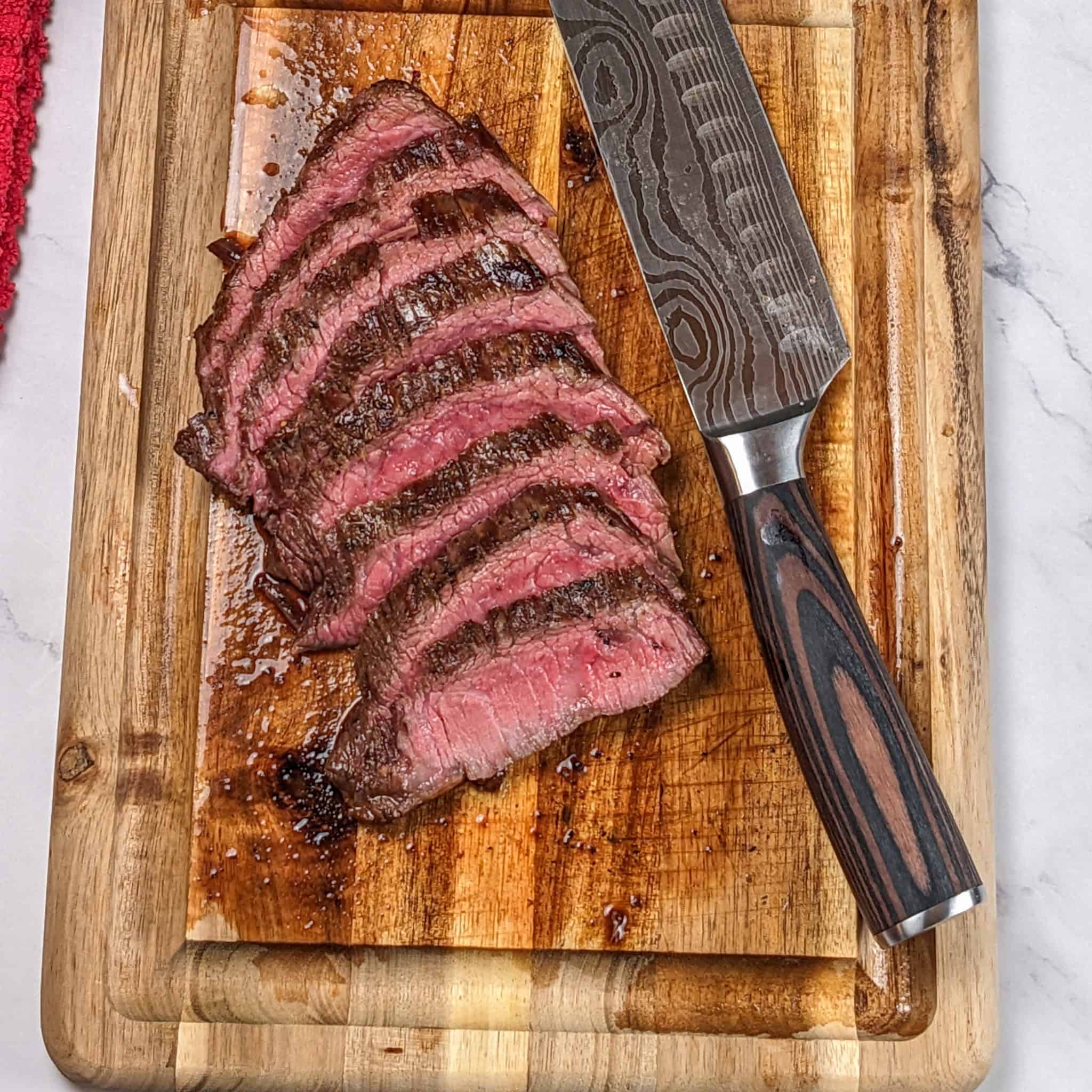
Meat and Poultry
Beef, pork, chicken, turkey, and lamb all develop a flavorful brown crust when grilled, roasted, broiled, or pan-seared.
Common examples include:
- Steak
- Chicken breast
- Pork chops
- Turkey cutlets
- Lamb chops
Fish and Seafood
Fish and seafood also undergo the Maillard reaction, although they typically brown more quickly and gently than red meats because of their delicate protein structure.
Common examples include:
- Salmon
- Shrimp
- Scallops
- Tuna
- Mahi-mahi
Vegetables
Many vegetables become sweeter, nuttier, and more complex in flavor as they brown. Mushrooms are especially rich in compounds that create an intensely savory, umami flavor when cooked.
Common examples include:
- Mushrooms
- Brussels sprouts
- Broccoli
- Cabbage
- Cauliflower
- Green beans
Potatoes and Other Starches
Starchy foods develop a crisp texture and deeper flavors as their surfaces brown.
Common examples include:
- Roasted potatoes
- French fries
- Hash browns
- Pizza crust
- Tortillas
Bread and Baked Goods
Freshly baked bread owes much of its aroma and golden crust to the Maillard reaction. The same is true for many baked desserts.
Common examples include:
- Sandwich bread
- Artisan bread
- Cookies
- Biscuits
- Pie crust
- Banana bread
Coffee, Cocoa, and Nuts
The roasting process transforms these ingredients, producing hundreds of flavor compounds that give them their distinctive aroma and taste.
Common examples include:
- Coffee beans
- Cocoa beans
- Almonds
- Pecans
- Peanuts
- Hazelnuts
Download and Save This Guide
Every great roasted meal starts with understanding how flavor develops. Bookmark this guide or download the printable so you'll always have a quick reference when you're experimenting with new ingredients, trying different cooking methods, or looking to build deeper, more robust flavors in your favorite dishes. Hence, my tagline, I encourage you to "Explore. Experiment. Taste."
Cooking is part science and part creativity. Once you understand how the Maillard reaction works, you'll start seeing opportunities everywhere, from roasting vegetables and baking bread to searing proteins and toasting spices. Don't be afraid to experiment, trust your senses, and make each recipe your own. Some of the best dishes are created by curious cooks who aren't afraid to try something new.
What About Foods That Don't Brown?
Foods that contain very little protein, such as melted sugar, caramel sauce, or simple syrup, don't typically undergo the Maillard reaction. Instead, they brown through caramelization, which is a separate process that only requires sugar and heat.
The Bottom Line: The Maillard reaction is not just a "meat reaction." It's one of the most important cooking processes for developing flavor in meats, seafood, vegetables, breads, baked goods, coffee, nuts, and many other everyday foods. Once you recognize where it occurs, you'll start noticing it every time you cook.
How to Get Better Browning Every Time.
While the Maillard reaction is a natural chemical process, there are several ways you can encourage or unintentionally prevent it during cooking. By understanding a few simple techniques, you can consistently create foods with richer flavor, better texture, and a beautiful golden-brown color.
1. Increase Surface Browning
The Maillard reaction occurs on the surface of food, so exposing more surface area to heat can increase browning.
Ways to encourage more browning include:
- Cut vegetables into evenly sized pieces with flat surfaces.
- Slice mushrooms instead of leaving them whole.
- Butterfly thicker cuts of meat when appropriate.
- Spread ingredients into a single layer on a baking sheet.
The more surface area that contacts the hot pan or oven, the greater the opportunity for browning.
2. Remove Excess Moisture
Moisture slows the Maillard reaction because water must evaporate before the food's surface can reach browning temperatures.
For better results:
- Pat meat, seafood, and vegetables dry with paper towels.
- Let washed produce dry before roasting.
- Avoid adding too much marinade immediately before cooking.
- Don't cover food while you're trying to brown it.
3. Choose the Right Cooking Method
Some cooking methods naturally encourage browning more than others.
Excellent for the Maillard reaction:
- Pan-searing
- Roasting
- Grilling
- Broiling
- Air frying
- Baking
Less likely to produce browning:
- Boiling
- Steaming
- Poaching
- Simmering
These moist-heat methods cook food well but rarely create the golden crust associated with the Maillard reaction.
4. Give Food Time
One of the hardest habits for new cooks to break is moving food too often. When you constantly stir, flip, or press food against the pan, you interrupt the browning process before a crust has a chance to develop.
Instead:
- Let steaks naturally release from the pan before flipping.
- Resist the urge to move roasted vegetables every few minutes.
- Allow burgers and chicken to develop color before turning.
Remember: Patience is often the secret ingredient to better browning.
5. Balance Browning Without Burning
The goal isn't to make food as dark as possible. The Maillard reaction creates the best flavor when food develops a deep golden-brown crust without becoming charred.
Watch for signs that it's time to reduce the heat:
- Browning turns black instead of deep brown.
- Smoke increases dramatically.
- Bitter or burnt aromas begin to replace roasted aromas.
GBD, aka Golden Brown and Delicious: A beautifully browned surface adds flavor, while excessive burning can overpower the dish. In addition, bowning isn't about cooking faster, it's about cooking smarter. Small changes like drying ingredients, preheating your pan, and giving food enough space can produce restaurant-quality flavor without adding extra ingredients.
Does the Maillard Reaction Mean Food Is Fully Cooked?
A beautifully seared steak, chicken breast, or pork chop may look perfectly cooked on the outside while still being undercooked in the center. While the Maillard reaction creates an appetizing golden-brown color and rich flavor, browning alone is not a reliable indicator that food has reached a safe internal temperature.
It occurs on the surface of food, where temperatures become high enough for proteins and sugars to react. Meanwhile, the food cooks more slowly as heat gradually moves toward the center. This means the exterior can brown long before the interior reaches a safe temperature.
For this reason, the best way to determine doneness is by using a food thermometer, not by judging color alone. Checking the internal temperature ensures food is both safe to eat and cooked to your preferred level of doneness.
Browning Doesn't Equal Doneness
It's easy to assume that a dark, flavorful crust means food is finished cooking, but that's not always the case.
For example:
- A thick chicken breast may brown quickly, but still needs more time to reach a safe internal temperature.
- A steak can develop a beautiful crust while remaining rare or medium-rare in the center. Same with fish doneness.
- Burgers may look done on the outside, but still require additional cooking to reach a safe temperature.
Keep in Mind: The opposite can also happen. Some foods may reach their safe internal temperature before they've had enough time to develop a rich, browned exterior. Do you remember why?
Use Browning and Temperature Together
The best results come from combining both techniques:
- Use the Maillard reaction to build flavor, color, and texture.
- Use a food thermometer to verify doneness.
- Allow larger cuts of meat to rest after cooking so juices can redistribute before slicing.
Food Safety Tip: A golden-brown crust tells you that delicious flavor has developed, but only a food thermometer can tell you when food is safely cooked. Together, these techniques help you prepare meals that are flavorful, properly cooked, and safe to enjoy. Read more
Is the Maillard Reaction Safe?
Now, you may have heard that burnt food contains carcinogens. The Maillard reaction is a natural part of cooking and has been used for centuries to create the rich flavors, aromas, and golden-brown color found in many favorite foods. From freshly baked bread and roasted vegetables to grilled meats and toasted coffee beans, this reaction is responsible for many of the tastes and textures people enjoy every day.
Like most cooking techniques, moderation and proper cooking practices are important! Remember, the goal of the Maillard reaction is to achieve a deep golden-brown color, not to burn food. Excessive charring or blackening can create bitter flavors and may produce compounds that researchers continue to study, such as acrylamide in certain starchy foods and other compounds associated with heavily charred meats.
For everyday cooking, the best approach is simple:
- Aim for golden brown, not black.
- Avoid prolonged cooking at excessively high temperatures.
- Turn or rotate food as needed to encourage even browning.
- Trim away any heavily burnt or charred portions before serving.
Chef's Tip: Think of the Maillard reaction as the "sweet spot" between pale and burnt. A rich golden-brown crust usually delivers the best balance of flavor, texture, and appearance. By focusing on controlled browning instead of excessive charring, you can enjoy the flavor benefits of the Maillard reaction while following good cooking practices.
Culinary Glossary
This section provides concise definitions of key terms to enhance understanding and improve cooking skills related to this post.
- Amino Acids: The building blocks of proteins that react with natural sugars during the Maillard reaction to create new flavors and aromas.
- Browning: The process of food developing a golden to deep brown color during cooking. Browning can occur through the Maillard reaction, caramelization, or other cooking processes.
- Caramelization: A chemical process where sugars brown when heated, creating sweet, buttery, caramel-like flavors. Unlike the Maillard reaction, proteins are not required.
- Dry-Heat Cooking: Cooking methods that use hot air or direct heat without added water, such as roasting, grilling, broiling, baking, pan-searing, and air frying. These methods encourage the Maillard reaction.
- Maillard Reaction: A natural chemical reaction between proteins and reducing sugars that produces the golden-brown color, rich aroma, and complex flavors found in many cooked foods.
- Reducing Sugars: Natural sugars that react with amino acids during the Maillard reaction. They are found in many foods, including vegetables, fruits, grains, and meats.
- Resting Meat: Allowing cooked meat to sit for several minutes before slicing so the juices can redistribute throughout the meat, helping maintain tenderness and moisture.
- Searing: Cooking food over high heat to develop a flavorful browned crust through the Maillard reaction. Searing builds flavor but does not seal in juices.
- Surface Moisture: The water present on the outside of food. Removing excess surface moisture helps food brown more quickly because the surface can reach higher temperatures.
- Umami: One of the five basic tastes, often described as savory or meaty. The Maillard reaction enhances umami flavors in many foods.
Equipment for Better Browning
The right cookware and kitchen tools can make it much easier to achieve the rich color, flavor, and texture created by the Maillard reaction. You don't need a professional kitchen to get great results. Start with the equipment you already own and upgrade over time as your cooking style and favorite recipes evolve. By the way, the links in this section take you to an external site to shop for that item.
Consider how often you cook, the techniques you enjoy most, and the types of dishes you prepare before investing in new cookware.
Cast Iron Skillet: Retains heat exceptionally well for creating deep, even browning.
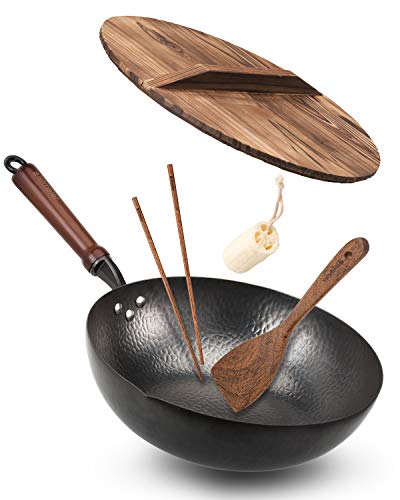
Carbon Steel Skillet: Heats quickly and develops an excellent sear, making it a favorite for high-heat cooking.
Heavy-Bottom Stainless Steel Skillet: Promotes even heat distribution and creates flavorful browned bits.
Sheet Pan: Provides plenty of space for roasting vegetables, proteins, and baked goods without overcrowding.
Wire Rack: Elevates food to improve air circulation, resulting in more even roasting and browning. Cooling Rack: Allows baked goods to cool evenly while preserving crisp crusts. I use a wire rack for this as well.
Instant-Read Digital Food Thermometer: Confirms that food has reached a safe internal temperature since browning alone doesn't indicate doneness.
Paper Towels: Used to remove excess surface moisture from meats, seafood, and vegetables before cooking.
Silicone-Tipped Tongs: Makes it easy to turn foods without piercing them and losing juices.
Oven Mitts: Protect your hands when handling hot cookware and sheet pans.
Find the Right Equipment for Your Kitchen
Choosing cookware isn't about buying the most expensive tools; it's about selecting equipment that matches the way you cook. Before making a purchase, take a few minutes to think about your favorite cuisines, the ingredients you prepare most often, and the cooking methods you use every week.
If you're building your kitchen from scratch or comparing different types of cookware, be sure to read my Kitchen Equipment Buying Guide for a more in-depth look at materials, heat retention, maintenance, and how to choose tools that fit your cooking style and budget.
- What cuisines do I cook most often?
- Cast iron is excellent for steaks, Southern cooking, and rustic roasting.
- Carbon steel is a favorite for stir-fries, Asian cuisine, and high-heat searing.
- Stainless steel is a versatile choice for everyday cooking across many cuisines.
- What proteins do I cook the most?
- Thick steaks and pork chops benefit from heavy cookware that retains heat well.
- Fish and seafood often cook best in pans that provide even, responsive heating.
- If you cook mostly vegetables, a quality sheet pan may be your most-used tool.
- Which cooking methods do I use most often?
- Pan-searing
- Roasting
- Baking
- Grilling
- Air frying
- Stir-frying
- What type of stovetop do I have?
- Gas
- Electric coil
- Glass cooktop
- Induction
- Some cookware performs better on certain heat sources, so be sure it's compatible with your kitchen.
- How much maintenance am I comfortable with?
- Cast iron and carbon steel require seasoning and regular care.
- Stainless steel is low-maintenance.
- Nonstick cookware is easy to clean but isn't designed for prolonged high-heat cooking.
- Do I cook for one person or a large family?
- Larger sheet pans and skillets are helpful for batch cooking.
- Smaller pans may heat more efficiently for everyday meals.
- What is my budget?
- Start with one quality skillet and one sturdy sheet pan before expanding your collection.
- Investing in versatile pieces often provides more value than buying specialty cookware.
- Do my dietary preferences influence how I cook?
- If you enjoy mostly plant-based meals, prioritize quality sheet pans, sauté pans, and roasting equipment.
- If you frequently prepare meat, poultry, or seafood, a heavy skillet and reliable thermometer are worthwhile investments.
- If your meals are a mix of proteins and vegetables, choose versatile cookware that performs well across different cooking methods.
Chef Maika's Tip: From roasting vegetables for a Mediterranean dinner to stir-frying for an Asian-inspired meal, or searing proteins for Caribbean, Latin American, or classic Southern recipes, the best cookware is the one you'll reach for every week. So, buy cookware that supports the meals you already love to make, not the meals you hope to cook someday! As your confidence grows, your kitchen can grow with you.
5 Quick Tips for Better Browning
If you're searing a steak, roasting vegetables, or baking fresh bread, these simple tips can help you get the most out of the Maillard reaction and build deeper, more complex flavors. Also, make sure to check out Cook's Notebook, which is your Cooking Tips Resource Guide by JMC. Become a better home cook with tips to help you cook more efficiently!
- Preheat Your Pan or Oven. A properly heated cooking surface helps food begin browning as soon as it comes into contact with the surface. Starting with a cold pan often results in steaming rather than a flavorful crust.
- Pat Ingredients Dry. Excess surface moisture slows the Maillard reaction because water must evaporate before browning can begin. Drying meat, seafood, and vegetables with paper towels can make a noticeable difference.
- Don't Overcrowd the Pan. Leave enough space between ingredients so moisture can escape. Cooking in batches is often the best way to achieve even browning and prevent food from steaming.
- Let Food Brown Before Flipping. Resist the urge to constantly move food around. Giving ingredients time to remain in contact with the hot cooking surface allows a rich, golden-brown crust to develop naturally.
- Aim for Golden Brown, Not Burnt. The best flavor comes from controlled browning, not excessive charring. Once food develops a deep golden-brown color and a rich roasted aroma, it's usually time to turn it, remove it from the heat, or finish cooking using your preferred method.
Remember: Great cooking isn't about making food darker, it's about creating better flavor. A beautifully browned surface is often the result of patience, proper heat, and a few simple techniques rather than complicated recipes.
Frequently Asked Questions
Here is a list of common questions I have answered. If you have any questions, please write them in the comments below.
The Maillard reaction is a natural chemical process that occurs when proteins and natural sugars are heated together. It creates the golden-brown color, rich aroma, and savory flavor found in foods like seared meats, roasted vegetables, toasted bread, and baked goods.
The Maillard reaction typically begins when the surface of food reaches about 285°F (140°C). Since water boils at 212°F (100°C), foods cooked entirely by boiling or steaming usually don't brown because their surfaces never become hot enough while moisture is present.
No. The Maillard reaction occurs in many foods that contain proteins and natural sugars, including vegetables, bread, potatoes, coffee beans, nuts, baked goods, and seafood. Meat is just one of many foods that benefit from this flavor-building process.
The Maillard reaction occurs when proteins and sugars react at high temperatures, creating savory, roasted flavors. Caramelization occurs when sugars are heated alone, producing sweet, buttery, caramel-like flavors. While both create browning, they are different chemical processes.
No. A browned crust indicates that the Maillard reaction has occurred on the surface of the food, but it doesn't guarantee the inside has reached a safe internal temperature. For the most accurate results, use a food thermometer to verify doneness, especially when cooking meat, poultry, and seafood.
Continue Building Your Cooking Skills
The Maillard reaction is just one part of creating flavorful, well-cooked meals. If you'd like to continue learning the science and techniques behind great cooking, these guides will help you build confidence in the kitchen while improving your results.
Culinary Glossary - Explore beginner-friendly definitions of common cooking ingredients, techniques, and kitchen terminology.
Internal Meat Temperature Chart (Printable Guide) - Learn the safe internal temperatures for beef, poultry, pork, seafood, and more.
Searing Chicken Tips - Discover how to achieve a beautifully browned exterior while cooking chicken safely and evenly.
Steak Grilling Times Chart - Use this guide to grill steaks to your preferred level of doneness with confidence.
Fish Doneness Guide - Learn how to tell when fish is perfectly cooked using visual cues and internal temperatures.
Prepping Fish for Cooking - Prepare fish correctly before it reaches the pan to improve both flavor and texture.
How to Wash Fresh Herbs - Keep herbs fresh and clean before adding them to your favorite recipes.
How to Store Fresh Herbs - Extend the life of fresh herbs while preserving their flavor and quality.
- Seasonal Produce Guide: What Fruits and Vegetables Are in Season?
- How to Roast Food: The Fundamental Principles of Roasting
- 2026 Fall Seasonal Produce Guide: Fruits and Vegetables to Enjoy This Season
- Indian Cooking Techniques That Changed How I Think About Food
Looking for Flavorful Recipes?
Now that you understand how the Maillard reaction works, put it into practice! Browse my collection of globally inspired recipes featuring roasting, grilling, baking, air frying, and pan-searing techniques to create bold flavors and beautiful golden-brown finishes. Every recipe is designed to help home cooks build confidence in the kitchen while encouraging creativity with ingredients and cooking methods.
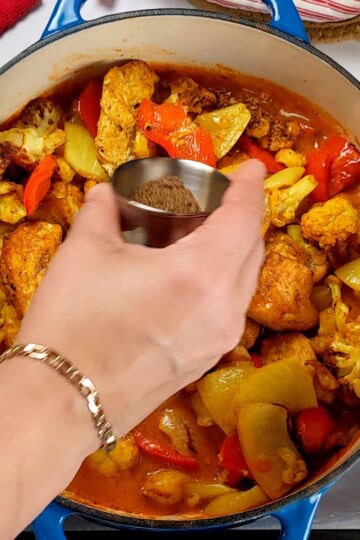
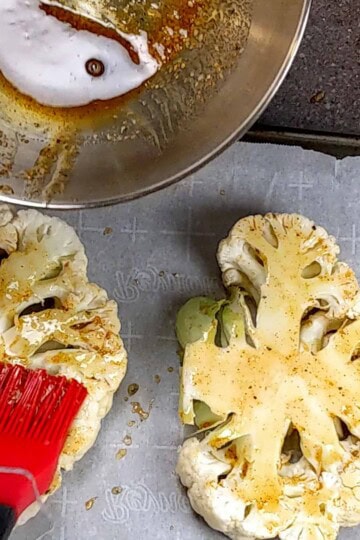
- How to Make and Roast Cauliflower Steaks
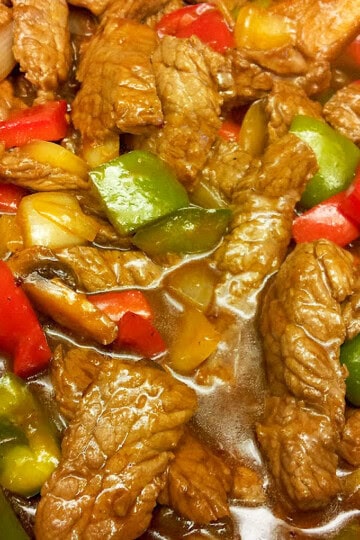
- Chinese Pepper Steak with Red Wine and Hoisin Sauce
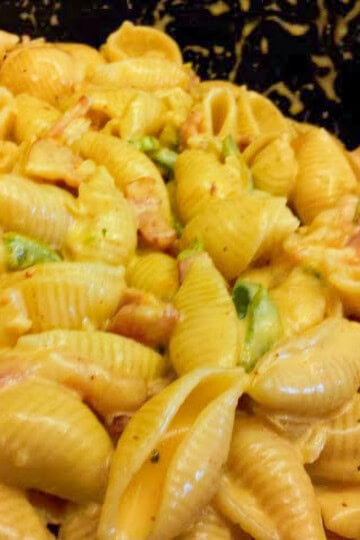
- Bacon Jalapeño Mac and Cheese
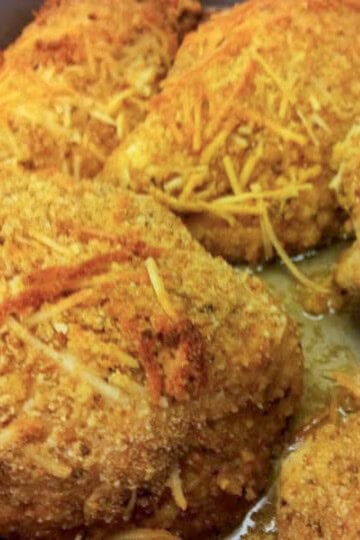
- Crispy Garlic Parmesan Baked Chicken
Subscribe to my YouTube Channel
SUBSCRIBE: 👈To my YouTube Channel to Get Notifications of New Videos.


Chef Maika Frederic-Liebman
Chef and Educator
Professionally trained Haitian-American chef Maika Frederic created Just Maika Cooking, where she shares globally inspired recipes, cooking techniques, ingredient guides, and food safety tips to help home cooks become more creative and confident in the kitchen. Combining years of professional culinary experience with a passion for teaching, she makes global flavors approachable through practical, accessible instruction for cooks of every skill level.
Have a Comment or Question?
If you have a question or comment about this post, please post it below. You will receive a prompt response. It also helps our other readers to stay informed. Thanks!
Leave a Reply