


Onions are the foundation of countless recipes, but choosing the wrong type can completely change a dish's flavor. Some onions are best eaten raw, others shine when caramelized, and a few are made specifically for soups, sauces, or quick sautés.
This guide breaks down the 7 most common types of onions, explains what each one tastes like, and shows you exactly when and how to use them so you can cook with confidence.

For Example: Yellow onions are the most versatile for everyday cooking; red onions are best raw; white onions are sharper and great for salsas; and sweet onions work best for burgers and onion rings.
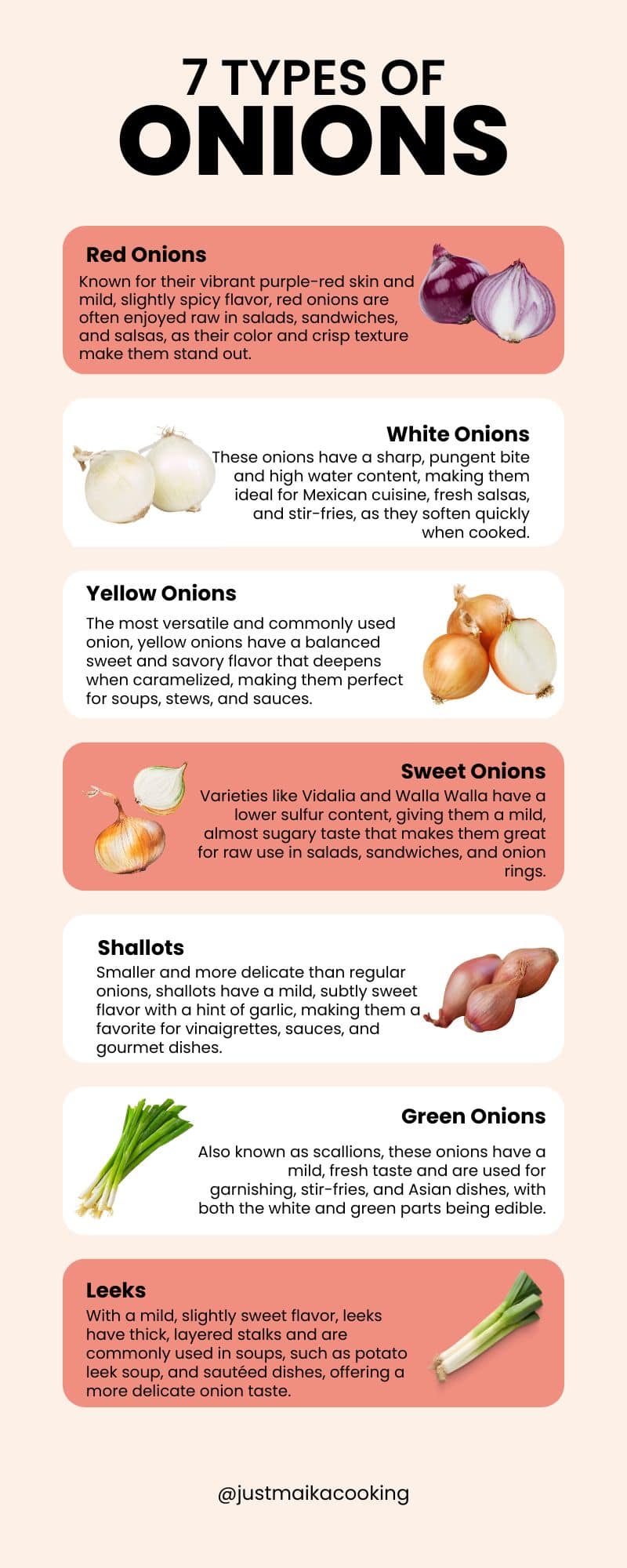
Table of Contents
Jump to:
- Which Onion Should I Use? (Quick Picks)
- Quick Guide: Which Onion Should I Use?
- 1. Red Onions - Best for Raw Dishes
- 2. White Onions - Sharp and Bold
- 3. Yellow Onions - The Most Versatile Onion
- 4. Sweet Onions - Mild and Naturally Sweet
- 5. Shallots - Delicate and Flavorful
- 6. Green Onions - Fresh and Mild
- 7. Leeks - Gentle and Sweet When Cooked
- 8. Pearl Onions - Small but Mighty
- Essential Equipment for Prepping Different Types of Onions
- Best Way to Store Onions
- Frequently Asked Questions
- Culinary Glossary
- Cooking Tips and Tutorials
- Latest Recipes
- Have a Comment or Question?
Which Onion Should I Use? (Quick Picks)
- Garnish or fresh bite: Green onions
- Soup or stew: Yellow onions or leeks
- Salads & sandwiches: Red onions or sweet onions
- Salsas & Mexican dishes: White onions
- Dressings & sauces: Shallots
Quick Guide: Which Onion Should I Use?
| Onion Type | Best Use | Flavor Profile | Best Raw or Cooked |
|---|---|---|---|
| Yellow Onion | Soups, stews, sauces | Balanced, savory-sweet | Cooked |
| White Onion | Salsas, Mexican dishes | Sharp, clean | Both |
| Red Onion | Salads, sandwiches | Mild, crisp, peppery | Raw |
| Sweet Onion | Burgers, onion rings | Very mild, sweet | Raw or cooked |
| Shallots | Dressings, sauces | Delicate, slightly garlicky | Both |
| Green Onions | Garnish, stir-fries | Fresh, mild | Raw |
| Leeks | Soups, braises | Gentle, sweet | Soups, stews, and sauces |
1. Red Onions - Best for Raw Dishes
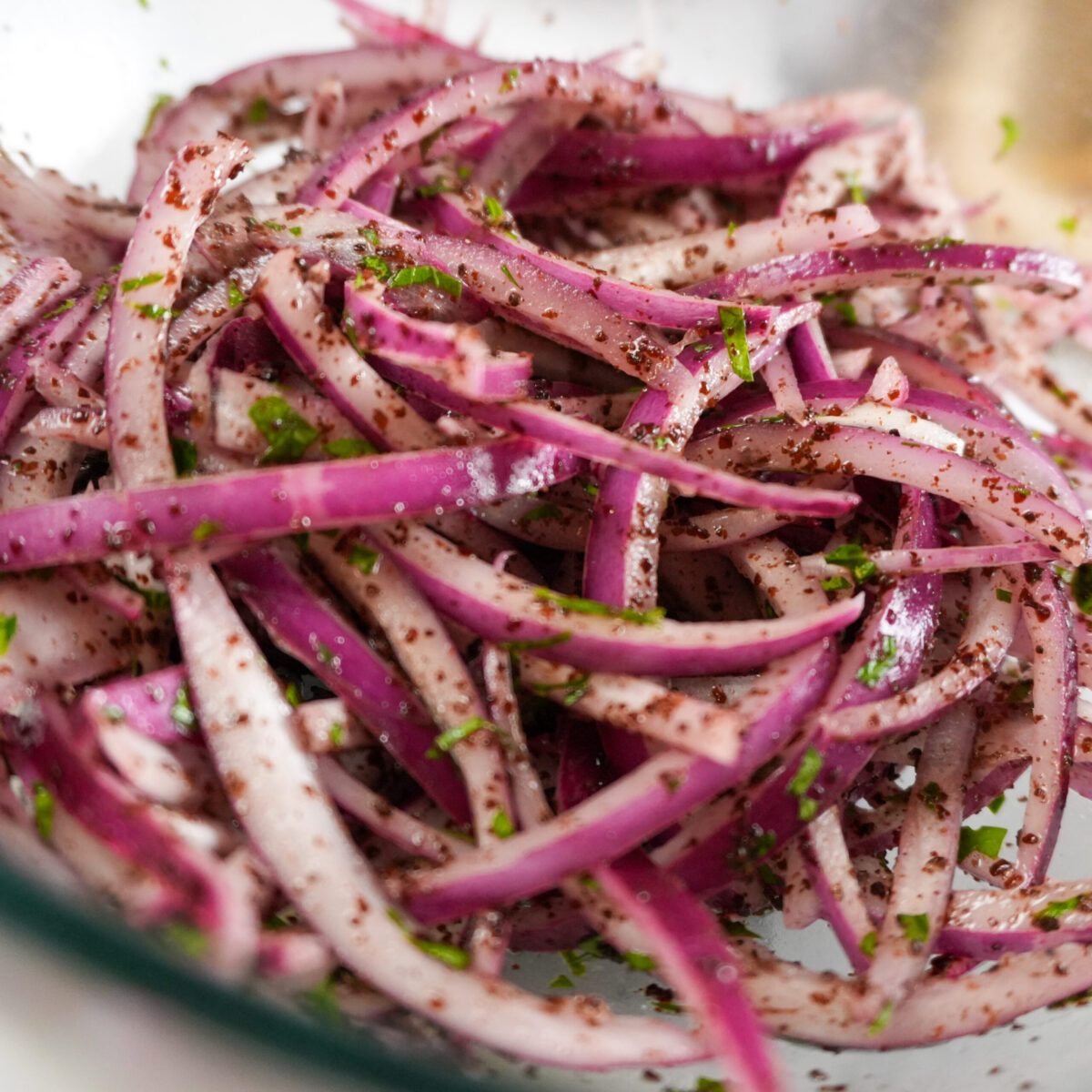
Red onions are known for their vibrant purple color, crisp texture, and moderately sharp bite. They are one of the best onions for eating raw because they add flavor without overwhelming a dish.
These onions work especially well in salads, sandwiches, tacos, and fresh salsas, where a bit of crunch and color makes a difference.
Best Uses: Salads, tacos, sandwiches, and pickled onions.
My Chef Tip: Soak sliced red onions in cold water for 10 minutes to mellow their sharpness.
2. White Onions - Sharp and Bold
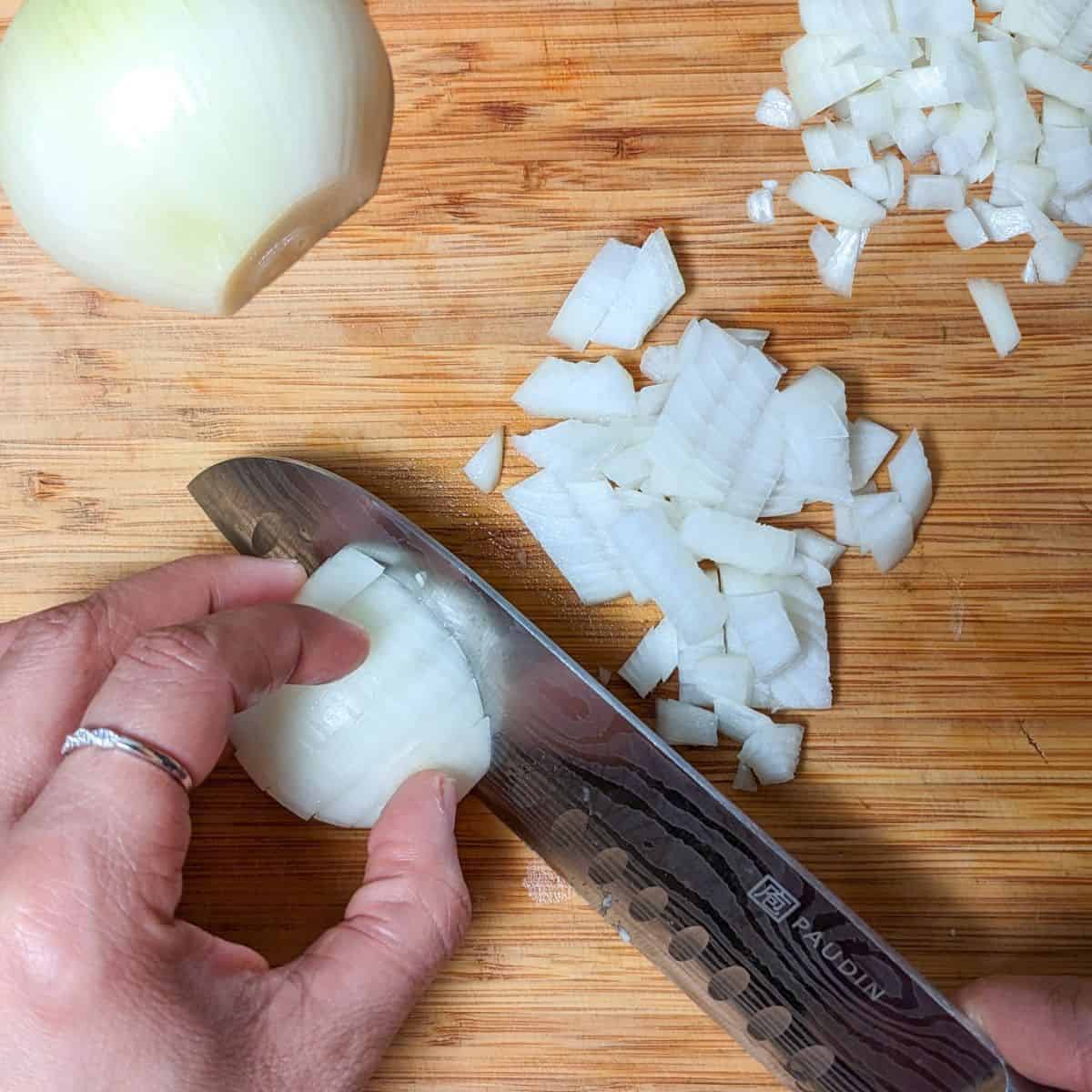
White onions have a clean, sharp flavor with a slightly higher water content than yellow onions. This makes them crisp when raw and quick to soften when cooked.
They are commonly used in Mexican and Latin American cooking, especially in fresh salsas, guacamole, and chopped onion toppings.
Best Uses: Salsas, Mexican dishes, guacamole, raw toppings.
My Chef tip: Use white onions when you want onion flavor to stand out without added sweetness.
3. Yellow Onions - The Most Versatile Onion
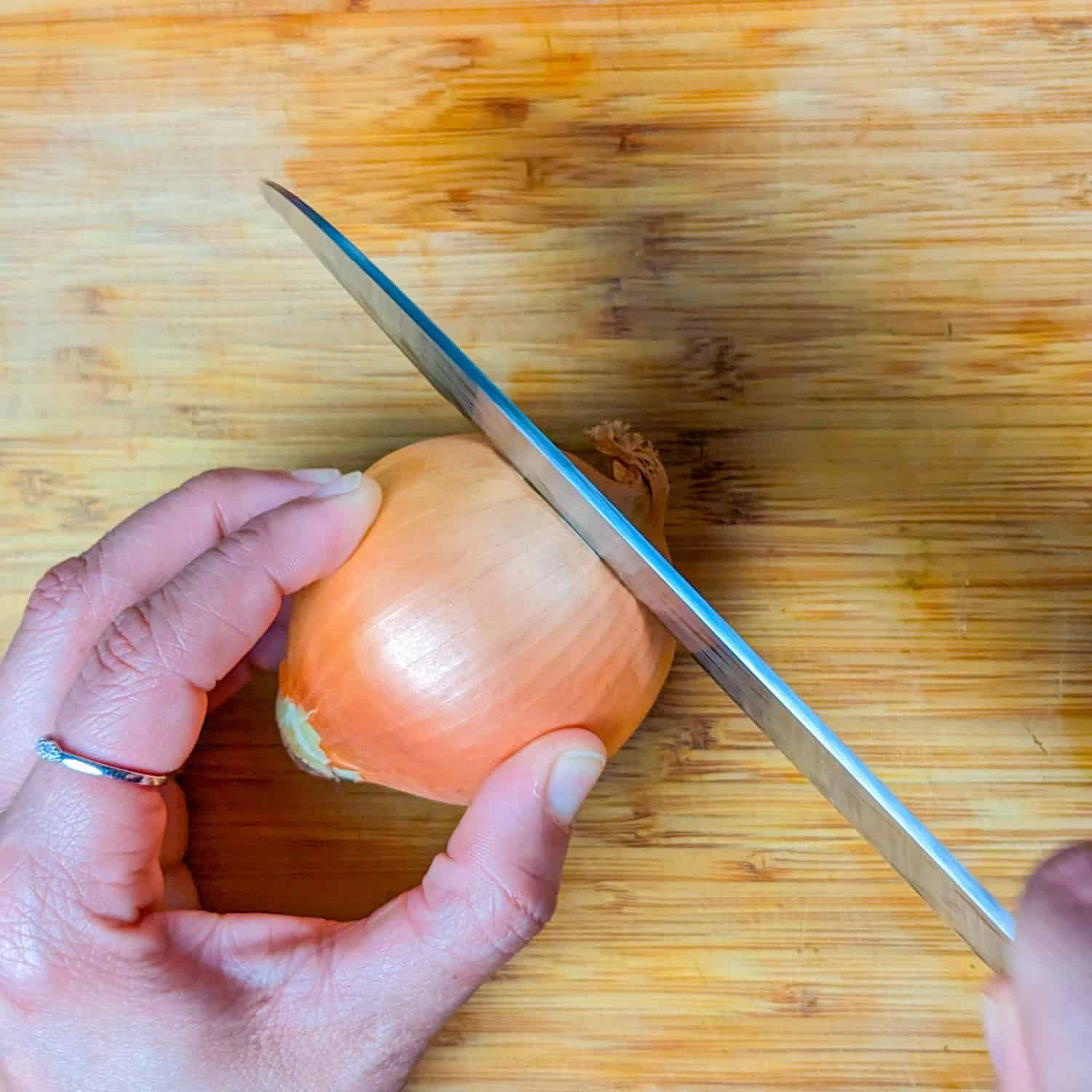
Yellow onions are the workhorse of the kitchen. They have a balanced flavor that becomes sweeter and deeper as they cook, making them ideal for a wide range of recipes.
If a recipe simply says "onion," it usually means yellow onion. They are excellent for soups, stews, sauces, roasting, and caramelizing.
Best Uses: Soups, stews, sauces, roasting, caramelized onions.
My Chef Tip: Low-and-slow cooking brings out the natural sweetness of yellow onions.
4. Sweet Onions - Mild and Naturally Sweet
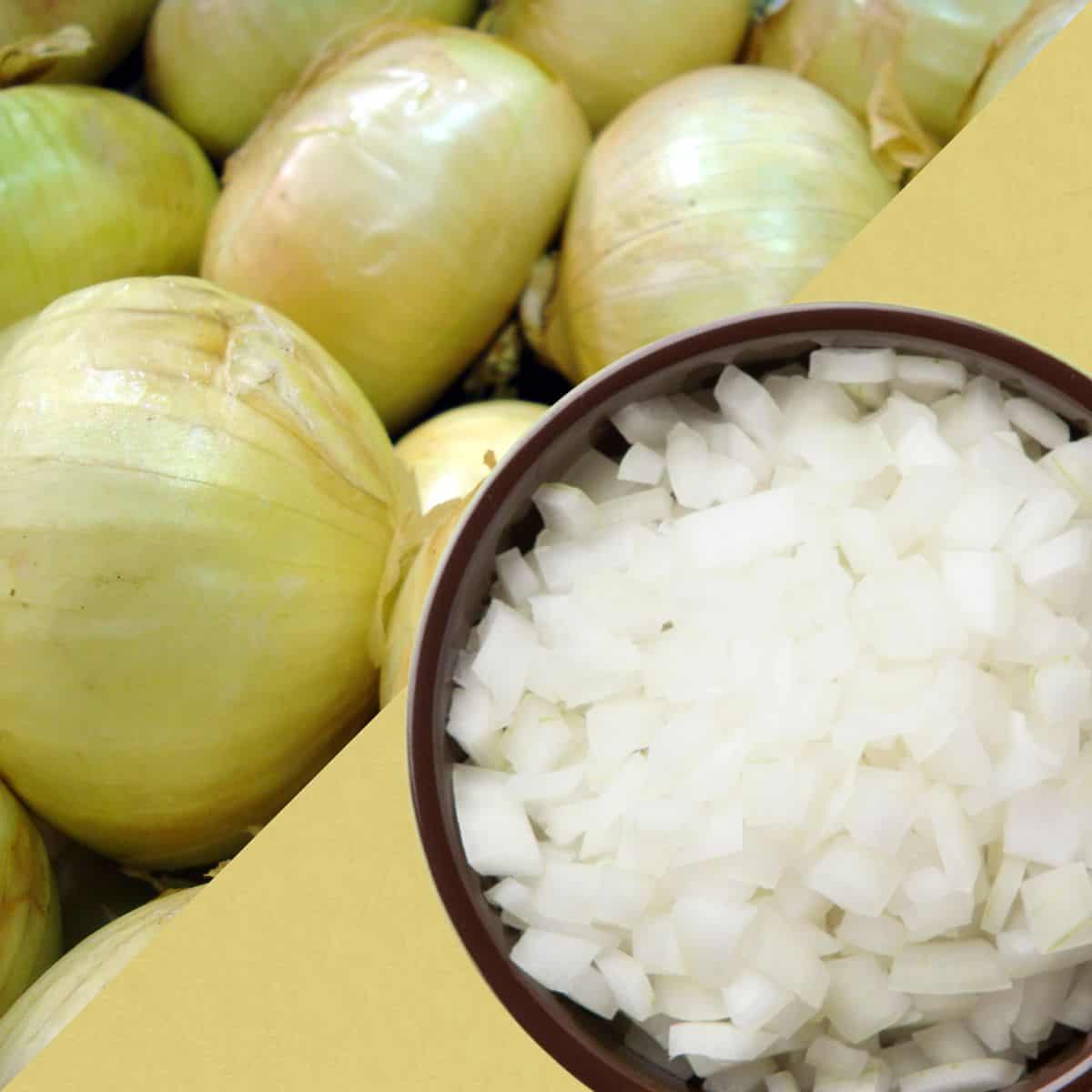
Sweet onions, such as Vidalia, Walla Walla, and Maui, have lower sulfur content, which gives them their mild flavor and natural sweetness.
They are ideal for raw preparations and fried dishes where you want onion flavor without a strong bite.
Best Uses: Burgers, sandwiches, onion rings, salads.
My Chef Tip: Because they contain more moisture, sweet onions do not store as long as yellow onions.
5. Shallots - Delicate and Flavorful
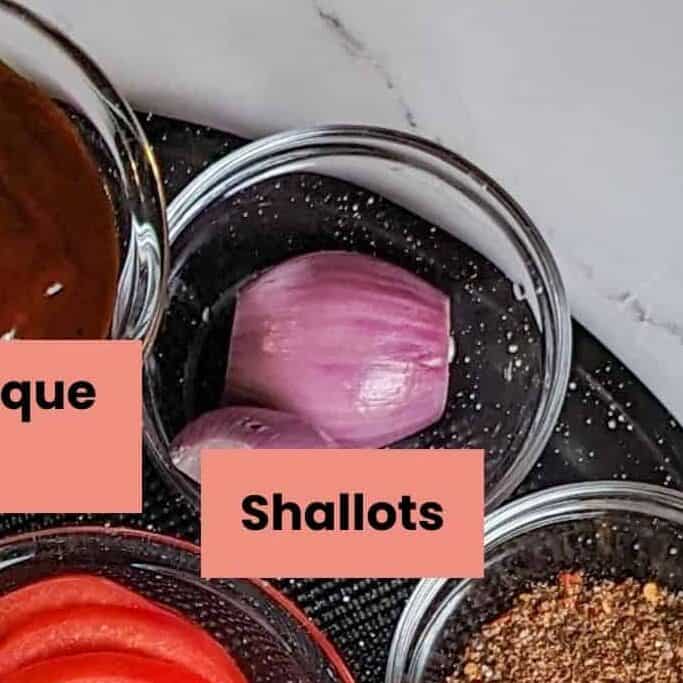
Shallots are smaller than regular onions and have a subtle sweetness with a hint of garlic. Their refined flavor makes them popular in dressings, sauces, and classic French cooking.
They blend smoothly into dishes without overpowering other ingredients.
Best Uses: Vinaigrettes, pan sauces, dressings, and sautés.
My Chef Tip: Finely mince shallots to help them melt into sauces and emulsions.
6. Green Onions - Fresh and Mild
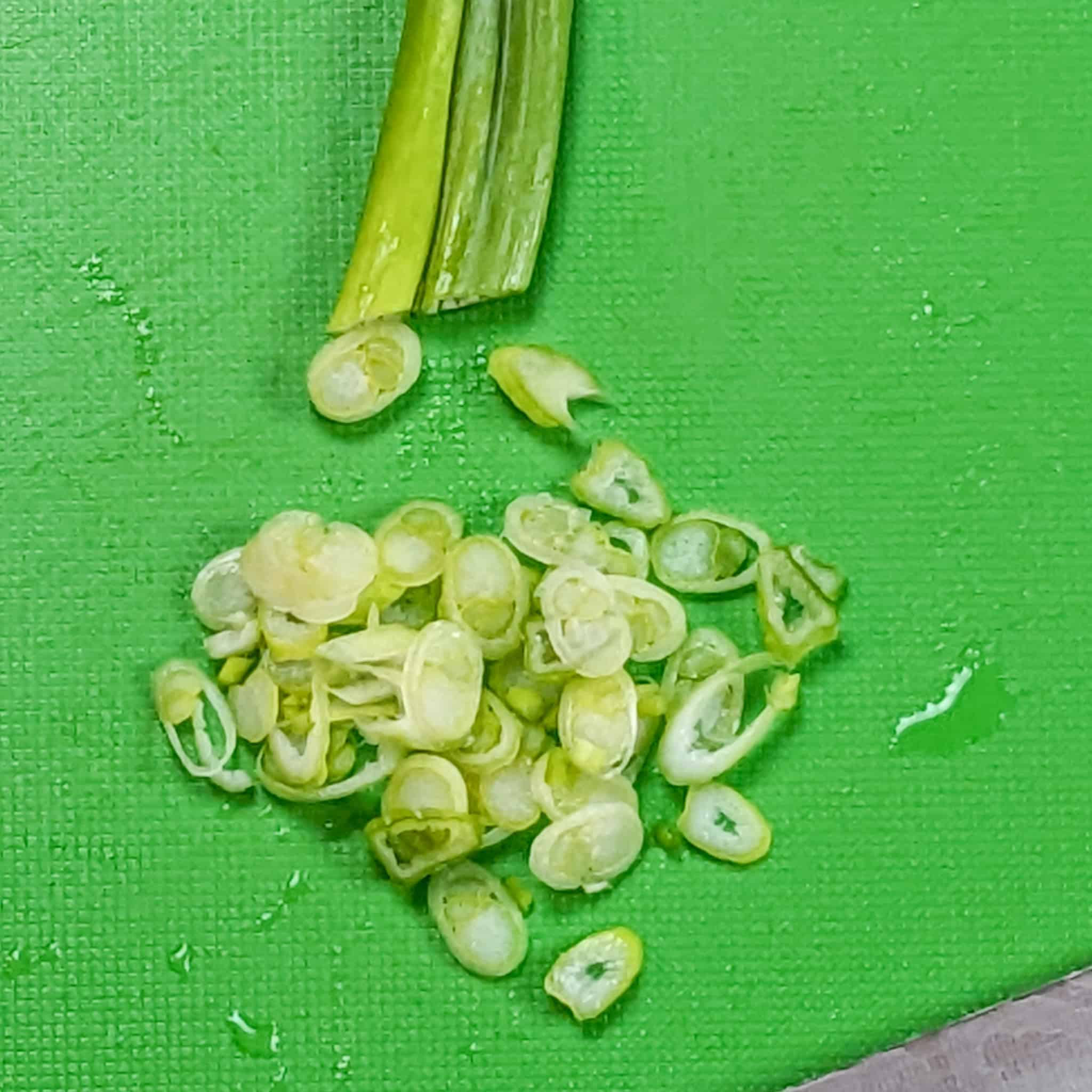
Green onions, also called scallions, have a mild onion flavor with a fresh finish. Both the white and green parts are edible, though the white portion is slightly stronger.
They are often used raw as a garnish but can also be lightly cooked in stir-fries or eggs.
Best Uses: Garnishes, salads, stir-fries, eggs.
My Chef Tip: Slice green onions on a sharp angle for better texture and presentation.
7. Leeks - Gentle and Sweet When Cooked
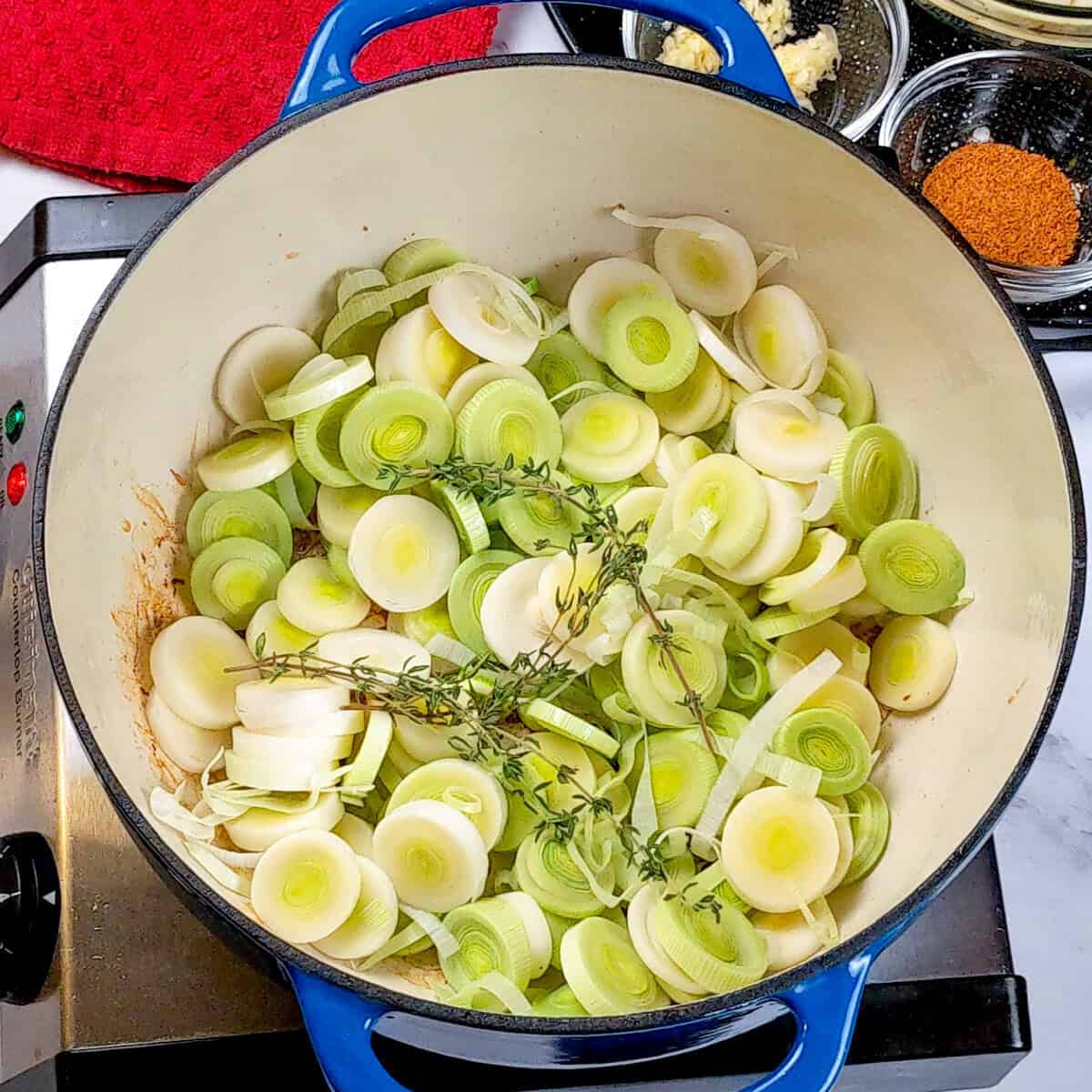
Leeks have a mild, slightly sweet flavor that becomes silky when cooked. They are commonly used in soups and slow-cooked dishes where a softer onion presence is desired.
Only the white and light green parts are used, and thorough cleaning is essential since dirt can hide between the layers.
Best Uses: Soups, braises, sautés.
My Chef Tip: Slice leeks lengthwise, then rinse in cold water to remove any trapped grit.
8. Pearl Onions - Small but Mighty

Pearl onions are small, round onions with a mild, slightly sweet flavor. Because of their size and tender texture, they are often cooked whole and add gentle onion flavor without overpowering a dish.
They are commonly used in stews, braises, holiday sides, and classic dishes where a softer, more subtle onion presence is preferred.
Best Uses: Stews, braises, roasting, and holiday side dishes.
My Chef Tip: Blanch pearl onions briefly in boiling water, then transfer to ice water to make peeling the skins quick and easy.
Where to Next?
If you want to see these onions in action, try these recipes where onion choice really matters:
- Butternut Squash Chicken Chili
- How to Make Easy Bacon Potato Leek Chowder | Creamy Comfort
- Spicy Chicken Burger with Harissa Eggplant, Portabella Mushrooms, and Onions
- How to Make Easy Béchamel Sauce | With Garlic and Onion
- Healthy Spicy Ground Turkey Stuffed Peppers with Salad
- Air Fryer Chicken Shawarma | Quick with Beituti
- Marinated Sumac Onions | Easy and Quick
- Habanero Tamarind Glazed Chicken Wings - Tangy, Sweet and Spicy!
Next: Now that you know the flavor and best use for each type of onion, let's look at the tools that make prepping them faster and easier.
Essential Equipment for Prepping Different Types of Onions

Are you slicing sweet onions for burgers, dicing yellow onions for soups, or mincing shallots for a vinaigrette? Having the proper equipment makes all the difference. Prepping onions can be quick and tear-free with the right tools! By the way, the links in this section may take you to an external site to shop for that item.
A sharp chef's knife and a sturdy cutting board are must-haves, while a mandoline slicer helps achieve ultra-thin slices. A food processor or onion chopper comes in handy for faster chopping, especially when dealing with multiple types of onions. Don't forget onion goggles or a small fan to keep those tear-inducing fumes at bay!
Proper storage tools, like airtight containers, help preserve prepped onions for later use, so you always have the right onion ready for your next dish.
Basic Tools
- Chef's Knife - A sharp 8-10 inch knife for slicing, dicing, and chopping onions efficiently.
- Paring Knife - A smaller knife for more precise work, like peeling shallots or trimming green onions.
- Cutting Board - A sturdy, non-slip surface to chop onions without damaging your countertop. Learn more about kitchen basics to save time in the kitchen.
My Review: The PAUDIN 8-inch Chef's Knife is an absolute standout in both sharpness and craftsmanship. It stays incredibly sharp through regular use, making prep work effortless. The high-carbon stainless steel blade showcases PAUDIN’s attention to detail, while the ergonomic handle provides a comfortable grip for extended use. Despite its premium feel, this knife is impressively affordable, offering exceptional quality without the high price tag. That’s why I’ve recently switched all my knives to PAUDIN—they truly deliver on durability, beauty, and performance. If you want a reliable, well-crafted knife at a great value, this is the one to get!

Peeling & Handling Tools
- Onion Peeler - A tool designed to quickly remove onion skin without too much effort.
- Gloves - Optional, but helpful for keeping onion smell off your hands.
The Kuhn Rikon Original Swiss Peeler is a lightweight, ultra-sharp kitchen tool designed for effortless peeling of fruits and vegetables. Known for its ergonomic handle and precision blade, this peeler makes prep work quick and efficient, perfect for peeling potatoes, carrots, and even delicate produce like tomatoes and peaches.

Chopping & Slicing Aids
- Mandoline Slicer - Great for getting ultra-thin, even onion slices for salads or caramelized onions. Learn about the Japanese Mandoline.
- Food Processor - Speeds up dicing or slicing large amounts of onions, especially for soups or meal prep.
- Onion Chopper - A handy gadget that chops onions into uniform cubes with a single press.
My Review: I recently purchased the Benriner Mandoline Slicer with Collection Tray and 4 Blades and have been impressed with how sharp and precise the Japanese stainless-steel blades are for everything from paper-thin slices to uniform julienne cuts. The "real deal" for me is the built-in collection tray, which keeps all my prep neatly contained, making it especially convenient when I’m throwing together effortless chop salads. With four interchangeable blades, a stable base, and BPA-free construction, it’s a versatile, durable tool that makes slicing faster, cleaner, and more enjoyable. Just like my Classic Benriner Mandoline that I had for over 2 decades, I hope this one lasts as long.

Tear Prevention
- Onion Goggles - Helps protect your eyes from the tear-inducing sulfur compounds in onions.
- Fan or Vent Hood - A small fan or stove vent can help push onion fumes away from your eyes.
Learn More About: How to Chop Onions Without Crying (Quick Method).
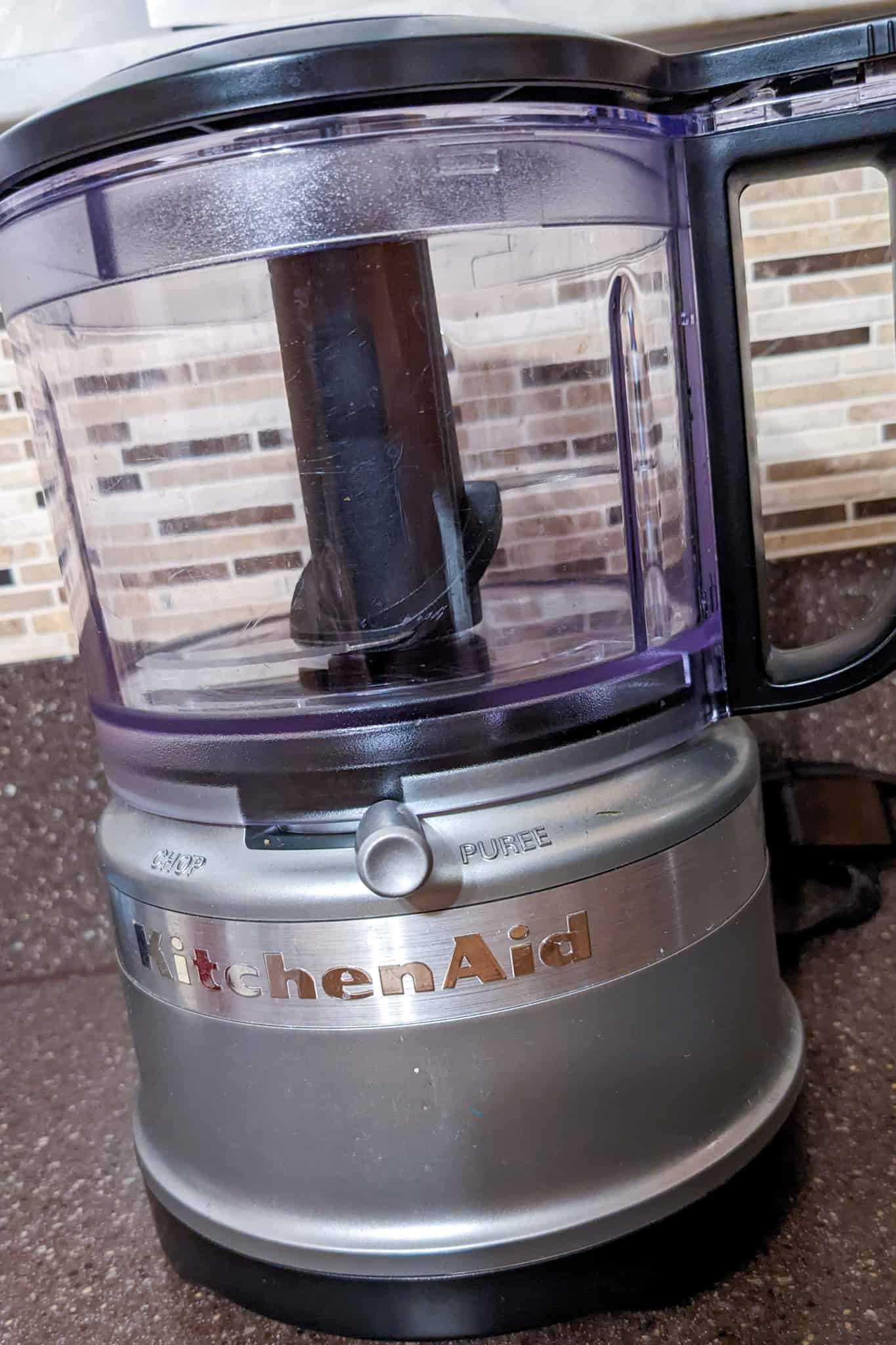
My Review: The KitchenAid 3.5 Cup Food Chopper is a must-have in the kitchen at a great price. It’s compact, powerful, and lightweight, making meal prep easier without taking up much space. I love its one-touch operation, perfect for quickly chopping, mixing, and puréeing. Plus, it's easy to clean. Watch me use it in my Spicy Tomato Farro Risotto and Chili Herb-Crusted Rainbow Trout recipes. This chopper is essential, especially if you love cooking with lots of gadgets like me!
Storage & Cooking Prep
- Paper Towels or Clean Kitchen Towels - Useful for patting onions dry or cleaning up excess juice.
- Airtight Containers - For storing pre-chopped onions in the fridge without making everything smell like onions.
- Glass Bowls - To hold chopped onions and keep them ready for cooking.
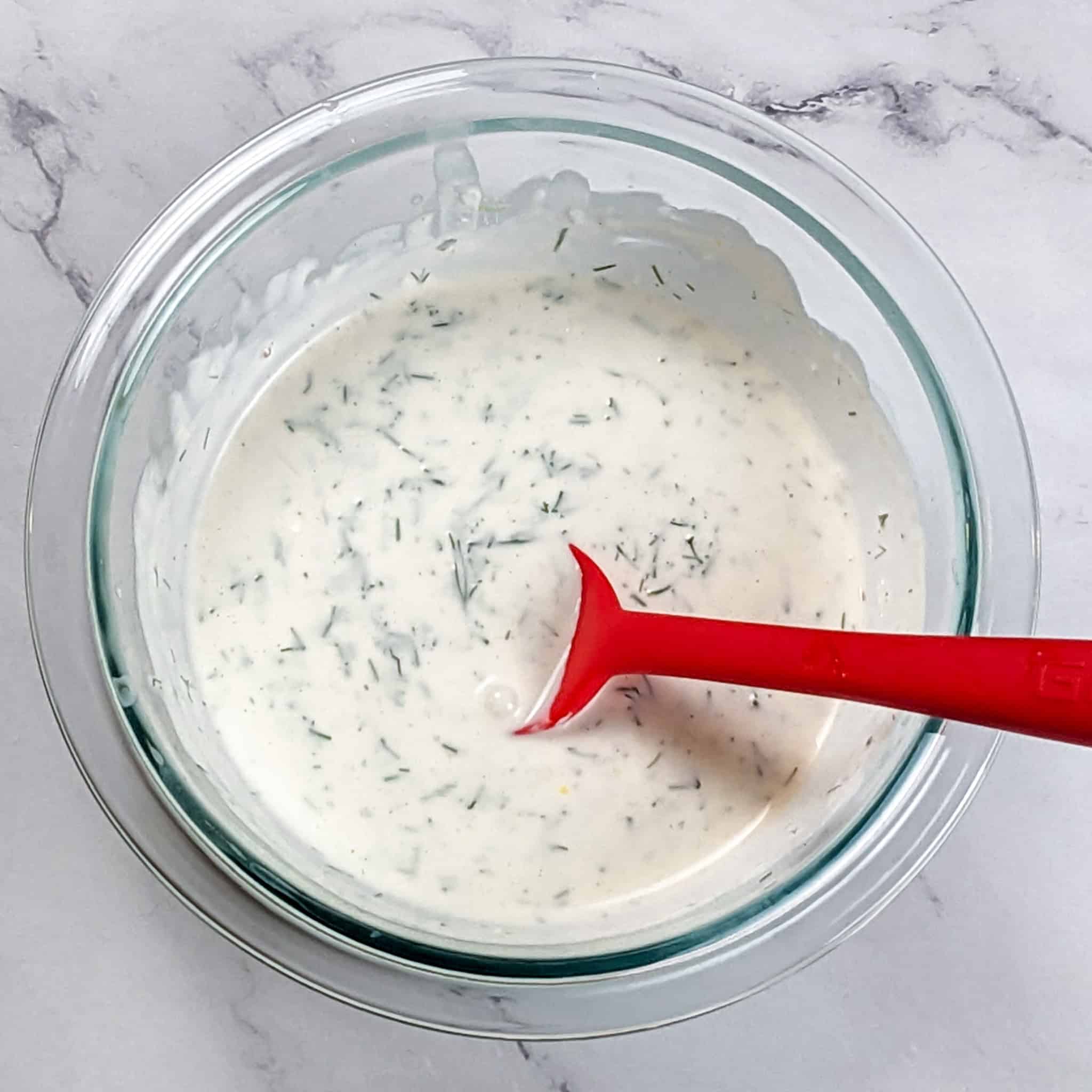
My Review: I love the clean, classic look of this Pyrex 3-piece glass mixing bowl set. It’s a staple in my kitchen. Pyrex is known for its durability, and these bowls definitely live up to that reputation. I use them for everything from mixing batters to storing leftovers, and their microwave-safe feature makes them super multifunctional. They’re also easy to clean and stack nicely in the cabinet. The only reason this isn’t a five-star for me is that I always have that little fear of breaking them when I’m using or storing them, even though they’re made to last.
Best Way to Store Onions
Proper storage can extend the life of these types of onions and keep them fresh longer. Here's how to store each type:
Whole Onions (Red, White, Yellow, Sweet)
- Store in a cool, dry, well-ventilated place, like a pantry or a mesh bag.
- Keep them away from potatoes, which release moisture and gases that can speed up spoilage.
- Shelf life: 2-3 months if stored properly.
Cut or Chopped Onions
- Store in an airtight container in the fridge to prevent strong odors from spreading.
- For best freshness, use within 7-10 days.
Green Onions (Scallions)
- Place them in a jar of water (like flowers) and refrigerate, or wrap them in a damp paper towel and store in a resealable bag.
- Shelf life: About 1-2 weeks in the fridge.
Leeks
- Wrap unwashed leeks loosely in a plastic bag and store them in the fridge's crisper drawer.
- Use within 1-2 weeks for the best flavor.
Shallots
- Store whole shallots like onions - in a cool, dark, well-ventilated area.
- Once peeled or chopped, keep them in an airtight container in the fridge and use within 10 days.
Freezing Onions for Long-Term Storage
- Shelf life: Up to 6 months in the freezer.
- Chop or slice onions, then spread them on a tray and freeze before transferring them to a freezer-safe bag.
- Best for cooking (not raw use), as freezing changes the texture.
Frequently Asked Questions
Here is a list of common questions I have answered. If you have any questions, please write them in the comments below.
Yellow onions are the most versatile option for home cooks. They work well in soups, sautés, sauces, roasting, and caramelizing, making them the best all-purpose onion for everyday cooking.
Yellow onions are the best for caramelizing because they have the perfect balance of natural sugars and savory depth. Sweet onions also work well for an even milder, sweeter result.
Yes, but it depends on the dish. Yellow onions are the most versatile, while red onions work best raw. If a recipe calls for white onions, you can substitute yellow onions, but the flavor may be slightly milder or stronger.
Onions release a sulfur compound when cut, which reacts with your eyes and causes tears. To prevent this, use a sharp knife, chill the onion before cutting, or wear onion goggles.
Whole onions should be kept in a cool, dry, well-ventilated place, away from potatoes. Green onions should be stored in water or wrapped in a damp paper towel in the fridge. Cut onions should be kept in an airtight container in the refrigerator.
Red and sweet onions are best for eating raw because they have a milder, less pungent bite. They work great in salads, sandwiches, and salsas!
Culinary Glossary
This section concisely defines key ingredients and techniques related to this blog post to enhance understanding and improve cooking skills.
- Vinaigrette - A light salad dressing made from oil, vinegar, and seasonings, often flavored with shallots or other aromatics.
- Bite - The level of sharpness or spiciness in an onion's flavor. Stronger onions (like white onions) have more bite, while sweet onions have less.
- Caramelize - A slow cooking process that turns onions golden brown and enhances their natural sweetness by breaking down their sugars. Best done over low heat with a little fat (like butter or oil).
- Garnish - A finishing touch added to a dish for extra flavor and presentation, like chopped green onions sprinkled over soups or stir-fries.
- High Water Content - Onions with more moisture cook down faster and tend to have a milder flavor. White onions, for example, have a higher water content than yellow onions.
- Low Sulfur Content - Onions with less sulfur (like sweet onions) taste milder and don't have that strong onion bite, making them better for eating raw.
- Mild Flavor - A softer, less pungent taste. Sweet onions, shallots, and leeks have a milder flavor than yellow or white onions.
- Pungent - A strong, sharp smell or taste. White and red onions are more pungent than sweet onions or leeks.
- Raw Use - Refers to ingredients that can be eaten fresh, without cooking. Red onions, sweet onions, and green onions are commonly eaten raw in salads and sandwiches.
- Sautéed - A quick-cooking method that uses a small amount of fat (oil or butter) over medium-high heat to soften and develop flavor.
- Scallions - Another name for green onions. They have long, green stalks with small white bulbs and a mild onion flavor.
- Soup Base - The foundation of many soups, often made with onions, carrots, and celery (known as a mirepoix) or other aromatics. Yellow onions and leeks are commonly used for soup bases.
Cooking Tips and Tutorials
If you found this tutorial helpful, you'll love my Cook's Notebook collection. From knife skills and flavor bases to time-saving tricks and essential equipment guides, this section is packed with chef-tested lessons to help you cook with confidence.
- 2026 Fall Seasonal Produce Guide: Fruits and Vegetables to Enjoy This Season
- Indian Cooking Techniques That Changed How I Think About Food
- What Is Emulsification? A Simple Guide to Creamier Sauces and Dressings
- Homemade Baby Food: How to Prep, Freeze & Build Easy Meals

Latest Recipes
Explore. Experiment. Taste. Let's get inspired. What would you like to try out today?
- Crispy Garlic Parmesan Baked Chicken
- BBQ Salisbury Steak with Mushroom Gravy
- Rosemary Garlic Roasted Chicken with Pan Gravy
- Cheesy Au Gratin Potatoes with Sharp Cheddar and Nutmeg



Chef Maika Frederic-Liebman
Chef and Educator
Professionally trained Haitian-American chef Maika Frederic is the creator of Just Maika Cooking, where she shares globally inspired recipes, cooking techniques, ingredient guides, and food safety tips designed to help home cooks become more creative and confident in the kitchen. Combining years of professional culinary experience with a passion for teaching, she makes global flavors approachable through practical, accessible instruction for cooks of every skill level.
Have a Comment or Question?
Onions aren't just onions, my friend. Choosing the right type can elevate your dish from "meh" to chef's kiss. So next time you're in the kitchen, think twice before grabbing just any old onion; you might be missing out on some serious flavor magic. What's your go-to onion? Let me know in the comments!
Also, remember to comment below if you have a question or a comment about this post on the 7 Types of Onions. You will get a quick response. It also helps our other readers to stay informed. Thanks!
Leave a Reply