Listeria and Frozen Dinners: Why Food Safety Matters
Learn what Listeria is, why it shows up in frozen dinners, and how to keep your meals safe with proper cooking practices. Uncover the importance of food thermometers, danger zone awareness, and the right steps to kill harmful bacteria before it reaches your plate.
Table of Contents
Jump to:
- Listeria Surviving Heating? Something's Off.
- What Is Listeria?
- The Danger Zone: Where Bacteria Multiply Fast
- Why a Food Thermometer Is Essential
- A Brief History of Listeria
- How to Kill Listeria
- Why It's So Important
- 5 Quick Tips for Staying Safe with Frozen Meals
- Frequently Asked Questions
- Cooking Tips and Tutorials
- Latest Recipes
- Have a Comment or Question?
Listeria Surviving Heating? Something's Off.
Recently, I have been seeing reports from the CDC (Centers for Disease Control and Prevention, US) about Listeria outbreaks linked to various foods. What caught my attention was that Listeria wasn't just showing up in deli meats or produce anymore; it was being linked to frozen dinners (CDC), too. That made me pause, because most of us assume that frozen meals are safe once they are heated.

I wanted to understand why Listeria shows up in these foods, how it survives, and what we can do to protect ourselves. What I found is that proper cooking, avoiding the danger zone, and using a food thermometer are key to staying safe.
What Is Listeria?
Listeria monocytogenes is a type of bacteria that can cause a serious infection called Listeriosis (FDA). Unlike many other foodborne bacteria, Listeria thrives in cold environments, even in your refrigerator. This makes frozen and refrigerated foods especially vulnerable if they aren't cooked or reheated properly (UMN.edu).
Symptoms of infection can include fever, muscle aches, nausea, and, in severe cases, complications for pregnant individuals, newborns, and those with weakened immune systems (Cleveland Clinic).
The Danger Zone: Where Bacteria Multiply Fast
Food safety experts use the term "danger zone" to describe temperatures between 40°F (4°C) and 140°F (60°C). In this range, bacteria multiply rapidly. If frozen dinners or leftovers are not reheated to safe temperatures, Listeria (and other harmful bacteria) can survive and continue to grow. Learn more about food temperature safety zones here.

- Below 40°F: Bacterial growth slows, but Listeria can still survive.
- Between 40°F and 140°F: Rapid growth occurs, making food unsafe.
- Above 165°F: Most harmful bacteria, including Listeria, are killed.
America's Test Kitchen - Winner
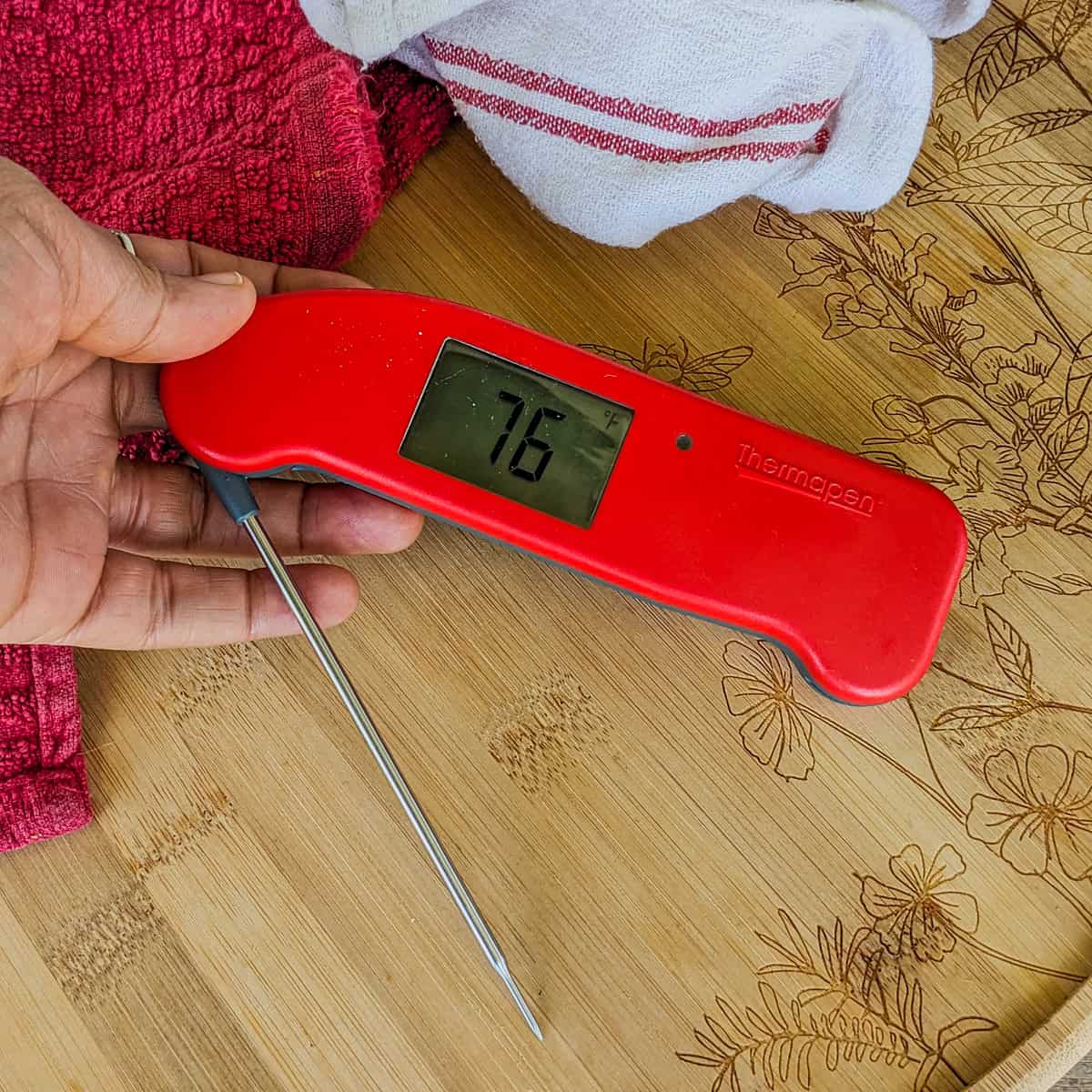
My Review: The Thermapen ONE by ThermoWorks is my go-to kitchen thermometer - simple, fast, and incredibly precise. It delivers accurate readings in just one second, making it perfect for everything from meats to baked goods. I love that it's waterproof, has a rotating backlit display, and turns on automatically when you unfold the probe. America's Test Kitchen voted it its top thermometer. It comes with a 5-year warranty and a NIST-traceable calibration certificate, so you can trust it as a must-have tool for any cook.
Why a Food Thermometer Is Essential
Frozen dinners may look steaming hot on the outside but remain lukewarm in the center. Microwaves especially heat unevenly. This is why a digital food thermometer is one of the most important kitchen tools for food safety.
- Check the thickest part of the food: That's where cold spots linger.
- Target internal temperature: Heat frozen entrees to at least 165°F (74°C).
- Stir halfway through cooking: Helps distribute heat evenly when microwaving.
A Brief History of Listeria
Listeria was first identified in 1926 by British bacteriologist E.G.D. Murray (The Journal of Pathology and Bacteriology) discovered the bacterium while investigating a series of rabbit and guinea pig illnesses.
It was originally called Bacterium monocytogenes because of how it affected white blood cells, and later renamed Listeria monocytogenes in honor of Joseph Lister (Microbiology Matters!), a pioneer of antiseptic medicine.
Human outbreaks of listeriosis began to be recognized in the 1980s, often linked to contaminated ready-to-eat foods, and since then, it has been one of the most closely monitored foodborne illnesses worldwide.
How to Kill Listeria
Now that you know what it is and how to prevent it. How about how to kill it if it is present without your knowledge? Fortunately, Listeria is not heat-resistant. You can kill it by properly cooking or reheating food:
- Frozen dinners and leftovers: Reheat until they reach a temperature of 165°F throughout.
- Vegetables: Cook or steam before eating if they're part of a frozen meal.
- Refrigerated ready-to-eat foods (like deli meats): Heat until steaming hot to reduce risk.
Why It's So Important
Listeria outbreaks often come from ready-to-eat foods that people assume are safe, such as frozen dinners, bagged salads, and deli meats. The bacteria's ability to grow in cold conditions makes it especially tricky. By using a thermometer, avoiding the danger zone, and reheating meals properly, you significantly reduce the risk of illness. Learn more food safety tips here.
5 Quick Tips for Staying Safe with Frozen Meals
- Never partially cook and then store meals to finish later, as it's a great opportunity for bacteria to keep on growing.
- Always read and follow package instructions carefully, your best bet to preventing foodborne illnesses that can be destroyed by heat.
- Let food sit for the recommended time after microwaving (carryover heat continues to kill bacteria).
- Use a thermometer to verify internal temps, not your eyes; not all microwaves work the same. This can help you to see how accurate it is when heating your food.
- Store frozen dinners at 0°F or below until you're ready to cook, again, to prevent bacteria growth.
Recommended Reads
- Understanding Food Temperature Safety Zones: Cook, Store & Serve Safely
- How to Prevent Cross-Contamination in Your Kitchen
- Kitchen Safety Tips for Families: A Guide for Cooking Together
- Smart Storage and Kitchen Safety Tools I Can't Live Without
- Frozen Watermelon Lemonade | Refreshing Summer Drink
Frequently Asked Questions
Here is a list of common questions I have answered. If you have any questions, please write them in the comments below.
Yes. Listeria can survive in frozen foods. If the product isn't cooked to the proper internal temperature (165°F / 74°C), the bacteria can remain active. Always cook frozen veggies and meals thoroughly before eating.
It can, but only if the food is heated evenly and reaches a temperature of 165°F throughout. Microwaves often heat unevenly, leaving cold spots where bacteria can survive. Stirring and using a food thermometer are the best ways to make sure it's safe.
Outbreaks have been linked to frozen vegetables, prepared meals, and ice cream. While it's not as common as Salmonella or E. coli, Listeria is more dangerous because it thrives at refrigerator and freezer temperatures.
Pregnant individuals, newborns, older adults, and anyone with a weakened immune system. For these groups, Listeria can cause severe illness or even death, which makes prevention critical.
- Keep your freezer at 0°F and refrigerator at or below 40°F.
- Always heat frozen meals to 165°F or higher.
- Use a thermometer instead of guessing.
- Avoid cross-contamination by cleaning surfaces, cutting boards, and utensils after handling raw or frozen foods.
Cooking Tips and Tutorials
If you found these tips helpful, you'll love my Cook's Notebook collection. From knife skills and flavor bases to time-saving tricks and essential equipment guides, this section is packed with chef-tested lessons to help you cook with confidence.
- Why You Should Let Meat Rest After Cooking
- Seasonal Produce Guide: What Fruits and Vegetables Are in Season?
- How to Roast Food: The Fundamental Principles of Roasting
- 2026 Fall Seasonal Produce Guide: Fruits and Vegetables to Enjoy This Season
Latest Recipes
Looking for meal ideas? Try these:
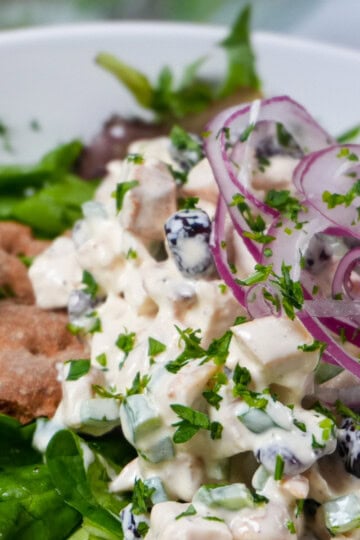
- Cranberry Jalapeño Chicken Salad on Wasa Crispbread
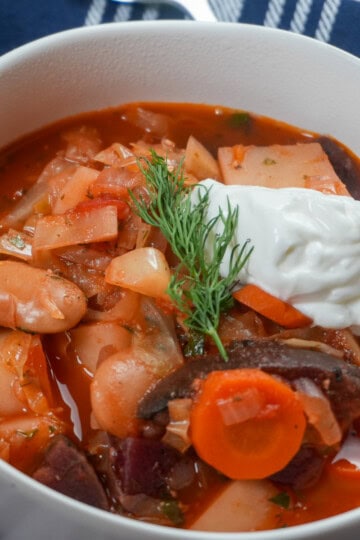
- Easy Borscht Recipe with Pre-Cooked Beets
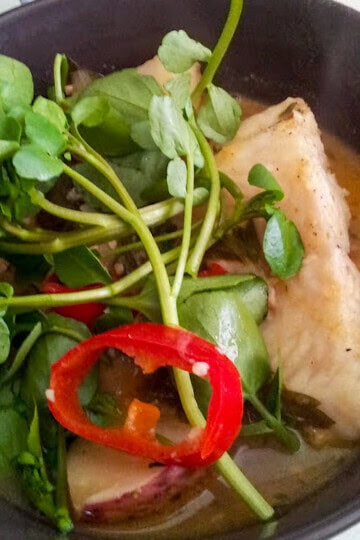
- Spicy Basa Fish Stew with Potatoes and Watercress
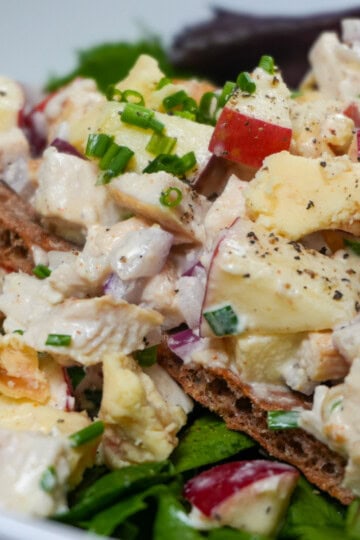
- Air Fryer Apple Stilton Chicken Salad on Wasa Crispbread
Subscribe to the YouTube Channel
SUBSCRIBE: 👈To my YouTube Channel to Get Notifications of New Videos.


Chef Maika Frederic-Liebman
Chef and Educator
Professionally trained Haitian-American chef Maika Frederic created Just Maika Cooking, where she shares globally inspired recipes, cooking techniques, ingredient guides, and food safety tips to help home cooks become more creative and confident in the kitchen. Combining years of professional culinary experience with a passion for teaching, she makes global flavors approachable through practical, accessible instruction for cooks of every skill level.
Have a Comment or Question?
If you have a question or comment about this post, please post it below. You will receive a prompt response. It also helps our other readers to stay informed. Thanks!