

Learn which fruits and vegetables are in season year-round with this complete seasonal produce guide. Scan through the spring, summer, fall, and winter produce guides to shop smarter, understand seasonality, and feel more confident choosing and cooking fresh ingredients.
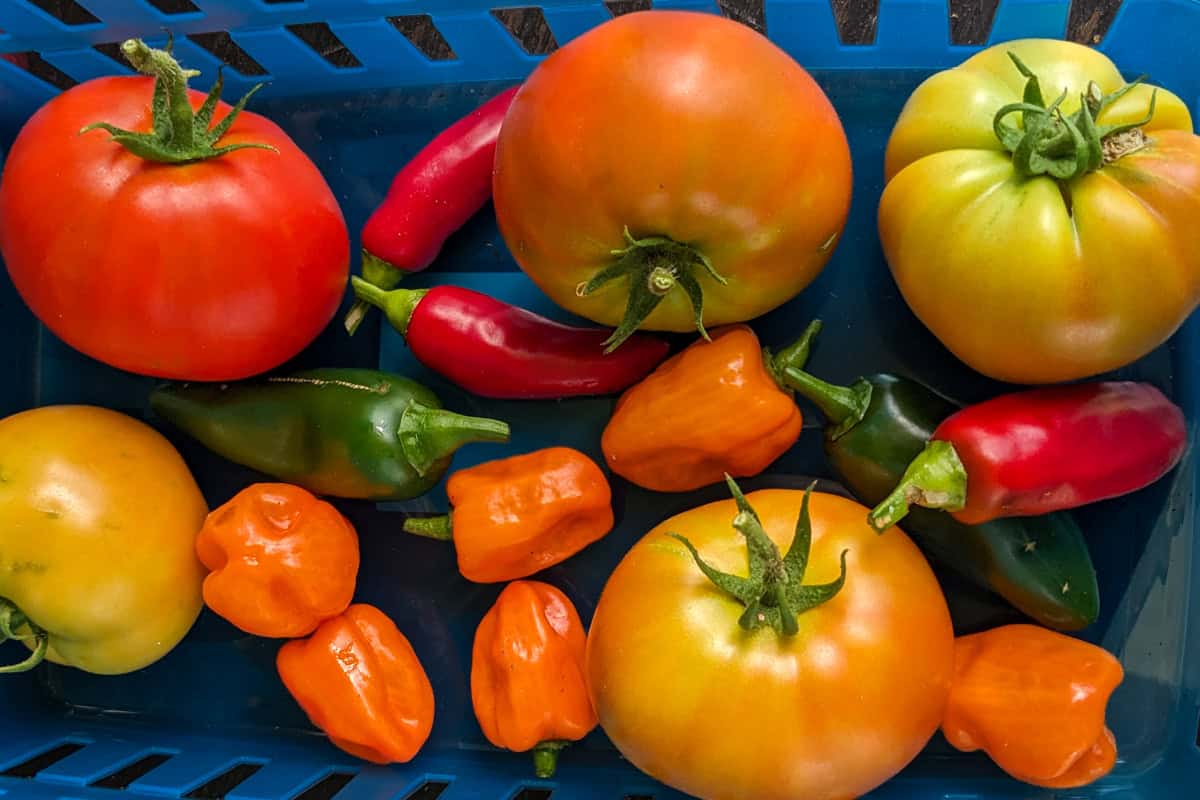
Table of Contents
Jump to:
- Key Takeaways
- Learn What Produce Is in Season Year-Round
- Seasonal Produce Throughout the Year
- What Does Seasonal Produce Actually Mean?
- Grocery Store Availability Is Not the Same as Seasonality
- Why Learn to Cook with the Seasons?
- Why Produce Seasons Overlap
- How to Use Seasonal Produce Guides While Grocery Shopping
- Start with One Ingredient
- Seasonal Produce Guides by Season
- Frequently Asked Questions
- Keep Learning About Your Ingredients
- Cooking Tips and Tutorials
- Have a Comment or Question?
Key Takeaways
- The seasonal produce guide helps you know which fruits and vegetables are in season year-round.
- Use the guide to make grocery shopping and meal planning easier by choosing produce at its peak quality.
- Seasonal availability varies due to climate and region, so treat the guide as a starting point rather than strict rules.
- Cooking seasonally builds ingredient knowledge, encourages variety in your meals, and supports local food systems.
- Check the guide before shopping to help you choose fresh produce and build your cooking confidence.
Learn What Produce Is in Season Year-Round
Knowing what's in season year-round can make grocery shopping, meal planning, and cooking with fresh produce much easier. This seasonal produce guide brings together my spring, summer, fall, and winter produce guides so you can quickly find fruits and vegetables at their peak.
However, produce doesn't follow the calendar perfectly! Where you live, weather conditions, growing region, crop variety, storage, and transportation all influence what you'll find at the grocery store or farmers market. Instead of treating seasonal produce lists as strict rules, use them as a starting point for becoming more familiar with the ingredients you're buying and cooking.
Note From Chef Maika
As a chef and culinary educator, I want these guides to help you understand ingredients, not give you another set of food rules to memorize. Learning about seasonal produce helps you start noticing patterns. You'll see when strawberries suddenly look better, when several varieties of squash begin appearing, or when the farmers market starts filling up with tomatoes.
Those observations make you a better shopper, but they also make you a better cook. You start by choosing what looks good, then figuring out what to make with it. That's the kind of confidence I want you to build in the kitchen. Explore. Experiment. Taste.
Recommended Reads
Seasonal Produce Throughout the Year
Each season brings a different combination of fruits, vegetables, and fresh herbs into their natural harvest windows. Seasons also overlap, which is why you may see the same ingredient in more than one seasonal guide.
Use the guides below to explore what's in season, learn how to choose fresh produce, find storage tips, and discover practical ways to use seasonal ingredients in your everyday cooking.
Spring Seasonal Produce
Spring is a transition away from many of winter's storage crops and toward tender vegetables, fresh greens, early fruits, and herbs.
Think asparagus, peas, radishes, spring onions, young leafy greens, strawberries, and other ingredients that work especially well with lighter cooking techniques.
My Spring Seasonal Produce Guide breaks down spring fruits and vegetables, explains why different groups of produce thrive during the season, and includes a monthly shopping chart covering March, April, and May.
Summer Seasonal Produce
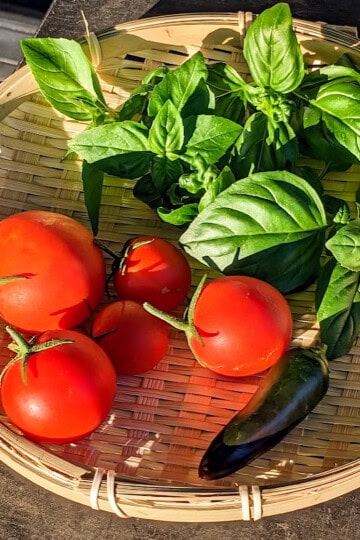
Summer brings some of the year's most colorful produce. Tomatoes, corn, peppers, green beans, summer squash, peaches, berries, melons, and other warm-weather ingredients begin filling produce departments and farmers' markets.
It's also a great season to practice simple cooking because good summer produce often doesn't need much. Grilling, quick sautéing, fresh salads, simple sauces, and raw preparations can let the ingredients do most of the work.
My Summer Seasonal Produce Guide will help you identify summer fruits and vegetables, choose better produce, store it properly, and find easy ways to cook with what you bring home.
Fall Seasonal Produce
Fall is when you can really watch the produce section change.
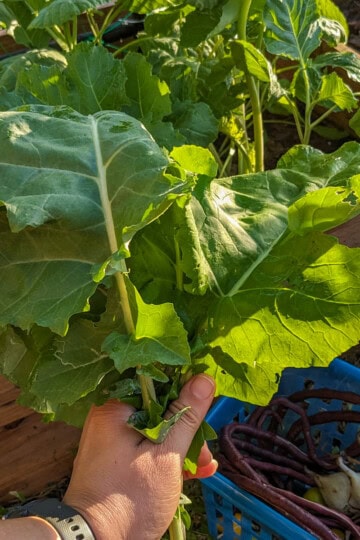
Early fall can still have plenty of late-summer vegetables, while cooler weather gradually brings winter squash, sweet potatoes, root vegetables, cruciferous vegetables, sturdy leafy greens, apples, pears, cranberries, pomegranates, and other autumn favorites.
The Fall Seasonal Produce Guide goes beyond a basic list. You'll learn why these ingredients are associated with fall, how to select and store them, which cooking techniques work well with them, and how to use the September-to-November grocery list while shopping.
Winter Seasonal Produce
Fresh produce doesn't disappear when temperatures drop.
Winter is an excellent time for citrus fruits, root vegetables, cruciferous vegetables, hearty leafy greens, winter squash, and storage crops. These ingredients are especially useful for roasting, braising, simmering, baking, soups, stews, and other cold-weather cooking.
Use my Winter Seasonal Produce Guide to explore winter fruits and vegetables and find ideas for choosing, storing, and cooking with them throughout the colder months.
What Does Seasonal Produce Actually Mean?
Seasonal produce generally refers to fruits and vegetables harvested during their natural growing and harvest periods within a particular region. The key part of that definition is "within a particular region."
A strawberry, tomato, or orange doesn't have one universal season everywhere in the world. Climate, latitude, weather, crop variety, and agricultural practices all affect when a crop can be planted and harvested. That's also why you should never treat seasonal produce guides as exact calendars.
Grocery Store Availability Is Not the Same as Seasonality
One of the biggest sources of confusion around seasonal produce is the modern grocery store. You might find apples, tomatoes, berries, broccoli, and many other fruits and vegetables throughout most or all of the year. That doesn't necessarily mean those ingredients are naturally in peak season where you live!
Modern agriculture lets produce travel between different growing regions and climates. Refrigeration and specialized storage can also extend how long certain crops remain available after harvest. And imported produce adds another layer. When it's winter in the Northern Hemisphere, it's summer in the Southern Hemisphere.
So instead of asking only: "Is this available?" start asking: "Where was this grown, and is this a time of year when I usually see especially good quality, variety, or abundance?" That's a much more useful way to think about seasonal shopping.
Why Learn to Cook with the Seasons?
Cooking seasonally isn't about limiting what you're allowed to eat. It's another tool you can use to make decisions in the kitchen.
- Build ingredient knowledge: Repeatedly seeing and cooking an ingredient during its season helps you learn what good quality looks, smells, and feels like.
- Try different cooking techniques: Tender spring vegetables might encourage quick sautéing or blanching, while sturdy fall and winter vegetables give you opportunities to practice roasting and braising.
- Add variety naturally: Following the seasons can encourage you to rotate fruits and vegetables instead of buying the same produce every week.
- Make meal planning easier: Instead of starting every meal plan with a recipe, start with an ingredient that looks good and build the meal around it.
- Explore your local food system: Farmers' markets and farm stands can introduce you to produce varieties you might not regularly see at a supermarket.
Why Produce Seasons Overlap
If you compare my four seasonal produce guides, you'll notice some fruits and vegetables appear in more than one season. That's intentional! Seasons don't change overnight, and neither do harvests.
A vegetable harvested throughout late summer might remain abundant during early fall. Cool-weather crops may appear in both spring and fall because they grow well under similar temperature conditions. Storage crops harvested during fall may remain available throughout winter.
Where you live also matters. Growing seasons in warmer regions can look very different from those in areas with long, cold winters. Think of the seasons as overlapping windows rather than four separate boxes!
How to Use Seasonal Produce Guides While Grocery Shopping
Before shopping, check the guide for the current season and choose a few fruits or vegetables you'd like to look for. Once you're at the store or farmers market, let the actual produce make the final decision.
Look for good color and texture appropriate for that particular ingredient. Avoid significant bruising, mold, leaking, serious damage, or other signs of deterioration. If something on your seasonal list doesn't look particularly good that week, choose something else.

That's an important cooking skill on its own: learning to adapt. You don't have to buy an ingredient simply because a calendar says it's in season.
Start with One Ingredient
You don't need to completely change the way you grocery shop to start cooking more seasonally. Choose one seasonal ingredient you don't normally cook.
Then learn:
- How to recognize a good one.
- How to store it.
- How to prep it.
- Which cooking method works well with it.
- Which flavors complement it.
For example, instead of buying five unfamiliar fall vegetables at once, start with a butternut squash. Learn how to safely cut it, roast it, season it, store leftovers, and use those leftovers in another meal. The next time you see butternut squash, you won't need a recipe just to know what to do with it. That's ingredient knowledge, and it stays with you much longer than memorizing one recipe!
Seasonal Produce Guides by Season
Keep these four guides bookmarked so you can return to them as the year changes:
Spring: Tender greens, asparagus, peas, radishes, strawberries, fresh herbs, and other early-season produce.
Summer: Tomatoes, peppers, corn, summer squash, berries, stone fruits, melons, and other warm-weather produce.
Fall: Winter squash, root vegetables, sturdy greens, apples, pears, cranberries, pomegranates, and transitional late-summer produce.
Winter: Citrus, root vegetables, cruciferous vegetables, leafy greens, winter squash, and storage crops.
Frequently Asked Questions
Here is a list of common questions I have answered. If you have any questions, please write them in the comments below.
Seasonal produce refers to fruits and vegetables grown and harvested during their natural growing season within a particular region. Exact timing varies according to location, climate, weather, growing practices, and crop variety.
That depends on the time of year and where you live. Use the spring, summer, fall, or winter seasonal produce guide above as a starting point, then check what's currently being harvested in your local area.
No. "Seasonal" and "local" don't mean the same thing. A fruit can be in its natural harvest season but grown hundreds or thousands of miles away.
Absolutely. Seasonal cooking isn't a rule that says you can't eat strawberries in winter or broccoli in summer. The guides help you recognize natural growing and harvest patterns, not restrict what you eat.
Produce can be grown in different regions and climates, imported from other countries, grown using controlled environments, or kept in specialized storage. That's why grocery store availability doesn't always reflect your local growing season.
Temperature, rainfall, daylight, frost dates, soil conditions, crop varieties, and other environmental factors influence growing seasons. A crop may be ready for harvest in one region weeks or months before it's ready somewhere else.
They can be especially helpful because you can see what local and regional growers are harvesting at that particular time. You can also ask farmers what's currently at its peak or what they expect to harvest next.
Keep it simple. Choose one fruit or vegetable from the current seasonal guide, learn how to select and store it, and use a cooking technique you already know. Once you're comfortable with that ingredient, try another.
Keep Learning About Your Ingredients
Understanding seasonal produce is part of learning how ingredients behave before you even start cooking. Use these guides throughout the year when you're planning meals, walking through the produce department, visiting a farmers market, or simply wondering what to cook next. And don't worry about memorizing every fruit and vegetable on every list. The goal is to become curious enough to notice what's changing around you.
- 2026 Fall Seasonal Produce Guide: Fruits and Vegetables to Enjoy This Season
- Summer Seasonal Produce: A Guide to Fruits and Vegetables in Season
- Summer Outdoor Meal Ideas for Backyard Entertaining
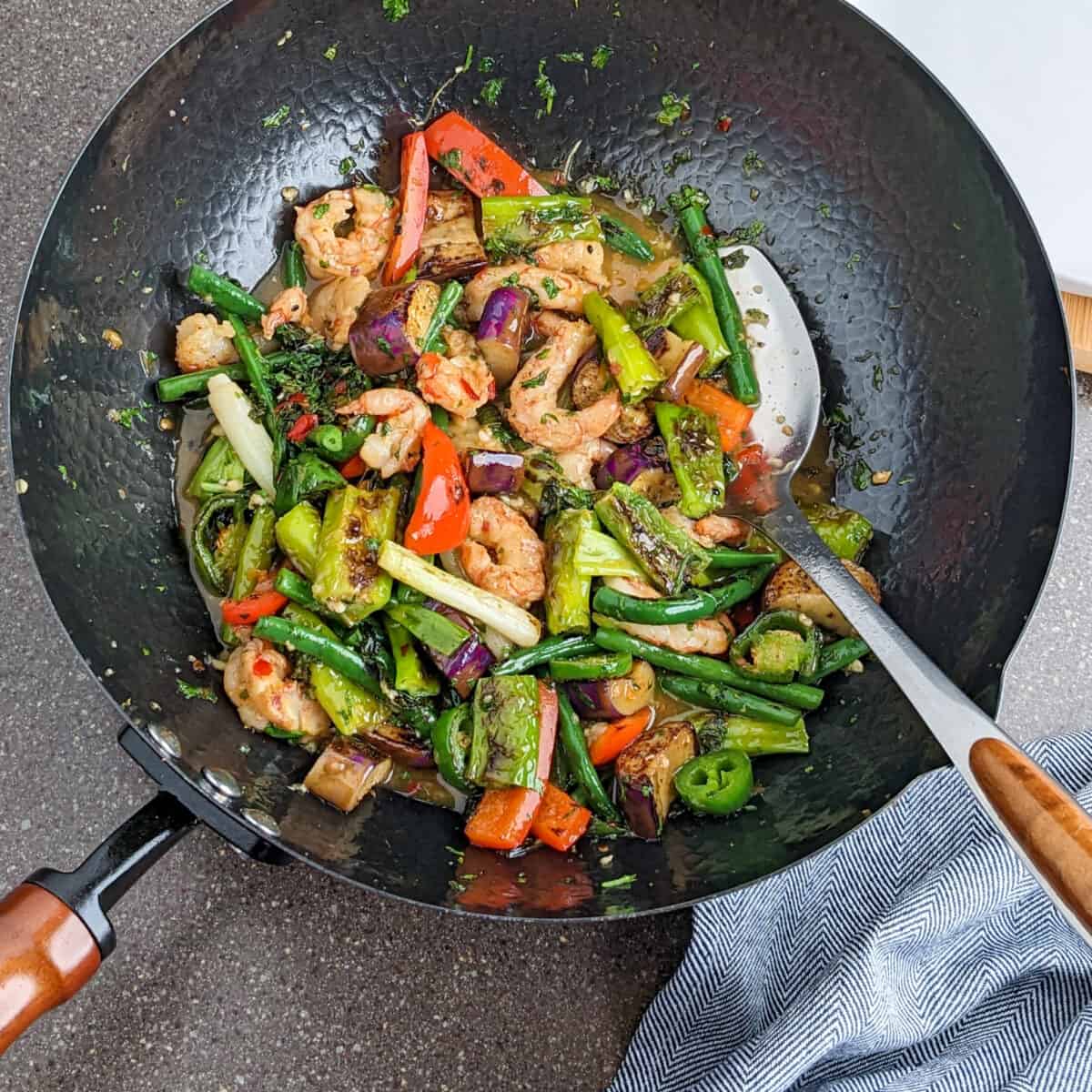
- Quick and Fresh Stir-Fry Recipes for Spring and Summer

Cooking Tips and Tutorials
If you found this tutorial helpful, you'll love my Cook's Notebook collection. From knife skills and flavor bases to time-saving tricks and essential equipment guides, this section is packed with chef-tested lessons to help you cook with confidence.
- How to Roast Food: The Fundamental Principles of Roasting
- Indian Cooking Techniques That Changed How I Think About Food
- What Is Emulsification? A Simple Guide to Creamier Sauces and Dressings
- Homemade Baby Food: How to Prep, Freeze & Build Easy Meals




Chef Maika Frederic-Liebman
Chef and Educator
Professionally trained Haitian-American chef Maika Frederic is the creator of Just Maika Cooking, where she shares globally inspired recipes, cooking techniques, ingredient guides, and food safety tips designed to help home cooks become more creative and confident in the kitchen. Combining years of professional culinary experience with a passion for teaching, she makes global flavors approachable through practical, accessible instruction for cooks of every skill level.
SUBSCRIBE: 👈To my YouTube Channel to Get Notifications of New Videos.
Have a Comment or Question?
Which seasonal fruit or vegetable would you like to learn how to cook next? Let me know in the comments.

Leave a Reply