

Emulsification is what helps oil- and water-based ingredients come together in a smooth sauce or dressing. Once you understand how it works, you can make better vinaigrettes, recognize why a dressing separates, and know when a quick whisk will fix it.
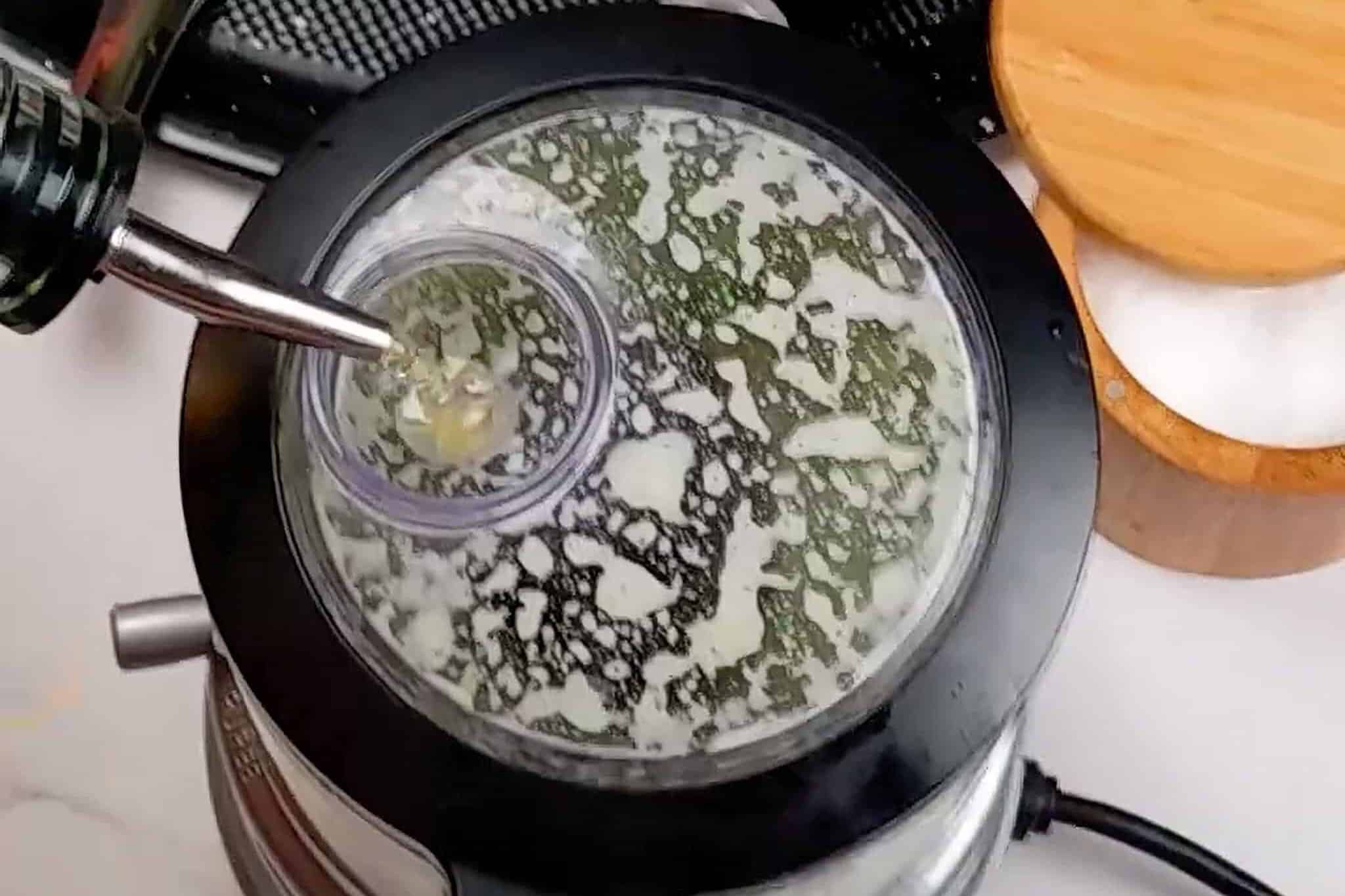
Table of Contents
Jump to:
- Why Does Oil Separate from Dressing?
- How Emulsification Works
- See Emulsification in Dressing Recipes
- How to Emulsify a Dressing at Home
- Why Did My Sauce or Dressing Separate?
- How to Store Homemade Dressings
- Kitchen Tools I Use and Recommend
- 5 Interesting Ways to Use Emulsification in Cooking
- Frequently Asked Questions
- More Dressing and Vinaigrette Recipes
- Cooking Tips and Tutorials
- Have a Comment or Question?
Why Does Oil Separate from Dressing?
Pour oil and vinegar into a jar and leave it on the counter. Before long, you'll see two layers: oil on top and vinegar underneath. They don't naturally stay mixed.
Whisk or shake the jar, though, and the oil breaks into tiny droplets dispersed throughout the vinegar. That process is emulsification. The resulting mixture is called an emulsion. It may look uniform and slightly thicker, but how long it stays that way depends on the ingredients and how you mix them.
This is a useful cooking skill, not just a science term. It explains why you add oil slowly to some dressings, why a blender can make a sauce look creamy, and why seeing a little separation in a homemade vinaigrette usually means it needs a shake.
How Emulsification Works
An emulsion contains two liquids that ordinarily resist staying together, most often oil and a water-based liquid such as vinegar, citrus juice, or soy sauce. Whisking, shaking, or blending breaks the oil into smaller droplets and spreads them through the other liquid.
Some ingredients help those droplets remain dispersed longer. Mustard and egg yolk are familiar examples; mayonnaise already contains an emulsion. Even with help, different sauces behave differently: a lightly whisked vinaigrette might separate in storage, while a thicker blended sauce can remain creamy much longer.

Chef Tip!! I usually use mayonnaise for some cream-based dressings to skip emulsifying egg and oil. Just add water little by little to make it more pourable. The main thing to remember, though, is that Emulsified describes how the ingredients are mixed. It does not promise that every dressing will stay mixed forever.
Note From Chef Maika
Emulsification is one of my favorite techniques because I learned it down to the molecular level. Oil and water don't naturally stay mixed, but whisking or blending breaks the oil into tiny droplets, and ingredients such as egg yolk or mustard can help keep those droplets dispersed. Understanding what's happening inside the bowl makes food science awesome to me, and it helps me make better sauces and dressings. Curious? Check out Advances in emulsion stability: A review on mechanisms, role of emulsifiers, and applications in food by Food Chemistry: X.
Recommended Reads
- How to Prevent Cross-Contamination in Your Kitchen
- How to Cut Up a Whole Chicken | Step-by-Step Guide
- 5-Minute Spicy Sesame Soy Dressing Recipe
- Homemade Caesar Dressing Recipe (Creamy & Classic)
- Creamy Lemon Tahini Dressing with Fresh Lemon Zest
See Emulsification in Dressing Recipes
1. Whisk a Vinaigrette: Date Pecan Pomegranate Vinaigrette
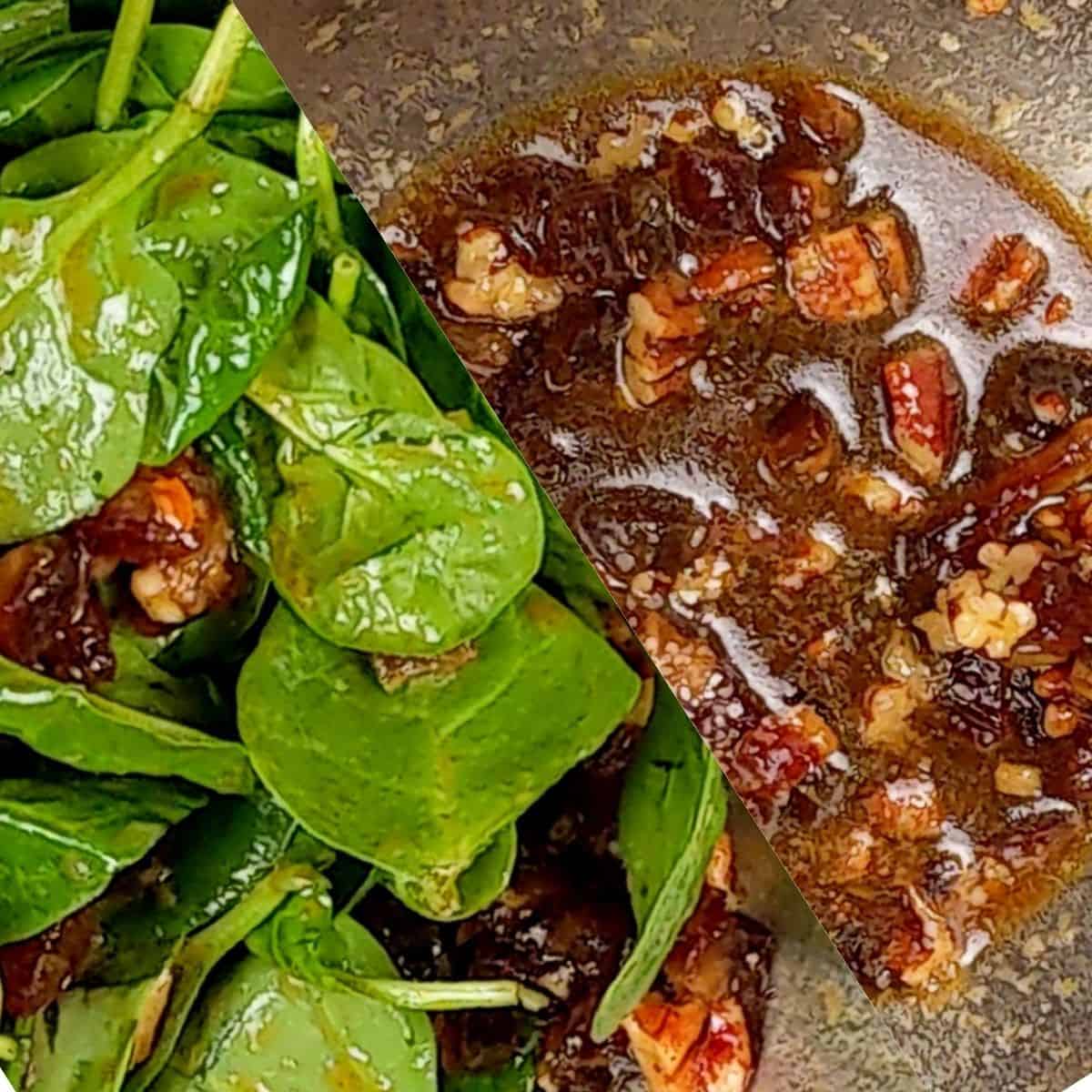
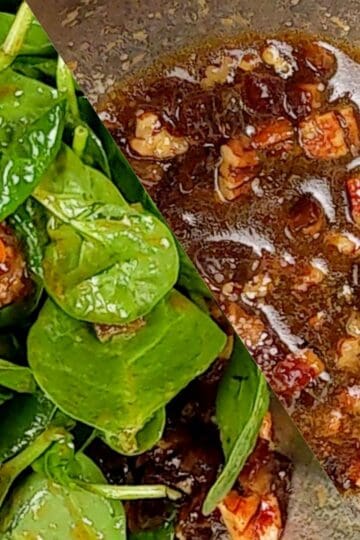
My Date Pecan Pomegranate Vinaigrette shows you the technique clearly. First, whisk the pomegranate molasses, apple cider vinegar, lemon zest, and lemon juice. Then slowly drizzle in the olive oil while whisking. The dressing thickens slightly as the oil disperses into the acidic base. Stir in the chopped dates and pecans afterward so they keep their texture.
This is a temporary emulsion: the dressing may separate in the refrigerator, and that's normal. Shake or whisk it again before serving. See the full vinaigrette recipe.
2. Whisk a Quick Dressing: Spicy Sesame Soy Dressing
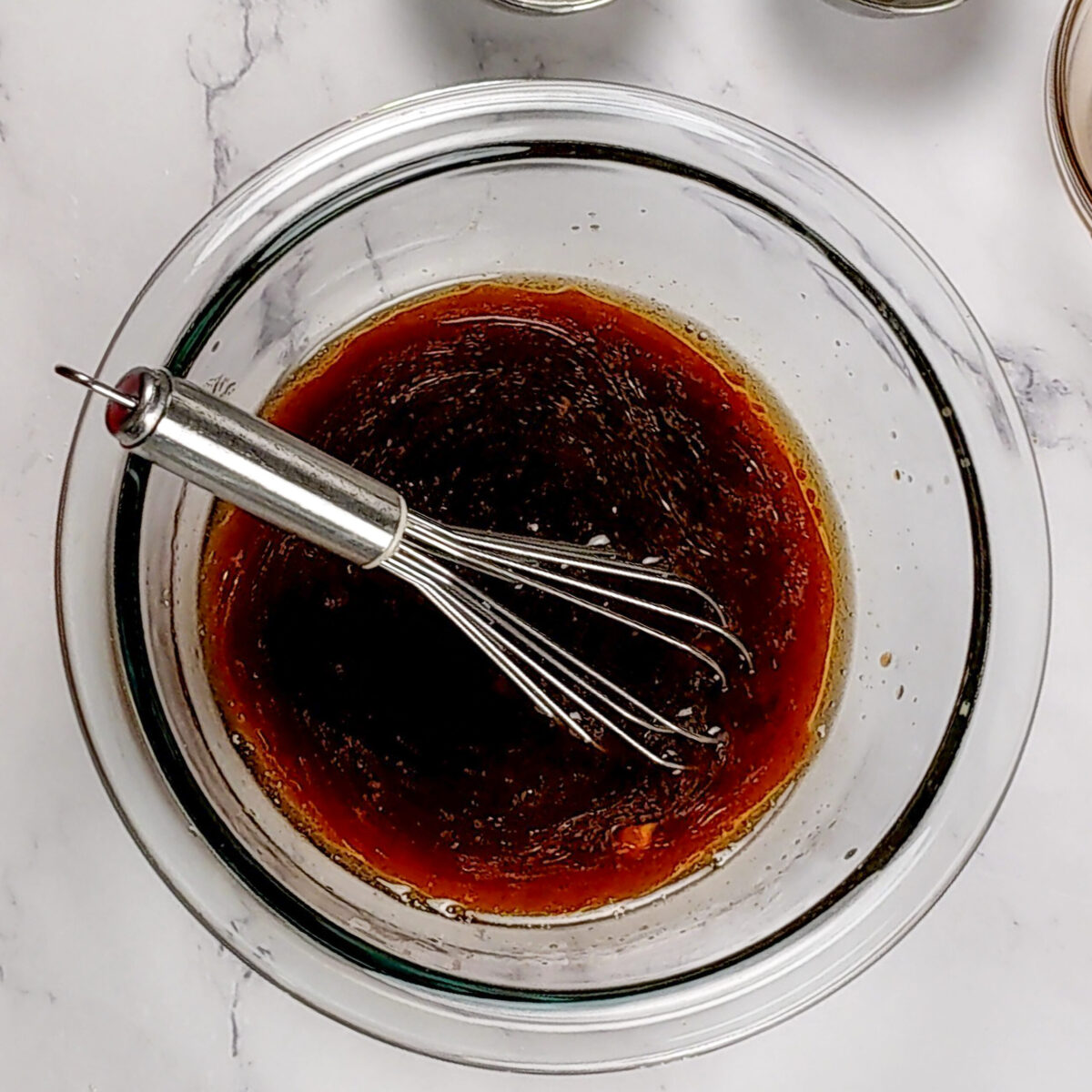
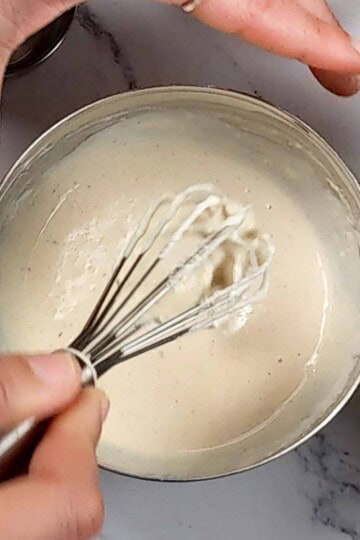
The Spicy Sesame Soy Dressing combines toasted sesame oil with water-based ingredients including soy sauce and rice vinegar. Whisking brings them together into a smooth dressing in minutes. Because this is a light dressing, you can simply whisk or shake it again if it separates while sitting.
Try this one when you want to see that emulsification doesn't have to produce a thick, mayonnaise-like sauce. A dressing can be fluid and still be briefly emulsified. See the full sesame soy dressing recipe.
3. Blend a Creamy Sauce: Cilantro Jalapeño Sauce
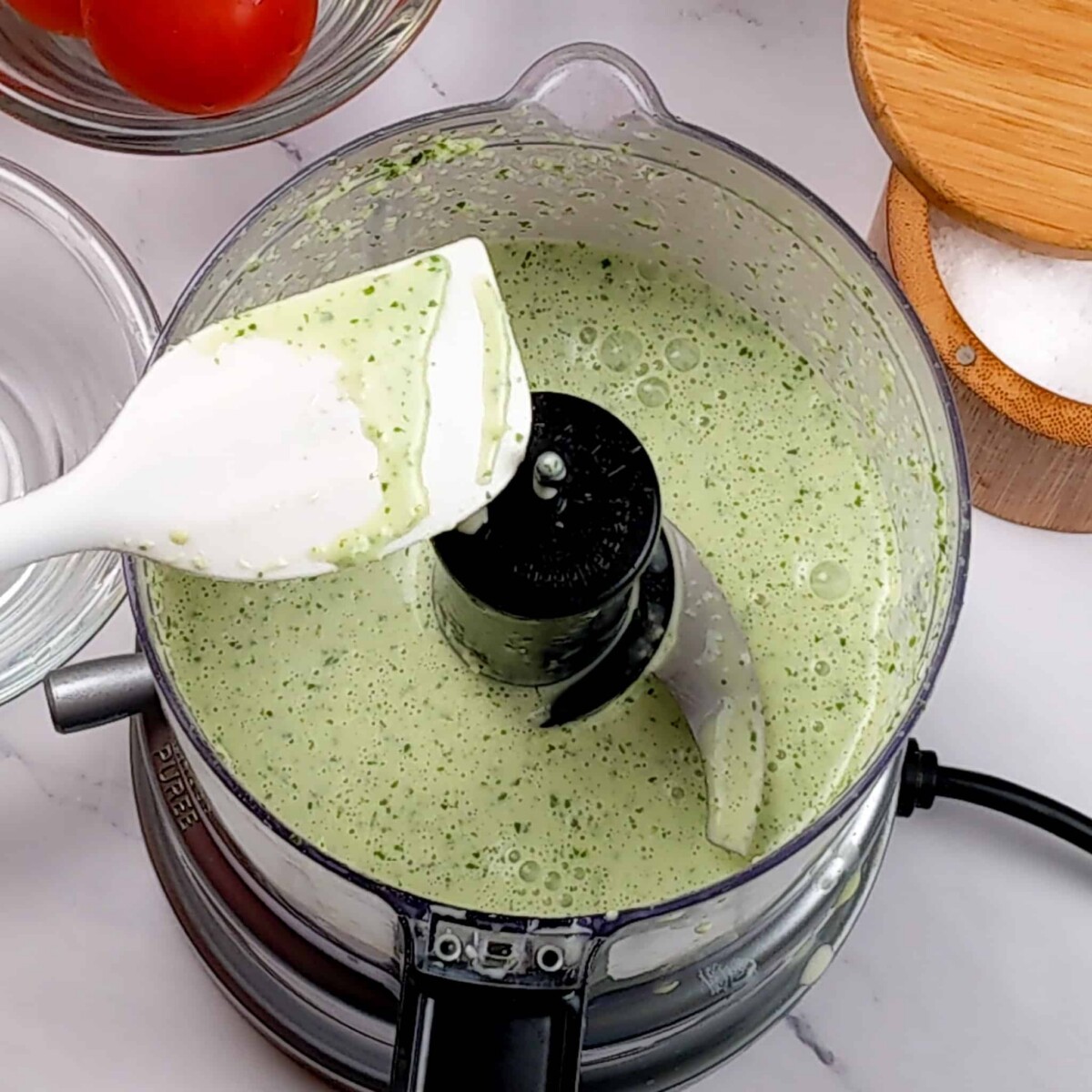
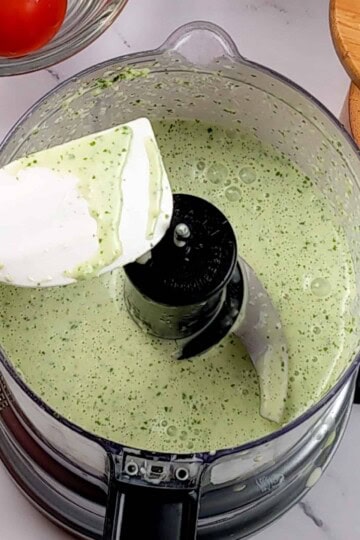
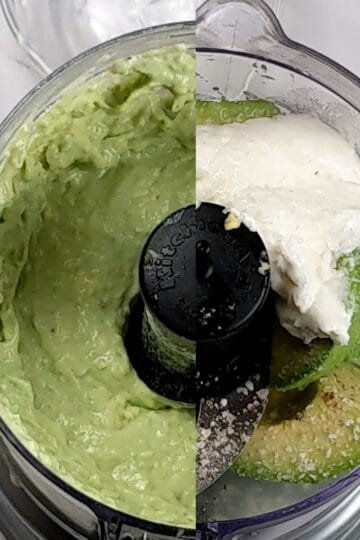
My Creamy Cilantro Jalapeño Sauce uses a food processor or blender to combine avocado oil, lime juice, herbs, jalapeño, and a creamy base that includes Greek yogurt and mayonnaise. Blending distributes the ingredients finely, while the yogurt and already-emulsified mayonnaise contribute body and creaminess.
This sauce shows how blending and creamy ingredients work together. Its texture comes from the full combination, rather than from oil and lime juice alone. See the full cilantro jalapeño sauce recipe.
How to Emulsify a Dressing at Home
A lidded jar is handy when you don't want to whisk: add the ingredients, close it tightly, and shake well. For a larger batch or a particularly smooth sauce, use a blender or food processor.
- Combine the water-based ingredients first. Whisk together your vinegar or citrus juice with any seasonings.
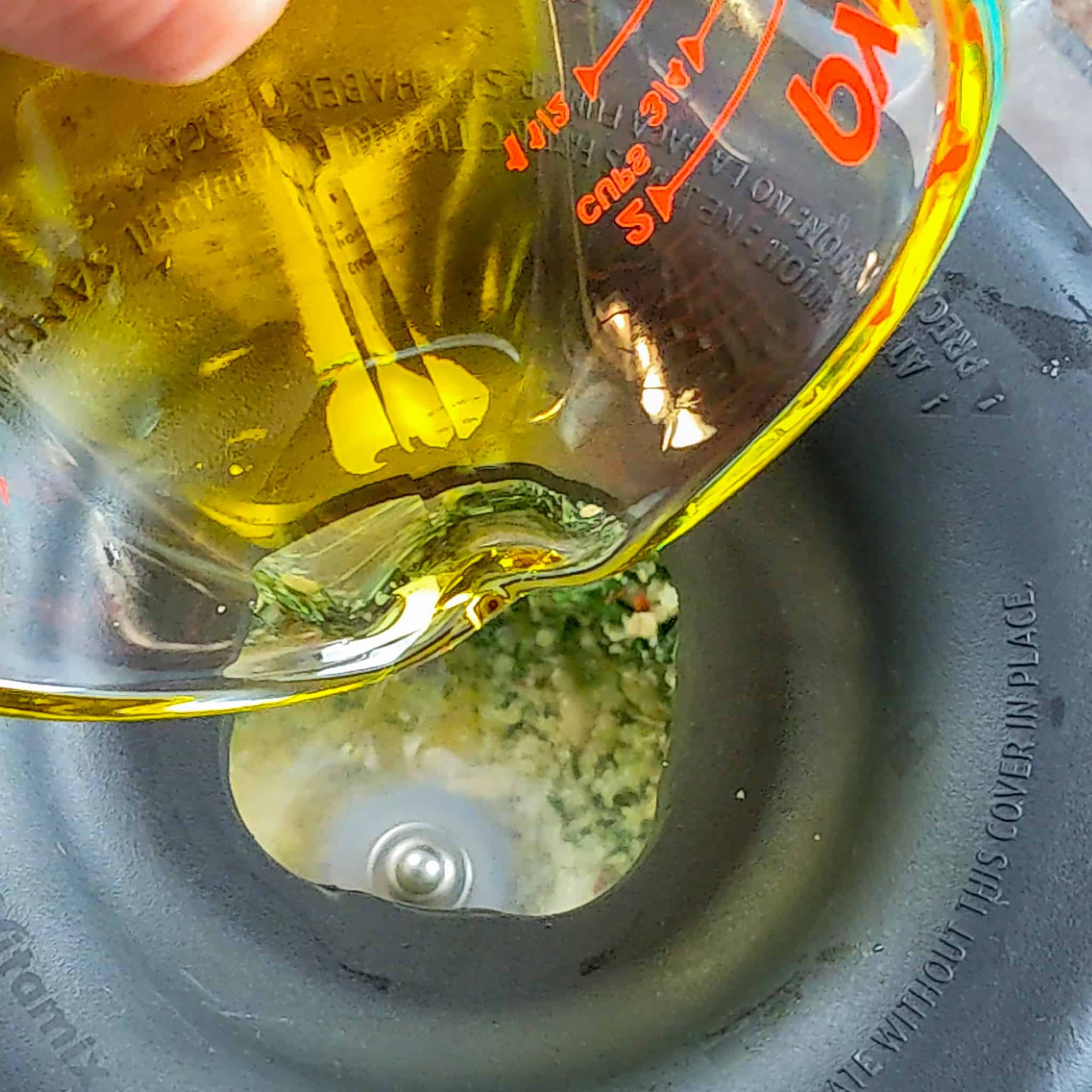
- Add the oil gradually while whisking. A slow drizzle gives the oil time to break into small droplets instead of pooling on top.
- Check the texture. The dressing should look more uniform and may thicken slightly.
- Taste and adjust. Add acidity, seasoning, or oil according to the flavor you want.
- Whisk or shake before serving if needed. Separation during storage is common in homemade vinaigrettes.
Why Did My Sauce or Dressing Separate?
If a vinaigrette forms two layers after sitting, its oil droplets have come back together. Shake or whisk it again. The date pecan pomegranate vinaigrette and spicy sesame soy dressing are both good examples of dressings you can remix before serving.
If oil pools immediately while you're making a dressing, pause the pour and whisk the mixture thoroughly before adding more oil. Next time, drizzle more slowly. For a blended sauce, process until the texture is even, stopping to scrape down the sides if ingredients collect there.
A separated dressing isn't automatically spoiled. Follow the storage guidance in its recipe, and judge freshness separately from whether the oil has risen to the top.
How to Store Homemade Dressings
Learn how to properly store leftovers to keep them fresh and flavorful. Learn more about Understanding Food Temperature Safety Zones: Cook, Store & Serve Safely.
Do homemade dressings have to be refrigerated?
For the three recipes in this post, yes. Transfer each dressing to a clean, airtight jar or container and refrigerate it promptly at 40°F or below. Homemade dressings with fresh ingredients or dairy should not be treated like unopened, shelf-stable bottled dressing.
Refrigeration is especially important for mixtures containing fresh garlic, herbs, or oil. FoodSafety.gov provides refrigerator-temperature guidance, and University of Minnesota Extension explains the risks of storing homemade garlic-and-herb oil mixtures at room temperature.
Use the storage time given in each recipe: up to 4 days for the Creamy Cilantro Jalapeño Sauce and Date Pecan Pomegranate Vinaigrette, or up to 7 days for the Spicy Sesame Soy Dressing. Oil rising to the top after chilling is normal separation: shake or whisk the dressing before serving. Separation alone doesn't tell you whether a dressing is safe to eat, so track when you made it rather than relying on its appearance.
Kitchen Tools I Use and Recommend
These are some of the kitchen tools I personally use that make cooking faster and easier. If you're building your kitchen setup or upgrading your tools, these are great places to start. More Kitchen Must-Haves - Find other tools I use here.
My Review: We've been using the Vitamix Professional Series 750 Blender for over 5 years, and it continues to perform flawlessly, just as powerful and reliable as day one. This blender is a commercial kitchen favorite for good reason: it blends everything from smooth mango purees to nut butters and soups with ease, and the self-cleaning feature makes cleanup a breeze. It's 64 oz. Low-profile container fits perfectly under most cabinets, and if you're serious about quality, this is the blender to invest in.

My Review: Of course, I had to get this hand blender in red to match my stand mixer, and I love the convenience and power it brings to my kitchen! With all the included gadgets and easy cleaning (just detach and rinse!), It's become my go-to for everything from smoothies to soups. It's a true "stick blender" with a design that lets me blend even larger quantities of liquid, especially with the slim cup. Highly recommend! If you didn't know already, the KitchenAid Cordless Variable Speed Hand Blender boasts a powerful rechargeable battery that blends up to 25 bowls of soup on a single charge and offers a quick 20-minute charge option for smaller tasks. It's an 8" removable blending arm with a 4-point stainless steel blade that tackles a variety of recipes, from smoothies to soups, while the variable speed trigger switch provides precise control. This versatile hand blender comes with a convenient charger, blending jar, and pan guard, making it a practical and efficient addition to any kitchen.

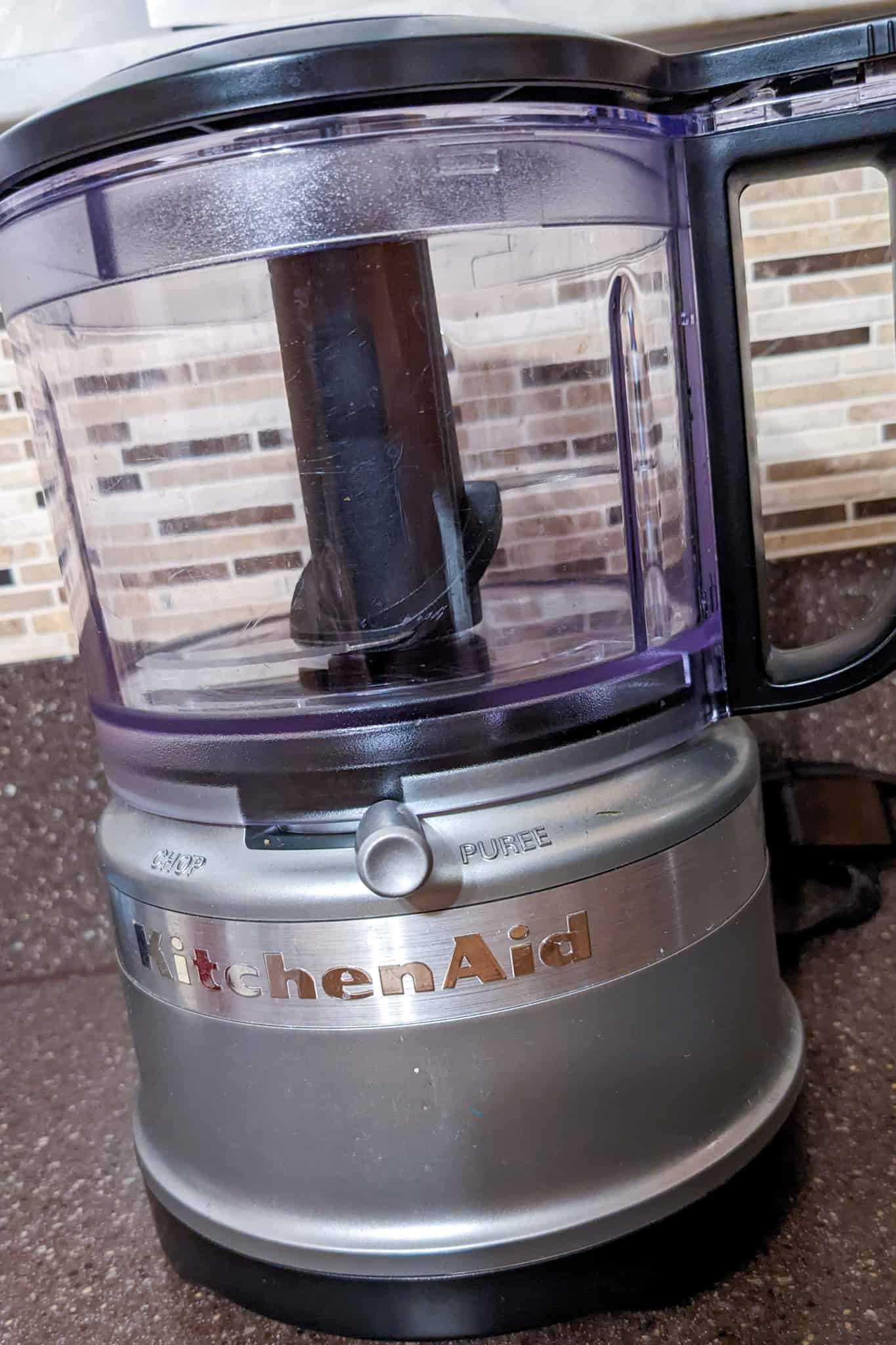
My Review: The KitchenAid 3.5 Cup Food Chopper is a must-have in the kitchen at a great price. It’s compact, powerful, and lightweight, making meal prep easier without taking up much space. I love its one-touch operation, perfect for quickly chopping, mixing, and puréeing. Plus, it's easy to clean. Watch me use it in my Spicy Tomato Farro Risotto and Chili Herb-Crusted Rainbow Trout recipes. This chopper is essential, especially if you love cooking with lots of gadgets like me!
My Review: These Walfos silicone whisks are a must in my kitchen. They’re gentle on non-stick and ceramic surfaces, yet sturdy enough to handle sauces, eggs, and batters without bending or scratching. The flat and balloon shapes cover all my whisking needs, and the build quality has held up beautifully.

My Review: This frother has been my favorite frother so far, and it honestly surprised me with how powerful and convenient it is. I love that it charges via USB, which makes it super easy to plug in anywhere, and the battery life lasts far longer than any battery-operated frother I’ve used. The three strength levels are superb, and even the low setting is incredibly strong, whipping up everything from matcha to protein shakes with no struggle. If you’re tired of weak frothers that burn through batteries, this is a serious upgrade.
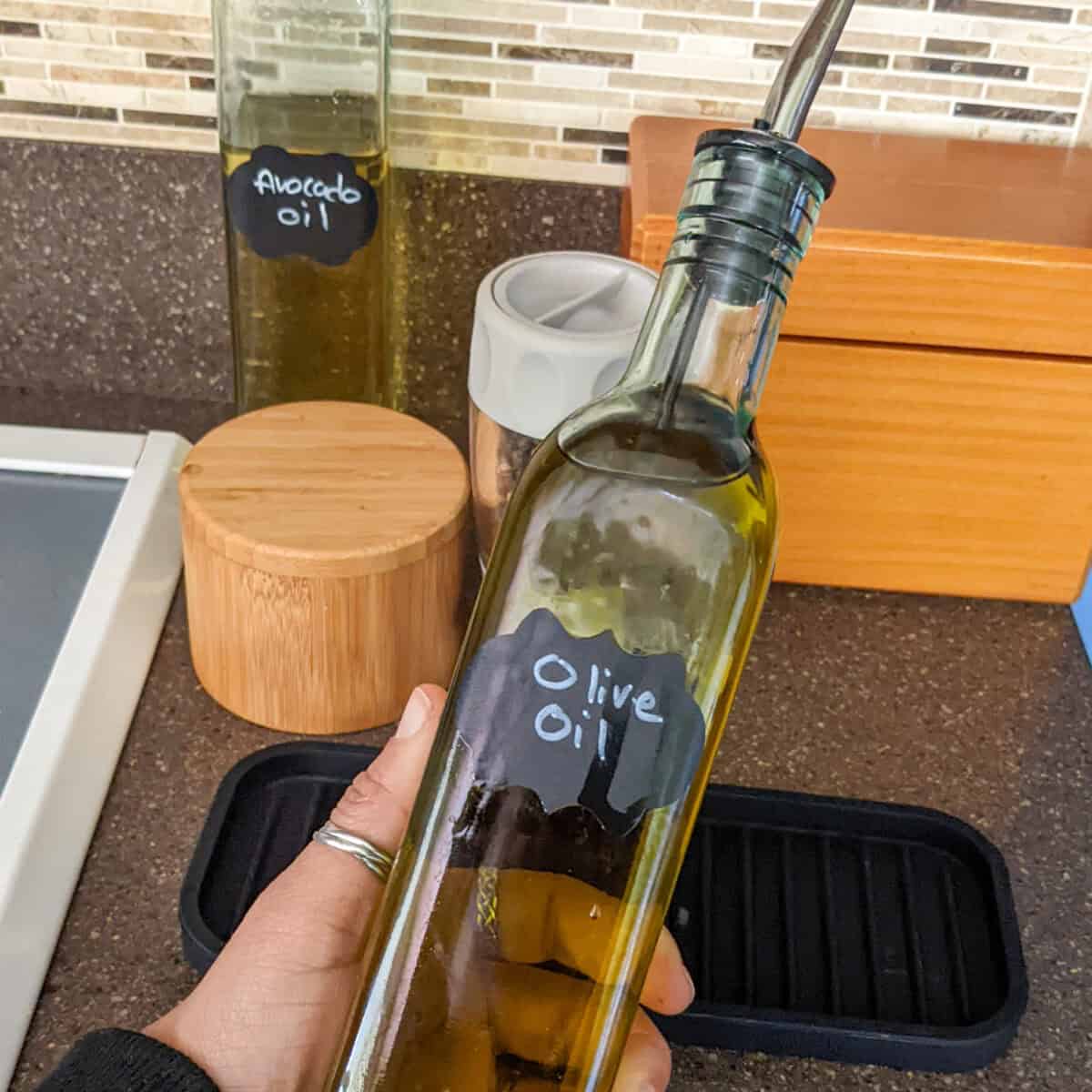
My Review: This is a chef’s and home cook’s staple in the kitchen. My top reasons to get these are: (1) Keep your oils organized! Since they are slim, they are easy to store on the counter. (2) There are no funky labels on them, so you can see exactly how much you have left. (3) They are effortless to fill and grip when cooking on the fly. Keep them right next to the stove with no trouble. (4) You will notice many of my recipes call for either olive oil or avocado oil. Avocado oil has a high smoke point, making it excellent for high-heat cooking, such as grilling. Both oils are also beneficial for your health. Organizing them lets me use them conveniently and often.
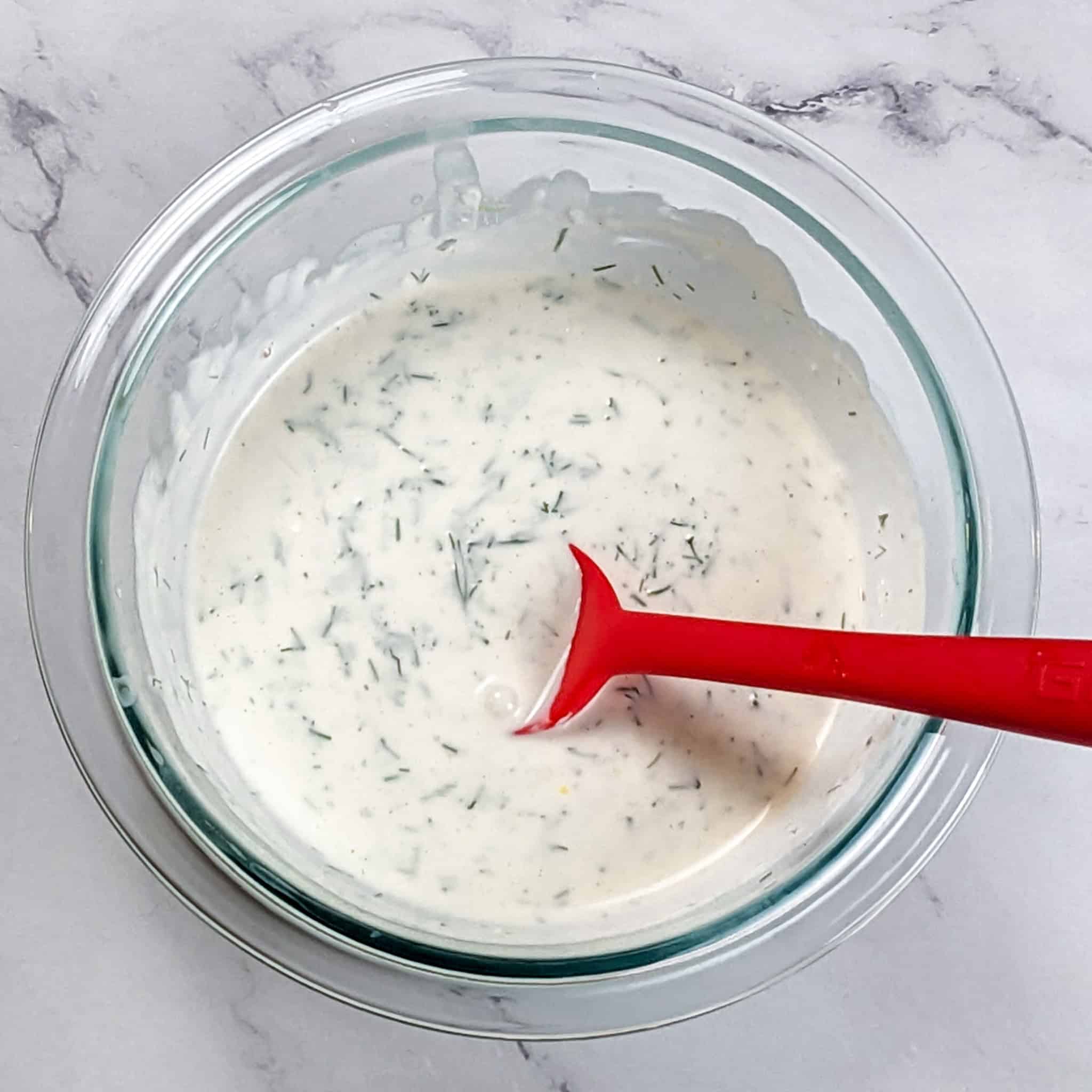
My Review: I love the clean, classic look of this Pyrex 3-piece glass mixing bowl set. It’s a staple in my kitchen. Pyrex is known for its durability, and these bowls definitely live up to that reputation. I use them for everything from mixing batters to storing leftovers, and their microwave-safe feature makes them super multifunctional. They’re also easy to clean and stack nicely in the cabinet. The only reason this isn’t a five-star for me is that I always have that little fear of breaking them when I’m using or storing them, even though they’re made to last.
Review: The Ball Wide Mouth Pint Mason Jars with Lids & Bands (16 oz, 2-Pack) are durable, versatile glass jars perfect for storing everything from sauces to dressings. With a wide opening for easy filling and airtight lids for freshness, they’re a must-have for kitchen storage. I love using these jars, especially for hot and cold sauces and dressings. Because they're glass, the flavors stay pure and aren’t affected by other items in the fridge. The airtight mason jar lids keep everything fresher for longer, definitely a staple in my kitchen!

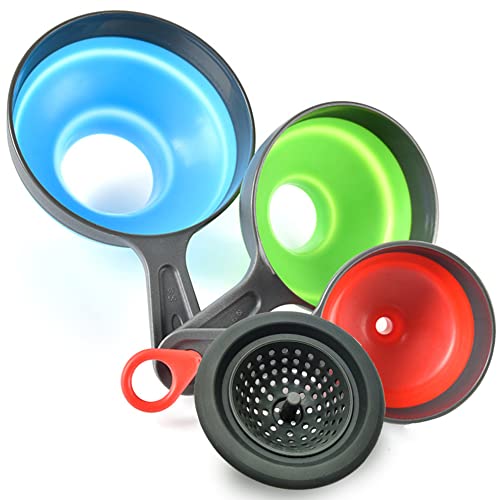
My Review: These funnels turned out to be more versatile than I expected. I originally bought them to refill my spice jars, but the different funnel sizes make them useful for canning, liquids, grains, and all kinds of kitchen tasks. The food-grade silicone feels durable and easy to clean, and the collapsible design is a big win for storage. They tuck neatly into a drawer without taking up space, are practical and convenient to keep on hand for kitchen organization and canning prep, and can be used for other purposes.
5 Interesting Ways to Use Emulsification in Cooking
Cook's Notebook is your Cooking Tips Resource Guide. Become a better home cook with tips to help you cook more efficiently.
- Make a vinaigrette that coats every leaf. Slowly whisk oil into vinegar or citrus juice until the dressing looks uniform and slightly thickened. Try the technique with my Date Pecan Pomegranate Vinaigrette.
- Turn pan drippings into a silky sauce. After cooking chicken or fish, add a splash of broth or lemon juice to the pan. Take it off the heat and whisk in small pieces of cold butter one at a time. The butter disperses through the liquid, giving the sauce a glossy finish.
- Make pasta sauce cling to the noodles. Toss hot pasta with its sauce, a little starchy pasta water, and olive oil or butter. Stirring helps bring the fat and water together into a sauce that coats the pasta instead of leaving oil at the bottom of the bowl.
- Blend herbs into a creamy drizzle. A blender or food processor can disperse oil through a sauce while finely chopping fresh ingredients. My Creamy Cilantro Jalapeño Sauce combines that technique with yogurt and mayonnaise for a smooth finish.
- Make a quick sauce for bowls or vegetables. Whisk a flavorful oil into a liquid base, then drizzle it over rice, noodles, or roasted vegetables. The Spicy Sesame Soy Dressing uses toasted sesame oil, soy sauce, and rice vinegar. If it separates before serving, give it another shake.
Frequently Asked Questions
Here is a list of common questions I have answered. If you have any questions, please write them in the comments below.
No. A sauce can get its creamy texture from ingredients such as yogurt or blended vegetables. Emulsification involves dispersing one liquid, usually oil, throughout another liquid it wouldn't naturally stay mixed with.
No. The spicy sesame soy dressing is much thinner than a creamy cilantro sauce. Both can contain dispersed oil droplets, but their other ingredients and methods create different textures.
No. A whisk or tightly closed jar works well for many dressings. A blender or food processor is useful when you also need to break down herbs, peppers, or other solid ingredients into a smooth sauce.
Many homemade vinaigrettes form a temporary emulsion. As they rest, oil droplets join together and rise. Shake or whisk the dressing again before using it.
More Dressing and Vinaigrette Recipes
Looking for other dressing recipe ideas? Try these:
- Creamy Cilantro Jalapeño Sauce (Perfect for Chicken, Tacos, and Salads)
- Creamy Lemon Tahini Dressing with Fresh Lemon Zest
- Quick Avocado Cream Sauce for Tacos and Bowls
- Date Pecan Pomegranate Vinaigrette Recipe
Cooking Tips and Tutorials
If you found this tutorial helpful, you'll love my Cook's Notebook collection. From knife skills and flavor bases to time-saving tricks and essential equipment guides, this section is packed with chef-tested lessons to help you cook with confidence.
- Homemade Baby Food: How to Prep, Freeze & Build Easy Meals
- Summer Seasonal Produce: A Guide to Fruits and Vegetables in Season
- The Best Cooking Shows on Prime Video for Curious Home Cooks
- How to Trim Chicken: The Best Way to Prep Chicken Before Cooking


Chef Maika Frederic-Liebman
Chef and Educator
Professionally trained Haitian-American chef Maika Frederic is the creator of Just Maika Cooking, where she shares globally inspired recipes, cooking techniques, ingredient guides, and food safety tips designed to help home cooks become more creative and confident in the kitchen. Combining years of professional culinary experience with a passion for teaching, she makes global flavors approachable through practical, accessible instruction for cooks of every skill level.
Have a Comment or Question?
If you have a question or comment about this post, please post it below. You will receive a prompt response. It also helps our other readers to stay informed. Thanks!

Leave a Reply