


This creamy lemon tahini dressing is smooth, bright, and full of fresh citrus flavor from both lemon juice and lemon zest. It is perfect for drizzling over falafel wraps, grain bowls, roasted vegetables, and crisp salads.
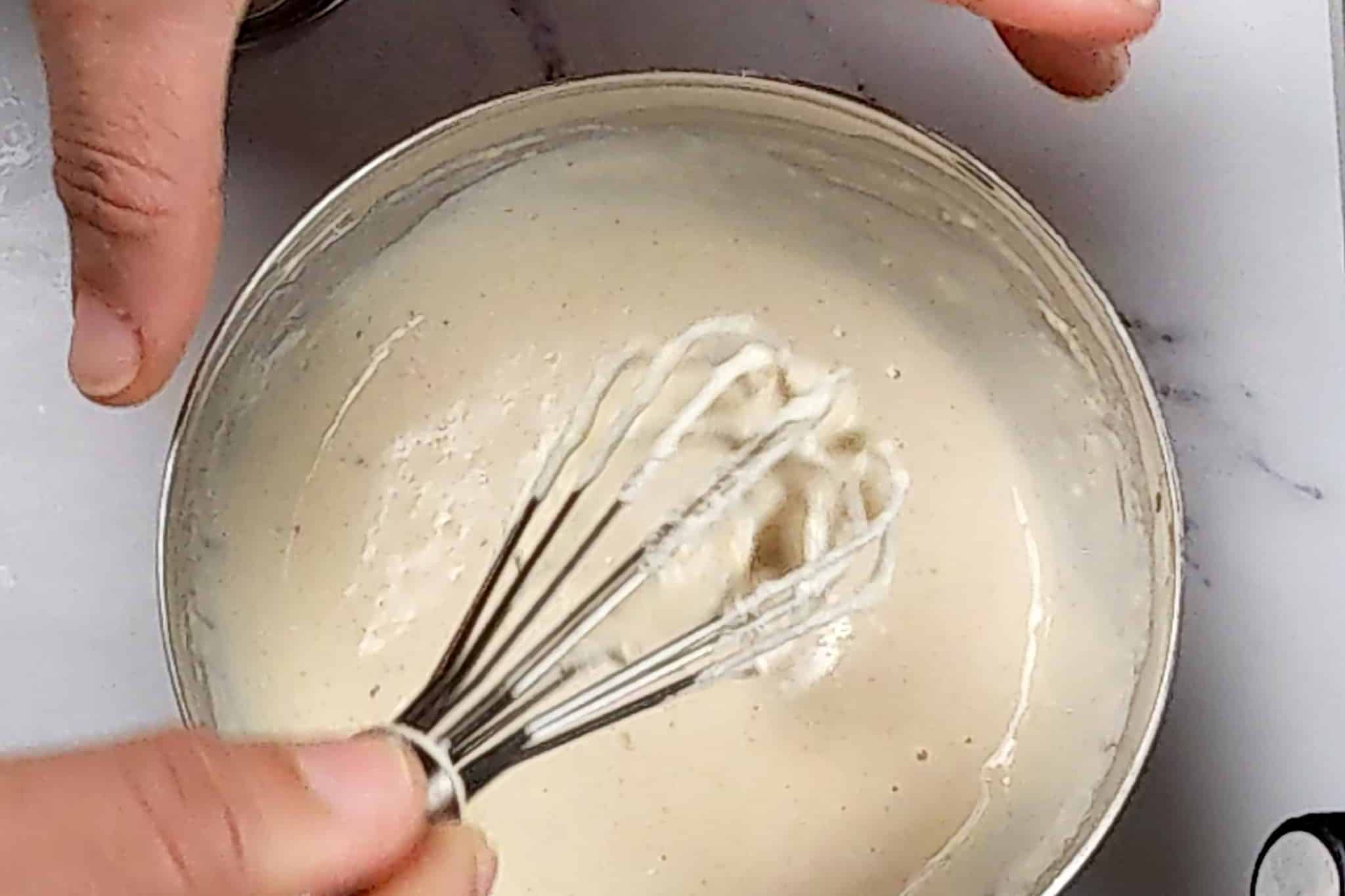
Table of Contents
Jump to:
- Simple Tahini Dressing Recipe
- Variation Ideas
- 15 Ways to Use Lemon Tahini Dressing
- The Origin of Tahini Dressing
- Ingredients with Steps
- Culinary Glossary
- Instructions with Pictures
- Equipment List
- Kitchen Must-Haves Reviews
- Storage Instructions
- Substitutions
- 5 Quick Cooking Tips
- Frequently Asked Questions
- Dressing Recipes
- Cooking Tips and Tutorials
- 📖 Recipe
- Have a Comment or Question?
Simple Tahini Dressing Recipe
This creamy lemon tahini dressing is bright, smooth, and flavorful, made with simple ingredients like sesame paste, fresh lemon juice, and lemon zest. With its naturally nutty flavor and silky creamy texture, this easy dressing works beautifully as a homemade salad dressing, a drizzle for wraps, or a finishing sauce for grain bowls inspired by Middle Eastern cuisine.
Why You'll Love This Recipe
- Bright lemon flavor with depth - Fresh lemon juice and zest create a vibrant, balanced lemony tahini dressing that tastes fresh and layered.
- Naturally creamy texture - Tahini made from ground sesame seeds produces a smooth, creamy dressing without dairy.
- Made with simple ingredients - Everything comes from everyday pantry staples you can find at most grocery stores.
- Easy to adjust consistency - Change the amount of water to create either a thick dip or pourable creamy sauce.
- Versatile for many meals - Use it as a tahini-based dressing for wraps, bowls, roasted vegetables, or your favorite salad.
- Rich in healthy fats - Tahini adds nourishing healthy fats that make this dressing satisfying and balanced.
- Better than store-bought - A fresh batch from a jar of tahini delivers deeper flavor than most bottled versions.

Looking for a store-bought version? I highly recommend you check out Beituti's Lemon Tahini Sauce (it sells out pretty quickly), a women-owned Lebanese pantry company that makes products with wholesome ingredients.
Note From Chef Maika

I originally created this dressing for my Spicy Falafel Pita Sandwich recipe, where its creamy, citrusy flavor perfectly balances the warm spices in the falafel. But once I started using it in other dishes like quinoa bowls, roasted vegetables, and fresh green salad, it quickly became one of my favorite base sauces.
I encourage you to treat this as a flexible foundation and experiment by adding fresh herbs, fresh garlic, or even a splash of apple cider vinegar to make it your own version of the best lemon tahini dressing for your kitchen.
Variation Ideas
Explore fun twists and creative ways to make this recipe your own. These additions let you customize the flavor, texture, and use of your creamy lemon tahini dressing depending on the dish you are pairing it with.
- Fresh Garlic: Adds sharpness and depth, making the dressing more savory and closer to traditional Middle Eastern-style tahini sauces served with falafel.
- Garlic Powder: Provides a milder garlic flavor that blends smoothly into the dressing without changing texture.
- Olive Oil: Creates a richer mouthfeel and helps turn the dressing into a more rounded creamy sauce for grain bowls or roasted vegetables. Learn more, check out Heart Healthy, High Smoke Point Oils for Cooking.
- Fresh Herbs (Parsley, Cilantro, or Dill): Brighten the flavor and add freshness, especially when serving with wraps, salads, or Mediterranean-inspired dishes. Check out my post on Prepping Herbs.
- Apple Cider Vinegar: Adds extra acidity and complexity if the dressing needs more brightness than lemon juice provides.
- Ground Cumin: Introduces warm, earthy notes that pair well with chickpeas, roasted vegetables, and falafel.
- Smoked Paprika: Adds subtle smokiness that complements grilled vegetables and proteins.
- Onion Powder: Boosts savory flavor without adding texture from fresh onions.
- Honey or Maple Syrup: Balances the acidity with gentle sweetness, especially useful for salad dressings.
- Sesame Oil: Enhances the natural nutty tahini flavor with deeper toasted sesame notes.
- Greek Yogurt: Creates an extra creamy texture and turns the dressing into a thicker spread for sandwiches or wraps.
- Nutritional Yeast: Adds a mild cheesy flavor while keeping the dressing dairy-free.
- Lemon Vinaigrette Base (Extra Lemon + Olive Oil): Transforms the dressing into a lighter, more pourable version for fresh green salad or kale salad. You must try my Grilled Lemon Oregano Dressing & Vinaigrette Recipe.
- Cayenne Pepper or Chili Flakes: Adds gentle heat for a spicier version that pairs well with roasted chickpeas or grain bowls.
- Change Heat Level - Modify the recipe's heat level to your liking and learn more about the Scoville Scale and Chili Pairings

Warm Water: Helps loosen thick tahini more easily than cold water, creating a smoother consistency.
15 Ways to Use Lemon Tahini Dressing
- Drizzle over falafel wraps and pita sandwiches
- Toss with a kale salad or fresh salads
- Spoon over roasted cauliflower or sweet potatoes
- Add to quinoa bowls or a Buddha bowl
- Serve with crispy roasted vegetables and crispy chickpeas
- Use as a dip for raw vegetables or warm flatbread
- Spread inside grain wraps instead of mayonnaise
- Finish grilled chicken, tofu, or salmon with a spoonful
- Stir into cooked lentils or chickpeas for extra flavor
- Pair with Mediterranean-style rice bowls
- Add to a fresh green salad as a creamy alternative to vinaigrette
- Drizzle over roasted eggplant alongside baba ganoush
- Use as a sauce for sheet pan vegetables
- Thin slightly with warm water to create a pourable homemade salad dressing
- Mix with chopped fresh herbs for a brighter variation
The Origin of Tahini Dressing
Tahini dressing comes from the culinary traditions of Middle Eastern cuisine, where sesame paste has been used for centuries as a foundational ingredient in both sauces and spreads.
Made from finely ground sesame seeds, tahini appears in classic dishes like hummus and baba ganoush, and it is commonly thinned with lemon juice, water, and garlic to create a simple, flavorful sauce for falafel, roasted vegetables, and grain dishes. Today, variations like lemony tahini dressing have become popular worldwide as an easy tahini-based dressing with a naturally creamy texture and rich, nutty flavor.

Looking for authentic Middle Eastern cuisine? Check out Middle Eats and Fufu's Kitchen.
Recommended Reads
- Spicy Falafel Pita Sandwich & Lemon Tahini Dressing
- Creamy Lemon Greek Yogurt Dressing | Easy 5-Minute
- Spicy Zhug Hummus with Feta - Twist on Classic Hummus
- Grilled Lemon Oregano Dressing & Vinaigrette Recipe
- 5-Minute Spicy Sesame Soy Dressing Recipe
Ingredients with Steps
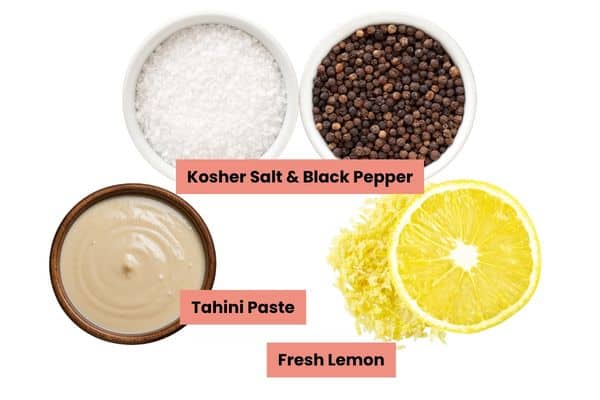
In a small bowl, whisk together the tahini paste, lemon juice, and lemon zest until the mixture thickens slightly. Slowly add the cold water a little at a time while whisking until the dressing becomes smooth and creamy. Season with salt and black pepper to taste, then refrigerate briefly before serving to allow the flavors to come together.
Culinary Glossary
This section concisely defines the key ingredients and techniques covered in this post to enhance understanding and improve cooking skills.
Ingredients
- Tahini (Sesame Paste) - A smooth paste made from finely ground sesame seeds that adds a rich, nutty flavor and creamy texture to sauces, dressings, and spreads in Middle Eastern cuisine.
- Lemon Zest - The thin outer yellow layer of the lemon peel that contains fragrant citrus oils and adds bright flavor without extra acidity.
- Fresh Lemon Juice - Juice squeezed directly from a lemon, used to add acidity and balance rich ingredients like tahini.
Techniques
- Whisking - A mixing technique that uses a whisk or fork to blend ingredients together until smooth and evenly combined.
- Emulsifying - The process of combining ingredients that normally separate, such as tahini and lemon juice, with water, to create a smooth dressing.
- Adjusting Consistency - Adding small amounts of liquid, like water, to make a sauce thicker or thinner, depending on how you plan to use it.
- Seasoning to Taste - Adding salt and pepper gradually and tasting as you go until the flavor feels balanced to you.
- Creamy Dressing - A dressing with a smooth, thick texture that coats ingredients evenly rather than pooling at the bottom of a bowl.
- Nutty Flavor - A warm, toasted taste naturally found in sesame-based ingredients like tahini.
- Chilling (Resting the Dressing) - Letting the dressing sit in the refrigerator briefly so the flavors blend and develop before serving.
Instructions with Pictures
Follow the instructions and cooking tips below using the step-by-step picture guide.
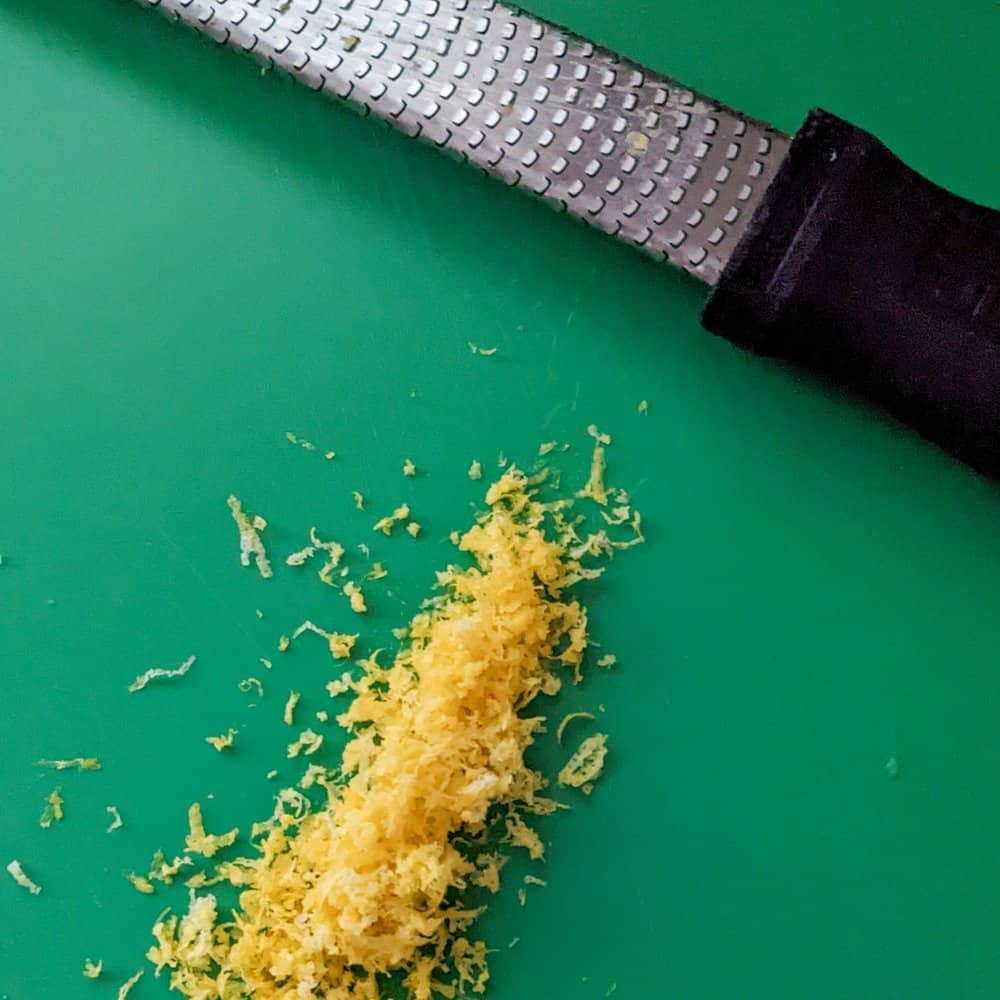
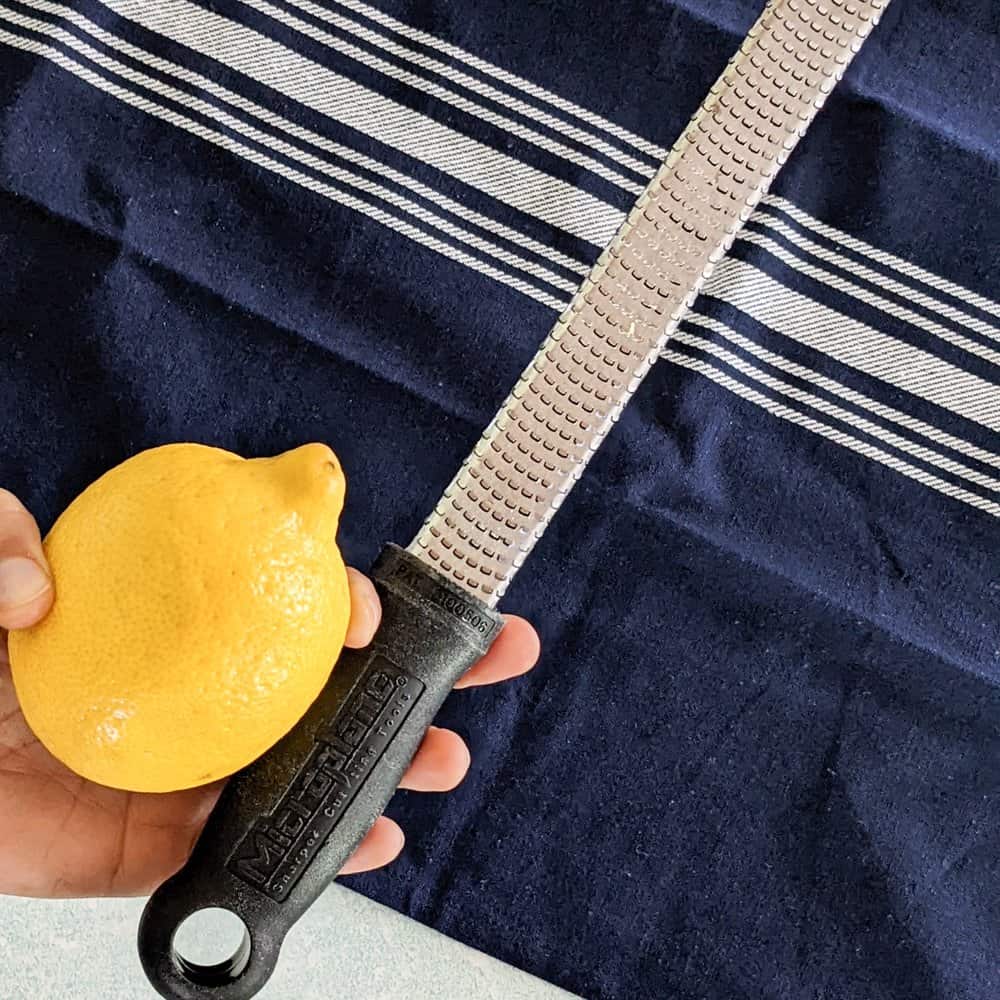
Learn about Zesting. Get this Classic Microplane.
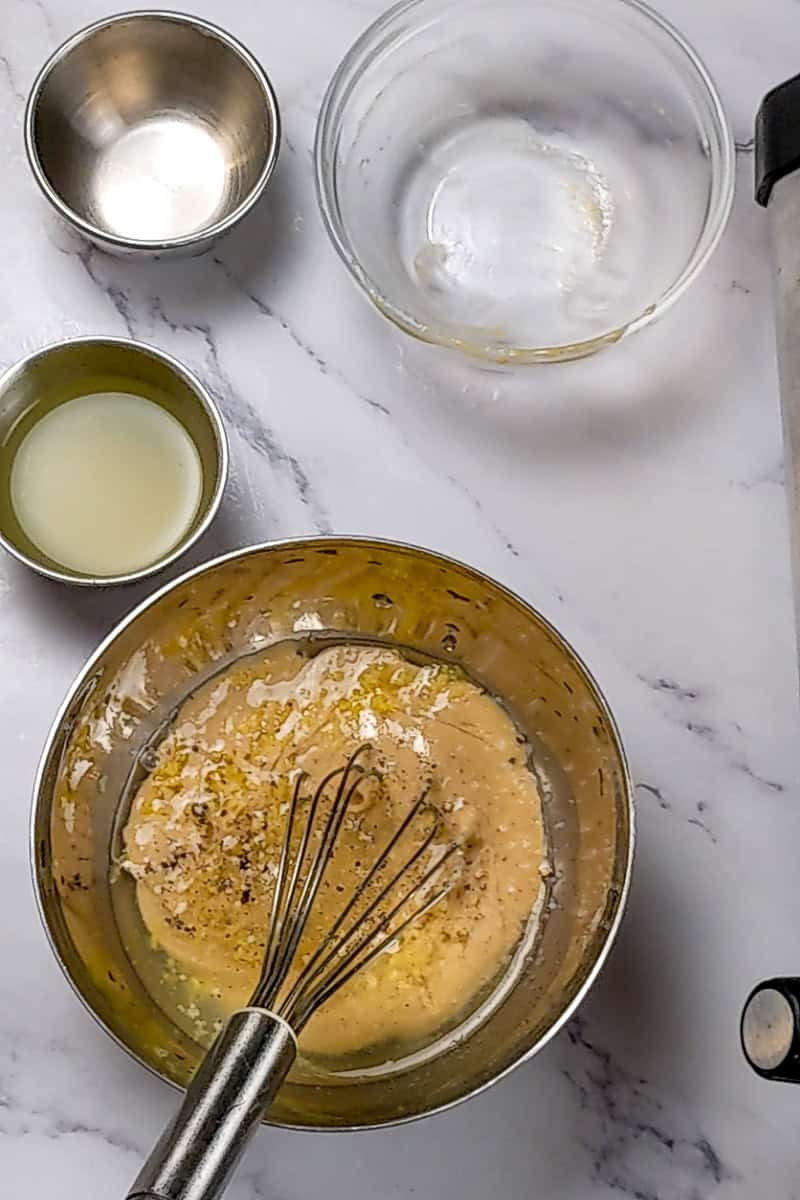
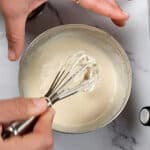
Add the tahini paste, lemon juice, and lemon zest to a small bowl. Whisk the mixture until it thickens slightly. Gradually whisk in the cold water until smooth and pourable.
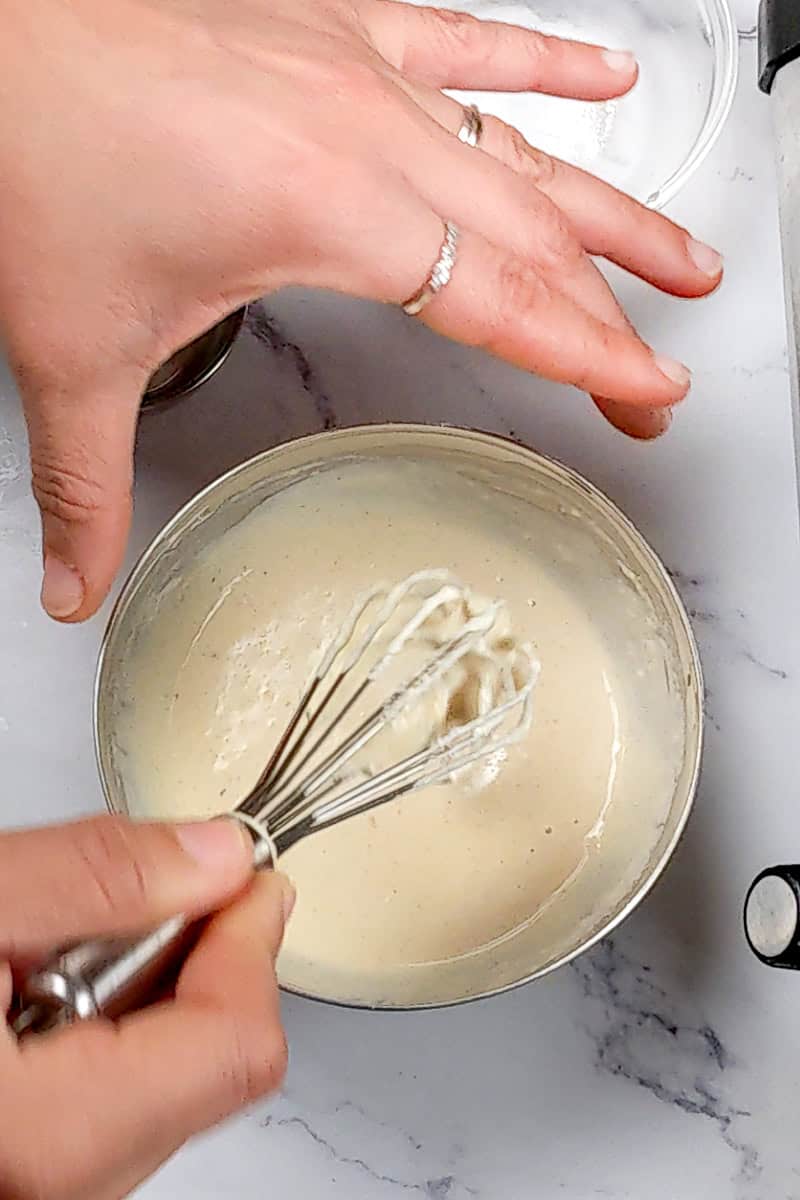
Season with salt and black pepper to taste. Chill the dressing in the refrigerator before serving for the best flavor.
Equipment List
Here's what you'll need to make this recipe with ease:
- Small Mixing Bowl - Used to combine the tahini, lemon juice, lemon zest, and water while whisking the dressing until smooth.
- Whisk or Fork - Helps blend the ingredients evenly and creates a creamy texture as the dressing emulsifies.
- Microplane or Fine Zester - Used to remove the outer yellow layer of the lemon peel for fresh lemon zest without including the bitter white pith.
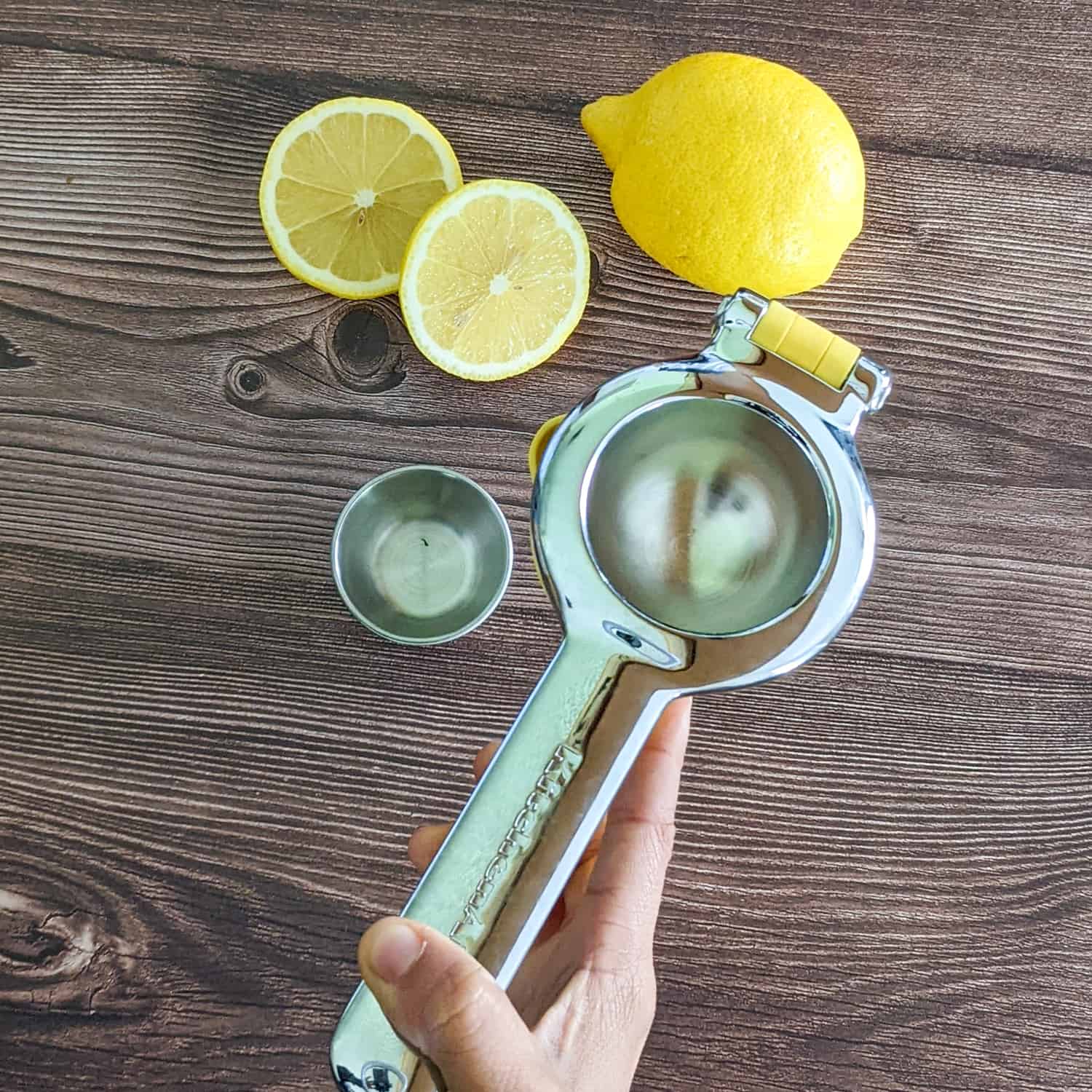
- Citrus Juicer (Optional) - Makes it easier to extract fresh lemon juice efficiently with less mess and fewer seeds. Check out How to Use a Citrus Squeezer for Max Juice.
- Measuring Cups and Spoons - Ensure accurate proportions for a balanced lemon tahini dressing.
- Rubber Spatula (Optional) - Useful for scraping tahini from the jar so none of the sesame paste goes to waste.
- Airtight Storage Container - Keeps the dressing fresh in the refrigerator and prevents it from absorbing other flavors.
Kitchen Must-Haves Reviews
Find a collection of my reviews of kitchen equipment that I have purchased or recommend. Kitchen Must-Haves - Find other tools I use here.
My Review: Over the past decade, this Microplane has been and still is my favorite! My replacement was once when someone came to borrow it in the kitchen and left it next to an open flame at the Ritz! And it scorched the metal. Honestly, it worked great, but I was young and concerned about aesthetics. Go figure! This was a professional kitchen staple. You can use it to enhance the citrus flavor and presentation of foods, from pureed soups to beautiful French custards, just like my Green Kale Lentil Soup, which has a delicious lemon broth. It’s the original, and it’s my must-have go-to item.
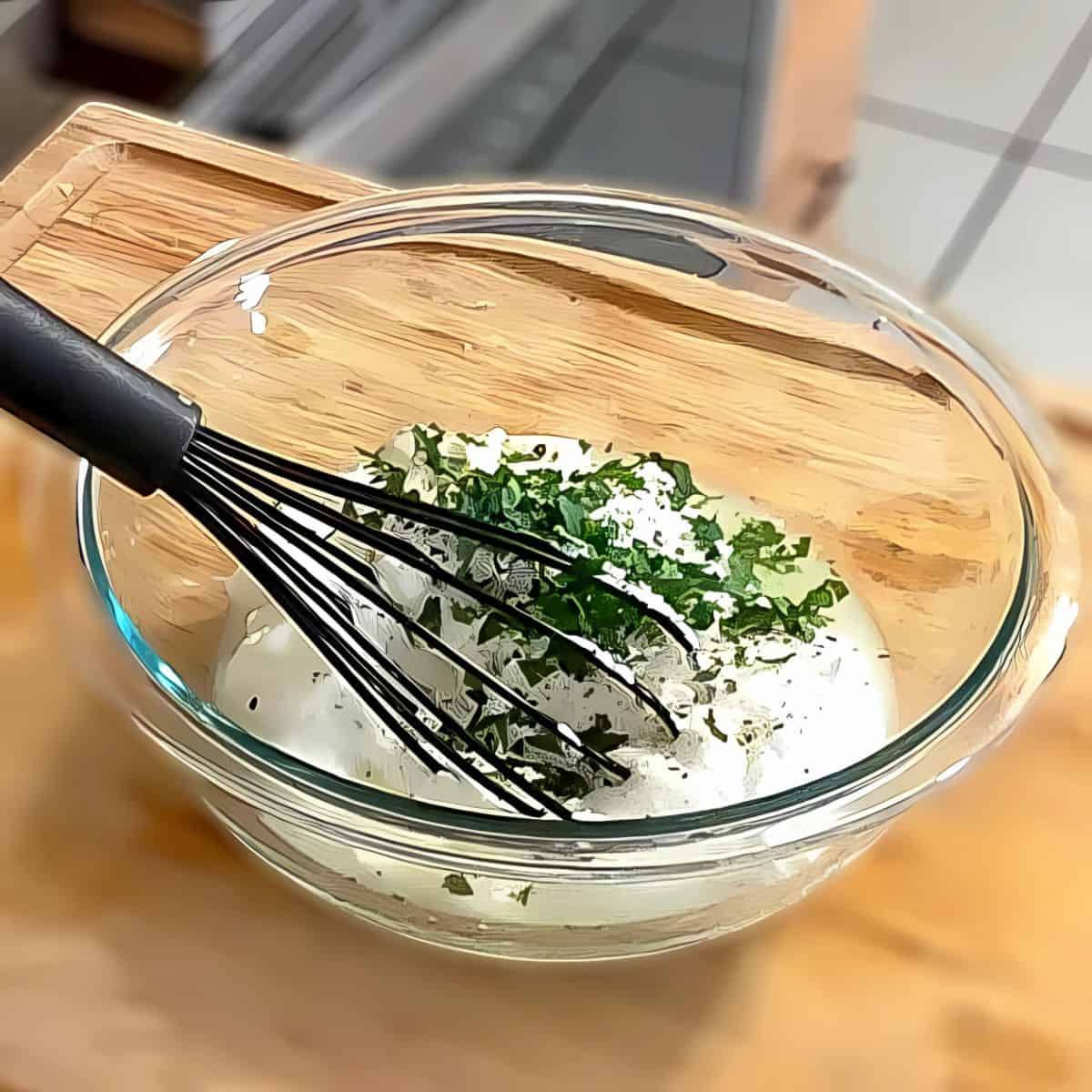
My Review: First of all, I love the look of these Walfos silicone whisks. The sleek design instantly caught my eye. They’re sturdy, heat-resistant, and perfect for mixing in non-stick pans without scratching. A dependable, stylish set that gets regular use in my kitchen.
My Review: This lemon squeezer is still working great. Lemons are so big now! This larger squeezer is really helpful. When they designed this tool, they thought of everything! It's definitely a must-have. It easily fits extra-large lemons, collects the seeds, and has a strainer and spout for pouring out the juice! You can quickly squeeze multiple lemons while preserving the juice in its reservoir. Preparing for my Frozen Watermelon Lemonade recipe was a breeze. It's very convenient, and there are fewer materials to clean afterward.
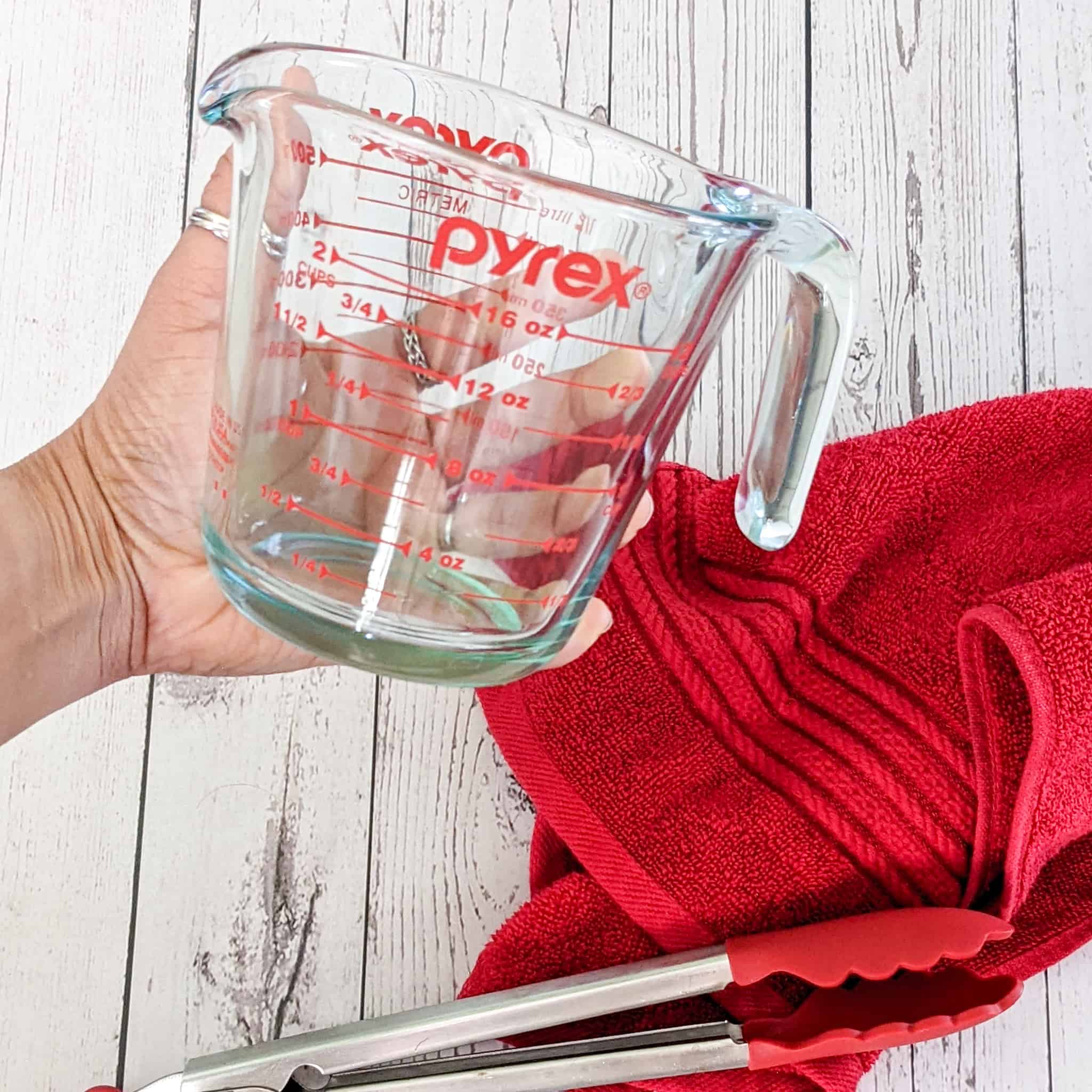
My Review: Pyrex is a household staple in America, and you can't go wrong with it. The Pyrex Prepware 2-Cup Glass Measuring Cup features easy-to-read double-sided measurements in both metric and customary units, and it's made of tempered glass, making it microwave-safe and perfect for melting butter. The sturdy, molded handle won’t break, and the spout allows for easy pouring. Simple, reliable, and built to last. Additionally, I recently purchased the Pyrex 4-Cup Glass Measuring Cup, which is ideal for measuring broth for soups and for making batter right in it. I had to give it a 4.5 because recently, the red labeling was disappearing. Never had this happen before on any other I owned.
Review: The Ball Wide Mouth Pint Mason Jars with Lids & Bands (16 oz, 2-Pack) are durable, versatile glass jars perfect for storing everything from sauces to dressings. With a wide opening for easy filling and airtight lids for freshness, they’re a must-have for kitchen storage. I love using these jars, especially for hot and cold sauces and dressings. Because they're glass, the flavors stay pure and aren’t affected by other items in the fridge. The airtight mason jar lids keep everything fresher for longer, definitely a staple in my kitchen!

Storage Instructions
Learn how to properly store leftovers to keep them fresh and flavorful. Learn more about Understanding Food Temperature Safety Zones: Cook, Store & Serve Safely.
- Store the creamy lemon tahini dressing in an airtight container in the refrigerator for up to 5 days. The dressing will naturally thicken as it chills, so stir in a small amount of cold water before serving to restore a smooth, pourable consistency.
- For longer storage, you can freeze the dressing in ice cube trays until solid, then transfer the cubes to a freezer-safe bag and store for up to 2 months. Thaw overnight in the refrigerator and whisk well before using, as separation may occur after freezing.
Airtight Food Containers: I interchange glass food storage containers with plastic clip-on lids. I always suggest glass storage containers because they can be microwaved, hold food without staining, and maintain a more stable temperature, keeping food fresher for longer. I recommend checking out these airtight food containers on Amazon.
Substitutions
Find easy ingredient swaps to fit dietary needs or what you already have in your pantry.
Dairy-Free
- This is a dairy-free lemon tahini dressing recipe.
Gluten-Free
- This is a gluten-free lemon tahini dressing recipe.
Vegetarian
- This is a vegetarian lemon tahini dressing recipe.
Convenience
- Tahini (Sesame Paste): Substitute with unsweetened peanut butter for a similar creamy texture and nutty flavor.
- Try sunflower seed butter for a nut-free alternative, or use plain almond butter if available.
- In a pinch, blend olive oil + finely ground sesame seeds if you keep sesame seeds in your pantry
- Fresh Lemon Juice: Substitute with bottled lemon juice or use lime juice for a slightly sharper citrus flavor.
- Try apple cider vinegar for acidity if citrus is unavailable
- Lemon Zest: Replace with a small splash of extra lemon juice or use lime zest if available.
- Add a tiny pinch of dried lemon peel seasoning if stocked.
5 Quick Cooking Tips
Your Cooking Tips Resource Guide - Become a better home cook with tips to help you cook more efficiently on the Cook's Notebook tab.
- Stir the tahini before measuring - Natural separation happens in a jar of tahini, so mixing it first ensures a smoother, more balanced dressing.
- Add water slowly - Tahini thickens quickly when mixed with lemon juice, so whisk in water gradually to control the final consistency.
- Use fresh lemon zest for a brighter flavor - The zest adds citrus aroma that makes the dressing taste fresher than using juice alone.
- Taste before adjusting seasoning - The acidity of lemons can vary, so check the flavor before adding extra salt or pepper.
- Let the dressing rest before serving - Chilling the dressing briefly allows the flavors to blend and improves the overall creamy texture.
Frequently Asked Questions
Here is a list of common questions I have answered. If you have any questions, please write them in the comments below.
Natural tahini made from ground sesame seeds often separates, leaving a thick paste at the bottom and oil on top. To make mixing easier, store the unopened jar upside down for a few hours so the oil redistributes before stirring.
Once opened, stir thoroughly and refrigerate the jar to help keep the tahini smoother and easier to scoop for future recipes.
This is normal. Tahini naturally tightens when combined with lemon juice. Simply whisk in more water until smooth again.
Yes. The dressing will still be flavorful with lemon juice alone, though the zest adds extra brightness.
Add small amounts of water and whisk until it reaches a pourable consistency suitable for a fresh green salad.
Yes. Traditional tahini dressing is naturally dairy-free because it is made from ground sesame seeds.
It pairs well with quinoa bowls, roasted vegetables, kale salad, crispy chickpeas, wraps, and grain-based dishes inspired by Middle Eastern cuisine.
Dressing Recipes
Looking for other dressing recipe ideas? Try these:
- What Is Emulsification? A Simple Guide to Creamier Sauces and Dressings
- Creamy Cilantro Jalapeño Sauce (Perfect for Chicken, Tacos, and Salads)
- Quick Avocado Cream Sauce for Tacos and Bowls
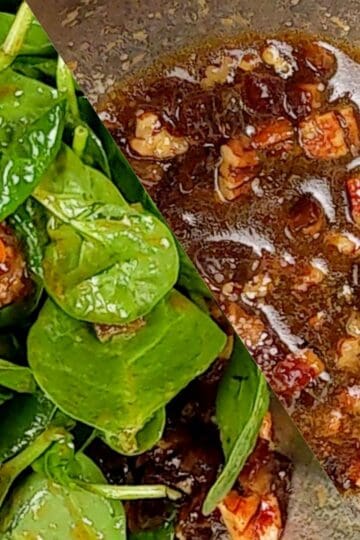
- Date Pecan Pomegranate Vinaigrette Recipe
Cooking Tips and Tutorials
If you found this tutorial helpful, you'll love my Cook's Notebook collection. From knife skills and flavor bases to time-saving tricks and essential equipment guides, this section is packed with chef-tested lessons to help you cook with confidence.
- Seasonal Produce Guide: What Fruits and Vegetables Are in Season?
- How to Roast Food: The Fundamental Principles of Roasting
- 2026 Fall Seasonal Produce Guide: Fruits and Vegetables to Enjoy This Season
- Indian Cooking Techniques That Changed How I Think About Food

📖 Recipe
Lemon Tahini Dressing
Ingredients
- ½ cup tahini paste
- ¼ cup fresh lemon juice
- 1 tablespoon lemon zest
- 6 tablespoons cold water adjust for consistency
- ½ teaspoon kosher salt or to taste
- ¼ teaspoon ground black pepper
Equipment
- Mixing Bowl small
- Whisk or fork
- Microplane or zester
- Rubber Spatula optional
- Mason Jar 16-ounce (1 cup)
Instructions
- Save Time in the Kitchen: Read the instructions thoroughly, then gather and prep all your ingredients before cooking! Learn Prepping Tips.
- In a small bowl, whisk together the tahini paste, lemon juice, and lemon zest until thick and slightly stiff. Slowly whisk in the cold water a little at a time until the dressing becomes smooth and pourable. Season with salt and black pepper to taste, then refrigerate until ready to use.
Notes
- Thicker sauce (for wraps or dipping): Use 4 tablespoons of water.
- Pourable dressing (for salads): Use 6 tablespoons of water.
- Extra-light drizzle (for bowls): add up to 8 tablespoons of water.
Nutrition
Subscribe to the YouTube Channel
SUBSCRIBE: 👈To my YouTube Channel to Get Notifications of New Videos.


Chef Maika Frederic-Liebman
Chef and Educator
Professionally trained Haitian-American chef Maika Frederic created Just Maika Cooking, where she shares globally inspired recipes, cooking techniques, ingredient guides, and food safety tips to help home cooks become more creative and confident in the kitchen. Combining years of professional culinary experience with a passion for teaching, she makes global flavors approachable through practical, accessible instruction for cooks of every skill level.
Have a Comment or Question?
If you have a question or comment about this post, please post it below. You will receive a prompt response. It also helps our other readers to stay informed. Thanks!
Leave a Reply