

Indian cooking techniques have challenged what I learned in classical French training, especially around sauces, spices, and dairy. Exploring these traditional methods has taught me to look beyond familiar culinary rules and better understand what the food is actually telling me.
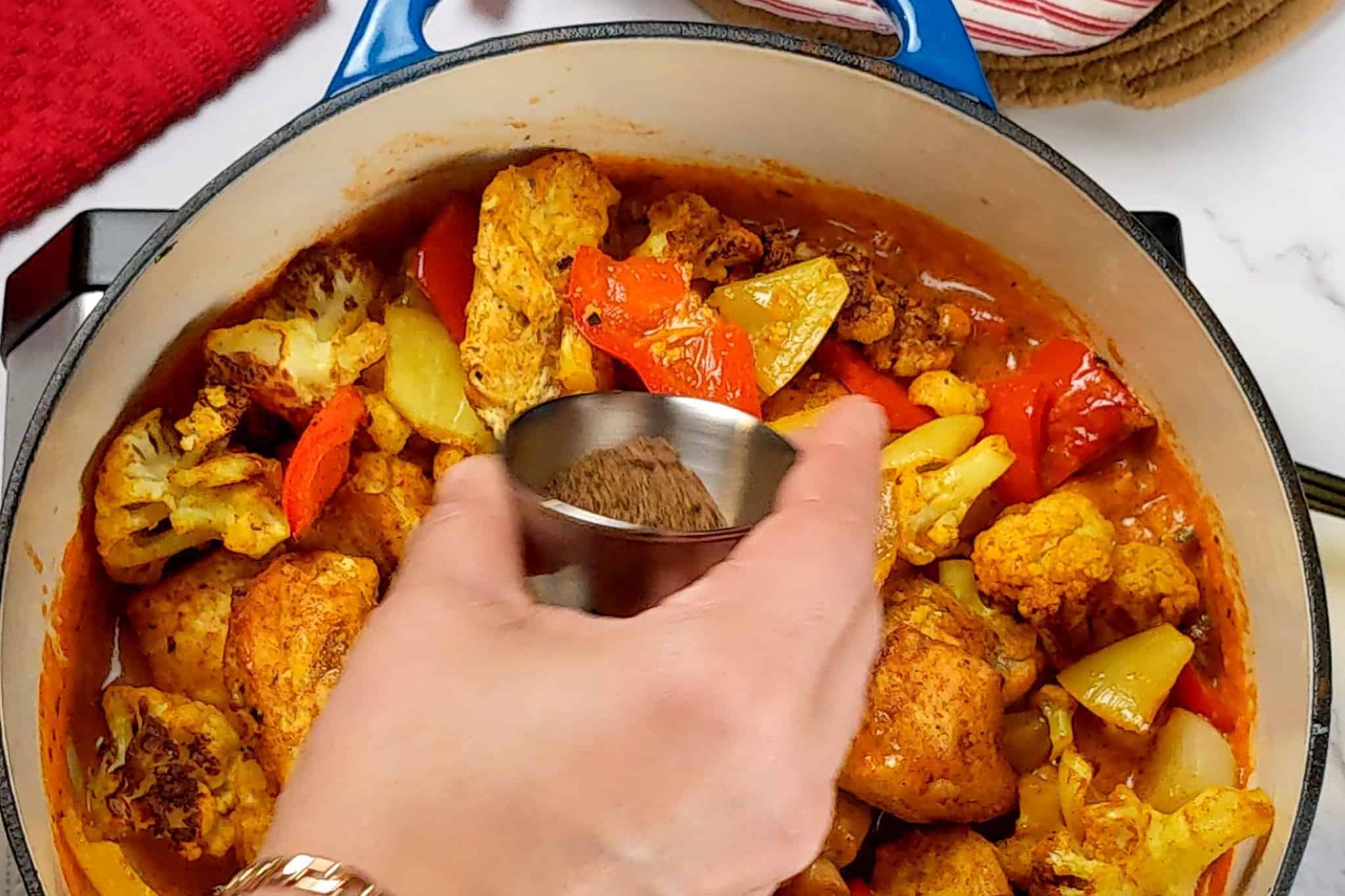
Table of Contents
Jump to:
- What Indian Cooking Has Taught Me
- Indian Cooking Is Much Bigger Than "Curry"
- Learning to Read Indian Dish Names
- When a "Broken" Sauce Isn't Necessarily Broken
- Cooking a Masala Is a Process, Not Just Adding Spices
- Yogurt, Curd, and Buttermilk Taught Me to Look at Function
- Heat Is an Ingredient, Too
- Indian Cooking Methods Go Far Beyond the Stovetop Sauce
- What French Training and Indian Cooking Have in Common
- What Exploring Indian Cooking Has Taught Me
- Kitchen Tools I Use and Recommend
- Frequently Asked Questions
- Indian-Inspired Recipes
- Cooking Tips and Tutorials
- Have a Comment or Question?
What Indian Cooking Has Taught Me
Indian cooking techniques have challenged some of the culinary rules I learned through classical French training in a good way. From understanding why oil separating from a masala can signal progress to learning how yogurt, curd, and buttermilk work differently across recipes, exploring Indian cooking has made me pay closer attention not just to what goes into a dish, but to how and when ingredients are used.
Indian food encompasses countless regional traditions, ingredients, cooking methods, and culinary histories, so this isn't meant to be a complete guide to Indian cuisine. Instead, I'm sharing techniques and concepts that have stood out to me as a chef and how they've changed the way I approach cooking in my own kitchen.
Note From Chef Maika
My professional culinary foundation is rooted heavily in classical French technique. That training gave me an invaluable understanding of sauces, heat control, emulsification, knife skills, and how ingredients behave during cooking. But one of the things I love most about continuing to explore food is discovering when the "rules" I learned aren't universal.
As I've cooked more Indian-inspired food and learned from Indian recipes and cooks, I've had moments when something initially looked wrong according to my classical training.
A sauce might appear to be separating. Yogurt, curd, and sometimes buttermilk might seem interchangeable depending on the preparation. Whole spices may go directly into hot oil instead of being treated the way I expected. And the word "curry," used so casually in Western cooking, turned out to be much more complicated than I understood.

These discoveries reminded me why I continue learning even after years of professional cooking.
Culinary training gives you a foundation. Exploring how other cultures cook teaches you that there are entirely different, equally valuable ways to understand what is happening inside the pot. This post is about a few of those lessons that have changed how I think about food.
Recommended Reads
- The Best Cooking Shows on Prime Video for Curious Home Cooks
- How to Make Homemade Tamarind Paste
- Fragrant Creamy Potato Coconut Curry Fish Soup
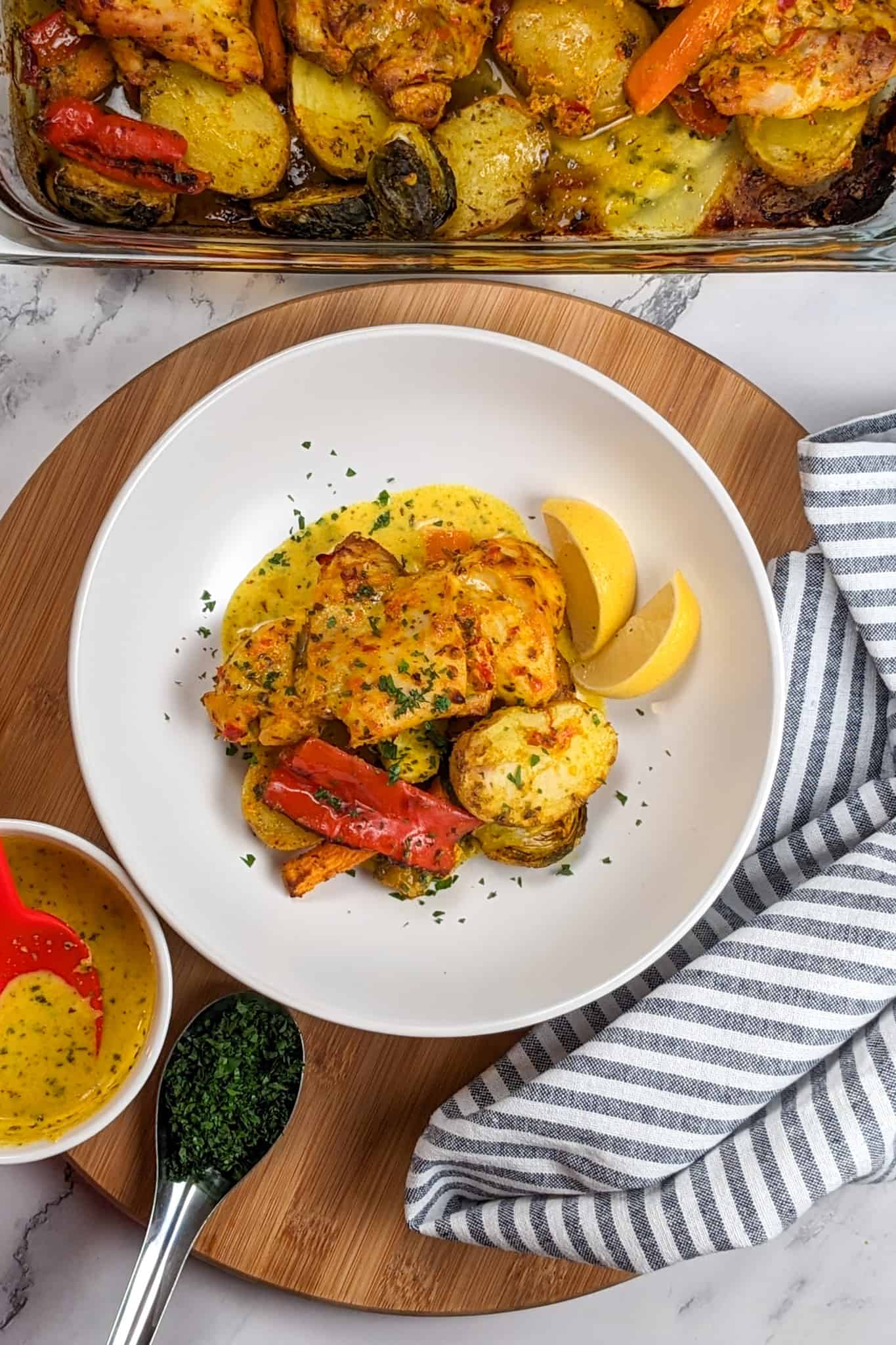
- Calabrian Lemon Yogurt Baked Chicken Thighs with Vegetables
- Creamy Lemon Greek Yogurt Dressing | Easy 5-Minute
Indian Cooking Is Much Bigger Than "Curry"
One of the first things to understand about Indian food is how broad the subject is. India contains numerous regions, languages, religions, climates, agricultural traditions, and local food cultures. The ingredients and cooking techniques in one region of India may differ greatly from those in another.
That's one reason the word curry can be misleading.
The English term is generally connected to the Tamil word kari, but its meaning expanded significantly under British colonial influence. In English-speaking countries, "curry" eventually became an umbrella term for a wide range of South Asian dishes, especially those with a seasoned sauce or gravy.
That doesn't mean the word curry is never used in India today. It is, particularly in Indian English. The important lesson is that Indian cuisine isn't a collection of dishes centered on a single thing called "curry". Individual dishes have their own names, ingredients, regional histories, and cooking methods.
This video clip by Trevor Noah and Asma Khan offers an explanation and a different perspective. Stop Calling it "Curry": The Dark Colonial History of Indian Food on What Now?
Learning to Read Indian Dish Names
Indian cuisine is my husband's favorite place to dine out. As I became more familiar with Indian dishes, I started recognizing words that gave me clues about what I was about to cook or eat.
For example:
- Aloo: potato
- Gobi: cauliflower
- Palak: spinach
- Matar: peas
- Chana: chickpeas
- Paneer: a fresh Indian cheese
- Dal: a broad term associated with split pulses and dishes prepared from them
So a name such as aloo gobi already gives you two important pieces of information: potato and cauliflower. But this isn't a universal formula where every Indian dish is simply named after its two main ingredients. Dish names can communicate ingredients, cooking methods, places, traditions, or other characteristics.
Learning some of this vocabulary has helped me stop seeing unfamiliar Indian dish names as something complicated and start reading them as information.
When a "Broken" Sauce Isn't Necessarily Broken
This was one of my biggest adjustments as a classically trained chef! For example, in classical French cooking, there is enormous emphasis on sauce consistency and emulsification. If you've spent years learning those techniques, visible pools of fat can immediately trigger the thought: The sauce broke!
But that visual cue doesn't always mean the same thing in Indian cooking, as Chef Ranveer Brar showed me in his Stuffed Tomato recipe video. When preparing certain masalas, seeing the fat begin to separate from the cooked mixture can indicate that you've reached an important stage in the cooking process.
You'll sometimes see Indian recipes instruct you to continue cooking until the oil separates. The first time you encounter that instruction with a French culinary mindset, it can sound completely backward. But we're talking about two different culinary processes!
For example, check out this Restaurant-style Stuffed Tomato | भरवां टमाटर होटल जैसा | Tamatar Bharwan sabji | Chef Ranveer Brar.
Oil Separation vs. a Broken Sauce
When you cook aromatics, tomatoes, ground spices, and fat together, water gradually evaporates, concentrating the ingredients. Eventually, you may begin to see oil around the edges or on the surface. That can be an intentional visual cue.
It may tell you the mixture has reduced enough and the ingredients and spices have had enough time to cook in the fat. However, an accidentally broken dairy or emulsified sauce is different. In that case, proteins or fat may separate because of excessive heat, insufficient emulsification, sudden temperature changes, or other issues during cooking.
The lesson isn't that separation is always good. It's that you have to understand what kind of separation you're looking at! And that distinction completely changed the way I looked at the pan! For a great example, check out Chef Ranveer Brar's Stuffed Tomato recipe video again.
Cooking a Masala Is a Process, Not Just Adding Spices
Another important lesson is that Indian cooking isn't simply about using lots of spices. The correct order, heat level, and cooking time can dramatically affect the final flavor.
Depending on the Dish
The cooking process might involve this, but not every Indian recipe follows this exact sequence, and that's precisely the point:
- Heating oil or ghee.
- Blooming whole spices, such as cumin or mustard seeds, in hot fat.
- Adding aromatic base ingredients.
- Cooking ingredients such as onion until they reach the desired stage.
- Adding ginger-garlic paste or other aromatics.
- Adding ground spices at the right time.
- Adding tomatoes, yogurt, water, or other ingredients.
- Continue cooking, reducing the mixture until it reaches the desired stage.
A Process to Build Flavor
Technique determines how those ingredients taste! Simply putting cumin, coriander, turmeric, and garam masala into a pot at the same time doesn't necessarily produce the same result as introducing those ingredients intentionally throughout the cooking process.
Why Whole Spices Often Go Into Hot Oil
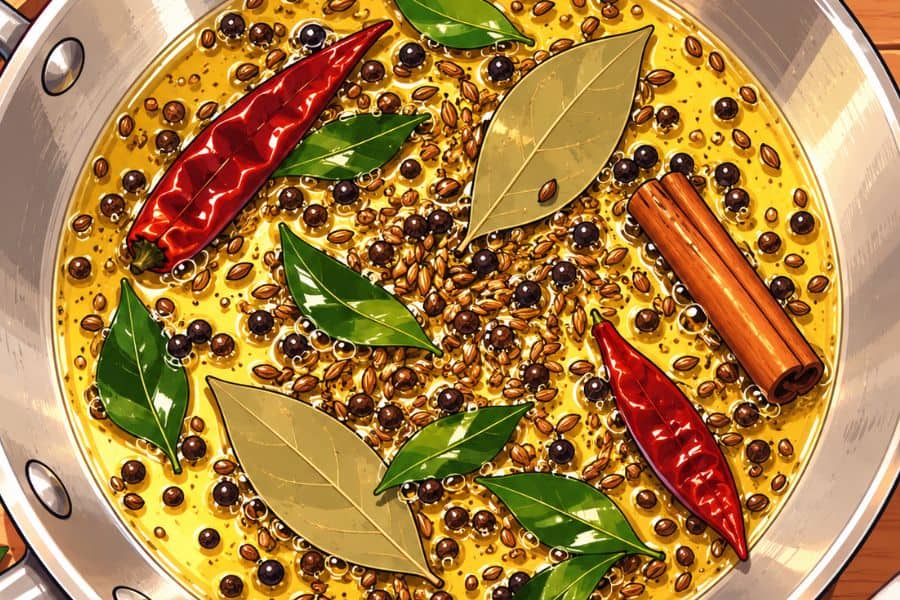
Whole spices were another area that made me pay closer attention to the cooking process. You can add cumin seeds, mustard seeds, bay leaves, and other whole spices directly to hot oil or ghee. The hot fat helps extract and carry fat-soluble aromatic compounds throughout the food.
So this means you aren't only seasoning the ingredients added later. You're flavoring the cooking fat itself! You'll often notice the spices' aroma change almost immediately. But temperature matters!
Important Factor
Oil that isn't hot enough may not release those aromas effectively, while excessively high heat can burn spices and introduce bitterness. This is why instructions involving low, medium, or high heat aren't arbitrary. Heat control is part of seasoning.
Tadka: When Hot Fat Becomes a Seasoning
One Indian cooking technique that particularly well demonstrates the importance of flavored fat is tadka, also called tempering. Whole spices and sometimes other aromatic ingredients are briefly cooked in hot oil or ghee to release their flavors.
Depending on the dish, you can use that seasoned fat near the beginning of cooking or add it later as a finishing element. Think of dal tadka, where that aromatic fat can dramatically change the flavor and aroma of the finished dal. It's a great example of something I emphasize with home cooks: seasoning isn't limited to salt or a spoonful of ground spices.
Fat itself can become a vehicle for seasoning.
Yogurt, Curd, and Buttermilk Taught Me to Look at Function
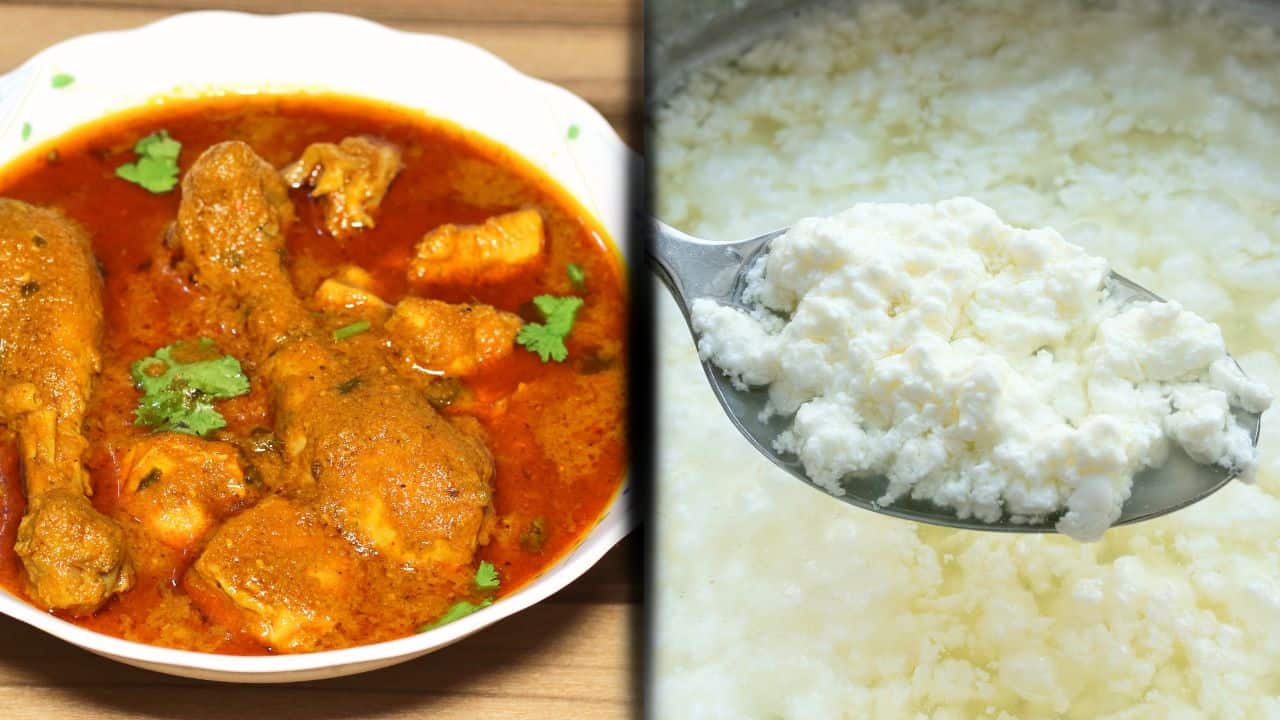
Another thing I began noticing while reading and cooking Indian recipes was the use of curd, yogurt, and sometimes buttermilk. At first, those terms can confuse an American home cook. For example, in many Indian recipes, curd or dahi refers to a cultured dairy product comparable to yogurt, although traditional preparation and the resulting texture and flavor can differ from the commercial yogurt commonly sold in American supermarkets.
Then there's buttermilk! Indian buttermilk preparations may involve curd or yogurt diluted and whisked with water, which isn't necessarily the same product as the cultured American buttermilk you buy by the carton. So instead of asking only, "Which American ingredient has the same name?"
I've learned to ask: What job is this ingredient doing in the recipe? That question is much more usefulf!
Yogurt or Curd in Marinades
Tandoori chicken is probably one of the most familiar examples for many American home cooks, although yogurt-based marinades appear in many preparations beyond tandoori cooking.
Yogurt-based marinades can contribute:
- Acidity
- Moisture
- Flavor
- A coating that holds seasonings against the food
- Tenderizing effects, particularly with meat
Yogurt in Sauces
Yogurt can also provide body, richness, acidity, and tanginess to sauces. But now heat control becomes particularly important. And this brings us back to the problem of knowing what intentional and unintentional separation look like.
How to Keep Yogurt From Splitting
If you're adding yogurt to a hot mixture, dumping cold yogurt directly into a very hot pan can encourage the dairy proteins to separate. Follow the instructions for the specific Indian recipe you're preparing, because the desired texture isn't identical across every dish.
The important distinction is this: Oil separating from a properly cooked masala and yogurt unintentionally curdling are not the same culinary event. Once you understand that, the sauce's appearance becomes information rather than something to panic about immediately.
Depending on the Recipe
Techniques that can help include:
- Whisking the yogurt until smooth before adding it.
- Using thicker yogurt with less excess whey.
- Lowering the heat before adding the yogurt.
- Adding the yogurt gradually.
- Stirring continuously as it is incorporated.
- Tempering the yogurt with some of the warm mixture before adding everything back to the cooking vessel.
Heat Is an Ingredient, Too
One thing classical training and Indian cooking share is the importance of heat management. You may encounter instructions calling for a low flame, medium heat, high heat, slow cooking, or a quick burst of intense heat. Each produces a different result.
From blooming spices in oil to the heat levels, this reminds me of Chinese cooking methods.
Onions cooked slowly behave differently from onions rapidly browned over higher heat. Whole spices react quickly in hot oil. Ground spices can burn if the pan doesn't have enough moisture or fat. Yogurt requires a different approach to heat than ingredients you're intentionally browning.
Learning to cook isn't just learning how long food takes to cook. It's learning to recognize what should be happening during that time.
Indian Cooking Methods Go Far Beyond the Stovetop Sauce
The techniques I've focused on here represent only a small part of Indian cooking. These different cooking methods remind me that "Indian cooking" can't be reduced to simmering ingredients in a spiced sauce. Traditional Indian cooking techniques can also include methods such as:
- Dum cooking or dum pukht: Food is slowly cooked in a sealed pot, allowing ingredients to cook gently in their own steam and juices.
- Tandoor cooking: A clay oven uses extremely high temperatures to cook foods such as meats and breads, including naan.
- Pressure cooking: A practical method widely used by home cooks for preparing ingredients such as lentils, beans, and other foods efficiently.
- Dry roasting spices: Spices can be heated without additional oil to develop their aroma before grinding or incorporating them into a preparation.
- Deep frying: Used for numerous snacks, breads, and other dishes, with careful oil-temperature control affecting texture and oil absorption.
Find More Terms: Culinary Glossary.
What French Training and Indian Cooking Have in Common
The more I learn, the more I notice that seemingly different culinary traditions often share an underlying principle: Pay attention to what the food is telling you!
French culinary training taught me to look for visual and sensory cues: how butter behaves in an emulsion, how a sauce coats a spoon, how vegetables change as they cook, and how aroma tells you when something is beginning to brown.
Indian cooking techniques require that same attention:
- Listen for mustard seeds reacting in hot oil.
- Smell whole spices as their aromas begin to release.
- Watch the moisture leave a masala.
- Notice when oil begins to appear around the edges.
- Feel the difference between low heat and aggressive high heat.
- Recognize when yogurt has incorporated properly instead of unintentionally splitting.
The cues may be different, but the skill is the same: Stop relying entirely on the clock and start observing your food.
What Exploring Indian Cooking Has Taught Me
The biggest lesson hasn't been a particular spice, recipe, or cooking vessel. It's been learning not to assume that one culinary tradition defines the universal "correct" way to cook.
Classical French training gave me a strong technical foundation, and I still use that foundation every day. But exploring Indian cooking methods has broadened that foundation.
- A pool of oil isn't automatically a failed sauce.
- "Curry" isn't one standardized food.
- Curd isn't simply an unfamiliar word I should replace without understanding its purpose.
- Spices aren't interchangeable just because the same ingredients eventually end up in the pot.
- And a recipe isn't only a list of ingredients and cooking times.
It's a sequence of chemical, physical, sensory, historical, and cultural decisions. That's what makes continuing to explore different cooking traditions so valuable even after years of professional cooking.
The more techniques I learn, the more questions I ask. And, for me, that's part of becoming a better cook. So remember to "Explore. Experiment. Taste."
Kitchen Tools I Use and Recommend
These are some of the kitchen tools I personally use in my kitchen that make recipes like this faster and easier to prepare. If you're building your kitchen setup or upgrading your tools, these are great places to start. More Kitchen Must-Haves - Find other tools I use here.
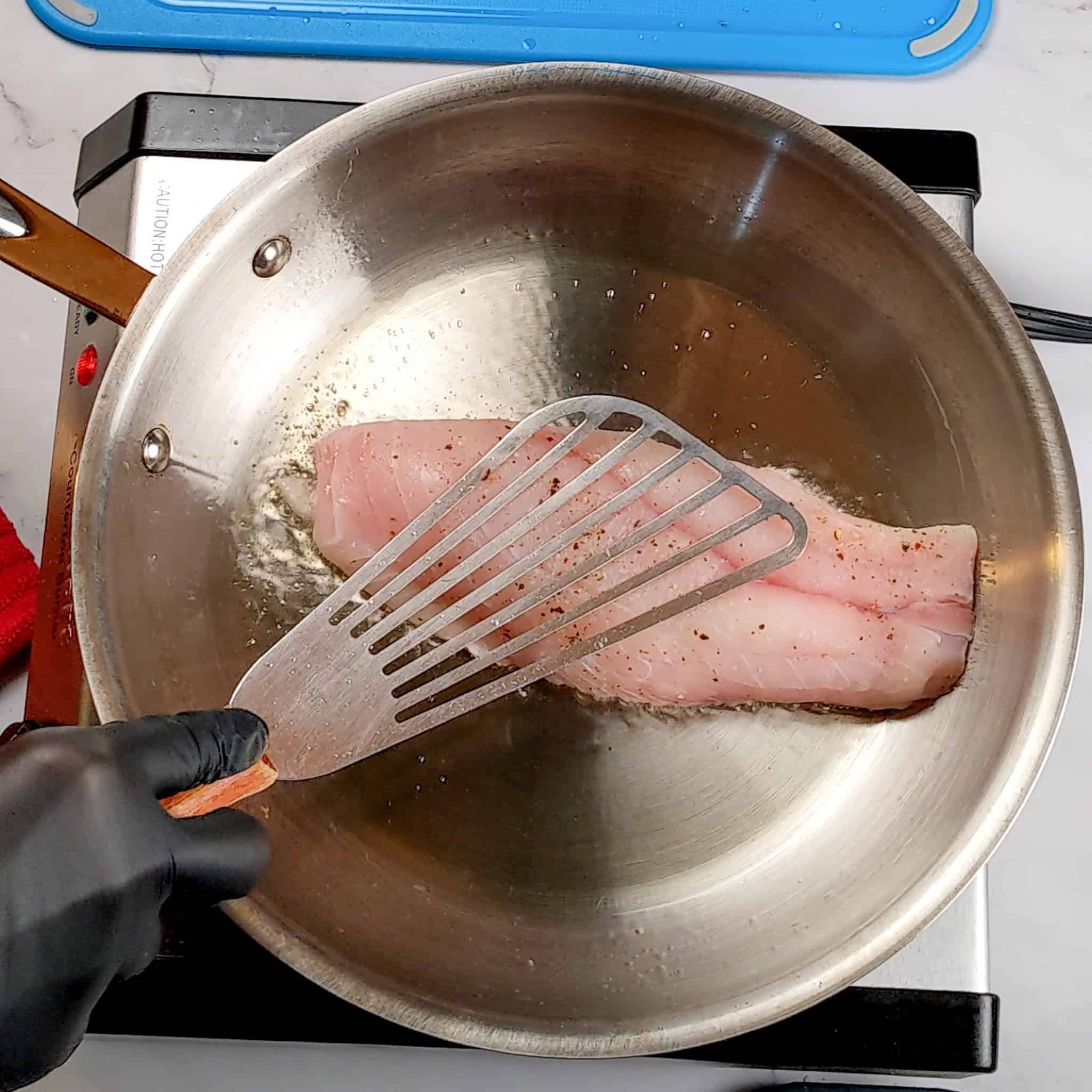
My Review: I love and trust All-Clad for their high-quality pans that truly last a lifetime, and this D3 10-Inch Stainless Steel Fry Pan with a lid is no exception. It delivers fast, even heat and comes out of the dishwasher looking impeccable every time, which makes cleanup effortless. It’s super easy to use, whether you're searing, sautéing, or finishing a dish in the oven, plus it's oven- and broiler-safe up to 600°F. One tip for getting that perfect nonstick surface: always let the pan heat up on its own first, then add your oil and wait until it’s hot before adding delicate foods like fish. This pan is a staple in my kitchen and earns its keep every single day.
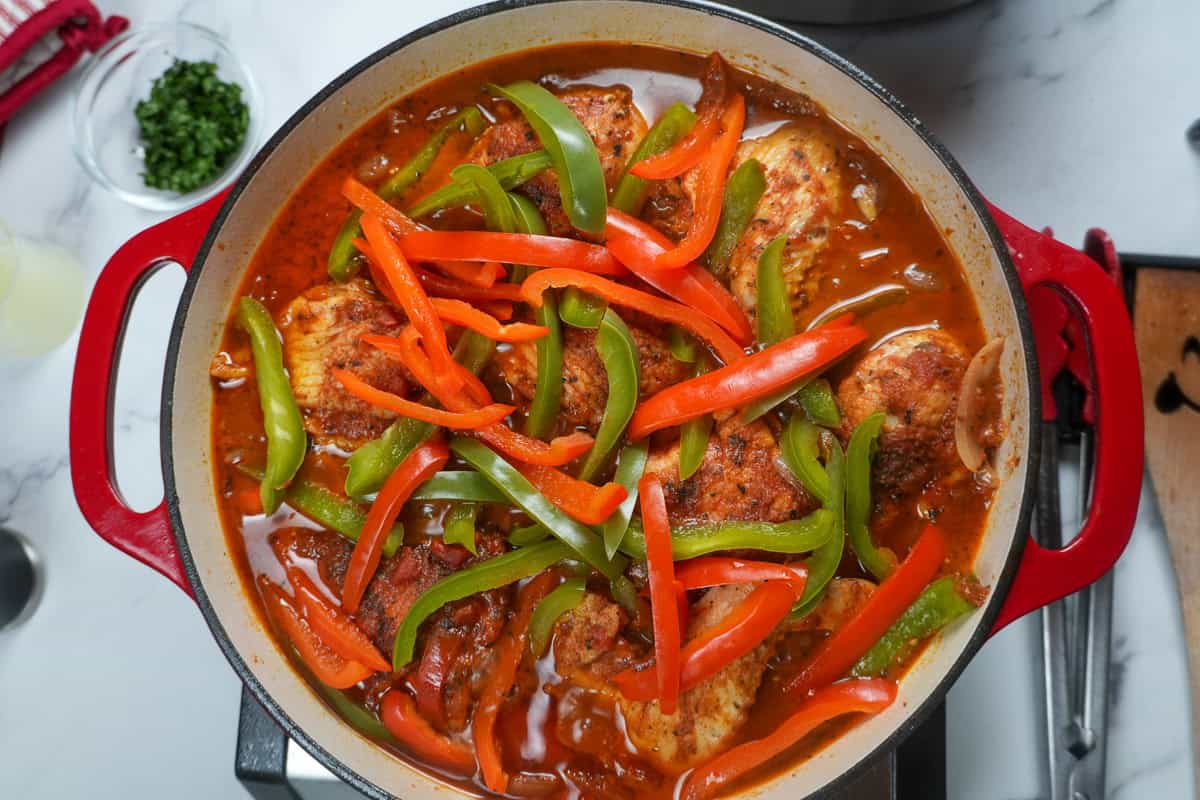
My Review: I love using this enameled casserole for braised meat dishes and hearty meat-and-rice meals. It holds heat exceptionally well, keeping the braising liquid at a steady simmer, and just like a Dutch oven, it can go straight from stovetop to oven. The oval shape makes it especially convenient for fitting larger cuts of meat, while the dual handles give you a secure grip when transferring it.
My Review: I’ve had this grinder for so long, I honestly can’t remember when I first bought it, and that says a lot. It’s been my go-to for grinding not just coffee but also spices, dried herbs, and even rice as a thickener. Despite years of use, it still runs smoothly and holds up well, making it one of the most reliable tools in my kitchen.

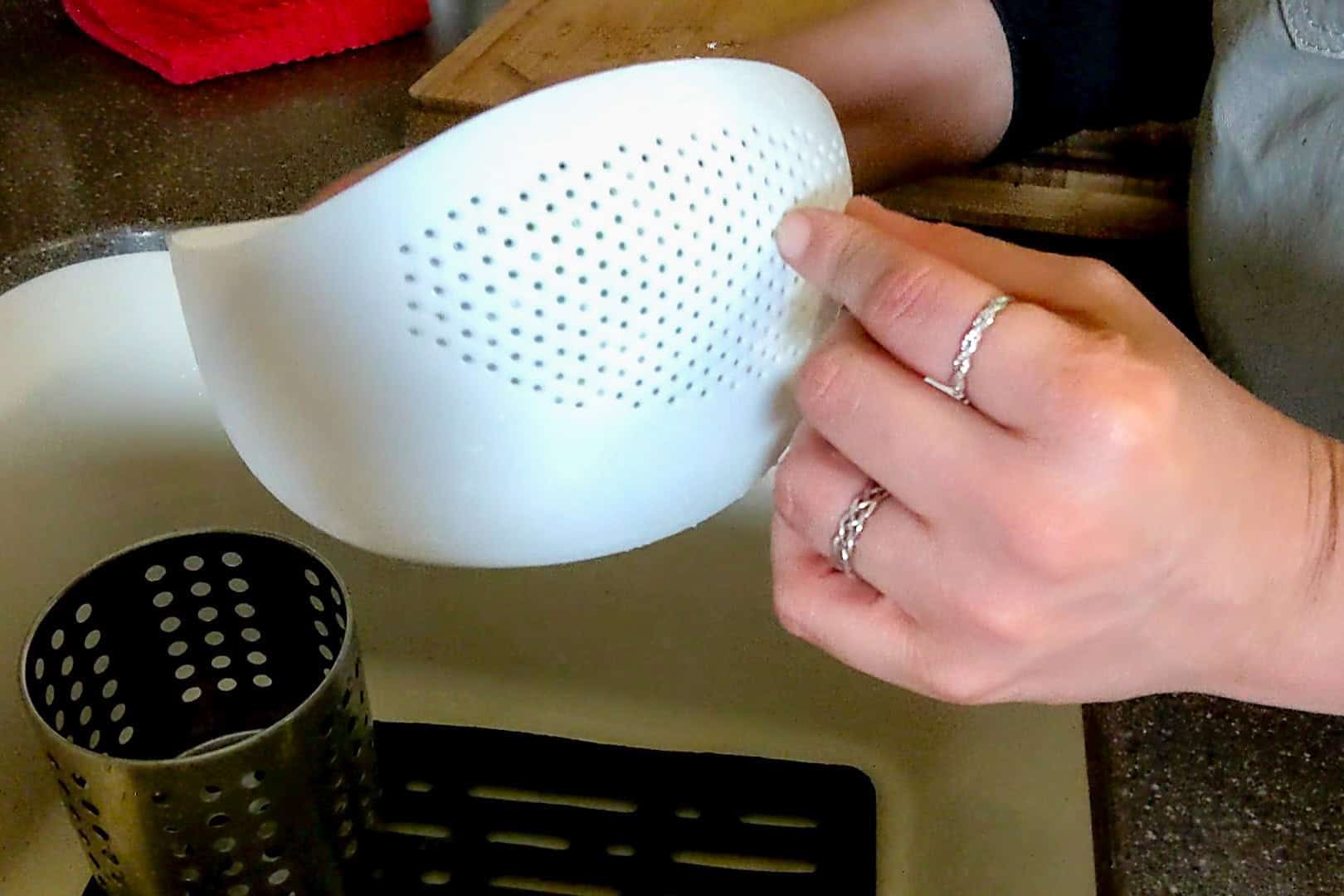
My Review: The Japanese-Style Rice Washer Strainer is a versatile kitchen tool that's perfect for rinsing rice, grains, vegetables, and more. I mainly use it to rinse rice before cooking, and it works beautifully for other grains too. I love that it doubles as both a bowl and a strainer. You can fill it with water and easily drain it from the side, making the process quick and efficient. It's a must-have for anyone who values functionality and convenience in the kitchen! Update: I recently used it to rinse lentils for my lentil soup; it's such a great tool. I've read some reviews that gave it a low score because you can't use it to wash quinoa. I agree. But this is the ideal size for washing rice and other larger ingredients. Also, check out my rice category. Also, I saw a collapsible version, but I have never tested it. But you can check it out for yourselves.
My Review: This 3-quart steamer has been a reliable, multifunctional staple in my kitchen. It’s perfect for steaming corn, green beans, broccoli, mixed veggies, and even eggs, and doubles as a small Dutch oven for everyday cooking.

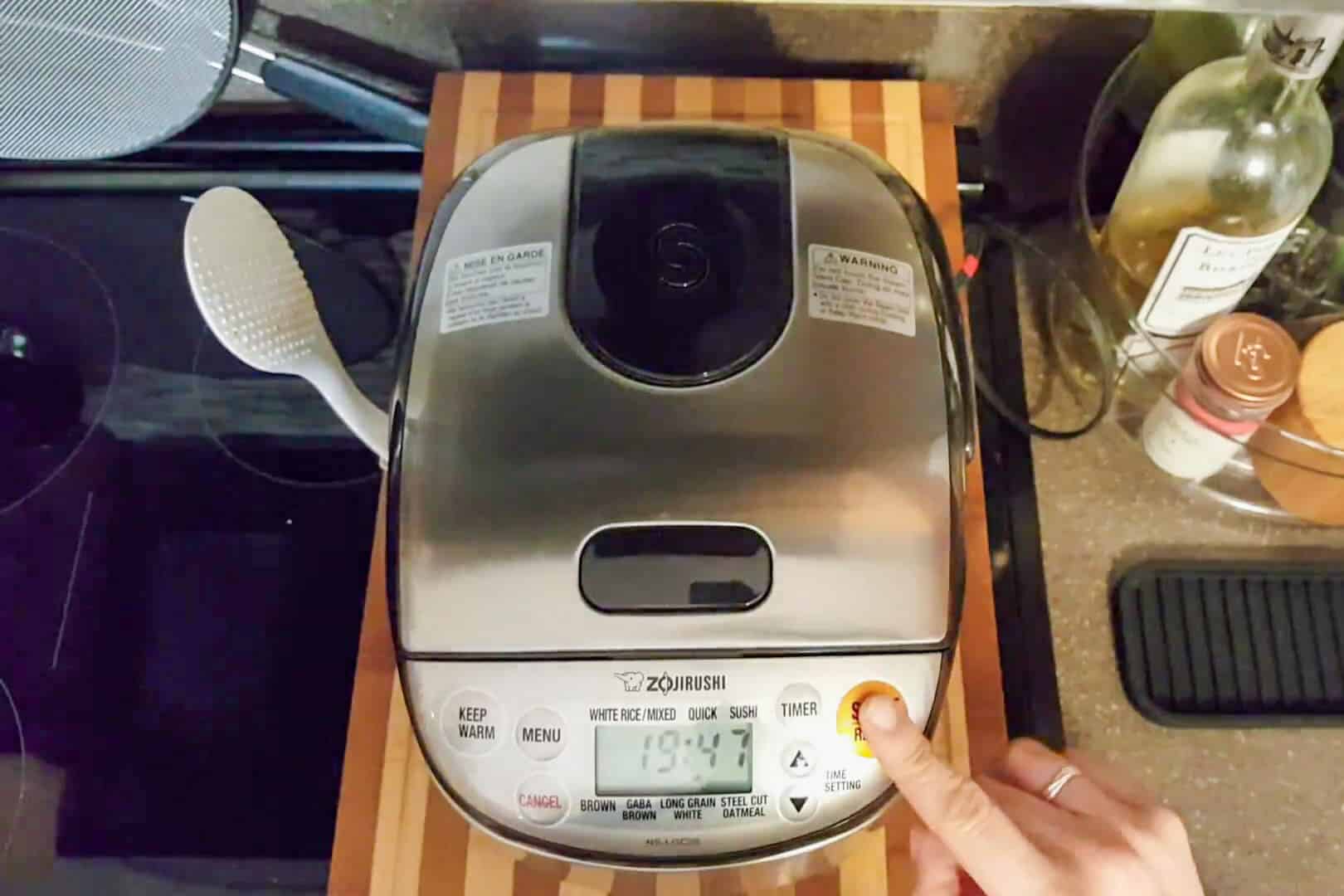
My Review: I absolutely love my Zojirushi NS-LGC05XB Micom Rice Cooker & Warmer. It’s hands down one of my favorite kitchen appliances. What really sold me is how precise it is; every batch of rice or quinoa comes out perfectly fluffy and evenly cooked, no guesswork needed. I also appreciate the variety of settings it offers, whether I’m making brown rice, multigrain rice, white rice, sushi rice, or even quick-cooking something simple, it handles it effortlessly. And let’s not forget the charming little songs it plays when it starts and finishes such a fun, quirky touch that always makes me smile while cooking.
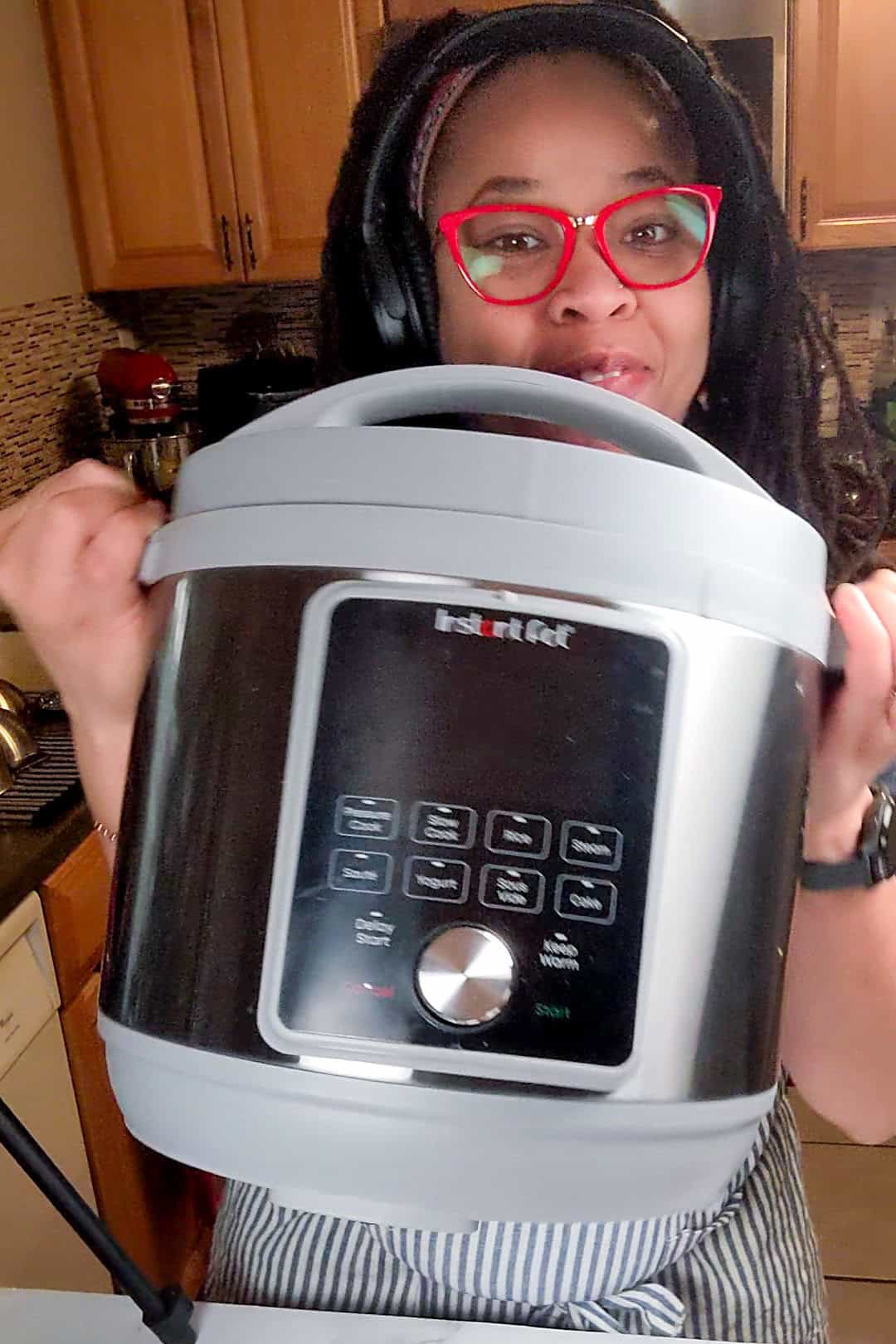
My Review: The Instant Pot Duo Plus, 6-Quart Whisper Quiet 9-in-1 Electric Pressure Cooker has quickly become one of my favorite kitchen tools! After sitting in the box for almost two months (oops!), I finally watched a tutorial, and now I can’t believe I waited so long to use it. It’s perfect for making soups that usually take hours, like my Spicy Beef and Barley Soup, and it made my lentil soup in record time just a few days ago. This versatile gadget has made cooking faster, easier, and so much more enjoyable, definitely worth the hype!
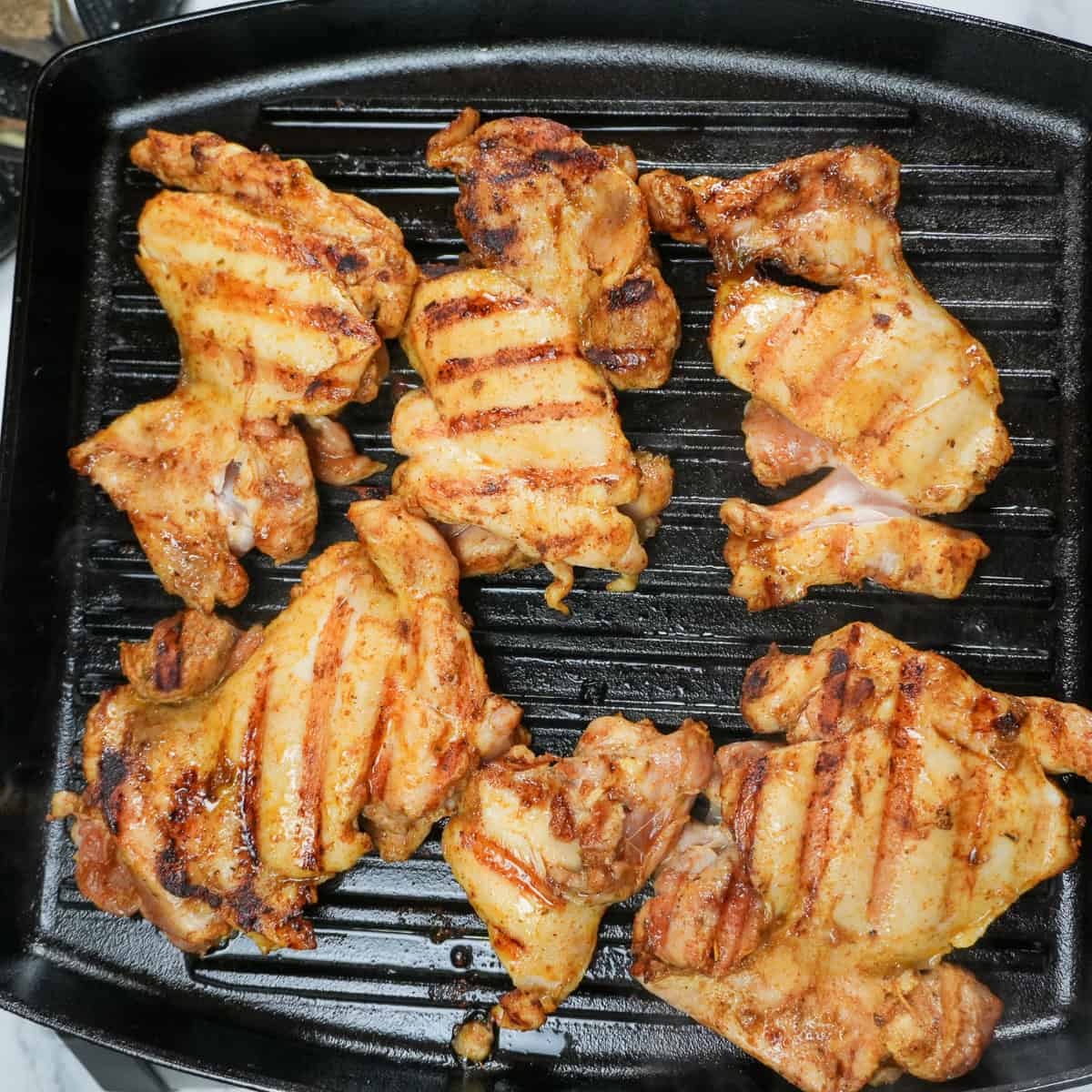
My Review: I was thrilled when Lodge introduced its Blacklock 12-Inch Triple-Seasoned Cast Iron Grill Pan. It combines the durability I’ve always trusted from the brand with a much lighter design that makes it a breeze to handle. The larger square surface was a welcome upgrade, easily fitting about 1 ¾ pounds of boneless, skinless chicken thighs with room to spare, and the triple seasoning provided a naturally nonstick finish right out of the box. I’ve been cooking with Lodge cast iron for years, and once again, they didn’t disappoint. This pan is built to last a lifetime while still making everyday cooking feel effortless. Check out my cast-iron care guide to keep yours in top shape!
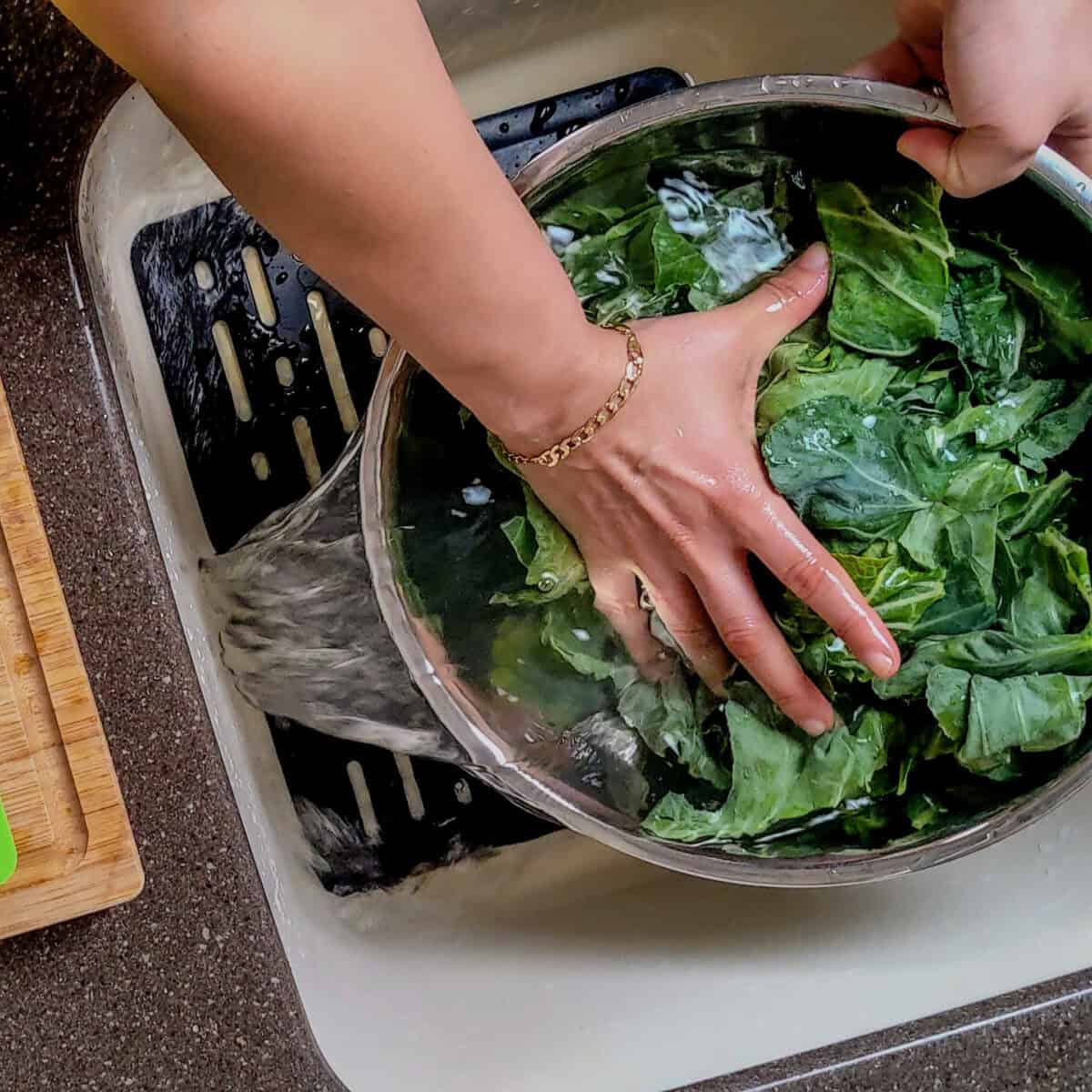
My Review: The American Metalcraft 16" Stainless Steel Mixing Bowl is one of those kitchen essentials I think every cook should have, and honestly, I believe it’s smart to own at least two of these large bowls. They’re incredibly useful for big prep jobs like washing greens, marinating meats, seasoning large batches, or even breaking down whole chickens. The stainless steel construction feels sturdy and well-crafted, so it can handle heavy kitchen use and last for years. Simple, reliable, and versatile, this is the kind of bowl you’ll constantly reach for in the kitchen.
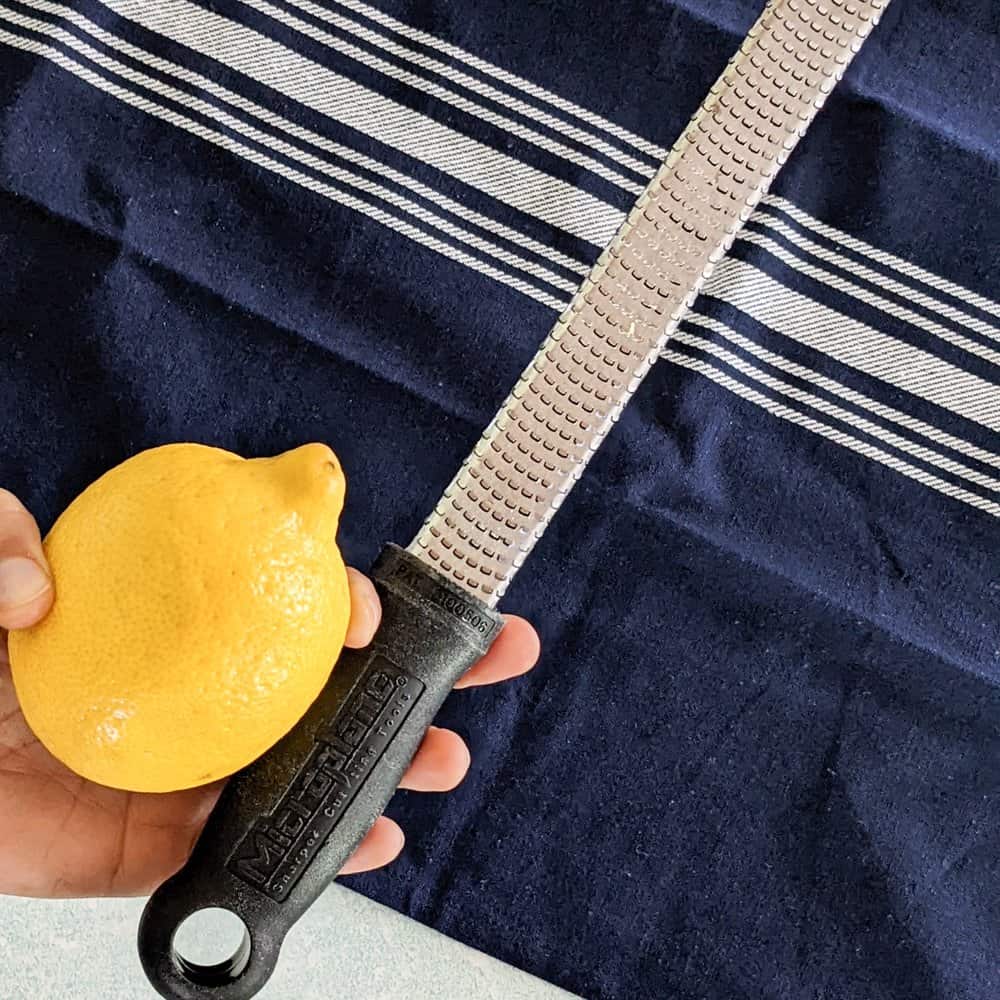
My Review: Over the past decade, this Microplane has been and still is my favorite! My replacement was once when someone came to borrow it in the kitchen and left it next to an open flame at the Ritz! And it scorched the metal. Honestly, it worked great, but I was young and concerned about aesthetics. Go figure! This was a professional kitchen staple. You can use it to enhance the citrus flavor and presentation of foods, from pureed soups to beautiful French custards, just like my Green Kale Lentil Soup, which has a delicious lemon broth. It’s the original, and it’s my must-have go-to item.
Notable Mentions
A flat pan traditionally suited to cooking foods such as roti, chapati, and other flatbreads; a cast-iron skillet or griddle can be a practical substitute for home cooks.

Frequently Asked Questions
Here is a list of common questions I have answered. If you have any questions, please write them in the comments below.
No. Indian cuisine includes everything from mild, creamy dishes to intensely chile-forward foods, with heat levels varying widely by region, dish, and household.
Curry powder is a prepared spice blend largely popularized outside India, while garam masala is an Indian aromatic spice blend typically containing warming spices such as cumin, coriander, cardamom, cinnamon, cloves, and black pepper.
Indian cuisine is incredibly diverse, but a beginner-friendly way to explore it is through Northern, Western, Southern, Eastern, and Northeastern/Himalayan cooking traditions, each with distinct ingredients, techniques, climates, and cultural influences.
Common ingredients include rice, wheat, lentils, chickpeas, yogurt, ghee, coconut, ginger, garlic, chilies, cilantro, cumin, coriander, turmeric, mustard seeds, cardamom, and other aromatic spices, although their use varies greatly by region.
Start with a few versatile spices such as cumin, coriander, turmeric, and garam masala, then learn techniques such as toasting or blooming spices and building flavor with fresh ginger, garlic, onions, and chilies before expanding your spice collection.
Indian-Inspired Recipes
Explore my collection of Indian-inspired recipes featuring aromatic spices, flavorful curries, and cooking techniques inspired by India's diverse regional cuisines.
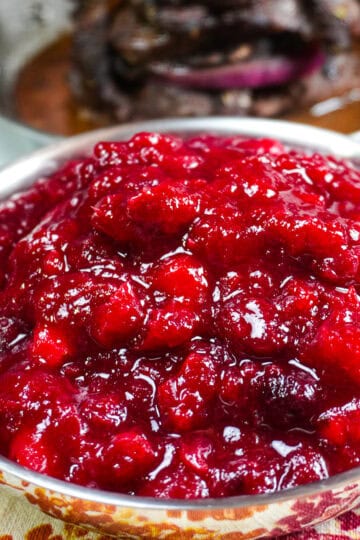
- Fresh Cranberry Ginger Chutney | Quick and Easy
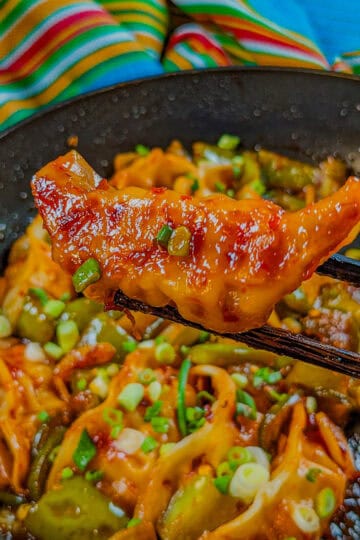
- Quick Spicy Potstickers | Chili Momo Tibetan Style
- Best Fragrant Creamy Potato Coconut Curry Fish Soup
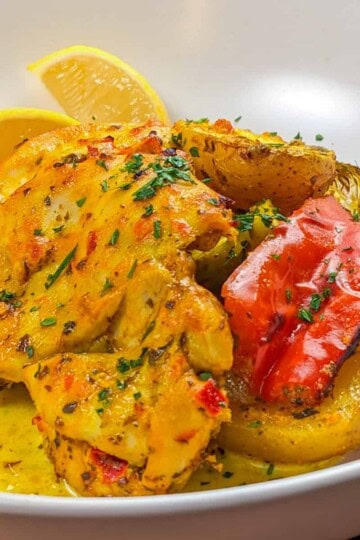
- Calabrian Lemon Yogurt Baked Chicken Thighs with Vegetables

Cooking Tips and Tutorials
If you found this tutorial helpful, you'll love my Cook's Notebook collection. From knife skills and flavor bases to time-saving tricks and essential equipment guides, this section is packed with chef-tested lessons to help you cook with confidence.
- What Is Emulsification? A Simple Guide to Creamier Sauces and Dressings
- Homemade Baby Food: How to Prep, Freeze & Build Easy Meals
- Summer Seasonal Produce: A Guide to Fruits and Vegetables in Season
- The Best Cooking Shows on Prime Video for Curious Home Cooks



Chef Maika Frederic-Liebman
Chef and Educator
Professionally trained Haitian-American chef Maika Frederic is the creator of Just Maika Cooking, where she shares globally inspired recipes, cooking techniques, ingredient guides, and food safety tips designed to help home cooks become more creative and confident in the kitchen. Combining years of professional culinary experience with a passion for teaching, she makes global flavors approachable through practical, accessible instruction for cooks of every skill level.
SUBSCRIBE: 👈To my YouTube Channel to Get Notifications of New Videos.
Have a Comment or Question?
If you have a question or comment about this post, please post it below. You will receive a prompt response. It also helps our other readers to stay informed. Thanks!
Leave a Reply