-
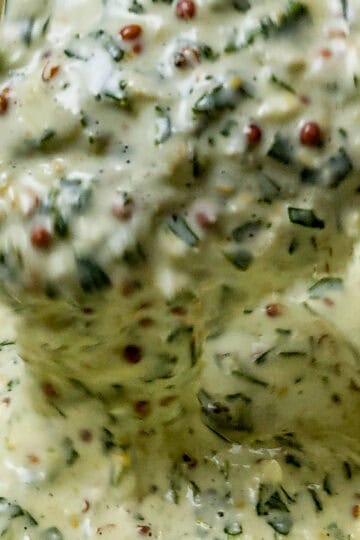
Easy Whipped Garlic Herb Cottage Cheese Spread
-
French Omelet with Whipped Garlic Herbed Cottage Cheese
-
Easy Béchamel Sauce with Garlic and Onion
-
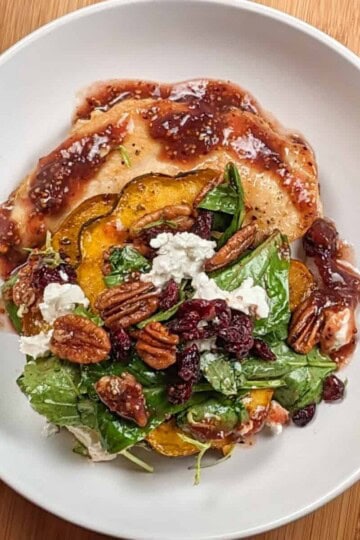
Chicken Paillard with Cranberry Pecan Acorn Squash Salad
-
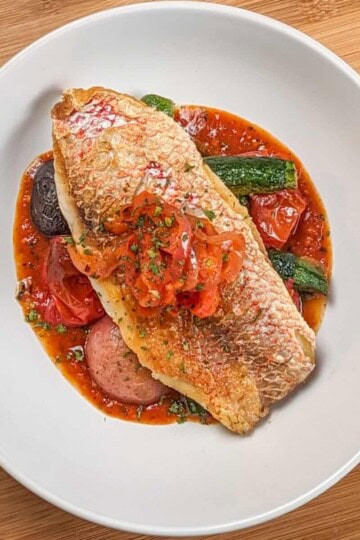
Seared Snapper Spicy Creole Sauce and Roasted Vegetables
-
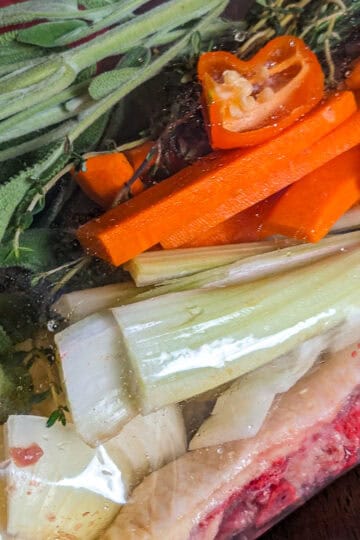
Spatchcock Turkey Backbone Gravy (Mirepoix & Haitian Spices)
-
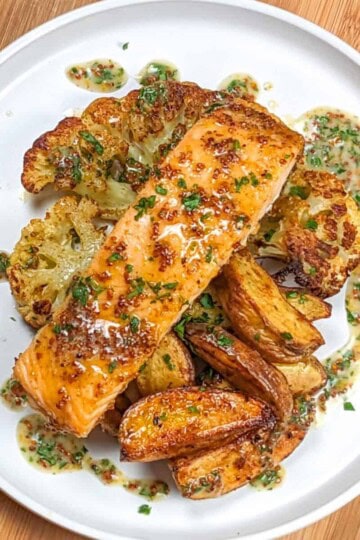
Baked Cajun Honey Mustard Salmon Cauliflower Steaks & Potatoes
-
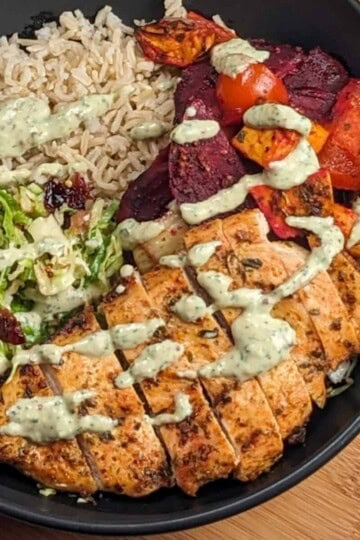
Air Fryer Honey Mustard Chicken Rice Bowl
-
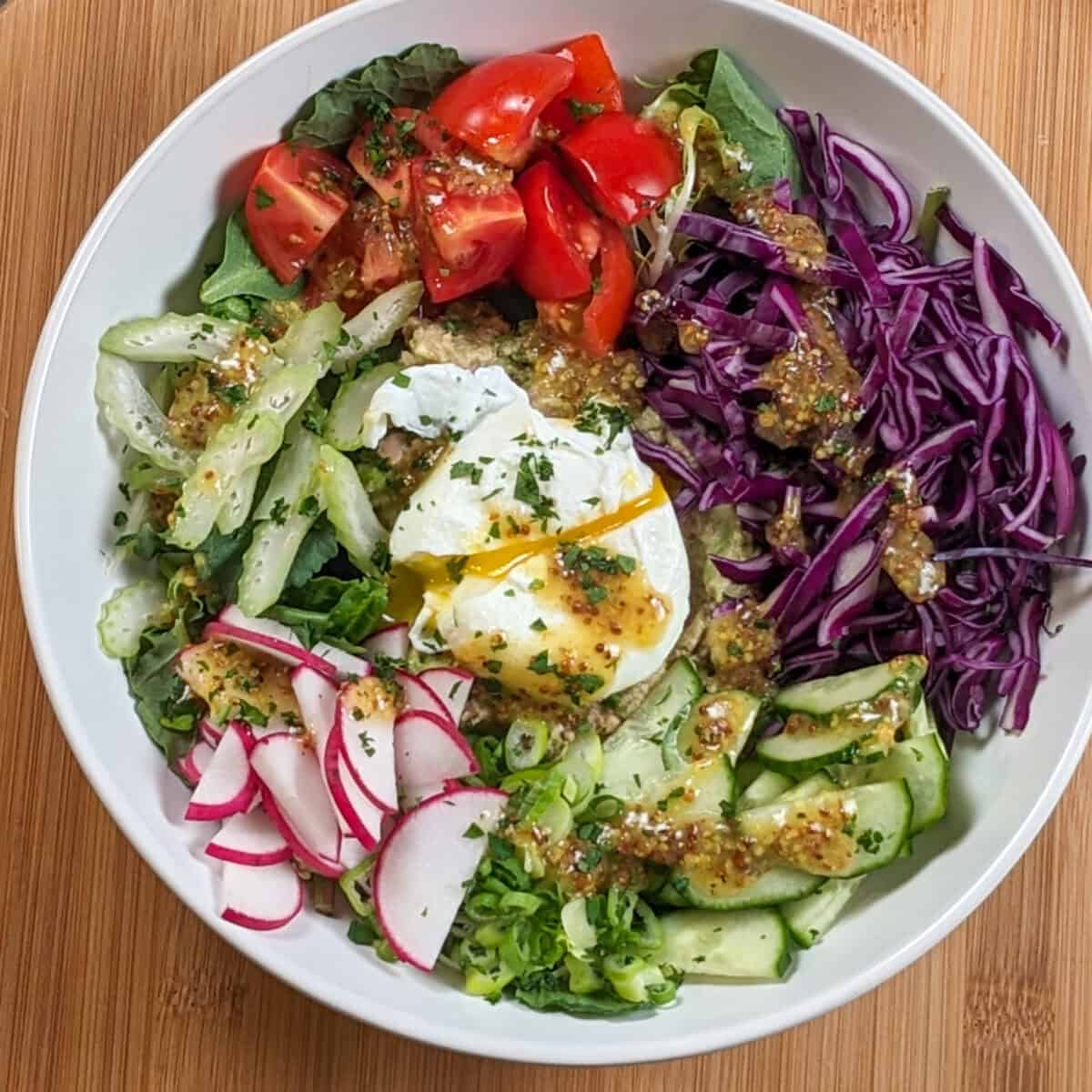
Healthy Poached Egg Avocado Rainbow Tuna Salad
-
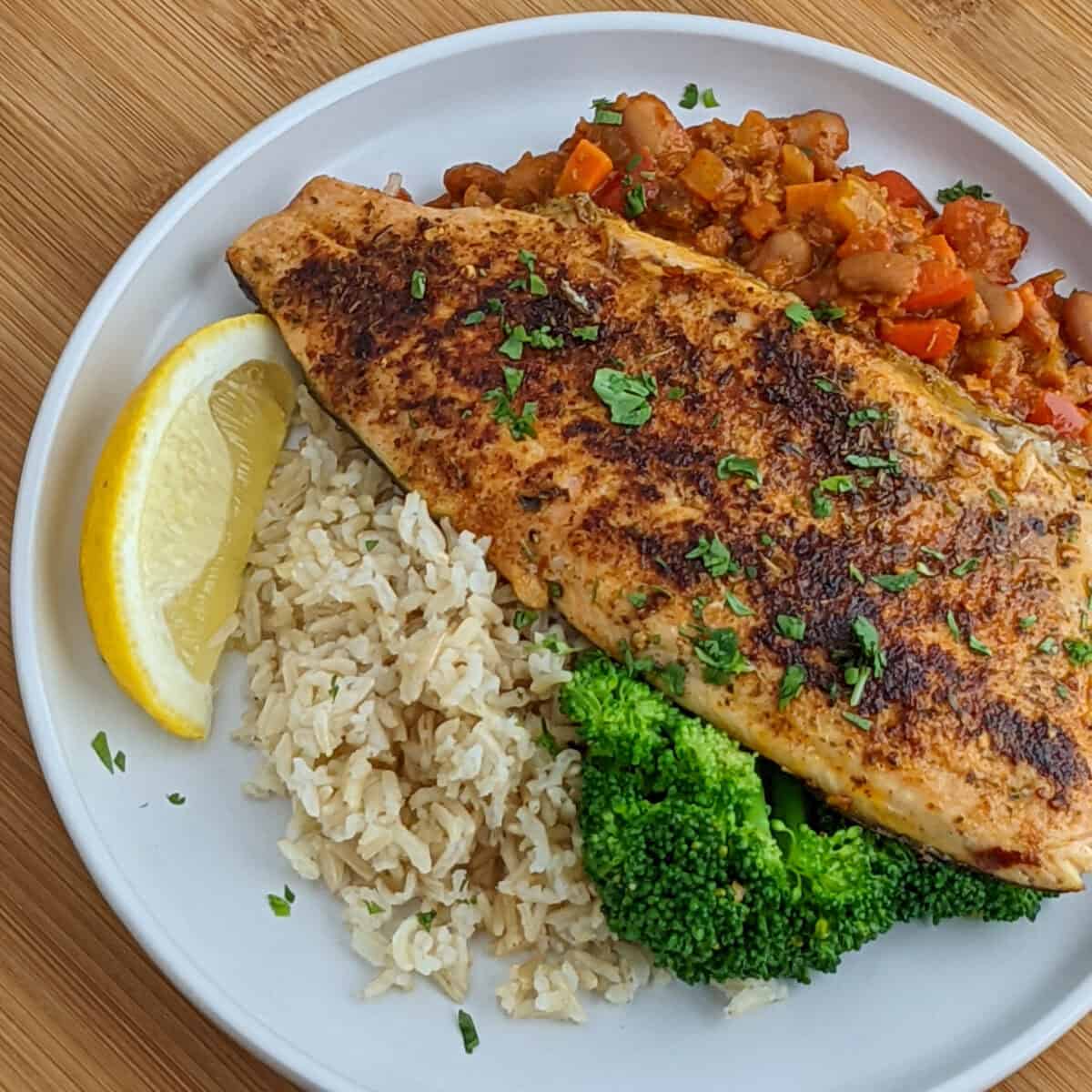
Blackened Trout with Chorizo Beans and Garlic Broccoli
-
Stovetop Garlic Confit (Easy Butter-Olive Oil Method)
-
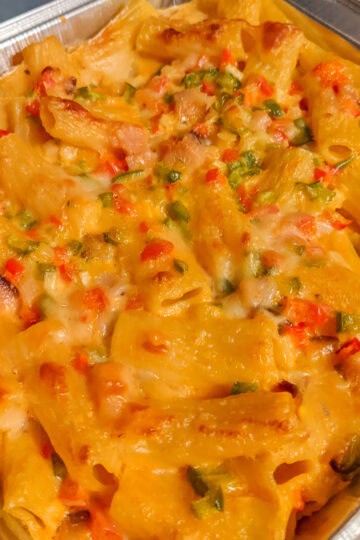
Baked Haitian Macaroni and Cheese (Makawoni au Graten)
-
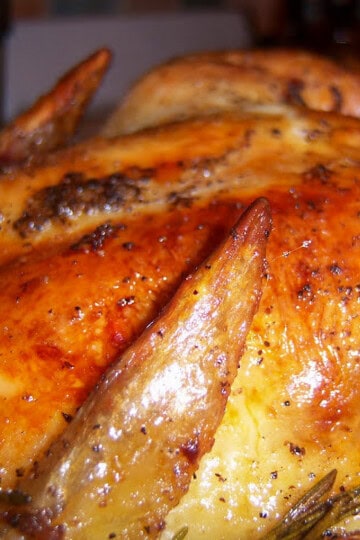
Rosemary Garlic Roasted Chicken with Pan Gravy
-
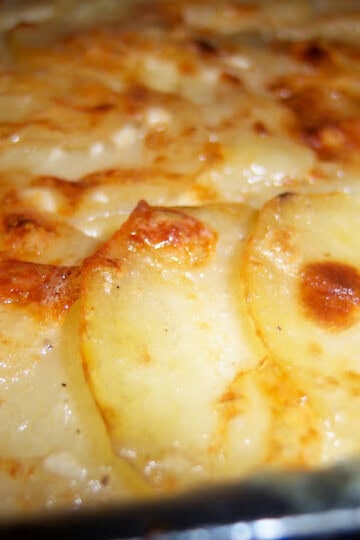
Cheesy Au Gratin Potatoes with Sharp Cheddar and Nutmeg
-
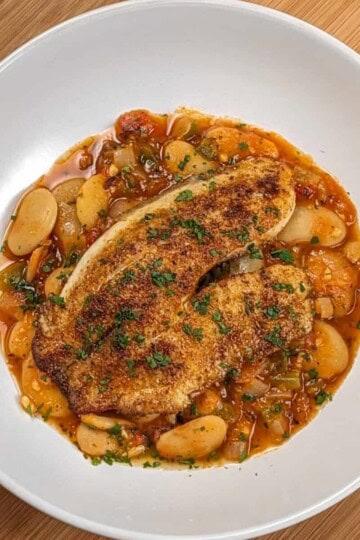
Pan-Seared Cajun Spiced Tilapia on White Bean Stew
-
5-Minute Chunky Dijon Lemon Mustard Remoulade Sauce Recipe
-
Healthy Haitian-Style Creole Spicy Shrimp Pasta
-
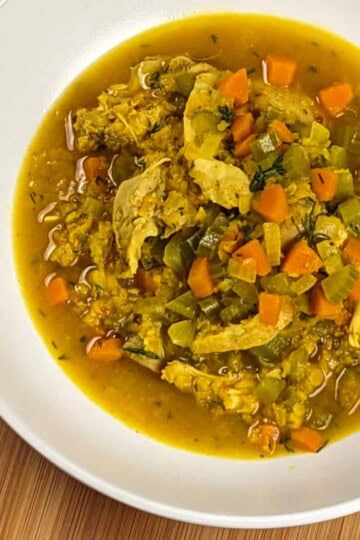
Easy Aleppo Pepper Spiced Dill Lentil Chicken Soup
-
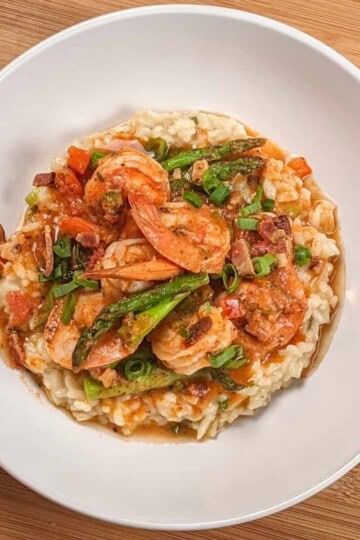
Spicy Creole Shrimp and White Cheddar Cheese Risotto
-
Spicy Zhug Chicken Pita Sandwich with Spinach Date Salad
-
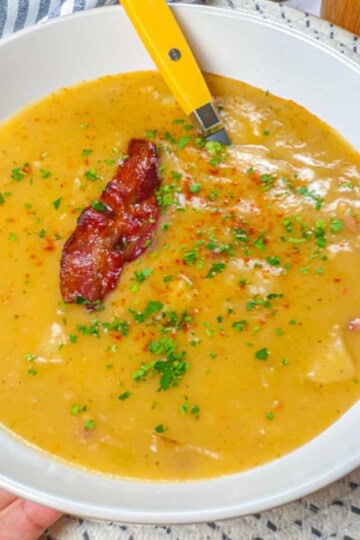
How to Make Easy Bacon Potato Leek Chowder | Creamy Comfort
-
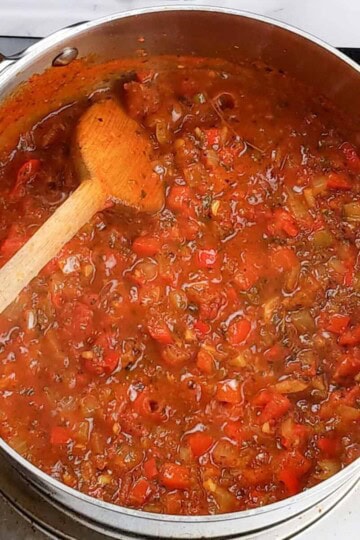
Creole Tomato Sauce Recipe | Easy Spicy Haitian-Inspired
-
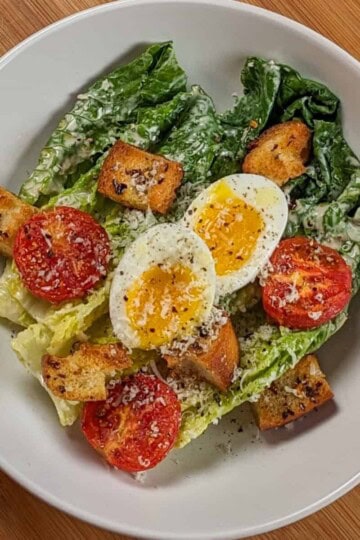
Caesar Salad with Egg Tomatoes and Chili-Infused Croutons
French cuisine is incredibly diverse, shaped by regional agriculture, local ingredients, neighboring cultures, and centuries of culinary tradition. It has also had an enormous influence on professional cooking, introducing techniques and terminology that are still used in kitchens around the world.
Flavors, Ingredients, and Dishes That Inspire My Cooking
My French-inspired recipes aren't necessarily traditional French dishes. Instead, you'll see how French ingredients, techniques, dishes, and culinary traditions influence the way I cook, from Dijon mustard and vinaigrettes to paillard, confit, and the delicate technique behind a French omelet.
Why I Love French Cuisine
As a professionally trained chef, I have been exposed to French cooking from the beginning of my culinary education. Many techniques taught in professional kitchens, from sautéing and searing to making sauces and vinaigrettes, use French terminology and methods.
What I enjoy most is that these techniques don't have to be limited to French cooking. Once you understand the foundation, you can use it with ingredients and flavors from cuisines around the world.
That's how French influence often appears in my recipes: sometimes it's the inspiration for the entire dish, and other times it's one technique or ingredient that helps bring everything together.
What Is French Cuisine?
French cuisine isn't one single cooking style. Food traditions vary considerably throughout France depending on geography, climate, agriculture, and neighboring cultures.
Bread, cheese, butter, cream, eggs, meat, seafood, potatoes, vegetables, herbs, mustard, and wine all play important roles, but their use changes from one region to another.
French cooking is also particularly known for developing flavor through technique. Browning, roasting, simmering, reducing, emulsifying, and slowly cooking ingredients can be just as important as the seasonings themselves. Learn more about these terms in my glossary.
The Flavors That Define French Cooking
Common Ingredients and Flavors
French dishes can range from rich and buttery to bright and herbaceous depending on the region and preparation. Some ingredients frequently associated with French cooking include:
- Butter and cream
- Olive oil
- Garlic, onions, shallots, and leeks
- Dijon and whole-grain mustard
- Parsley, thyme, rosemary, tarragon, and chives
- Potatoes and root vegetables
- Mushrooms
- Bread and pastry
- Eggs
- Cheese
- Chicken, beef, pork, and seafood
- Wine, vinegar, and stocks
Classic French Cooking Techniques
French culinary terminology is deeply woven into professional cooking, and many of these techniques are useful well beyond French recipes. These foundational methods are some of the easiest ways to recognize French culinary influence in my own recipes.
- Sauté: Cooking food relatively quickly in a small amount of fat over direct heat.
- Vinaigrette: An emulsified or temporarily emulsified mixture traditionally made with oil and vinegar, often flavored with mustard, herbs, shallots, or other aromatics.
- Confit: A traditional method of slowly cooking and historically preserving food in fat.
- Paillard: A thin piece of meat, commonly chicken or veal, that is pounded or sliced thin for quick, even cooking.
- Sear: Cooking the surface of an ingredient over relatively high heat to develop browning and flavor.
Regional French Cuisine
France's regional cuisines can look very different from one another. These regional differences are one reason it's difficult to define French cuisine solely in terms of butter, cream, and rich sauces. Southern French cooking, for example, can have a completely different character from the foods associated with Normandy or Alsace.
| Region | Culinary Characteristics |
|---|---|
| Northern & Northwestern France | Butter, cream, potatoes, apples, seafood, cheeses, and hearty dishes are common in areas such as Normandy and Brittany. |
| Northeastern France | Alsace and neighboring areas reflect French and Germanic influences, with sausages, cabbage, pork, potatoes, breads, and rich baked dishes. |
| Central & Eastern France | Burgundy is particularly associated with wine-based cooking, mustard, beef, poultry, mushrooms, and slow-cooked dishes. |
| Southwestern France | Duck, beans, preserved meats, walnuts, and dishes prepared using confit are important to several regional traditions. |
| Southern & Mediterranean France | Provence and the Mediterranean coast feature olive oil, garlic, tomatoes, herbs, vegetables, olives, and seafood more prominently. |
A Brief History of French Cuisine
French cuisine developed from a combination of regional farming traditions, local foodways, royal and aristocratic kitchens, trade, and the everyday cooking of French households.
Over time, influential chefs and culinary writers helped document and organize cooking techniques, sauces, recipes, and kitchen systems. French culinary terminology became especially influential in restaurants and professional culinary education.
French food traditions also traveled beyond France through migration, trade, colonization, and cultural exchange. Those interactions contributed to entirely new cuisines rather than simply reproducing French food elsewhere.
Books I Own That I Recommended:
Auguste Escoffier's extensive collection of nearly 3,000 recipes offers a fascinating look at classical French cuisine, techniques, sauces, and the foundations that helped shape modern professional cooking.
Mastering the Art of French Cooking, Volume 1: A Cookbook
Julia Child, Louisette Bertholle, and Simone Beck make classic French recipes and techniques approachable for home cooks while providing a strong foundation for understanding traditional French cooking.
French Culinary Influence Around the World
French influence is particularly evident in places with historical ties to France. The following cuisines developed their own identities. French influence is one part of their histories, not the complete story.
- Louisiana Cajun and Creole cuisines developed from multiple cultures, including French and Acadian, African, Spanish, Indigenous, Caribbean, and other influences.
- Haitian cuisine likewise developed through a complex history shaped by African, Taíno, French, Spanish, and Caribbean influences.
- French culinary influence can also be found throughout parts of Canada, the Caribbean, Africa, Southeast Asia, and other regions once connected to France through migration or colonial history.
For example, I recommend checking out:
Smithsonian Magazine's "Sorry, Wolfgang, Fusion Foods Have Been With Us for Centuries"
How French Cuisine Influences My Recipes
French inspiration appears throughout my cooking in different ways. Sometimes I'm inspired by a recognizable French dish. Other times, I'm borrowing one ingredient or culinary technique and using it in a completely different style of food.
Dijon Mustard
Dijon mustard adds acidity, heat, and complexity to sauces, marinades, vinaigrettes, and glazes. You'll find it paired with honey and Cajun seasoning in my Cajun Honey Mustard Salmon, while my Honey Dijon Mustard Chicken Rice Bowl turns the sweet-and-tangy combination into the foundation for an easy rice bowl.
Vinaigrettes
The classic vinaigrette technique is one of the most versatile French contributions to everyday cooking. My Rainbow Tuna Salad uses a Dijon-lemon vinaigrette and takes some inspiration from the composed style of Salade Niçoise.
You'll also see the technique in my Spicy Zhug Chicken Pita Sandwich with Spinach Date Salad. The overall recipe is Middle Eastern-inspired, but the salad demonstrates how a classic vinaigrette technique can be used with flavors from an entirely different cuisine.
Paillard
My Chicken Paillard with Cranberry-Pecan Acorn Squash uses the French technique of preparing chicken thinly, so it cooks quickly and evenly. It's a great example of why learning techniques can be more useful than memorizing individual recipes.
French Omelet
My French Omelet with Whipped Cottage Cheese uses the gentle heat and movement associated with preparing a soft French-style omelet, then pairs it with my own garlic-and-herb cottage cheese filling.
Confit
My Stovetop Garlic Confit applies the low-and-slow confit concept to garlic, gently cooking the cloves until they become soft, mellow, and spreadable. The garlic and flavorful cooking fat can then serve as building blocks for entirely different recipes.
French Influence in Cajun and Creole Cooking
My Pan-Seared Cajun-Spiced Tilapia with White Bean Stew and Cajun Honey Mustard Salmon reflect my love of Cajun-inspired flavors while connecting to the broader French and Acadian influences found in Louisiana's culinary history.
My Seared Snapper with Spicy Creole Sauce and Roasted Vegetables offers another connection to Haitian Creole cooking, where French influence is intertwined with African, Indigenous, Caribbean, and other culinary traditions.
Potato and Leek Soup
Potatoes and leeks are a classic combination in French cooking, famously used in potato-leek soups such as Vichyssoise. My Bacon Potato Leek Chowder takes inspiration from that familiar pairing before moving in a completely different direction with bacon, Creole seasoning, and Calabrian chili peppers.
Explore My French-Inspired Recipes
The recipes in this collection aren't meant to recreate every tradition found throughout France. Instead, they show the many ways French cuisine continues to influence my cooking, from an entire dish or historical connection to something as simple as whisking together a vinaigrette. Learning where those ingredients and techniques come from gives you another tool you can carry into your own kitchen.
Explore. Experiment. Taste.