-
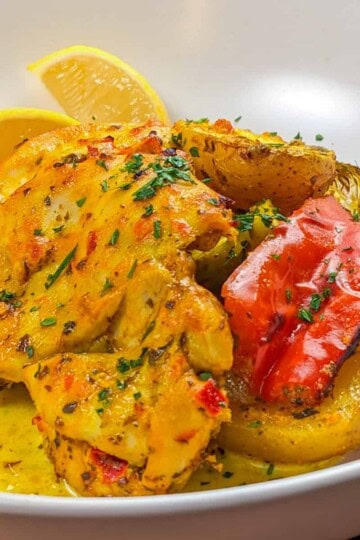
Calabrian Lemon Yogurt Baked Chicken Thighs with Vegetables
-
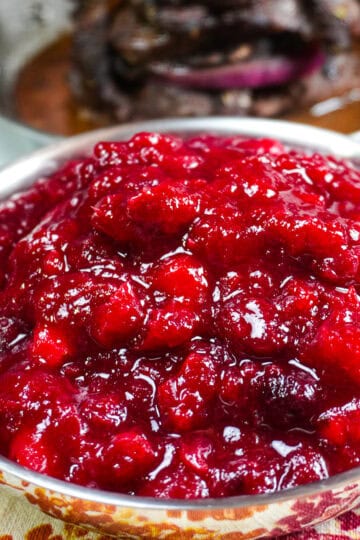
Fresh Cranberry Ginger Chutney | Quick and Easy
-
Indian Cooking Techniques That Changed How I Think About Food
-
Best Fragrant Creamy Potato Coconut Curry Fish Soup
-
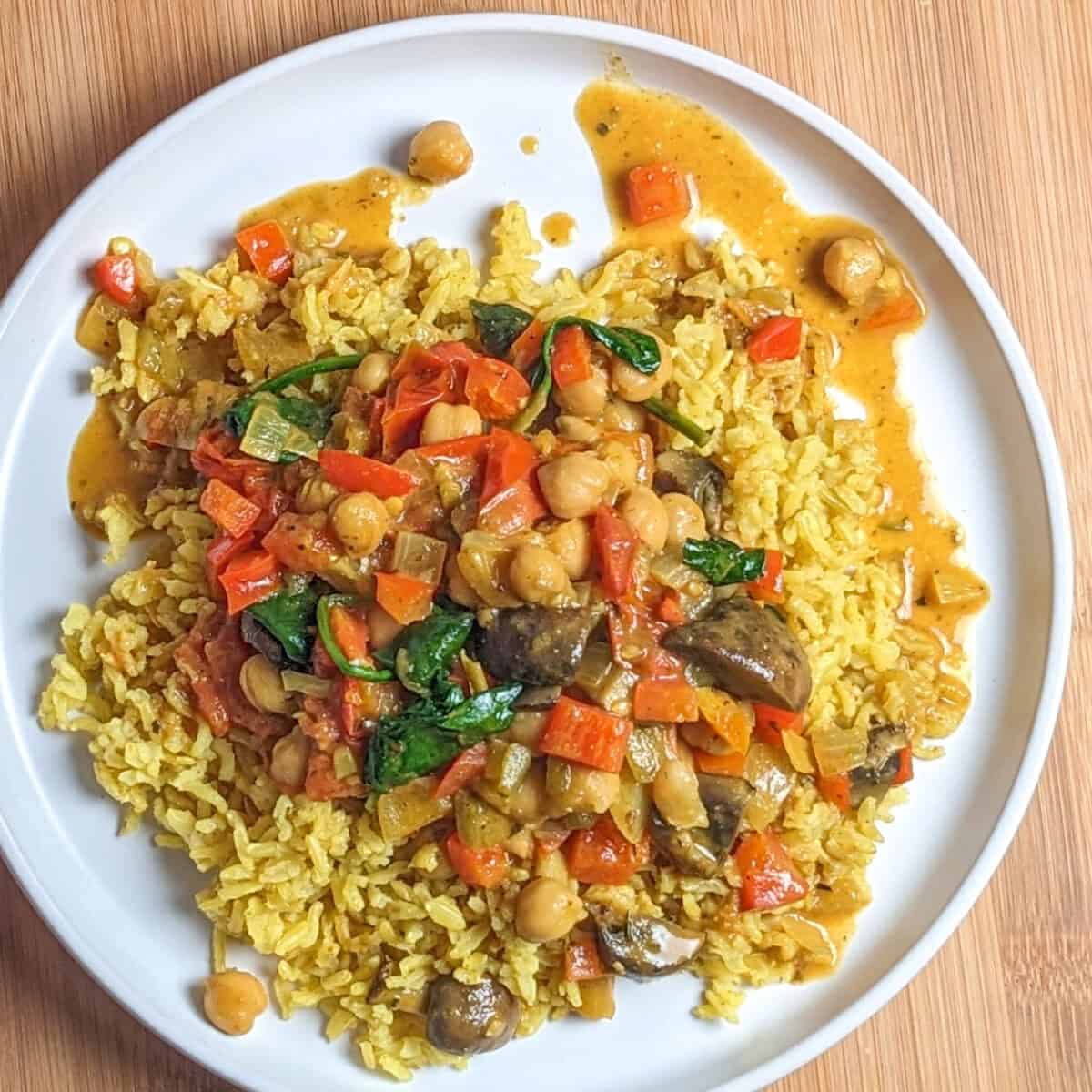
Vegetarian Chickpeas and Mushrooms Curry: Easy Comfort Food
-
Quick Spicy Potstickers | Chili Momo Tibetan Style
-
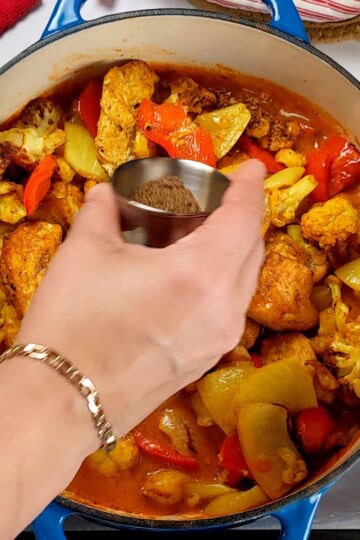
Air Fryer Roasted Chicken Chickpeas Vegetable Curry
-
Easy Spiced Brown Rice & Quinoa Recipe – Flavorful & Healthy
-
Chickpeas and Egg Masala Skillet
-
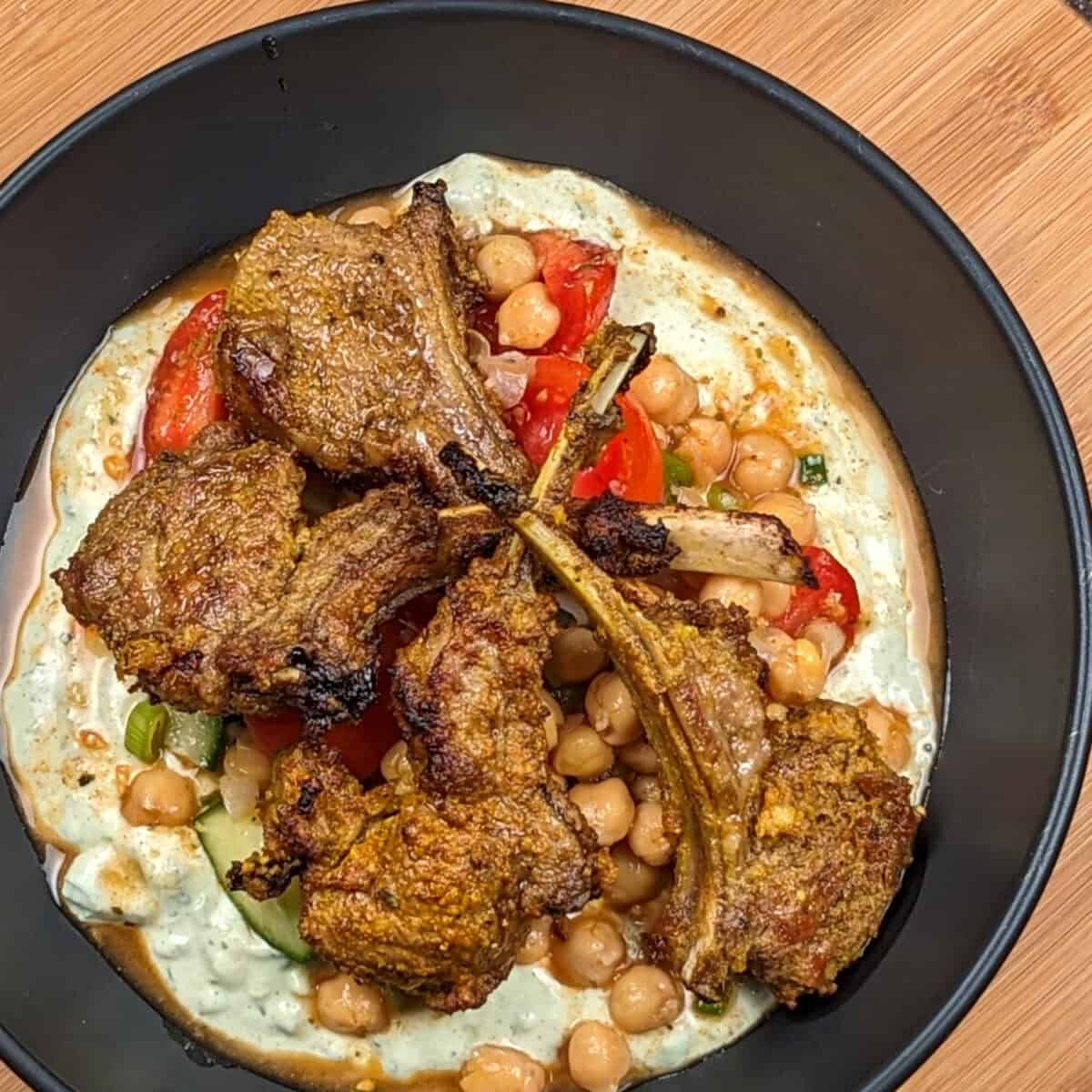
Curried Air Fryer Lamb Chops with Chickpea Cucumber Salad
-
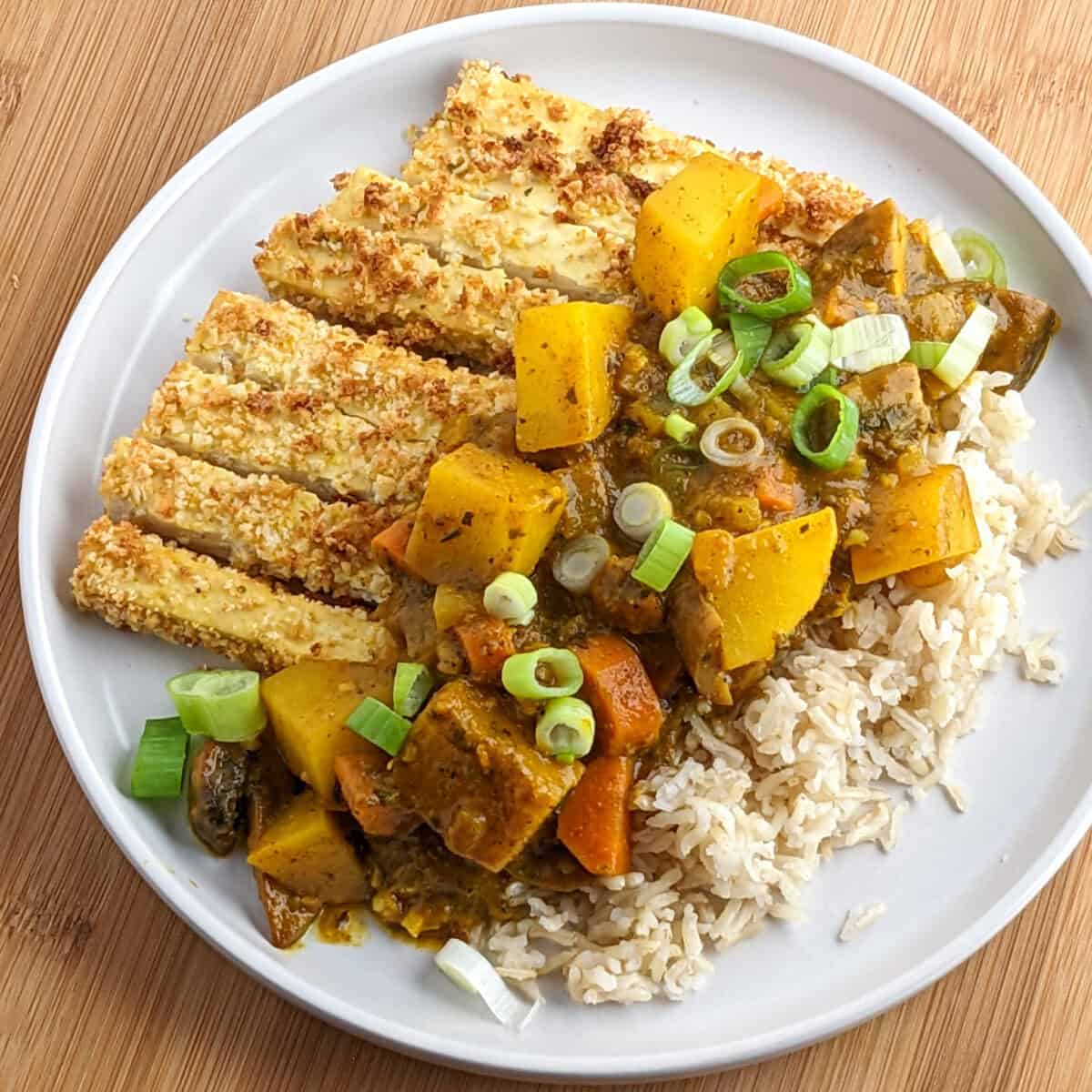
Herb Panko Tofu with Curried Potatoes, Carrots and Onions
Explore Indian-inspired recipes featuring aromatic spices, regional influences, traditional cooking techniques, and global flavors that inspire my cooking.
Indian Cuisine: Flavors, Ingredients, and Dishes That Inspire My Cooking
Indian cuisine is one of the biggest influences on how I think about spices. What fascinates me most isn't simply how many spices can appear in a dish, but how they are treated: toasted, bloomed in fat, ground into blends, combined with fresh aromatics, or added at different stages of cooking.
And there really isn't one single "Indian cuisine." India is enormous, and its food changes dramatically from one region to another. Climate, agriculture, religion, migration, trade, and local traditions have shaped cuisines ranging from wheat and dairy in the north to rice, coconut, seafood, lentils, mustard seeds, and tamarind elsewhere.
The Indian-inspired recipes you'll find here aren't meant to recreate every regional tradition. Instead, they show how ingredients and techniques from Indian cooking continue to influence the way I experiment with curries, vegetables, grains, marinades, sauces, and spices in my own kitchen.
Why I Love Indian Cuisine
Indian cooking is one of the cuisines that really taught me that spices aren't just seasonings; they're ingredients.
Cumin, coriander, turmeric, cardamom, mustard seeds, fenugreek, cinnamon, cloves, chilies, and garam masala can completely change depending on how they're prepared. Toasting a spice, blooming it in oil, grinding it fresh, or adding it toward the end of cooking can produce very different results. That's something I carry into my own cooking. Instead of thinking only about which spice belongs in a recipe, I think about when to add it and which cooking technique will bring out its best flavor.

So what's garam masala? It's basically an aromatic Indian spice blend typically made with warming spices such as cumin, coriander, cardamom, cinnamon, cloves, and black pepper, with the exact combination varying by region and household.
What Is Indian Cuisine?
Indian cuisine encompasses an enormous collection of regional cooking traditions rather than a single uniform style of food. Rice, wheat, millet, lentils, chickpeas, vegetables, dairy, seafood, meat, herbs, chilies, and spices are all important, but their use varies considerably depending on where you are. One of the best ways to begin understanding Indian food is to look at some of its major regional traditions.
| Region | Popular Areas & Traditions | Key Ingredients & Foods | Culinary Characteristics & Influences |
|---|
| Northern India | Punjab, Delhi, and surrounding regions | Wheat, naan, roti, paratha, lentils, chickpeas, paneer, yogurt, ghee, meat | Tandoor cooking, richly seasoned gravies, dairy, legumes, and Mughal influences. Common spices include cumin, coriander, cardamom, cloves, cinnamon, and garam masala. |
| Western India | Gujarat, Rajasthan, Maharashtra, Goa | Grains, legumes, dairy, seafood, coconut, chilies, vinegar | Highly diverse: Gujarati cuisine is known for vegetarian dishes and sweet-sour-spicy combinations; Rajasthan reflects its arid climate; coastal Goa features seafood, coconut, chilies, and Portuguese influences. |
| Southern India | Tamil Nadu, Kerala, Karnataka, Andhra Pradesh, Telangana | Rice, lentils, coconut, curry leaves, mustard seeds, chilies, tamarind | Rice-based dishes, fermented foods, and bold seasoning. Kerala is known for coconut and seafood; Andhra and Telangana for chile-forward cooking; fermented rice-and-lentil batters are used for dosa and idli. |
| Eastern India | West Bengal, Odisha, Bihar, Jharkhand | Rice, fish, mustard oil, mustard seeds, poppy seeds, vegetables, dairy | Bengali cooking prominently features rice and freshwater fish. Mustard flavors are common, while sweets and dairy-based desserts are also important regional traditions. |
| Northeastern & Himalayan India | Northeastern states and Himalayan communities | Rice, fermented foods, vegetables, chilies, pork, dumplings, noodles | Influenced by geography and connections with Tibet, Nepal, Bhutan, and Myanmar. Cooking traditions can differ considerably from the spice-heavy Indian dishes most familiar outside the region. |
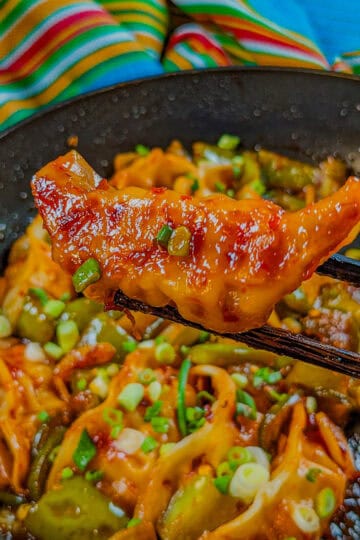
My Quick Spicy Potstickers | Chili Momo Tibetan Style explores this Himalayan connection. Momos are closely associated with Tibet and Nepal but are also widely eaten in northern and northeastern parts of India.
My shortcut version combines dumplings with ginger, garlic, green chilies, and a spicy sauce while also showing the Chinese and Indo-Chinese influences ↗ found throughout Himalayan foodways.
The Flavors That Define Indian Cooking
Indian cooking can move between earthy, floral, tangy, creamy, smoky, spicy, sweet, and deeply savory flavors sometimes within the same meal. What matters just as much as the ingredient list is how those ingredients are handled. Spices may be toasted before grinding, cooked briefly in hot fat, simmered into sauces, or incorporated near the end of cooking.
Common Flavor Builders
Some ingredients you'll frequently see include:
- cumin and coriander
- turmeric
- mustard seeds
- fenugreek
- cardamom
- cinnamon and cloves
- black pepper
- fresh and dried chilies
- ginger and garlic
- onions and tomatoes
- cilantro and mint
- tamarind
- coconut
- yogurt
- ghee
- lentils and chickpeas
Understanding Curry
One of the biggest misconceptions about Indian food is treating "curry" as a single dish or a single spice. Indian cooking features countless gravies, stews, dals, masalas, and sauced dishes with distinct spice combinations. The bottled "curry powder" commonly sold in Western supermarkets is a convenient spice blend rather than one universal seasoning used throughout India. Learn more about this in my Indian Cooking Techniques That Changed How I Think About Food post.
My Creamy Potato Coconut Curry Fish Soup is a good example of how I use that convenience ingredient while borrowing techniques and flavor combinations associated with Indian cooking. Ginger, garlic, chilies, cilantro, and curry spices build the aromatic foundation, while coconut milk creates the creamy broth around potatoes, kale, and white fish.
Indian Ingredients and Techniques That Influence My Recipes
Indian cooking has influenced my recipes in different ways. Sometimes the connection comes directly from a dish. Other times, it's a combination of spices, a cooking method, an ingredient, or a technique that becomes part of a larger fusion recipe.
Building a Curry From Aromatics
My Air Fryer Roasted Chicken Chickpeas Vegetable Curry starts with an aromatic paste of ginger, garlic, and cilantro before chickpeas, tomatoes, coconut milk, and spices build the sauce. The chicken, cauliflower, peppers, onions, and jalapeños are roasted separately before being combined with the curry. Garam masala is added toward the end so its aromatic qualities remain prominent rather than disappearing during a long cooking process.
Chickpeas and Masala
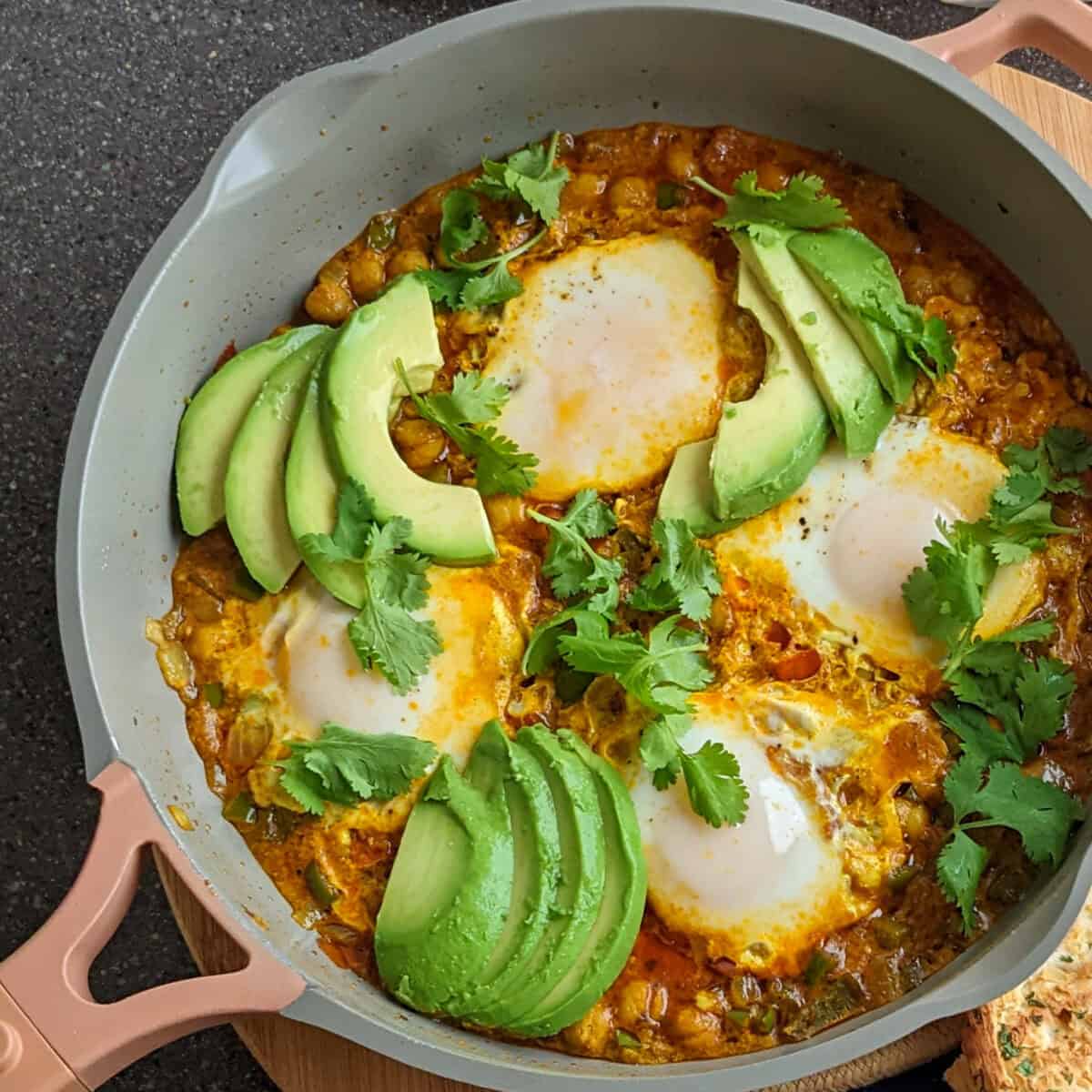
Chickpeas are an important ingredient throughout Indian cooking, particularly in northern India. My Masala Chickpeas and Egg Curry combines chickpeas with a spicy masala-style sauce, then poaches eggs directly in the pan. The cooking technique actually began with my love for shakshuka, so this recipe is a great example of how I connect techniques from different cuisines rather than trying to reproduce a traditional dish.
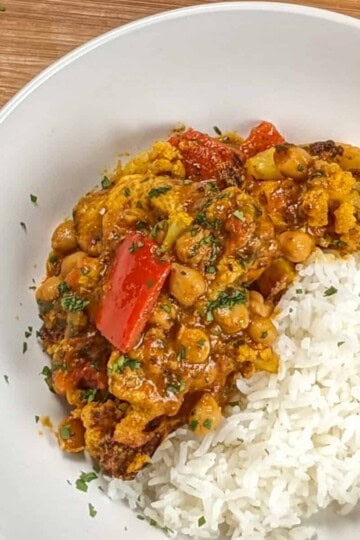
My Curried Chickpeas and Mushrooms has another interesting connection. Indian chana masala provided part of the inspiration, but Jamaican curry powder brings the Caribbean side of the recipe to the fore.
That connection isn't accidental: curry traditions traveled to the Caribbean with Indian indentured laborers in the 19th century and evolved into distinct Caribbean cooking styles. This recipe lets those culinary histories meet again in my kitchen.
Rice and Warm Spices
Rice also gives me plenty of room to experiment with spice. And my Easy Spiced Brown Rice & Quinoa actually began with inspiration from Lebanese spiced rice, but ingredients such as cumin, coriander, turmeric, and cinnamon make it equally useful alongside many of my Indian-inspired curries.
It's a good example of how spices travel across cuisines and why similar ingredients don't automatically make two dishes the same.
Chutneys: Sweet, Sour, Spicy, and Savory
Chutneys are another Indian culinary tradition that has traveled around the world. They can be fresh or cooked and may contain fruit, herbs, vegetables, chilies, spices, sugar, and acidic ingredients.
My Fresh Cranberry Ginger Chutney takes a familiar American holiday ingredient, cranberries, and approaches it as a chutney with fresh ginger, shallot, vinegar, warm spices, and citrus. It's one of my favorite examples of using a culinary idea from another culture to view a familiar ingredient in a different way.
Where Indian Cuisine Meets Other Global Flavors
Indian food has traveled extensively through migration, trade, colonization, and cultural exchange, which means its influence extends far beyond India's borders.
You can see those connections throughout my recipes:
My Curried Air Fryer Lamb Chops with Chickpea Cucumber Salad brings together Indian garam masala and ginger with Jamaican curry seasoning, Cajun spices, a Mediterranean-style chickpea salad, and a yogurt-avocado sauce.
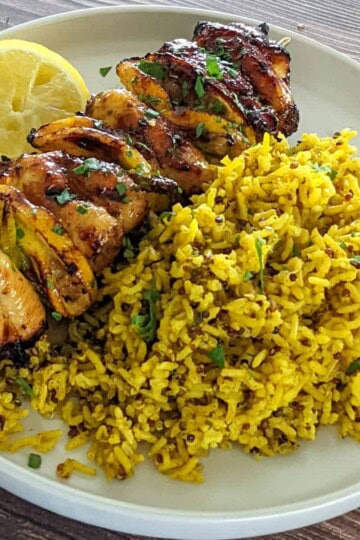
The Calabrian Lemon Yogurt Baked Chicken draws inspiration from the Indian technique of marinating meat in yogurt. Here, yogurt, turmeric, garlic, and spices meet Italian Calabrian peppers, lemon, and Mediterranean-style roasted vegetables.
And my Herb Panko Tofu with Curried Potatoes takes the journey even farther. The dish was inspired by Japanese katsu curry, pairing crispy panko-coated tofu with potatoes, carrots, onions, ginger, garlic, curry spices, and garam masala. Japanese curry itself reflects the global journey of curry outside India, making this one recipe with several layers of culinary influence.
Indian Cuisine's Global Influence
Indian cuisine has had an enormous impact on food around the world. Migration and historical trade routes helped Indian ingredients and cooking traditions become part of cuisines throughout Southeast Asia, East Africa, South Africa, the Caribbean, Fiji, Mauritius, the United Kingdom, and beyond.
Those foods didn't simply remain copies of dishes from India. Communities adapted recipes to local ingredients, cultures, and tastes, creating new culinary traditions. That's particularly meaningful to the way I cook at Just Maika Cooking because it demonstrates something I believe strongly about food: cuisines are constantly interacting.
A spice can travel. A cooking technique can travel. A dish can move with a community and become something new while still carrying pieces of its history!
Indian-Inspired Recipes on Just Maika Cooking
The recipes in this collection explore Indian ingredients, spice combinations, and techniques through my globally inspired approach to cooking.
You'll find curries built around chickpeas, vegetables, chicken, fish, and eggs; dishes using ginger, garlic, turmeric, garam masala, coconut, and yogurt; Himalayan-inspired dumplings; chutneys; spiced grains; and recipes where Indian culinary traditions meet Caribbean, Mediterranean, Italian, Japanese, and American influences.
They aren't intended to represent the enormous range of traditional Indian cooking. Instead, they're examples of what happens when I learn from those traditions and use that knowledge to explore, experiment, and taste.