

Ever notice how a recipe tells you to let your chicken, steak, or roast rest before slicing? It might seem like an unnecessary extra step, especially when you're hungry, but resting meat is a simple cooking technique that can make a noticeable difference in the final result.
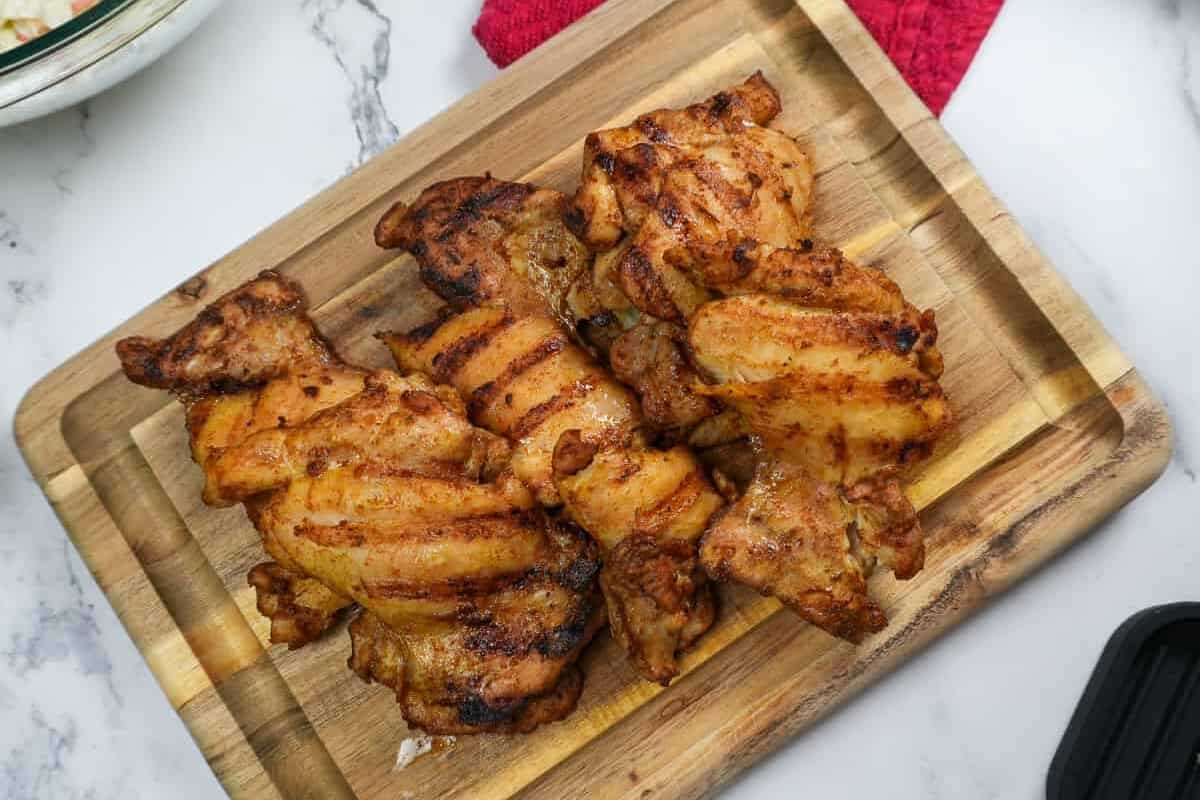
Table of Contents
Jump to:
The short answer: Resting meat lets its temperature even out and its muscle fibers relax slightly, helping it retain more moisture when you cut into it. The result is often juicier, more tender meat.
What Happens When Meat Cooks?
As meat heats up, its muscle proteins change shape and contract, squeezing moisture out of the muscle fibers. When you slice into meat immediately after cooking, more of that liquid can escape onto your cutting board or plate. Allowing meat to rest gives its temperature and internal moisture time to stabilize, reducing the amount of liquid lost during slicing.

Chef Maika's Tip: Resting doesn't magically put all the juices back into the meat. Instead, it helps reduce moisture loss when you cut into it.
How Long Should You Rest Meat?
The resting time depends on the size and thickness of the meat. Remember, these are general guidelines, not strict rules. Larger cuts typically benefit from longer resting periods than smaller portions.
| Type of Meat | Suggested Resting Time |
|---|---|
| Chicken breasts | 5 minutes |
| Steak | 5 to 10 minutes |
| Pork chops | 5 minutes |
| Whole roasted chicken | 10 to 15 minutes |
| Large beef or pork roast | 15 to 30 minutes |
America's Test Kitchen - Winner
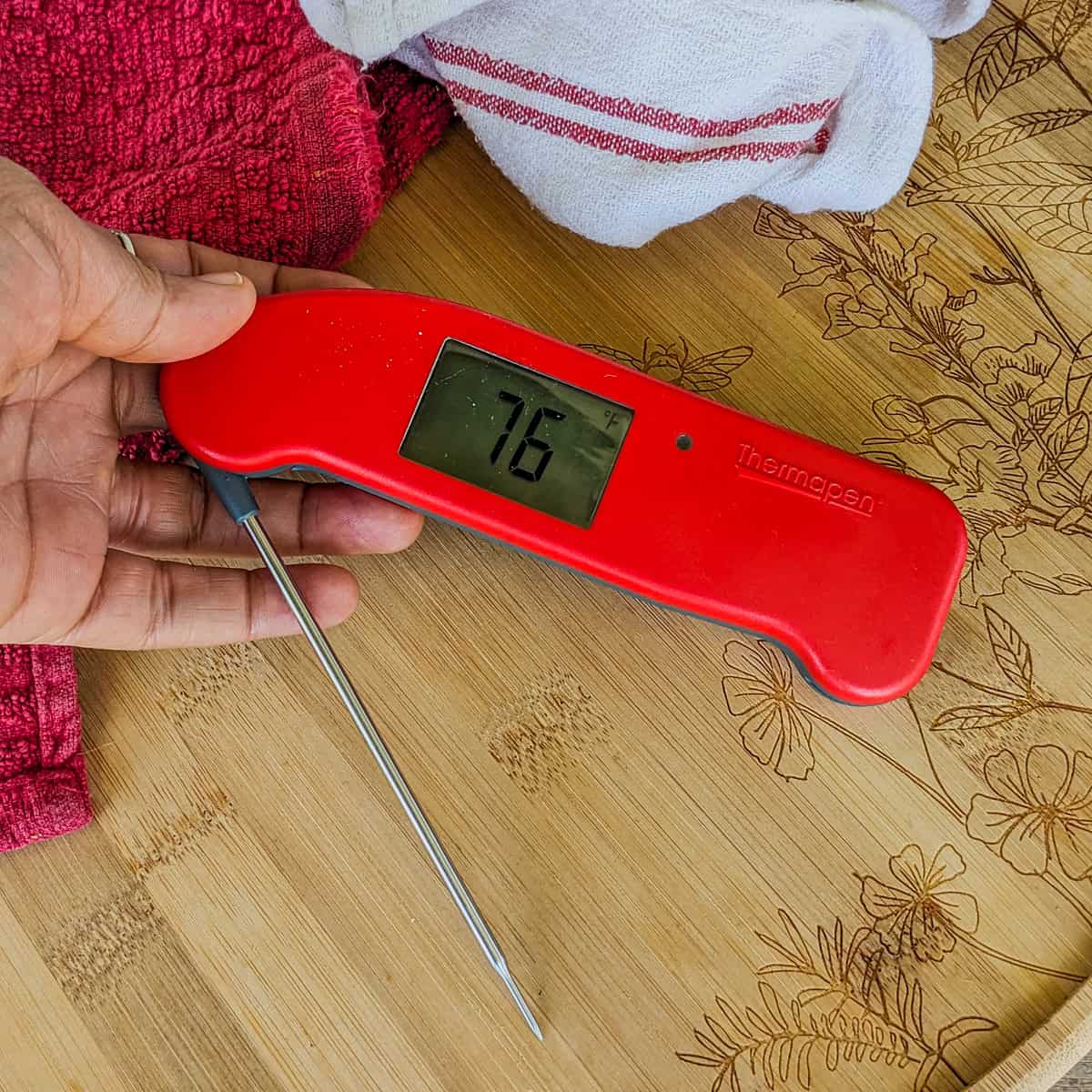
My Review: The Thermapen ONE by ThermoWorks is my go-to kitchen thermometer - simple, fast, and incredibly precise. It delivers accurate readings in just one second, making it perfect for everything from meats to baked goods. I love that it's waterproof, has a rotating backlit display, and turns on automatically when you unfold the probe. America's Test Kitchen voted it its top thermometer. It comes with a 5-year warranty and a NIST-traceable calibration certificate, so you can trust it as a must-have tool for any cook.
Should You Cover Meat While It Rests?
For smaller cuts, such as chicken breasts and steaks, you can simply rest the meat on a clean cutting board or plate. For larger roasts, loosely tenting with aluminum foil can help retain some heat. Avoid wrapping the meat tightly, which traps steam and can soften a crispy exterior.
What Is Carryover Cooking?
Carryover cooking happens when the internal temperature of meat continues to rise after you remove it from the heat. This occurs because the hotter outer portions continue transferring heat toward the center. It's especially noticeable in thick steaks, whole chickens, and large roasts. For more information, read my Understanding Food Temperature Safety Zones guide.
Chef Maika's Tip (A Food Safety Reminder): Resting is not a substitute for cooking meat to a safe internal temperature. For chicken and other poultry, use a food thermometer to verify that the thickest portion reaches 165°F (74°C). Don't rely on carryover cooking to finish undercooked poultry.
Does Resting Work for All Meats?
Yes, although the benefits vary by cut, thickness, and cooking method. A thick steak or roasted chicken breast generally benefits more from resting than a very thin cut. Larger roasts need additional time for their internal temperature to stabilize. For thin cuts that cook quickly, a brief rest while you finish plating is often enough.
A Note From Chef Maika
One of the simplest habits I encourage home cooks to develop is letting meat rest before slicing. I know it's tempting to cut into a beautifully cooked chicken breast or steak as soon as it comes off the heat, but giving it just a few minutes can help preserve the moisture you worked so hard to keep during cooking.
Instead, use that resting time to prepare your garnish, toss a salad, or finish your sauce. By the time you're ready to plate, your meat will be ready too.
My Review: I love that this bamboo cutting board set came in so many convenient sizes; it makes it easy to grab exactly what I need, whether I’m chopping herbs or breaking down meat. The bright tones of the wood really stood out to me; they look beautiful on camera and bring a nice pop of warmth to my kitchen. It’s especially come in handy during meal prep or when I have someone else helping me; everyone gets their own board! I also appreciate how lightweight yet sturdy they are, making them easy to move around while still holding up to serious chopping. Definitely a great gift for yourself or anyone who loves to cook or entertain. P.S. My hubby accidentally placed it in the dishwasher. And guess what? It didn't warp. A+!
The Bottom Line
Resting meat is a small step that can make a big difference. Resting the meat before slicing helps minimize moisture loss and improves the eating experience. Whether you're air frying chicken breasts, pan-searing steak, or roasting pork, the same principle applies. Next time a recipe tells you to let the meat rest, you'll know exactly why those extra few minutes matter.
Recommended Reads
Frequently Asked Questions
Here is a list of common questions I have answered. If you have any questions, please write them in the comments below.
Cutting meat immediately after cooking can cause more moisture to escape onto your cutting board or plate. This may leave the meat drier than if you let it rest for a few minutes.
Boneless chicken breasts generally need about 5 minutes of resting time, while a whole roasted chicken may benefit from 10 to 15 minutes. Resting allows the temperature and moisture inside the meat to stabilize before slicing.
Not necessarily. Meat retains heat after cooking, especially larger cuts. Smaller pieces cool more quickly, so they generally need shorter resting times. Avoid resting meat for longer than necessary.
You can loosely tent larger cuts of meat with aluminum foil to help retain heat. However, tightly wrapping meat can trap steam and soften a crispy exterior. Smaller cuts, such as chicken breasts and steaks, often don't need covering.
Yes. This is called carryover cooking. Heat from the hotter outer portions continues moving toward the center, sometimes increasing the internal temperature after the meat is removed from the heat. The amount depends on the size, thickness, and cooking method.
Yes. Resting meat too long can cause it to cool and potentially enter unsafe temperature ranges. Keep hot food at 140°F or above when holding it for service, and refrigerate perishable food within two hours, or one hour when temperatures exceed 90°F.
Resting primarily helps reduce moisture loss during slicing, which can make meat seem juicier and more tender when eaten. However, it won't turn an overcooked or naturally tough cut into tender meat.
Rest meat before slicing whenever practical. Cutting it into smaller pieces immediately exposes more surface area and can increase moisture loss. Once the meat has rested, slice it against the grain when appropriate for a more tender bite.
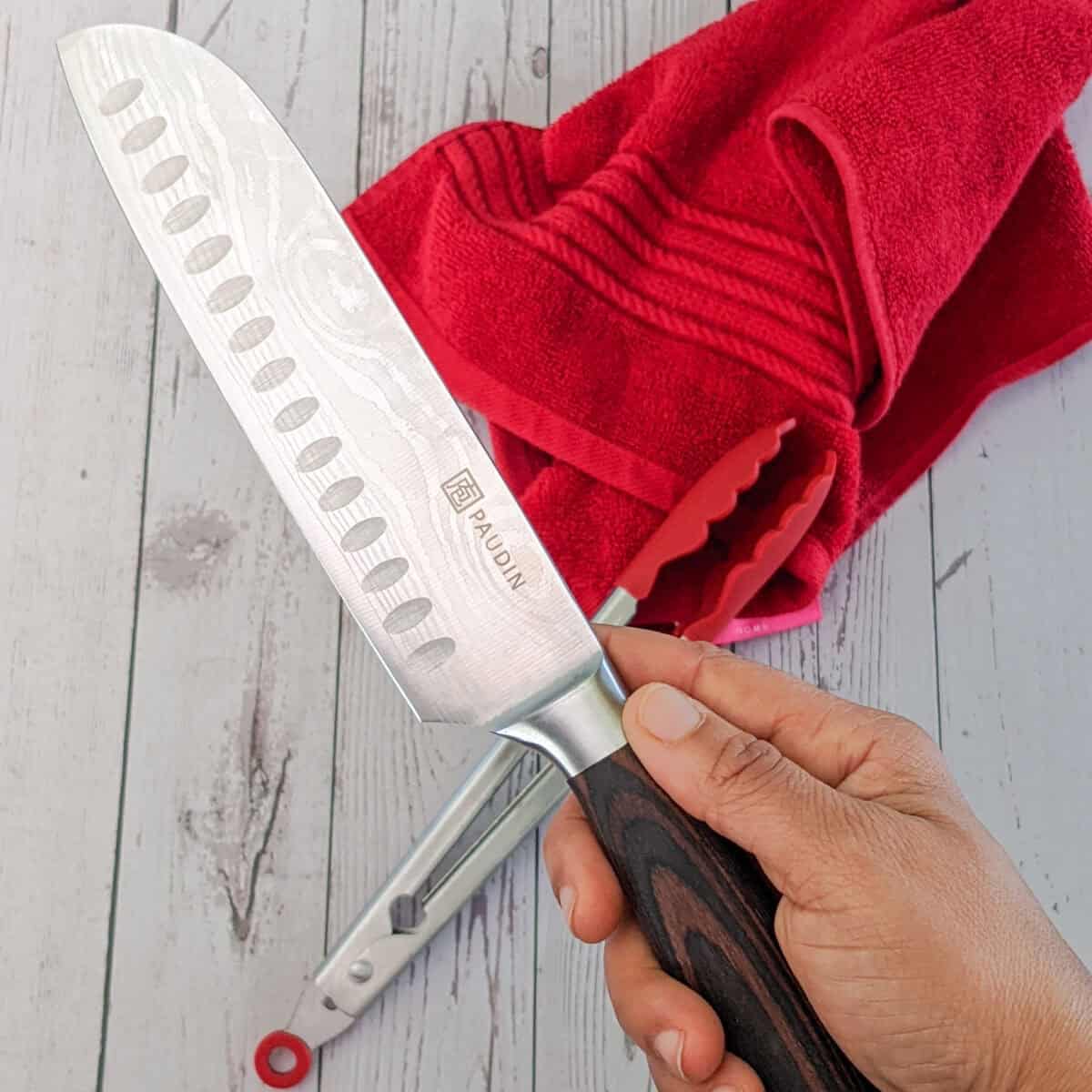
My Review: This knife is well-made. Super solid and multi-functional. It is made with high-carbon steel, so it will not rust. The grooves make slicing meat, like fish, easier. It doesn’t stick to the knife. The handle has an excellent grip and isn't heavy. For background, a Santoku is a versatile Japanese kitchen knife with a straight edge and "sheepsfoot" blade, designed for precise slicing, dicing, and chopping. Its name means "three virtues," referring to its ability to handle meat, fish, and vegetables efficiently, making it a staple in both professional and home kitchens.
Build Your Cooking Skills with Chef Maika
Want to understand the why behind everyday cooking techniques? Explore my Cook's Notebook for practical cooking tips, kitchen fundamentals, and step-by-step tutorials designed to help you become a more confident home cook. From preparing ingredients to mastering cooking temperatures, there's always something new to learn!
- Seasonal Produce Guide: What Fruits and Vegetables Are in Season?
- How to Roast Food: The Fundamental Principles of Roasting
- 2026 Fall Seasonal Produce Guide: Fruits and Vegetables to Enjoy This Season
- Indian Cooking Techniques That Changed How I Think About Food
Subscribe to my YouTube Channel
SUBSCRIBE↗: 👈To my YouTube Channel to Get Notifications of New Videos.


Chef Maika Frederic-Liebman
Chef and Educator
Professionally trained Haitian-American chef Maika Frederic created Just Maika Cooking, where she shares globally inspired recipes, cooking techniques, ingredient guides, and food safety tips to help home cooks become more creative and confident in the kitchen. Combining years of professional culinary experience with a passion for teaching, she makes global flavors approachable through practical, accessible instruction for cooks of every skill level.
Have a Comment or Question?
If you have a question or comment about this post, please post it below. You will receive a prompt response. It also helps our other readers to stay informed. Thanks!

Leave a Reply