

Food recalls can make grocery shopping feel confusing, especially when you rely on fresh ingredients to cook healthy meals. This guide shares practical ingredient swaps, balanced meal ideas, and trusted food safety resources to help you confidently plan meals during a food recall.
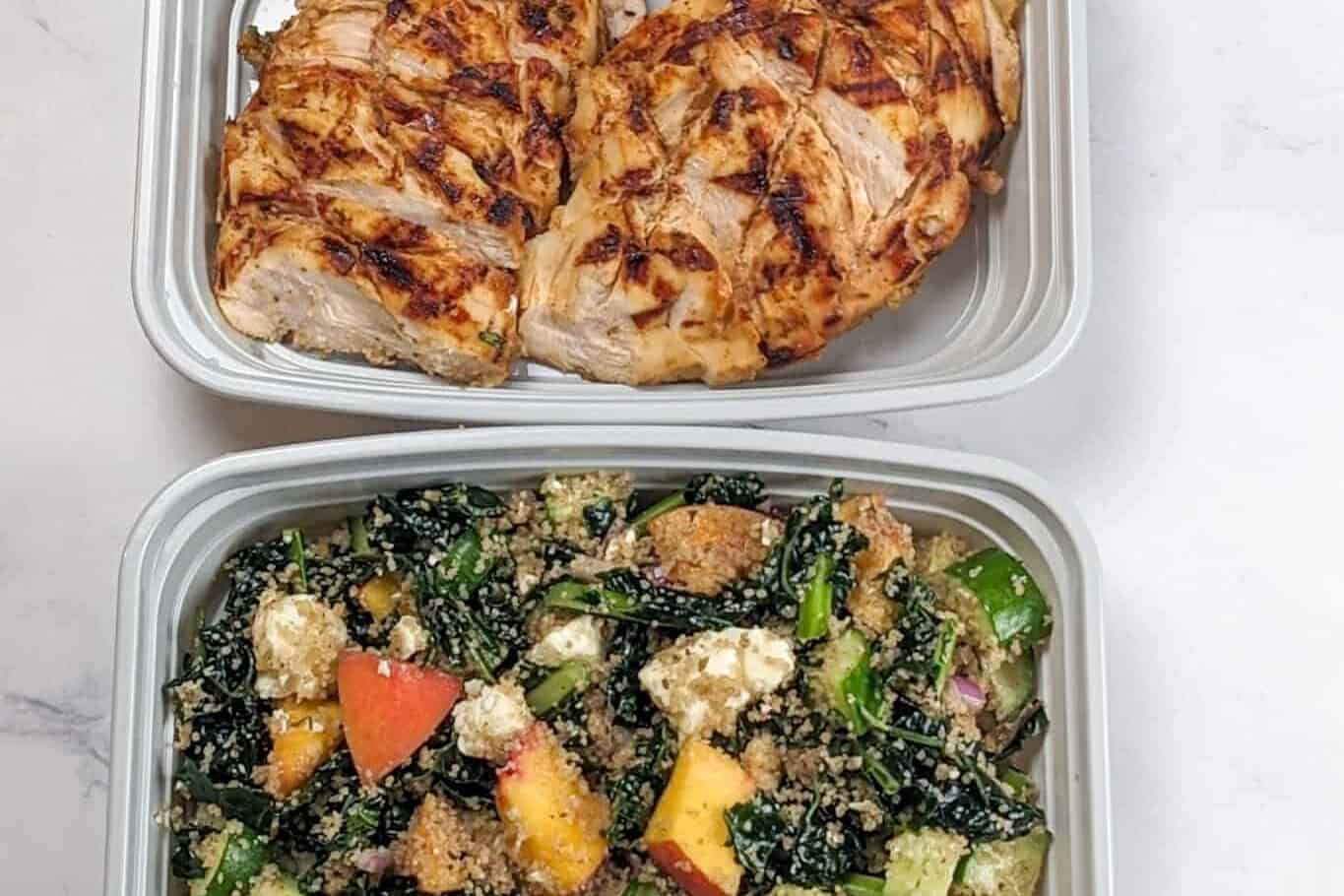
Table of Contents
Jump to:
- Why This Guide Matters
- Quick Answer
- Trusted Food Recall & Safety Resources
- How to Know if a Food Is Part of a Recall
- Healthy Ingredient Swaps During a Food Recall
- If Leafy Greens Are Part of a Recall
- If Fresh Herbs Are Part of a Recall
- If Fresh Tomatoes or Peppers Are Part of a Recall
- If Fresh Berries Are Part of a Recall
- What to Cook Instead During a Food Recall
- Current Food Recall Updates
- Frequently Asked Questions
- More Food Safety Tips
- Cooking Tips and Tutorials
- Have a Comment or Question?
Why This Guide Matters
Whether it's fresh produce, deli meats, dairy products, ground beef, or another recalled food product, a food recall can leave you wondering what to buy and what to leave on the shelf.
Instead of focusing only on what may be part of a recall, this guide helps you build healthy meals with smart ingredient swaps while pointing you to trusted recall information from government agencies like the U.S. Food and Drug Administration (FDA), the U.S. Department of Agriculture (USDA), and the Centers for Disease Control and Prevention (CDC) for the latest updates.
Quick Answer
| If You're Unsure About a Food Recall... | What to Do Instead |
|---|---|
| Fresh produce is under investigation. | Choose cooked or frozen vegetables or fruits that can be peeled. |
| A recalled food product is one you normally buy. | Replace it with a similar ingredient until the recall is resolved. |
| You aren't sure if your food is part of a recall. | Check the FDA or USDA recall notice before using it. |
| You need healthy meal ideas. | Build meals around cooked vegetables, whole grains, beans, lean proteins, and pantry staples. |
| You want the latest recall information. | Follow official updates from the FDA, USDA, and CDC instead of relying solely on social media. |
Trusted Food Recall & Safety Resources
When a food recall or foodborne illness outbreak makes the news, I always recommend checking the original source before changing your grocery list or throwing away food. These government resources provide the latest recall notices, outbreak investigations, and food safety guidance.
| Resource | What You'll Find |
|---|---|
| FoodSafety.gov - Recalls & Outbreaks ↗ | A central hub for current FDA and USDA food recalls, outbreak investigations, and food safety alerts. This is the best place to start when looking for active recalls. |
| U.S. Food & Drug Administration (FDA) - Recalls, Market Withdrawals & Safety Alerts ↗ | Recall notices and safety alerts for FDA-regulated foods, including fresh produce, seafood, dairy products, beverages, packaged foods, and many processed foods. |
| U.S. Department of Agriculture (USDA) Food Safety and Inspection Service (FSIS) - Recalls & Public Health Alerts ↗ | Official recalls and public health alerts for meat, poultry, and certain egg products. Recall notices include identifying details such as establishment numbers, lot codes, and product labels. |
| Centers for Disease Control and Prevention (CDC) - Foodborne Outbreaks ↗ | Information on multistate foodborne illness outbreaks, investigation updates, and guidance for protecting yourself and your family. |
Before You Throw Food Away
Before discarding a food item, compare it with the official recall notice and check the:
- Product name
- Brand name
- UPC or barcode
- Lot code or batch number
- Best-by or expiration date
- Establishment number (for some meat and poultry products)
Many recalls apply only to specific products or production lots, not every food in that category. Taking a few moments to verify these details can help you avoid unnecessary food waste while still following important food safety recommendations.
Note From Chef Maika
One thing that inspired this guide was a recent trip to the grocery store. I found myself standing in the produce section much longer than usual, trying to figure out what was safe to buy, what might be connected to the latest recall, and what I could swap into my weekly meal plan without sacrificing nutrition. It reminded me that many home cooks are probably asking the same questions.
The good news is that a food recall doesn't mean healthy eating has to stop. I also noticed that shopping at a smaller neighborhood grocery store made the process feel less overwhelming because there were fewer brands and products to sort through. My goal with this guide is to help you spend less time wondering what to buy and more time confidently cooking delicious meals with ingredients you feel good about serving your family.
Recommended Reads
- Healthy Whole Food Dinner Recipes: Easy Ideas
- Smart Storage and Kitchen Safety Tools I Can't Live Without
- Kitchen Safety Tips for Families: A Guide for Cooking Together with Confidence
- Outdoor Meal Ideas for Backyard Entertaining
How to Know if a Food Is Part of a Recall
Food recalls usually affect specific brands, lot codes, product sizes, or expiration dates, not every item in a food category. Before changing your meal plan or throwing away food, compare the product in your kitchen with the official recall notice to see if it's actually affected.
Check These Product Details
When reading a recall notice, compare the following information with the product you have at home:
| Check | Why |
|---|---|
| Product name | Must match the recall exactly. |
| Brand | Many recalls affect only one brand. |
| Lot code | Identifies the affected batch. |
| Best-by date | Confirms whether your item is included. |
What Should You Do if You Have a Recalled Food?
If you discover that a food product in your home is part of an official recall:
- Stop using the product.
- Follow the recall notice for disposal or returns.
- Clean any surfaces or utensils that touched the food.

Always follow the guidance issued by the agency that recalled the food, as recommendations may vary depending on the type of food and the reason for the recall.
Don't Rely Only on Social Media
Social media can quickly spread food recall news, but posts don't always include complete or up-to-date information. Headlines may leave out important details, such as the specific brand, lot code, expiration date, or product size affected by the recall.
Before changing your grocery list or throwing away food, verify the information using the official recall notice from the FDA, USDA, or FoodSafety.gov. Taking a few extra minutes to confirm the details can help you make informed decisions while avoiding unnecessary food waste.
Do Your Research: More often than not, the recall affects only specific products, and checking those details helps me shop with confidence instead of uncertainty. When I hear about a recall, I don't automatically stop buying an entire category of food. Instead, I take a few minutes to read the official notice and compare the details with what I have in my refrigerator or pantry.
Healthy Ingredient Swaps During a Food Recall
One of the easiest ways to reduce stress during a food recall is to focus on what you can cook instead of what you might have to avoid. While every recall is different, having a few reliable ingredient swaps can help you continue preparing balanced, nutritious meals without completely changing your eating habits.
Remember that recalls usually affect specific products, not entire food groups. The ideas below are meant to inspire healthy alternatives while you verify current recall information from official sources.
If Leafy Greens Are Part of a Recall
Leafy greens are often eaten raw, so harmful microorganisms aren't destroyed by cooking. Over the years, recalls and outbreak investigations involving lettuce, spinach, and salad mixes have been linked to bacteria and parasites, including E. coli, Listeria monocytogenes, Salmonella, and Cyclospora.
While recalls usually affect only specific products or brands, cooked vegetables can be a simple temporary alternative while you verify the latest recall information. Read more about What is Salmonella? For Home Cooks | Causes and Tips and Listeria and Frozen Dinners: Why Food Safety Matters.
| Instead of... | Try... |
|---|---|
| Romaine lettuce | Roasted broccoli |
| Spring mix | Steamed green beans |
| Spinach salad | Sautéed spinach |
| Mixed greens | Roasted Brussels sprouts |
| Iceberg lettuce | Braised cabbage |
Recipe Ideas:
If Fresh Herbs Are Part of a Recall
Fresh herbs like basil, cilantro, and parsley are sometimes included in recalls because they're commonly eaten raw. Depending on the investigation, concerns may involve Salmonella, Cyclospora, E. coli, or Listeria monocytogenes.
Checking the official recall notice can help determine whether a specific herb or brand is affected. Read more about What is Salmonella? For Home Cooks | Causes and Tips and Listeria and Frozen Dinners: Why Food Safety Matters.
| Instead of... | Try... |
|---|---|
| Fresh basil | Dried basil |
| Fresh cilantro | Dried cilantro or parsley* |
| Fresh parsley | Dried parsley |
| Herb garnish | Lemon zest or citrus juice |
| Fresh herb sauces | Herb-infused olive oil |
*Choose only herbs that are not part of the current recall.
If Fresh Tomatoes or Peppers Are Part of a Recall
Fresh tomatoes and peppers have occasionally been linked to Salmonella recalls, while processed tomato products may be recalled for labeling issues or undeclared allergens. If fresh produce is part of a recall, roasted vegetables and canned tomatoes from unaffected brands can often be good substitutes. Read more about What is Salmonella? For Home Cooks | Causes and Tips.
| Instead of... | Try... |
|---|---|
| Fresh tomatoes | Fire-roasted canned tomatoes |
| Cherry tomatoes | Roasted tomatoes |
| Raw bell peppers | Roasted bell peppers |
| Fresh salsa | Roasted tomato salsa |
| Tomato salad | Tomato soup |
Recipe Ideas Using Canned Tomatoes:
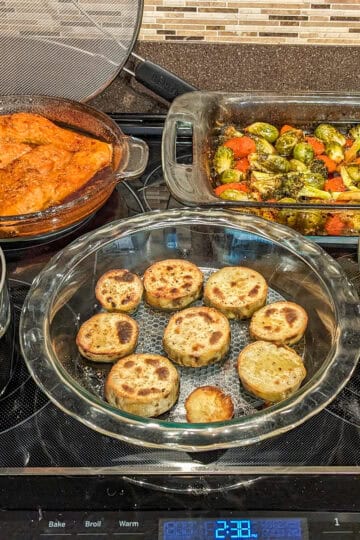
- Braised Chicken | Mexican-Style with Roasted Tomato Sauce
- Baked Cheesy Spicy Tomato Basil Chicken and Broccolini
- Spicy Chicken Vegetable Stew with Harissa Tomato Sauce
If Fresh Berries Are Part of a Recall
Because berries are delicate and usually eaten fresh, they've occasionally been associated with parasites such as Cyclospora and Hepatitis A virus, depending on the type of berry and the source of contamination. If a recall affects fresh berries, cooked fruit, frozen fruit from unaffected products, or other seasonal fruit, you can help maintain a healthy diet.
| Instead of... | Try... |
|---|---|
| Fresh berries | Frozen berries* |
| Berry parfait | Cooked fruit compote |
| Berry topping | Sliced bananas |
| Fresh fruit salad | Citrus segments |
| Mixed berries | Apples or pears |
*Always check whether frozen products are included in the recall before purchasing.
Recipe Ideas:
- Banana Berry Corn Muffins with Greek Yogurt (frozen berries)
- Fresh Berry Apple Pecan Chicken Salad with Goat Cheese (frozen berries & Apples)
Important: The microorganisms ↗ listed above are examples of hazards that have been associated with recalls or outbreak investigations involving these foods in the past. They do not mean every recall involves the same bacteria or parasite. Always read the official recall notice to understand the specific reason for a recall.
Also, focusing on the meal instead of a single ingredient makes it much easier to keep cooking healthy, flavorful food. When I need to swap an ingredient due to a recall, I don't try to replace it with an identical ingredient.
Instead, I think about the role it plays in the meal. If a salad is off the menu, I'll make a warm grain bowl with roasted vegetables. If fresh herbs are unavailable, I'll build flavor with dried herbs, citrus, spices, or a simple homemade sauce.
What to Cook Instead During a Food Recall
A food recall doesn't mean healthy eating has to stop. Instead of centering meals around ingredients that may be under investigation, build your plate with cooked vegetables, whole grains, lean proteins, legumes, and other wholesome ingredients that fit your lifestyle. These meal ideas are designed to be flexible, making it easy to substitute ingredients while still enjoying balanced, homemade meals.
Healthy Breakfast Ideas
Starting your day with a balanced breakfast can help you stay energized while reducing the need to rely on recalled ingredients.
| Instead of... | Try... |
|---|---|
| Fresh berry yogurt parfait | Greek yogurt with sliced bananas or cooked apples |
| Green smoothie | Oatmeal topped with cinnamon and fruit |
| Breakfast salad | Vegetable omelet with sautéed vegetables |
| Fresh fruit bowl | Warm baked apples or pears |
Recipe Ideas
Healthy Lunch Ideas
Simple lunches built around cooked vegetables and lean proteins can be satisfying and easy to customize.
| Meal Idea | Healthy Swaps |
|---|---|
| Grain bowl | Roasted vegetables, beans, grilled chicken, quinoa, or brown rice |
| Soup | Add cooked vegetables, beans, or shredded chicken |
| Wrap | Use roasted vegetables instead of raw salad greens if needed |
| Rice bowl | Pair cooked vegetables with your favorite protein |
Healthy Dinner Ideas
Dinner is often the easiest meal to adapt because most vegetables and proteins are cooked before serving.
| Meal | Easy Ingredient Swaps |
|---|---|
| Stir-fry | Use frozen or cooked vegetables instead of recalled produce |
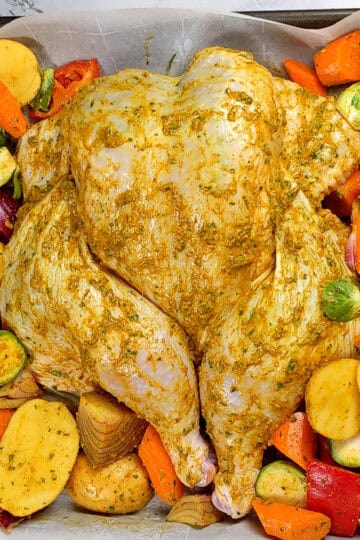
| Sheet pan dinner | Roast vegetables with chicken, fish, or tofu |
| Braised chicken | Serve with roasted vegetables and rice |
| Pasta | Toss with cooked vegetables and a homemade sauce |
| Soup or stew | Add pantry staples, beans, and seasonal vegetables |
Keep These Pantry Staples on Hand
Keeping a well-stocked pantry makes it easier to prepare nutritious meals even when you need to avoid a recalled ingredient.
- Brown rice
- Quinoa
- Pasta
- Dry or canned beans
- Lentils
- Canned tomatoes
- Low-sodium broth
- Frozen vegetables
- Frozen fruit
- Olive oil
- Dried herbs and spices
These versatile ingredients can help you prepare soups, grain bowls, casseroles, stir-fries, and other homemade meals while you wait for updated recall information. For Example:
- Bang Bang Crispy Tofu with Egg Fried Brown Rice
- Easy Spiced Brown Rice & Quinoa Recipe - Flavorful & Healthy
- Pasta and Lentil Soup Recipe (Italian Style)
- Braised Chicken | Mexican-Style with Roasted Tomato Sauce
- 3 DIY Salt-Free Spice Blends to Boost Weeknight Meals
One thing I've learned over the years is that flexibility is one of the best kitchen skills you can develop. When an ingredient I planned to buy isn't available or is part of a recall, I don't scrap the recipe. I simply look at what role that ingredient plays and choose another vegetable, protein, or pantry staple that offers a similar flavor, texture, or nutritional profile.
That's one of the easiest ways to keep cooking confidently without making grocery shopping feel stressful.
Current Food Recall Updates
Food recalls and foodborne illness investigations can change quickly as new information becomes available. I update this section with notable recalls that may affect home cooks, but I always recommend checking the official recall notice before making decisions about the food in your kitchen.
July 2026: Cyclospora Investigation
Health officials are investigating a multistate outbreak of Cyclospora infections linked to fresh produce. At the time of this update, investigators are working to identify the specific source, and recommendations may change as more information becomes available.
I read and highly recommend a 2020 international peer-reviewed article about this parasite's outbreak history, called Cyclospora Cayetanensis-Major Outbreaks from Ready-to-Eat Fresh Fruits and Vegetables from the Food's open access journal.
If you regularly eat fresh salads, herbs, or raw produce, this may be a good time to:
- Verify whether any products you purchased are included in an official recall↗.
- Choose cooked vegetables or unaffected produce while the investigation continues.
- Follow updates from the FDA, CDC, and FoodSafety.gov for the latest information.
Official Resources
Last Updated: July 2026
Frequently Asked Questions
Here is a list of common questions I have answered. If you have any questions, please write them in the comments below.
Focus on balanced meals made with ingredients unaffected by the recall. Cooked vegetables, whole grains, lean proteins, beans, legumes, and pantry staples can help you continue eating healthy while you verify whether products in your kitchen are part of a recall.
No. Most recalls apply only to specific products, brands, lot codes, or expiration dates. Before discarding food, compare the product in your kitchen with the official recall notice to determine whether it is actually affected.
Yes, in many cases. Frozen vegetables, canned beans, canned tomatoes, frozen fruit, and other shelf-stable ingredients can make excellent substitutes while fresh products are under investigation. Always check whether frozen or canned products are included in the recall before purchasing or using them.
The best way is to rely on official sources rather than social media. I recommend checking FoodSafety.gov, the FDA, the USDA Food Safety and Inspection Service (FSIS), and the CDC for the latest recall notices and foodborne illness investigations.
Absolutely. A food recall doesn't mean giving up healthy eating. Swapping recalled ingredients for other vegetables, fruits, whole grains, lean proteins, or legumes can help you continue preparing balanced, flavorful meals while following the latest recall guidance.
Check the product name, brand, lot code, best-by or expiration date, and any other identifying information listed in the official recall notice. If all the details match, follow the agency- or manufacturer-provided instructions for returning or safely disposing of the product.
More Food Safety Tips
Below are more food safety cooking tips explained with simple applications.
- Internal Meat Temperature Chart (Printable Guide)
- What Is HACCP and Why Every Home Cook Should Care About It
- Holiday Kitchen Safety Tips: How to Cook, Serve, and Store
- What is Salmonella? For Home Cooks | Causes and Tips


Cooking Tips and Tutorials
If you found this tutorial helpful, you'll love my Cook's Notebook collection. From knife skills and flavor bases to time-saving tricks and essential equipment guides, this section is packed with chef-tested lessons to help you cook with confidence.
- What Is Emulsification? A Simple Guide to Creamier Sauces and Dressings
- Homemade Baby Food: How to Prep, Freeze & Build Easy Meals
- Summer Seasonal Produce: A Guide to Fruits and Vegetables in Season
- The Best Cooking Shows on Prime Video for Curious Home Cooks

This article provides general cooking and meal-planning guidance during food recalls. For the latest recall notices and food safety recommendations, always refer to the FDA, USDA, CDC, and FoodSafety.gov.


Chef Maika Frederic-Liebman
Chef and Educator
Professionally trained Haitian-American chef Maika Frederic is the creator of Just Maika Cooking, where she shares globally inspired recipes, cooking techniques, ingredient guides, and food safety tips designed to help home cooks become more creative and confident in the kitchen. Combining years of professional culinary experience with a passion for teaching, she makes global flavors approachable through practical, accessible instruction for cooks of every skill level.
SUBSCRIBE: 👈To my YouTube Channel to Get Notifications of New Videos.
Have a Comment or Question?
If you have a question or comment about this post, please post it below. You will receive a prompt response. It also helps our other readers to stay informed. Thanks!

Leave a Reply