Welcome to my collection of West African-inspired recipes, where I explore ingredients, flavors, and cooking traditions from one of the world's most diverse culinary regions. From deeply seasoned tomato and pepper bases to peanuts, leafy greens, grains, and warming spices, West African cooking continues to influence how I think about building flavor.
The recipes here aren't meant to represent every West African cuisine or always recreate traditional dishes. Instead, this collection includes recipes inspired by West African ingredients and techniques, as well as dishes that explore connections among African, Caribbean, and other global food traditions.
Why West African Cuisine Inspires My Cooking
One of the things that draws me to West African cooking is how familiar many of its ingredients and flavor combinations can feel, yet still offer something new to learn.
Peppers, plantains, rice, beans, leafy greens, okra, peanuts, root vegetables, and boldly seasoned stews all have important places within different West African cuisines. Many of these foods and cooking traditions also have deep connections to the Caribbean and the wider African diaspora.

As a Haitian-inspired cook, exploring those connections gives me another way to understand ingredients and techniques that have traveled, changed, and become part of different culinary traditions across generations.
What Is West African Cuisine?
There isn't one single West African cuisine. The region includes countries such as Nigeria, Ghana, Senegal, Mali, Guinea, Sierra Leone, Liberia, Côte d'Ivoire, Benin, Togo, The Gambia, Burkina Faso, Niger, and others, each with its own foods, languages, histories, and regional cooking traditions.
Across the region, however, you will find cuisines built around ingredients such as rice, millet, sorghum, fonio, cassava, yams, plantains, beans, peanuts, tomatoes, peppers, okra, leafy greens, fish, seafood, and meats.
Stews, soups, porridges, grilled foods, rice dishes, fried foods, and flavorful sauces are all important, but the ingredients and preparation can change considerably from one country, community, and household to another.
The Flavors That Define West African Cooking
West African cooking can be savory, earthy, smoky, nutty, spicy, tangy, or slightly sweet depending on the dish and where it comes from.
Tomatoes, onions, peppers, ginger, garlic, fermented ingredients, dried seafood, peanuts, palm products, herbs, and spices can all contribute layers of flavor. Chiles are particularly important in many cuisines, bringing everything from gentle warmth to serious heat.
Texture matters just as much. A meal might combine a thick stew with rice, a smooth or stretchy starch with soup, crisp fried plantains with a spicy condiment, or tender greens with richly seasoned meat or fish.
A Brief History of West African Cuisine
West African food traditions stretch back thousands of years and developed around local agriculture, trade, geography, and the knowledge of generations of cooks. Indigenous grains such as fonio, millet, and sorghum, along with yams, African rice, leafy vegetables, legumes, and other crops, helped sustain communities long before many ingredients now associated with the region arrived.
Centuries of trade introduced additional foods and spices, while ingredients from the Americas, including tomatoes, cassava, peanuts, and chile peppers, eventually became deeply integrated into many regional cuisines.
The movement of West African people through the transatlantic slave trade also profoundly influenced foodways outside Africa. Enslaved Africans carried agricultural knowledge, cooking techniques, food preferences, and culinary traditions that would help shape cuisines throughout the Caribbean and the Americas.
West African Cuisine and the African Diaspora
The influence of West African food extends far beyond the continent.
Connections can be found throughout the Caribbean, Brazil, Louisiana, and the American South, although these cuisines developed under their own distinct historical and cultural circumstances. Ingredients and traditions involving rice, okra, black-eyed peas, greens, peanuts, plantains, stews, and seasoned rice dishes are part of this much larger story.
For me, these connections are particularly fascinating when exploring Haitian food. Haiti's cuisine developed through a complex history that includes strong West and Central African foundations alongside Indigenous Caribbean, French, and other influences.
Rather than assuming that one modern dish directly descended from another, I like looking at the broader culinary patterns the ingredients, techniques, and ways of building flavor that survived, adapted, and developed differently across the African diaspora.
Ingredients You'll Find in My West African-Inspired Cooking
You may see ingredients such as peanuts, tomatoes, chile peppers, mushrooms, collard greens, rice, fonio, plantains, ginger, garlic, onions, and warming spices throughout this collection.
Some are traditional ingredients used within particular West African cuisines, while others are ingredients I use to create my own interpretations.
Fonio is one ingredient I'm especially excited to cook with. This tiny ancient grain has been cultivated in West Africa for thousands of years and works beautifully as a base for salads, grain bowls, vegetables, and flavorful proteins.
West African-Inspired Recipes to Explore
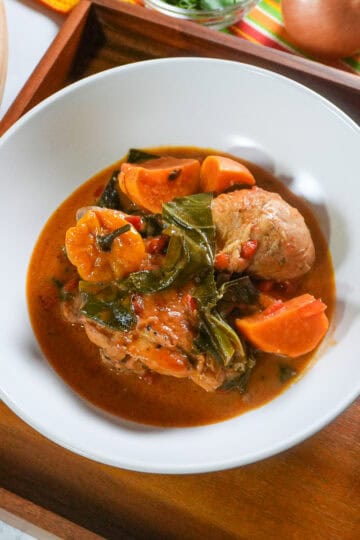
My West African Peanut Stew with Chicken and Collard Greens brings together peanuts, tender chicken, vegetables, and greens in a rich, comforting stew inspired by the peanut-based dishes found across parts of West Africa.
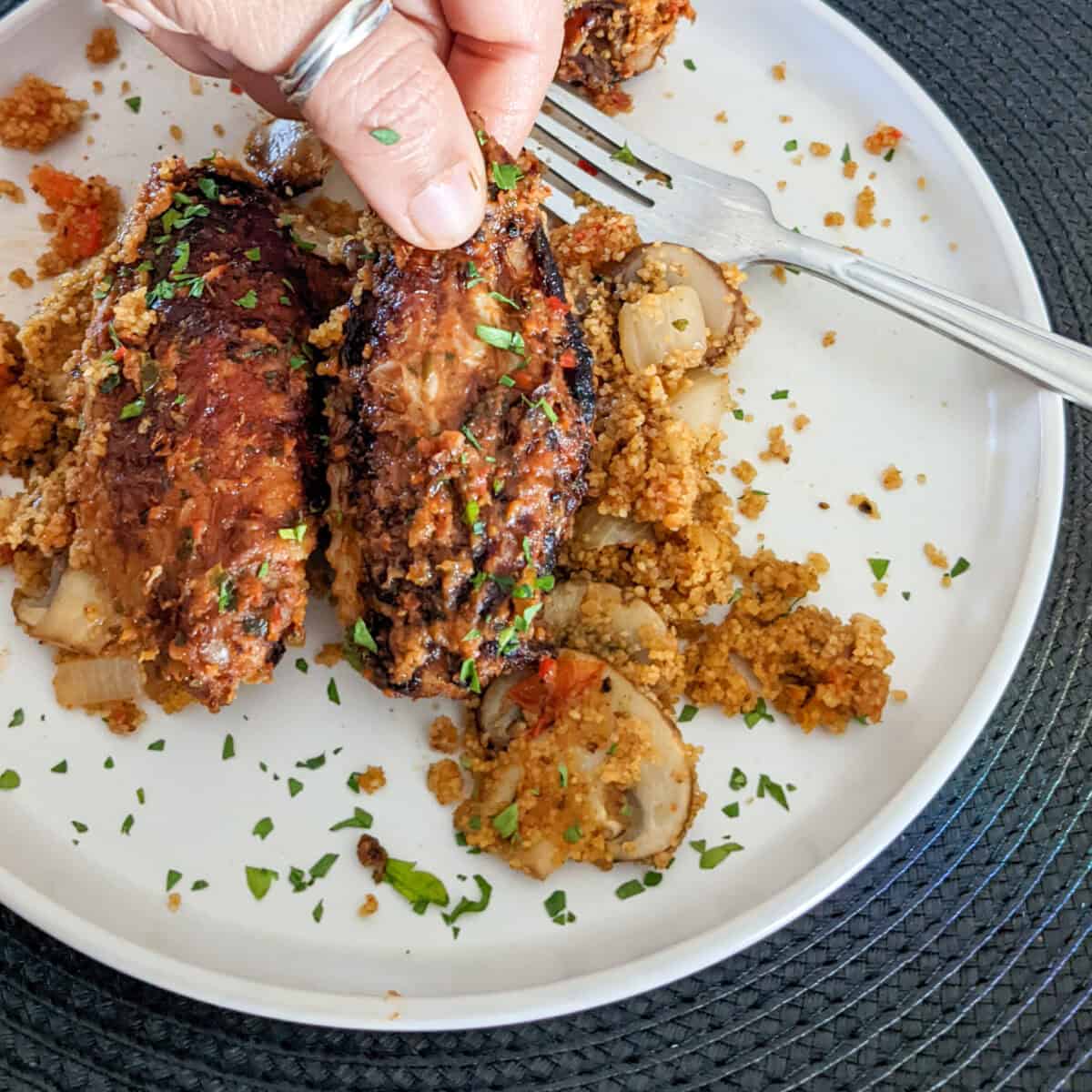
For a rice-centered meal, try my Spicy Peanut Chicken Wings with Mushroom Jollof, which pairs spicy chicken wings with my mushroom-filled interpretation of jollof.
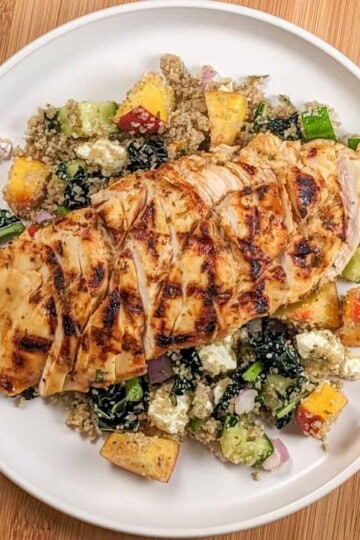
My Peach Piri-Piri Chicken with Fonio Kale Salad combines fiery piri-piri-inspired flavors with fonio for a meal influenced by several African culinary traditions.
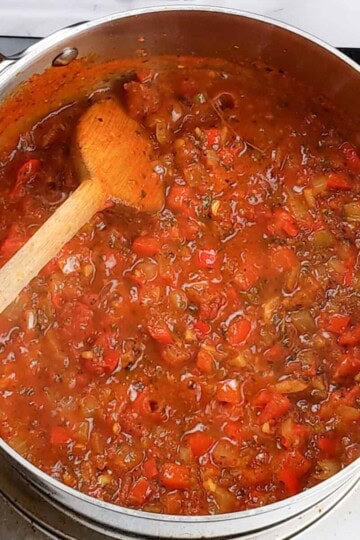
You'll also find recipes such as my Spicy Tomato Farro Risotto with Shrimp, Mushrooms, and Peas, where West African flavor inspiration meets ingredients and techniques from elsewhere in the world.
Note From Chef Maika
West African cuisine deserves to be understood not only for its influence on other cuisines but also for the extraordinary diversity of the food traditions within West Africa itself.
At the same time, learning about these cuisines can help us better understand how connected our food really is. Ingredients migrate. People carry cooking knowledge with them! Techniques survive in new forms. Recipes adapt to new landscapes and available ingredients.
That's one reason I enjoy exploring global cuisine. A pot of rice, a pepper sauce, a bowl of greens, or a peanut-based stew can lead to a much larger story about agriculture, migration, history, resilience, and the ways people remain connected through food.
Explore My West African-Inspired Recipes
Browse the recipes below to discover the West African flavors, ingredients, and culinary traditions that inspire my cooking. As this collection grows, I'll continue adding recipes that give me an opportunity to learn more about the region while experimenting with these flavors in my own kitchen.