

A practical summer seasonal produce guide to help you choose, store, and enjoy peak-season fruits and vegetables with simple cooking and recipe ideas.
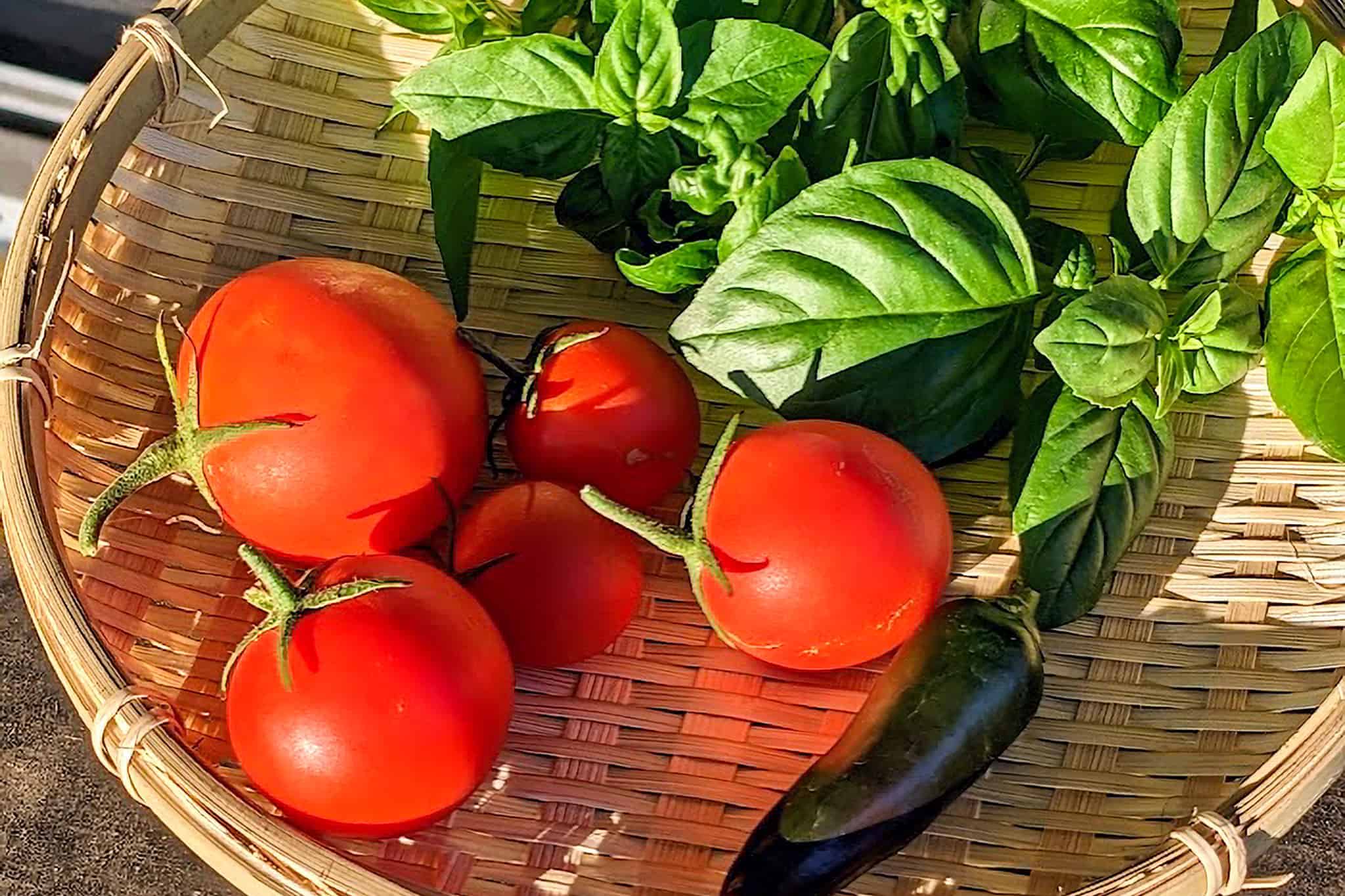
Table of Contents
Jump to:
- What's in Season This Summer?
- Why You'll Love This Summer Produce Guide
- What Does Seasonal Produce Mean?
- When Is Summer Produce in Season?
- Summer Seasonal Fruits
- Summer Seasonal Vegetables
- Don't Forget Your Local Growing Season
- Farmers Market vs. Grocery Store Produce
- How to Choose Fresh Summer Produce
- Summer Produce Storage Tips
- An Easy Way to Cook More Seasonal Produce
- Build a Simple Summer Produce Meal
- What About Produce Available Year-Round?
- Start With One Seasonal Ingredient
- Kitchen Tools I Use and Recommend
- Frequently Asked Questions
- Summer Recipes
- Cooking Tips and Tutorials
- Have a Comment or Question?
What's in Season This Summer?
Summer is one of the best times of year to explore fresh produce. From juicy peaches and ripe tomatoes to sweet corn, green beans, and summer squash, the warmer months bring plenty of colorful ingredients to grocery stores and farmers' markets.
This summer seasonal produce guide will help you recognize what's in season, choose fruits and vegetables at peak freshness, store them properly, and find simple ways to use them in your everyday cooking.
Seasonal eating doesn't mean you can only buy these foods during summer. Many fruits and vegetables are available year-round. Instead, think of this guide as a way to recognize when certain ingredients may be at their peak season for flavor, freshness, and local availability.
Why You'll Love This Summer Produce Guide
- Shop with more confidence: Learn which seasonal fruits and vegetables to look for during the summer months.
- Choose better produce: Know what to look, smell, and feel for when selecting fresh produce.
- Reduce food waste: Simple storage tips can help your fruits, vegetables, and fresh herbs last longer.
- Cook with the season: Get easy recipe ideas to turn peak-season produce into fresh meals without overcomplicating the cooking.
What Does Seasonal Produce Mean?
Seasonal produce refers to fruits and vegetables harvested during their natural growing and harvest window in a particular region.
Buying in-season produce can mean better flavor because fruits and vegetables may be harvested closer to peak ripeness. Shopping locally can also mean your food travels a shorter distance between the farm and your kitchen.
But seasonality isn't an exact calendar.
Where you live, weather conditions, growing methods, and the variety being grown can all affect when something reaches peak season. A fruit available in early summer in one area may not reach its prime until several weeks later somewhere else.

That's why you should use seasonal produce lists as guides rather than strict rules.
Note From Chef Maika
Once I learned which produce was in season, meal planning became much easier. I could build meals around fruits and vegetables at their peak flavor, try different ingredients throughout the year, and make better use of what was available locally. It's also a simple way to support local farmers when you have access to farmers' markets and locally grown produce.
Recommended Reads
- Spring Seasonal Produce Guide: What to Cook Fresh This Season
- Winter Seasonal Produce Guide: What's In Season
- Summer Outdoor Meal Ideas for Backyard Entertaining
- Meal Plan of the Week: Brunch All Day Recipes to Kick Off Summer
- Best of Fall Recipes | Cozy Soups, Stews & Comfort Food for Autumn
When Is Summer Produce in Season?
In North America, the summer produce season generally stretches from late spring through early fall, with the widest selection appearing during the summer months.
Early Summer
As late spring transitions into summer, look for produce such as:
- Cherries
- Strawberries
- Blueberries
- Snap peas
- Green beans
- Zucchini
- Yellow squash
- Fresh herbs
- Leafy greens
Mid-Summer
Hot days bring some of summer's most recognizable seasonal foods:
- Peaches
- Nectarines
- Plums
- Watermelon
- Tomatoes
- Bell peppers
- Sweet corn
- Cucumbers
- Eggplant
- Summer squash
Late Summer
By late August and early fall, you'll often see an overlap between summer favorites and the first ingredients we associate with fall:
- Tomatoes
- Peppers
- Eggplant
- Figs
- Melons
- Grapes
- Sweet corn
- Green beans
- Lima beans
- Fresh herbs
Availability will vary depending on your local growing season.
Summer Seasonal Fruits
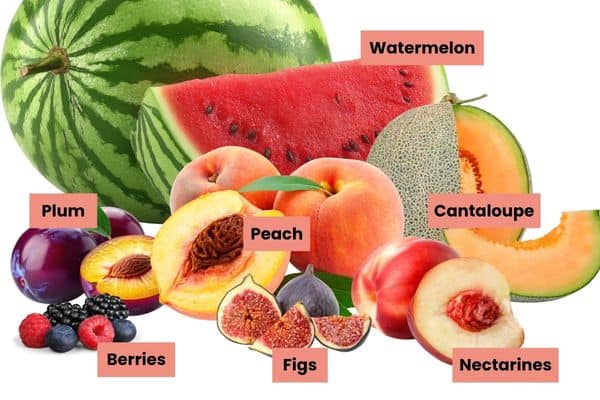
Summer fruits are naturally suited to simple meals because so many of them require little preparation. Enjoy them fresh, add them to salads, grill them, blend them into sauces, or turn extra-ripe fruit into something new before it goes to waste.
Peaches
- Peak season: Mid to late summer
- How to choose: Look for fragrant peaches that feel heavy for their size. A ripe peach should give slightly when pressed gently without feeling mushy. Avoid fruit with large dark spots or damaged skin.
- Storage: Keep firm peaches at room temperature, out of direct sunlight, until ripe. Once ripe, refrigerate them to slow further softening.
- Easy ways to use them: Slice juicy peaches into oatmeal, yogurt, salads, salsas, or desserts. They're also delicious grilled.
Nectarines
- Peak season: Summer
- How to choose: Look for smooth, firm skin without bruising. Like peaches, ripe nectarines should have a little give when gently squeezed.
- Storage: Ripen at room temperature and refrigerate once ripe.
- Easy ways to use them: Eat them fresh, add them to salads, or use them anywhere you'd normally use peaches.
Plums
- Peak season: Mid to late summer
- How to choose: Choose plums with smooth skin that feel heavy for their size. They should soften slightly as they ripen.
- Storage: Allow firm plums to ripen at room temperature before refrigerating them.
- Easy ways to use them: Add sliced plums to salads, oatmeal, desserts, sauces, or enjoy them as a simple snack.
Cherries
- Peak season: Late spring through early summer. Cherry season is relatively short, making them one of the seasonal fruits worth enjoying when they're abundant.
- How to choose: Look for glossy, plump cherries with firm skin and fresh-looking stems.
- Storage: Refrigerate cherries and wash them just before eating rather than before storage.
- Easy ways to use them: Eat them fresh, add them to yogurt and oatmeal, or use them in sauces, salads, and desserts.
Berries
Summer brings an abundance of strawberries, blueberries, blackberries, and raspberries.
- How to choose: Look for brightly colored berries without mold, excess moisture, or soft and leaking fruit.
- Storage: Keep berries refrigerated and remove any damaged fruit, as it can cause the rest of the container to spoil more quickly.
- Easy ways to use them: Add fresh fruit to breakfast, smoothies, salads, desserts, or freeze extras for later.
Watermelon
- Peak season: Summer
- How to choose: Look for a watermelon that feels heavy for its size with firm skin and a creamy yellow spot where it rested on the ground.
- Storage: Keep an uncut watermelon in a cool place. Refrigerate cut watermelon in a covered container.
- Easy ways to use it: Serve cold as a snack, add it to fruit salads, pair it with savory ingredients, or blend it into refreshing drinks.
Cantaloupe and Other Melons
- Peak season: Summer
- How to choose: Depending on the variety, ripe melons should feel heavy and may have a noticeable sweet aroma.
- Storage: Refrigerate ripe and cut melons.
- Easy ways to use them: Serve chilled, add to fruit salads, pair with savory ingredients, or blend into smoothies.
Figs
- Peak season: Summer into early fall
- How to choose: Fresh figs should feel soft but not mushy, with intact skin and no sour smell.
- Storage: Figs are delicate. Refrigerate them and use them fairly quickly.
- Easy ways to use them: Add figs to salads, toast, yogurt, cheese boards, or simple desserts.
Summer Seasonal Vegetables
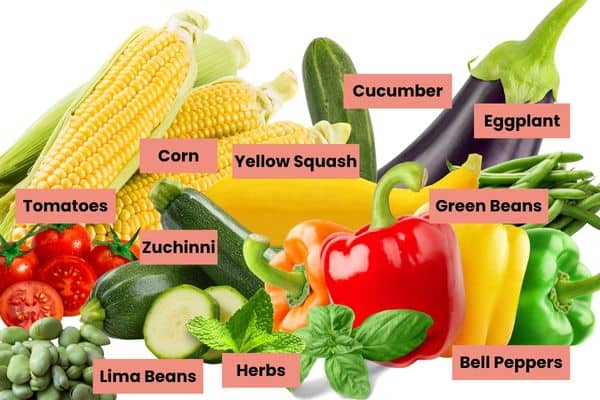
Summer vegetables are ideal for quick cooking. Many can be grilled, sautéed, roasted, air-fried, or eaten raw, making them especially useful when you don't want to spend a long time in the kitchen.
Tomatoes
- Peak season: Mid to late summer. Few ingredients demonstrate the difference between year-round availability and peak flavor as clearly as tomatoes.
- How to choose: Look for ripe tomatoes with vibrant color that feel heavy and slightly tender without being overly soft.
- Storage: Whole tomatoes with good flavor are generally best kept at room temperature until fully ripe. Refrigeration can help slow the ripening of very ripe tomatoes if you aren't ready to use them.
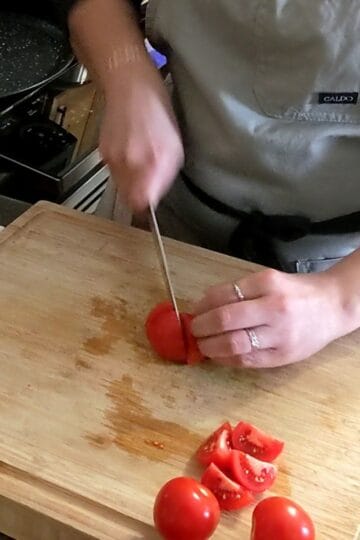
- Easy ways to use them: Make tomato salads, salsa, pasta sauce, sandwiches, bruschetta, soups, or quick pan sauces. Cherry tomatoes are particularly useful for fast meals because they require very little preparation.
Sweet Corn
- Peak season: Summer
- How to choose: Look for ears with fresh green husks and plump kernels. The silk may be slightly brown at the tip but shouldn't be excessively dry.
- Storage: Refrigerate corn and use it while it's fresh for the best flavor.
- Easy ways to use it: Grill, boil, roast, or cut the kernels from the cob for salads, salsas, soups, and grain bowls.
Zucchini and Yellow Squash
- Peak season: Summer. Zucchini and yellow squash are both types of summer squash, known for their tender skin and quick cooking time.
- How to choose: Look for firm skin without soft areas or large black spots. Smaller and medium-sized squash tend to have a tender texture.
- Storage: Refrigerate unwashed squash until you're ready to use it.
- Easy ways to use it: sauté, grill, roast, air-fry, shred into fritters, or add it to pasta and stir-fries.
Bell Peppers
- Peak season: Summer into early fall
- How to choose: Choose bell peppers with smooth, firm skin and vibrant color. They should feel heavy and crisp rather than soft or wrinkled.
- Storage: Refrigerate whole bell peppers until ready to use.
- Easy ways to use them: Slice them for salads and snacks, sauté them with onions, grill them, stuff them, or add them to stir-fries.
Green Beans
- Peak season: Summer
- How to choose: Look for bright green beans that feel firm and snap when bent. Avoid beans that are limp or heavily spotted.
- Storage: Keep them refrigerated in a loosely closed or perforated plastic bag or produce container.
- Easy ways to use them: Blanch, steam, sauté, roast, or quickly stir-fry them with garlic and olive oil.
Cucumbers
- Peak season: Summer
- How to choose: Look for cucumbers that feel firm, have evenly colored skin, and have no large soft areas.
- Storage: Refrigerate and keep them dry until you're ready to use them.
- Easy ways to use them: Slice into salads, make quick pickles, add them to sandwiches, or serve them with dips.
Eggplant
- Peak season: Mid to late summer
- How to choose: Look for eggplant with smooth, shiny, firm skin. It should feel relatively heavy for its size without soft spots.
- Storage: Store eggplant in a cool place if using soon, or refrigerate it for longer storage.
- Easy ways to use it: Grill, roast, sauté, or cook it into sauces, curries, stews, and skillet meals.
Lima Beans
- Peak season: Mid to late summer
- Fresh lima beans are a seasonal treat that you may encounter at a local farmers market even if you normally buy them frozen.
- How to choose: If buying them in the pod, look for plump, firm pods without extensive discoloration.
- Storage: Refrigerate fresh beans and use them relatively quickly.
- Easy ways to use them: Simmer until tender and add to soups, stews, salads, succotash, and vegetable sides.
Fresh Herbs
Basil, mint, cilantro, parsley, and other fresh herbs can be particularly abundant during warmer months.
- How to choose: Look for bright leaves without extensive wilting, yellowing, or dark spots.
- Storage: The best way to store fresh herbs depends on the variety. Some benefit from being treated like flowers in a small amount of water, while others keep well, wrapped in a slightly damp paper towel, in the refrigerator.
- Easy ways to use them: Add herbs to salads, sauces, marinades, dressings, grain bowls, vegetables, and finished dishes for an easy boost of fresh flavor.
Don't Forget Your Local Growing Season
A seasonal produce guide can't tell you exactly what's being harvested where you live.
Your local farmers market is one of the easiest ways to see what's actually in season in your local community. If several growers suddenly have piles of tomatoes, peaches, corn, or another ingredient, there's a good chance you've reached prime time for that crop locally.
Your local grocery store can also provide seasonal clues. Produce that's suddenly abundant, prominently displayed, and reasonably priced may be entering its peak harvest window.
Farmers Market vs. Grocery Store Produce
You don't have to shop exclusively at a farmer's market to practice seasonal eating.
Local markets can introduce you to varieties that aren't commonly carried by larger grocery stores, while supermarkets make fresh produce accessible and convenient throughout the entire year.
Use whichever option works for your household.
The goal isn't to follow rigid rules. It's about becoming more aware of what's growing around you and recognizing opportunities to enjoy produce at its peak flavor and freshness.
How to Choose Fresh Summer Produce
You don't need to memorize dozens of rules. Start by using your senses.
Look
Choose produce with vibrant color and firm skin appropriate for that fruit or vegetable. Avoid obvious mold, leaking, deep bruises, or significant damage.
Feel
Produce should generally feel appropriately firm and heavy for its size. Some ripe fruits, such as peaches, should yield slightly to gentle pressure.
Smell
Aromatic fruits such as peaches and melons may develop a noticeable fragrance as they ripen.
Think about when you'll use it
The ripest fruit isn't always the best purchase. If you're shopping several days ahead, choosing slightly firmer fruit and allowing it to ripen at home may reduce waste.
Summer Produce Storage Tips
Buying beautiful seasonal produce doesn't help if half of it spoils before you cook it.
A few simple habits can make a big difference:
- Keep produce that needs to ripen at room temperature away from direct sunlight.
- Refrigerate highly perishable produce once appropriate.
- Keep berries and other delicate fruits from sitting in excess moisture.
- Remove spoiled produce before it affects nearby fruits or vegetables.
- Store delicate items in a single layer when possible to reduce crushing.
- Learn which produce should be washed immediately and which lasts longer when washed just before use.
- Check what you already have before buying more.
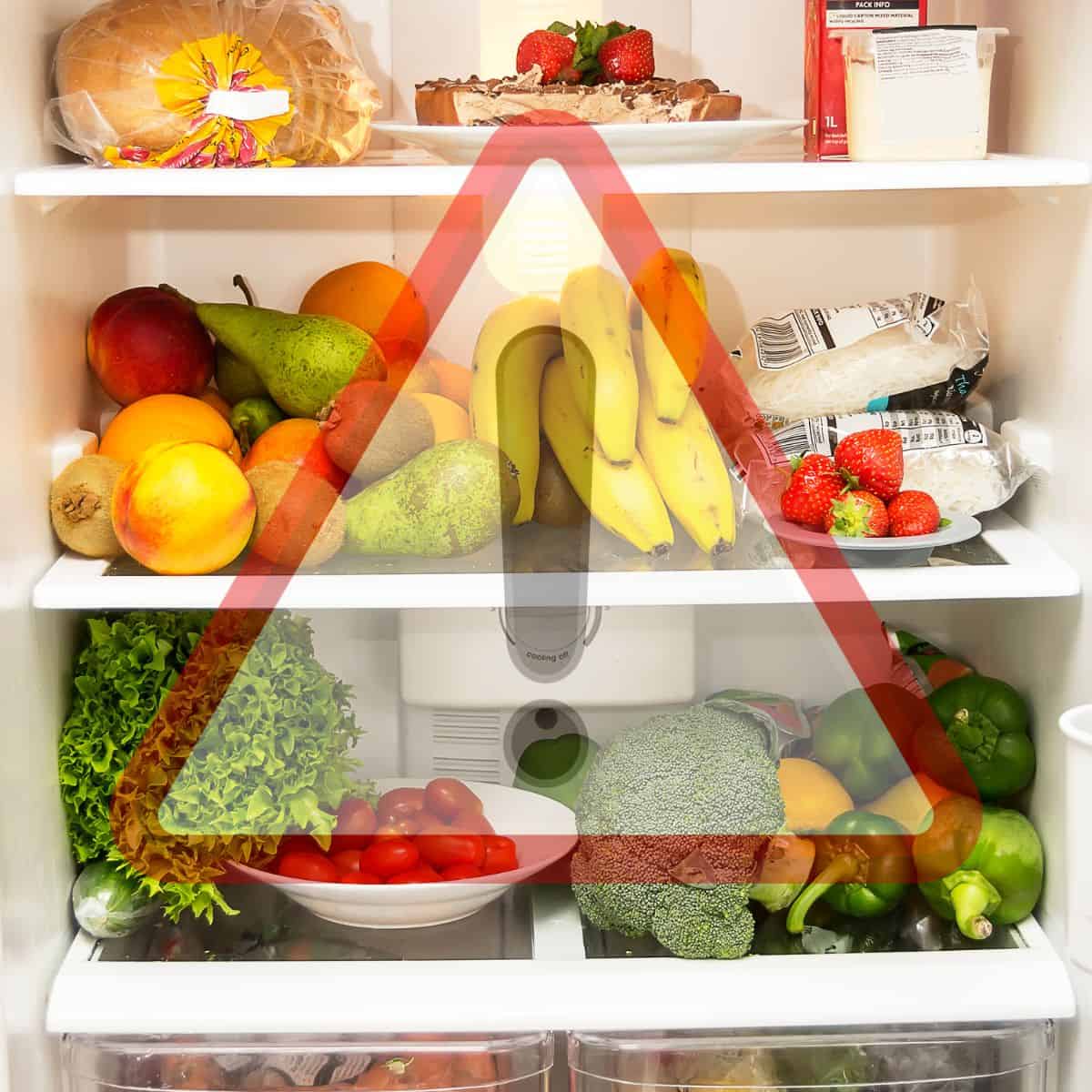
Most importantly, plan around the most perishable ingredients first.
If you bought berries, leafy greens, peaches, cabbage, and sweet potatoes, don't automatically cook the sweet potatoes first simply because they're part of your meal plan. Use the ingredients with the shortest storage life first and save longer-lasting produce for later in the week.
An Easy Way to Cook More Seasonal Produce
You don't need a special seasonal recipe every time you bring home a vegetable.
Instead, learn a few flexible cooking methods:
Grill it:
Peaches, corn, zucchini, eggplant, bell peppers, and onions are excellent choices for grilling.
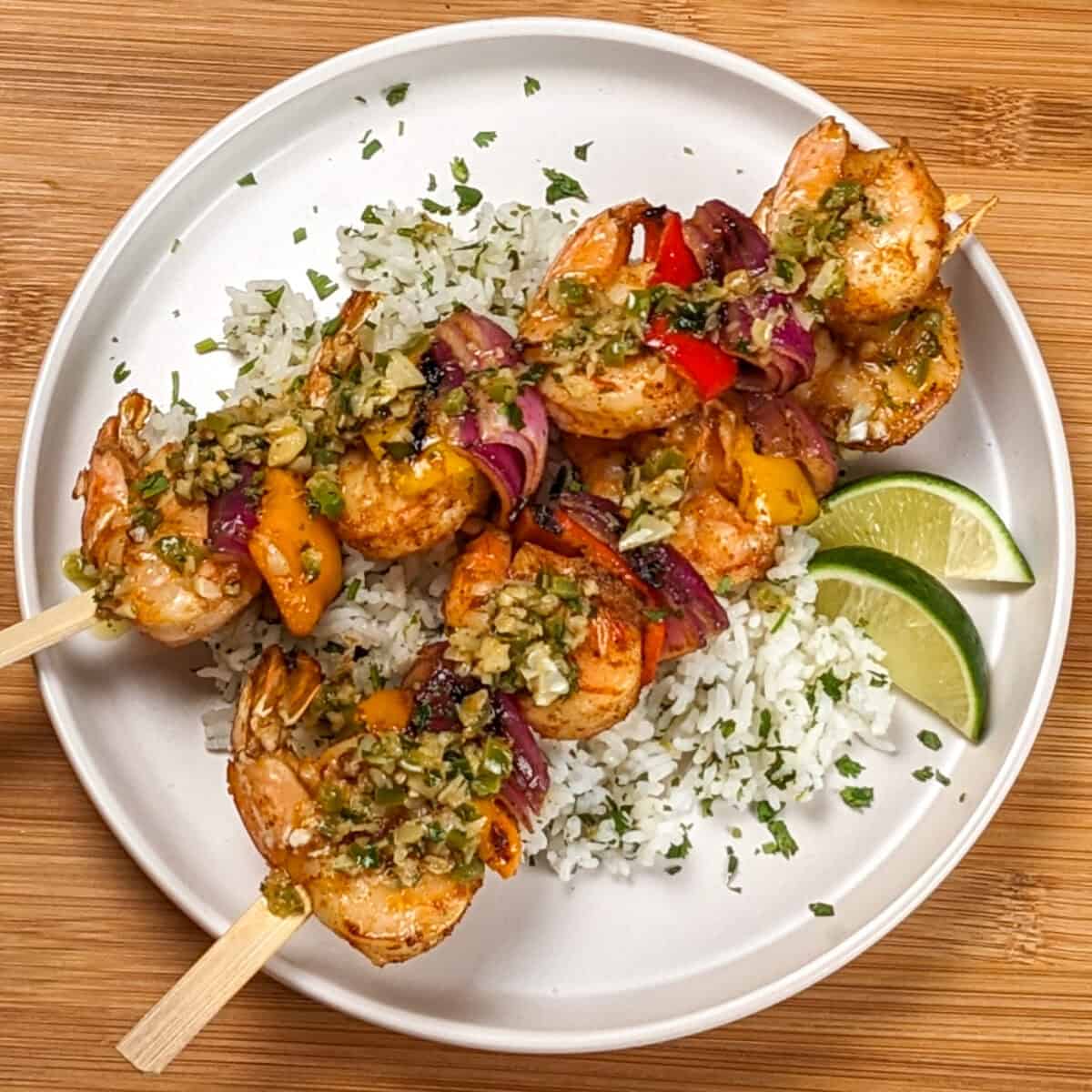
Roast or air-fry them:
Green beans, peppers, tomatoes, zucchini, and eggplant can become easy sides with olive oil and seasonings.
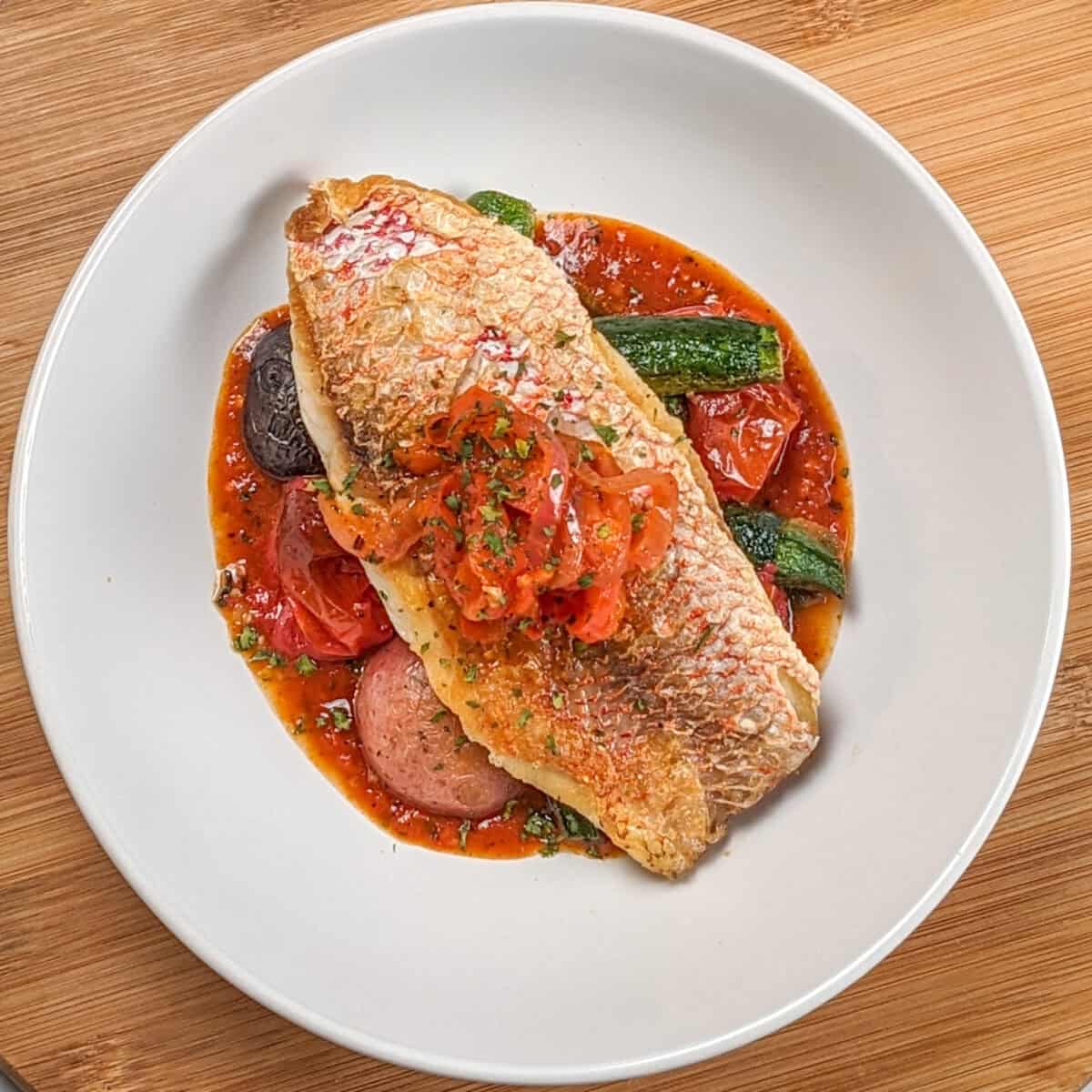
Sauté it:
Summer squash, green beans, corn, tomatoes, and leafy greens can quickly become part of a fresh meal.
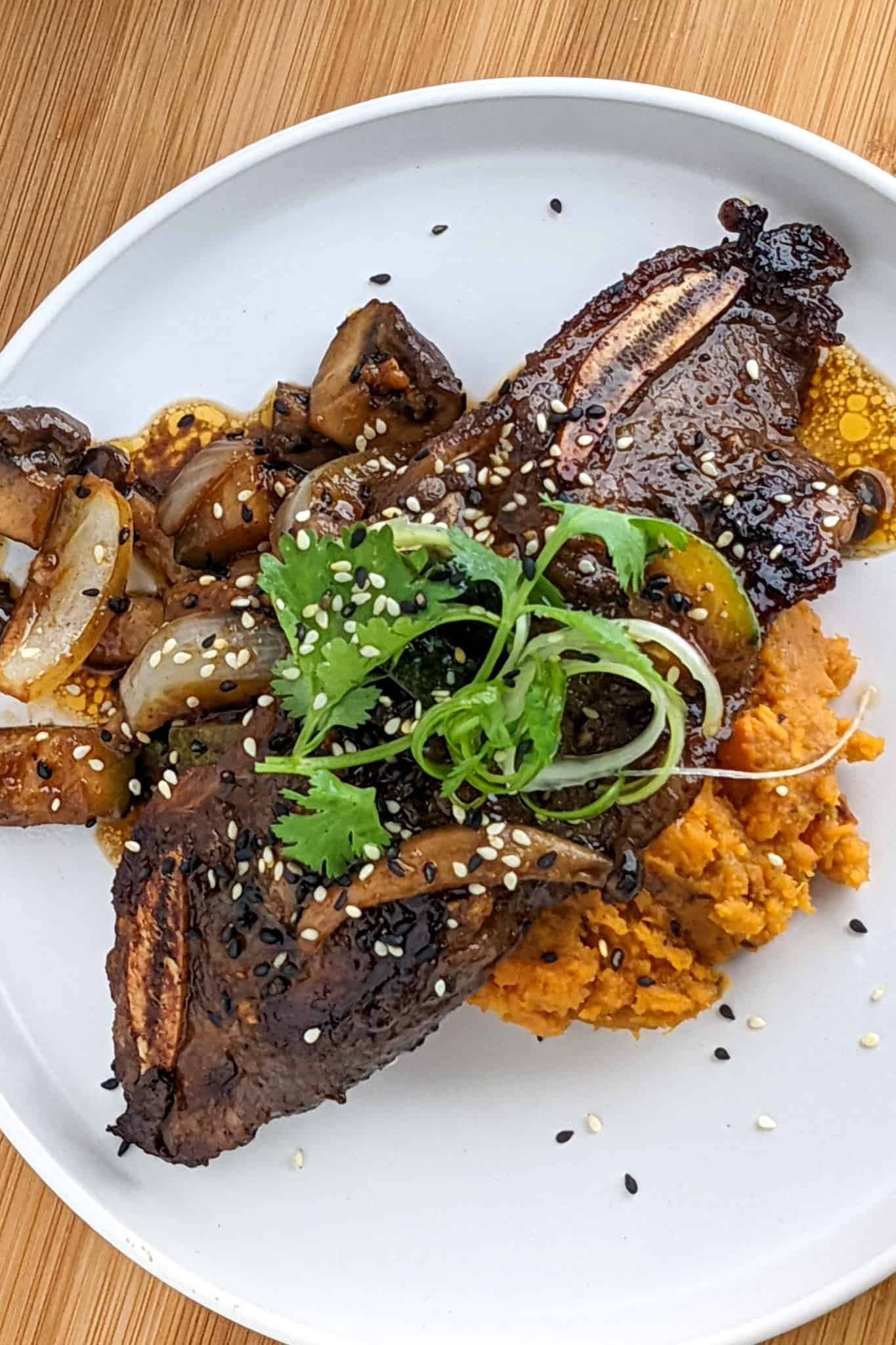
Keep it raw:
Tomatoes, cucumbers, bell peppers, herbs, peaches, berries, and melons need very little preparation when they're already at peak flavor.
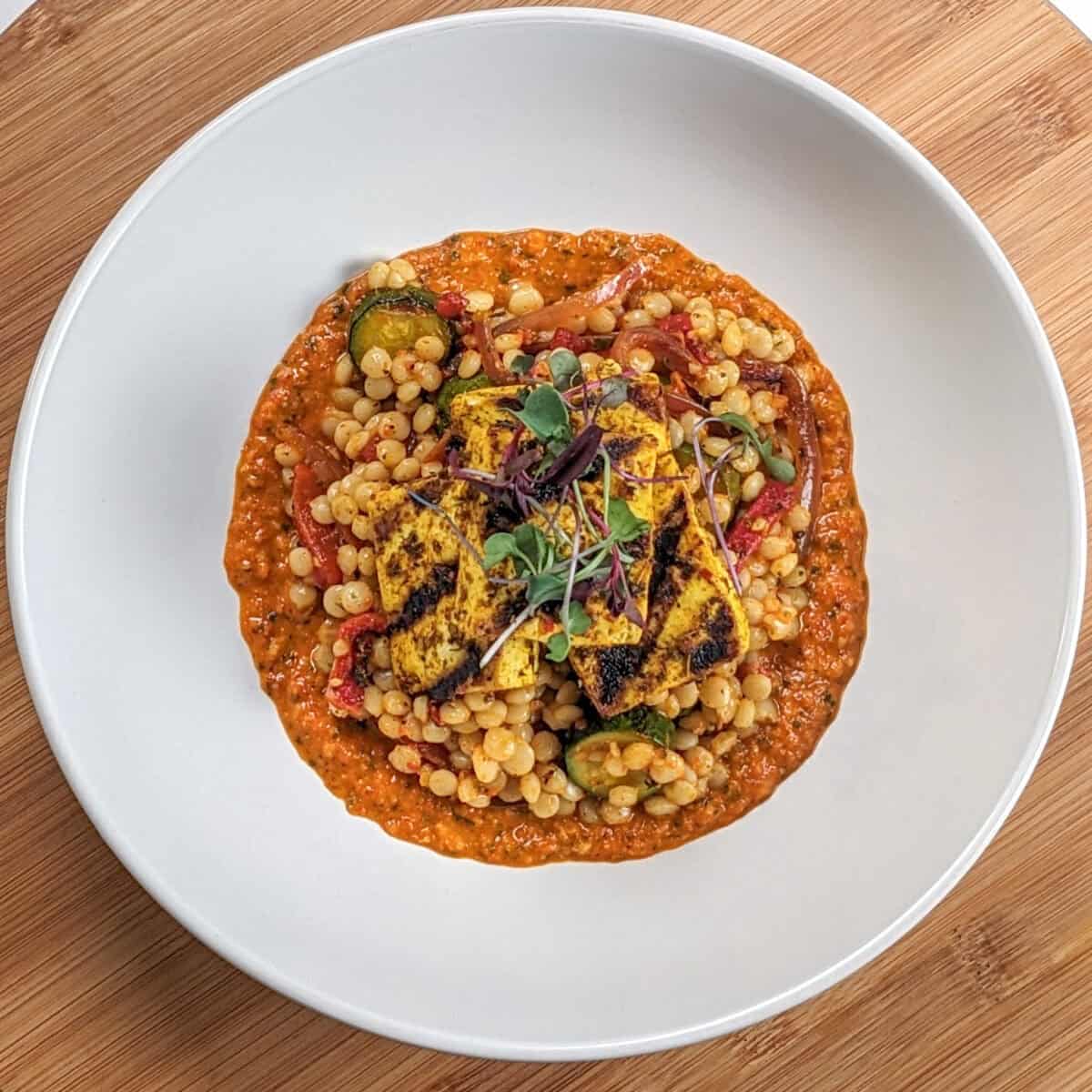
Turn it into a sauce:
Ripe tomatoes, peppers, herbs, stone fruits, and even zucchini can be made into sauces, salsas, dressings, and spreads.
Build a Simple Summer Produce Meal
One of my favorite ways to use seasonal produce is to stop thinking about each ingredient as needing its own recipe.
Instead, build your meal around what you already have.
Start with a protein such as chicken, fish, tofu, beans, or eggs. Add a grain, potato, pasta, or bread if you want one. Then choose two pieces of summer produce to use.
For example:
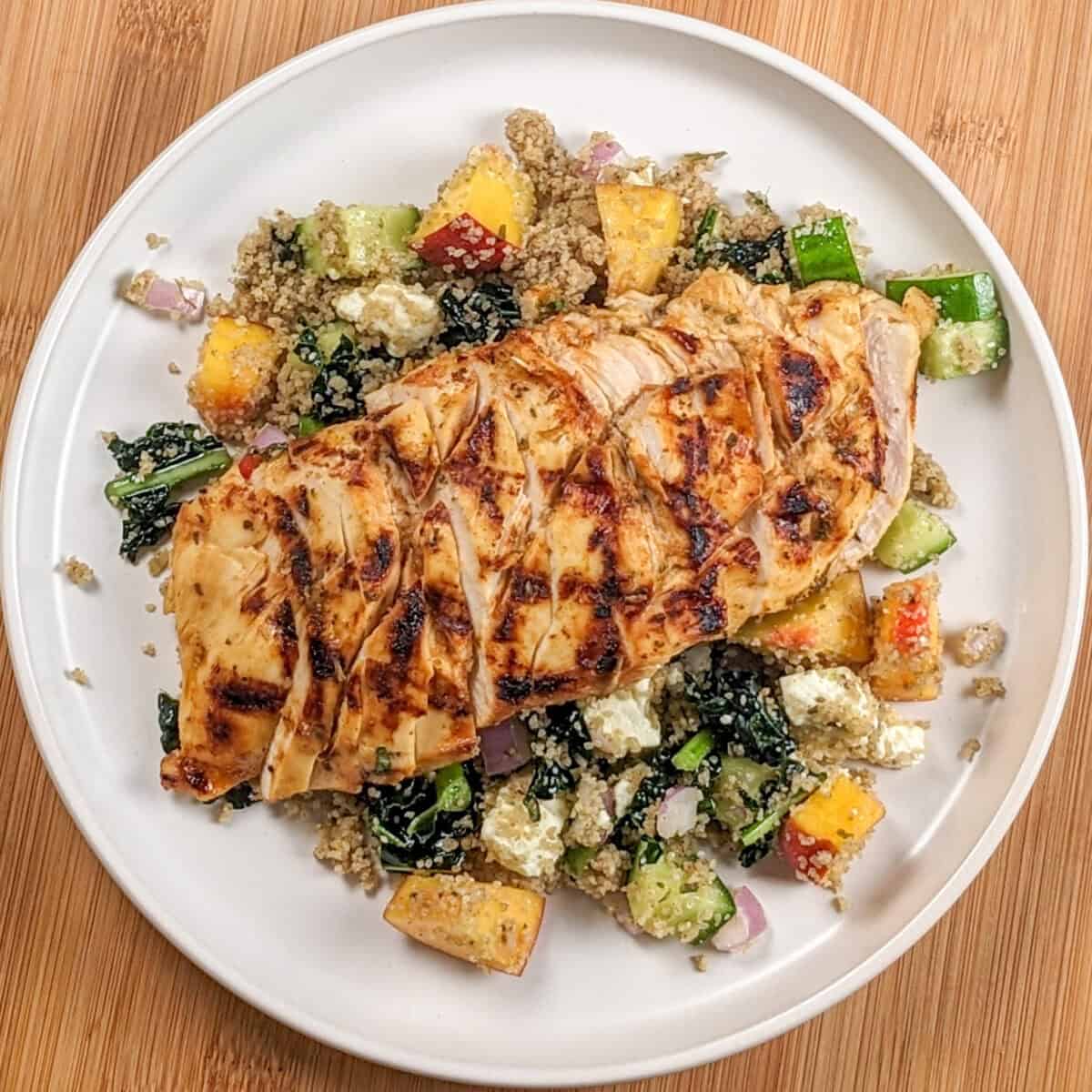
Grilled chicken + sweet corn + tomato and cucumber salad
Salmon + sautéed zucchini + brown rice
Tofu + bell peppers + green beans + rice
Pasta + cherry tomatoes + zucchini + fresh basil
Peaches + leafy kale + grilled chicken + a simple vinaigrette
Once you understand basic cooking techniques, seasonal ingredients become interchangeable building blocks instead of another list of recipes you have to follow.
What About Produce Available Year-Round?
Modern grocery stores make many fruits and vegetables available year-round through different growing regions, climates, storage methods, and transportation.
- That doesn't make year-round produce a bad choice.
- If you want strawberries in winter or sweet potatoes in summer, eat them.
- Seasonal eating should be another tool in your kitchen, not another food rule.
The benefit of understanding seasonality is knowing when you may have a particularly good opportunity to find an ingredient at its peak flavor, freshness, local availability, or price.
Start With One Seasonal Ingredient
You don't need to come home from the farmers market with twelve vegetables you've never cooked before.
Pick one.
Maybe it's a basket of juicy peaches you haven't bought all year. Maybe the cherry tomatoes look especially good at your grocery store. Maybe you've never cooked fresh lima beans.
Choose one ingredient, learn how to tell when it's ripe, store it correctly, and find one delicious way to use it.
The next time you see it, you'll already know what to do.
That's how you build cooking skills: one ingredient and one technique at a time.
Kitchen Tools I Use and Recommend
These are some of the kitchen tools I personally use that make cooking faster and easier. If you're building your kitchen setup or upgrading your tools, these are great places to start. More Kitchen Must-Haves - Find other tools I use here.
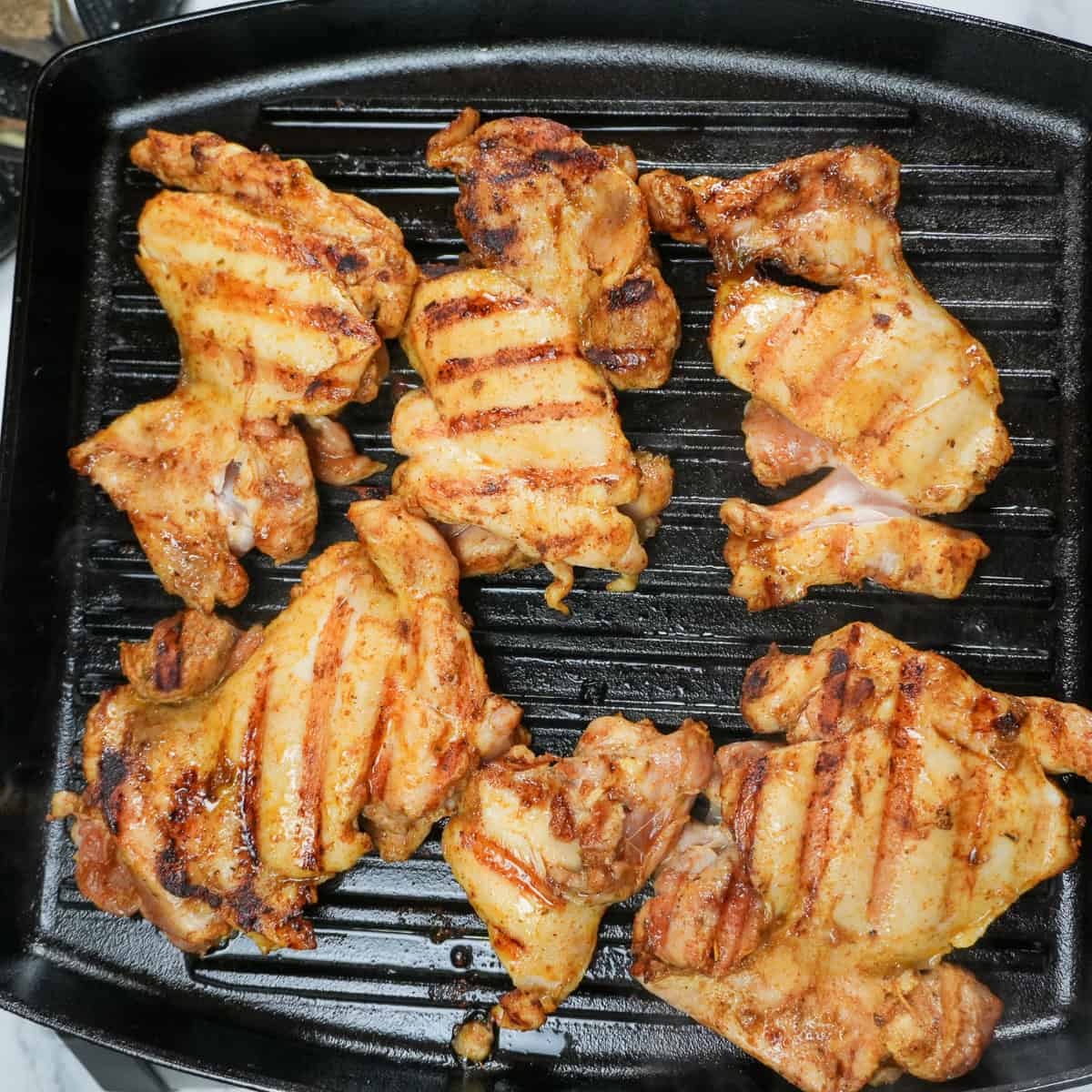
My Review: I was thrilled when Lodge introduced its Blacklock 12-Inch Triple-Seasoned Cast Iron Grill Pan. It combines the durability I’ve always trusted from the brand with a much lighter design that makes it a breeze to handle. The larger square surface was a welcome upgrade, easily fitting about 1 ¾ pounds of boneless, skinless chicken thighs with room to spare, and the triple seasoning provided a naturally nonstick finish right out of the box. I’ve been cooking with Lodge cast iron for years, and once again, they didn’t disappoint. This pan is built to last a lifetime while still making everyday cooking feel effortless. Check out my cast-iron care guide to keep yours in top shape!
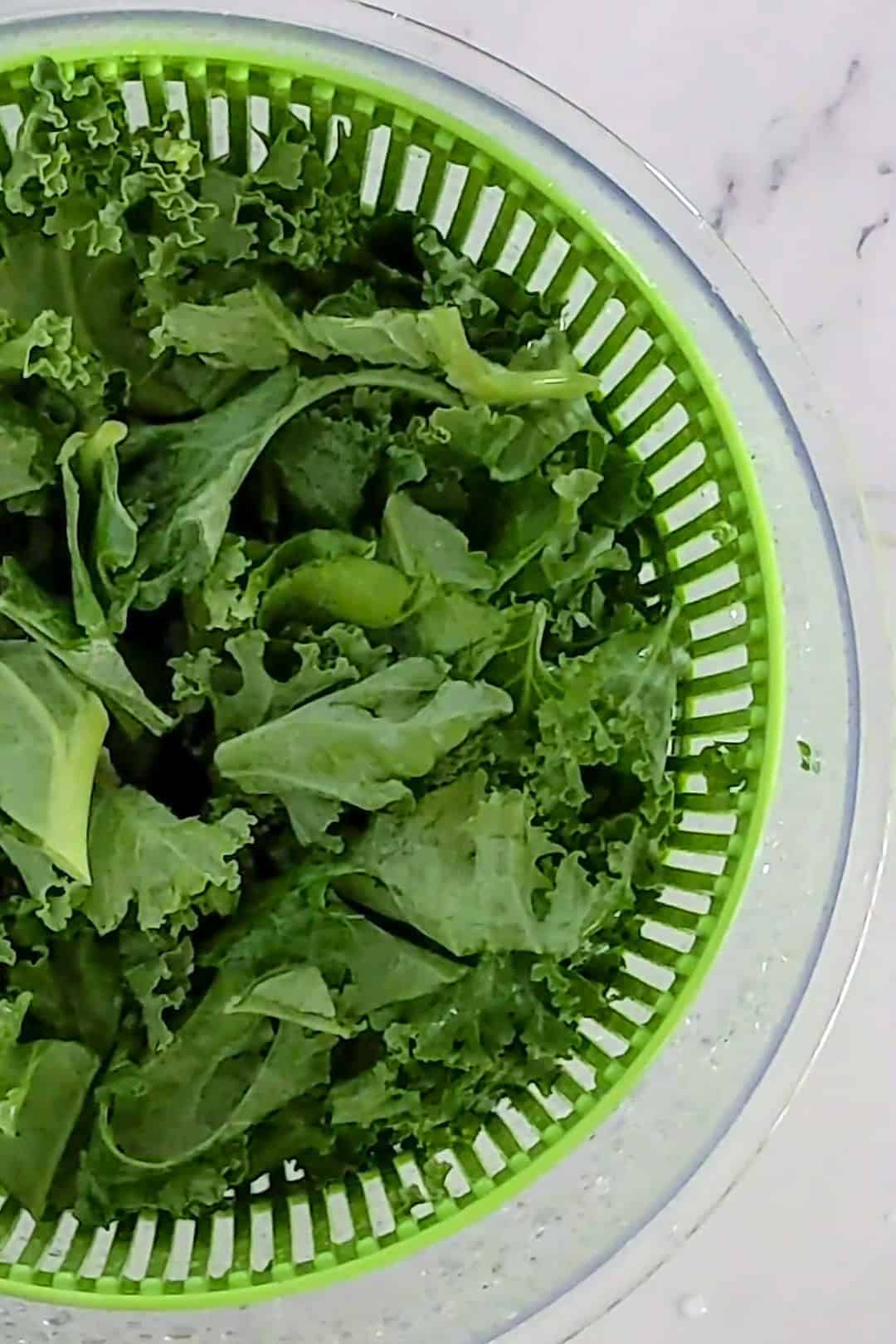
My Review: Cuisinart is a renowned brand known for its innovative, high-quality kitchen appliances and tools that make cooking and food prep effortless. Additionally, the Cuisinart Salad Spinner has been a trusty tool in my kitchen for years, and it’s proven to be so much more than just a salad spinner! Despite its compact size, it handles everything with ease, from rinsing and drying delicate herbs to cleaning mushrooms and, of course, prepping perfectly dry greens for salads. Its durable design has stood the test of time, and its efficiency has made meal prep so much quicker and easier. If you’re looking for a versatile, long-lasting kitchen tool, this little spinner is a must-have! I've made a post about it; check out my salad spinner post here.
The Kuhn Rikon Original Swiss Peeler is a lightweight, ultra-sharp kitchen tool designed for effortless peeling of fruits and vegetables. Known for its ergonomic handle and precision blade, this peeler makes prep work quick and efficient, perfect for peeling potatoes, carrots, and even delicate produce like tomatoes and peaches.

My Review: I recently purchased the Benriner Mandoline Slicer with Collection Tray and 4 Blades and have been impressed with how sharp and precise the Japanese stainless-steel blades are for everything from paper-thin slices to uniform julienne cuts. The "real deal" for me is the built-in collection tray, which keeps all my prep neatly contained, making it especially convenient when I’m throwing together effortless chop salads. With four interchangeable blades, a stable base, and BPA-free construction, it’s a versatile, durable tool that makes slicing faster, cleaner, and more enjoyable. Just like my Classic Benriner Mandoline that I had for over 2 decades, I hope this one lasts as long.

My Review: The PAUDIN 8-inch Chef's Knife is an absolute standout in both sharpness and craftsmanship. It stays incredibly sharp through regular use, making prep work effortless. The high-carbon stainless steel blade showcases PAUDIN’s attention to detail, while the ergonomic handle provides a comfortable grip for extended use. Despite its premium feel, this knife is impressively affordable, offering exceptional quality without the high price tag. That’s why I’ve recently switched all my knives to PAUDIN—they truly deliver on durability, beauty, and performance. If you want a reliable, well-crafted knife at a great value, this is the one to get!

I honestly love all of my PAUDIN knives, and this paring knife is no exception. It’s ultra-sharp, lightweight, and beautifully crafted with an ergonomic wooden handle that feels great in hand. Whether I’m peeling fruit or doing delicate prep work, this little knife always delivers, plus it looks stunning in my kitchen.

Notable Recommendations
I chose the KitchenAid Universal Dual-Sided Melon Baller because it has a comfortable non-slip grip and a hole in each scoop that helps the melon release more easily. I also prefer this simple, sturdy design over melon ballers that look like tiny ice cream scoops with moving release mechanisms, since those extra parts can wear out or break over time.

The OXO Good Grips Corn Holder Set makes hot, buttery corn on the cob easier and more comfortable to handle without getting your hands messy. OXO is known for its easy-to-hold Good Grips designs, making these especially handy for summer corn season, cookouts, and family meals.

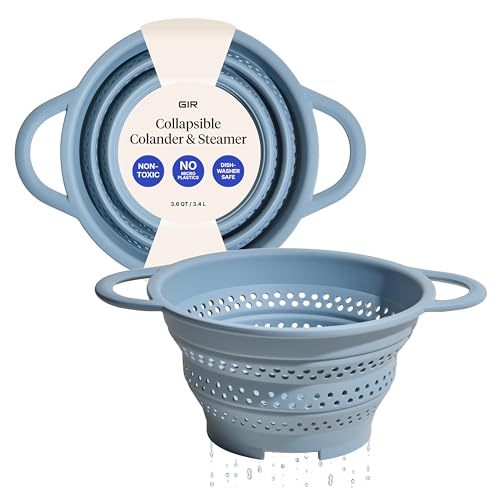
The GIR Collapsible Colander is a versatile, space-saving tool that makes rinsing and draining produce quick and easy, then collapses down for convenient storage and dishwasher cleanup. Its heat-resistant silicone also allows it to double as a steamer, and I find multifunctional kitchen tools like this are often the best ones to invest in because they save time, space, and the need for extra equipment.
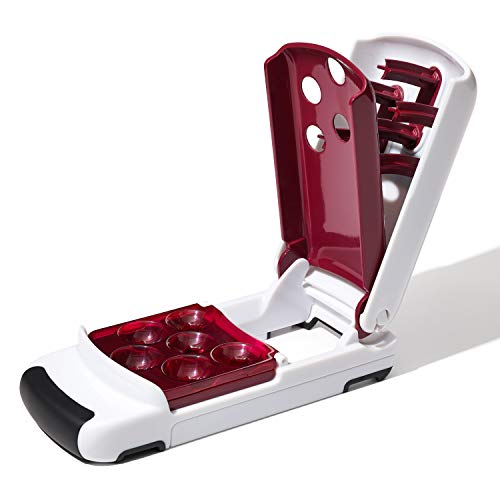
The OXO Good Grips Quick Release Multi Cherry Pitter becomes especially useful when you're prepping a large batch of cherries for pies, jams, and other recipes. It also works well for quickly removing pits from olives when making tapenade or other olive-based dishes.
Frequently Asked Questions
Here is a list of common questions I have answered. If you have any questions, please write them in the comments below.
Summer seasonal produce includes tomatoes, sweet corn, zucchini, yellow squash, bell peppers, green beans, cucumbers, eggplant, peaches, nectarines, plums, cherries, berries, watermelon, and other melons. The exact harvest window varies depending on your location, weather, and growing region.
Some of the best summer fruits include peaches, nectarines, plums, cherries, berries, watermelon, cantaloupe, and figs. Look for seasonal fruits that are fragrant, vibrant in color, and appropriately firm or tender for their variety.
It can be. When fresh produce is abundant during peak season, local farmers' markets and grocery stores may offer better prices. However, cost varies based on location, weather, transportation, growing conditions, and where you shop.
Use your senses. Look for good color and firm, undamaged skin, feel for the appropriate firmness or slight give, and smell aromatic fruits such as peaches and melons. Keep in mind that signs of peak ripeness differ from one fruit or vegetable to another.
Start by storing each type of produce appropriately. Some fruits can ripen at room temperature before being refrigerated, while berries, leafy greens, and many vegetables should be kept cold. Keep produce dry when excess moisture encourages spoilage, remove damaged pieces, and plan to use the most perishable ingredients first.
Summer Recipes
Explore our globally inspired Recipes to find your next favorite flavor and make weeknight cooking effortless!
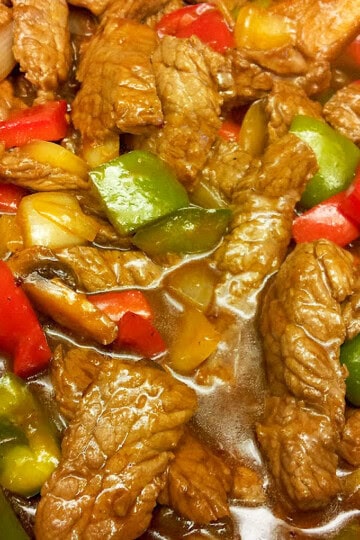
- Chinese Pepper Steak with Red Wine and Hoisin Sauce
- Crispy Garlic Parmesan Baked Chicken
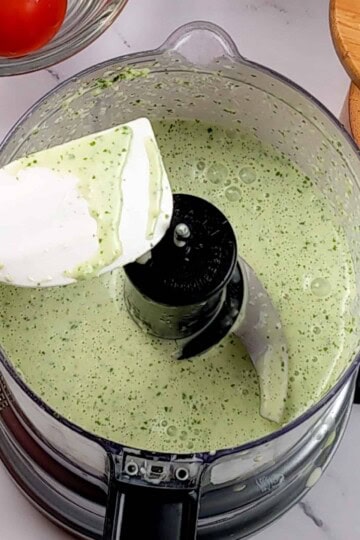
- Creamy Cilantro Jalapeño Sauce (Perfect for Chicken, Tacos, and Salads)
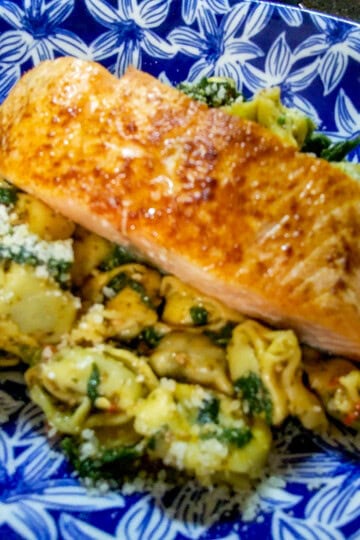
- Air Fryer Salmon with Spicy Pesto Spinach Tortellini

Cooking Tips and Tutorials
If you found this tutorial helpful, you'll love my Cook's Notebook collection. From knife skills and flavor bases to time-saving tricks and essential equipment guides, this section is packed with chef-tested lessons to help you cook with confidence.
- Seasonal Produce Guide: What Fruits and Vegetables Are in Season?
- How to Roast Food: The Fundamental Principles of Roasting
- 2026 Fall Seasonal Produce Guide: Fruits and Vegetables to Enjoy This Season
- Indian Cooking Techniques That Changed How I Think About Food
Subscribe to Let's Get Cooking
Don't miss the next one.
Get new recipes, practical cooking tips, and deals from Chef Maika delivered to your inbox.


Chef Maika Frederic-Liebman
Chef and Educator
Professionally trained Haitian-American chef Maika Frederic created Just Maika Cooking, where she shares globally inspired recipes, cooking techniques, ingredient guides, and food safety tips to help home cooks become more creative and confident in the kitchen. Combining years of professional culinary experience with a passion for teaching, she makes global flavors approachable through practical, accessible instruction for cooks of every skill level.
SUBSCRIBE: 👈To my YouTube Channel to Get Notifications of New Videos.
Have a Comment or Question?
If you have a question or comment about this post, please post it below. You will receive a prompt response. It also helps our other readers to stay informed. Thanks!



Leave a Reply