

Discover 10 practical spice storage hacks that help preserve flavor, reduce waste, and make every meal taste its best. Learn how to store spices correctly, know when it's time to replace them, and download a printable cheat sheet to organize your pantry.
Table of Contents
Jump to:
Why This Matters
Fresh spices can make the difference between a vibrant, flavorful meal and one that tastes flat, even when you follow a recipe perfectly. While dried spices don't usually become unsafe simply because they're old, they gradually lose their aroma, color, and flavor over time, especially when exposed to heat, light, air, and moisture.

By storing spices properly, you'll save money, reduce food waste, and get more consistent results every time you cook.
Quick Answer
| Best Practice | Why It Helps |
|---|---|
| Store in airtight containers | Reduces exposure to oxygen and moisture. |
| Keep spices away from heat and sunlight | Protects delicate flavor compounds. |
| Buy smaller quantities | You'll use them while they're still flavorful. |
| Label purchase or opening dates | Makes it easy to know when quality declines. |
| Keep measuring spoons dry | Prevents clumping and moisture damage. |
| Buy whole spices when possible | Whole spices retain flavor longer than ground spices. |
| Trust your nose | Weak aroma usually means weaker flavor. |
Recommended Reads
- About CustomHerbSpiceShop: Pure Spice. No Bull.
- 3 DIY Salt-Free Spice Blends to Boost Weeknight Meals
- The Ultimate Cross-Contamination Prevention Checklist: Free PDF
- Curry Shepherd's Pie with Cauliflower-Potato Mash
- Cooking with Kids: Building Confidence in the Kitchen
- 20 Irresistible Fish Recipes
10 Flavor-Saving Spice Storage Hacks
1. Buy Smaller Containers
Purchase only what you'll realistically use within a year or two. Smaller jars reduce the amount of air trapped inside each container and help ensure you're cooking with fresher spices.
2. Store Away from Heat
Avoid keeping spices beside the stove, oven, dishwasher, or microwave. Heat speeds the breakdown of the aromatic compounds that give spices their flavor.
3. Protect Them from Light
Sunlight and bright kitchen lighting gradually fade both color and flavor. A dark cabinet, pantry, or drawer is a much better home than an open spice rack near a window.
4. Label Every Jar
Write the purchase date or the date you opened the container. While spices rarely become unsafe simply because they're old, their flavor steadily declines.
General quality guidelines:
- Ground spices: about 2-3 years
- Whole spices: about 3-4 years
- Dried leafy herbs: about 1-3 years
5. Never Measure Over a Steaming Pot
Steam rises directly into the spice jar, introducing moisture that can cause clumping and shorten shelf life. Instead, measure into a dry spoon or small bowl first.
6. Always Use Dry Measuring Spoons
Even a small amount of moisture can cause spices to cake together. Wet spoons may also introduce mold if enough moisture is trapped inside the container.
7. Freeze Certain Whole Spices
Whole dried chilies, nutmeg, and some seeds can be frozen in airtight containers for long-term storage. Allow them to return to room temperature before opening the container to prevent condensation.
8. Organize by Cooking Style
Keep spices grouped by the cuisines you cook most often, such as Caribbean, Mexican, Indian, Mediterranean, or baking spices. You'll spend less time searching and more time cooking.
9. Buy Whole and Grind as Needed
Whole spices keep their essential oils protected until they're ground. Grinding peppercorns, cumin seeds, coriander seeds, or cloves freshly produces a noticeably stronger flavor.
10. Trust Your Nose
Before cooking, smell the spice. If the aroma is weak or barely noticeable, the finished dish will likely taste weaker too. Replace spices that have little scent or have lost much of their original color.
Signs It's Time to Replace Your Spices
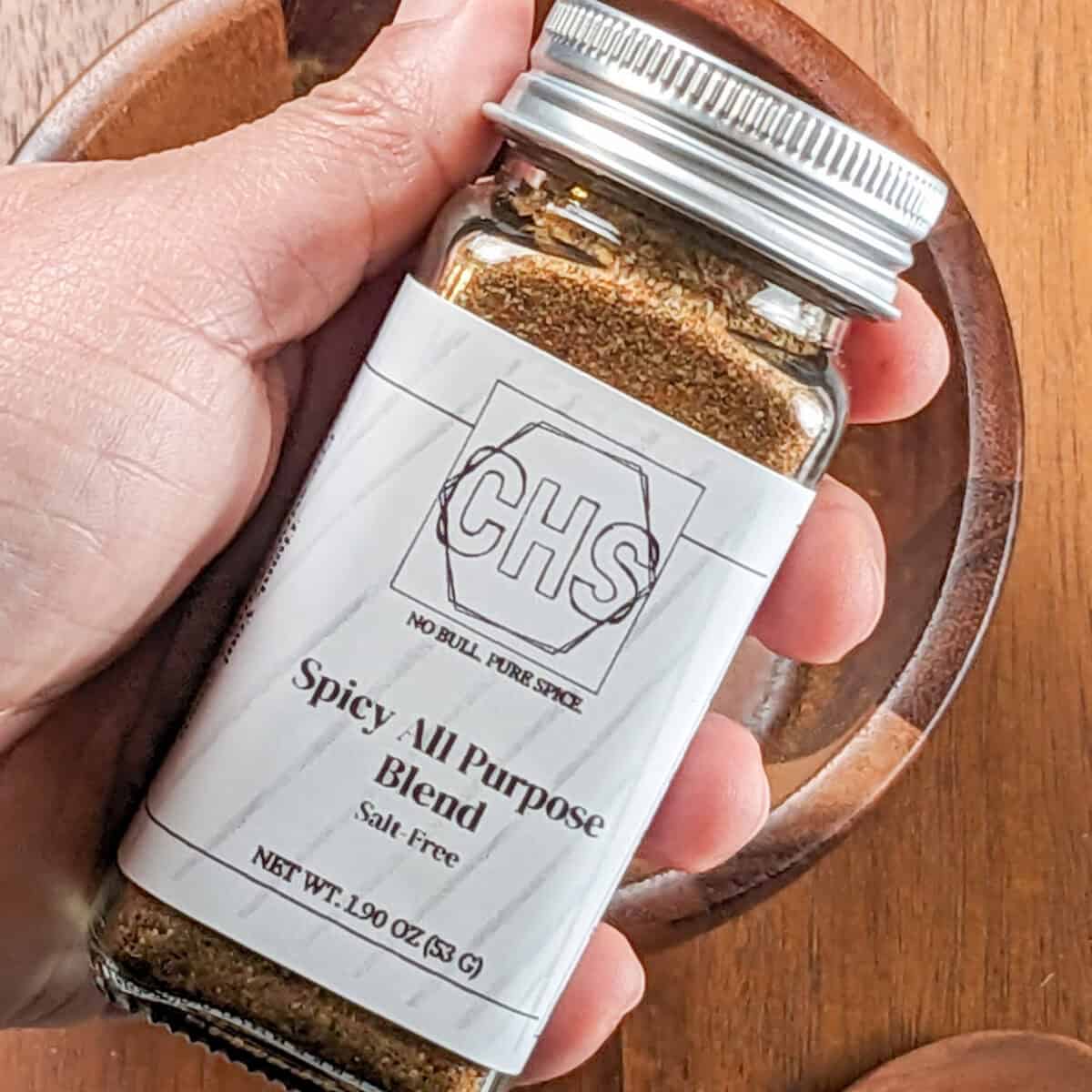
Replace a spice if you notice any of these signs:
- Little or no aroma when you open the jar.
- Color has faded significantly.
- The spice has hardened into large clumps due to the moisture.
- You see mold, insects, or unusual discoloration.
- It smells musty or stale, not fragrant.
Food Safety Note
Store dried herbs and spices in clean, airtight containers in a cool, dry place away from direct sunlight. Discard any spices that show signs of moisture damage, mold growth, insect contamination, or unusual odors.
- What to Eat During a Food Recall: Healthy Meal Ideas and Smart Ingredient Swaps
- Internal Meat Temperature Chart (Printable Guide)
- What Is HACCP and Why Every Home Cook Should Care About It
- Holiday Kitchen Safety Tips: How to Cook, Serve, and Store

Storage Solutions
| Need | Chef-Worthy Solution | Budget Backup |
|---|---|---|
| Small jars | 4-ounce amber glass jars | Reused glass baby food or jam jars |
| Light protection | Pantry drawer insert | Shoe box or opaque storage bin |
| Whole spice grinding | Electric spice grinder | Mortar and pestle |
| Organization | Labeled drawer dividers | Dollar-store baskets |
Storage Solutions for Every Budget
You don't need an expensive spice rack to keep your herbs and spices fresh. The most important factors are protecting them from heat, light, air, and moisture. Choose the storage solution that works best for your kitchen and cooking habits.
| Need | Chef's Recommendation | Budget-Friendly Option |
|---|---|---|
| Small spice jars ↗ | 4-ounce glass jars with airtight lids | Reuse clean glass baby food or jam jars |
| Light-free storage ↗ | Spice drawer organizer or pull-out cabinet insert | Opaque storage bin or shoebox stored in a cabinet |
| Grinding whole spices ↗ | Electric spice grinder dedicated to spices | Mortar and pestle |
| Pantry organization | Labeled drawer dividers or tiered spice organizer | Dollar store baskets and printable labels |
| Moisture control | Airtight containers stored away from the stove | Keep spices in a cool pantry and always use dry measuring spoons |
If you cook several cuisines regularly, organize your spices into groups such as Caribbean, Mexican, Mediterranean, Indian, or Baking. Keeping commonly used blends together makes mise en place faster and helps you spot when you're running low on a favorite spice.
Frequently Asked Questions
Here is a list of common spice storage questions I have answered. If you have any questions, please write them in the comments below.
Smell it first. If the aroma is faint or missing and the color has noticeably faded, it's probably past its peak flavor. Ground spices generally maintain their best quality for about 2-3 years, while whole spices often last 3-4 years.
Not necessarily. Those timelines are quality recommendations rather than food safety rules. As long as the spices have been stored properly and show no signs of mold, insects, or moisture damage, they can still be safe to use, but the flavor may be much weaker.
Small, airtight glass containers work best because glass doesn't absorb oils or odors as some plastics do. Keeping them in a cabinet or drawer further protects them from light.
Freezing is generally best reserved for whole spices you don't use often. Ground spices are better stored in a cool, dry pantry because repeated temperature changes can introduce moisture.
Humidity is usually the culprit. Salt attracts moisture from the air, and steam from cooking can quickly cause clumping. Always use a dry spoon and avoid shaking spices directly over hot food.
More Cooking Tips and Tutorials
If you found this tutorial helpful, you'll love my Cook's Notebook collection. From knife skills and flavor bases to time-saving tricks and essential equipment guides, this section is packed with chef-tested lessons to help you cook with confidence.
- Seasonal Produce Guide: What Fruits and Vegetables Are in Season?
- How to Roast Food: The Fundamental Principles of Roasting
- 2026 Fall Seasonal Produce Guide: Fruits and Vegetables to Enjoy This Season
- Indian Cooking Techniques That Changed How I Think About Food


Chef Maika Frederic-Liebman
Chef and Educator
Professionally trained Haitian-American chef Maika Frederic created Just Maika Cooking, where she shares globally inspired recipes, cooking techniques, ingredient guides, and food safety tips to help home cooks become more creative and confident in the kitchen. Combining years of professional culinary experience with a passion for teaching, she makes global flavors approachable through practical, accessible instruction for cooks of every skill level.
SUBSCRIBE: 👈To my YouTube Channel to Get Notifications of New Videos.
Have a Comment or Question?
What's the oldest spice in your pantry? Have you found a storage method that keeps your spices fresher longer? Share your questions or favorite tips in the comments below. I'd love to hear what's working in your kitchen, and your experience may help other home cooks, too.
Leave a Reply