

Fall seasonal produce brings together crisp fruits, hearty vegetables, leafy greens, and storage crops that are perfect for roasting, simmering, baking, and meal planning. Use this guide to learn which fall fruits and vegetables are in season, why they thrive during the cooler autumn months, how to choose and store them, and simple ways to turn them into everyday meals.
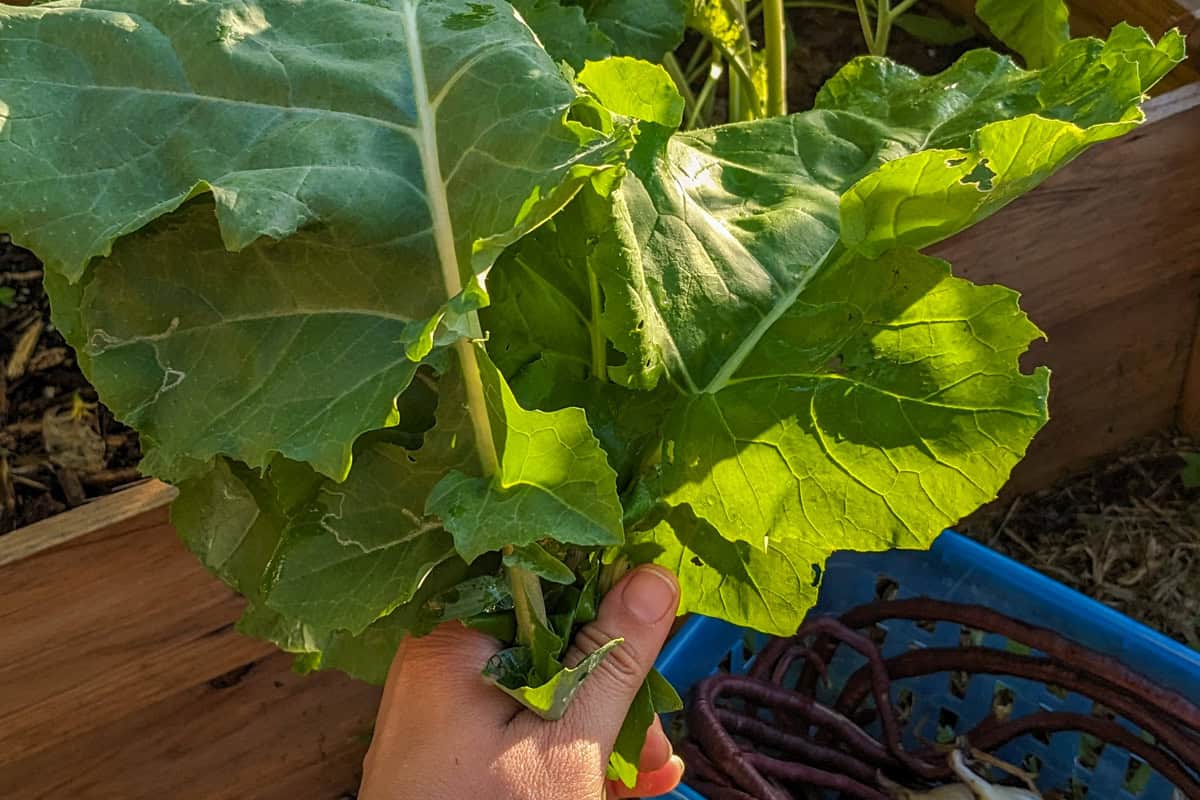
Table of Contents
Jump to:
- What Produce Is in Season in Fall?
- Why Eat Seasonal Produce During Fall?
- Fall Vegetables
- Fall Fruits
- Grocery Store Availability vs. Peak Season
- Why Shop at a Farmers Market in Fall?
- Fall Produce Grocery List by Month (Printable)
- How to Choose Fall Produce
- How to Store Fall Produce Properly
- Why These Produce Storage Techniques Work
- Best Cooking Methods for Fall Vegetables
- Easy Fall Meal Planning with Seasonal Ingredients
- Don't Forget About Late-Summer Produce
- Fall Recipe Ideas
- Other Kitchen Tools I Use and Recommend
- Frequently Asked Questions
- Cooking Tips and Tutorials
- Have a Comment or Question?
What Produce Is in Season in Fall?
Fall is a transition season, which means the produce section doesn't suddenly change as soon as September arrives. Early fall often overlaps with the end of summer's harvest season, while late fall brings more cool-weather crops, root vegetables, winter squash, sturdy greens, apples, pears, and cranberries.
This overlap is one of the first things to understand about seasonal produce: seasonality is a range, not an exact date. Weather, growing region, crop variety, and local climate all influence when fruits and vegetables are harvested. That's why you should use this fall produce guide as a starting point, not a strict calendar.

Learning these patterns can help you shop more intentionally at the grocery store or farmers' market and recognize ingredients when they're closer to their peak season.
Why Eat Seasonal Produce During Fall?
Cooking with seasonal ingredients isn't about restricting yourself to foods available only during one time of year. It's about recognizing when certain ingredients naturally reach their harvest season and using that knowledge to become a more flexible cook.
Fall is a great time to practice because you can actually watch the seasons change through food. Tender summer vegetables gradually give way to winter squash, hearty vegetables, leafy greens, root vegetables, apples, pears, and other seasonal fruits.
You may also notice better quality or greater variety when an ingredient is in season. However, seasonal doesn't automatically mean cheaper, more nutritious, or locally grown. Where the produce was grown, how it was transported, weather conditions, storage, and demand all play a role.
Think of seasonality as another tool for choosing ingredients, just like learning how to recognize ripeness or freshness.
Note From Chef Maika
One of my favorite things about cooking seasonally is that it teaches you to pay attention to your ingredients instead of simply following a recipe. Fall makes that lesson especially easy to see because the produce section starts changing right in front of you: tender summer vegetables gradually give way to squash, hearty greens, root vegetables, apples, pears, and cranberries.
As a chef and culinary educator, I want you to use seasonal produce guides as a starting point, not a set of rules. Pick one ingredient, learn how to recognize a good one, understand how it reacts to heat, and experiment with a cooking technique you already know.
That's how you become a more confident home cook: one ingredient and one technique at a time. Explore. Experiment. Taste!
Recommended Reads
Fall Vegetables
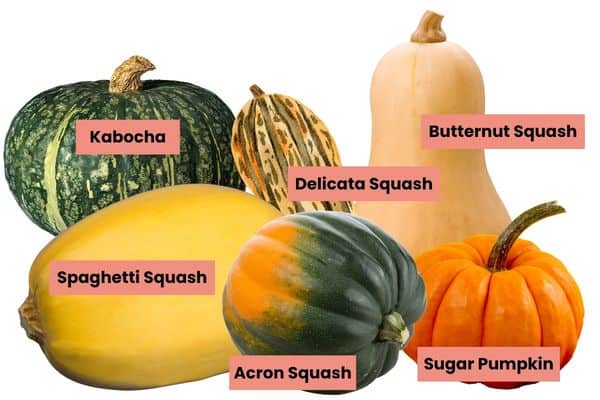
Winter Squash and Sugar Pumpkins
Butternut squash, acorn squash, delicata squash, spaghetti squash, kabocha, and sugar pumpkins are some of the most recognizable fall vegetables:
These plants grow in warmer weather but need time to fully mature before harvest. Unlike tender summer squash such as zucchini and yellow squash, mature winter squash develops thicker skins that protect the flesh and allow wide varieties to be stored for extended periods.
- When shopping, choose squash that feels heavy for its size with firm, smooth skin for its variety.
- Avoid deep cuts, mold, and large soft spots.
- Roasting is one of my favorite ways to cook squash because its natural sugars concentrate as moisture evaporates.
- Toss cubed squash with olive oil and seasonings and use it as a side dish, add it to brown rice or grain bowls, blend it into soup, or incorporate it into pasta dishes.
Sweet Potatoes and Root Vegetables
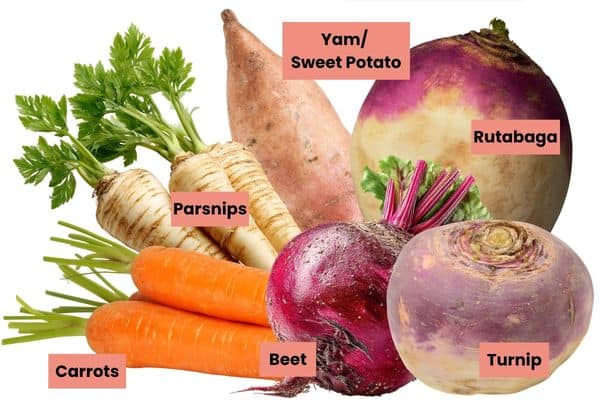
Sweet potatoes, carrots, beets, turnips, rutabagas, and parsnips are especially useful during the fall season because they're sturdy, versatile, and work with several cooking techniques:
Although we commonly group them together in the kitchen, not everything we call a root vegetable is botanically the same type of plant structure. What matters for the home cook is that these underground storage structures tend to contain carbohydrates and moisture that respond beautifully to roasting, simmering, steaming, and mashing.
- Some cool-weather vegetables can also become sweeter after exposure to lower temperatures because the plant converts some stored starches into sugars.
- Look for firm vegetables without excessive shriveling, deep cuts, or soft spots.
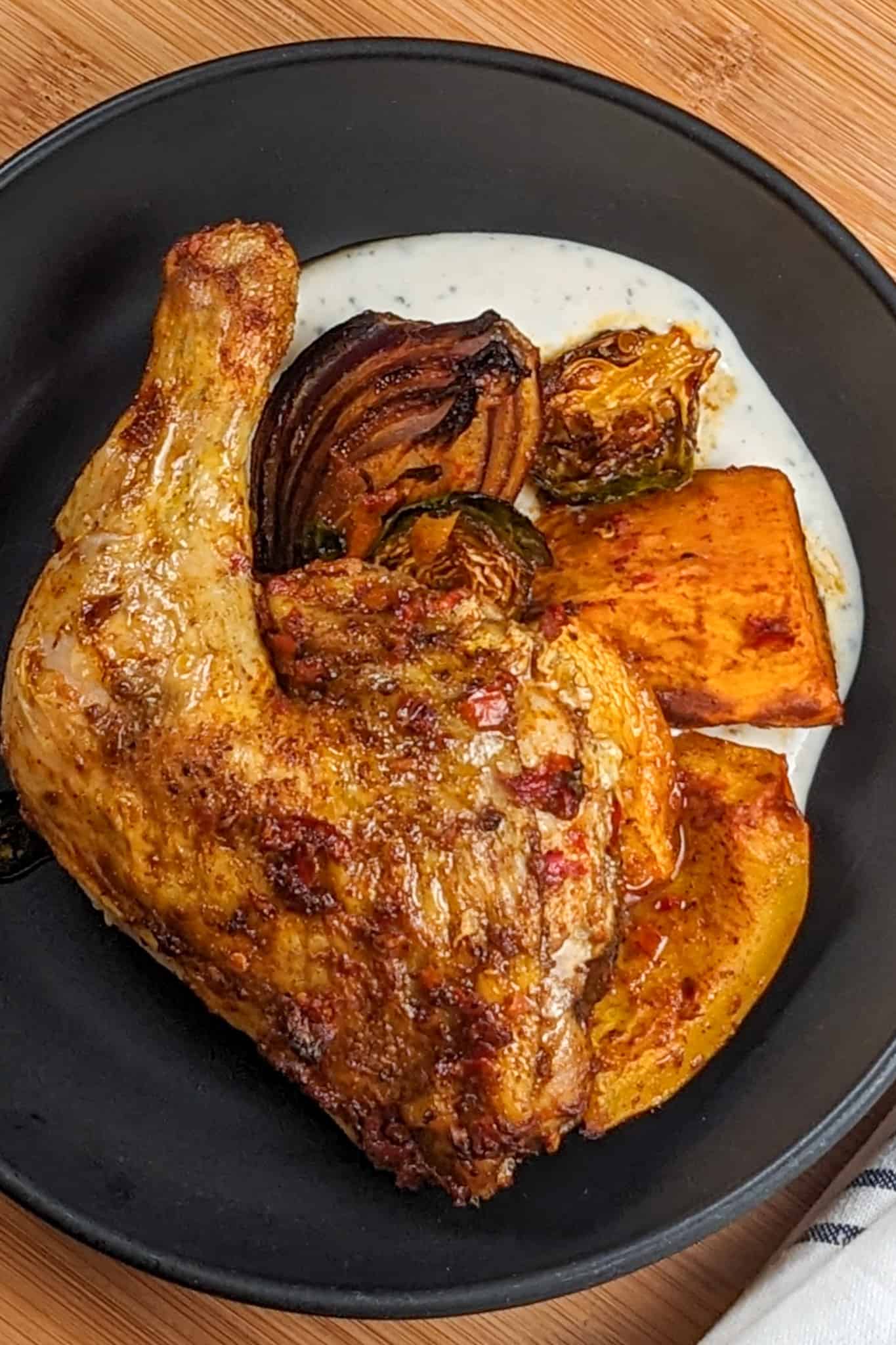
- Try roasting a mixture of sweet potatoes, carrots, and parsnips with olive oil and seasonings for an easy side dish, or add them to soups, stews, curries, and grain bowls.
Brussels Sprouts and Other Cruciferous Vegetables
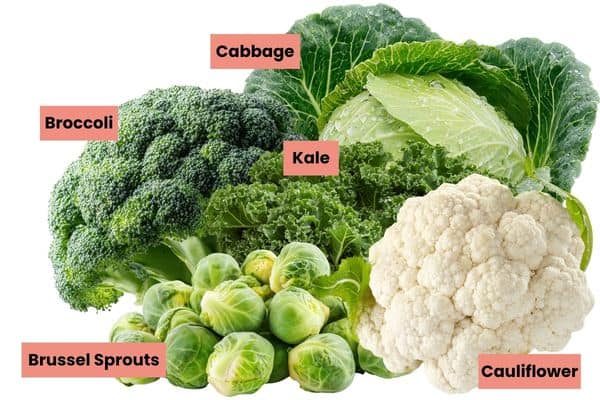
Brussels sprouts, broccoli, cauliflower, cabbage, and kale are members of the Brassica family and generally grow well during cooler weather:
This helps explain why you'll often see these vegetables associated with both spring and fall.
- When buying Brussels sprouts, look for firm, compact sprouts with tightly packed leaves.
- A few imperfect outer leaves aren't necessarily a problem, but avoid sprouts that are excessively yellow, slimy, or covered in large brown spots.
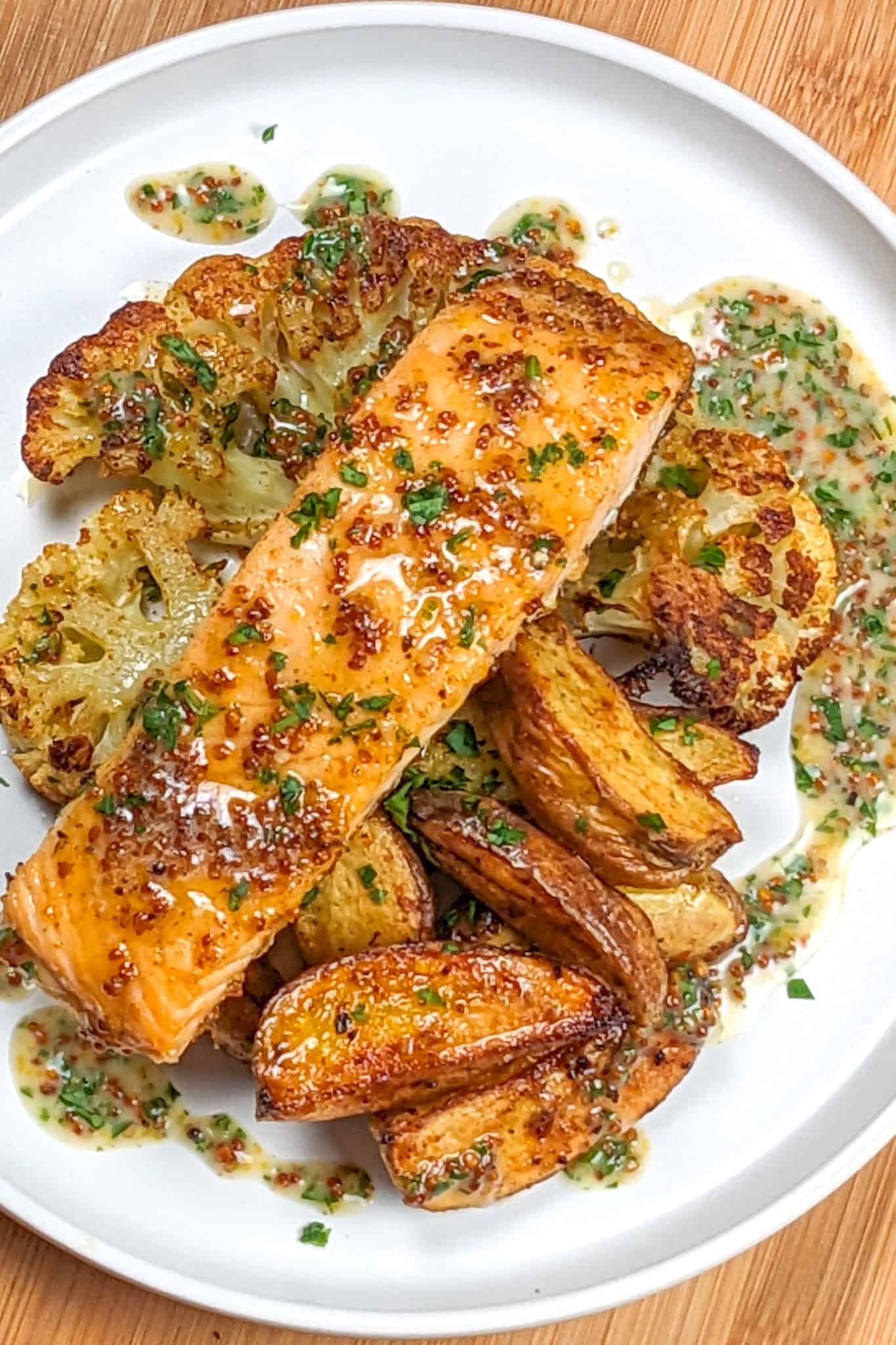
- Roasting Brussels sprouts and cauliflower encourages browning and develops deeper flavor.
- You can roast, steam, sauté, or stir-fry broccoli, while cabbage works well raw, sautéed, roasted, or slowly braised.
Collard Greens, Mustard Greens, and Other Leafy Greens
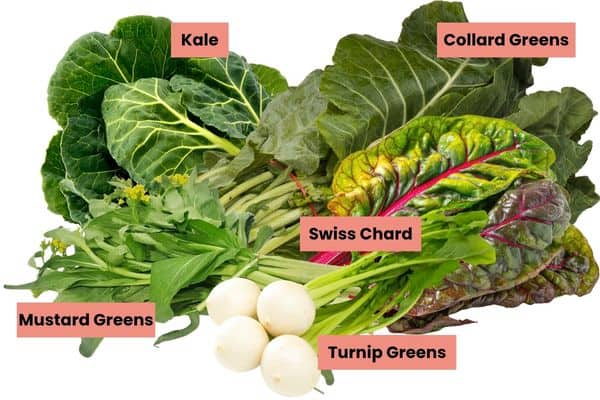
Collard greens, mustard greens, kale, Swiss chard, and turnip greens are sturdy enough to handle the cooler fall season and stronger cooking techniques:
These greens can be more bitter than tender lettuce, but that's part of what makes them useful in savory dishes. Fat, acidity, salt, aromatics, and longer cooking can all help balance that bitterness.
- Use collard greens for braising, sauté mustard greens with garlic, add kale to soup, or stir chopped greens into beans and lentils.
- Leafy greens can also contribute nutrients including vitamins C and K, although their exact nutritional value varies by vegetable, portion size, growing conditions, and cooking method.
- Check out How to Prep Collard Greens: Complete Beginner's Guide.
- Also, Best Collard Greens Substitutes: 7 Leafy Greens.
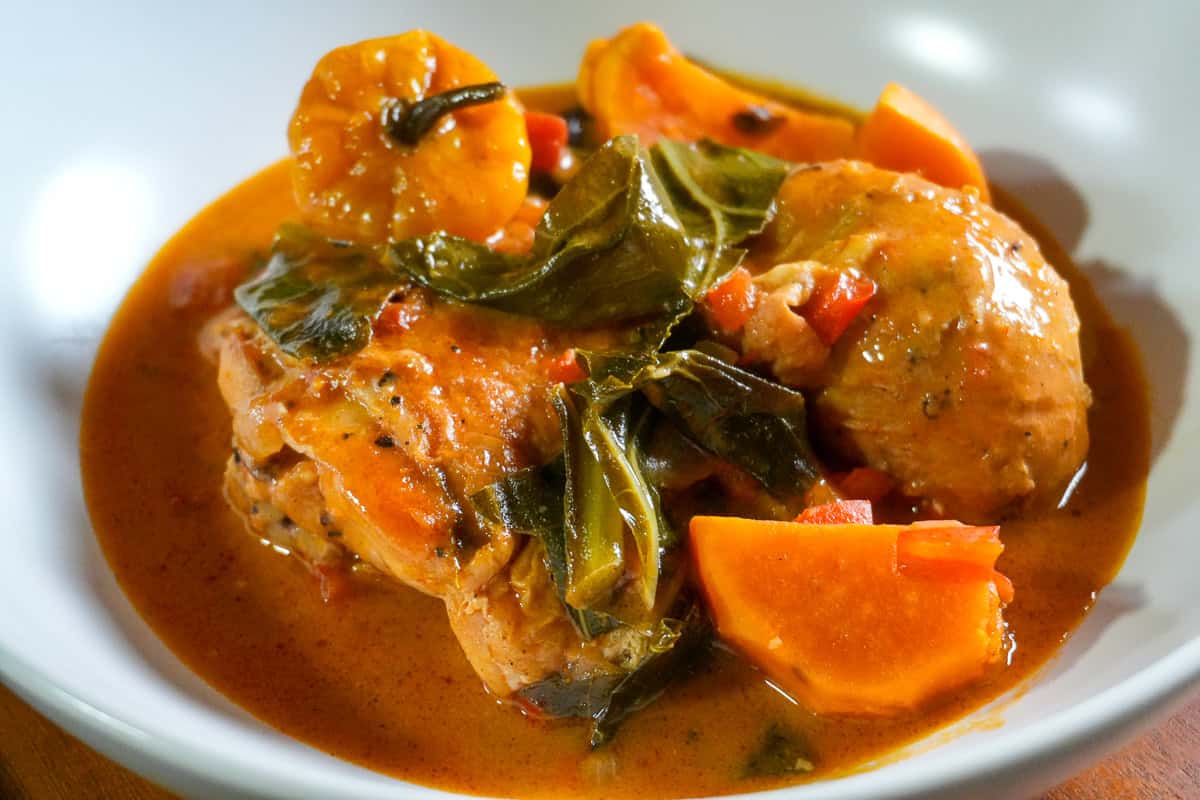
Green Beans
Green beans are often thought of as a summer vegetable, but many growing regions can harvest them into early fall.
- Choose pods that are firm, brightly colored, and crisp enough to snap rather than bend easily.
- You can steam, sauté, roast, or quickly blanch them, and they're especially useful when you want a lighter vegetable alongside the heavier flavors of fall cooking.
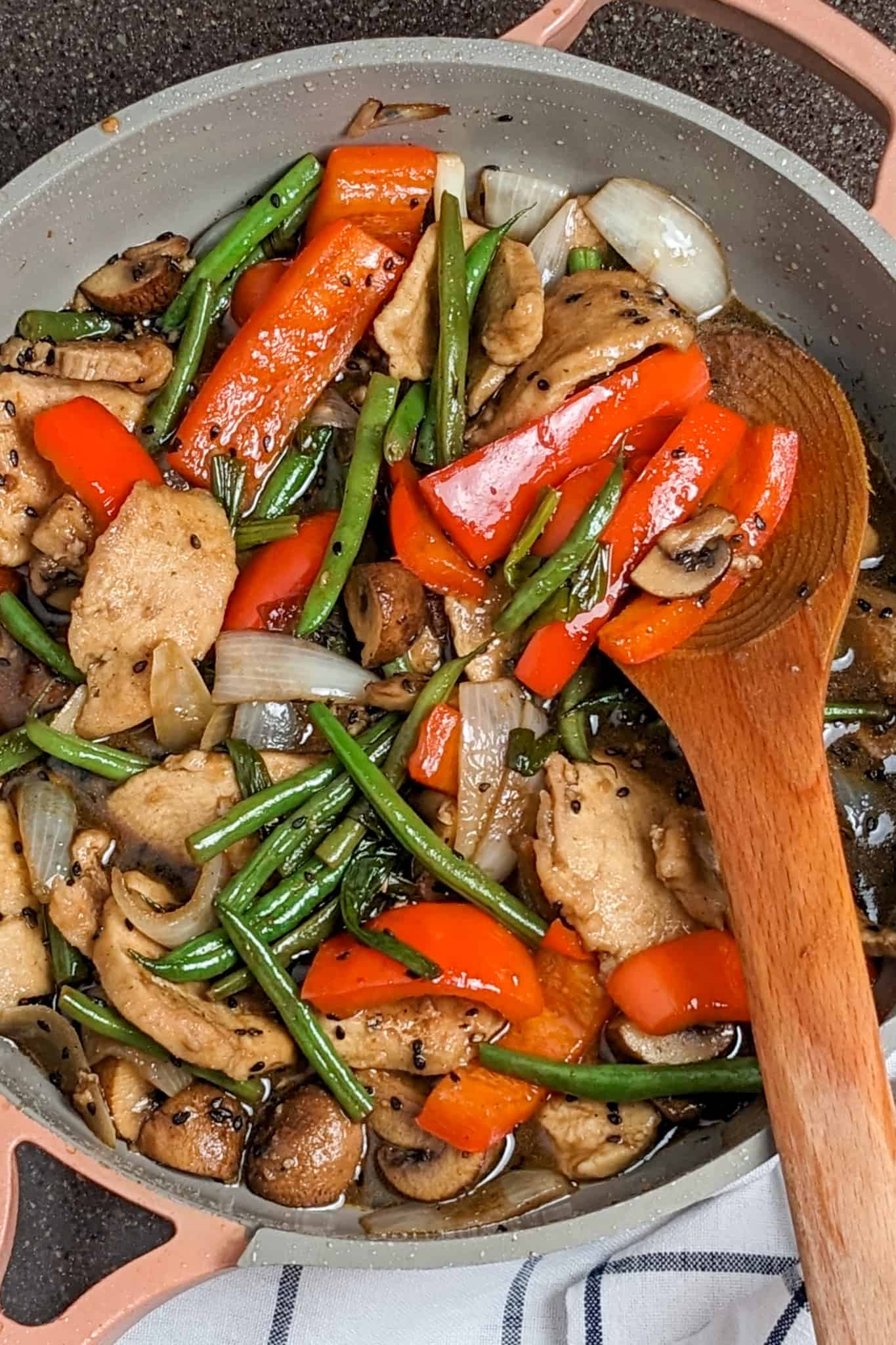
Bell Peppers
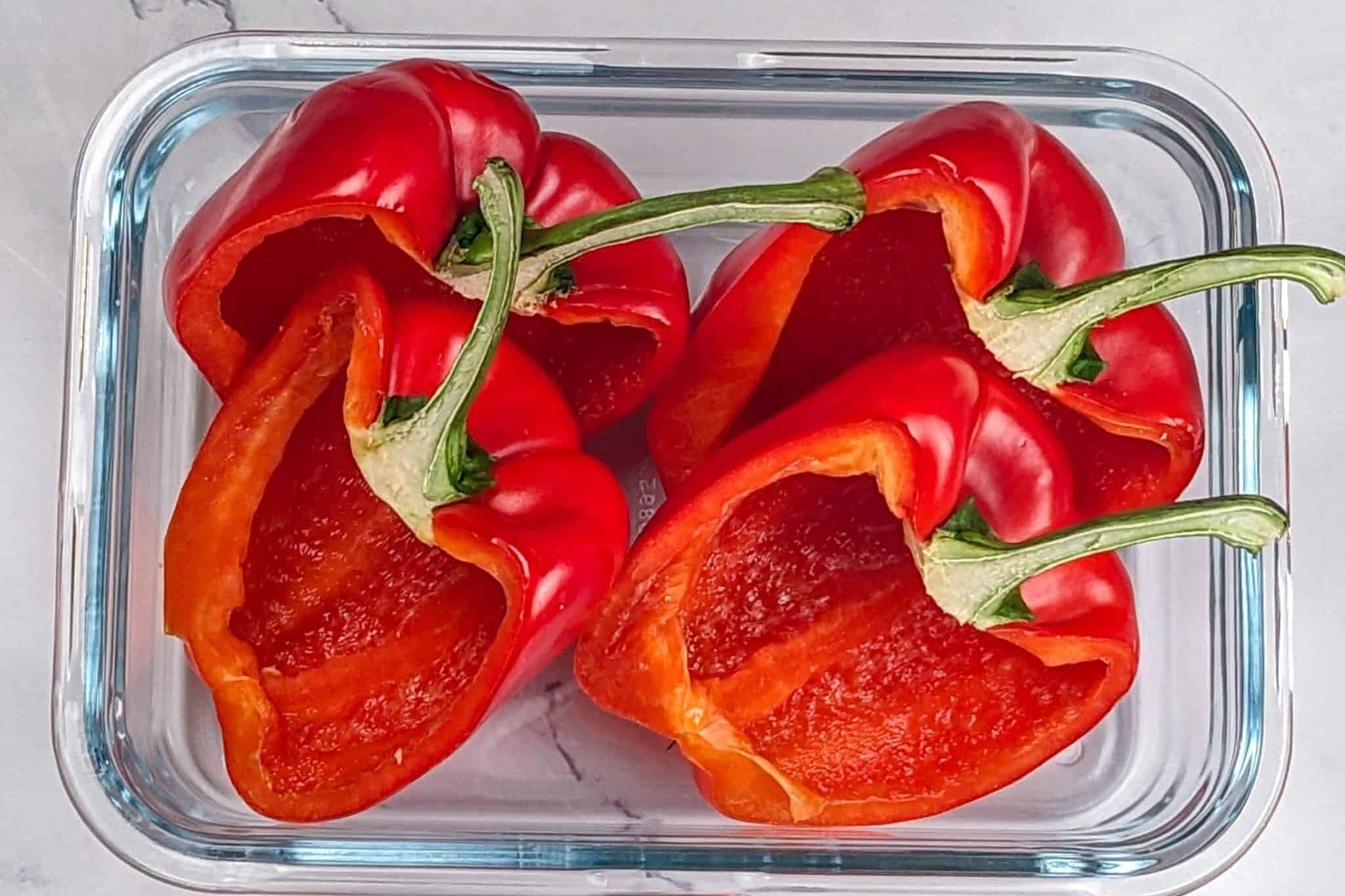
Bell peppers are another example of summer produce that can carry into early autumn. Warm-season plants don't immediately stop producing when September begins. Depending on your growing region, locally harvested bell peppers may remain available well into early fall.
- Look for peppers with firm, smooth skin and avoid large soft spots or deeply wrinkled areas.
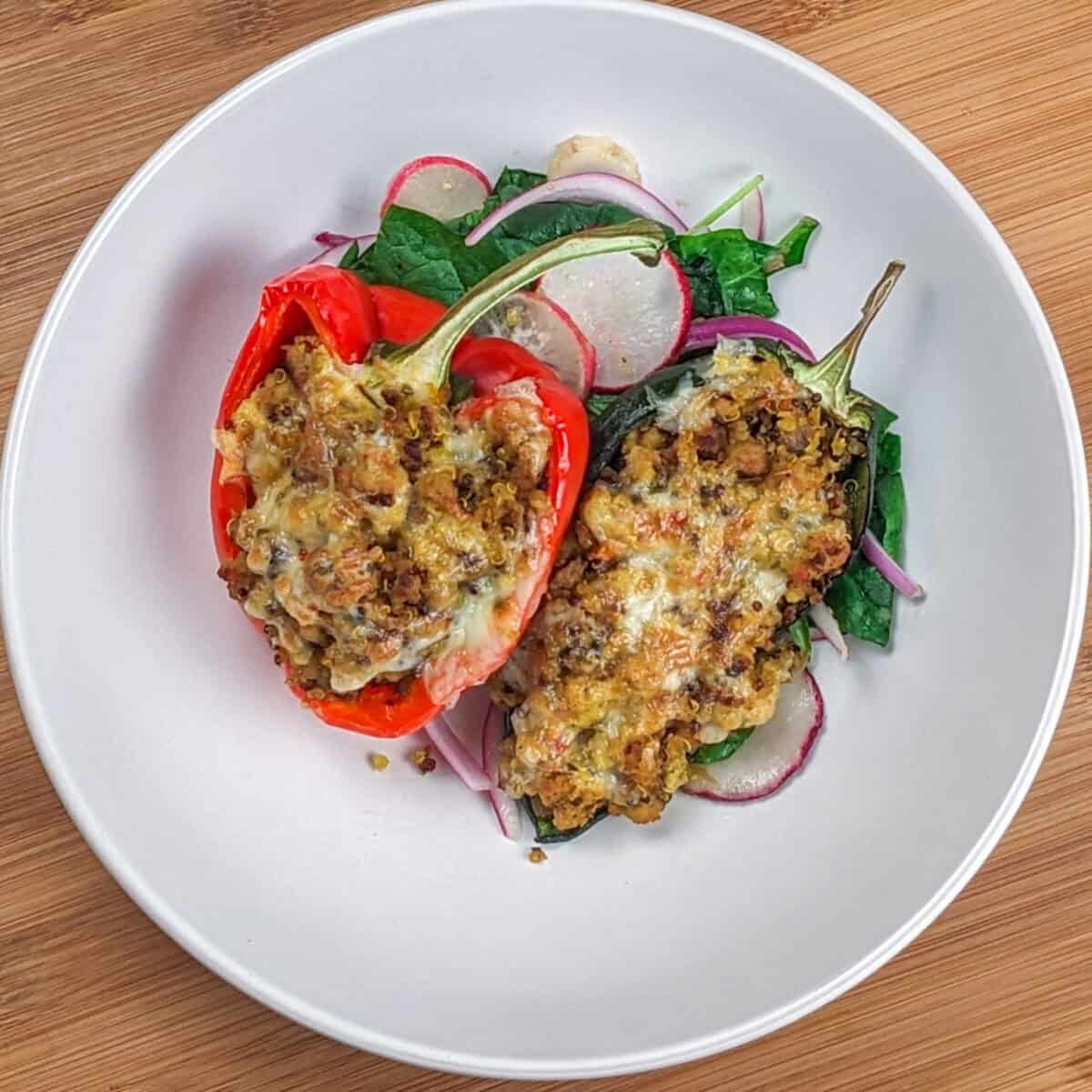
- Use them raw, sauté them with onions, roast them, stuff them, or add them to soups and savory dishes.
- Check out How to Cook with Sweet Peppers: Flavor Pairing to Avoiding.
- Also learn How to Prep Sweet Peppers (Wash, Cut, Seed & Store Them).
Mushrooms
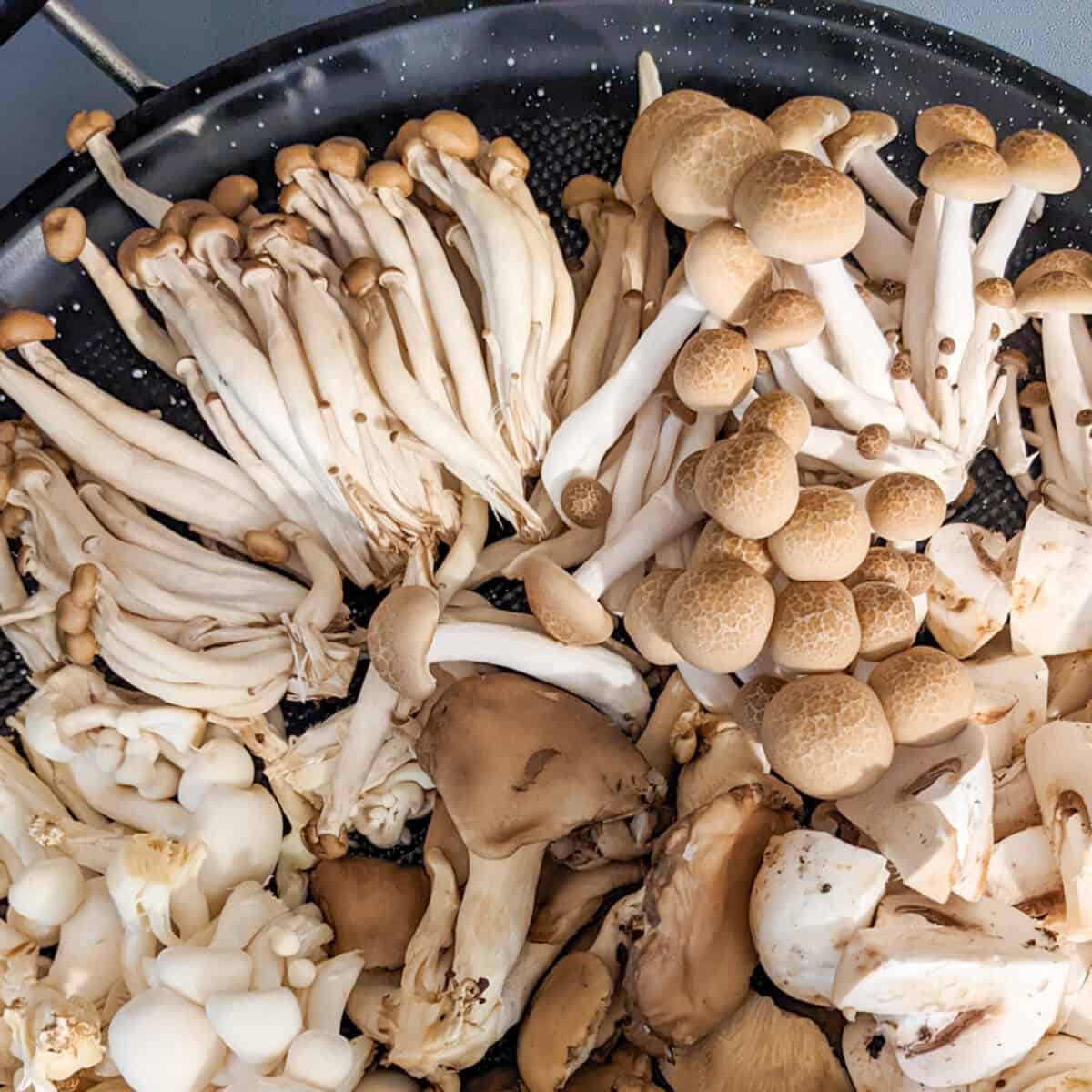
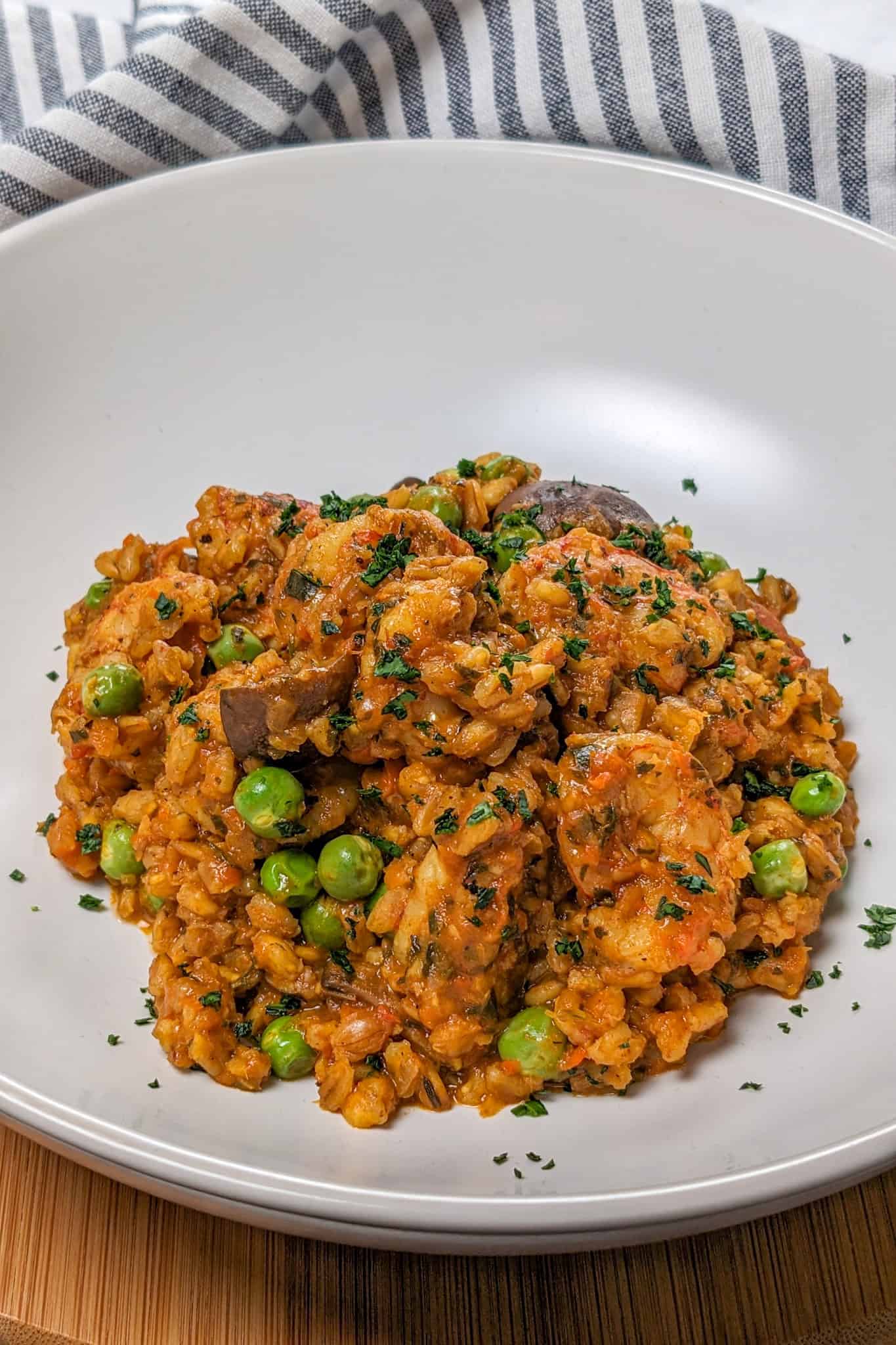
Mushrooms are especially associated with fall because cooler temperatures and increased moisture create favorable growing conditions for wild varieties. Cultivated mushrooms, however, are widely available year-round at grocery stores. Try
- From a cooking perspective, mushrooms are an excellent ingredient for practicing moisture control. When mushrooms hit a hot pan, they release water. Giving that water time to evaporate lets the mushrooms begin browning and develop deeper savory flavors.
- Avoid overcrowding the pan if browning is your goal.
- Check out How to Prepare and Cook Mushrooms: A Beginner's Guide.
Leeks and Onions
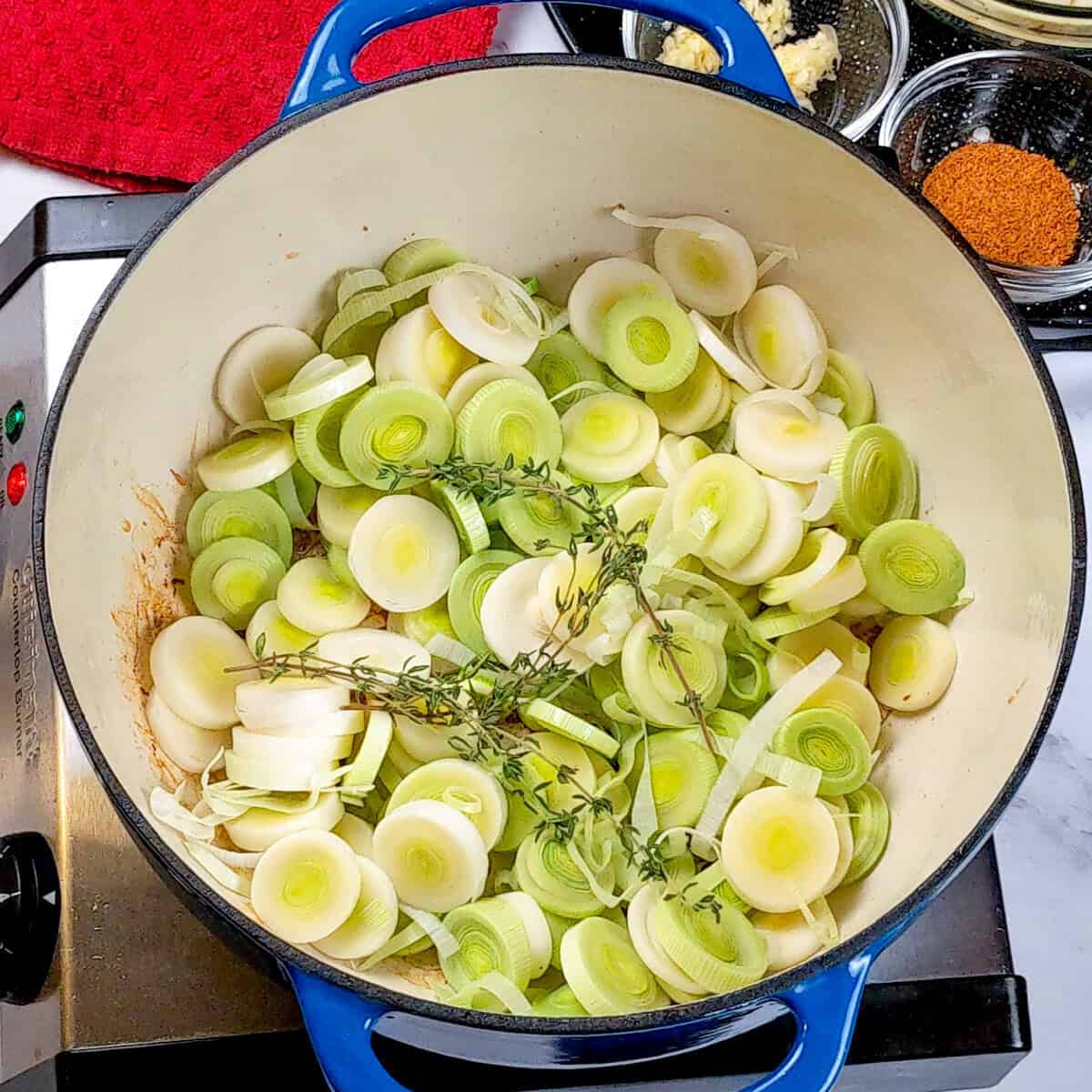
Leeks, onions, shallots, and other alliums form the flavor foundation of countless fall recipes.
- Their ability to store well also makes many alliums especially useful during cooler months.
- Cook them gently to develop sweetness or use higher heat to create more browning. Add them to soups, stews, pasta dishes, casseroles, braises, and roasted vegetables.
Fall Fruits
Apples
Apples are among the best-known fall fruits because wide varieties are harvested from late summer through autumn. Different apple varieties vary in sweetness, acidity, firmness, and juiciness. That means the best fruit for snacking may not necessarily be your first choice for baking.
- Choose apples that feel firm and have no large bruises, broken skin, or soft spots.
- Eat them fresh, add them to salads, bake them, cook them into sauces, or pair them with savory ingredients.
Pears
Pears are another classic fall fruit, but they teach an important lesson about ripening. Many pears are harvested before they're fully ripe and continue ripening after harvest. That means a firm pear at the grocery store isn't necessarily bad.
- Depending on the variety, check near the neck of the fruit for a little give rather than squeezing the entire pear and bruising it.
- Let firm pears ripen at room temperature, then move them to the refrigerator once they reach your preferred ripeness.
Cranberries
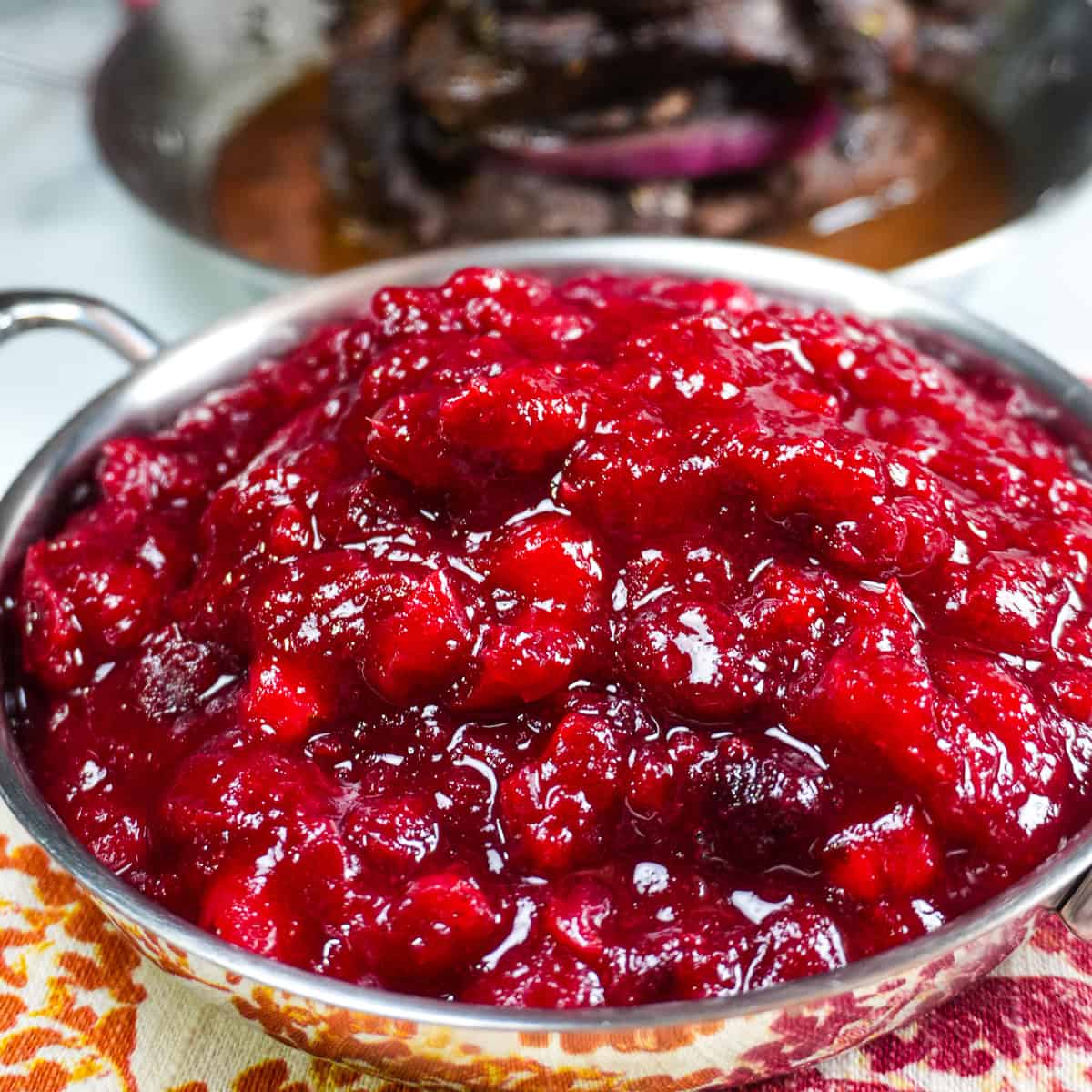
Fresh cranberries have a relatively short seasonal window and become much easier to find as the fall harvest progresses. Their intense tartness makes them useful for much more than traditional cranberry sauce.
- Turn them into chutneys, relishes, compotes, sauces, baked goods, and other sweet or savory dishes. Their acidity can be particularly useful for balancing richer foods.
Grapes
Many grape varieties reach their harvest season from late summer into early fall.
- Look for plump grapes firmly attached to healthy-looking stems. Avoid packages containing excessive shriveled, leaking, or moldy fruit.
- Eat grapes fresh, add them to salads, freeze them for snacks, or roast them. Roasting concentrates their sweetness and makes them a great addition to savory dishes.
Pomegranates
Pomegranates begin appearing more frequently as fall progresses.
- Cut one open, and you'll find hundreds of juicy arils surrounding small edible seeds. Their combination of sweetness, acidity, and crunch makes them useful when a dish needs contrast.
- Scatter the arils over salads, roasted vegetables, brown rice or grain bowls, yogurt, desserts, or savory dishes.
Persimmons
Persimmons are one of the more interesting seasonal fruits to explore in the autumn.
- Two common types are Fuyu and Hachiya ↗.
- You can usually eat Fuyu persimmons while they're still relatively firm. Hachiya persimmons are different: they should become extremely soft before eating because an underripe Hachiya can be intensely astringent.
- Knowing the variety matters more than judging the fruit by appearance.
Figs
Depending on the variety and growing region, fresh figs can have another harvest extending into early fall.
- Ripe figs are delicate and highly perishable. Look for fruit that feels tender without being mushy, leaking, or showing signs of mold.
- Enjoy them fresh, roast them, add them to salads, or pair their sweetness with cheeses and other savory ingredients.
Grocery Store Availability vs. Peak Season
One of the most important things to understand about seasonal foods is that available year-round doesn't mean in season year-round. Modern agriculture, refrigeration, controlled storage, transportation, and growing regions with different climates let grocery stores carry many fruits and vegetables long after their local harvest season ends.
Apples are a great example. You can find them at the grocery store throughout much of the year, even though wide varieties are harvested in late summer and fall. And seasonal produce can also vary dramatically by location. What's reaching peak season in Florida may be very different from what's being harvested at the same time farther north.
For example, the Southern Hemisphere experiences its seasons at opposite times of the year, which is another reason imported produce may appear in your grocery store outside its traditional North American growing season. So, instead of assuming something is seasonal simply because it's available, look at where it was grown and watch for changes in price, quality, variety, and abundance throughout the year.
Why Shop at a Farmers Market in Fall?
Visiting a farmers market is one of the easiest ways to see seasonality happening in real time. Instead of seeing nearly the same produce every week, you'll notice ingredients arriving, becoming abundant, and eventually disappearing as the local harvest season changes.
That's why shopping from local farmers can also keep more food spending in your local economy and let you ask questions about unfamiliar varieties. So ask the farmer what's tasting especially good that week, how they like to cook it, and how long they expect the harvest to last. And honestly, your local farmer's market can essentially become another seasonal cooking lesson!
Just Google search "farmers' market near me".
Why Shopping Seasonally Supports Local Farmers
One reason I encourage shopping seasonally is that it makes it easier to support local farmers. When you choose fruits and vegetables that naturally grow during the current harvest season, you're more likely to find ingredients grown closer to home rather than transported from a different growing region to be available year-round.
Also, shopping at your local farmer's market lets you see what is actually being harvested in your area. Instead of starting with a grocery list and expecting to find a specific ingredient, look at what's abundant, ask farmers what's currently at its peak season, and let those seasonal ingredients inspire your meal planning.
Importantly, buying locally when possible keeps more of your food dollars in the local economy while supporting the farmers who grow food in your community. You don't have to buy everything locally to make a difference: learning what's in season and choosing locally grown options when available is a practical place to start.
Fall Produce Grocery List by Month (Printable)
Fall produce changes considerably between September and November. Use this monthly breakdown as a general grocery list, not a strict harvest calendar, because availability varies by climate, growing region, weather, and variety.
| Produce | September | October | November |
|---|---|---|---|
| Apples | ✓ | ✓ | ✓ |
| Pears | ✓ | ✓ | ✓ |
| Grapes | ✓ | ✓ | |
| Figs | ✓ | ||
| Cranberries | ✓ | ✓ | |
| Pomegranates | ✓ | ✓ | |
| Persimmons | ✓ | ✓ | |
| Pumpkins | ✓ | ✓ | ✓ |
| Butternut Squash | ✓ | ✓ | ✓ |
| Acorn Squash | ✓ | ✓ | ✓ |
| Delicata Squash | ✓ | ✓ | ✓ |
| Sweet Potatoes | ✓ | ✓ | ✓ |
| Carrots | ✓ | ✓ | ✓ |
| Beets | ✓ | ✓ | ✓ |
| Parsnips | ✓ | ✓ | |
| Turnips | ✓ | ✓ | ✓ |
| Green Beans | ✓ | ✓ | |
| Bell Peppers | ✓ | ✓ | |
| Broccoli | ✓ | ✓ | ✓ |
| Cauliflower | ✓ | ✓ | ✓ |
| Brussels Sprouts | ✓ | ✓ | |
| Cabbage | ✓ | ✓ | ✓ |
| Kale | ✓ | ✓ | ✓ |
| Collard Greens | ✓ | ✓ | ✓ |
| Mustard Greens | ✓ | ✓ | ✓ |
| Leeks | ✓ | ✓ | ✓ |
Take This Fall Produce List Shopping
Print this fall produce grocery list or take a screenshot before heading to the grocery store or farmers market. Keep it handy while shopping to help you recognize seasonal fruits and vegetables that may be at their freshest during September, October, and November.
How to Choose Fall Produce
Knowing what's in season is only part of shopping for good produce. You also need to know what freshness and quality look and feel like. Bookmark to use as a reference.
Winter Squash
- Choose squash that feels heavy for its size and has a firm exterior. Avoid deep cuts, mold, leaking areas, or soft spots.
- Don't automatically reject a squash because its skin isn't perfectly smooth. Appearance varies considerably by variety.
Root Vegetables
- Choose carrots, beets, turnips, parsnips, and similar vegetables that feel firm, not rubbery or shriveled.
- Small surface imperfections are normal, but large soft spots, mold, or deep damaged areas can indicate deterioration.
Leafy Greens
- Look for leaves that appear crisp and appropriately colored for the variety.
- You can usually remove a damaged outer leaf, but widespread yellowing, sliminess, strong odors, or excessive wilting are signs to choose another bunch.
Apples
- Look for firm fruit without significant bruising, broken skin, or soft areas.
- Remember that appearance isn't everything. Some varieties naturally have different colors, textures, and markings.
Pears
- Don't expect every pear to be soft at the store.
- Many pears should finish ripening at room temperature. Depending on the variety, slight softness near the neck can help indicate ripeness.
Brussels Sprouts
- Choose firm sprouts with compact leaves.
- Remove imperfect outer leaves before cooking rather than discarding an otherwise good Brussels sprout simply because its exterior isn't flawless.
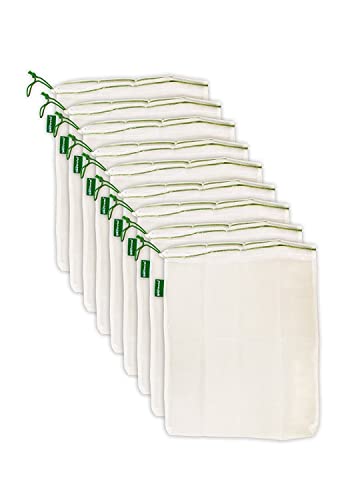
I recommend the Earthwise Reusable Mesh Produce Bags as an easy alternative to disposable plastic produce bags when shopping for fresh fruits and vegetables. This washable set of nine lightweight bags is especially useful for loose produce like apples, citrus, green beans, Brussels sprouts, potatoes, onions, and other items you want to keep together while shopping and transporting groceries home.
What I love most is how clearly you can see through the mesh. I've seen other reusable produce bags where the material makes it harder to see what's inside, but these are transparent enough that your produce is almost as easy to see as it would be through a traditional plastic produce bag. That makes them convenient while shopping and at checkout without giving up the benefit of a reusable bag.
I also recommend mesh bags mainly for shopping and transporting produce, not as a one-size-fits-all storage solution. Once you get home, transfer fruits and vegetables to the storage method that works best for that particular produce, especially leafy greens and other vegetables that need more controlled humidity.
How to Store Fall Produce Properly
Knowing how to store produce is just as important as knowing when to buy it. Different ingredients need different combinations of temperature, humidity, airflow, and protection.
Winter Squash and Pumpkins
- Store whole winter squash in a cool, dry area with good airflow.
- Once cut, wrap or place the squash in a covered container and refrigerate it.
Apples
- Refrigerate apples to extend their shelf life.
- Apples also produce ethylene gas, a natural plant hormone involved in ripening.
- Keep that in mind to avoid unintentionally speeding up the ripening of ethylene-sensitive produce stored nearby.
Pears
- Allow firm pears to ripen at room temperature.
- Once ripe, refrigerate them to slow further ripening.
Root Vegetables
- Refrigerate carrots, beets, turnips, and similar vegetables.
- If they still have leafy tops attached, removing the tops before storage can help reduce moisture loss from the root.
Leafy Greens
- Refrigerate greens while controlling excess moisture.
- A slightly damp paper towel can help maintain humidity around greens.
- Depending on the vegetable and packaging, a plastic bag or covered container can help reduce moisture loss, but you don't want the leaves sitting in accumulated water.
Mushrooms
- Refrigerate mushrooms in packaging that allows some airflow.
- Avoid trapping them with excessive moisture, which can encourage sliminess and deterioration.
Cranberries
- Store fresh cranberries in the refrigerator and remove damaged, leaking, or soft berries before storage.
- You can also freeze them for longer storage.
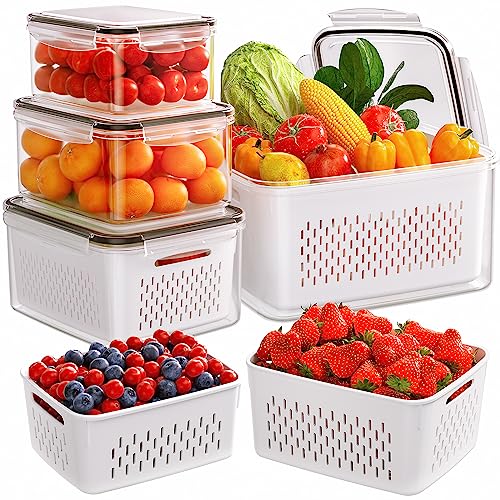
My Review: I absolutely love these 5-pack fruit storage containers. They completely exceeded my expectations! I was truly surprised at how long they kept my produce fresh, especially delicate items like berries and lettuce that usually spoil quickly. The removable colanders are super convenient for rinsing and draining right in the container, and the leakproof lids make fridge organization a breeze. I was so impressed with how well they worked, I went ahead and bought three packs! These have definitely become a go-to in my kitchen for keeping fruits, veggies, and even prepped meats fresher for longer.
Why These Produce Storage Techniques Work
Good produce storage comes down to four major factors: temperature, moisture, airflow, and ripening:
Cold temperatures generally slow the biological and microbial processes responsible for deterioration. Controlling humidity prevents produce from drying out too quickly, while preventing excess surface moisture helps reduce conditions that encourage mold and sliminess.
Airflow matters, too. Some produce benefits from ventilation, while delicate greens need protection from excessive moisture loss. Ripening is another factor. Some fruits continue ripening after harvest, while others don't improve much once picked.
Once you understand these basic principles, you don't have to memorize separate rules for every vegetable. Ask yourself: Does this ingredient need to ripen? Does it need to stay hydrated? Does it need airflow? Or does it need to stay relatively dry? Those questions will help you make better storage decisions with produce throughout the year.
Best Cooking Methods for Fall Vegetables
Knowing which vegetables are in season is useful, but understanding how they respond to heat is where you start becoming a more confident cook.
Roasting
Roasting works especially well for butternut squash, sugar pumpkins, sweet potatoes, carrots, parsnips, Brussels sprouts, cauliflower, and beets.
- Coat your vegetables lightly with olive oil and season them before spreading them across a baking sheet.
- Leave enough room between the pieces for moisture to escape.
- Crowding the pan traps steam and can prevent the browning you're trying to develop.
Sautéing
Use sautéing for mushrooms, mustard greens, collard greens, cabbage, leeks, onions, bell peppers, and green beans when you want a faster cooking method.
- Control both your heat and how much food you add to the pan.
- Adding too many ingredients at once can quickly lower the pan's temperature and create excess steam.
Braising
Sturdy vegetables such as collard greens, mustard greens, cabbage, kale, and turnips respond particularly well to braising.
- Braising combines moisture and gentle heat, allowing fibrous vegetables to soften while absorbing flavor from broth, aromatics, spices, and seasonings.
Simmering
Fall produce practically asks to be turned into soup. LOL seriously!
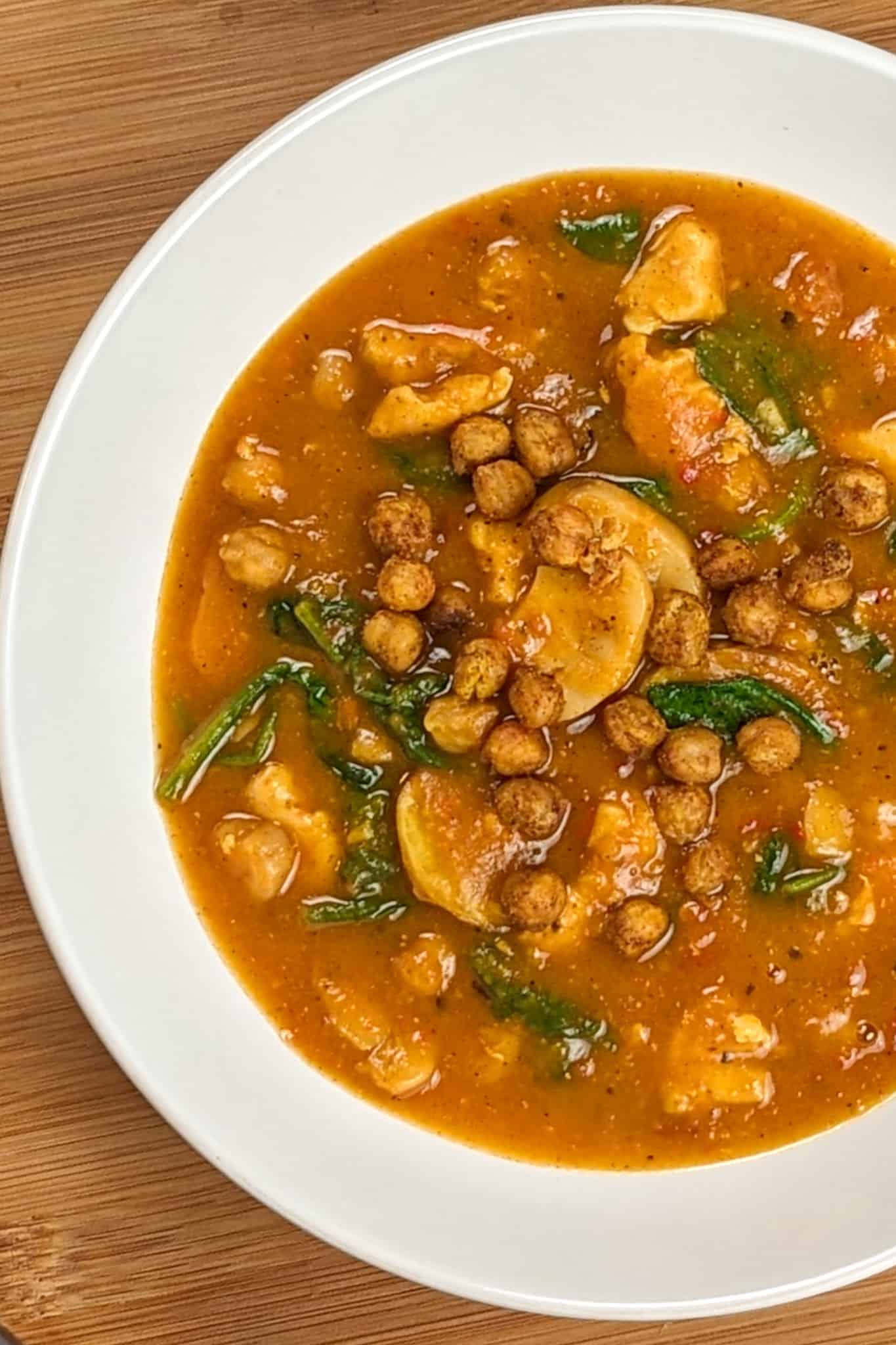
- Squash, carrots, sweet potatoes, mushrooms, leeks, greens, beans, and lentils can turn a basic broth into a satisfying meal.
- It's also a useful technique for beginners because it gives you a chance to practice building layers of flavor.
Easy Fall Meal Planning with Seasonal Ingredients
You don't need a separate recipe for every piece of seasonal produce you bring home.
For easy fall meal planning, start with:
one seasonal vegetable + one cooking technique + one protein or legume + one grain or starch.
Roast butternut squash and Brussels sprouts and serve them with chicken and brown rice. Sauté mushrooms and greens before tossing them into pasta dishes. Simmer carrots, collard greens, and lentils together for a hearty soup.
You can also roast sweet potatoes as a simple side dish, add greens to beans, or use leftover roasted vegetables in grain bowls the following day.
This approach makes seasonal cooking more flexible because you're learning to build meals from ingredients rather than searching for a new recipe every time you need to use something.
Don't Forget About Late-Summer Produce
September may mark the beginning of the fall season, but nature doesn't follow our calendars exactly:
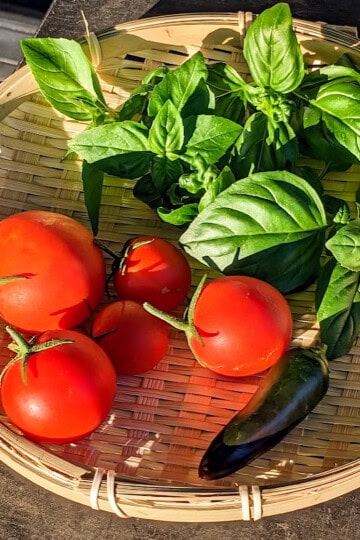
Green beans, bell peppers, tomatoes, eggplant, zucchini, yellow squash, and corn may still be abundant during early fall, particularly in warmer climates.
So take advantage of that overlap! And roasted butternut squash can share a plate with late-season peppers. Tomatoes can accompany fall greens. Even zucchini can go into the same soup as beans and root vegetables. Seasonal cooking should give you more possibilities, not more rules!
Fall Recipe Ideas
Once you've brought your fall produce home, experiment with simple combinations before worrying about complicated recipes.
Roast butternut squash for grain bowls. Stir collard or mustard greens into soups. Sauté mushrooms for pasta. Roast apples or pears for dessert. Add Brussels sprouts to a sheet-pan dinner. Simmer sweet potatoes and root vegetables in soups and stews. Turn fresh cranberries into a sweet-and-savory chutney.
Fall seasonal ingredients also work beautifully with globally inspired flavors. Squash pairs well with warming spices, hearty greens can handle bold aromatics, sweet potatoes work with both sweet and spicy seasonings, and tart seasonal fruits can provide acidity to balance rich savory dishes.
Just pick one ingredient you don't normally buy and learn one good technique for preparing it. That's enough to start.
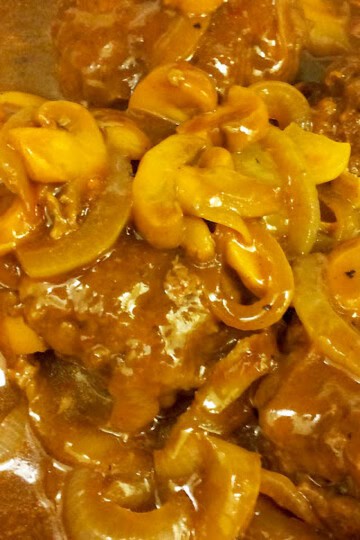
- BBQ Salisbury Steak with Mushroom Gravy
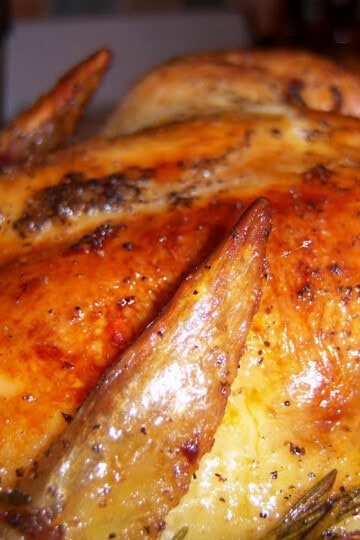
- Rosemary Garlic Roasted Chicken with Pan Gravy
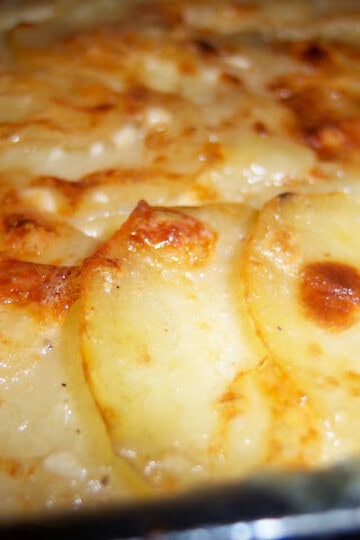
- Cheesy Au Gratin Potatoes with Sharp Cheddar and Nutmeg
- Instant Pot Collard Greens with Smoked Turkey
Other Kitchen Tools I Use and Recommend
These are some of the kitchen tools I personally use that make cooking faster and easier. If you're building your kitchen setup or upgrading your tools, these are great places to start. More Kitchen Must-Haves - Find other tools I use here.
My Review: As a professionally trained chef, I never thought I’d buy a vegetable chopper, since I can dice an onion in seconds. But after developing wrist injuries, I started looking for tools that make cooking easier and reduce strain, and the Mueller Pro-Series 10-in-1 Vegetable Chopper surprised me. I love the different dicing and slicing options, plus the container that catches everything as you prep. The hinged area of the press-down lid feels like a weak point, but so far mine has held up and does its job well. I recommend it! I’m a big supporter of using whatever tools make cooking easier for you and your lifestyle.

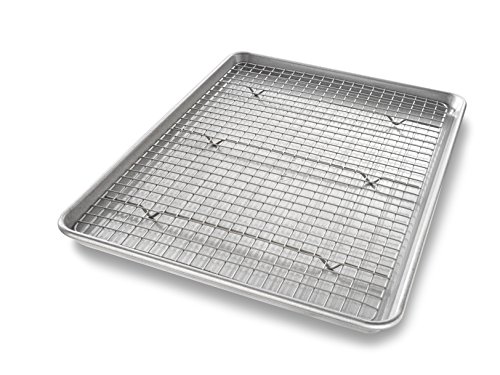
My Review: The USA Pan Bakeware Half Sheet Baking Pan and Nonstick Cooling Rack Set is such a smart buy, it’s incredibly convenient to have both the pan and rack come together as a set. You never know when you’ll need the rack for roasting, cooling, or glazing, and having it perfectly fitted to the pan saves so much time and hassle. The pan itself is super sturdy with excellent heat distribution, and the nonstick rack makes cleanup a breeze. I’ve used it for everything from baking cookies to roasting vegetables and even draining fried foods. It’s one of those kitchen upgrades that just makes life easier.
My Review: We've been using the Vitamix Professional Series 750 Blender for over 5 years, and it continues to perform flawlessly, just as powerful and reliable as day one. This blender is a commercial kitchen favorite for good reason: it blends everything from smooth mango purees to nut butters and soups with ease, and the self-cleaning feature makes cleanup a breeze. It's 64 oz. Low-profile container fits perfectly under most cabinets, and if you're serious about quality, this is the blender to invest in.

My Review: Of course, I had to get this hand blender in red to match my stand mixer, and I love the convenience and power it brings to my kitchen! With all the included gadgets and easy cleaning (just detach and rinse!), It's become my go-to for everything from smoothies to soups. It's a true "stick blender" with a design that lets me blend even larger quantities of liquid, especially with the slim cup. Highly recommend! If you didn't know already, the KitchenAid Cordless Variable Speed Hand Blender boasts a powerful rechargeable battery that blends up to 25 bowls of soup on a single charge and offers a quick 20-minute charge option for smaller tasks. It's an 8" removable blending arm with a 4-point stainless steel blade that tackles a variety of recipes, from smoothies to soups, while the variable speed trigger switch provides precise control. This versatile hand blender comes with a convenient charger, blending jar, and pan guard, making it a practical and efficient addition to any kitchen.

My Review: I originally purchased the LISOS Wide Silicone Egg Spatula for its intended use with a Japanese tamagoyaki pan, but I've found myself reaching for it for so much more. The wide, flexible surface is especially useful when I'm roasting vegetables in my air fryer or on a sheet pan in the oven because I can scoop up a larger portion at once instead of chasing individual pieces around the pan.
What I love most is that it's not just a tamagoyaki spatula. I use it for omelets, roasted vegetables, and other foods that benefit from a wider surface when lifting, flipping, or transferring. It's one of those simple kitchen tools that ended up being much more versatile than I expected.
Try a wide spatula when transferring roasted vegetables from your air fryer basket or sheet pan. The extra surface area helps you scoop up several pieces at once, especially smaller vegetables that tend to scatter when you're using a traditional narrow spatula.

Frequently Asked Questions
Here is a list of common questions I have answered. If you have any questions, please write them in the comments below.
Common fall seasonal produce includes apples, pears, cranberries, pomegranates, persimmons, winter squash, pumpkins, sweet potatoes, carrots, beets, broccoli, cauliflower, Brussels sprouts, cabbage, kale, collard greens, mustard greens, and leeks. Exact availability varies by location, weather, and growing region.
Some of the most recognizable fall vegetables are butternut squash, pumpkins, sweet potatoes, Brussels sprouts, broccoli, cauliflower, cabbage, carrots, beets, turnips, kale, mustard greens, and collard greens.
Fall fruits commonly include apples, pears, grapes, cranberries, pomegranates, persimmons, and some varieties of figs. Their individual harvest seasons don't necessarily last for the entire fall season.
It can be, but availability doesn't automatically mean an ingredient is locally in season. Many fruits and vegetables are available year-round because they're grown in different climates, transported from other regions, or held in specialized storage after harvest.
Fresh produce provides important nutrients whether you buy it during its traditional peak season. Many factors affect nutritional value, including variety, growing conditions, maturity, storage, transportation, and cooking, so "seasonal" shouldn't automatically mean "more nutritious."
Sometimes, particularly when local supply is abundant, but not always. Weather, crop yields, transportation, demand, growing location, and where you shop can all influence the final price.
Some plants respond to colder temperatures by converting stored starches into sugars. This can help protect plant cells from freezing and make certain cool-weather vegetables taste sweeter.
Use a seasonal grocery list as your guide, but let quality determine what actually goes into your cart. Look for good color, appropriate firmness, minimal damage, and produce that appears fresh, and don't be afraid to ask local farmers what's currently at its peak.
Cooking Tips and Tutorials
If you found this tutorial helpful, you'll love my Cook's Notebook collection. From knife skills and flavor bases to time-saving tricks and essential equipment guides, this section is packed with chef-tested lessons to help you cook with confidence.
- Indian Cooking Techniques That Changed How I Think About Food
- What Is Emulsification? A Simple Guide to Creamier Sauces and Dressings
- Homemade Baby Food: How to Prep, Freeze & Build Easy Meals
- Summer Seasonal Produce: A Guide to Fruits and Vegetables in Season




Chef Maika Frederic-Liebman
Chef and Educator
Professionally trained Haitian-American chef Maika Frederic is the creator of Just Maika Cooking, where she shares globally inspired recipes, cooking techniques, ingredient guides, and food safety tips designed to help home cooks become more creative and confident in the kitchen. Combining years of professional culinary experience with a passion for teaching, she makes global flavors approachable through practical, accessible instruction for cooks of every skill level.
SUBSCRIBE: 👈To my YouTube Channel to Get Notifications of New Videos.
Have a Comment or Question?
If you have a question or comment about this post, please post it below. You will receive a prompt response. It also helps our other readers to stay informed. Thanks!

Leave a Reply