


This steak shawarma recipe layers marinated skirt steak, portobello mushrooms, and red onion on a vertical oven skewer for a savory fall holiday centerpiece. Serve the thinly sliced beef with herb-spiced gravy and cranberry ginger chutney for a Lebanese-inspired meal with a seasonal twist.

Table of Contents
Jump to:
- Homemade Beef Shawarma Meets the Holiday Table
- Why You'll Love This Recipe
- Ingredients with Steps
- Culinary Glossary
- Instructions with Pictures
- Equipment
- Kitchen Must-Haves Reviews
- Storage and Reheating
- Substitutions
- Variations
- 5 Quick Cooking Tips
- Frequently Asked Questions
- More Fall Dinner Recipes
- Cooking Tips and Tutorials
- Suggested Sides and Serving Ideas
- 📖 Recipe
- Have a Comment or Question?
Homemade Beef Shawarma Meets the Holiday Table
If you enjoy experimenting with global flavors, this homemade beef shawarma is a delicious way to bring something different to your fall table. Beituti Zesty Shawarma Marinade seasons the skirt steak, while rosemary, thyme, and sage connect the beef to familiar holiday flavors.
Mushrooms and onions roast between the layers, and the collected juices become the base of a gravy. This beef version takes inspiration from shawarma, a popular street food associated with meat cooked on a vertical spit, and adapts it into an oven-roasted centerpiece you can serve at home.
Why You'll Love This Recipe
- A different holiday centerpiece: Serve a beef dish that brings global flavor to your gathering.
- An easy marinade shortcut: Beituti supplies the shawarma seasoning, so you can focus on preparing the steak and vegetables.
- Flavorful roasted layers: Portobello mushrooms and red onion add variety to each serving.
- A gravy worth making: Use the roasting juices instead of leaving their flavor in the pan.
- Flexible serving options: Enjoy it on a platter, in a rice bowl, or tucked into a warm pita wrap.
Note From Chef Maika
I wanted to create a holiday main dish that brings together my love of global cuisine and the cozy flavors of fall. Shawarma spices paired with rosemary, thyme, sage, gravy, and cranberry ginger chutney felt like a fun way to explore that idea.

I also personally know Rawia, the founder of Beituti, and can vouch for her amazing marinade. Her woman-owned business proudly shares her Lebanese culinary culture, and I love introducing my readers to a product with that personal connection.
Explore Beituti Shawarma Marinades and try the Zesty Shawarma Marinade in this recipe yourself.
Support Global Food Bloggers
Looking for authentic Lebanese cuisine? Check out The Mediterranean Dish and Feel Good Foodie. To learn more about the origins of shawarma, check out Al-Basha or Wikipedia for a related article.
Recommended Reads

Ingredients with Steps
Coat trimmed skirt steak with Beituti Zesty Shawarma Marinade, optional apple cider vinegar, and fresh rosemary, thyme, and sage, then refrigerate to marinate. Layer the beef with sliced portobello mushrooms and red onion on a vertical skewer, using onion at the base and an orange or lemon half or onion half on top.
Roast until browned and cooked through, then rest before slicing. Use the pan drippings, butter, all-purpose flour, and beef stock to make gravy, adding optional apple cider or red wine and adjusting salt and black pepper. Serve the sliced beef and vegetables with the gravy and cranberry ginger chutney.


Culinary Glossary
This section provides concise definitions of key ingredients and techniques to help you understand and improve your cooking skills for this post. Find More Terms: Culinary Glossary
Ingredients
- Skirt steak: A long, thin beef cut with a pronounced grain, or visible direction of muscle fibers.
- Portobello mushrooms: Large, mature mushrooms with broad caps and a savory flavor.
- Marinade: A seasoned mixture that coats food and adds flavor before cooking.
- Drippings: Juices and fat released by food during roasting.
- Stock: A flavorful liquid used as the foundation for soups, sauces, and gravy.
Techniques
- Roasting: Cooking food with dry oven heat. How to Roast Food: The Fundamental Principles of Roasting.
- Browning: Developing color and flavor on a food's surface. Meat browning mainly involves the Maillard reaction; onion sugars can also caramelize. How the Maillard Reaction Makes Food Taste Better.
- Roux: Flour cooked with fat to thicken a sauce.
- Slurry: Starch mixed with cool liquid before stirring into a hot sauce.
- Slicing against the grain: Cutting across muscle fibers to shorten them and make meat easier to chew.

For the Sauce

Instructions with Pictures
Follow the instructions and cooking tips below using the step-by-step picture guide.
Prepare the Vegetables

Prepare thick onion rounds, reserving a sturdy piece for the bottom of the stack.

Cut the long pieces into manageable lengths for stacking rather than thin serving strips. Remove the mushroom stems and slice the caps.
My Review: I used Beituti’s shawarma marinade and vertical skewer to make my Steak Shawarma Recipe, and I love how this starter pack brings both together in one convenient set. The marinade takes the guesswork out of seasoning, while the vertical skewer pan makes it easy to stack and roast beef, chicken, vegetables, or other proteins right in your oven or on the grill. It’s especially useful if you want to experiment with homemade shawarma without purchasing a full-size vertical rotisserie. You can also use the pan for gyros and al pastor-style tacos, making it more versatile than a single-use kitchen tool.

Marinate the Skirt Steak

In a large bowl, combine the shawarma marinade with the optional apple cider vinegar and fresh herbs.

First, trim thick connective tissue from the skirt steak, keeping its natural thickness. Then add the steak and coat it thoroughly. Cover and refrigerate for at least six hours or overnight. Keep the beef refrigerated while marinating.
Assemble the Vertical Skewer
Set up a stable, oven-safe vertical skewer in a deep roasting pan. Add the thick onion base, then alternate layers of beef, mushrooms, and onion. Press the layers together without letting the tower lean. Finish with the citrus half or onion half.
Check the height against your oven space before you start heating the oven. The stack needs clearance from the heating elements.

Roast at 350°F, following the recipe card's approximate 1½ to 2-hour cooking window. Stack thickness affects the timing, so use a thermometer rather than surface color alone.

Check several thick areas of beef toward the center, avoiding contact with the metal skewer. For beef steaks and roasts, USDA recommends 145°F followed by at least a three-minute rest. Fully cook the stack before carving for this home oven method.
Make the Herb-Spiced Gravy

Transfer the collected drippings to a heatproof bowl and skim excess fat, reserving the amount needed for the gravy. In a skillet or saucepan over medium heat, heat the reserved fat with butter as directed in the recipe card. Whisk in the flour and cook briefly to form a roux.

Gradually whisk in the stock and reserved juices. Add the optional apple cider or red wine and simmer until the gravy thickens. Taste the gravy before adding salt; the marinade and drippings already add seasoning.

If using cornstarch, mix it with cool liquid first, then add it to the simmering gravy. Cornstarch uses the slurry method, rather than the roux method.
Rest, Slice, and Serve
Allow the cooked beef to rest before carving. Use a sharp knife to cut thin slices of meat across the grain where possible. Serve with the roasted vegetables, gravy, and cranberry ginger chutney.
For a beef shawarma wrap, fill a warm pita pocket with sliced beef, fresh veggies, garlic sauce, and Lebanese pickles. Serve the gravy separately if you offer a wrap option.
Equipment
Here's what you'll need to be efficient, plus easy swaps if you don't have everything on hand.
- Oven-safe vertical skewer with a stable base: Supports the layered stack (use a purpose-built oven shawarma stand). A stationary oven skewer does not rotate like a vertical rotisserie. Use the equipment's stated oven limits and a secure base.
- Deep roasting pan: Collects juices and contains the skewer base (a deep, oven-safe baking dish that accommodates the stand).
- Sharp knife: Trims the steak and slices vegetables and cooked beef (a carving knife for the cooked meat).
- Cutting boards: Provide separate preparation surfaces for raw beef and ready-to-eat ingredients (wash and sanitize one board between tasks).
- Large bowl: Holds the beef and marinade (a food-safe resealable bag).
- Tongs: Help handle the beef and roasted ingredients (food-safe gloves for assembly).
- Heatproof bowl and spoon: Collect drippings and skim excess fat (a heatproof measuring jug and spoon).
- Skillet or saucepan: Cooks the gravy (a small sauté pan).
- Whisk: Blends the roux and stock smoothly (a fork for a small batch).
- Instant-read thermometer: Checks the center of the beef (a suitable leave-in thermometer, checked in several areas).
Kitchen Must-Haves Reviews
Find a collection of my reviews of kitchen equipment that I have purchased or recommend. Kitchen Must-Haves - Find other tools I use here.
My Preview: The PAUDIN 8-inch Carving Knife has quickly become one of my favorite tools for slicing roast meats, brisket, and vegetables with ease. Most of my knives are from the Paudin brand because they’re lightweight, reliably sharp, and impressively affordable, and this carving knife is no exception. The German stainless steel glides through meat cleanly, and the ergonomic handle makes long slicing sessions comfortable, perfect for holiday prep, shawarma shaving, or everyday cooking.

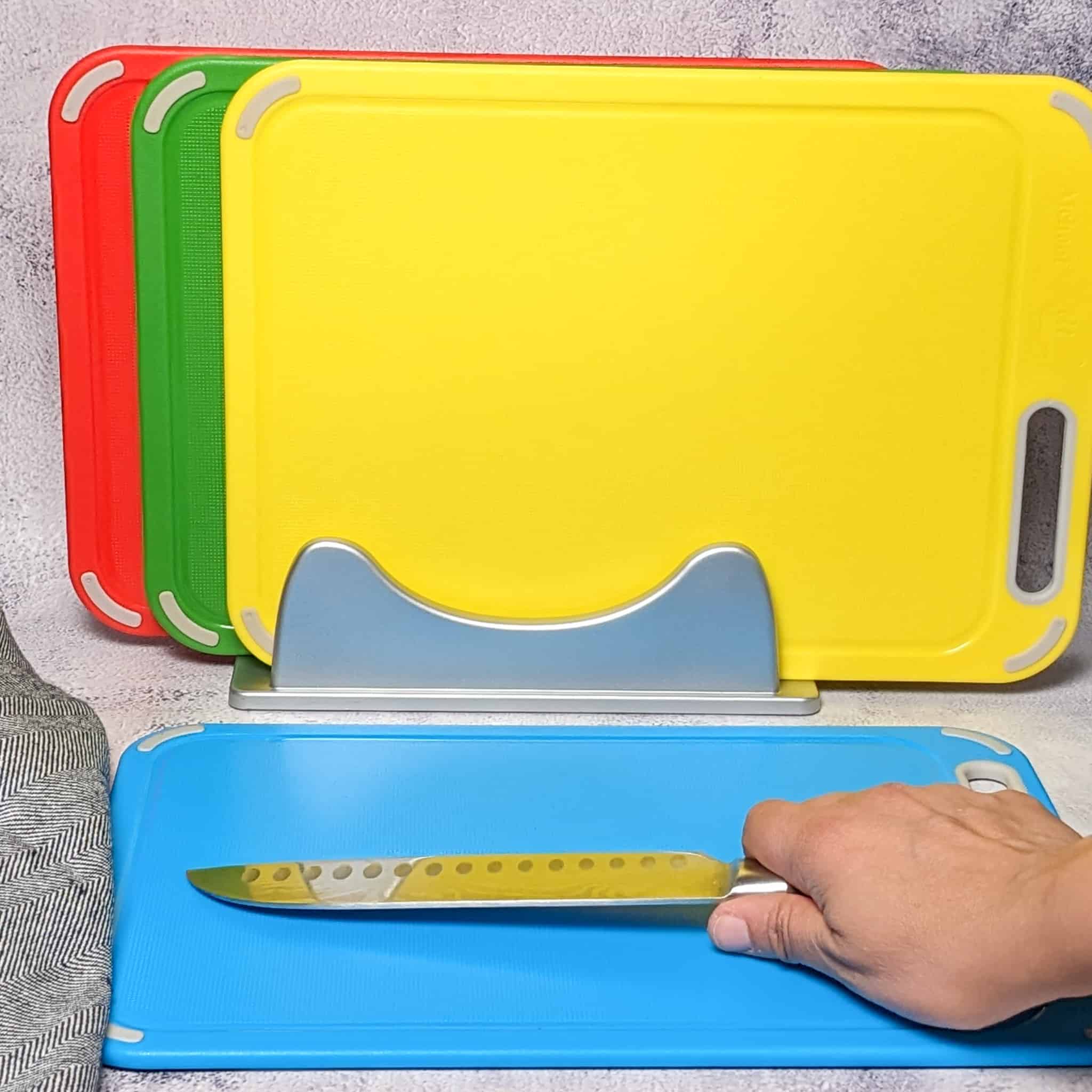
My Review: I absolutely love this Plastic Cutting Board Set of 4 with a Storage Stand! The color-coded boards are a lifesaver for preventing cross-contamination, especially when I’m switching between meats and veggies. The plastic is super sturdy, so I don’t have to worry about it flexing while I’m chopping. What really stands out for me is how easy they are to use after chopping. I slide everything straight into the pot, which keeps my kitchen clean and saves time. Cleanup is such a breeze, too; they go right into the dishwasher without any warping. Plus, the storage stand keeps everything neat and organized. These boards have made cooking so much easier and more enjoyable!
My Review: I love the clean, classic look of this Pyrex 3-piece glass mixing bowl set. It’s a staple in my kitchen. Pyrex is known for its durability, and these bowls definitely live up to that reputation. I use them for everything from mixing batters to storing leftovers, and their microwave-safe feature makes them super multifunctional. They’re also easy to clean and stack nicely in the cabinet. The only reason this isn’t a five-star for me is that I always have that little fear of breaking them when I’m using or storing them, even though they’re made to last.
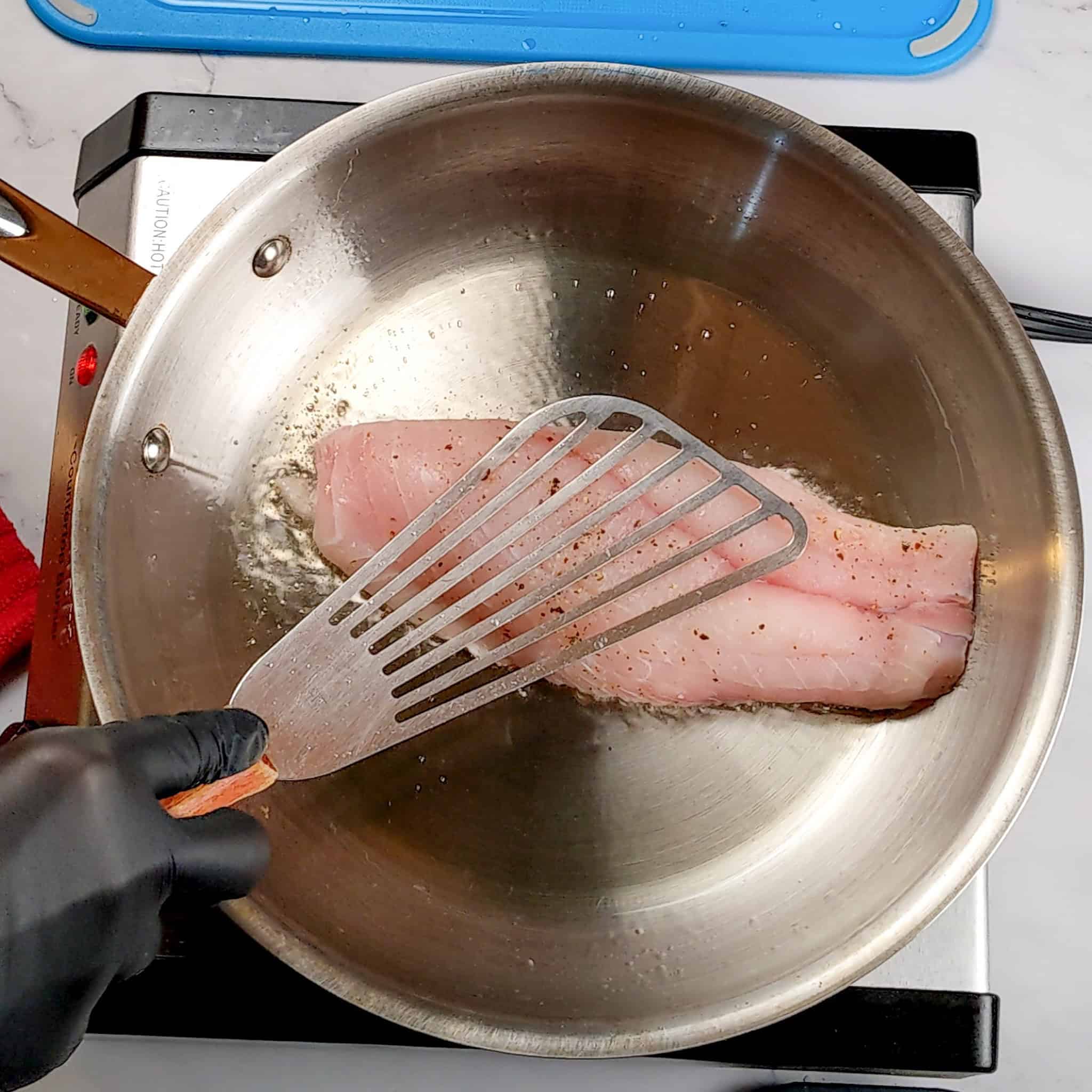
My Review: I love and trust All-Clad for their high-quality pans that truly last a lifetime, and this D3 10-Inch Stainless Steel Fry Pan with a lid is no exception. It delivers fast, even heat and comes out of the dishwasher looking impeccable every time, which makes cleanup effortless. It’s super easy to use, whether you're searing, sautéing, or finishing a dish in the oven, plus it's oven- and broiler-safe up to 600°F. One tip for getting that perfect nonstick surface: always let the pan heat up on its own first, then add your oil and wait until it’s hot before adding delicate foods like fish. This pan is a staple in my kitchen and earns its keep every single day.
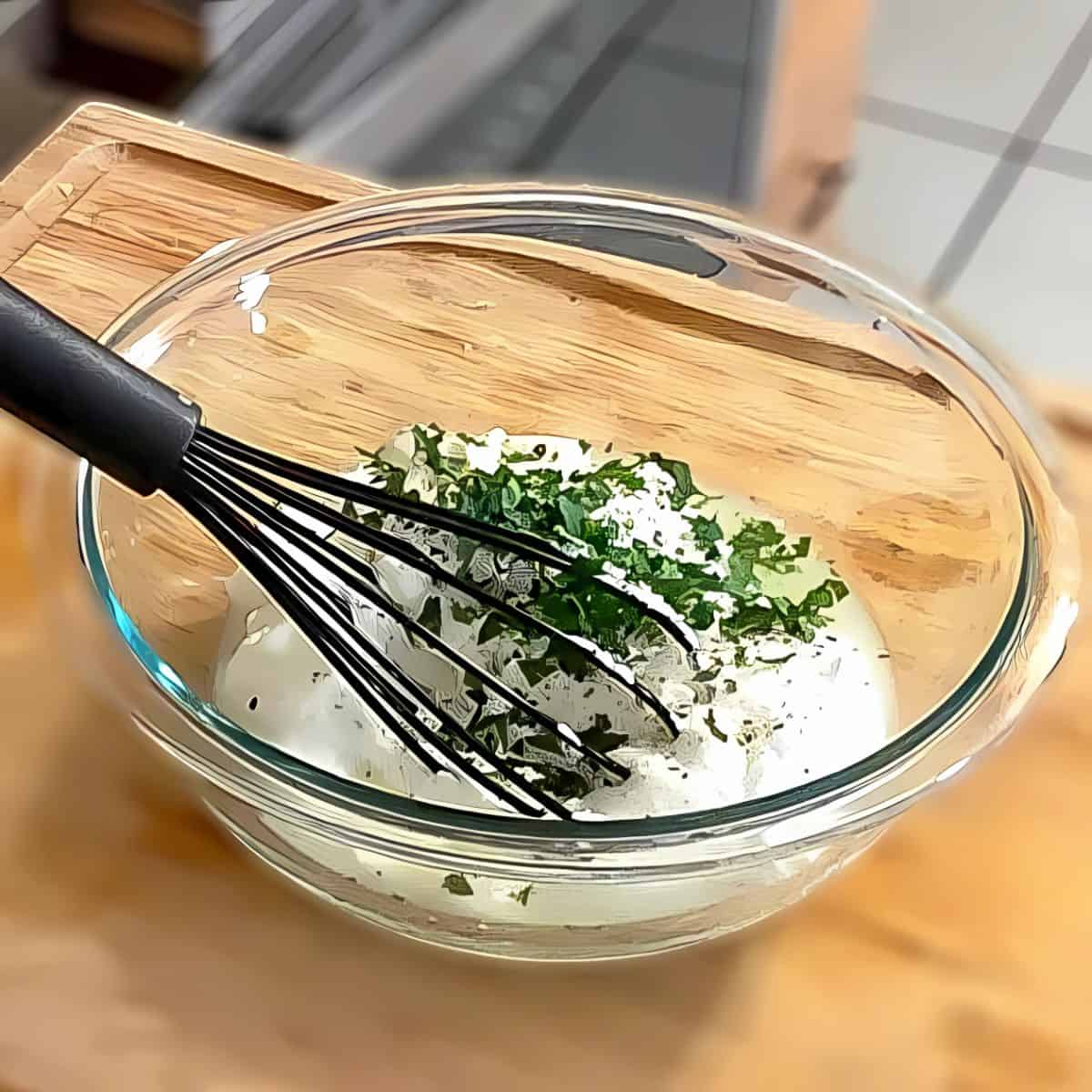
My Review: First of all, I love the look of these Walfos silicone whisks. The sleek design instantly caught my eye. They’re sturdy, heat-resistant, and perfect for mixing in non-stick pans without scratching. A dependable, stylish set that gets regular use in my kitchen.
America's Test Kitchen - Winner
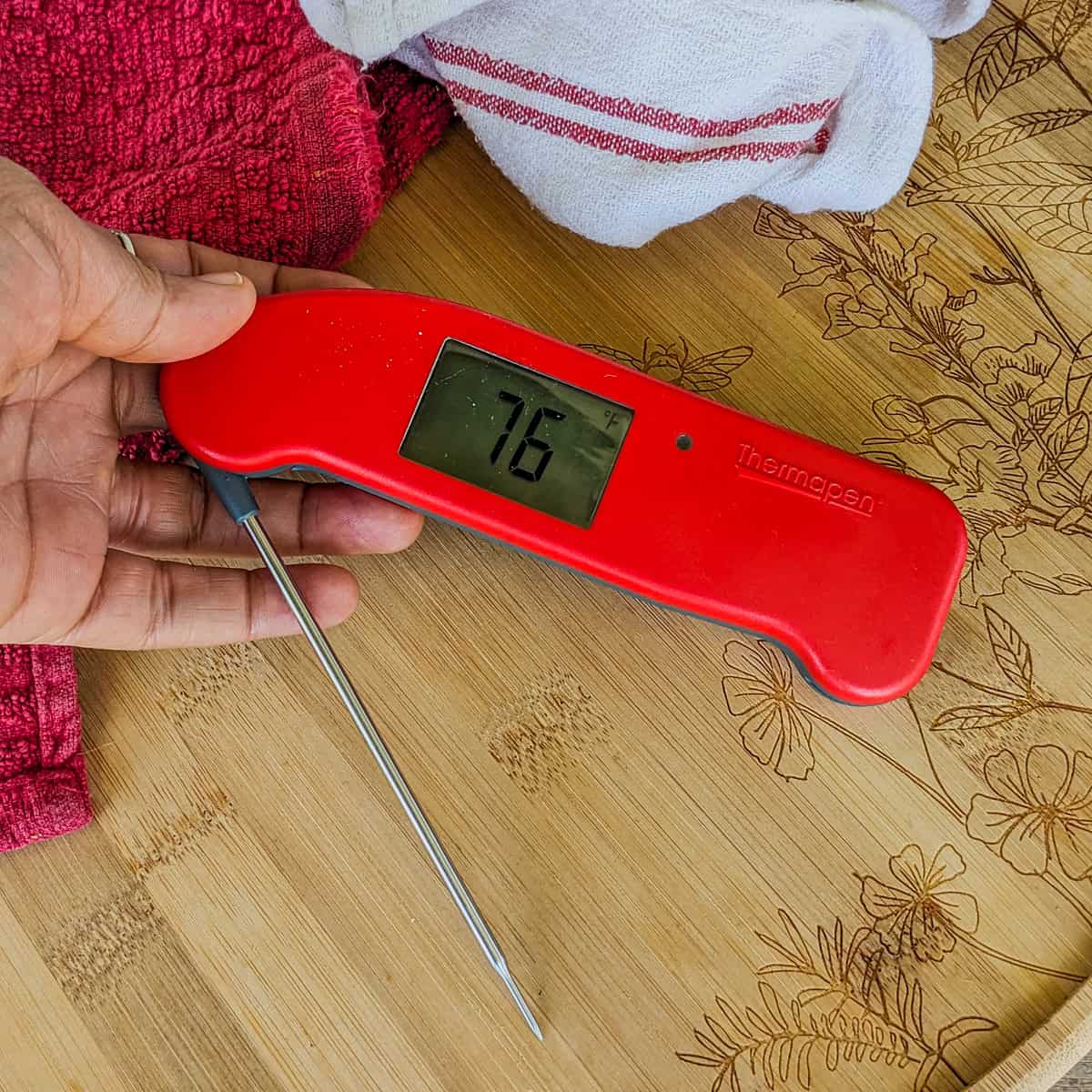
My Review: The Thermapen ONE by ThermoWorks is my go-to kitchen thermometer - simple, fast, and incredibly precise. It delivers accurate readings in just one second, making it perfect for everything from meats to baked goods. I love that it's waterproof, has a rotating backlit display, and turns on automatically when you unfold the probe. America's Test Kitchen voted it its top thermometer. It comes with a 5-year warranty and a NIST-traceable calibration certificate, so you can trust it as a must-have tool for any cook.
Storage and Reheating
Learn how to properly store leftovers and reheat them so they stay fresh and flavorful. Learn more about Understanding Food Temperature Safety Zones: Cook, Store & Serve Safely.
Refrigeration
Remove leftover beef and vegetables from the skewer and divide them into shallow containers. Refrigerate within two hours of cooking, or within one hour if the surrounding temperature exceeds 90°F. Keep gravy and chutney separate. Use the refrigerated beef, vegetables, and gravy within three days.
Freezing
Freeze sliced beef and vegetables in meal-size portions for up to two months for best quality. Add a little gravy or stock to the beef to help protect it from drying out. Mushrooms and onions may soften after thawing. You can freeze flour-thickened gravy separately, though it may need whisking when reheated. A cornstarch-thickened gravy may change texture after freezing.
Reheating
Thaw frozen portions in the refrigerator. Warm the beef and vegetables in a covered skillet with a splash of stock, heating leftovers to 165°F. Bring reheated gravy to a rolling boil, stirring and adding stock if necessary to loosen it. Heat only the portion you plan to serve.
Substitutions
Find easy ingredient swaps to fit dietary needs or what you already have in your pantry.
Dairy-Free
- Butter: Replace the butter in the gravy with olive oil, avocado oil, or reserved beef fat. Butter is the dairy ingredient in the supplied recipe. Heart-healthy, High-Smoke-Point Oils for Cooking.
Gluten-Free
- All-purpose flour: Replace wheat flour with a gluten-free all-purpose blend suitable for sauces, or thicken with a cornstarch slurry. Use the slurry method for cornstarch.
Vegetarian
- Skirt steak: Use additional thick portobello slices or king oyster mushrooms for a mushroom-based adaptation. The smaller stack will need a different cooking time. Tips on How to Prepare and Cook Mushrooms.
- Beef stock and meat drippings: Use vegetable stock and juices from the roasted mushrooms and onions. Omit butter for a vegetarian gravy.
- Butter: Substitute olive oil or Vegan Butter. It works just as well for making a roux or flavoring the gravy.
- Herb-Spiced Gravy: Replace with Mushroom Gravy. For example, use pan-roasted mushroom drippings with vegetable stock for a rich vegetarian version.
Convenience
- Shawarma marinade: Use another prepared liquid beef shawarma marinade, or make your own with lemon juice, olive oil, garlic cloves, and warm spices.
- Skirt steak: Flank steak or thin pieces of sirloin steak can work, but their thickness and texture will change the cooking time.
- Red onion: Substitute yellow or white onion.
- Fresh herbs: Use dried rosemary, thyme, and sage, starting with about one-third of the fresh-herb amount.
- Beef stock: Use chicken stock or prepared bouillon.
- Apple cider vinegar: Omit it when the marinade is already tangy.
Change Heat Level - Modify the recipe's heat level to your liking and learn more about the Scoville Scale and Chili Pairings.
Variations
Explore fun twists and creative ways to make this recipe your own.
- Holiday platter: Arrange sliced beef, mushrooms, and onions on a serving platter with gravy and chutney alongside.
- Beef shawarma sandwich: Tuck the beef into warm pita with garlic sauce, pickles, cucumber, and tomato.
- Shawarma rice bowl: Serve over spiced rice with fresh salad and marinated sumac onions.
- Skillet adaptation: If you do not have a vertical stand, cook thin beef strips in small batches in a large skillet over medium-high heat. Keep each batch in a single layer and cook the vegetables separately. This changes the method and timing and produces less roasting fat for gravy.
5 Quick Cooking Tips
Cook's Notebook is your Cooking Tips Resource Guide. Become a better home cook with tips to help you cook more efficiently.
- Prep for stacking: Keep the steak pieces broad enough to sit securely on the stand; save thin slicing for serving.
- Use a stable base: Center the layers over the skewer base so the tower stays upright.
- Check the middle: Insert the thermometer into several thick areas, avoiding the metal skewer. Internal Meat Temperature Chart (Printable Guide).
- Add stock gradually: Whisk in a little liquid at a time to prevent gravy lumps.
- Cut across the grain: Cutting shortens the beef's muscle fibers, making each slice easier to chew.
Frequently Asked Questions
Here, you will find a list of common questions that I have answered. If you have questions, please write them in the comment section below.
This recipe uses skirt steak. Its natural thinness makes it practical for stacking, and it has a pronounced beef flavor. Flank steak and sirloin steak are alternatives, but they may need different preparation and cooking times. Beef chuck is better suited to longer cooking.
You need a stable, oven-safe vertical stand for the stacked version, but it does not need to rotate. A commercial vertical rotisserie turns meat beside a heat source; this recipe uses a stationary stack inside the oven. See the skillet variation if you prefer to cook without special equipment.
Marinate it in the refrigerator for at least six hours or overnight. If you use a different prepared marinade, follow its recommended marinating time, especially if it contains a substantial amount of acid.
Yes. Use your preferred liquid beef shawarma marinade. A mixture of olive oil, lemon juice, garlic, and spices such as cumin, coriander, and paprika is a starting point. Keep the rosemary, thyme, and sage for this recipe's holiday flavor profile.
For a fall holiday meal, serve it with herb-spiced gravy, cranberry ginger chutney, potatoes, or roasted vegetables. For a wrap or bowl, offer warm pita, garlic sauce, Lebanese pickles, fresh salad, or rice. Keep sauces separate so guests can choose their favorite combination.
More Fall Dinner Recipes
Find more comforting main dishes and seasonal sides to round out your fall table.
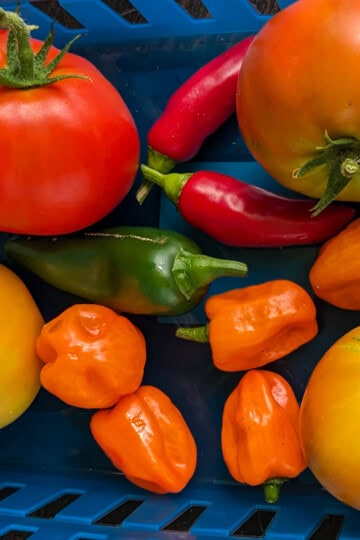
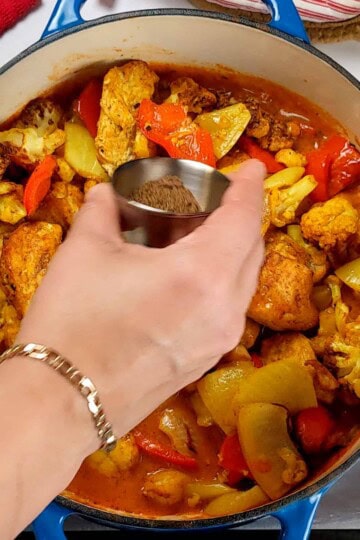
- Ras El Hanout Roasted Vegetables with Red Beet Hot Honey Glaze
- 2026 Fall Seasonal Produce Guide: Fruits and Vegetables to Enjoy This Season
- BBQ Salisbury Steak with Mushroom Gravy
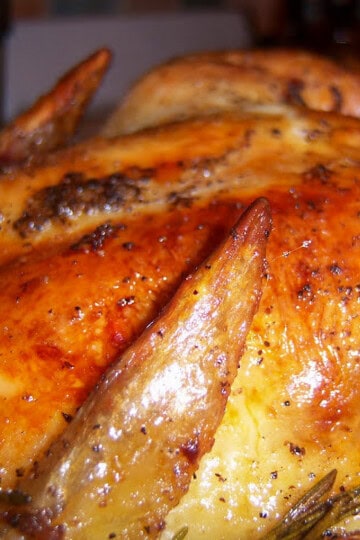
- Rosemary Garlic Roasted Chicken with Pan Gravy
Cooking Tips and Tutorials
If you found this tutorial helpful, you'll love my Cook's Notebook collection. From knife skills and flavor bases to time-saving tricks and essential equipment guides, this section is packed with chef-tested lessons to help you cook with confidence.
- Seasonal Produce Guide: What Fruits and Vegetables Are in Season?
- How to Roast Food: The Fundamental Principles of Roasting
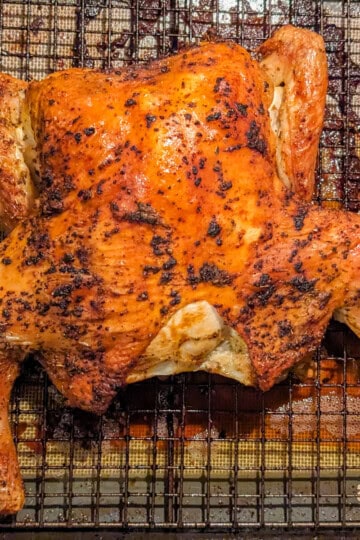
- Indian Cooking Techniques That Changed How I Think About Food
- What Is Emulsification? A Simple Guide to Creamier Sauces and Dressings

Suggested Sides and Serving Ideas
- DIY Shawarma Bar: Set up a simple shawarma station without special equipment by lining trays with aluminum foil, serving sauces in a small bowl, and letting everyone assemble their own wraps.
- Beef Shawarma Wrap: Fill a warm pita bread wrap or pita pocket with thin strips of steak, garlic sauce, Lebanese pickles, tomatoes, and your favorite salad ingredients.
- Classic Street Food Style: Build a beef shawarma sandwich inspired by popular street food using warm pita brushed with a tablespoon of olive oil or avocado oil and toasted over medium-high heat in a large skillet.
- Plated Meal Option: Serve the shaved steak in a single layer with roasted vegetables, rice, or crispy potatoes seasoned with garlic cloves, whole spices, and a teaspoon of salt.
- Fall Shawarma Bowl: Create a bowl with greens, herbs, shaved steak, roasted mushrooms, onions, and a spoonful of cranberry-ginger chutney.
📖 Recipe

Steak Shawarma with Fall Holiday Flavors
Ingredients
Beef and Vegetable Stack
- 2 -3 pounds skirt steak thick connective tissue trimmed
- 1 cup Beituti Zesty Shawarma Marinade or another liquid shawarma marinade
- 2 tablespoons apple cider vinegar optional
- 2 sprigs fresh rosemary leaves removed and chopped
- 2 sprigs fresh thyme leaves removed
- 1 tablespoon chopped fresh sage
- 3 large portobello mushrooms stems removed and caps cut into ½-inch slices
- 1 large red onion peeled and cut into ½-inch rounds
- ½ orange or lemon, for capping the skewer
- Kosher salt and black pepper as needed
For the Herb-Spiced Gravy
- Pan drippings from the roasted stack
- 2 tablespoons unsalted butter or reserved drippings fat
- 2 tablespoons all-purpose flour or cornstarch slurry for gluten-free
- 2 cups low-sodium beef stock plus more as needed
- ¼ cup apple cider or red wine, optional
- Kosher salt and black pepper to taste
For Serving
- Fresh Cranberry Ginger Chutney optional
Equipment
- Frying Pan or Small Saucepan
Instructions
- Save Time in the Kitchen: Read the instructions thoroughly, then gather and prep all your ingredients before cooking! Learn Prepping Tips.
- Prepare the steak: Keep the skirt steak's natural thickness and cut the long pieces into manageable sections approximately 6 to 8 inches long. Trim away thick connective tissue.
- Marinate: Combine the shawarma marinade, optional apple cider vinegar, rosemary, thyme, and sage in a large bowl. Add the steak and toss to coat. Cover and refrigerate for at least 6 hours or overnight.
- Prepare the oven and stand: Preheat the oven to 350 °F. Set the vertical skewer in a deep roasting pan, following the equipment's instructions. Check that the assembled stack will clear the oven's heating elements.
- Build the stack: Thread a thick onion round onto the skewer as the bottom layer. Alternate layers of marinated beef, portobello mushrooms, and onion, pressing them together and keeping the stack centered. Cap with the orange or lemon half. Discard the remaining raw marinade.
- Roast: Roast for approximately 1½ to 2 hours, checking the beef in several thick areas toward the center with an instant-read thermometer. Avoid touching the metal skewer with the probe. Cook the beef to at least 145 °F; the stack's thickness will affect the cooking time.
- Rest: Remove the cooked stack from the oven and rest for at least 5 minutes before slicing. Carefully transfer the collected drippings to a heatproof bowl.
- Separate the drippings: Skim the fat from the roasting juices. Reserve 2 tablespoons of fat for the gravy, or use butter instead. Keep the remaining juices.
- Make the roux: Heat the reserved fat or butter in a skillet or saucepan over medium heat. Whisk in the flour and cook for 1 to 2 minutes, stirring continuously.
- Finish the gravy: Gradually whisk in the beef stock and reserved roasting juices. Add the optional apple cider or red wine and the thyme sprig. Simmer for 8 to 10 minutes, stirring, until thickened. Add more stock if needed to reach your preferred consistency. Remove the thyme sprig, taste, and adjust the salt and black pepper.
- Slice and serve: Carefully carve thin slices of cooked beef, cutting across the grain where possible. Arrange with the roasted mushrooms and onions. Serve with gravy and cranberry ginger chutney on the side.
Video
Notes
- Keep the natural thickness: Don't butterfly the steak. Skirt steak is naturally thin, which makes it ideal for stacking.
- Cut into manageable pieces: Cut each long strip into 6- to 8-inch lengths. This size stacks easily on the vertical skewer without excessive overhang.
- Cut long pieces with the grain if needed: If a piece is excessively long, you can divide it with the grain before stacking. The important step for tenderness comes after cooking, when you shave the steak against the grain.
- Trim thick connective tissue: Remove obvious thick white seams and large pieces of excess fat so the stack stays compact and the finished slices are easier to eat.
Nutrition


Chef Maika Frederic-Liebman
Chef and Educator
Professionally trained Haitian-American chef Maika Frederic created Just Maika Cooking, where she shares globally inspired recipes, cooking techniques, ingredient guides, and food safety tips to help home cooks become more creative and confident in the kitchen. Combining years of professional culinary experience with a passion for teaching, she makes global flavors approachable through practical, accessible instruction for cooks of every skill level.
SUBSCRIBE: 👈To my YouTube Channel to Get Notifications of New Videos.
Have a Comment or Question?
If you have a question or comment about this post, please post it below. You will definitely get a quick response. It also helps our other readers to stay informed. Thanks!
Leave a Reply