


Fresh herbs bring bright flavor, color, and freshness to meals, but they also collect dirt, sand, bacteria, and debris during harvesting, packaging, and transportation. Learning how to wash fresh herbs properly helps improve food safety, extend shelf life, and keep delicate leaves from becoming bruised or slimy before cooking.
Whether you're washing basil, cilantro, parsley, dill, rosemary, or thyme, this beginner-friendly guide walks you through the best way to wash herbs, dry them correctly, and store them for longer-lasting freshness.
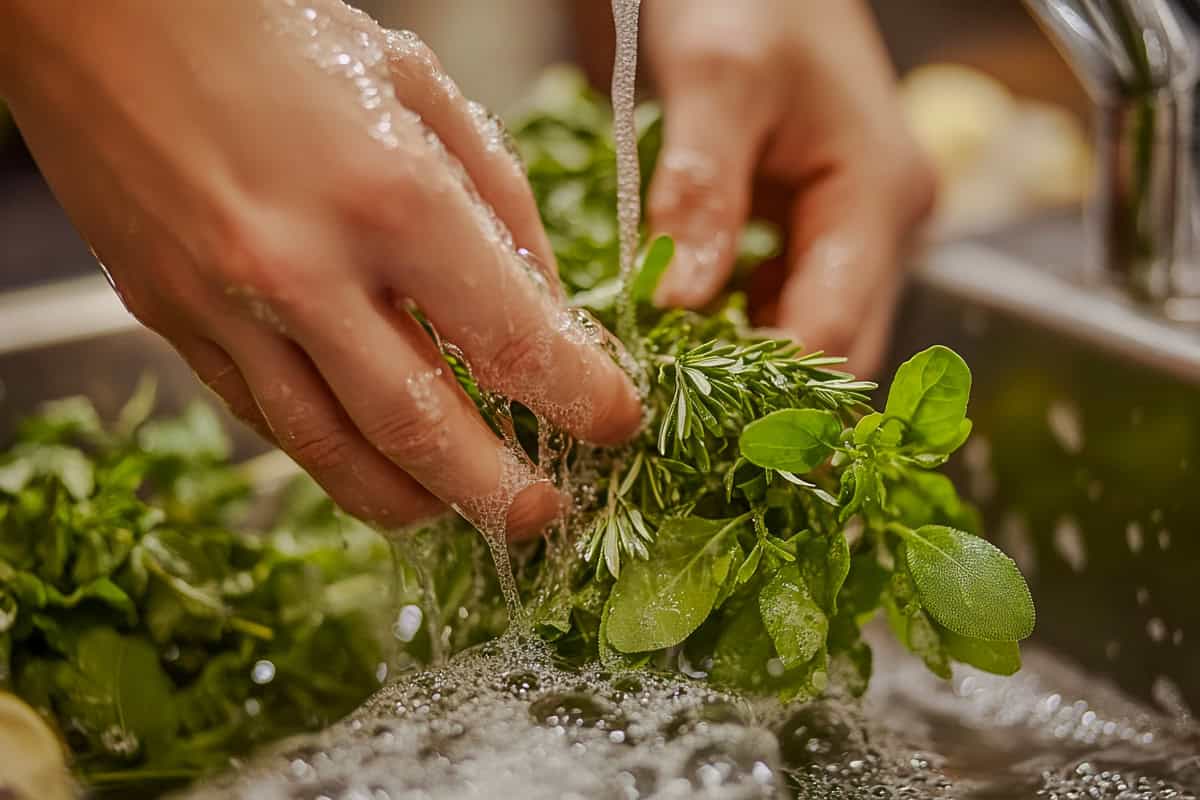
Table of Contents
Jump to:
- The Herb Habit
- Best Washing Method for Different Fresh Herbs
- Why Washing Is Non-Negotiable
- Why Washing Fresh Herbs Matters for Food Safety
- Why This Is Totally for Beginners
- What You'll Learn in This Post
- More Beginner Cooking Prep Guides
- Culinary Glossary
- Instructions with Pictures
- Equipment List
- Wash Herbs Without Equipment
- Chef Maika's Tips for Washing and Storing Fresh Herbs
- Should You Wash Herbs Before Storing Them?
- Common Mistakes When Washing Fresh Herbs
- How to Store Fresh Herbs After Washing
- Frequently Asked Questions
- More Cook's Notebook: Cooking Tips
- Recipes Using Herbs
- Have a Comment or Question?
The Herb Habit
Let's talk about something everyone knows but doesn't always do when cooking: you actually have to wash the herbs. Yep, those gorgeous bunches of cilantro or parsley you just grabbed at the grocery store?
They've seen some things like dusty produce bins, sticky fingers, and maybe even a bug or two. In this post, I'm walking you through how to wash fresh herbs step by step. This isn't just about making your food taste better (which it definitely will), it's about keeping grit and grime out of your next homemade meals.
Whether you're rinsing a leafy bunch for salad or prepping for soup, you'll learn the best way to wash herbs so they're clean, dry, and ready to use. And yes, we'll cover everything from washing fresh herbs to cleaning herbs before cooking, so you can add it to your repertoire.
Quick Answer: How to Wash Fresh Herbs
Fill a large bowl with cold water, add the fresh herbs, and gently swish them to loosen dirt, sand, or debris. Lift the herbs out of the water instead of pouring everything into a colander, then dry them completely with a salad spinner, clean kitchen towel, or paper towels before chopping, cooking, or storing.
For fragile herbs like basil, cilantro, dill, parsley, and mint, use a gentle soak to prevent bruising. For hardy herbs like rosemary, thyme, oregano, and sage, a quick rinse under cool running water usually works well.

Learning how to wash herbs properly is part of building strong mise en place habits in the kitchen.
Watch: How to Wash Fresh Herbs the Right Way
Learn the step-by-step method I use to wash, dry, and prep fresh herbs without bruising delicate leaves or trapping leftover moisture before cooking or storing.

Quick Herb Washing Tips
- Wash fresh herbs in a bowl of cold water to loosen dirt and debris gently.
- Lift the herbs out of the water instead of draining dirty water back over them.
- Delicate herbs like basil and cilantro need gentler handling than hardy herbs like rosemary and thyme.
- Dry herbs thoroughly before storing to prevent sliminess and spoilage.
- A salad spinner is one of the easiest ways to quickly remove trapped water.
- Proper washing and storage help herbs stay fresh and flavorful longer.
Best Washing Method for Different Fresh Herbs
Different fresh herbs require slightly different washing and drying methods depending on how delicate or sturdy their leaves and stems are.
Basil
- Herb Type: Delicate Herb.
- Best Washing Method: Gentle soak in cold water.
- Best Drying Method: Pat dry with paper towels.
- Best For: Garnishes, pasta dishes, pesto, salads, and finishing dishes.
Cilantro
- Herb Type: Tender Herb.
- Best Washing Method: Bowl of cold water and gentle swish.
- Best Drying Method: Salad spinner.
- Best For: Salsas, tacos, rice dishes, soups, and marinades.
Parsley
- Herb Type: Tender Herb.
- Best Washing Method: Soak and lift from water.
- Best Drying Method: Salad spinner or towel dry.
- Best For: Garnishes, sauces, salads, seafood, and compound butter.
Dill
- Herb Type: Delicate Herb.
- Best Washing Method: Gentle rinse in cool water.
- Best Drying Method: Air-dry or towel-dry.
- Best For: Seafood dishes, yogurt sauces, dips, pickling, and potatoes.
Mint
- Herb Type: Delicate Herb.
- Best Washing Method: Quick soak and gentle swish.
- Best Drying Method: Pat dry carefully.
- Best For: Drinks, desserts, salads, sauces, and Mediterranean dishes.
Rosemary
- Herb Type: Hardy Herb.
- Best Washing Method: Rinse under cool running water.
- Best Drying Method: Clean kitchen towel.
- Best For: Roasted meats, potatoes, breads, and grilled dishes.
Thyme
- Herb Type: Hardy Herb.
- Best Washing Method: Quick rinse under water.
- Best Drying Method: Air-dry or towel-dry.
- Best For: Soups, braises, roasted vegetables, poultry, and sauces.
Sage
- Herb Type: Hardy Herb.
- Best Washing Method: Running water rinse.
- Best Drying Method: Towel dry.
- Best For: Brown butter sauces, stuffing, pork dishes, and roasted squash.
Oregano
- Herb Type: Hardy Herb.
- Best Washing Method: Quick rinse and shake dry.
- Best Drying Method: Air dry.
- Best For: Pizza sauces, Mediterranean dishes, marinades, and grilled meats.
Tender herbs with soft leaves bruise easily, so avoid aggressive scrubbing or blasting them with strong running water. Hardy herbs with woody stems can handle a little more movement and rinsing pressure.
Why I Actually Wash My Herbs Now
For the longest time, my go-to method for cleaning herbs at home was... let's just say minimal. A light stream of water under the faucet, straight into the pot, they went. I figured, "They're green and leafy, they look clean."
But then I started reading more from the U.S. Food and Drug Administration (FDA) about foodborne illness outbreaks linked to contaminated produce, including Salmonella and E. coli. As someone who has worked in professional kitchens, it reminded me why proper produce washing is treated so seriously during food prep.
Wash, Rinse, Dry
In restaurant kitchens, we'd never let that fly. Washing herbs was the first thing we did during prep. We'd soak leafy herbs like basil and tender leaves like parsley in cool water, gently swish, lift them from the bottom of the bowl, dry them on a clean towel, or spin them in the salad spinner.
I mean, we weren't about to let damaged leaves or excess moisture mess up a $40 entrée.
The Home Cook Habit
At home, though? I got lazy. That changed after I bought a salad spinner. Now, I can clean a whole bunch of fresh parsley or basil plants in just a couple of easy steps. Fill the bowl, let the dirty water settle, lift the herbs, drain the bowl, and spin.
It's such an efficient way to prep herbs, especially after a trip to different farmers' markets and grocery stores, where you never really know what the growing process leaves behind.
IYKYK
And let me tell you, once I started my own herb garden and saw exactly what soft stems, tender herbs, and even hard herbs touch while growing outside (hello, bugs and dust storms), I knew that rinsing with a little water wasn't going to cut it anymore.
Washing herbs properly isn't extra; it's a better way to preserve their shelf life and protect your cooking and your tummy.
Why Washing Is Non-Negotiable
Washing herbs might feel like overkill, especially if you're only using a few leaves in your pasta sauces, but even small amounts of dirt or grit can ruin a dish. Herbs are some of the worst offenders when it comes to hiding soil in their soft stems and tender leaves, especially those sold in plastic bags at your local store.
Unwashed herbs can carry bacteria, bits of insects, or just straight-up dirt. Skipping this step can shorten the shelf life of the herb bundle and even pose a health risk, especially if you use it raw. And if you're drying or storing herbs later, excess water trapped in the leaves can lead to decay.
Learning a solid, step-by-step method for washing not only keeps your ingredients clean but also boosts flavor and longevity.
Why Washing Fresh Herbs Matters for Food Safety
Fresh herbs may look clean at first glance, but they often harbor hidden dirt, bacteria, insects, or residues from harvesting, packaging, transportation, and grocery-store handling. Since many herbs are eaten raw or added at the end of cooking, washing them properly is an important part of safe kitchen prep.
Tender herbs like cilantro, parsley, dill, and basil can trap grit near the stems and underneath the leaves, especially when purchased from farmers' markets or home gardens. Even packaged herbs labeled "pre-washed" can still contain excess dirt or debris from handling and storage.
In professional kitchens, washing herbs is treated just like washing produce because clean ingredients help improve both food safety and flavor. Taking a few extra minutes to wash and dry herbs correctly can help prevent contamination, improve texture, and extend the shelf life of your fresh herbs in the refrigerator.
In restaurant kitchens, herbs are usually washed during prep before they ever reach the cutting board. Even tiny bits of grit can affect the texture of soups, sauces, salads, and garnishes.
Why This Is Totally for Beginners
Listen, I've been there googling "Do I wash basil?" while holding a bunch over the sink, unsure if I was about to ruin it or unlock a secret. If you've ever shoved herbs into a dish without thinking or kept them in a glass of water on the counter until they wilted, this is your post.
Washing herbs is often skipped in recipes because everyone assumes you already know the best way to wash herbs. But let's be honest, no one's born knowing this stuff.
So whether you're grabbing woodier herbs for roasting, tender herbs for garnishing, or even using dried herbs as backup, this guide is packed with easy steps to help you build the habit.
I'll help you with simple tools (hello, Mason jar and damp paper towel), and better storage tricks like using a zipper-lock bag or wrapping herbs in a layer of paper towels inside plastic wrap in this series.
What You'll Learn in This Post
In this guide, you'll learn how to wash fresh herbs using the same method I used in professional kitchens, but simplified for your home setup. We'll walk through the different methods of cleaning hardy herbs vs. soft ones, using a bowl of water, how to avoid excess moisture, and how to dry herbs quickly without bruising them.
I'll even show you how storing works to extend freshness and why tucking herbs into a damp towel or a glass jar can help them last more than just a couple of days in this series.
Plus, if you've ever felt bad tossing a wilted bunch of basil you bought last week, you'll love these delicious ways to keep herbs fresh and flavorful for longer. Because let's be honest, nothing beats that burst of bright flavor from a clean, crisp sprig of something green.
More Beginner Cooking Prep Guides
How to Trim and Slice Collard Greens
A simple guide to cutting collard greens into ribbons, strips, or chopped pieces for soups, sautés, and Southern-style recipes.
Mise en Place 101
Learn how professional kitchen prep techniques can help home cooks stay organized, cook faster, and reduce stress in the kitchen.
Kitchen Safety Tips for Families and Home Cooks
Build safer cooking habits while learning proper food handling, ingredient prep, and kitchen organization skills.
Air Fryer Roasted Harissa Salmon with Paprika Potatoes and Brussels Sprouts
Put your freshly washed herbs to use in this flavorful weeknight dinner recipe.
Culinary Glossary
This section concisely defines key ingredients and techniques for this post to enhance understanding and improve cooking skills at all levels.
Techniques
- Excess Water - Leftover water trapped in herb leaves after washing. Needs to be removed with a clean towel, a salad spinner, or air-dried to prevent sogginess and spoilage.
- Fresh Water - Clean, cool water used for rinsing herbs after the initial soak, especially helpful for rinsing away any dirty water from the first wash.
- Light Stream of Water - A gentle faucet flow used for rinsing tender herbs without damaging their structure. Not to be confused with blasting them like you're pressure-washing a driveway.
- Molly Siegler Method - Named after a Whole Foods culinary expert who recommends trimming stems and placing herbs in a glass of water for better storage, kind of like keeping a little countertop herb bouquet.
- Shelf Life of the Herb Bundle - How long herbs will stay fresh after purchase. Proper washing, drying, and storage can dramatically increase shelf life, sometimes by a couple of days or more, depending on the method.
Ingredients
- Delicate Herbs - Tender, leafy herbs like parsley, cilantro, basil, or dill that bruise easily and need gentler handling. These are usually added at the end of cooking or used fresh.
- Dry Herbs - Fresh herbs that have been thoroughly dried after washing. This prevents excess moisture from causing spoilage during storage.
- Ends of the Stems - The bottom tips of herb stems, often trimmed off before washing or storing to promote freshness, especially helpful when placing herbs in a glass jar or cup of water like a bouquet.
- Hardy Herbs - More robust herbs like rosemary, thyme, sage, and oregano. These woody herbs are less fragile and hold up better to high-heat cooking or longer storage.
- Tender Herbs - Similar to delicate herbs, they're soft, leafy, and often best enjoyed raw or barely cooked. Think fresh parsley, basil, mint, and cilantro.
Instructions with Pictures
Follow the instructions and cooking tips below using the step-by-step picture guide.
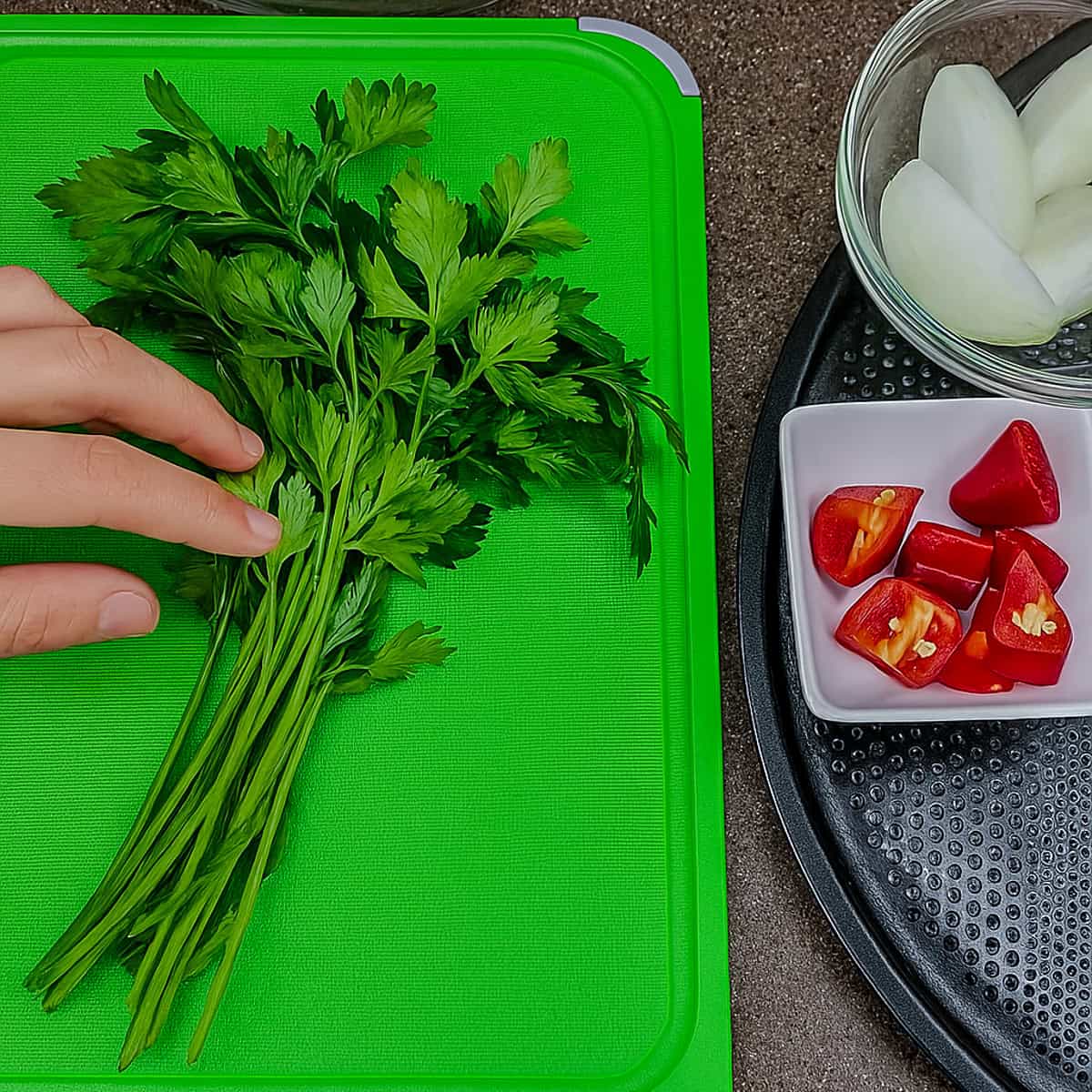
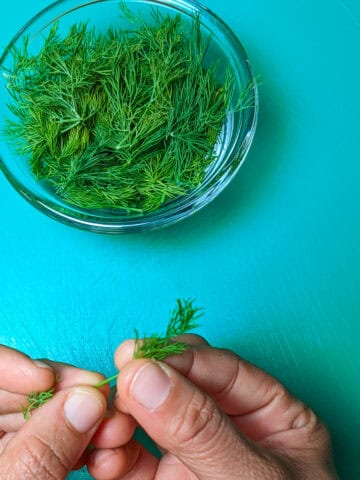
First, inspect and trim the herbs by removing any damaged or discolored leaves and trimming the ends of the stems.
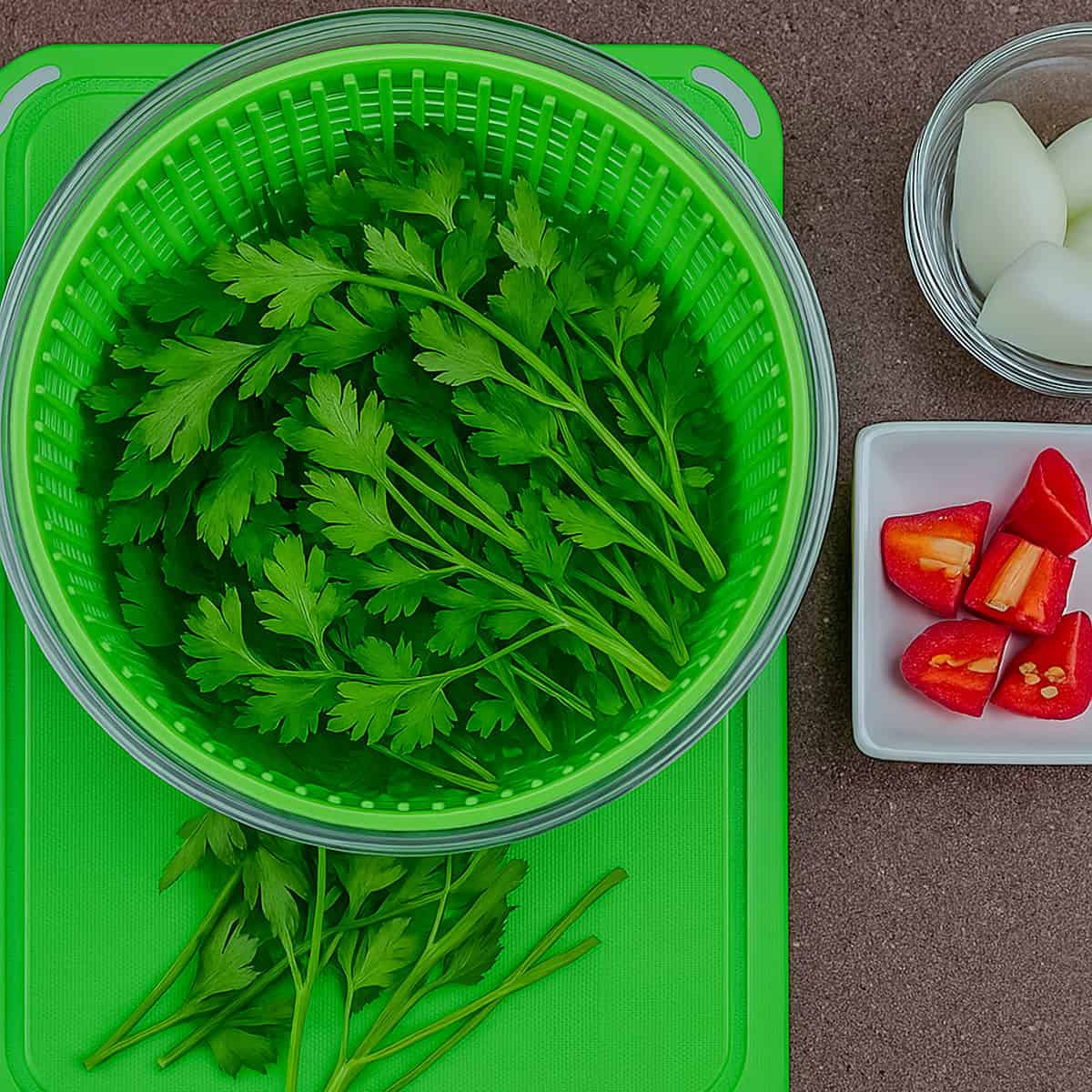
Trimming helps herbs absorb fresh water more readily if you're storing them upright in a Mason or glass jar later.
Chef Tip: Gently soaking helps loosen grit without damaging tender herbs like parsley or basil.
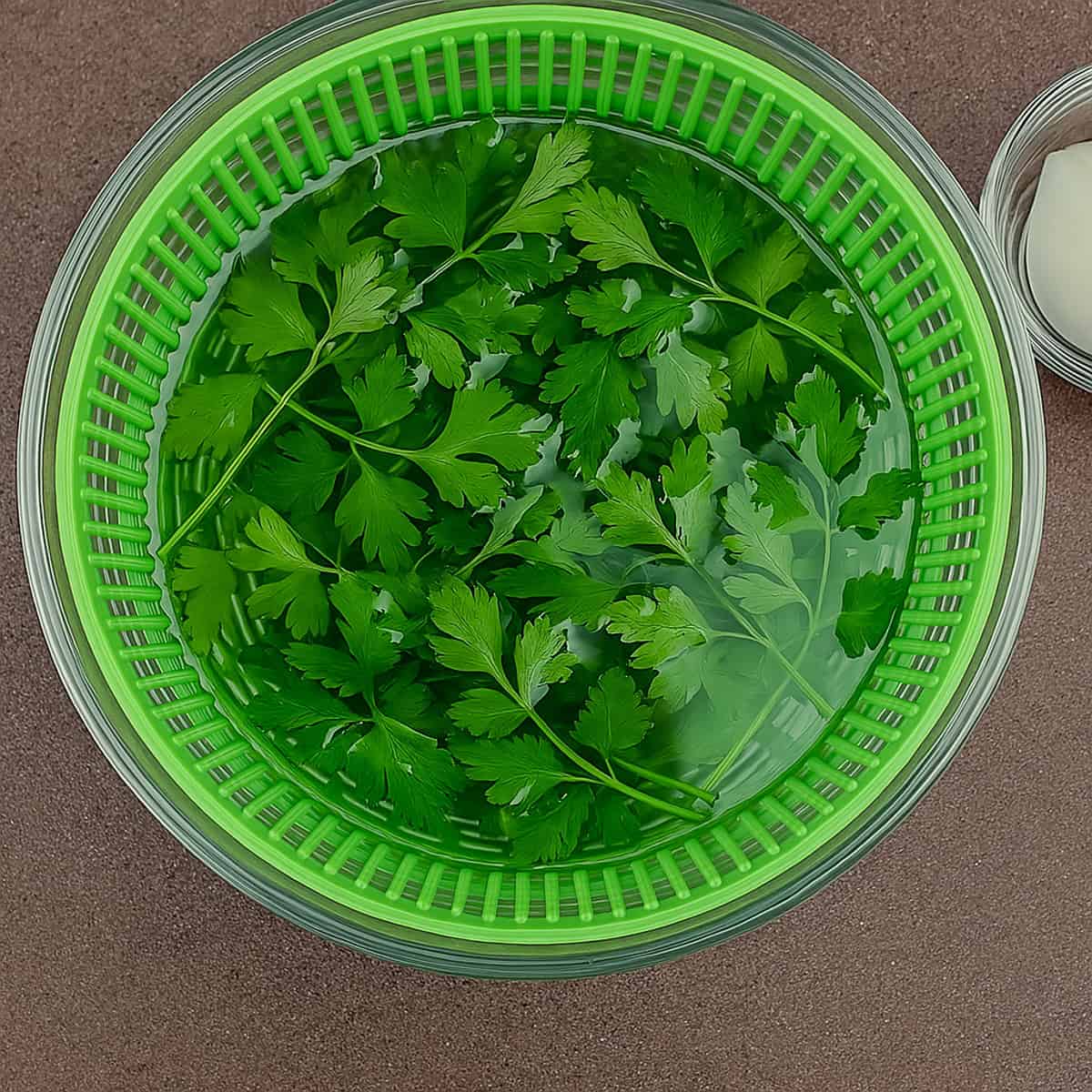
Next, fill a bowl with enough cold or cool water to submerge the herbs fully. Then, swish them gently by moving the herbs around with your fingers to shake loose any dirt. Treat it like a bath, not a scrub. This is a safe method for delicate herbs with soft stems
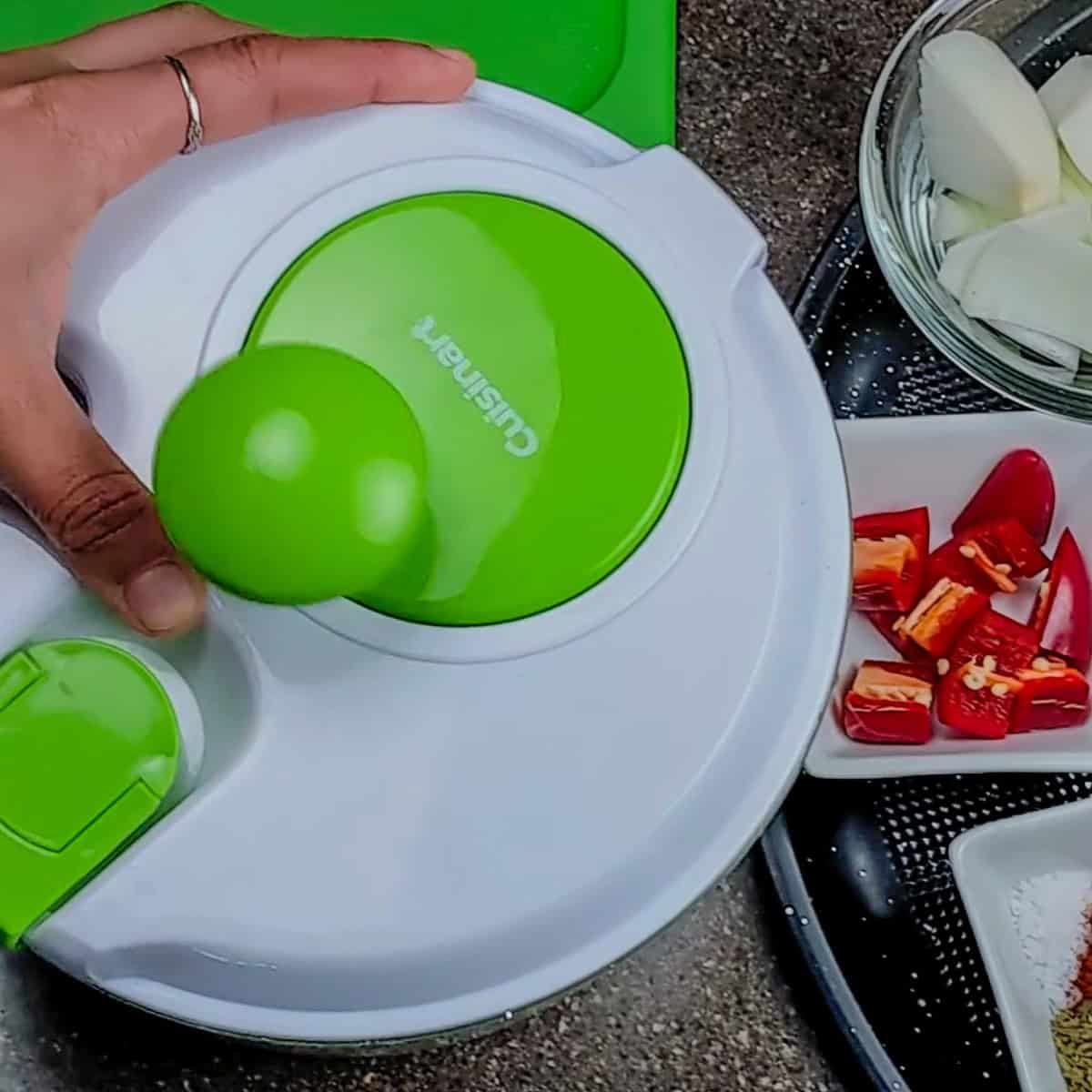
Lift the herbs out of the water. Using a salad spinner makes this easier by lifting up the basket. This helps prevent the water from pouring out on top of them. Since dirt and debris settle at the bottom of the bowl, lifting keeps it off your herbs. You can also give the herbs a final rinse under a light stream of water. This is a good idea if you suspect any lingering grit, especially with herbs from different farmers' markets or your garden.
Why use cold water to wash herbs? The cold water not only removes dirt but also perks them up, giving them a fresh look.
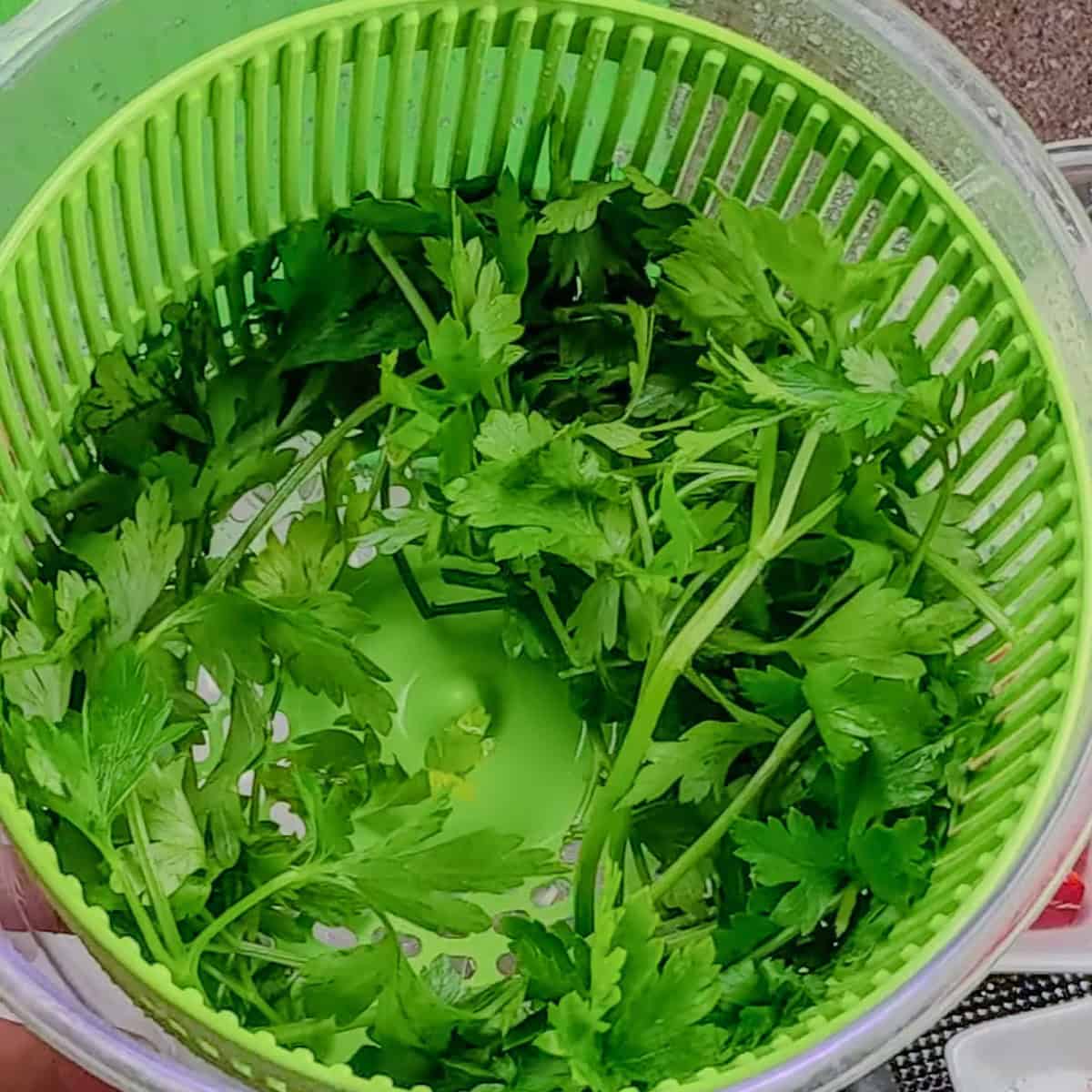
Two Drying Methods
- Spin to Dry - Place the herbs in a salad spinner and spin until dry. This is the most efficient way to remove excess moisture without bruising the leaves.
- Dry on a Clean Towel - Spread herbs out and gently pat dry using a clean towel or a layer of paper towels. Well-dried herbs store better, cook better, and won't turn slimy in the fridge.
For larger leafy greens, check out my guide to cleaning collard greens.
Equipment List
You do not need expensive tools to wash fresh herbs properly, but having the right kitchen equipment can make the process faster, easier, and less messy. These beginner-friendly tools help remove dirt, thoroughly dry herbs, and extend the freshness of both delicate and hardy herbs.
Mixing Bowl or Salad Spinner Bowl
A large bowl is essential for soaking herbs in cool water, allowing the dirt to settle to the bottom without bruising tender leaves. I recommend using a lightweight, deep mixing bowl that's easy to swish herbs around in. If you're not using a salad spinner, a sturdy mixing bowl or even a soup pot works just fine for soaking.
Then use the spinner to dry the herbs fast without damaging them. It spins out excess moisture while keeping your herbs intact.
No spinner? Gently pat your herbs dry with a clean towel, or roll them in paper towels and shake lightly to remove moisture.
Colander or Salad Spinner Basket
A colander can help you rinse herbs under a light stream of water, but it's not ideal for soaking, since dirt can cling to the herbs when drained. Soak your herbs in a separate bowl, then transfer them to the colander to drain, avoiding dumping the dirty water back over them.
Clean Kitchen Towels or Paper Towels
A soft, clean towel is a must for air-drying herbs after washing, especially if you're not using a spinner. I keep a stack of absorbent, lint-free towels set just for herb prep and produce. If you have no towels handy, use a damp paper towel or a clean cloth napkin to absorb any remaining moisture.
For storage, paper towels are the quick-fix hero for wrapping and refrigerating washed herbs. I like to use a layer of paper towels inside a zipper-lock bag to keep herbs fresh for a couple of days.
Low-Waste Option - You can also use a reusable damp towel or a cloth napkin to reduce disposables.
Mason Jar / Glass Jar / Cup of Water
Herbs like basil stems or fresh parsley, stay fresher longer when stored upright in a glass jar or Mason jar with a little water at the bottom. A Mason jar set is perfect for storing herbs and looks cute on your counter, too. Just cover loosely with plastic wrap and keep out of direct sunlight to extend the shelf life of the herb bundle.
Kitchen Tools I Use and Recommend
These are some of the kitchen tools I use that make recipes like this faster and easier to prepare. If you're building your kitchen setup or upgrading your tools, these are great places to start. More Kitchen Must-Haves - Find other tools I use here.
Wash Herbs Without Equipment
Not everyone has a salad spinner or a mixing bowl on hand, so here are a few simple, effective ways to wash fresh herbs using what you already have in your kitchen.
Best for Fresh Parsley, Thyme, Tarragon, and Dill
Rinse small amounts of herbs under cool running water, one stem at a time. If you're only using a few sprigs, just run each stem under cool water and gently rub it between your fingers to remove dirt. It's simple and effective when you don't need to prep a full bunch
Best for Basil, Mint, Chervil, and Cilantro
Use a spray bottle filled with clean water to gently mist herbs that bruise easily. This is the gentlest method, ideal for tender herbs with soft stems and delicate leaves that turn black or slimy when overly handled or soaked.
Best for Rosemary, Oregano, Sage, and Thyme
For hardy herbs, place them in a strainer and shake them in a bowl of water like a washing machine, then lift and dry. These woody herbs can handle a bit more movement. Just make sure to lift the strainer out instead of dumping the dirty water back onto the herbs.
Chef Maika's Tips for Washing and Storing Fresh Herbs
Your Cooking Tips Resource Guide - Become a better home cook with tips to help you cook more efficiently on the Cook's Notebook tab.
- Wash Herbs as Part of Your Prep Routine - Getting into the habit of washing herbs before cooking helps keep dirt, grit, and debris out of your meals while making kitchen prep feel smoother and more organized.
- Handle Tender Herbs Gently - Soft herbs like basil, dill, cilantro, and parsley bruise easily. Treat them gently when washing and drying to help maintain their texture and appearance.
- Let Dirt Settle Naturally - When soaking herbs in a bowl, allow the dirt and sand to sink to the bottom before lifting the herbs out. This keeps debris from sticking back onto the leaves.
- Cold Water Helps Keep Herbs Crisp - Using cold or cool water helps herbs stay fresher-looking and prevents delicate leaves from softening too quickly during washing.
- Prep Small Batches When Possible - Washing smaller portions at a time makes it easier to clean herbs thoroughly without overcrowding the bowl or damaging delicate leaves.
- Don't Skip Inspecting the Leaves - Before washing, quickly check for damaged leaves, thick stems, insects, or wilted pieces that should be removed before cooking or storing.
Should You Wash Herbs Before Storing Them?
The answer depends on how you plan to use them and whether you can dry them properly afterward.
If you plan to use the herbs within a day or two, washing them ahead of time can make cooking faster and easier. Just make sure the herbs are completely dry before storing them in the refrigerator. Excess moisture is one of the fastest ways to shorten the shelf life of fresh herbs.
For longer storage, many chefs prefer washing herbs just before use rather than immediately after purchase. This helps reduce moisture buildup and keeps soft herbs from becoming slimy too quickly.
If you do wash herbs before storing them, wrap them gently in a damp paper towel and place them in an airtight container, a zipper-lock bag, or a Mason jar. Hardy herbs like rosemary and thyme usually last longer than tender herbs like basil, parsley, or cilantro.
Best Practice - Wash herbs ahead of time only if you can dry them thoroughly. Dry herbs store better, taste fresher, and maintain their texture longer.
Common Mistakes When Washing Fresh Herbs
- Soaking Herbs Too Long - Leaving herbs in water for too long can cause delicate leaves to become soggy, wilted, or bruised. Most herbs only need a quick soak and gentle swish to loosen dirt.
- Using Warm or Hot Water - Always use cold or cool water when washing herbs. Warm water can soften delicate leaves too quickly, shortening the shelf life of fresh herbs.
- Pouring Dirty Water Over the Herbs - One of the biggest mistakes is draining the bowl directly over the herbs after soaking. Dirt and grit settle at the bottom of the bowl, so always lift the herbs out instead.
- Skipping the Drying Step - Wet herbs spoil faster in the refrigerator. Excess moisture trapped in the leaves can lead to slimy herbs, discoloration, and faster decay.
- Being Too Rough with Fragile Herbs - Tender herbs like basil, dill, cilantro, and parsley bruise easily. Avoid squeezing, scrubbing, or blasting them with strong running water.
- Washing Herbs Too Early - If you are not using the herbs right away, avoid washing them unless you plan to dry them thoroughly before storage. Storing damp herbs can significantly shorten their freshness.
How to Store Fresh Herbs After Washing
Proper storage helps fresh herbs stay flavorful, vibrant, and usable for longer. The key is removing excess moisture while preventing the herbs from drying out completely.
How to Store Tender Herbs
Tender herbs like basil, cilantro, parsley, dill, and mint need gentle storage because their soft leaves bruise and wilt quickly.
Best Storage Methods
- Wrap herbs loosely in a slightly damp paper towel, then place them in a zipper-lock bag or an airtight container.
- Store parsley and cilantro upright in a Mason jar or glass jar with a little water at the bottom.
- Keep basil at room temperature away from direct sunlight since refrigeration can darken the leaves.
How to Store Hardy Herbs
Hardy herbs like rosemary, thyme, oregano, and sage are more durable and contain less moisture.
Best Storage Methods
- Wrap lightly in dry or slightly damp paper towels.
- Store in an airtight container or sealed bag in the refrigerator.
- Avoid trapping too much moisture, which can cause mold growth.
Chef Tip - Fresh herbs last longest when they are clean, dry, and allowed a little airflow. Too much trapped moisture is one of the biggest causes of soggy herbs in the refrigerator.
Frequently Asked Questions
Here is a list of common questions I have answered. If you have any questions, please write them in the comments below.
Yes. Even if herbs look clean or are labeled "pre-washed," they can still carry dirt, sand, bacteria, or residue from harvesting, packaging, and transportation. Washing herbs helps improve both food safety and flavor.
Fill a large bowl with cool water and gently swish the herbs to loosen dirt and debris. Lift the herbs out of the water instead of draining the bowl over them, then dry them with a clean kitchen towel or paper towels.
Dry the herbs thoroughly, then wrap them in a slightly damp paper towel and place them inside a zipper-lock bag or airtight container in the refrigerator. Some herbs, like basil and parsley, can also be stored upright in a glass jar with a little water.
Yes, but only after drying them completely. Wet herbs spoil much faster because trapped moisture can cause sliminess and decay.
Basil, dill, cilantro, parsley, and mint are tender leafy herbs that bruise easily. Wash them gently using cool water and avoid rough handling or heavy water pressure.
Yes, some people use a small amount of vinegar in water to help remove extra dirt or residue. However, delicate herbs can absorb strong flavors quickly, so cold water alone is usually enough for everyday cooking.
Herbs often turn black when bruised, stored wet, or exposed to moisture buildup for long periods. Properly drying herbs after washing helps prevent discoloration and spoilage.
It is still a good idea to rinse packaged herbs lightly before using them. Additional handling during packaging and transportation can introduce dirt or bacteria.
More Cook's Notebook: Cooking Tips
- How to Trim Chicken: The Best Way to Prep Chicken Before Cooking
- How the Maillard Reaction Makes Food Taste Better
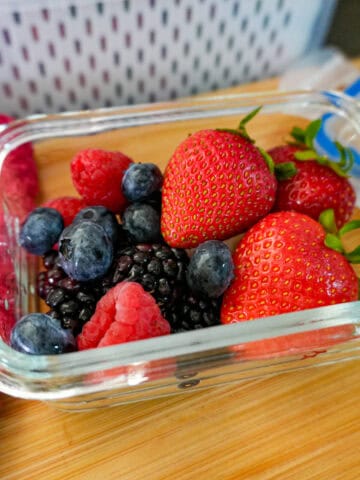
- How to Store Fresh Berries So They Last Longer (Without Getting Mushy)
- Internal Meat Temperature Chart (Printable Guide)



Recipes Using Herbs
Now that your herbs are washed, dried, and ready to use, try them in these flavorful recipes that highlight fresh ingredients and everyday cooking techniques.
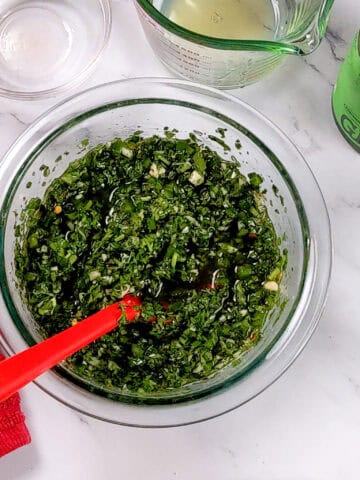
- Spicy Jalapeño Chimichurri Sauce Recipe
- Creamy Lemon Dill Sauce Recipe for Salmon and Chicken
- Pasta and Lentil Soup Recipe (Italian Style)
- Best Winter Recipes to Make for Cozy Dinners



Subscribe to my YouTube Channel
SUBSCRIBE: 👈To my YouTube Channel to Get Notifications of New Videos.


Chef Maika Frederic-Liebman
Chef and Educator
Professionally trained Haitian-American chef Maika Frederic is the creator of Just Maika Cooking, where she shares globally inspired recipes, cooking techniques, ingredient guides, and food safety tips designed to help home cooks become more creative and confident in the kitchen. Combining years of professional culinary experience with a passion for teaching, she makes global flavors approachable through practical, accessible instruction for cooks of every skill level.
Have a Comment or Question?
Learning how to wash fresh herbs properly is one of those simple kitchen habits that can make a big difference in flavor, freshness, and food safety. Once you build the habit of soaking, drying, and storing herbs correctly, prepping meals becomes easier, cleaner, and much more enjoyable for everyday cooking.
If you have a question or comment about this post, please post it below. You will definitely get a quick response. It also helps our other readers to stay informed. Thanks!


Leave a Reply