


This spicy fish stew features tender basa fillets, hearty red potatoes, and fresh watercress in a flavorful broth with garlic, thyme, red peppers, and lime juice. Inspired by my grandmother's Bahamian boiled fish and the fresh finishing touches of Vietnamese pho, this comforting, nourishing bowl of fish soup has a little heat and plenty of flavor.
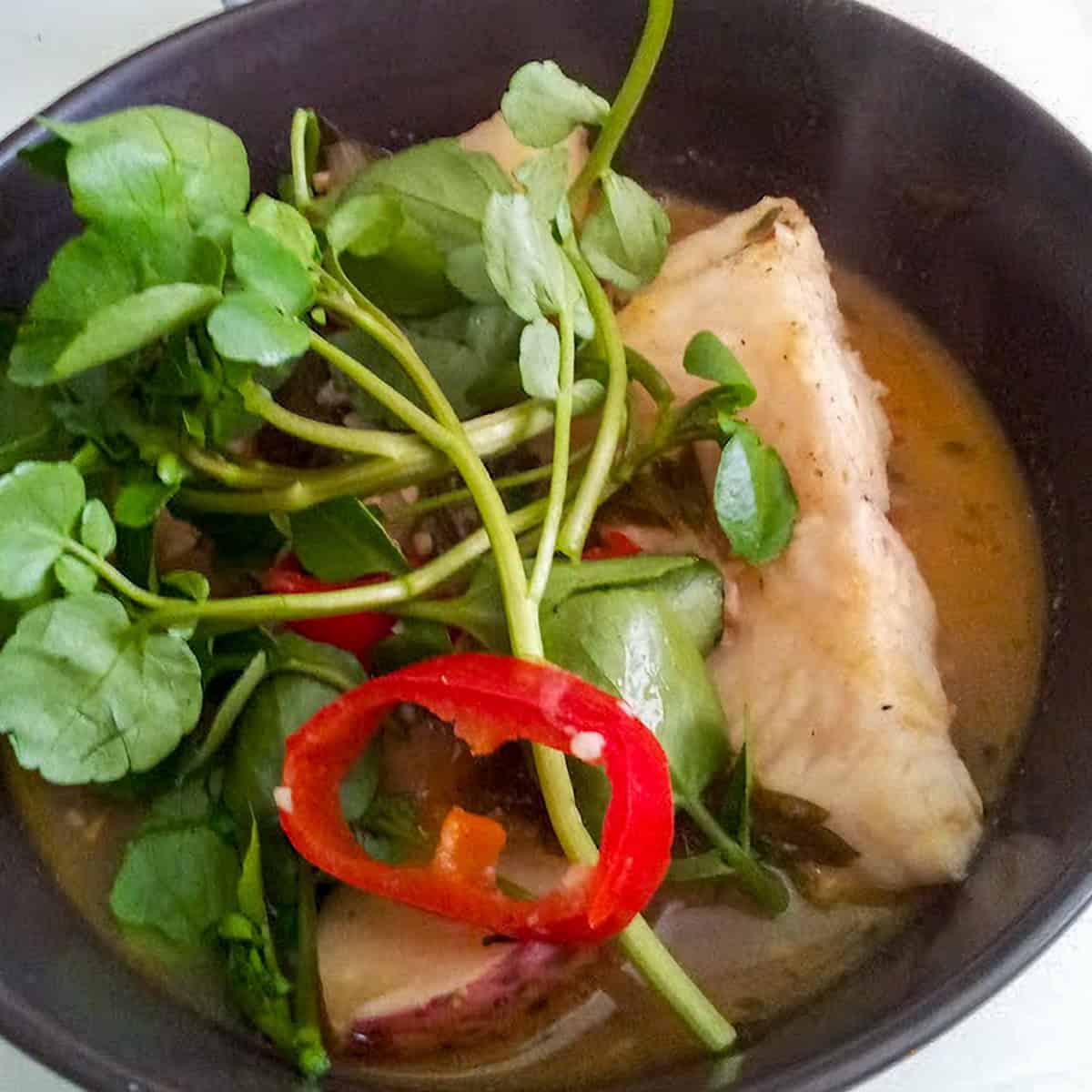
Table of Contents
Jump to:
- A Caribbean-Inspired Fish Stew with a Vietnamese Twist
- Ingredients with Steps
- Culinary Glossary
- Instructions with Pictures
- Equipment You'll Need (With Alternatives)
- Kitchen Tools I Use and Recommend
- Storage and Reheating
- Substitutions
- Variations
- 5 Quick Cooking Tips
- Frequently Asked Questions
- More Comforting Fish and Seafood Recipes
- Cooking Tips and Tutorials
- 📖 Recipe
- Have a Comment or Question?
A Caribbean-Inspired Fish Stew with a Vietnamese Twist
Sometimes the most memorable recipes come from combining the foods we grew up eating with the flavors we discover along the way. This spicy basa fish stew is one of those dishes. It takes inspiration from Bahamian boiled fish, traditionally prepared with fresh fish, potatoes, and a flavorful broth, and adds a finishing touch inspired by Vietnamese pho: fresh vegetation piled over the hot soup, spicy peppers, and a squeeze of lime juice. The result is a light but satisfying seafood stew that brings together tender white fish, hearty potatoes, and bright, peppery watercress.
Why You'll Love This Recipe
- Light but hearty: Tender fish pieces and potatoes make this a satisfying meal without a heavy or thickened broth.
- Fresh, bold flavors: Garlic, thyme, spicy peppers, and lime juice create a flavorful broth with a refreshing finish.
- Simple cooking technique: Everything comes together in one large pot or Dutch oven, making this approachable even if it's your first time preparing fish soup.
- Easy to customize: Adjust the heat level and substitute other types of white fish, depending on what's available.
- A refreshing finish: Fresh watercress adds a peppery bite and softens slightly when it meets the hot broth, creating a delicious contrast.
Note From Chef Maika
My grandmother was the queen of fish in our family. She was our poissonnier, the person who knew her way around fish better than anyone else. Growing up with a Haitian grandmother and a Bahamian mother, fish was always part of our meals, prepared in so many different ways.
Bahamian Fish Stew with Potatoes
One dish that stayed with me was the Bahamian boiled fish my grandmother prepared for my mother when she was young and living in the Bahamas. Her version featured large chunks of grouper, potatoes, and a flavorful broth. I can still remember my grandmother cooking those big pieces of fish with the bones still attached.
And yes, she would even give me the bones to suck on! I know that might sound strange to some people, but that was comfort food to me. Those were some of my favorite parts of eating fish growing up.
Vietnamese Inspiration
When I first created this recipe in 2013, I craved those familiar flavors. I headed to my local market looking for grouper, but none was available. Hungry and determined to make my fish stew, I decided to experiment with basa, a mild freshwater fish commonly imported from Vietnam.
At the time, I was also inspired by Vietnamese pho. I loved how a hot, aromatic bowl of soup could be finished with fresh herbs and vegetables, spicy peppers, and a squeeze of lime juice. I wanted to bring that contrast between hot broth and fresh ingredients into my own cooking.
And then there was the watercress!
My grandmother was the only person I knew who regularly added watercress to her soups. That was her thing! The fresh, peppery greens added a wonderful sharpness to the broth, and I wanted to carry that little piece of her cooking into this recipe.
What came together was a hearty, nourishing fish soup built around four main ingredients: fish, spicy broth, potatoes, and watercress. The lime juice brings everything to life, adding a bright, tangy finish that balances the heat.
This isn't a traditional Bahamian boiled fish recipe or Vietnamese pho. It's my own interpretation, inspired by my family's Caribbean cooking traditions and my love of exploring flavors from around the world.
I originally created this recipe in 2013, and I'm bringing it back from my cooking archives with a few improvements to the cooking technique. The heart of the original recipe remains the same.
And if you're wondering whether it was good back then, I ate it twice!
Recommended Reads
Ingredients with Steps
Season the basa fillets with kosher salt, black pepper, and fresh lime juice. In a Dutch oven, gently cook the yellow onion in olive oil until softened, then add the garlic, red jalapeño, and fresh thyme to build an aromatic base. Add the red potatoes, low-sodium fish or chicken stock, water, Old Bay seasoning, and fresh parsley, then simmer until the potatoes are nearly tender. Gently nestle the fish pieces into the broth and poach until cooked through. Finish with more fresh lime juice and parsley, then serve each bowl with a generous handful of fresh watercress and optional sliced red peppers.
Culinary Glossary
This section provides concise definitions of key ingredients and techniques to help you understand and improve cooking skills related to this post. Find More Terms: Culinary Glossary.
Ingredients
- Basa: A mild, white-fleshed freshwater fish from the pangasius catfish family. Its delicate texture makes it suitable for gently poached dishes.
- Watercress: A leafy green with a fresh, slightly peppery flavor. Eat it raw or add it to hot soups just before serving.
- Red Jalapeño: A fully ripened jalapeño pepper with a slightly sweeter flavor than its green counterpart. Its heat can vary. Also check out the Scoville Scale and Chili Peppers.
- Old Bay Seasoning: A savory spice blend commonly used to season seafood, featuring celery salt and other spices.
- Fish Stock: A flavorful cooking liquid made by simmering fish bones and aromatics. It adds seafood flavor to soups and stews.
Techniques
- Sweating: Cooking vegetables gently in a little fat to soften them and release their flavors without developing significant browning.
- Simmering: Cooking liquid at a gentle heat with small bubbles rather than a vigorous boil.
- Poaching: Gently cooking delicate ingredients, such as fish, in hot liquid without a vigorous boil.
- Seasoning to Taste: Adjusting salt, acidity, and other seasonings after tasting to create a balanced dish.
Instructions with Pictures
Follow the instructions and cooking tips below using the step-by-step picture guide.
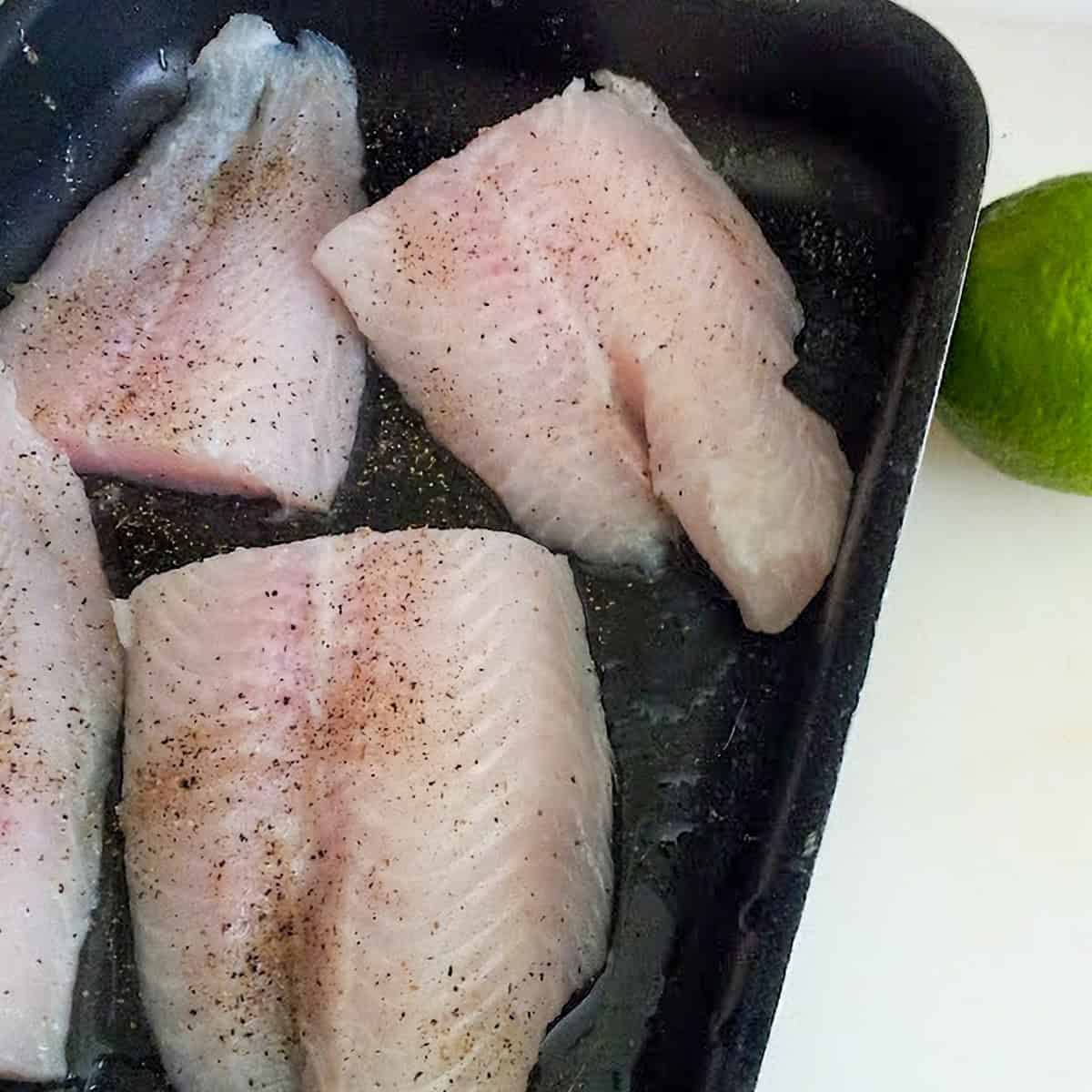
Step 1: Season the Basa Fish. Pat the basa fillets dry with paper towels. Season both sides with salt and freshly ground black pepper, then drizzle with fresh lime juice.
Keep the fish refrigerated while preparing the broth.
Patting the fish dry helps the seasoning adhere. Basa is delicate, so handle the fillets gently to prevent them from breaking apart before cooking. Read Prepping Fish: How to Prepare Fish Before Cooking.
Step 2: Build the Aromatic Base. Heat extra virgin olive oil in a large Dutch oven or heavy-bottomed pot over medium heat.
Add the sliced yellow onion and cook until softened and translucent. Stir in the minced garlic, sliced red jalapeño, and thyme sprigs. Continue cooking briefly until fragrant.
Avoid browning the garlic, which can make the light broth bitter.
Sweating the aromatics before adding liquid is one improvement I've made to my original recipe. This step helps release their flavors and creates a more developed broth without making the soup heavy.
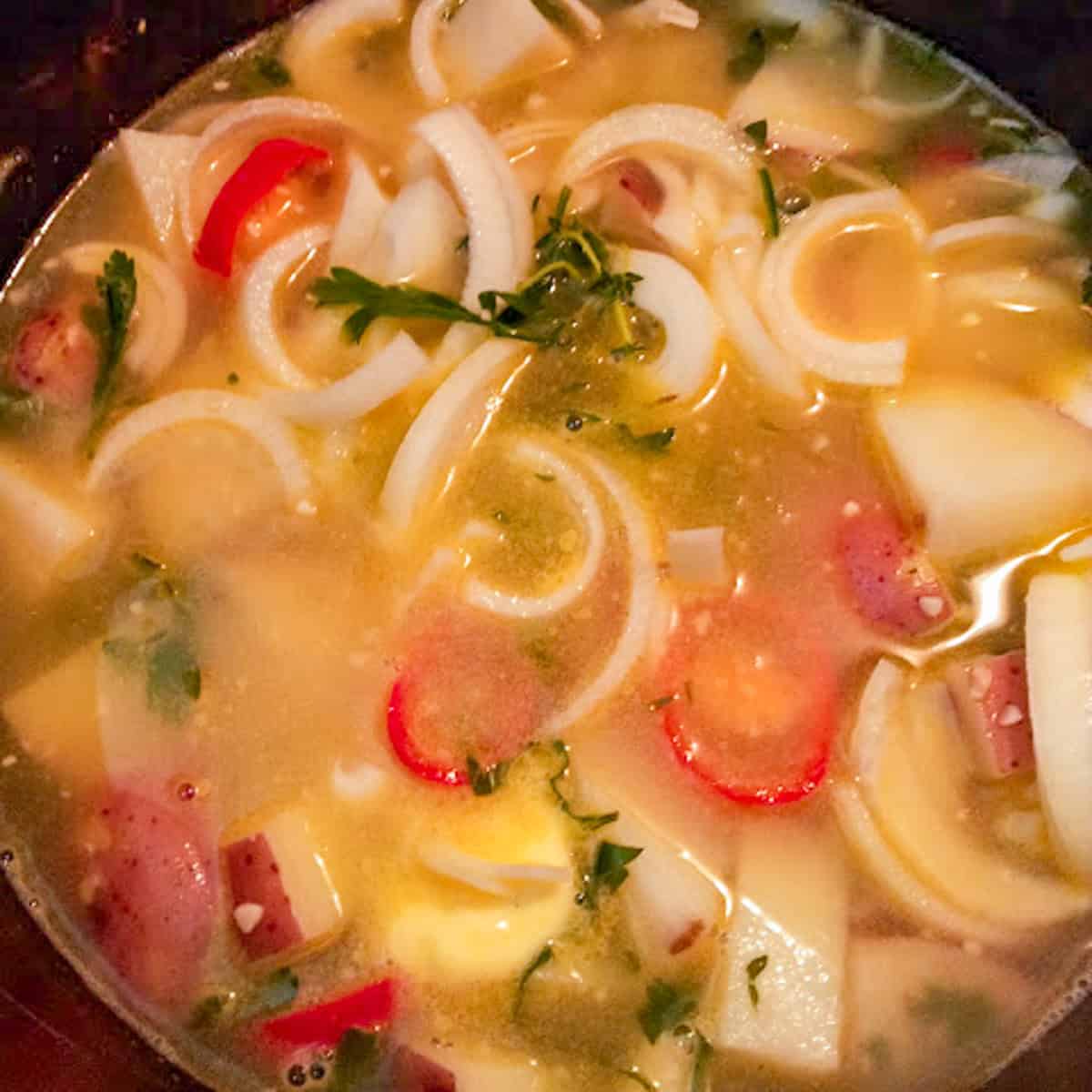
Step 3: Simmer the Potatoes in the Spicy Broth. Add the diced red potatoes, low-sodium fish stock or chicken broth, water, Old Bay seasoning, and half of the chopped parsley.
Bring the mixture to a gentle boil, then lower the heat and simmer until the potatoes are nearly fork-tender.
The potatoes should still hold their shape because they will continue cooking once the fish is added.
Keep the potato pieces relatively uniform, so they cook evenly. The potatoes also release a little starch into the broth, adding body without flour or other thickeners.
Step 4: Gently Poach the Fish. Carefully nestle the seasoned basa fillets into the simmering broth, arranging the fish pieces between the potatoes.
Lower the heat if necessary to maintain a gentle simmer. Cover and cook until the fish turns opaque, flakes easily, and reaches an internal temperature of 145°F.
Avoid stirring the pot vigorously once you add the fish. Instead, gently spoon some of the broth over any exposed pieces.
Fish cooks quickly, especially delicate white-fleshed fish fillets. Start checking after a few minutes and adjust the cooking time based on the thickness of the fillets. Learn How to Tell When Fish Is Done Cooking - Home Cooks Guide.
Step 5: Finish with Lime and Fresh Herbs. Remove the pot from the heat and discard the thyme stems.
Stir in the remaining chopped parsley and fresh lime juice. Taste the broth and adjust the salt, black pepper, and lime juice as needed.
Adding the lime juice at the end gives the soup a brighter finish. The acidity balances the spicy peppers and brings out the herbs' fresh flavors.
Step 6: Serve with Fresh Watercress.
Divide the fish and potatoes between serving bowls and ladle the hot, spicy broth over them.
Top each bowl with a generous handful of fresh watercress. Add extra sliced red jalapeño if you like more heat, and serve with lime wedges to squeeze over the soup just before eating.
The watercress will soften slightly from the heat of the broth while retaining its fresh, peppery bite.
Don't stir the watercress into the pot while the soup cooks. Adding it directly to the serving bowls preserves the contrast between the fresh greens and hot broth, which inspired this recipe.
Equipment You'll Need (With Alternatives)
Here's what you'll need to be efficient, plus easy swaps if you don't have everything on hand.
- Large Dutch Oven: Provides even heat for developing the broth and gently poaching the fish (a large, heavy-bottomed pot works too).
- Chef's Knife: Used to cut the potatoes, slice the onion, and prepare the herbs and peppers (a sharp utility knife works for smaller ingredients).
- Cutting Board: Provides a stable surface for preparing vegetables and fish (use separate clean boards or wash thoroughly between raw fish and ready-to-eat ingredients).
- Measuring Cups and Spoons: Help measure broth, water, and seasonings accurately.
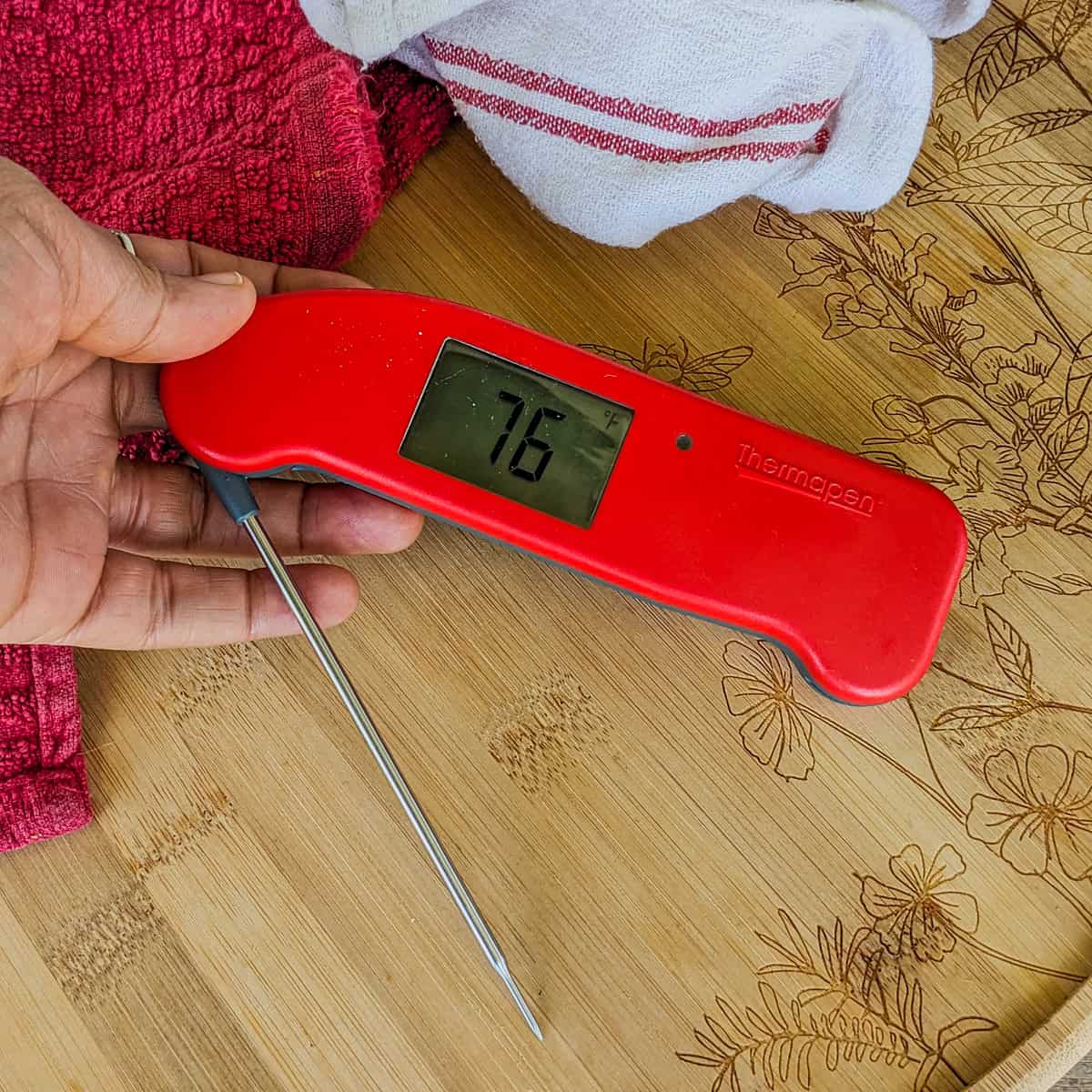
- Instant-Read Thermometer: Checks the fish's internal temperature without relying on appearance alone.
- Ladle: Transfers the broth into serving bowls without breaking apart the delicate fish (a large serving spoon also works).
Kitchen Tools I Use and Recommend
These are some of the kitchen tools I personally use that make cooking faster and easier. If you're building your kitchen setup or upgrading your tools, these are great places to start. More Kitchen Must-Haves - Find other tools I use here.
My Review: Lodge Cast Iron has been a family-owned company in South Pittsburg, Tennessee, for 125 years. Their cookware, known for its dependability, is made of rugged, seasoned cast iron for excellent heat retention and durability. This is still my go-to Dutch oven. You'll find it in a lot of my recent videos. It's heavy, durable, non-stick, and it holds heat well. Also, a big lesson: never preheat an enameled Dutch oven without oil. This will crack the enamel. I learned this the hard way.
My Review: I absolutely love this Plastic Cutting Board Set of 4 with a Storage Stand! The color-coded boards are a lifesaver for preventing cross-contamination, especially when I’m switching between meats and veggies. The plastic is super sturdy, so I don’t have to worry about it flexing while I’m chopping. What really stands out for me is how easy they are to use after chopping. I slide everything straight into the pot, which keeps my kitchen clean and saves time. Cleanup is such a breeze, too; they go right into the dishwasher without any warping. Plus, the storage stand keeps everything neat and organized. These boards have made cooking so much easier and more enjoyable!

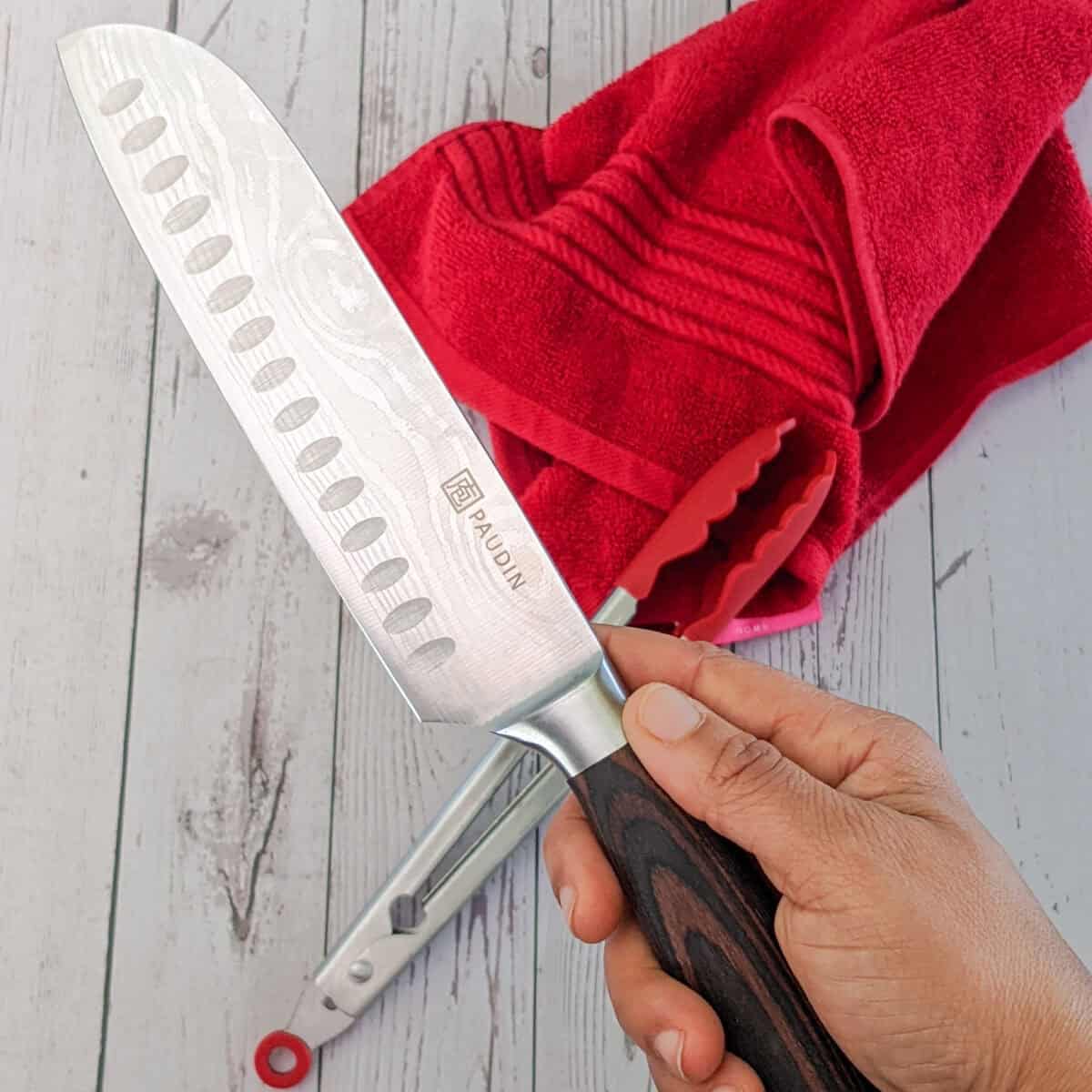
My Review: This knife is well-made. Super solid and multi-functional. It is made with high-carbon steel, so it will not rust. Slicing meat, like fish, is easier with the grooves. It doesn’t stick to the knife. The handle has an excellent grip and isn't heavy. For some background, a Santoku is a versatile Japanese kitchen knife characterized by its straight edge and "sheepsfoot" blade, designed for precise slicing, dicing, and chopping. Its name means "three virtues," referring to its ability to handle meat, fish, and vegetables efficiently, making it a staple in both professional and home kitchens.
America's Test Kitchen - Winner
My Review: The Thermapen ONE by ThermoWorks is my go-to kitchen thermometer - simple, fast, and incredibly precise. It delivers accurate readings in just one second, making it perfect for everything from meats to baked goods. I love that it's waterproof, has a rotating backlit display, and turns on automatically when you unfold the probe. America's Test Kitchen voted it its top thermometer. It comes with a 5-year warranty and a NIST-traceable calibration certificate, so you can trust it as a must-have tool for any cook.
Storage and Reheating
Learn how to properly store leftovers and reheat them to keep them fresh and flavorful. Learn more about Understanding Food Temperature Safety Zones: Cook, Store & Serve Safely.
Refrigeration: Allow the soup to cool briefly, then transfer it to shallow, covered containers and refrigerate within two hours. Store for up to 3 days for the best quality.
Reheating: Warm the stew gently in a saucepan over medium-low heat until it reaches 165°F. Avoid vigorous boiling because the fish may become tough or break apart.
Freezing: You can freeze the cooked fish and broth for up to 2 months for best quality, but the potatoes may become grainy after thawing. Freeze without the fresh watercress and add new greens when serving.
Next-Day Flavor: The broth may develop more flavor by the next day as the garlic, thyme, and peppers mingle. Reheat only the portion you plan to eat, and add fresh lime juice and watercress just before serving.
My Review: These Pyrex Freshlock containers are the closest match to my favorite IKEA version, shallow, stackable, and built for everyday use. The shallow design is especially helpful for food safety, letting hot meals cool faster before refrigerating. They don’t stain, the airtight locking lids seal in freshness, and they work beautifully for both hot and cold storage. Plus, they’re freezer-, microwave-, and dishwasher-safe for easy cleanup.

Substitutions
Find easy ingredient swaps to fit dietary needs or what you already have in your pantry.
Dairy Free
This spicy fish stew is naturally dairy-free. The recipe uses olive oil and light broth instead of butter, cream, or coconut milk.
Gluten-Free
The core ingredients are naturally gluten-free. However, some prepared broths and seasoning blends can contain gluten-containing additives. Use gluten-free-labeled broth and Old Bay, or an appropriate gluten-free seafood seasoning, when needed.
Vegetarian
This recipe is centered on fish and is not vegetarian. Replacing the fish would fundamentally change the dish, so I recommend treating a vegetable-based version as a separate recipe rather than a direct substitute.
Convenience
- Basa: Substitute swai, skinless cod, haddock, or another firm white fish. Adjust cooking time based on fillet thickness.
- Red Potatoes: Yukon Gold potatoes are a good alternative because they hold their shape during simmering.
- Fish Stock: Low-sodium chicken stock works well if fish stock is unavailable. The flavor will be slightly less seafood-forward.
- Fresh Garlic: Prepared minced garlic can save preparation time, although freshly minced garlic provides a stronger aroma.
- Fresh Watercress: Baby arugula offers a similar peppery bite, although watercress is my preferred green for this recipe.
- Red Jalapeño: Green jalapeño or another fresh hot pepper works if red jalapeño is unavailable.
Change Heat Level - Modify the recipe's heat level to your liking and learn more about the Scoville Scale and Chili Pairings.
Variations
Explore fun twists and creative ways to make this recipe your own. Explore. Experiment. Taste.
- Grouper Fish Stew: Use thick grouper pieces in place of basa for a variation closer to the Bahamian boiled fish that inspired this recipe. Adjust the poaching time for the thickness of the fish.
- Extra-Spicy Fish Soup: Replace the jalapeño with a small amount of Scotch bonnet pepper for a more intense Caribbean-style heat. Add gradually because Scotch bonnet peppers can be very hot.
- Mixed White Fish Stew: Combine different firm white fish, such as cod and halibut, for varied textures. Add thicker pieces first if they cook at different rates.
- Extra-Herby Finish: Add a little fresh cilantro alongside the watercress for a different herbal flavor inspired by the fresh garnishes commonly served with Vietnamese soups.
- Lime-Zest Variation: Add a small amount of finely grated lime zest for additional citrus aroma. This is optional; the original flavor profile relies on fresh lime juice.
5 Quick Cooking Tips
Cook's Notebook is your Cooking Tips Resource Guide. Become a better home cook with tips to help you cook more efficiently.
- Keep the broth at a gentle simmer. A rolling boil can cause delicate fish fillets to break apart and become dry.
- Cut potatoes evenly. Uniform pieces cook evenly, so you can add the fish at the right moment.
- Control the heat level early. Taste the broth before adding the fish. If the peppers make it too spicy, dilute with a little additional low-sodium broth.
- Add lime juice near the end. This preserves its bright acidity and gives the soup a refreshing finish.
- Serve watercress fresh. Add the greens to individual bowls rather than cooking them in the pot to maintain their peppery flavor and delicate texture.
Support Global Food Bloggers
Looking for authentic Bahamian and Vietnamese cuisine? Check out Land Sea Meals and Cooking Therapy to explore traditional recipes and learn more about the food cultures that inspired this dish.
Frequently Asked Questions
Here is a list of common questions I have answered. If you have any questions, please write them in the comments below.
Basa works well because of its mild flavor and tender texture. Other types of fish, including swai, cod, grouper, haddock, and halibut fillets, can also work. Choose fresh or properly thawed fish with a clean smell and firm flesh. Thicker fillets may need additional cooking time.
Yes. Frozen basa fillets work well for this recipe. Thaw them safely in the refrigerator before cooking, then pat them dry and season as directed. Avoid adding large frozen fillets directly to the soup because they can cool the broth and cook unevenly.
The heat level depends on the jalapeño. Red jalapeños generally provide moderate heat, but individual peppers vary. For a milder soup, remove the seeds and white inner membranes. For more heat, add extra jalapeño or a little Scotch bonnet pepper.
Yes, but for the best texture, prepare the broth and potatoes ahead of time and refrigerate them. When ready to serve, reheat the broth to a simmer and gently poach the fish until fully cooked. Finish with fresh lime juice and watercress. This prevents the fish from becoming overcooked during reheating.
Watercress adds a fresh, peppery flavor that contrasts with the warm, spicy broth. The leaves soften slightly in the hot liquid but retain some of their freshness. In this recipe, the watercress also honors my grandmother's habit of adding it to her soups, while the finishing technique draws on Vietnamese pho.
More Comforting Fish and Seafood Recipes
If you enjoy hearty seafood dishes, explore more fish soups, stews, and flavorful seafood recipes from my kitchen.
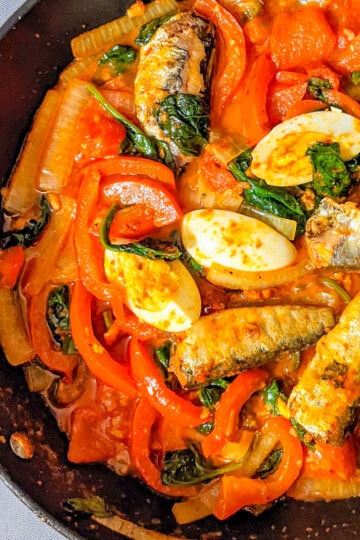
- Harissa Smoked Sardines with Spinach and Boiled Egg
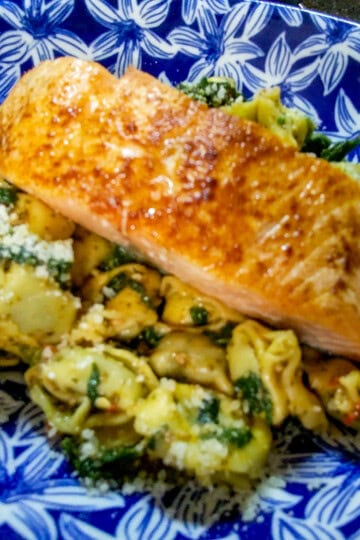
- Air Fryer Salmon with Spicy Pesto Spinach Tortellini
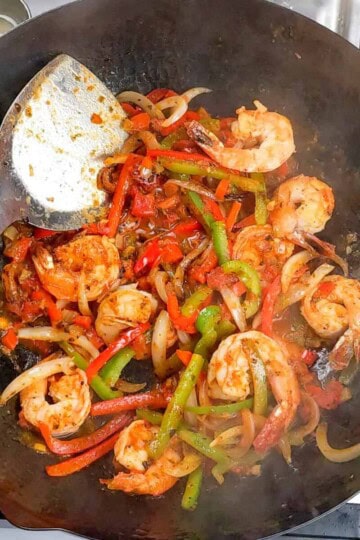
- Gourmet Global Shrimp Recipes to Expand Your Dinner Rotation
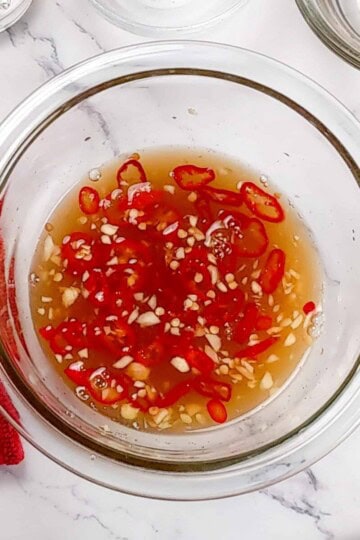
- Spicy Nuoc Cham Sauce (Vietnamese Fish Dipping Sauce)
Cooking Tips and Tutorials
If you found this tutorial helpful, you'll love my Cook's Notebook collection. From knife skills and flavor bases to time-saving tricks and essential equipment guides, this section is packed with chef-tested lessons to help you cook with confidence.
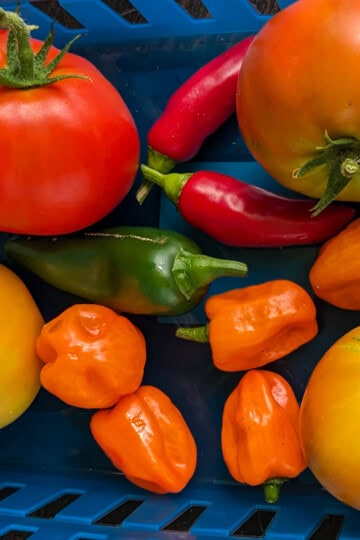
- Seasonal Produce Guide: What Fruits and Vegetables Are in Season?
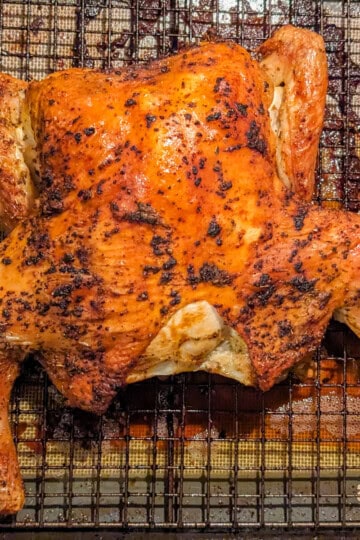
- How to Roast Food: The Fundamental Principles of Roasting
- 2026 Fall Seasonal Produce Guide: Fruits and Vegetables to Enjoy This Season
- Indian Cooking Techniques That Changed How I Think About Food
📖 Recipe
Spicy Basa Fish Stew with Potatoes and Watercress
Ingredients
Fish
- 2 basa fillets 6 ounces each, cut in half
- ½ teaspoon kosher salt
- ¼ teaspoon freshly ground black pepper
- 1 tablespoon fresh lime juice
Spicy Broth and Potatoes
- 1 tablespoon olive oil
- 1 small yellow onion thinly sliced
- 4 garlic cloves minced
- 1 red jalapeño pepper thinly sliced into rings
- 3 sprigs fresh thyme
- 1 large red potato cut into bite-sized chunks
- 2 cups low-sodium seafood or chicken broth
- 1 cup water
- 1 teaspoon Old Bay seasoning
- ¼ cup roughly chopped fresh flat-leaf parsley divided
- 1 tablespoon fresh lime juice plus more to taste
- Kosher salt and freshly ground black pepper to taste
For Serving
- 1½ cups fresh watercress washed and trimmed
- Additional sliced red jalapeño optional
- Lime wedges optional
Equipment
Instructions
- Season the Fish: Pat the basa fillets dry with paper towels. Season both sides with kosher salt and black pepper, then drizzle with fresh lime juice. Set aside in the refrigerator while preparing the broth.
- Sweat the Aromatics: Heat the olive oil in a medium Dutch oven or heavy-bottomed pot over medium heat. Add the sliced onion and cook until softened and translucent, stirring occasionally. Add the minced garlic, sliced jalapeño, and thyme sprigs. Stir until fragrant without browning the garlic.
- Build the Spicy Broth: Add the potatoes, broth, water, Old Bay seasoning, and half of the chopped parsley. Bring to a gentle boil, then reduce the heat to maintain a steady simmer. Cook until the potatoes are almost fork-tender but still hold their shape.
- Poach the Basa Fish: Gently nestle the seasoned basa pieces into the simmering broth, arranging them between the potatoes. Cover the pot and cook over low heat until the fish is opaque, flakes easily, and reaches an internal temperature of 145 °F. Avoid vigorous boiling or stirring, which can break apart the delicate fillets.
- Finish the Broth: Remove the pot from the heat. Discard the thyme stems, then stir in the remaining parsley and fresh lime juice. Taste the broth and adjust the salt, black pepper, and lime juice as needed.
- Serve with Fresh Watercress: Divide the fish and potatoes between serving bowls, then ladle the spicy broth over them. Top generously with fresh watercress and additional jalapeño rings, if desired. Serve immediately while the broth is hot.
Notes
Nutrition

Subscribe to my YouTube Channel
SUBSCRIBE↗: 👈To my YouTube Channel to Get Notifications of New Videos.


Chef Maika Frederic-Liebman
Chef and Educator
Professionally trained Haitian-American chef Maika Frederic created Just Maika Cooking, where she shares globally inspired recipes, cooking techniques, ingredient guides, and food safety tips to help home cooks become more creative and confident in the kitchen. Combining years of professional culinary experience with a passion for teaching, she makes global flavors approachable through practical, accessible instruction for cooks of every skill level.
Have a Comment or Question?
If you have a question or comment about this post, please post it below. You will receive a prompt response. It also helps our other readers to stay informed. Thanks!
Leave a Reply