-
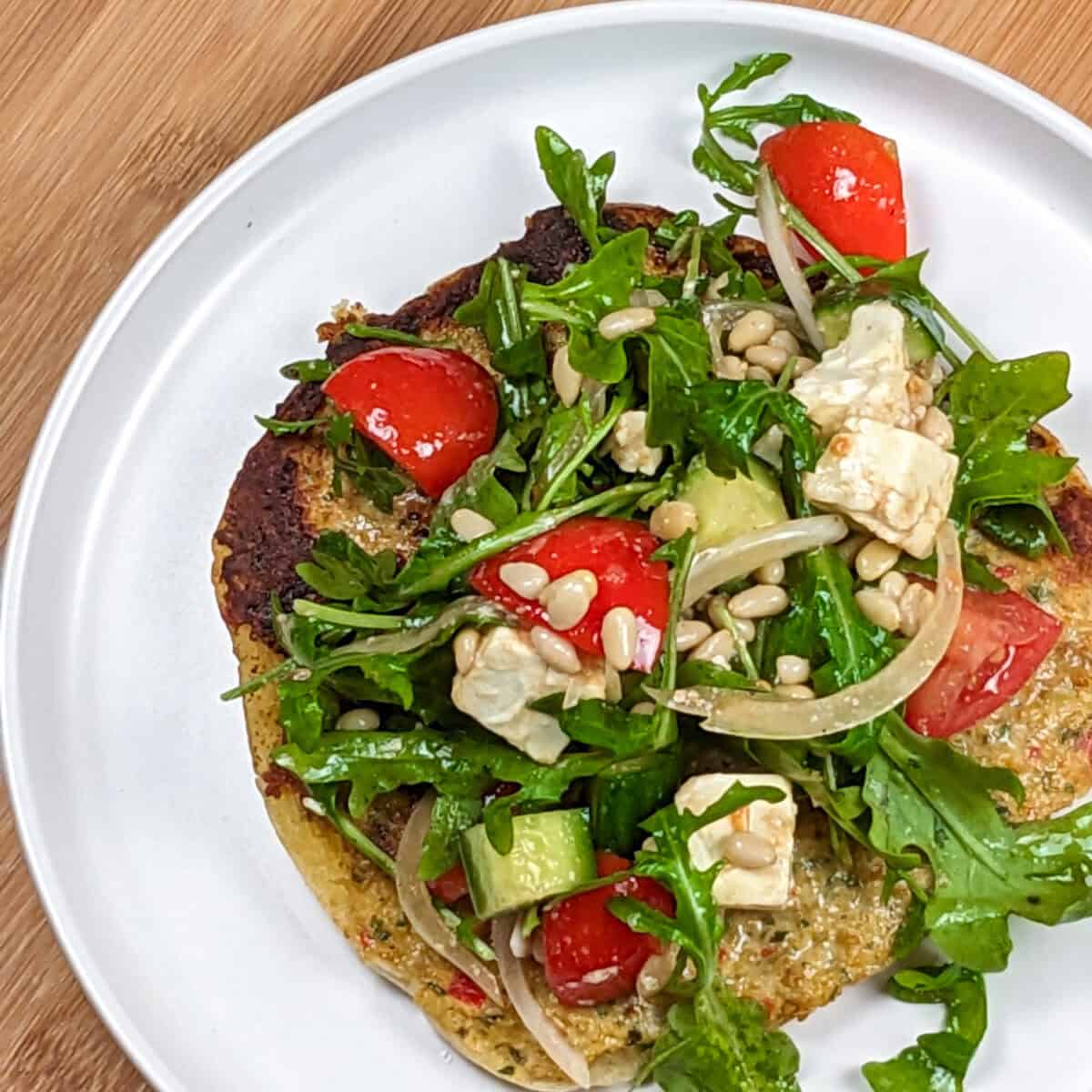
Spicy Chicken Pitas with Arugula Feta Salad
-
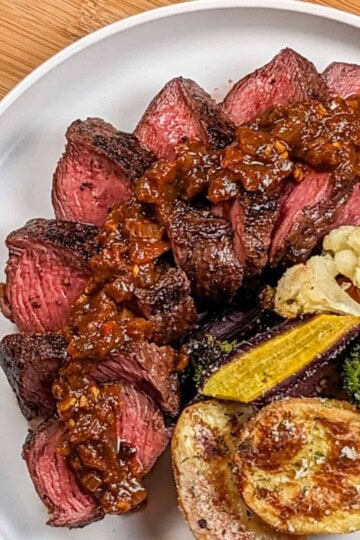
Pan-Seared Sirloin Steak with Spicy Baharat Sauce
-
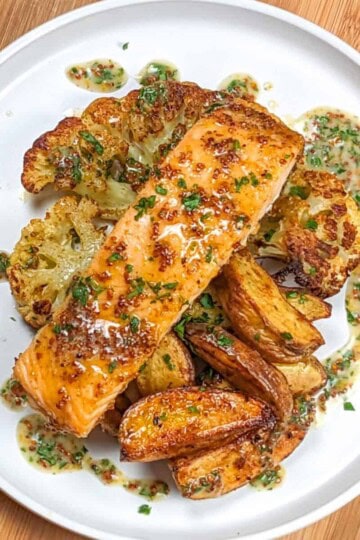
Baked Cajun Honey Mustard Salmon Cauliflower Steaks & Potatoes
-
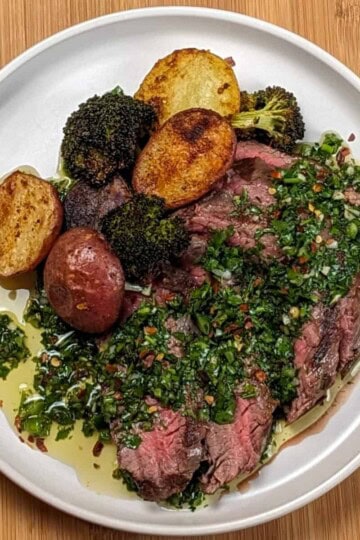
Grilled Steak, Spicy Chimichurri, Baby Potatoes, and Broccoli
-
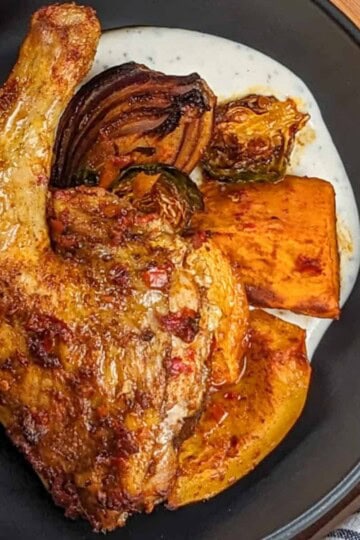
Roasted Calabrian Pepper Spatchcocked Chicken & Vegetables
-
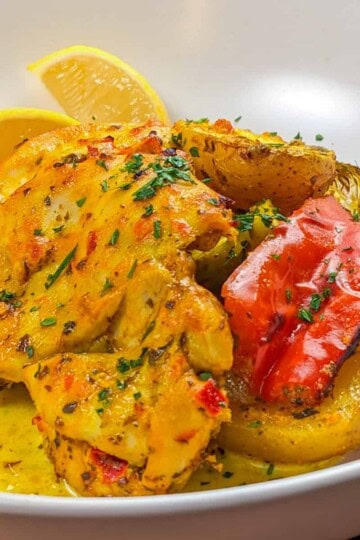
Calabrian Lemon Yogurt Baked Chicken Thighs with Vegetables
-
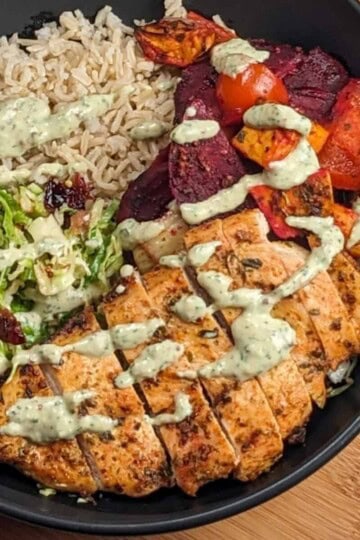
Air Fryer Honey Mustard Chicken Rice Bowl
-
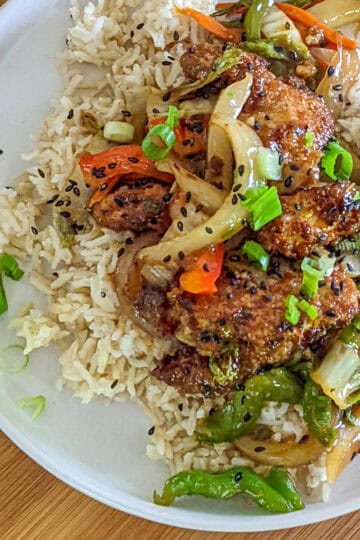
Sweet Spicy Sticky Gochujang Chicken Stir Fry
-
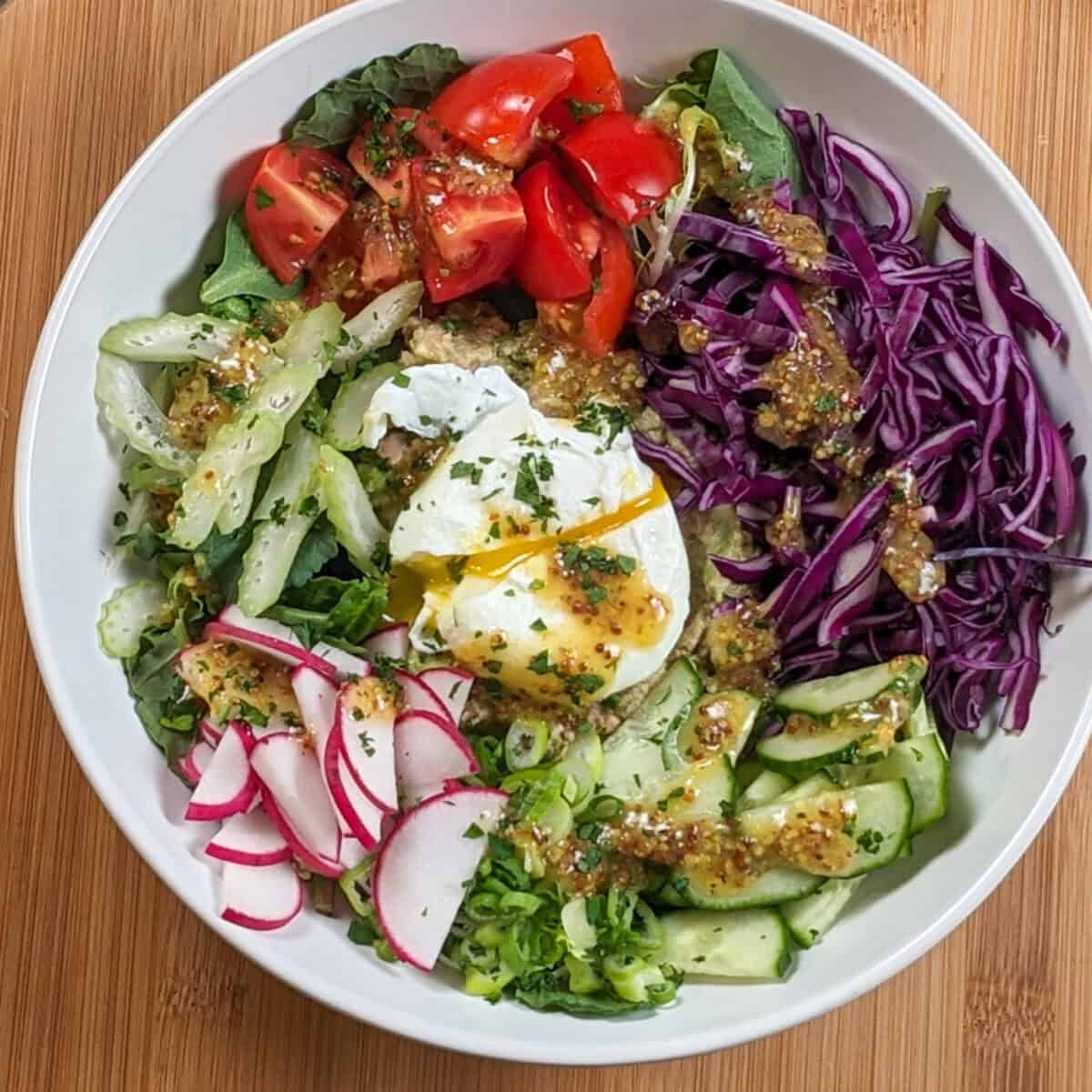
Healthy Poached Egg Avocado Rainbow Tuna Salad
-
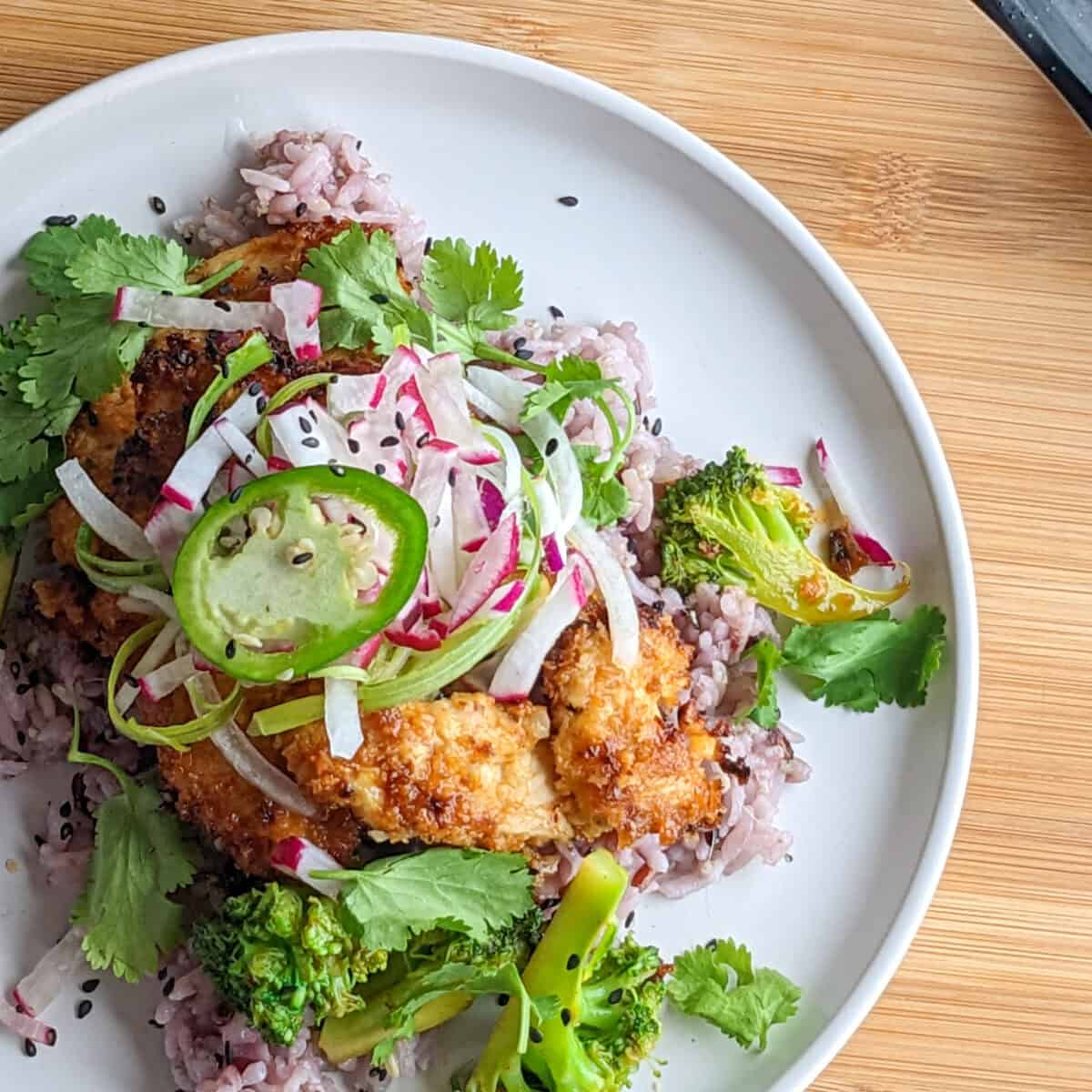
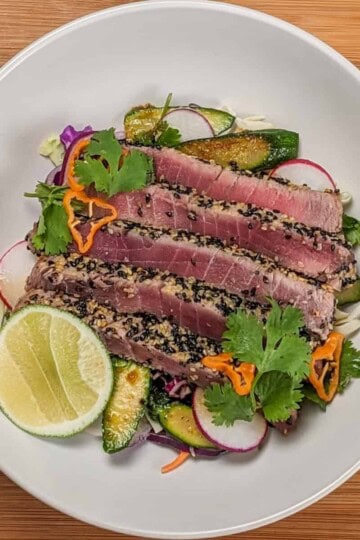
Sesame Seed-Crusted Ahi Tuna with Spicy Sesame-Soy Sauce
-
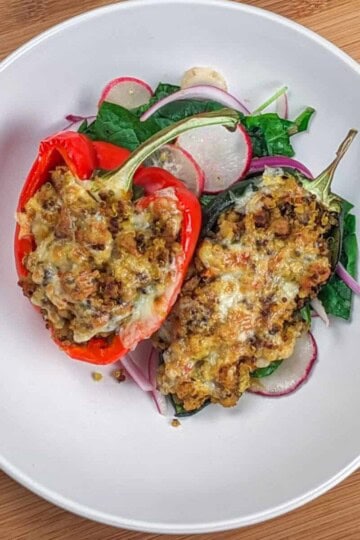
Healthy Spicy Ground Turkey Stuffed Peppers with Salad
-
2026 Fall Seasonal Produce Guide: Fruits and Vegetables to Enjoy This Season
-
Sweet Chili Peanut Chicken Tender salad
-
Best Collard Greens Substitutes: 7 Leafy Greens
-
Why Massaged Kale Benefits Matters: Easy Kale Salad Recipe
-
Vegetarian Ras El Hanout White Bean and Kale Soup
-
Easy and Healthy Spicy Turkey Meatball Kale Soup
-
Haitian American Thanksgiving Recipes & Prep Guide
-
Scotch Bonnet Smoked Turkey Collard Greens Beans Soup
-
How to Clean Collard Greens | Step-by-Step
-
How to Trim and Slice Collard Greens (Step-by-Step Guide)
-
How to Store Collard Greens | Fridge & Freezer Guide
-
West African Peanut Stew with Chicken and Collard Greens
-
Instant Pot Collard Greens with Smoked Turkey
-
Simple Jamaican Curry Chicken with Rice and Beans Recipe
-
Easy Potsticker Egg Wing Recipe with Store-Bought Gyoza
-
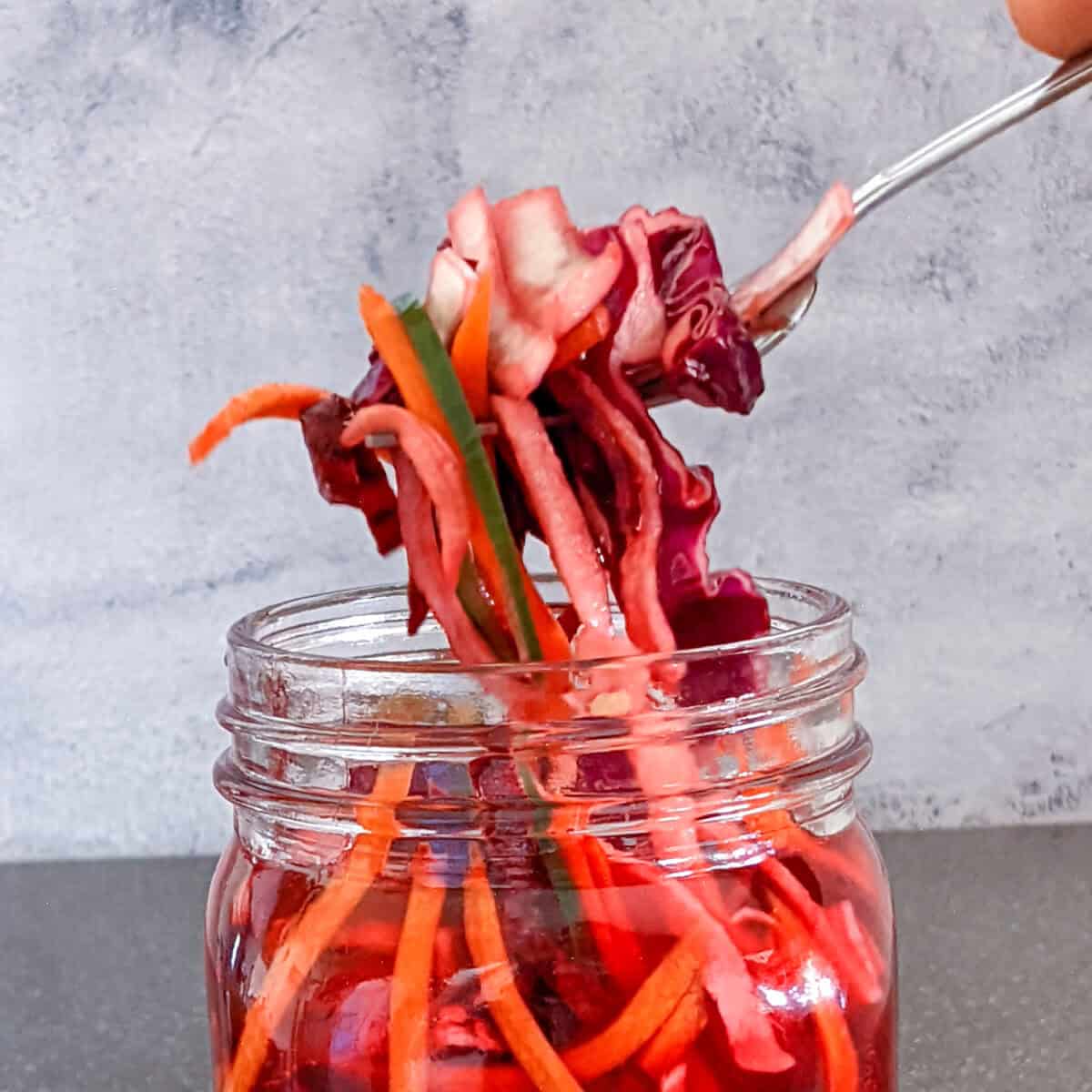
Quick Pickled Vegetable Pepper Slaw (No Heating Required)
-
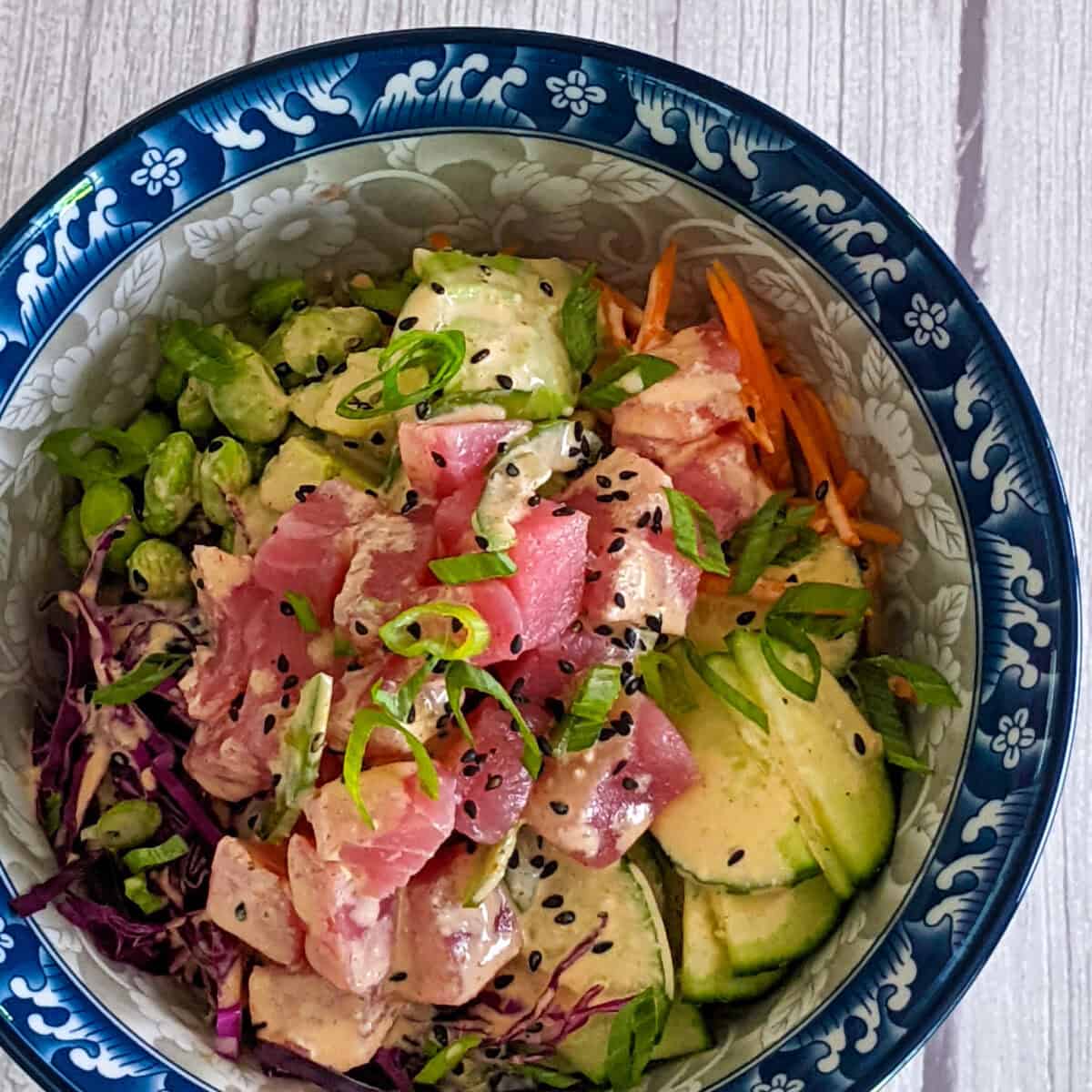
Spicy Tuna Rice Bowl
-
Air-Fried Hot Honey Sesame Chicken Stir-fry
-
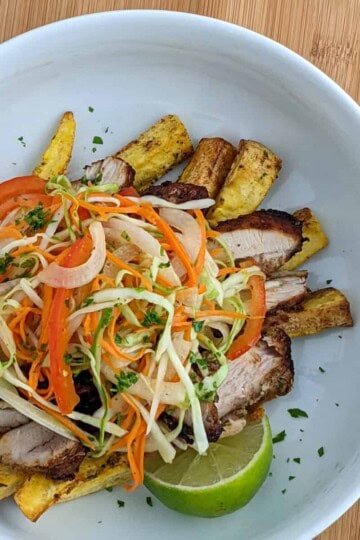
Loaded Plantain Fries with Crispy Air Fryer Chicken Thighs and Spicy Slaw
-
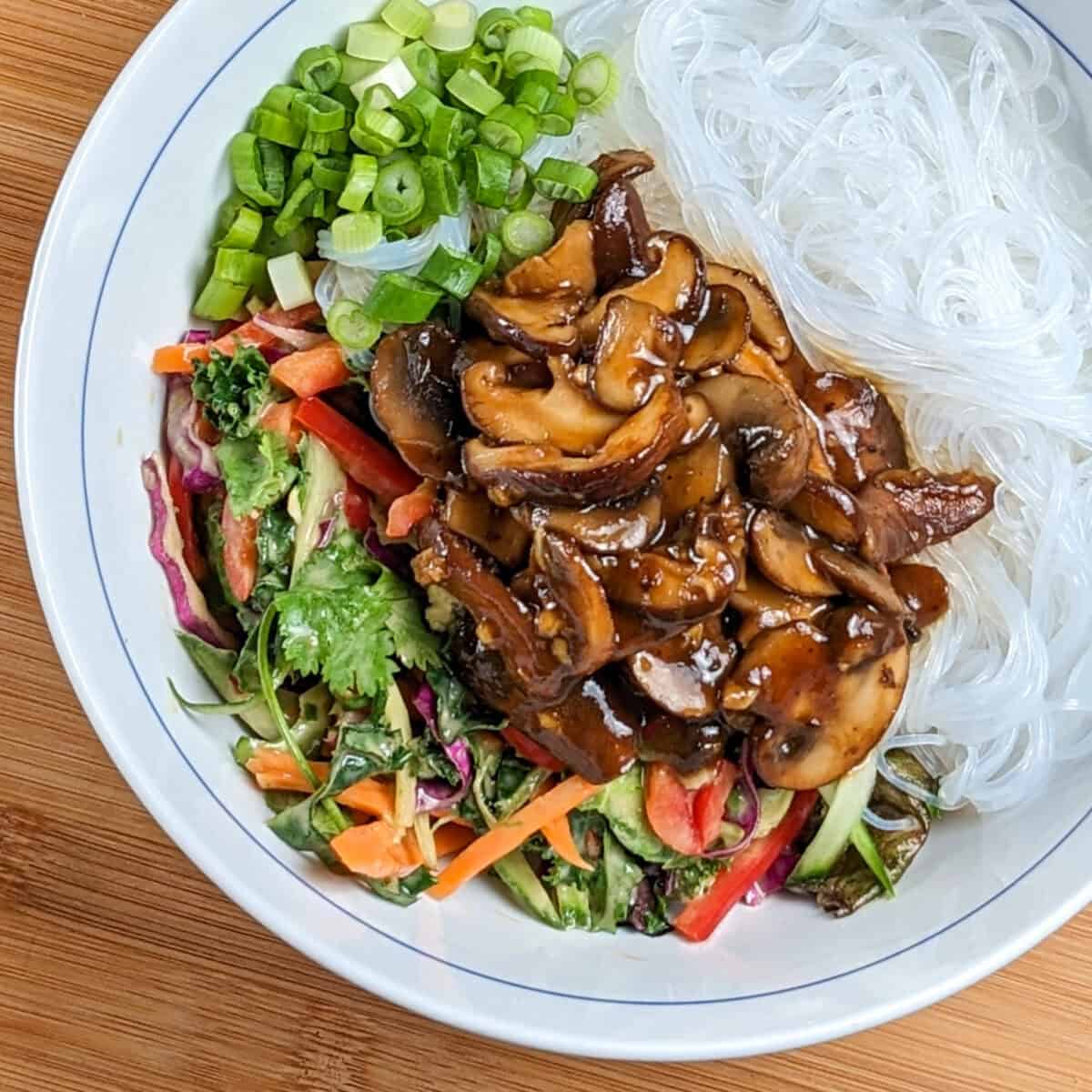
Fresh Hoisin Mushrooms Noodle Bowl with Spicy Peanut Sauce
-
Aleppo Pepper Spiced Vegetarian Borscht
-
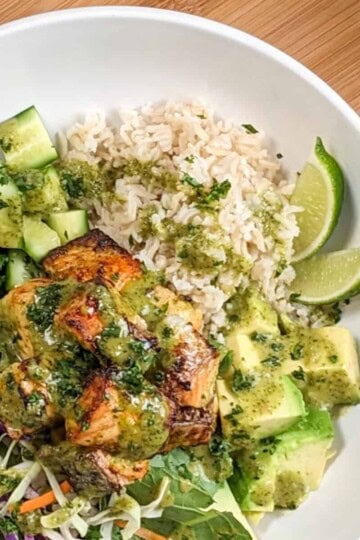
Air Fryer Spicy Cilantro Lime Salmon Salad Rice Bowl
-
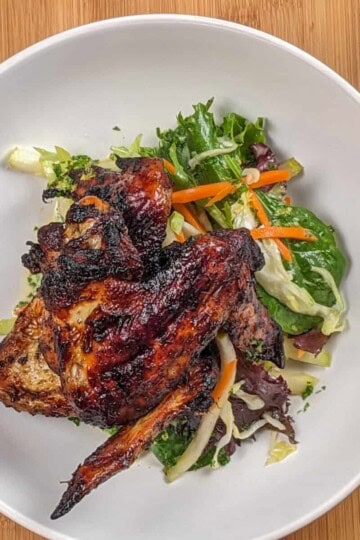
Crispy Air Fryer Honey Jerk Rubbed Chicken Wings
-
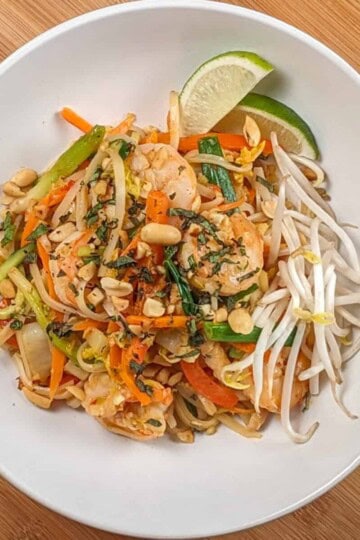
Shrimp and Pork Belly Pad Thai - Spring Roll Style
-
Sheet Pan Citrus Chili Lime Salmon with Vegetables
-
Grilled Pork Chops with Tamarind Habanero Glaze and Coleslaw
-
Lemongrass Marinated Grilled Chicken Spring Rolls
-
Air Fryer Chicken and Pork Belly Tacos | Easy & Crispy
-
Celebrate AAPI Heritage Month with These Top Asian-Inspired Recipes
-
A Quick Look at Haitian Flavor with Pikliz-Style Citrus Slaw
-
Easy BBQ Chicken Sliders with Coleslaw | Spicy & Sweet
Cruciferous vegetables include some of the most versatile vegetables I use in my kitchen, from broccoli and cauliflower to collard greens, cabbage, and Brussels sprouts. You can roast them until caramelized, quickly sauté them, toss them into soups and stews, serve them raw in salads and slaws, or turn them into hearty vegetable sides.
If you've ever wondered how to prepare broccoli stems, properly clean collard greens, cut cauliflower into steaks, or figure out what to do with a head of cabbage, this guide is a great place to start! Here you'll find the cruciferous vegetables I currently cook with on Just Maika Cooking, along with preparation tips, cooking ideas, and recipes to help you become more comfortable using them.

As I cook with more varieties, I'll continue adding them to this guide.
What Are Cruciferous Vegetables?
Cruciferous vegetables are vegetables from the Brassicaceae, or mustard and cabbage, family. The group includes familiar vegetables such as broccoli, cauliflower, cabbage, Brussels sprouts, kale, and collard greens, among others.
One interesting thing about this vegetable family is how different its members can look. Some are grown for their leaves, such as kale and collard greens. Others give us compact heads, florets, stems, or roots.
Even vegetables that don't immediately look related can belong to the same botanical family. From a cooking perspective, that gives us plenty to work with. The key is knowing how to prep each vegetable and choosing a cooking method that works with its texture.
Cruciferous vegetables can be:
- Roasted
- Air fried
- Sautéed
- Grilled
- Steamed
- Braised
- Added to soups and stews
- Pickled
- Served raw in salads and slaws
Cruciferous Vegetables I Cook With
These are the cruciferous vegetables you'll currently find throughout Just Maika Cooking. Use this guide as a starting point for learning how to prepare them, then explore the linked recipes for ways to put those skills into practice.
Broccoli
Broccoli is one of those vegetables where it's easy to focus entirely on the florets and forget about the rest of the plant. The stems are edible, too. Once you remove the tougher exterior when needed, you can slice, chop, roast, sauté, add to soups, or blend broccoli stems. When cutting broccoli, try to keep your florets roughly the same size so they cook at about the same rate.
Best for: Roasting, air frying, sautéing, steaming, grilling, soups, and stir-fries.
Prep skills to learn: Cutting florets, trimming stems, peeling thick broccoli stems, and using broccoli scraps.
Try: Grilled Steak Spicy Chimichurri, Baby Potatoes, and Broccoli.
Broccolini
Broccolini has smaller florets and longer, thinner stems than traditional broccoli, making prep fairly simple. Instead of separating everything into individual florets, I usually trim the dry ends and keep much of the stem intact. You can split very thick pieces lengthwise so everything cooks more evenly. This makes broccolini especially convenient for sheet-pan meals and quick sautés!
Best for: Roasting, sautéing, grilling, and sheet-pan meals.
Prep skills to learn: Trim the ends, split thick stalks, and keep the florets attached for presentation.
Try: Baked Cheesy Spicy Tomato Basil Chicken and Broccolini.
Brussels Sprouts
Brussels sprouts look like miniature cabbages, and they develop a completely different personality once roasted. To prepare them, trim away the tough stem end and remove any damaged or loose outer leaves. Depending on their size and how you're cooking them, you can leave them whole, halve them, quarter them, or shred them. Halving Brussels sprouts also creates a flat surface that can contact a hot pan directly, helping them brown.
Best for: Roasting, air frying, sautéing, shredding for salads, and vegetable side dishes.
Prep skills to learn: Trimming, halving, shredding, and getting better browning.
Try: Best Air Fryer Honey Dijon Mustard Chicken Rice Bowl.
Cabbage
Cabbage deserves much more credit for how versatile it is. I use green cabbage, red cabbage, and Napa cabbage, and each one brings something slightly different to a recipe. Green cabbage works well in cooked dishes, soups, sautés, and slaws. Red cabbage adds beautiful color and crunch, especially to raw preparations and pickled vegetables. Napa cabbage has softer, more delicate leaves that work particularly well in quick-cooking dishes. The most important cabbage prep skill is learning to remove the core and cut the leaves based on what you're making.
Best for: Slaws, salads, pickling, sautéing, soups, stir-fries, and braised dishes.
Prep skills to learn: Removing the core, shredding, chopping, washing, and choosing the right cabbage for the recipe.
Try: Grilled Pork Chops with Tamarind Habanero Glaze and Coleslaw.
Cauliflower
You can break cauliflower into small florets, roast it in larger pieces, purée it, or cut it into thick cauliflower steaks. When cutting cauliflower steaks, the center core is especially important because it helps hold the slices together. Don't waste the florets that fall away while cutting. Save them and roast them alongside the steaks or use them in another recipe.
Best for: Roasting, air frying, grilling, steaming, soups, purées, and cauliflower steaks.
Prep skills to learn: Removing leaves, cutting florets, cutting cauliflower steaks, and using leftover pieces.
Try: Baked Cajun Honey Mustard Salmon Cauliflower Steaks & Potatoes.
Collard Greens
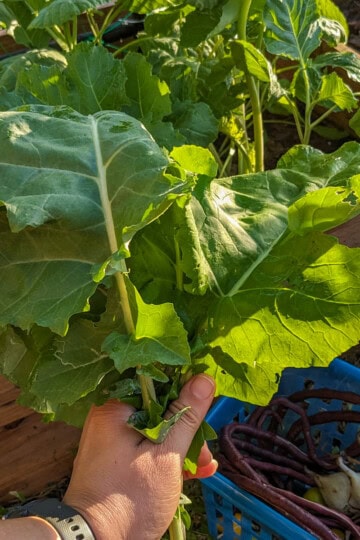
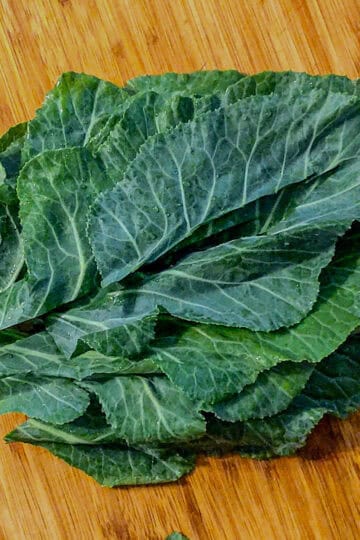
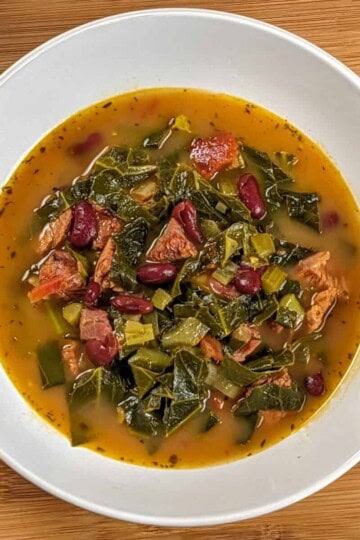
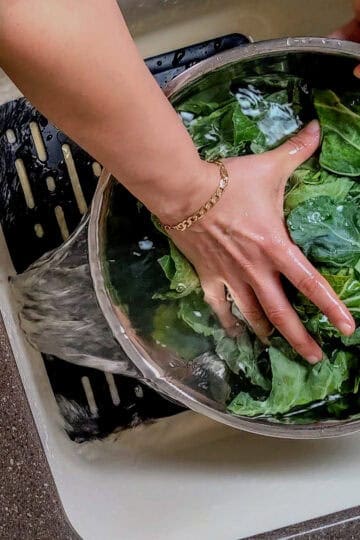
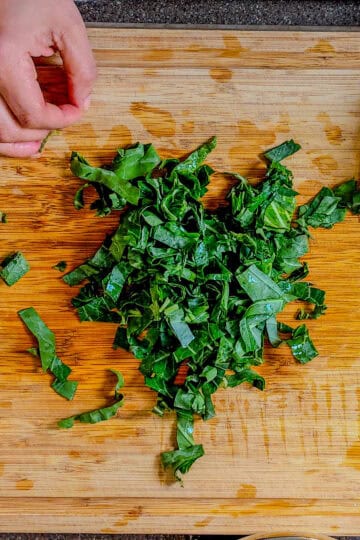
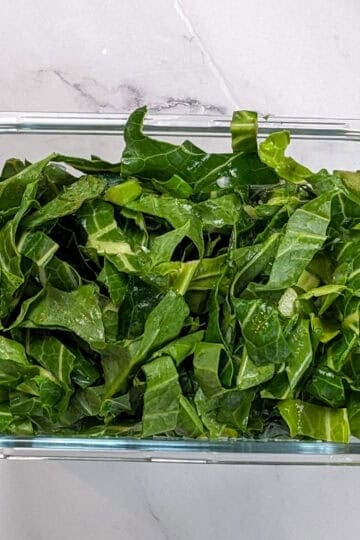
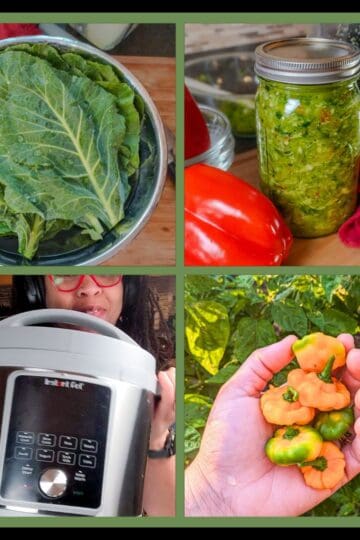
Collard greens are one of the cruciferous vegetables I've spent the most time cooking with, and proper preparation can make a big difference. The large leaves need to be thoroughly cleaned, particularly because dirt can hide in their folds. You can also remove the thick center stem before stacking and slicing the leaves. Collard greens aren't limited to one preparation. You can slowly cook them, add them to soups and stews, or slice them into smaller pieces for dishes that don't require hours of cooking.
Best for: Braising, soups, stews, beans, and hearty vegetable dishes.
Prep skills to learn: Cleaning, removing stems, stacking, slicing, storing, and choosing substitutions.
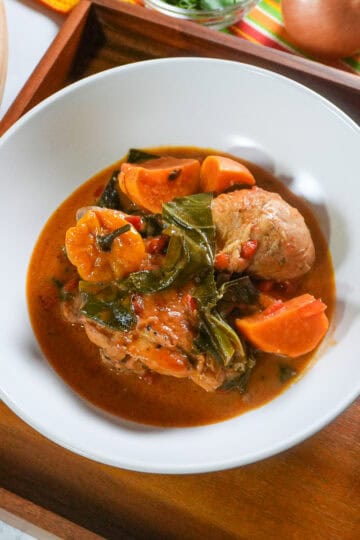
Try: Scotch Bonnet Smoked Turkey Collard Greens Beans Soup.
Kale
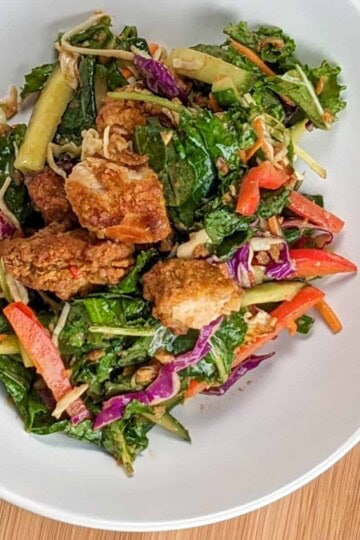
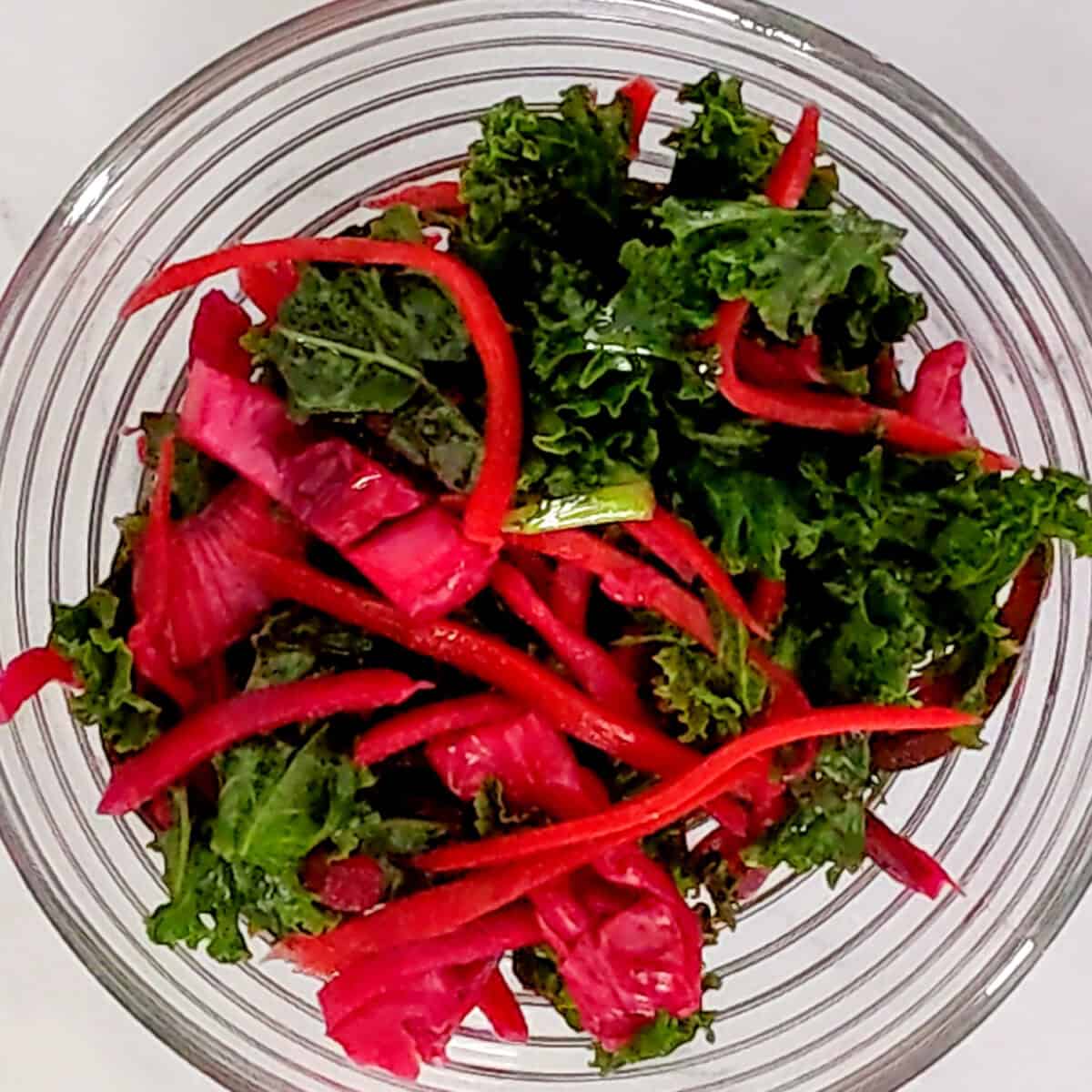
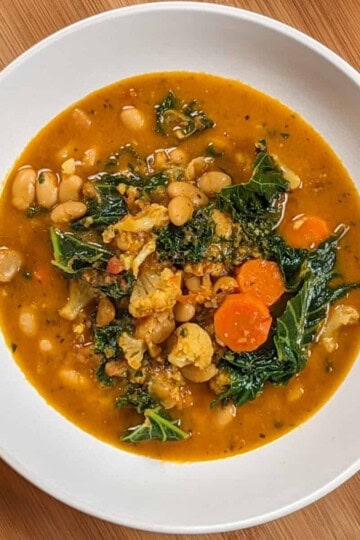
Kale is another leafy member of the cruciferous family. Remove the thick center stems before chopping the leaves, especially when the kale will be eaten raw or cooked quickly. For salads, massaging kale softens its texture and makes the leaves easier to eat. In soups and stews, add kale toward the end of cooking so the leaves soften without completely disappearing into the dish.
Best for: Salads, soups, stews, sautés, roasting, and bowls.
Prep skills to learn: Removing stems, chopping, massaging, washing, and drying.
Try: Easy and Healthy Spicy Turkey Meatball Kale Soup.
Radishes
Radishes bring a completely different texture and flavor to the cruciferous family. They're crisp, peppery, and especially useful when you want freshness and crunch in a finished dish. I often use them raw, where thin slicing helps distribute their flavor without overpowering everything else on the plate. You can also cook radishes, which mellows some of their sharpness.
Best for: Salads, bowls, garnishes, pickling, and roasting.
Prep skills to learn: Trimming, washing, thinly slicing, and storing.
Try: Sesame Seed-Crusted Ahi Tuna with Spicy Sesame-Soy Sauce.
Arugula
Arugula is a leafy cruciferous vegetable with a naturally peppery flavor. Unlike sturdy collard greens and kale, arugula is delicate and needs little prep. Wash and thoroughly dry the leaves before using them in salads or adding them to a finished dish. Arugula can also be lightly wilted by residual heat, making it an easy way to add fresh greens to warm dishes.
Best for: Salads, bowls, sandwiches, toppings, and lightly wilted greens.
Prep skills to learn: Washing, drying, storing, and adding arugula to warm dishes without overcooking it.
Try: Spicy Chicken Pitas with Arugula, Feta, and Pomegranate Salad.
How to Prepare Cruciferous Vegetables
One goal of this guide is to make vegetable prep less intimidating. You don't have to memorize a completely different technique for every vegetable. Instead, start by looking at the part of the vegetable you're working with. Learning these basic patterns makes it much easier to approach a vegetable you haven't cooked before.
Leafy vegetables: Collard greens, kale, cabbage, Napa cabbage, and arugula generally need to be washed, dried, and then sliced or torn as the recipe calls for.
Florets and stalks: Broccoli, broccolini, and cauliflower benefit from being cut into reasonably even portions so they cook consistently.
Compact vegetables: Brussels sprouts usually need their stem ends trimmed before halving, quartering, or shredding.
Small raw vegetables: Radishes can usually be washed, trimmed, and sliced according to how much crunch you want in the finished dish.
Don't Throw Away the Good Parts
One of my favorite things to teach home cooks is how much usable food we sometimes throw away simply because a recipe doesn't call for it. Broccoli stems are a perfect example!
Cauliflower leaves and loose florets can also have another purpose. Cabbage scraps can go into soups or sautés. Sturdy stems and vegetable trimmings may have uses beyond the original recipe.
Before throwing something away, ask yourself whether it's actually inedible or simply a part of the vegetable you haven't learned how to use yet. That's part of becoming a more confident and resourceful cook.
Ways to Cook Cruciferous Vegetables
Once you prep your vegetables, the cooking method determines much of their final flavor and texture.
Roast Them
Roasting is one of my favorite methods for broccoli, broccolini, Brussels sprouts, cauliflower, cabbage, and other sturdy vegetables. High heat encourages browning while helping excess moisture evaporate. Give the vegetables enough room on the pan rather than crowding them together.
Air Fry Them
The air fryer is another useful option when you want browned vegetables without heating a full oven. Broccoli, cauliflower, Brussels sprouts, and other sturdy cruciferous vegetables work particularly well.
Sauté Them
Sautéing works when you want something faster. Thinly sliced cabbage, kale, broccoli, broccolini, and other vegetables cook quickly in a hot skillet with seasonings and aromatics.
Add Them to Soups and Stews
Leafy vegetables such as collard greens and kale are especially useful for soups and stews, while cabbage, broccoli, and cauliflower can add both vegetables and texture. Pay attention to timing. Sturdy collard greens can withstand much more cooking than delicate arugula.
Keep Them Raw
Cooking isn't always necessary! Cabbage, radishes, kale, arugula, and even broccoli can work beautifully raw when properly prepared. Slaws, salads, bowls, and garnishes are also great opportunities to combine different textures from this vegetable family.
Explore Cruciferous Vegetable Recipes
The best way to become comfortable with an ingredient is to cook with it. Explore the recipes below for different ways to prepare broccoli, broccolini, Brussels sprouts, cabbage, cauliflower, collard greens, kale, radishes, and arugula.
You'll find everything from quick vegetable sides and salads to soups, stews, sheet-pan dinners, and complete meals. Use the preparation guides above when you need help breaking down an ingredient, then come back to the recipes when you're ready to put those skills to work. As I continue experimenting with cruciferous vegetables, I'll update this guide with new prep techniques, cooking tips, and recipes. Explore. Experiment. Taste.