

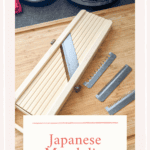
A Japanese mandoline is one of my favorite tools for quickly creating thin, consistent slices and julienne cuts for salads, stir-fries, garnishes, and everyday meal prep. I've used one for more than 20 years in both professional kitchens and at home, and in this Cook's Notebook guide, I'll show you what it can do, how to use it safely, and how to decide whether it's the right prep tool for you.
Estimated reading time: 11 minutes
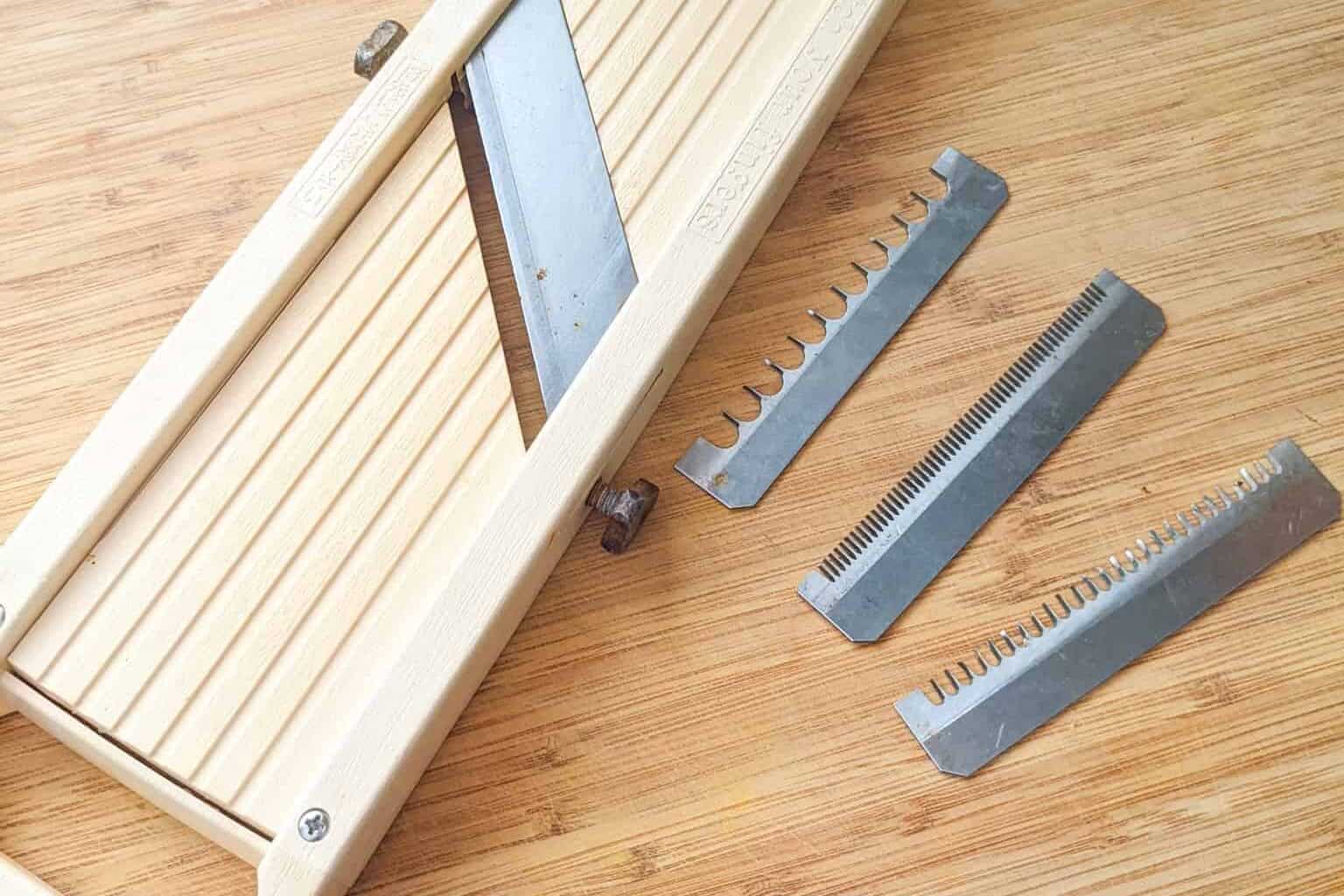
Table of Contents
Jump to:
- What is a Japanese Mandoline?
- Key Takeaways
- What to use the Japanese Mandoline for?
- Choosing the Right One
- How to Use a Japanese Mandoline Safely
- How to Julienne Carrots with a Japanese Mandoline
- How to Slice Radish
- Using a Japanese Mandoline for Carrot Salad
- Mandoline Must-Haves Reviews
- Japanese-Inspired Recipes
- Cooking Tips and Tutorials
- Frequently Asked Questions
- Leave a Comment or Ask a Question
What is a Japanese Mandoline?
A Japanese mandoline is a handheld kitchen slicer designed to quickly cut fruits and vegetables into thin, uniform slices, shreds, and julienne cuts. Unlike many larger mandoline slicers, Japanese-style mandolines typically have a lightweight, streamlined design that can be held over a bowl or placed on a flat surface while you work.
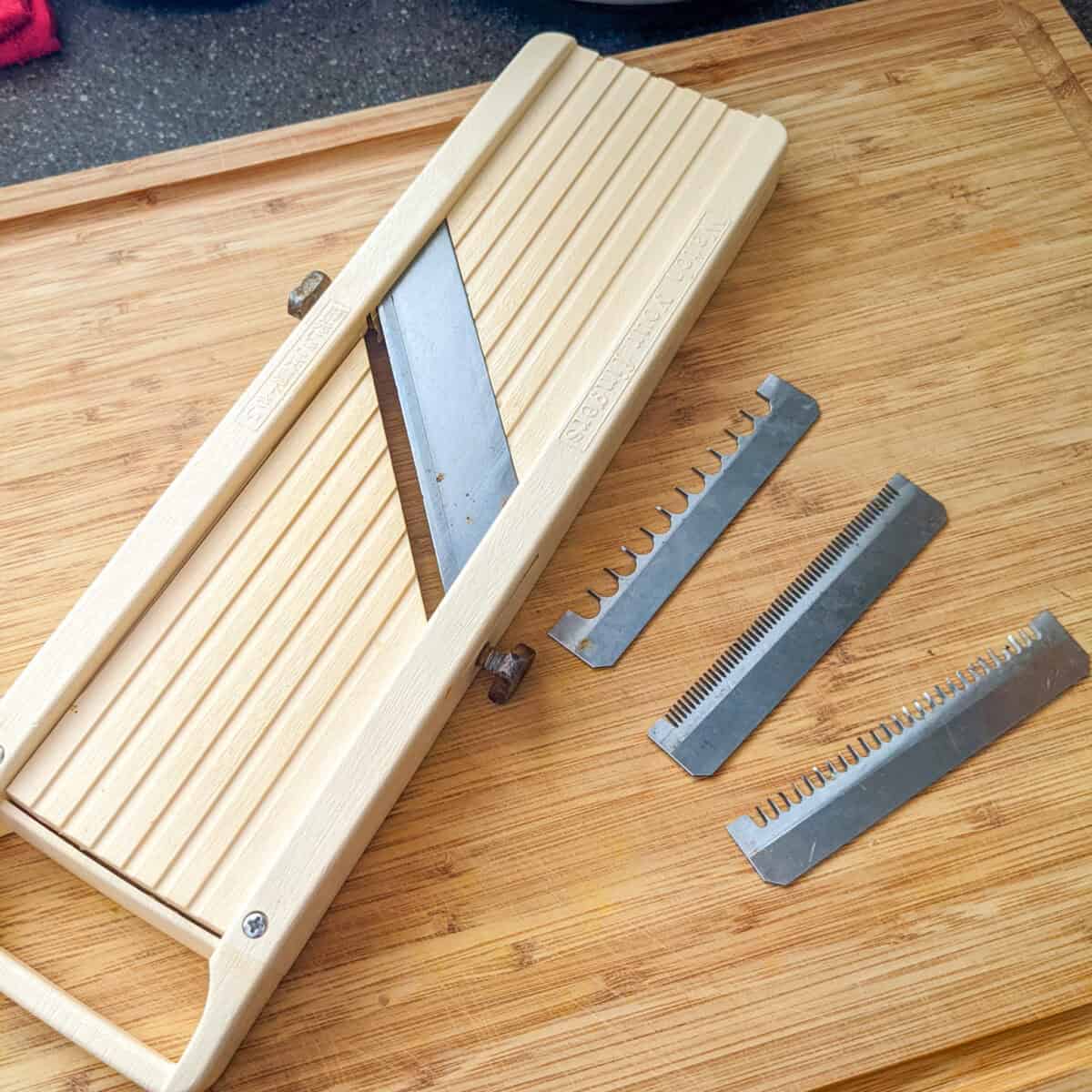
The model I've used for more than 20 years is the Benriner Vegetable Slicer, which has a permanently attached slicing blade along with interchangeable toothed blades for creating different-sized julienne cuts. You can also adjust the thickness of your slices, making it useful for everything from thinly sliced radishes and cucumbers to shredded carrots, cabbage, apples, zucchini, and more.

I frequently reach for mine when a recipe calls for a larger quantity of consistently cut vegetables. I've used it in recipes such as my Harissa Carrot Salad and Pickled Vegetable Pepper Slaw, as well as in stir-fries, soups, and pasta dishes.
Recommended Reads
Key Takeaways
- A Japanese mandoline is a versatile kitchen tool for achieving quick, consistent cuts of fruits and vegetables.
- It features a lightweight design, adjustable thickness, and interchangeable blades for various cutting styles.
- Select a model based on your prep needs: consider width, blade options, and safety features.
- Always use the hand guard and be cautious with the sharp blade to ensure safe operation.
- The Japanese mandoline is ideal for slicing larger quantities and is helpful even for skilled cooks.
What to use the Japanese Mandoline for?
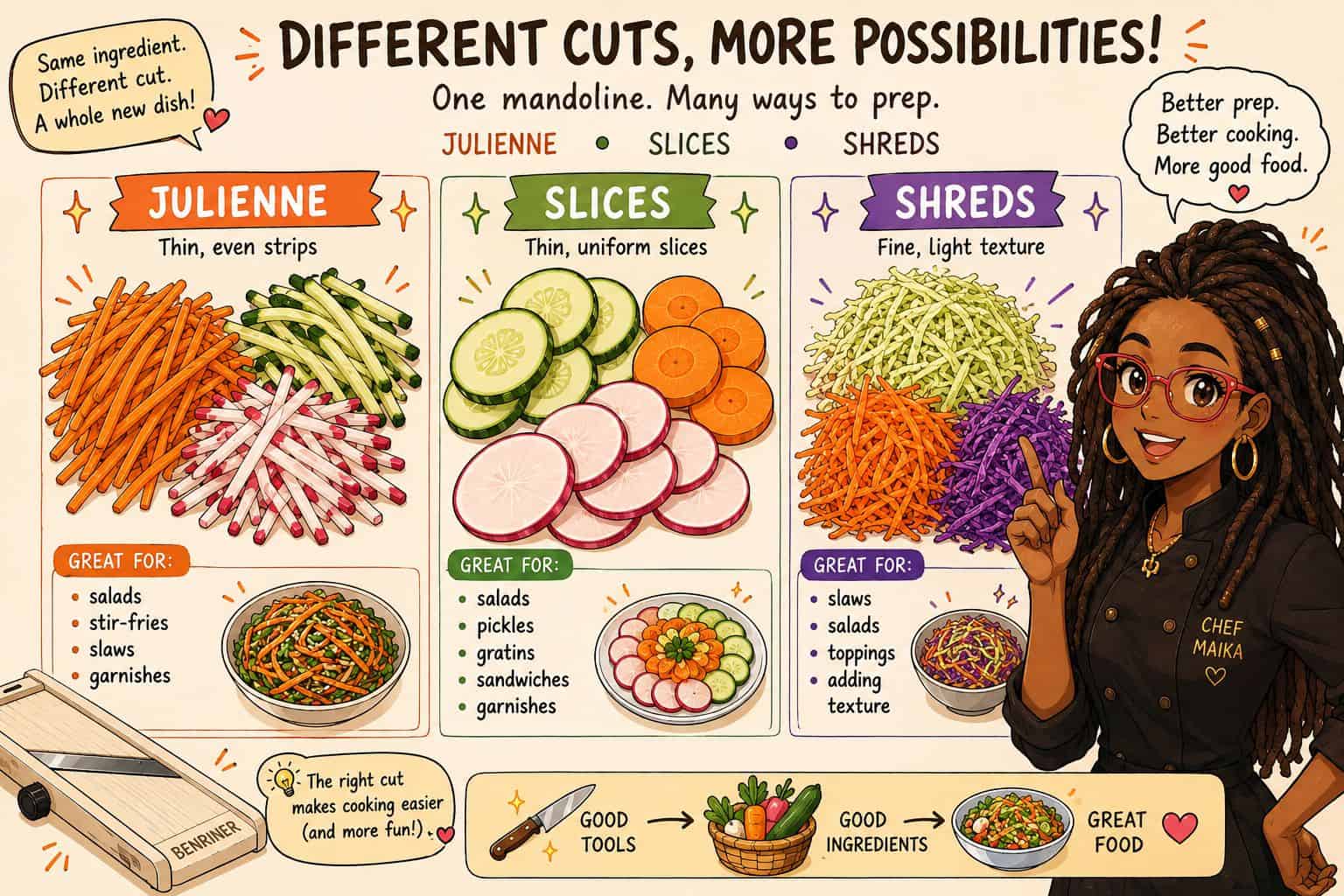
A Japanese mandoline is useful anytime you want quick, consistent cuts, especially when prepping a larger amount of vegetables or fruit. Depending on the blade and thickness setting, you can create thin slices, julienne strips, or fine shreds for different recipes and textures.
| Thin slices: Great for cucumbers, radishes, carrots, zucchini, potatoes, apples, and other firm produce. Use them for salads, pickles, gratins, sandwiches, garnishes, and quick-cooking dishes. |
| Julienne cuts: The toothed blades create thin, uniform strips that work well for carrots, radishes, zucchini, and other firm vegetables. I use these cuts for salads, slaws, stir-fries, and garnishes. |
| Shreds: Use the finer blades to create shredded vegetables for slaws, salads, toppings, and other dishes where you want a lighter texture. |
You can also adjust the thickness of the cut, which gives you even more control over how an ingredient cooks or feels in the finished dish. Just keep your mandoline's width in mind; larger fruits and vegetables may need to be cut into smaller pieces before slicing.
Choosing the Right One
Not every Japanese mandoline will work for every cook, so consider how and what you typically prep before choosing one. Here are a few features I recommend looking for:
- Width: A wider cutting surface is helpful for larger vegetables such as cabbage, potatoes, and onions, while a narrower model is compact and easy to store.
- Adjustable thickness: Look for a model that lets you control how thin or thick your slices are.
- Julienne blades: Interchangeable fine, medium, and coarse blades give you more options for creating matchsticks, shreds, and thicker strips.
- Safety guard: A hand or finger guard helps keep your hands away from the very sharp blade, especially as the ingredient gets smaller.
- Stability: A nonslip base or a design that rests securely against a bowl or container can help keep the mandoline steady while you work.
- Collection tray: This isn't necessary, but I really enjoy having one. My newer mandoline has a collection tray that catches everything underneath and makes prep less messy.
I've used my Benriner Vegetable Slicer ↗, a Japanese mandoline, for more than 20 years, but that doesn't mean this slicer style will be comfortable for everyone.
Choose the tool that works best for your hands, cooking style, and comfort level, whether that's a traditional Japanese mandoline, one with a collection tray, or another type of vegetable slicer altogether.
How to Use a Japanese Mandoline Safely
A Japanese mandoline can make prep incredibly fast, but the blade is extremely sharp and should always be used with care. I've used Japanese mandolines for more than 20 years without cutting myself, and a big part of that comes down to paying attention and knowing when to stop.
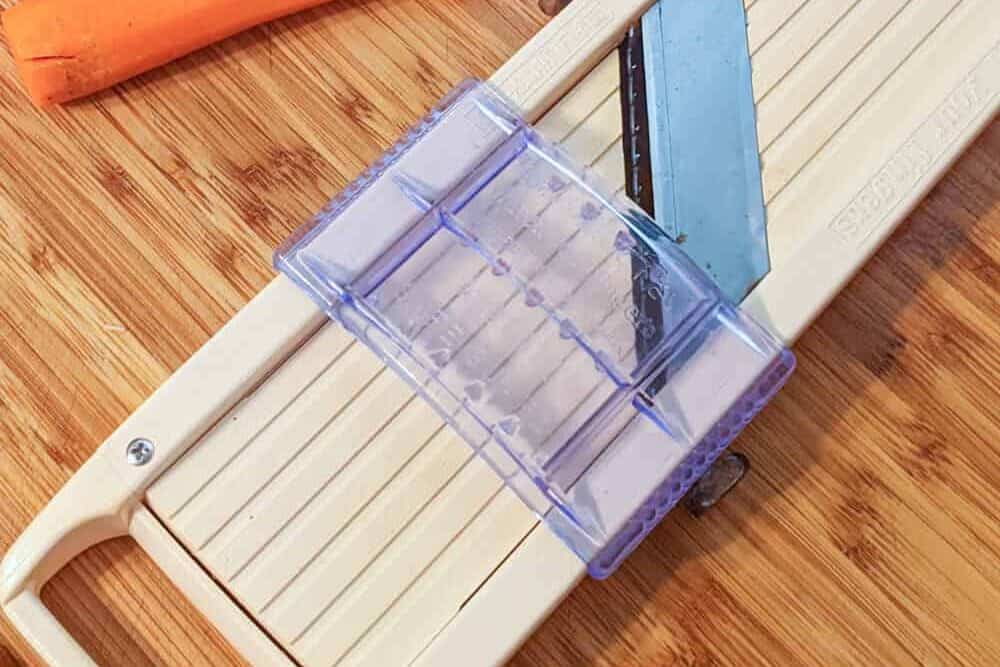
Always use the hand guard or food holder when possible, especially as the ingredient gets smaller. Keep the mandoline stable on a flat surface or securely positioned over a bowl or container, and never rush your movements.
Once a piece of food becomes too small to hold comfortably, stop slicing it on the mandoline. Finish that last piece with a knife or save it for another use rather than trying to get one more slice.
You can also wear cut-resistant gloves for an additional layer of protection. Most importantly, use the safety method that makes you feel comfortable and in control-speed is never worth risking your fingers.
How to Julienne Carrots with a Japanese Mandoline
Carrots are one of my favorite vegetables to julienne with a Japanese mandoline because you can quickly create thin, even strips for salads, slaws, stir-fries, and garnishes. Choose the julienne blade that gives you the desired thickness, secure the carrot with the hand guard, and move it steadily across the blade.
Watch the video below to see an example of how to use a Japanese mandoline safely. In the demonstration, I use the hand guard to keep my fingers away from the blade while julienning the carrot.
How to Slice Radish
A Japanese mandoline is great for creating thin, even radish slices for salads, sandwiches, tacos, garnishes, and pickled vegetables. In the video, I demonstrate how I carefully slice the radish while rotating it as I work, which helps produce cleaner, more even cuts rather than repeatedly slicing from the same position.
Because radishes are small, pay close attention to how much of the vegetable remains as you slice. Stop once you can no longer comfortably keep your fingers a safe distance from the blade; you don't need to use every last piece.
Using a Japanese Mandoline for Carrot Salad
Here's another example of how I use my Japanese mandoline ↗ in everyday cooking. For my Harissa Carrot Salad, I use the julienne blade to quickly cut the carrots into thin, uniform strips.
The step-by-step photos below show how I prep the carrots before slicing and pass them across the julienne blade to create consistent pieces. Keeping the carrots similar in size gives the salad a more uniform texture and helps distribute the dressing and other ingredients throughout every bite.

The classic Benriner Vegetable Slicer comes with three blades.

It also has a plastic guard to protect your palm and fingers.

The large-toothed blade creates this size.

This size is great for salads and stir-fries.
Mandoline Must-Haves Reviews
Find a collection of my reviews of kitchen equipment that I have purchased or recommend. Kitchen Must-Haves - Find other tools I use here.
My Review: I’ve had my Benriner Mandoline Slicer for over 20 years, and it’s still one of the most reliable tools in my kitchen. While I own the older model, the new version is nearly identical, featuring the same chef-trusted quality, sharp Japanese stainless steel blades, and simple, effective design. It’s been a huge help with meal prep, especially when I need consistent, thin slices fast. Benriner has always been the original go-to mandoline in professional kitchens, and for good reason: it just works. If you want to learn more about how to safely and efficiently use a Japanese mandoline, check out my full guide on the Japanese Mandoline here.
My Review: I recently purchased the Benriner Mandoline Slicer with Collection Tray and 4 Blades and have been impressed with how sharp and precise the Japanese stainless-steel blades are for everything from paper-thin slices to uniform julienne cuts. The "real deal" for me is the built-in collection tray, which keeps all my prep neatly contained, making it especially convenient when I’m throwing together effortless chop salads. With four interchangeable blades, a stable base, and BPA-free construction, it’s a versatile, durable tool that makes slicing faster, cleaner, and more enjoyable. Just like my Classic Benriner Mandoline that I had for over 2 decades, I hope this one lasts as long.

My Review: As a professionally trained chef, I never thought I’d buy a vegetable chopper, since I can dice an onion in seconds. But after developing wrist injuries, I started looking for tools that make cooking easier and reduce strain, and the Mueller Pro-Series 10-in-1 Vegetable Chopper surprised me. I love the different dicing and slicing options, plus the container that catches everything as you prep. The hinged area of the press-down lid feels like a weak point, but so far mine has held up and does its job well. I recommend it! I’m a big supporter of using whatever tools make cooking easier for you and your lifestyle.

Japanese-Inspired Recipes
Explore some Japanese-inspired recipes to find your next favorite flavor and make weeknight cooking effortless!
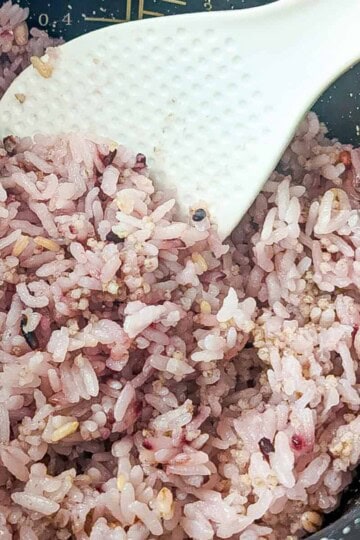
- How to Make Multigrain Rice | Purple Rice Recipe
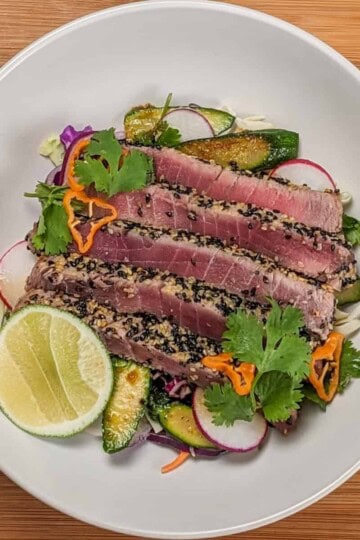
- Sesame Seed-Crusted Ahi Tuna with Spicy Sesame-Soy Sauce
- Easy Sheet Pan Spicy Miso Salmon Rice Bowl
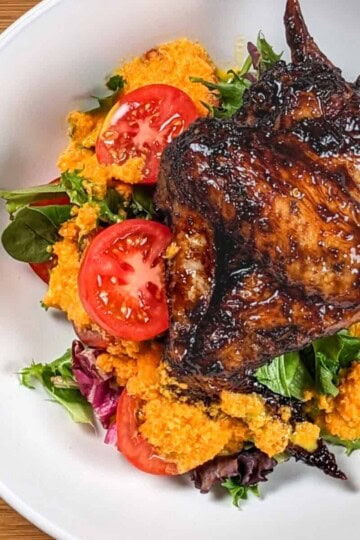
- Easy Air Fryer Sticky Date Teriyaki Chicken Wings

Looking for authentic Japanese cuisine? Check out Recipe Tin Japan ↗ and Just One Cookbook ↗.
Cooking Tips and Tutorials
If you found this tutorial helpful, you'll love my Cook's Notebook collection. From knife skills and flavor bases to time-saving tricks and essential equipment guides, this section is packed with chef-tested lessons to help you cook with confidence.
- The Best Cooking Shows on Prime Video for Curious Home Cooks
- How to Trim Chicken: The Best Way to Prep Chicken Before Cooking
- How the Maillard Reaction Makes Food Taste Better
- How to Store Fresh Berries So They Last Longer (Without Getting Mushy)


Chef Maika Frederic-Liebman
Chef and Educator
Professionally trained Haitian-American chef Maika Frederic is the creator of Just Maika Cooking, where she shares globally inspired recipes, cooking techniques, ingredient guides, and food safety tips designed to help home cooks become more creative and confident in the kitchen. Combining years of professional culinary experience with a passion for teaching, she makes global flavors approachable through practical, accessible instruction for cooks of every skill level.
SUBSCRIBE: 👈To my YouTube Channel to Get Notifications of New Videos.
Frequently Asked Questions
Here is a list of common questions I have answered. If you have any questions, please write them in the comments below.
Yes. Japanese-style mandolines are typically lightweight and streamlined, with an adjustable straight blade and interchangeable julienne blades. Many traditional mandolines are larger and may include additional cutting options or a stand.
Carrots, cucumbers, radishes, zucchini, potatoes, cabbage, onions, and other firm vegetables work well. You can also slice firm fruits such as apples and pears, depending on the size of your mandoline.
Yes. Many Japanese mandolines include interchangeable toothed blades that produce julienne strips of varying widths. I especially like using mine to julienne carrots for salads and other recipes.
Use the hand guard whenever it works with the ingredient you're cutting. I demonstrate using one in my carrot video. With smaller ingredients, such as the radishes shown in my other demonstration, I use a controlled technique and stop slicing before my fingers get too close to the blade. Cut-resistant gloves can provide additional protection.
Is a Japanese mandoline worth buying if I already have good knife skills?
It can be. I have professional knife skills and can prep vegetables quickly with a chef's knife, but I still reach for my Japanese mandoline when I want a large quantity of thin, consistent slices or julienne cuts. It's not a replacement for good knife skills-it's another useful prep tool.
Leave a Comment or Ask a Question
I'd love to hear your thoughts, questions, or experiences with using Japanese mandolines. Leave a comment or question and get a response from a professionally trained chef!

Leave a Reply