

Learn how to prepare and cook mushrooms with simple techniques for cleaning, cutting, storing, sautéing, and roasting different varieties. This beginner-friendly guide also explains how to manage their high water content so you can develop better texture, concentrated mushroom flavor, and beautiful golden-brown results.

Table of Contents
Jump to:
- How to Prepare and Cook Mushrooms for Better Flavor and Texture
- A Note From Chef Maika
- Types of Mushrooms and How to Use Them
- Test Your Mushroom Knowledge
- How to Clean Mushrooms
- How to Slice Mushrooms
- How to Dice Mushrooms
- How to Store Mushrooms
- Why Mushrooms Release So Much Liquid
- How to Sauté Mushrooms Until Golden Brown
- How to Roast Mushrooms
- How to Prepare Fresh Shiitake Mushrooms
- How to Prepare Dried Shiitake Mushrooms
- Mushroom Cooking Tips for Better Results
- Common Mushroom Cooking Mistakes
- Mushrooms Recipes
- Cooking Tips and Tutorials
- Frequently Asked Questions
- Leave a Comment or Ask a Question
How to Prepare and Cook Mushrooms for Better Flavor and Texture
Learning how to prepare and cook mushrooms can make a huge difference in their flavor and texture. Whether you're cooking cremini mushrooms, white button mushrooms, oyster mushrooms, shiitakes, or a mixture of varieties, a few simple techniques can help you create tender, flavorful mushrooms with beautiful golden-brown edges instead of a watery pile in your skillet.
This guide walks you through cleaning mushrooms, slicing and dicing them, storing them properly, and choosing the best cooking method for the results you want. You'll also learn why mushrooms release so much liquid during cooking and how professional cooking techniques can help you get better results at home.
A Note From Chef Maika
One of the most important things to understand about cooking mushrooms is that you're working with an ingredient with a high water content. That affects everything from how much room they need in the pan to when they actually begin to brown.
When I cook mushrooms, I'm usually thinking about two things: texture and flavor concentration. Sometimes I want soft mushrooms that can release their juices directly into a soup or sauce. Other times, I want deeply browned mushrooms with a slightly meaty texture.

There isn't one right way to cook every mushroom. Your preferred method should depend on the kind of mushrooms you're using and what you're making with them.
Recommended Reads
- Chicken Sausage Stuffed Portobello Mushrooms: Easy and Flavorful Dinner
- Sweet and Spicy Seafood Neoguri with Mushrooms, Spinach, and Fried Egg
- Cheesy Chipotle Mushroom Vegetarian Birria Tacos
- Fresh Hoisin Mushrooms Noodle Bowl with Spicy Peanut Sauce
- Easy Spicy Creamy Coconut Mushroom Chicken with Rum
Types of Mushrooms and How to Use Them
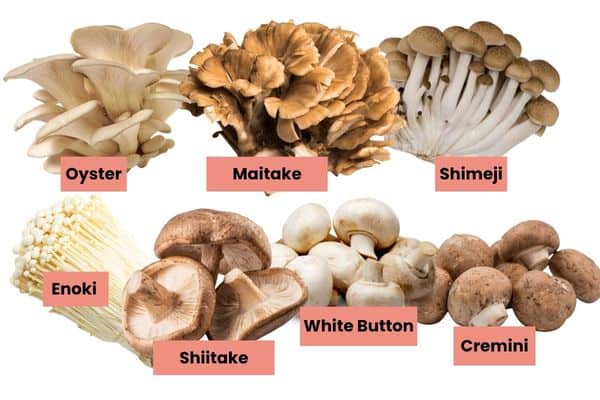
There are thousands of mushroom varieties, but you don't need to know them all to start experimenting.
White Button Mushrooms
White button mushrooms are one of the most commonly available varieties in U.S. grocery stores. Their mild flavor makes them an easy addition to soups, sauces, stir-fries, omelets, pizzas, and pasta dishes. They're also a great mushroom for practicing basic slicing and sautéing techniques.
Cremini Mushrooms
Cremini mushrooms, also sold as baby bellas, have a slightly deeper mushroom flavor than white button mushrooms. They're one of my favorite everyday varieties because they're affordable, versatile, and sturdy enough for sautéing, roasting, soups, and sauces.
Oyster Mushrooms
Oyster mushrooms have broad, delicate caps and a tender texture. Rather than cutting them into uniform slices, you can often tear larger clusters by hand. They're delicious sautéed or roasted, especially when you allow the edges to brown.
Shiitake Mushrooms
Fresh shiitakes have a distinctive savory flavor and firmer texture. The stems can be tough and fibrous, so I usually remove them before cooking the caps. Dried shiitakes are another useful pantry ingredient because their soaking liquid develops an intense mushroom flavor that can be incorporated into soups, sauces, and rice dishes.
Maitake Mushrooms
Also known as hen-of-the-woods, maitake mushrooms grow in clusters with thin, ruffled edges. They're particularly good roasted or sautéed because those edges can become wonderfully crisp.
Enoki and Shimeji Mushrooms
Enoki and shimeji mushrooms are excellent options when you want to experiment beyond common supermarket varieties. I frequently find enoki, shimeji, oyster mushrooms, and other specialty varieties at Korean and Chinese markets.
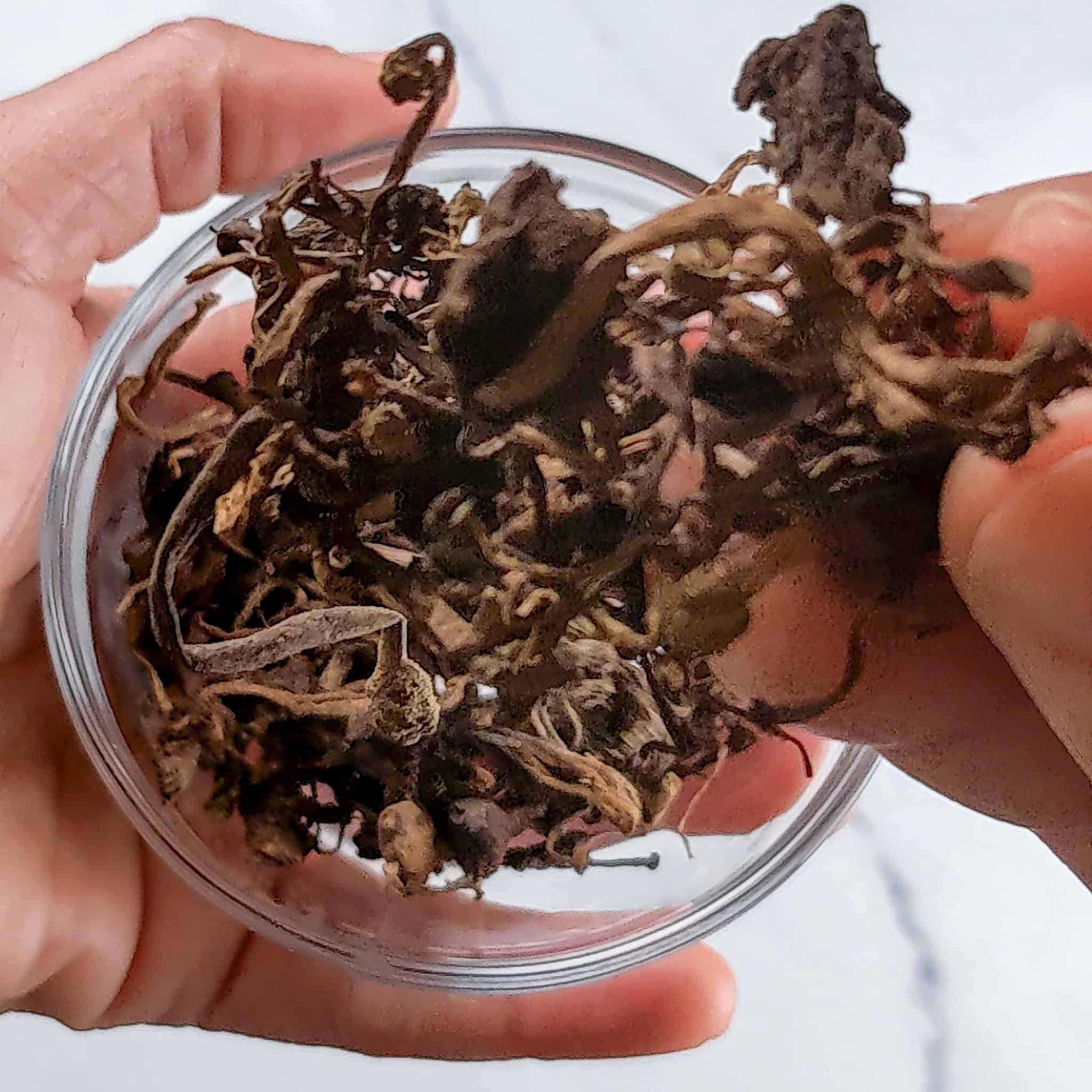
Notable Mention: Djon Djon Mushrooms
Because I'm Haitian, I have to talk about djon djon. Djon djon are dried mushrooms traditionally used in Haitian cooking, especially to make diri djon djon, Haiti's distinctive black mushroom rice. Rather than eating the mushrooms themselves, they're typically simmered in water to create a deeply colored, earthy mushroom broth, which is then strained and used to flavor and color the rice. For me, djon djon is also a great example of how mushrooms can be used beyond sautéing or roasting; the flavorful liquid they create can become an important part of the dish itself.
Try Mixing Different Mushrooms
You don't always have to choose one kind of mushroom. Using several varieties together is a great way to introduce different textures and layers of flavor into the same dish. I especially enjoy mushroom mixtures when mushrooms are a main ingredient in a stir-fry, curry, stew, noodle bowl, or rice dish.
Test Your Mushroom Knowledge
How to Clean Mushrooms
You may have heard that mushrooms should never touch water because they'll absorb it. While you don't want mushrooms sitting in water for long, they can be rinsed quickly when necessary. For relatively clean mushrooms, use a pastry brush, clean kitchen towel, or damp paper towel to remove visible dirt. If they're particularly dirty, give the mushrooms a quick rinse under cool water and dry them well with a clean towel or paper towels.

Chef Maika's Quick Cleaning Method
For a larger amount of mushrooms, I sometimes use my salad spinner. Place the mushrooms in the basket, briefly rinse or swish them in clean water, then drain them immediately and spin off the excess moisture. The goal is simple: clean mushrooms without soaking them.
How to Slice Mushrooms
How you cut mushrooms depends on their shape and how you plan to cook them.

For mushrooms with longer stems, lay them horizontally on your cutting board and slice them to your desired thickness.

Shorter mushrooms such as baby bellas can be positioned stem-side down and sliced vertically.

You can also remove the stems first. This creates a flatter surface, making it easier to slice the caps quickly.
And don't automatically throw those stems away. Tender stems can be chopped and cooked with the caps. Firmer mushroom trimmings can also be saved to help build flavor in vegetable stock.
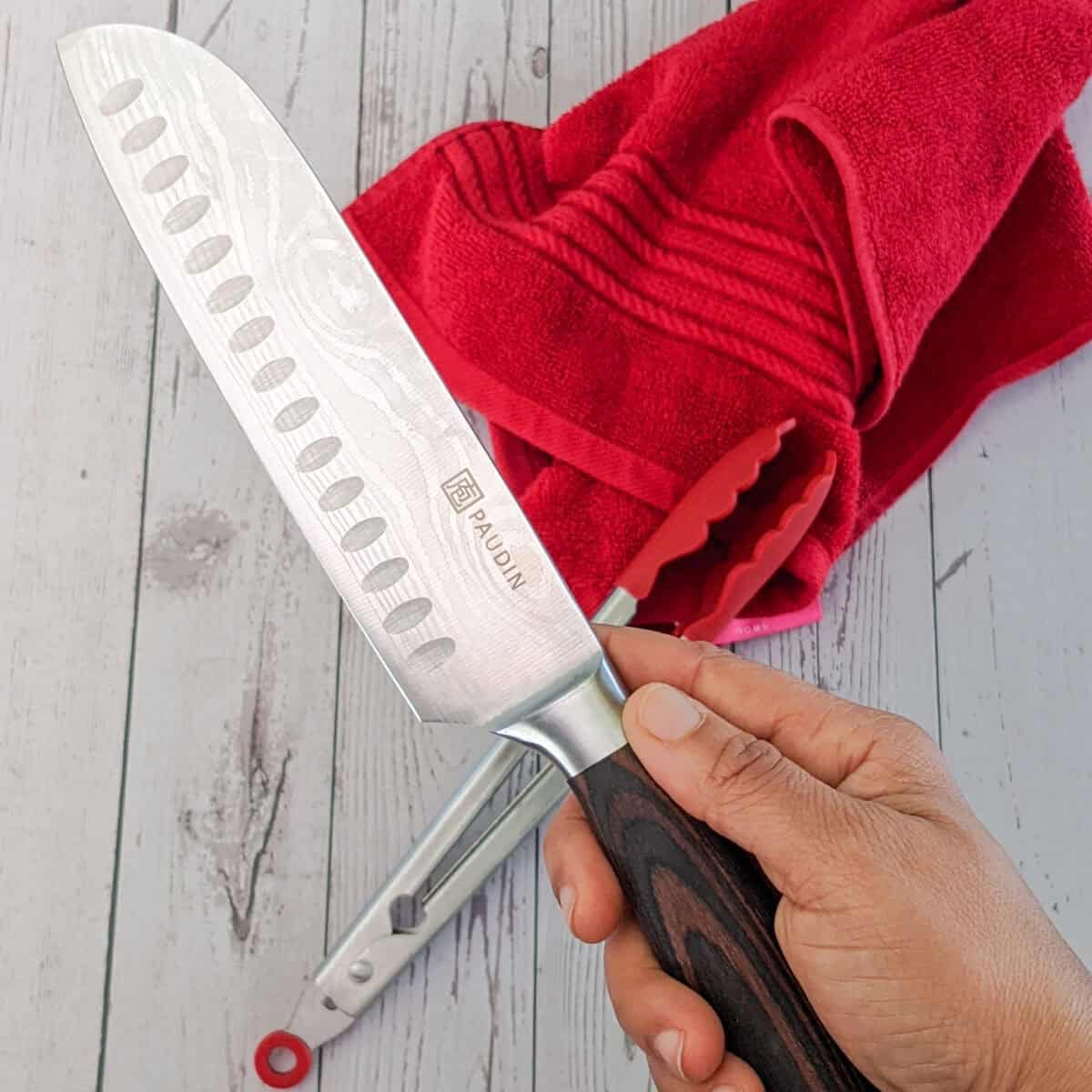
My Review: This knife is well-made. Super solid and multi-functional. It is made with high-carbon steel, so it will not rust. Slicing meat, like fish, is easier with the grooves. It doesn’t stick to the knife. The handle has an excellent grip and isn't heavy. For some background, a Santoku is a versatile Japanese kitchen knife characterized by its straight edge and "sheepsfoot" blade, designed for precise slicing, dicing, and chopping. Its name means "three virtues," referring to its ability to handle meat, fish, and vegetables efficiently, making it a staple in both professional and home kitchens.
How to Dice Mushrooms
- For diced mushrooms, first cut the mushrooms into slices.
- Stack or arrange the slices securely and cut them into strips before cutting across the strips to create smaller pieces.
- Don't worry about creating perfectly identical cubes. Mushrooms shrink considerably as they cook.
- Finely chopped mushrooms are especially useful for fillings, sauces, meat mixtures, pasta dishes, and recipes where you want the mushroom flavor distributed throughout the dish.
How to Store Mushrooms
Moisture management is one of the most important parts of storing fresh mushrooms. Mushrooms need some airflow. Too much trapped moisture encourages them to become slimy more quickly.
- If the mushrooms came in a breathable container, you can often keep them refrigerated in their original packaging until you're ready to use them.
- Once opened, store loose mushrooms in a brown paper bag or another breathable container in the refrigerator. A dry paper towel can also help absorb excess moisture.
- Avoid washing mushrooms until you're ready to use them.
- And always check them before cooking.
- Mushrooms that have developed a strong unpleasant odor, excessive slime, or significant deterioration should be discarded.
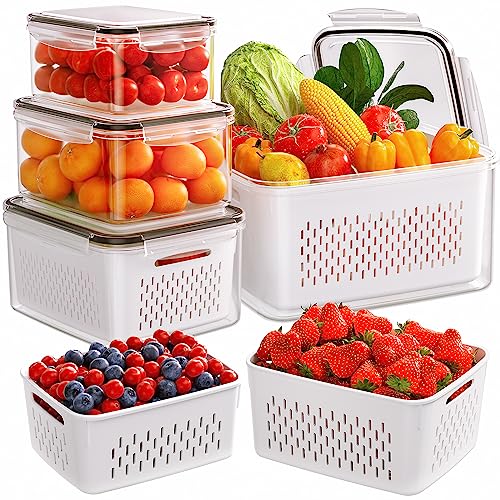
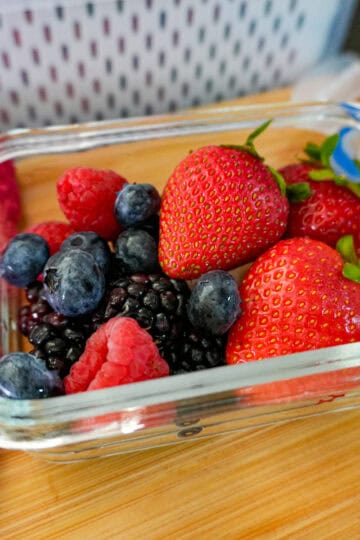
My Review: I absolutely love these 5-pack fruit storage containers. They completely exceeded my expectations! I was truly surprised at how long they kept my produce fresh, especially delicate items like berries and lettuce that usually spoil quickly. The removable colanders are super convenient for rinsing and draining right in the container, and the leakproof lids make fridge organization a breeze. I was so impressed with how well they worked, I went ahead and bought three packs! These have definitely become a go-to in my kitchen for keeping fruits, veggies, and even prepped meats fresher for longer.
Why Mushrooms Release So Much Liquid
If you've ever started sautéing mushrooms only to discover a lot of liquid in your skillet, you haven't necessarily done anything wrong. Mushrooms naturally have a high water content.
As they heat, their structure begins to soften and that moisture escapes into the pan. If you have a large amount of mushrooms crowded into a small skillet, you'll see even more liquid accumulate.
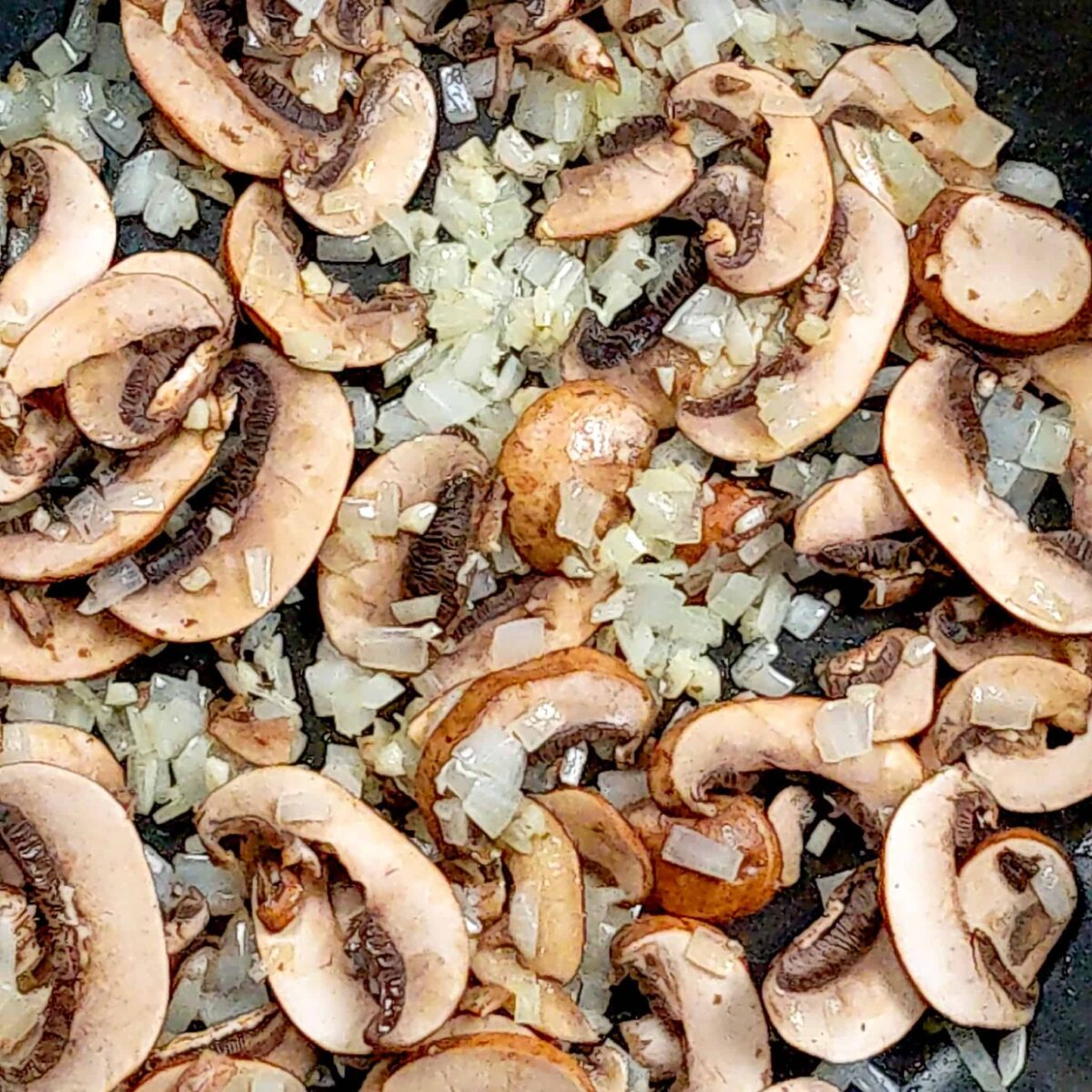
At that point, your mushrooms are essentially steaming. Browning becomes much easier after enough of that water evaporates. And that's why understanding this process is the secret to getting delicious mushrooms, rather than assuming you ruined them when water suddenly appears in the skillet.
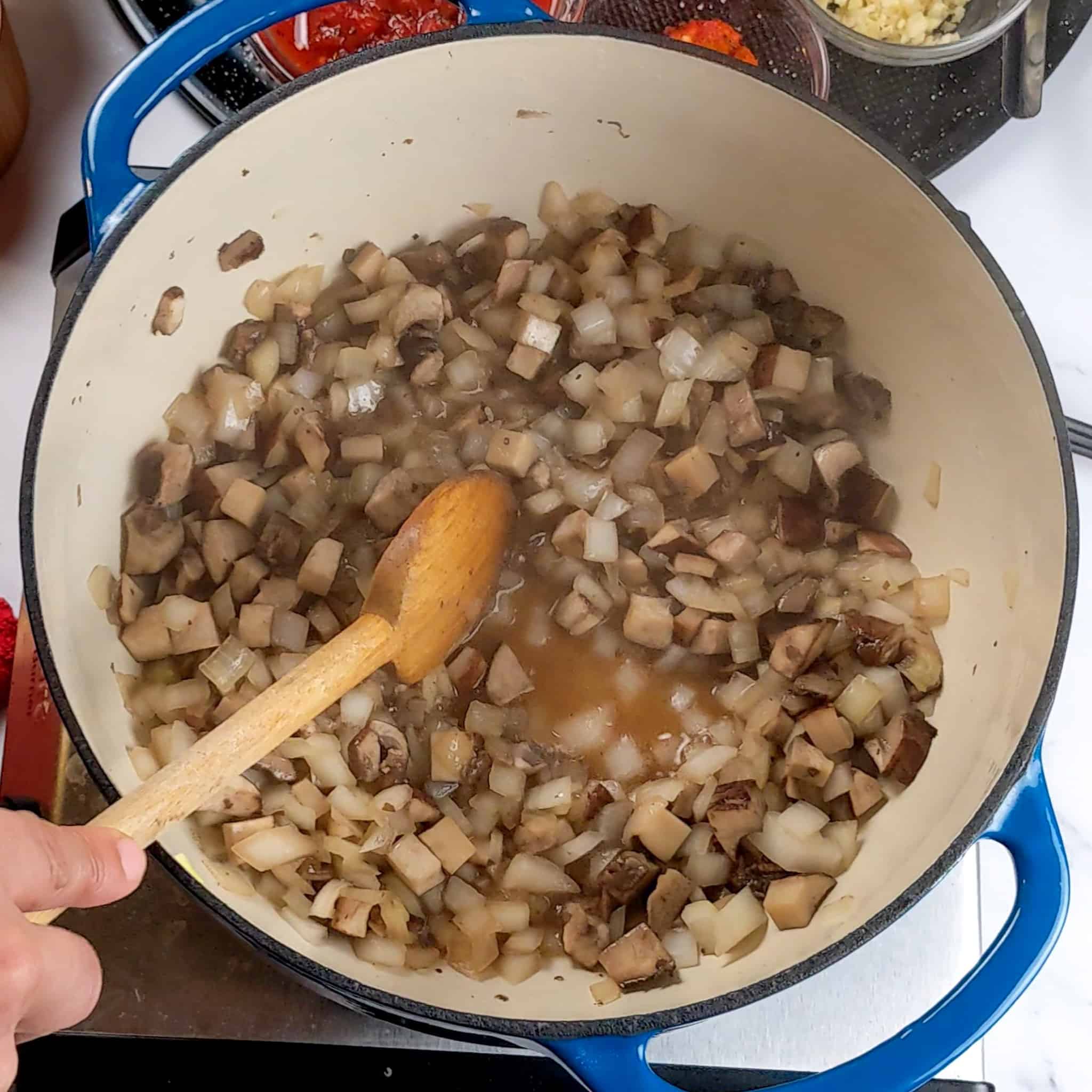
My Review: Lodge Cast Iron has been a family-owned company in South Pittsburg, Tennessee, for 125 years. Their cookware, known for its dependability, is made of rugged, seasoned cast iron for excellent heat retention and durability. This is still my go-to Dutch oven. You'll find it in a lot of my recent videos. It's heavy, durable, non-stick, and it holds heat well. Also, a big lesson: never preheat an enameled Dutch oven without oil. This will crack the enamel. I learned this the hard way.
How to Sauté Mushrooms Until Golden Brown
Making perfect sautéed mushrooms isn't about adding a complicated list of ingredients. Pan temperature, space, moisture, and patience matter much more.
1. Choose a Large Skillet
Use a large skillet so the mushrooms have enough room to release moisture. A stainless steel skillet is excellent for strong browning, although a nonstick skillet works well too.
2. Heat the Pan
Bring the skillet to medium-high heat before adding the mushrooms. Starting with adequate heat encourages evaporation rather than allowing a large pool of liquid to sit in the skillet.
3. Add the Mushrooms
Add your sliced, quartered, or whole mushrooms. If you're cooking a large quantity, consider working in batches rather than overcrowding the skillet.
4. Let the Moisture Release
The mushrooms will begin releasing water as they cook. Allow that liquid to evaporate. This is where patience matters. Constantly moving everything around isn't always necessary. Giving the mushrooms contact with the hot cooking surface helps encourage browning.
5. Add Your Cooking Fat
Once excess moisture has evaporated, add enough cooking fat to lightly coat the mushrooms. You can use olive oil, avocado oil, butter, or a combination. Mushrooms can absorb fat quickly, so you don't need to keep pouring oil into the skillet every time the pan looks dry. Start with a little oil and add more only if necessary.
6. Let Them Brown
Allow one side of the mushrooms to make good contact with the skillet before turning them. Then cook the second side. This is where you'll begin developing those flavorful, golden-brown surfaces.
7. Season and Finish
Season with a pinch of salt and black pepper. You can keep your sautéed mushrooms simple or add additional flavor with ingredients such as sliced or minced garlic cloves, shallots, thyme, rosemary, parsley, butter, soy sauce, balsamic vinegar, or a splash of red wine.
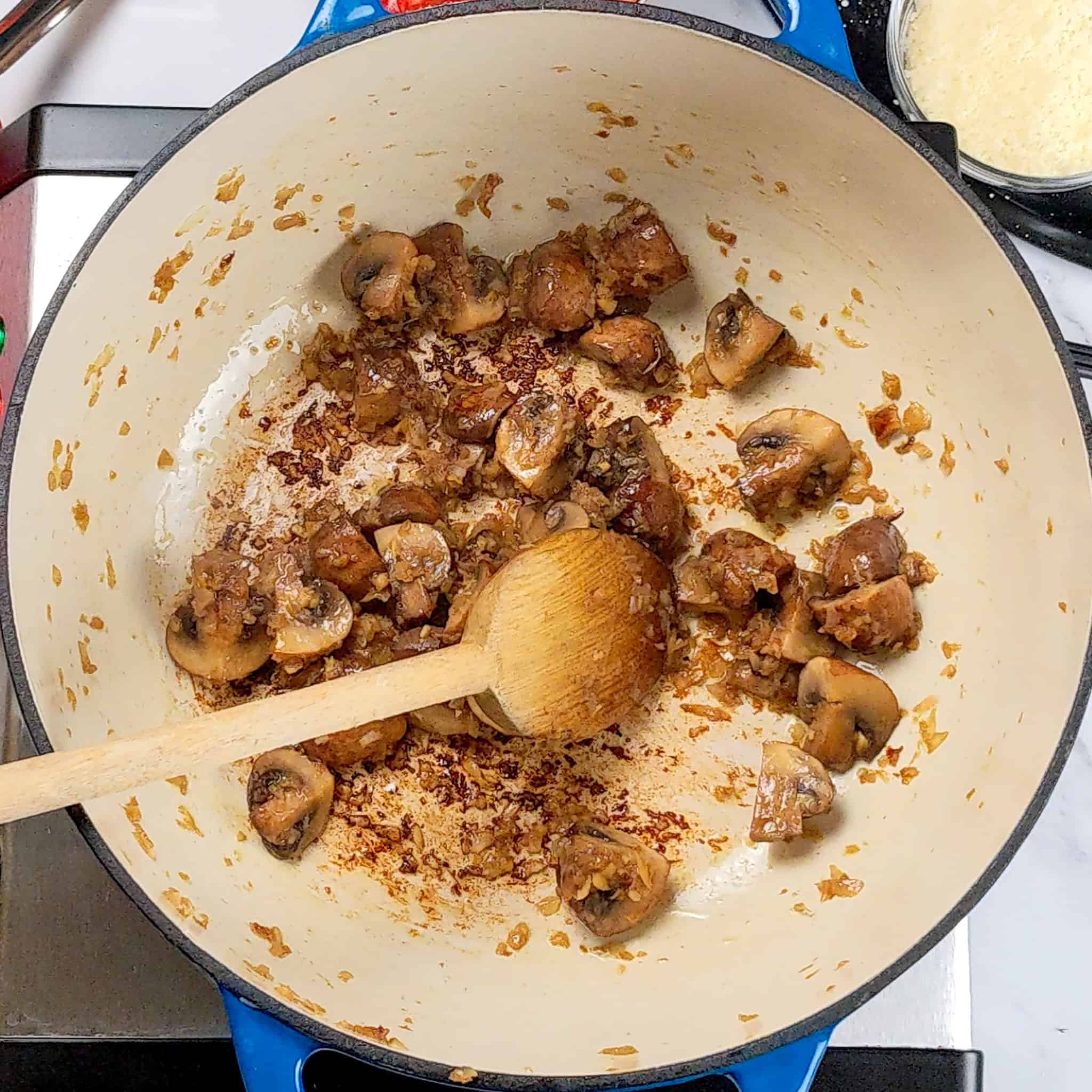
Add delicate fresh herbs toward the end so they retain more of their aroma. The result should be tender, flavorful mushrooms with concentrated savory flavor and browned edges.
Can You Cook Mushrooms Without Oil?
Yes. Mushrooms can be cooked in a dry skillet at first because they'll eventually release their own moisture.
This can be especially useful when you're cooking a large batch and don't want the mushrooms to absorb too much oil before their water has evaporated. Once the moisture cooks away, you can add your cooking fat and continue browning. It's a useful technique to experiment with until you find your preferred method. Learn more from this America's Test Kitchen YouTube video:
Something I Made: FutureDish's Mushroom Bibimbap
One of my favorite ways to learn about an ingredient is to cook recipes from people who know the cuisine. I made FutureDish's Mushroom Bibimbap with a mixture of mushrooms, and it was a great example of how mushrooms can add diverse textures and plenty of savory flavor to a meatless dish.
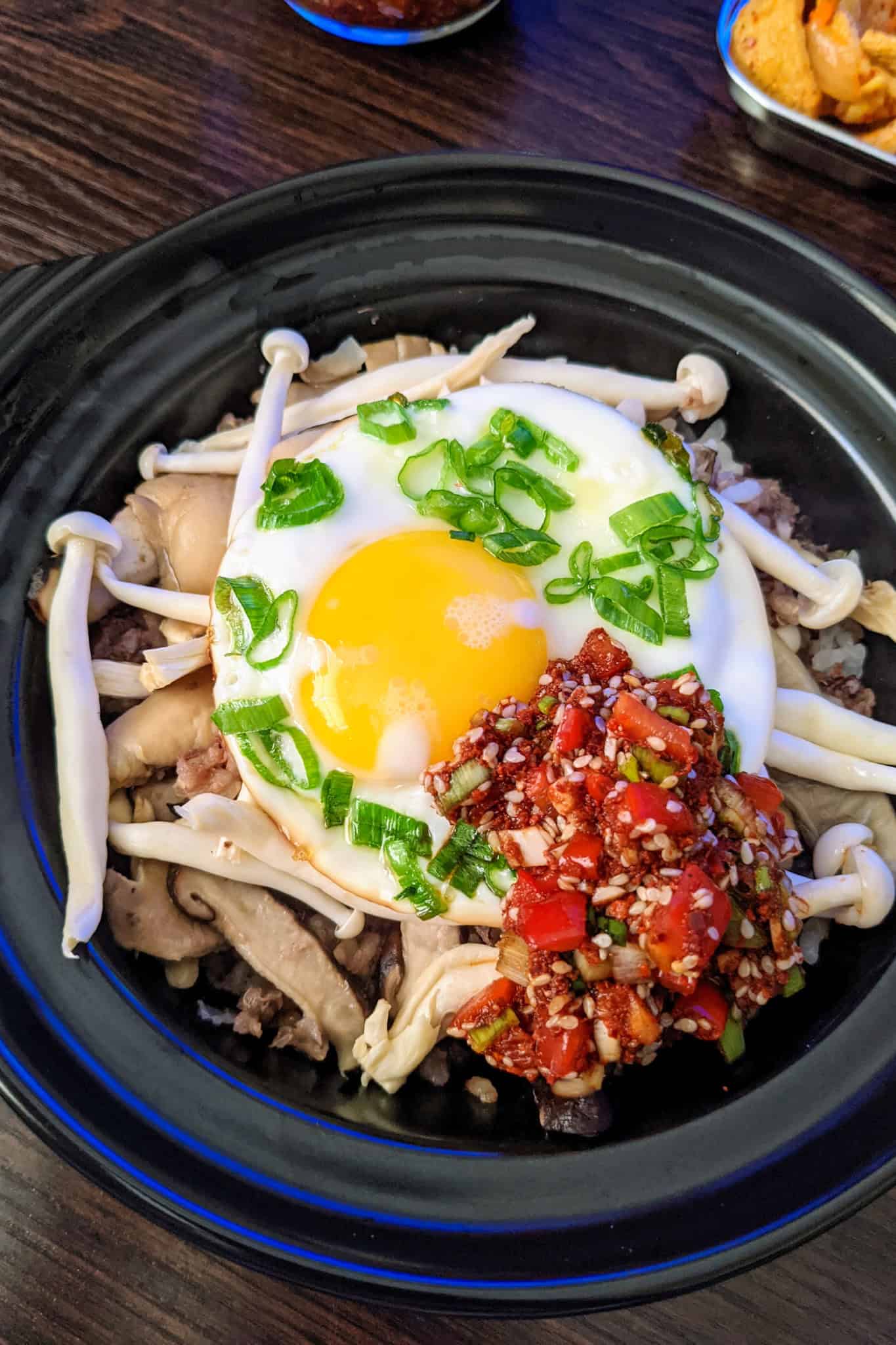
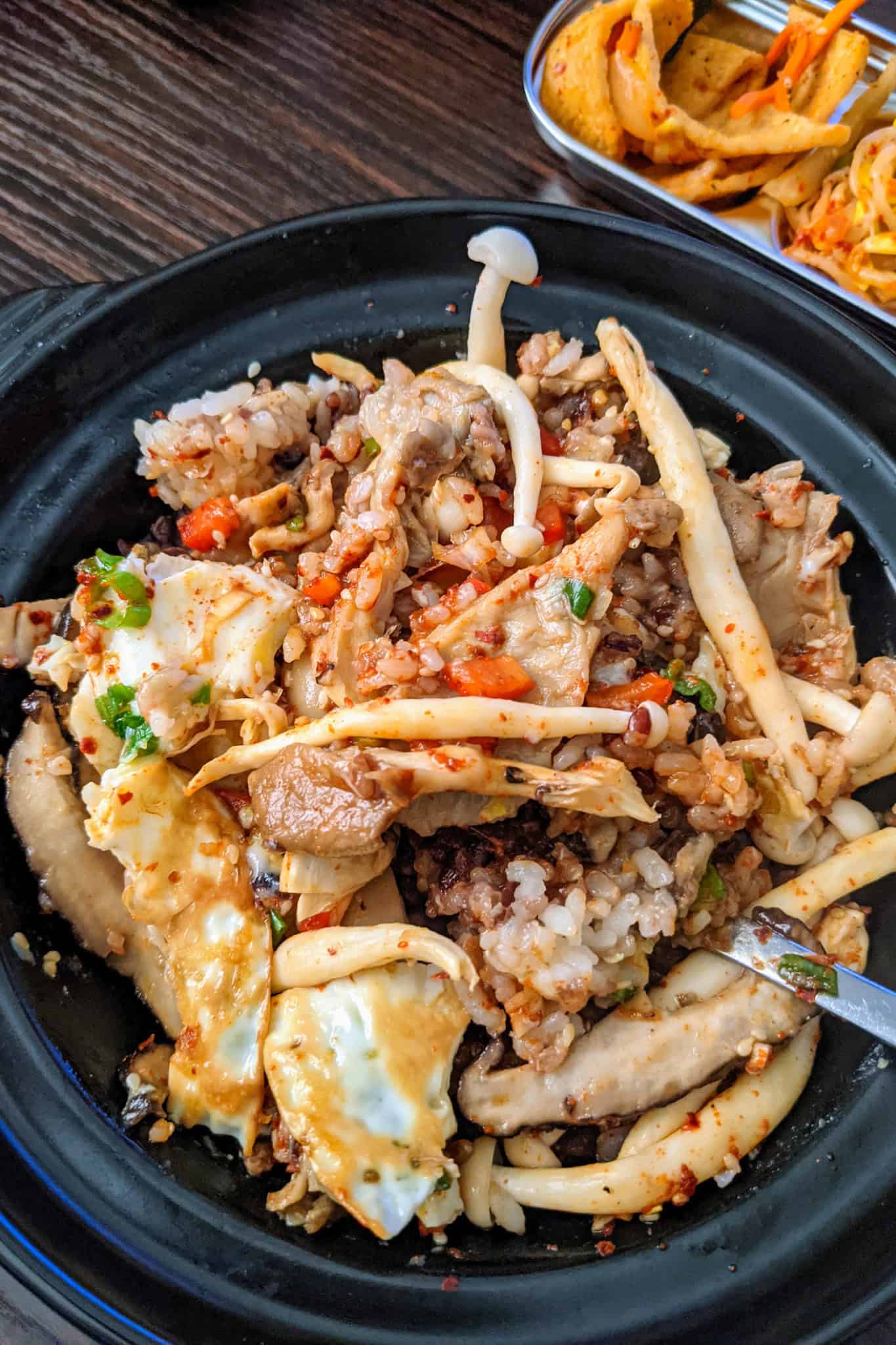
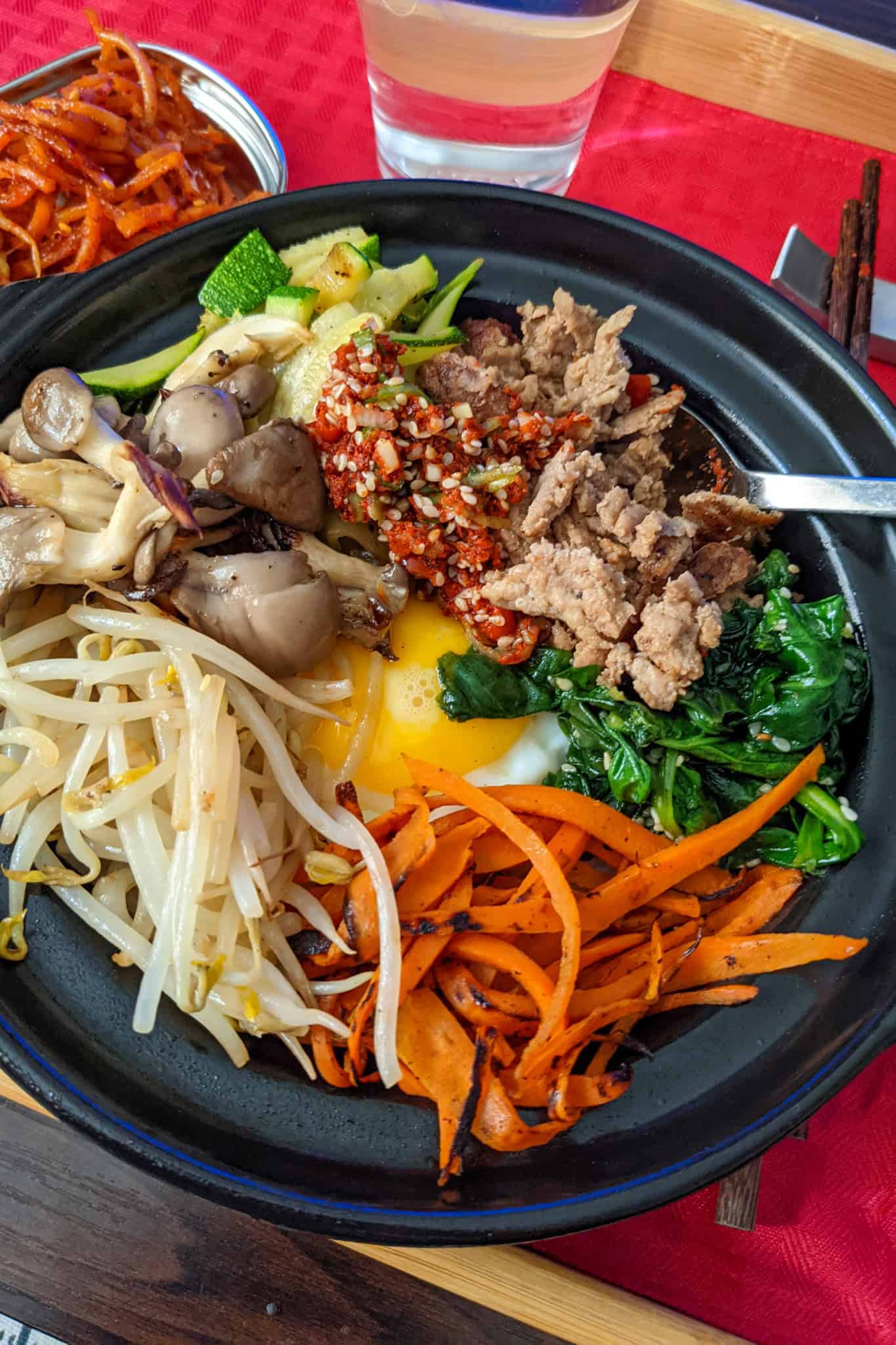
What I especially liked about this recipe is that the mushrooms aren't browned first. They're layered over the rice and steamed before being folded together, showing how a completely different cooking method can highlight their juicy, tender texture.
Support Authentic Cuisine Food Bloggers: Check out the recipe: FutureDish - Mushroom Bibimbap: No Meat, Mo Flavor!
How to Roast Mushrooms
Roasting is another easy cooking method when you don't want to stand over the stove. It works particularly well for larger mushrooms and sturdy varieties with a meaty texture.
- Toss cleaned mushrooms with olive oil, salt, black pepper, and seasonings such as fresh thyme or rosemary.
- Spread them across a sheet pan, leaving enough space between the pieces for moisture to escape.
- Roast them in a hot oven until the mushrooms are tender and browned, tossing or turning them as necessary to ensure they cook evenly.
You can finish roasted mushrooms with balsamic vinegar, lemon juice, Parmesan, fresh herbs, or another flavorful liquid that complements your meal. Roasted mushrooms make an easy side dish, but they're also excellent added to pasta, grain bowls, soups, sandwiches, salads, and more.
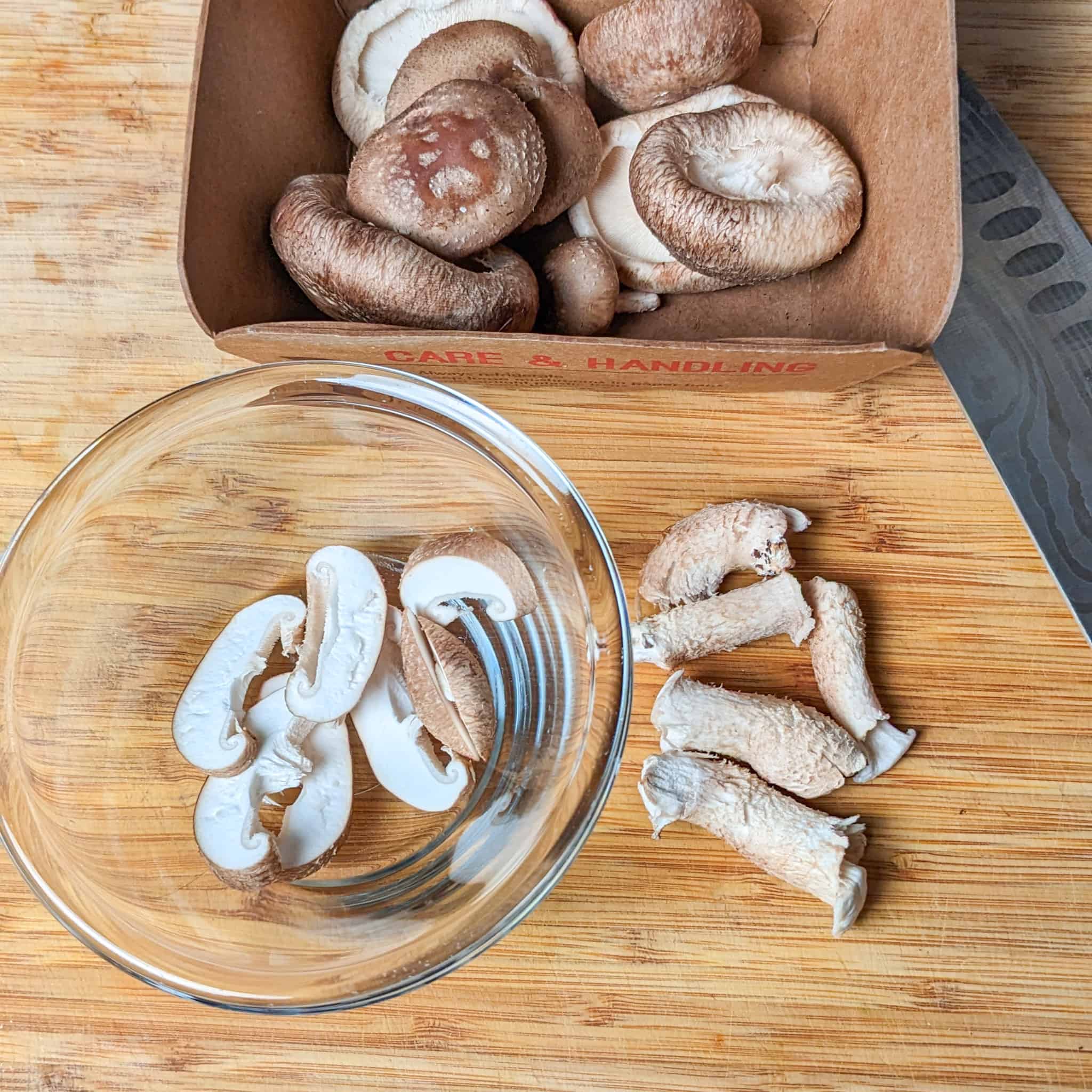
How to Prepare Fresh Shiitake Mushrooms
Fresh shiitake mushrooms require one extra preparation step.
- Hold the cap securely and remove the tough stem with your fingers or a paring knife. The stems are generally much more fibrous than the caps.
- Clean the caps as needed and slice them before cooking.
- Sauté, stir-fry, or roast the sliced caps until tender and lightly browned.
How to Prepare Dried Shiitake Mushrooms
Dried shiitakes need to be rehydrated before cooking.
- Place them in a bowl and cover them with hot water. Allow them to soak until completely softened, then remove the mushrooms and gently squeeze out excess water.
- Remove tough stems if necessary and slice the mushrooms.
Don't automatically discard the soaking liquid! It contains a rich mushroom flavor and can be strained to remove sediment and used as part of the liquid for soups, sauces, rice, or other savory dishes.
Mushroom Cooking Tips for Better Results
Cook's Notebook is your Cooking Tips Resource Guide. Become a better home cook with tips to help you cook more efficiently.
- Give them space: Mushrooms release lots of liquid as they cook. A crowded skillet traps that moisture and encourages steaming rather than browning.
- Don't fear higher heat: Medium-high heat can help moisture evaporate quickly and encourage better browning when sautéing.
- Wait for the water to evaporate: If your skillet suddenly fills with mushroom liquid, keep cooking. Browning can begin once that excess moisture evaporates.
- Use enough fat, but don't drown them: Mushrooms absorb cooking fat readily. Start with a little oil or butter and add more only when necessary.
- Use different cooking methods for different results: Sautéing develops browned surfaces, roasting concentrates flavor, and adding mushrooms directly to soups and sauces allows their juices to become part of the dish.
- Season according to the recipe: Mushrooms pair beautifully with garlic, fresh herbs, soy sauce, wine, vinegar, butter, olive oil, and countless spice blends.
Common Mushroom Cooking Mistakes
Avoid these common mushroom cooking mistakes to prevent soggy results and get tender, flavorful mushrooms with better browning and texture.
- Overcrowding the Pan: Trying to cook too many mushrooms at once traps steam. Use a larger skillet or cook the mushrooms in batches when necessary.
- Using Low Heat When You Want Browning: Cooking over medium heat can work when you're deliberately cooking mushrooms more gently, but higher heat generally evaporates moisture more quickly when your goal is strong browning.
- Adding Too Much Oil Too Quickly: Mushrooms can absorb oil rapidly. If you continue adding more every time the skillet looks dry, you can end up using far more cooking fat than necessary.
- Expecting Immediate Browning: Mushrooms may release water before they brown. Give them time.
- Treating Every Mushroom the Same: A delicate oyster mushroom doesn't necessarily need the same preparation as a thick portobello. Consider the mushroom's size, structure, and texture when choosing your cooking method.
Mushrooms Recipes
Explore our globally inspired Recipes to find your next favorite flavor and make weeknight cooking effortless!
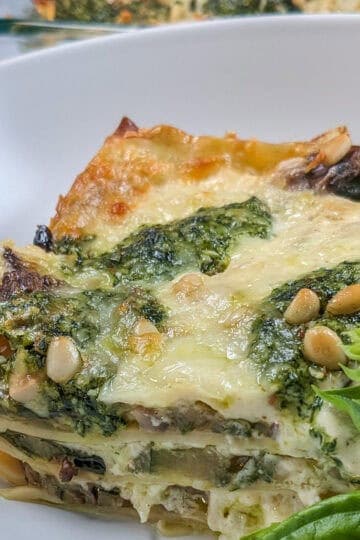
- Creamy Spinach Pesto Mushroom Lasagna
- Easy Spicy Calabrian Italian Chicken Sausage Bolognese
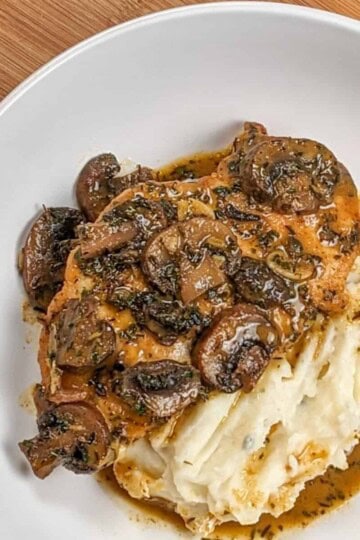
- Easy Spicy Creamy Coconut Mushroom Chicken with Rum
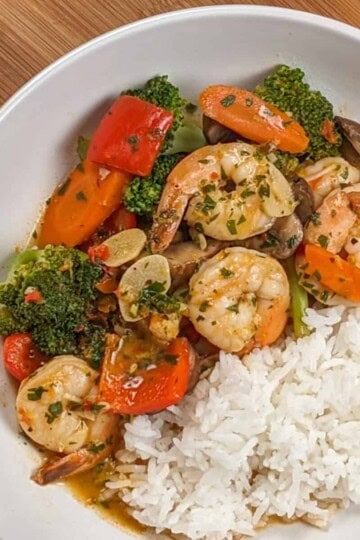
- Best Spicy Sauteed Chili Lemon Garlic Shrimp and Vegetables

Cooking Tips and Tutorials
If you found this tutorial helpful, you'll love my Cook's Notebook collection. From knife skills and flavor bases to time-saving tricks and essential equipment guides, this section is packed with chef-tested lessons to help you cook with confidence.
- Indian Cooking Techniques That Changed How I Think About Food
- What Is Emulsification? A Simple Guide to Creamier Sauces and Dressings
- Homemade Baby Food: How to Prep, Freeze & Build Easy Meals
- Summer Seasonal Produce: A Guide to Fruits and Vegetables in Season
Frequently Asked Questions
Here is a list of common questions I have answered. If you have any questions, please write them in the comments below.
There isn't one best way for every recipe. Sautéing is excellent when you want browned mushrooms, roasting works well for larger batches and firmer varieties, and simmering mushrooms directly in soups or sauces allows their juices to contribute to the dish.
Mushrooms contain a lot of water. As they heat, they release that moisture into your skillet. Overcrowding makes the effect even more noticeable. Continue cooking until the liquid evaporates, then focus on browning.
You can wipe relatively clean mushrooms with a clean towel or damp paper towel. Dirtier mushrooms can be quickly rinsed, but avoid leaving fresh mushrooms soaking in water.
For sautéing and browning, I generally prefer medium-high heat. If your mushrooms are browning too quickly, reduce the temperature. Your skillet, burner, mushroom variety, and the number of mushrooms can all affect cooking time.
Use a hot skillet, give the mushrooms enough room, allow excess moisture to evaporate, and let them remain in contact with the cooking surface before turning them.
Yes. Olive oil works well for sautéing mushrooms. You can also use butter, avocado oil, or another cooking fat appropriate for your recipe.
Browning is one of the easiest ways to develop a rich flavor. You can then layer in aromatics and seasonings such as garlic, shallots, fresh herbs, butter, soy sauce, wine, vinegar, spices, or other ingredients that complement your dish.
Yes. Cool cooked mushrooms promptly and refrigerate them in an airtight container. They're useful for meal prep because you can add them to eggs, grain bowls, pasta, soups, sandwiches, and other meals throughout the week.


Chef Maika Frederic-Liebman
Chef and Educator
Professionally trained Haitian-American chef Maika Frederic is the creator of Just Maika Cooking, where she shares globally inspired recipes, cooking techniques, ingredient guides, and food safety tips designed to help home cooks become more creative and confident in the kitchen. Combining years of professional culinary experience with a passion for teaching, she makes global flavors approachable through practical, accessible instruction for cooks of every skill level.
Leave a Comment or Ask a Question
I'd love to hear your thoughts, questions, or experiences with mushroom preparation. Leave a comment or question and get a response from a professionally trained chef!
Leave a Reply