Mastering FIFO: The Simple Method to Keep Your Food Fresh

Ever found a forgotten yogurt in the back of your fridge, way past its prime? It's a common mistake, and that's exactly why FIFO matters in every kitchen. Learning how to organize your food can save you money, reduce waste, and keep your meals safer. Let me introduce you to a simple system we use in professional kitchens every day: FIFO, First In, First Out.

Table of Contents
Jump to:
What is FIFO?
FIFO stands for First In, First Out. It's a straightforward method where you use the oldest food items before the newer ones. This system helps ensure nothing gets lost in the shuffle, forgotten, or, worse, spoils before you can enjoy it.

In culinary school and professional kitchens, FIFO isn't optional-it's a golden rule. Bringing this habit into your home kitchen will instantly level up how you manage food. Ask any American-trained chef if they don't know what that is. Beware. LOL.
Why FIFO Matters in Your Home Kitchen
- Reduces Food Waste: No more tossing expired goods you forgot you had.
- Saves Money: You use what you buy, getting full value from your groceries.
- Improves Food Safety: Prevents you from accidentally consuming expired or spoiled items.
- Keeps You Organized: A tidy fridge and pantry make meal prep faster and easier.
How to Apply It in 5 Simple Steps
1. Label Everything
- Use a marker or labels to date leftovers, opened packages, and meal preps.
- Even dry goods like flour or pasta benefit from a "date opened" note.
Chef Maika's Tip: I actually use electrical blue tape from the hardware store and a Sharpie; just put the name of what's in the container and the date it was prepared. And always remember the number 4 rule. It shouldn't be out for more than 4 hours and stored for no more than 4 days.
2. Organize by Expiry or Use-By Date
- Place older items at the front of your fridge, freezer, or pantry.
- New groceries? Shift the older items forward and put the fresh ones behind.
3. Use Clear Containers
- Transparent containers help you see what you have no more mystery tubs.
- Bonus: Uniform containers maximize space.
I love kitchen tools that serve more than one purpose, and the Anyday Microplastic-Free Meal System caught my attention for exactly that reason! Designed for cooking, storing, reheating, and serving, these versatile containers help simplify meal preparation without relying on plastic containers or synthetic nonstick coatings. The glass bowls and lids go from the microwave to the oven, freezer, and dishwasher, making them especially appealing for busy home cooks.
I especially appreciate the thoughtful, space-saving design. The containers are stackable, airtight, and leakproof, making them practical for meal prepping, storing leftovers, and keeping the refrigerator organized. Plus, the bowls are advertised as oven-safe up to 500°F and the lids up to 400°F, giving you more flexibility than ordinary food storage containers.
My Tip: When reheating food in the microwave, follow Anyday's instructions for venting the lid so steam can escape safely. Always check the temperature limits for each component, and avoid sudden temperature changes with glass cookware.

My Review: I absolutely love these 5-pack fruit storage containers. They completely exceeded my expectations! I was truly surprised at how long they kept my produce fresh, especially delicate items like berries and lettuce that usually spoil quickly. The removable colanders are super convenient for rinsing and draining right in the container, and the leakproof lids make fridge organization a breeze. I was so impressed with how well they worked, I went ahead and bought three packs! These have definitely become a go-to in my kitchen for keeping fruits, veggies, and even prepped meats fresher for longer.

4. Do Weekly Inventory Checks
- Set a reminder to check your fridge and pantry once a week.
- Plan meals around items that need to be used soon ( I do this every week; it saves money and time).
I keep a dry-erase board ↗ on my fridge listing items that need to be used ASAP; great for quick meal ideas!
5. Create a "Use Me First" Zone
Dedicate a small basket or section for foods close to their expiration date.
Especially with fruits, I place them on the table or in a section of the fridge as a reminder to include our daily fruit intake.
My Review: I’ve already bought four of these MaxGear Small Magnetic Dry-Erase Boards because they’re just that useful! Each one sticks perfectly to our fridge, helping us stay organized with grocery lists, weekly menus, and daily to-do reminders. The stain-resistant surface holds up well, with no ghosting or smudging after repeated use. With the included eraser and markers, it’s a simple yet essential tool to keep the kitchen (and life) running smoothly. P.S. If you watch my videos closely, you might catch a glimpse of it on my fridge.

FIFO for the Fridge, Freezer, and Pantry
Here's a quick guide for applying FIFO everywhere:
| Area | Examples | FIFO Tip |
| Fridge | Dairy, leftovers, deli meats | Label & rotate items weekly |
| Freezer | Meat, veggies, frozen meals | Date everything, especially bulk buys |
| Pantry | Canned goods, grains, snacks | Store new items behind older stock |
👉 Buy Removable Food Label Containers, perfect for jars and plastic containers.
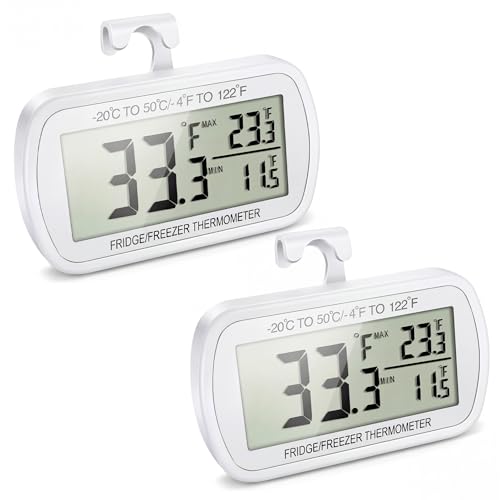
My Review: These little thermometers are a great addition to any kitchen, especially for food safety! I originally used them in my old refrigerator to monitor temperatures in different areas and make sure my food was being stored safely. You'd be surprised how temperatures can vary between shelves, drawers, and even the refrigerator door! The large digital display makes temperatures easy to read, while the max/min temperature-recording feature helps you spot fluctuations you might otherwise miss. The magnetic backing also makes placement convenient. As a chef, I recommend a separate refrigerator thermometer because your refrigerator's built-in temperature setting doesn't always show the actual temperature where your food is stored. These are especially useful for checking whether your fridge is cooling consistently, monitoring temperature changes after frequent door openings, and identifying potential cooling problems before your groceries spoil.
My Tip: Keep your refrigerator at 40°F (4°C) or below and your freezer at 0°F (-18°C) or below. A separate thermometer helps you verify those temperatures rather than relying on the appliance's settings.
4 Common FIFO Mistakes to Avoid
- Pushing new groceries in front of older items.
- Forgetting to label leftovers.
- Overbuying without checking what you already have.
- Ignoring expiration dates on condiments and sauces.
How FIFO Supports a Sustainable Kitchen
By reducing waste and improving food usage, FIFO isn't just good for your wallet; it's good for the planet. Small changes in your kitchen habits can significantly cut down household food waste.
Recommended Reads
Frequently Asked Questions
Here, you will find a list of common questions that I have answered. If you have questions, please write them in the comment section below.
FIFO stands for First In, First Out. It's a simple system where you use older food items before newer ones to keep ingredients fresh, reduce waste, and improve food safety; it's used daily in professional kitchens and is easy to apply at home.
You don't need fancy containers to start! Simply label items with dates using masking tape and a marker. Place older items at the front of your fridge or pantry, and always add new groceries behind them.
A quick weekly check is ideal. Before grocery shopping, review what needs to be used up and rotate items so you don't forget anything. This habit keeps your kitchen organized and saves money.
Yes! Always date your freezer items when storing them. Place older frozen meals, meats, or veggies in front so you use them before newer additions. FIFO helps prevent freezer burn and forgotten mystery packages.
The most common mistake is not labeling food or pushing new groceries in front of older ones. Without visible dates or proper rotation, FIFO falls apart. A simple labeling system and mindful placement make all the difference!
More Food Safety Tips
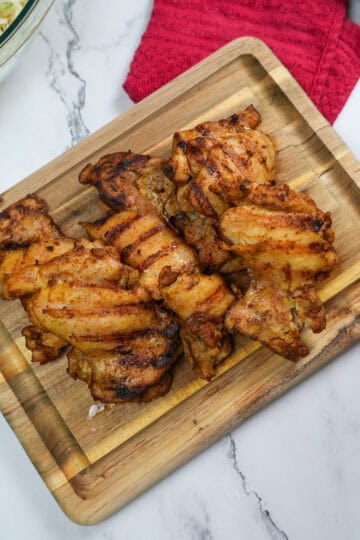
- Why You Should Let Meat Rest After Cooking
- What to Eat During a Food Recall: Healthy Meal Ideas and Smart Ingredient Swaps
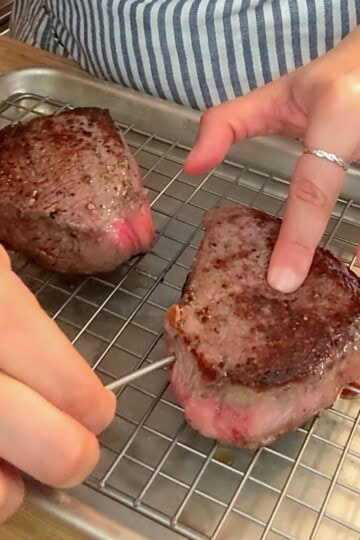
- Internal Meat Temperature Chart (Printable Guide)
- What Is HACCP and Why Every Home Cook Should Care About It
Explore Other Cooking Tips
- Seasonal Produce Guide: What Fruits and Vegetables Are in Season?
- How to Roast Food: The Fundamental Principles of Roasting
- 2026 Fall Seasonal Produce Guide: Fruits and Vegetables to Enjoy This Season
- Indian Cooking Techniques That Changed How I Think About Food
Subscribe to my YouTube Channel
SUBSCRIBE↗: 👈To my YouTube Channel to Get Notifications of New Videos.


Chef Maika Frederic-Liebman
Chef and Educator
Professionally trained Haitian-American chef Maika Frederic created Just Maika Cooking, where she shares globally inspired recipes, cooking techniques, ingredient guides, and food safety tips to help home cooks become more creative and confident in the kitchen. Combining years of professional culinary experience with a passion for teaching, she makes global flavors approachable through practical, accessible instruction for cooks of every skill level.
Have a Comment or Question?
If you have a question or comment about this post, please post it below. You'll get a quick response. It also helps our other readers to stay informed. Thanks!