How to Press Tofu for Better Texture and Crispy Results

Learning how to press tofu helps remove excess water from firm and extra-firm tofu, giving it a firmer texture that's easier to slice, season, and cook. A tofu press makes the process convenient, but a cutting board, kitchen towel, and something heavy can work just as well. Pressing tofu for about 15 to 30 minutes is often enough to prepare it for crispy tofu recipes, stir-fries, grilling, and baking. Understanding which types of tofu need pressing and when to skip this step makes preparing tofu much easier.

Table of Contents
Jump to:
- What Is Tofu?
- Do You Need to Press Tofu?
- Why Pressing Tofu Makes a Difference
- How Long Should You Press Tofu?
- How to Press Tofu With a Tofu Press
- Step-by-Step Picture Tutorial
- How to Press Tofu Without a Tofu Press
- How to Slice Pressed Tofu
- How to Bread Tofu for a Crispy Coating
- Common Mistakes When Pressing Tofu
- Should You Freeze Tofu Before Pressing?
- Cooking Methods for Pressed Tofu
- Is a Tofu Press Worth Buying?
- Equipment for Preparing Tofu
- Kitchen Tools I Use and Recommend
- Storage and Reheating
- Frequently Asked Questions
- Tofu Recipes to Try
- Cooking Tips and Tutorials
- Leave a Comment or Ask a Question
What Is Tofu?
Tofu, also known as bean curd, is made by coagulating soy milk and forming the curds into blocks. Originating in China, tofu has been used in Asian cuisines for centuries.
I once watched a documentary about tofu-making in a Japanese village where artisans used fresh mountain water to make tofu by hand. Watching their technique gave me a greater appreciation for the care and skill involved in preparing this simple ingredient.
Today, tofu is available in most grocery stores, including Trader Joe's, Whole Foods, and specialty Asian markets. You'll usually find it in the refrigerated section, although some silken varieties are shelf-stable.

Chef Maika's Tip: I remember watching an NHK WORLD-JAPAN documentary about traditional tofu-making in a Japanese village, where artisans used fresh mountain water and time-honored techniques to make tofu by hand. Originally released in 2019 and rebroadcast several times since, the documentary gave me a greater appreciation for the craftsmanship behind this simple ingredient. You can watch it here: NHK WORLD-JAPAN Documentary ↗.
Do You Need to Press Tofu?
Not every block of tofu needs pressing. Pressing removes excess liquid from firm and extra-firm tofu, especially when you want a drier surface for browning. I typically press tofu before grilling, air-frying, or breading. These methods benefit from a firmer texture that holds together during cooking.
However, for soups, saucy curries, and tofu scrambles, pressing may be unnecessary. Sometimes a quick pat with a paper towel is all you need.
Different Types of Tofu
| Tofu Type | Press It? | Best Uses |
|---|---|---|
| Silken | No | Sauces, desserts, soups |
| Soft | Generally no | Soups and delicate dishes |
| Firm | Recommended for crisping | Stir-fries, baking |
| Extra-firm | Optional, often helpful | Grilling, breading, frying |
| Super-firm | Usually unnecessary | Skewers, stir-fries, sheet-pan meals |
What About Super-Firm Tofu?
Super-firm tofu is a convenient option when you're short on time. It contains less moisture than regular firm tofu and usually doesn't require additional pressing. Its dense texture holds together particularly well during pan-frying, grilling, and baking.
Just pat the surface dry before seasoning. If your recipe requires a softer texture, regular firm tofu may be a better choice.
Why Pressing Tofu Makes a Difference
Pressing removes some of the water trapped inside a block of tofu. As moisture drains away, the tofu becomes denser and easier to handle.
This is especially helpful when preparing large slices for tofu katsu or cubes for stir-fries.
Pressing also helps reduce the moisture that must evaporate before the tofu can brown. However, it doesn't guarantee crispiness. Cooking temperature, oil, and the amount of tofu in your skillet still matter.
Another benefit is preparing tofu for marinades. Pressing can change how tofu absorbs liquid, but cutting it into smaller pieces and allowing enough marinating time also matter.
How Long Should You Press Tofu?
For most firm and extra-firm tofu, start with 15-30 minutes. The exact time depends on how wet the tofu is and the texture you want. A longer pressing time doesn't automatically mean better tofu! Excessive pressure can crack the block, and some varieties release most of their removable water within the first 30 minutes.
| Pressing Time | Best For |
|---|---|
| 10-15 minutes | Quick weeknight meals |
| 15-30 minutes | Stir-fries, baking, pan-frying |
| 30-45 minutes | Wetter tofu and firmer slices |
| Up to 1 hour | Very dense textures, if needed |
Chef Maika's Tip: If you plan to press tofu for longer than 30 minutes, place it in the refrigerator while it drains.
How to Press Tofu With a Tofu Press
A tofu press applies even pressure to a block of tofu while letting excess moisture drain.
I use the Tofuture Tofu Press, which consists of a reservoir, basket, and lid secured with bands. I like that the water collects in the container instead of spreading across my counter.
My Review: This was my first tofu press, and it does a great job of pressing excess water from tofu without making a mess. The self-contained design is convenient, and the three separate parts are super easy to take apart and clean. My only issue at first was the side bands, which can be a little difficult to put into place, but I got used to them with practice. Overall, it’s a simple, useful tool that has made prepping tofu much easier.

Step-by-Step Picture Tutorial
Follow the instructions below using the step-by-step picture guide.

Step 1: Drain the tofu. Remove the block from its packaging and discard the liquid. Place it inside the tofu press basket.

Step 2: Secure the lid. Position the lid over the tofu and attach the bands, applying gentle pressure.

Step 3: Allow the tofu to compress. As water drains away, the gap between the lid and basket gradually decreases.

Step 4: Check the texture. After approximately 15 to 30 minutes, the tofu should feel firmer while maintaining its shape.

Step 5: Discard the water. Carefully open the press and pour out the collected liquid.

Step 6: Prepare for cooking. Remove the tofu, pat it dry, and transfer it to a cutting board for slicing.
Chef Maika's Tip: Now that you know more about this tool, check out another excellent food-prep tool, the Japanese Mandoline.
How to Press Tofu Without a Tofu Press
You don't need another kitchen gadget to remove moisture from tofu. A clean kitchen towel, cutting board, and a moderately heavy object work well. Avoid using excessive weight. The goal is to release moisture gradually, not flatten the tofu.
Equipment
- Clean kitchen towel or paper towels
- Cutting board or plate
- Rimmed baking sheet or shallow tray
- Heavy skillet or canned goods
Instructions
- Remove the tofu from its packaging and drain the liquid.
- Wrap the block in a clean kitchen towel or several layers of paper towels.
- Place it on a plate or rimmed baking sheet.
- Position a second plate or cutting board on top.
- Add a heavy skillet or another stable weight.
- Press for approximately 20 to 30 minutes, checking that the weight remains balanced.
- Remove the towel and pat the tofu dry.
How to Slice Pressed Tofu
The way you cut tofu affects how it cooks and holds together. For stir-fries, cubes or strips provide plenty of surface area for browning. Thicker slices are useful for grilling because they're easier to turn without breaking. For tofu katsu, I prefer larger, flat slices that coat well in breadcrumbs.
Cutting Large Tofu Slices
Use a sharp knife and steady pressure to avoid crushing the tofu.
- Place the pressed tofu on a stable cutting board.
- Cut the block into two equal pieces.
- Turn one piece onto its side.
- Carefully slice it into three even pieces.
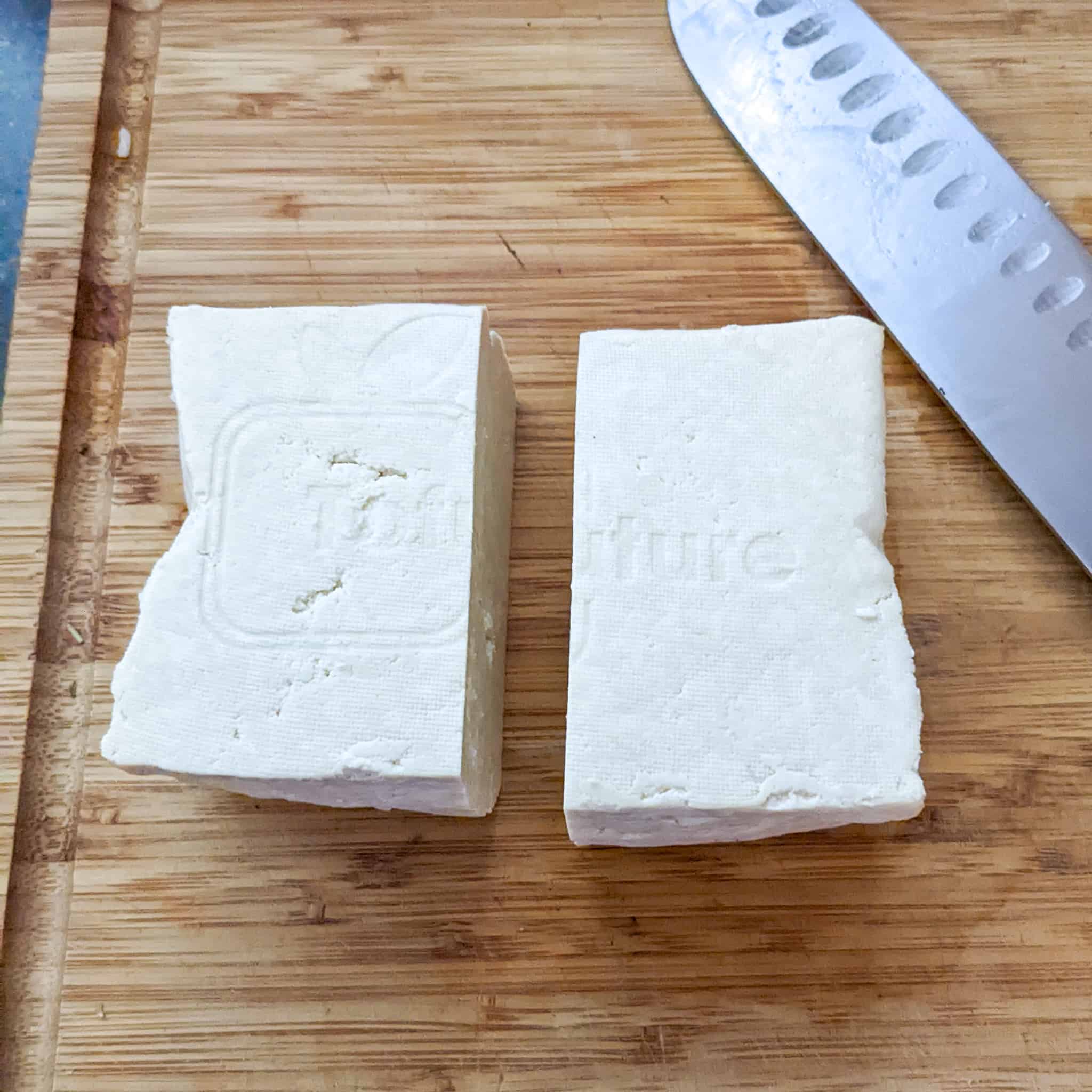
After pressing, remove it from the container and cut it into two pieces.

To slice into large slices, place the tofu piece on its side

Then, slice that tofu piece into three even slices.
How to Bread Tofu for a Crispy Coating
This technique works well for tofu katsu, crispy sandwiches, and breaded tofu served with curry sauce.

After pressing and slicing the tofu, pat each piece dry. Then, dip the slices into seasoned beaten eggs, then transfer them to panko breadcrumbs.


Gently press the breadcrumbs onto both sides and around the edges to create an even coating.

Arrange the breaded tofu on a flat tray while preparing the remaining pieces.

Common Mistakes When Pressing Tofu
A few simple mistakes can affect the final texture. Remember, pressing is only one part of preparing crispy tofu. The cooking method matters just as much.
- Using too much weight: Excessive pressure can crack the tofu. Start with gentle, balanced pressure.
- Pressing silken tofu: Silken, soft tofu is too delicate for conventional pressing.
- Skipping the final drying step: Even pressed tofu may have moisture on its surface. Pat it dry before frying.
- Using an unstable setup: Make sure your weights stay balanced as the tofu compresses.
- Overcrowding the skillet: Too many pieces can trap moisture and prevent proper browning.
Should You Freeze Tofu Before Pressing?
Freezing tofu changes its texture because the water inside forms ice crystals. After thawing, the tofu develops a more porous, chewy structure. This technique works particularly well for hearty stir-fries and dishes where you want tofu to hold plenty of sauce.
You can freeze firm or extra-firm tofu in a freezer-safe container, then thaw it completely in the refrigerator. Once thawed, gently squeeze out the excess water using clean hands or a kitchen towel. Press it again if necessary.
Freezing isn't required for everyday tofu preparation. It's simply another technique for changing the final texture!
Cooking Methods for Pressed Tofu
Once your tofu is pressed, you can cook it in several ways.
Pan-Frying
Heat oil in a skillet over medium-high heat. Add the tofu in a single layer and cook until golden, turning occasionally. Avoid moving it constantly. Let the surface brown to develop a better crust.
Grilling
Cut tofu into thick slices, season or marinate, and place on a clean, preheated grill. Cook about 4 to 5 minutes per side, adjusting for thickness and grill temperature.
Baking and Air-Frying
Arrange tofu in a single layer so heat can circulate around the pieces. For baking, 375°F is a good starting temperature, though cooking times depend on the tofu's size and thickness. For air-frying, lightly coat the tofu with oil and turn or shake the pieces as needed for even browning.
Stir-Frying
Cook cubed tofu in a hot skillet or wok until golden, then remove it while preparing the vegetables. Return the tofu to the pan when adding the sauce. This helps preserve its texture instead of letting it simmer through the entire cooking process.
Is a Tofu Press Worth Buying?
If you prepare tofu regularly, a dedicated tofu press can make meal preparation more convenient. It provides consistent pressure, removes excess moisture, and eliminates the need to balance heavy objects on a cutting board. However, occasional tofu cooks can achieve good results using the kitchen towel method.
Tofuture Tofu Press: What I Use
My Review: This was my first tofu press, and it does a great job of pressing excess water from tofu without making a mess. The self-contained design is convenient, and the three separate parts are super easy to take apart and clean. My only issue at first was the side bands, which can be a little difficult to put into place, but I got used to them with practice. Overall, it’s a simple, useful tool that has made prepping tofu much easier.
Other Tofu Press Designs
Other models use adjustable knobs, springs, or flat pressing boards. When comparing tofu presses, consider how they drain water, how easy they are to clean, and how much storage space they require.


Equipment for Preparing Tofu
- Tofu Press: Removes excess moisture (clean kitchen towel and weighted cutting board).
- Knife: Cuts tofu into even slices or cubes (any sharp kitchen knife).
- Cutting Board: Provides a stable preparation surface (clean, flat plate for simple cuts).
- Skillet: Browns tofu evenly (nonstick pan or wok).
- Baking Sheet: Holds breaded tofu or prepares it for baking (oven-safe baking dish).
Kitchen Tools I Use and Recommend
These are some of the kitchen tools I personally use that make cooking faster and easier. If you're building your kitchen setup or upgrading your tools, these are great places to start. More Kitchen Must-Haves - Find other tools I use here.
My Review: This was my first tofu press, and it does a great job of pressing excess water from tofu without making a mess. The self-contained design is convenient, and the three separate parts are super easy to take apart and clean. My only issue at first was the side bands, which can be a little difficult to put into place, but I got used to them with practice. Overall, it’s a simple, useful tool that has made prepping tofu much easier.
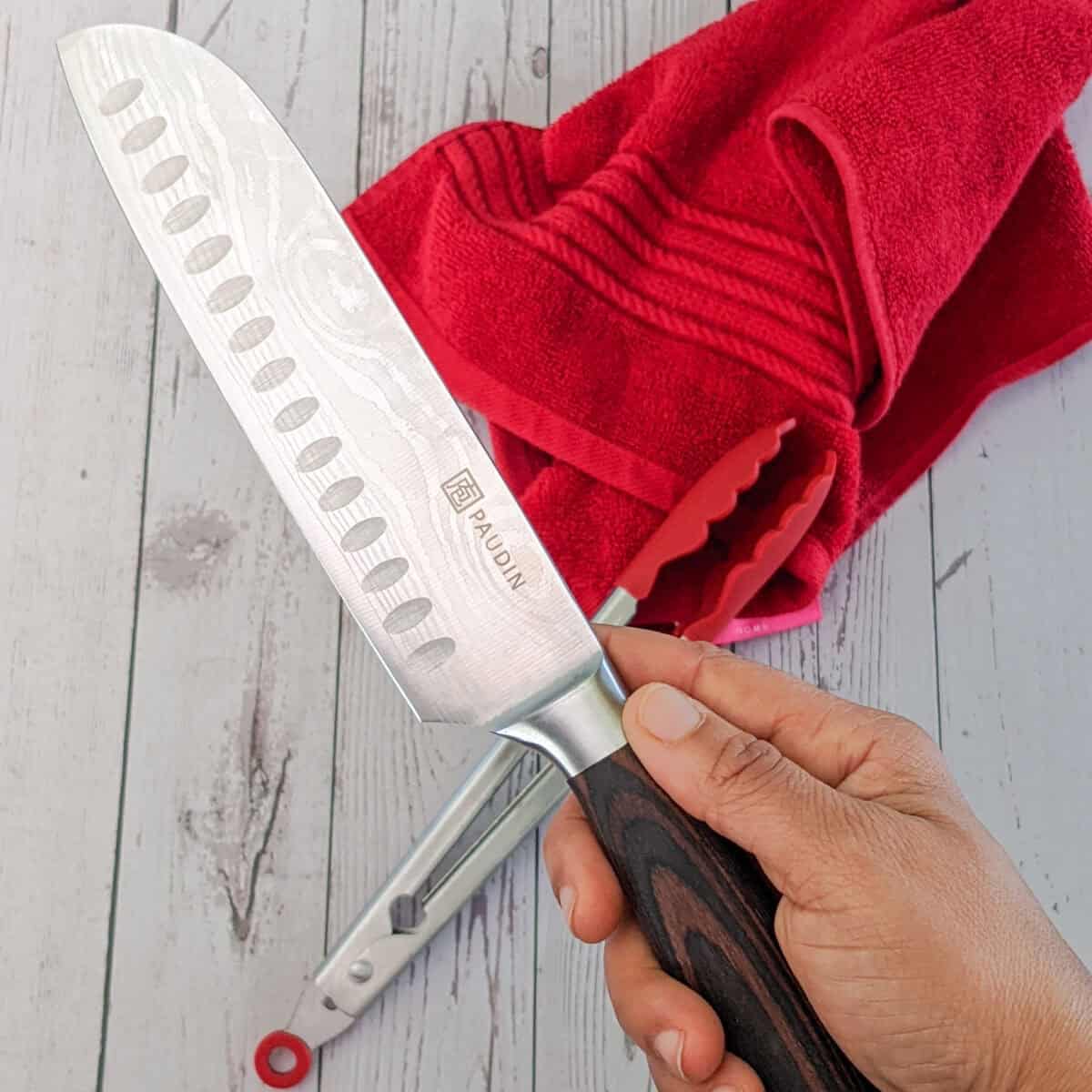
My Review: This knife is well-made. Super solid and multi-functional. It is made with high-carbon steel, so it will not rust. The grooves make slicing meat, like fish, easier. It doesn’t stick to the knife. The handle has an excellent grip and isn't heavy. For background, a Santoku is a versatile Japanese kitchen knife with a straight edge and "sheepsfoot" blade, designed for precise slicing, dicing, and chopping. Its name means "three virtues," referring to its ability to handle meat, fish, and vegetables efficiently, making it a staple in both professional and home kitchens.
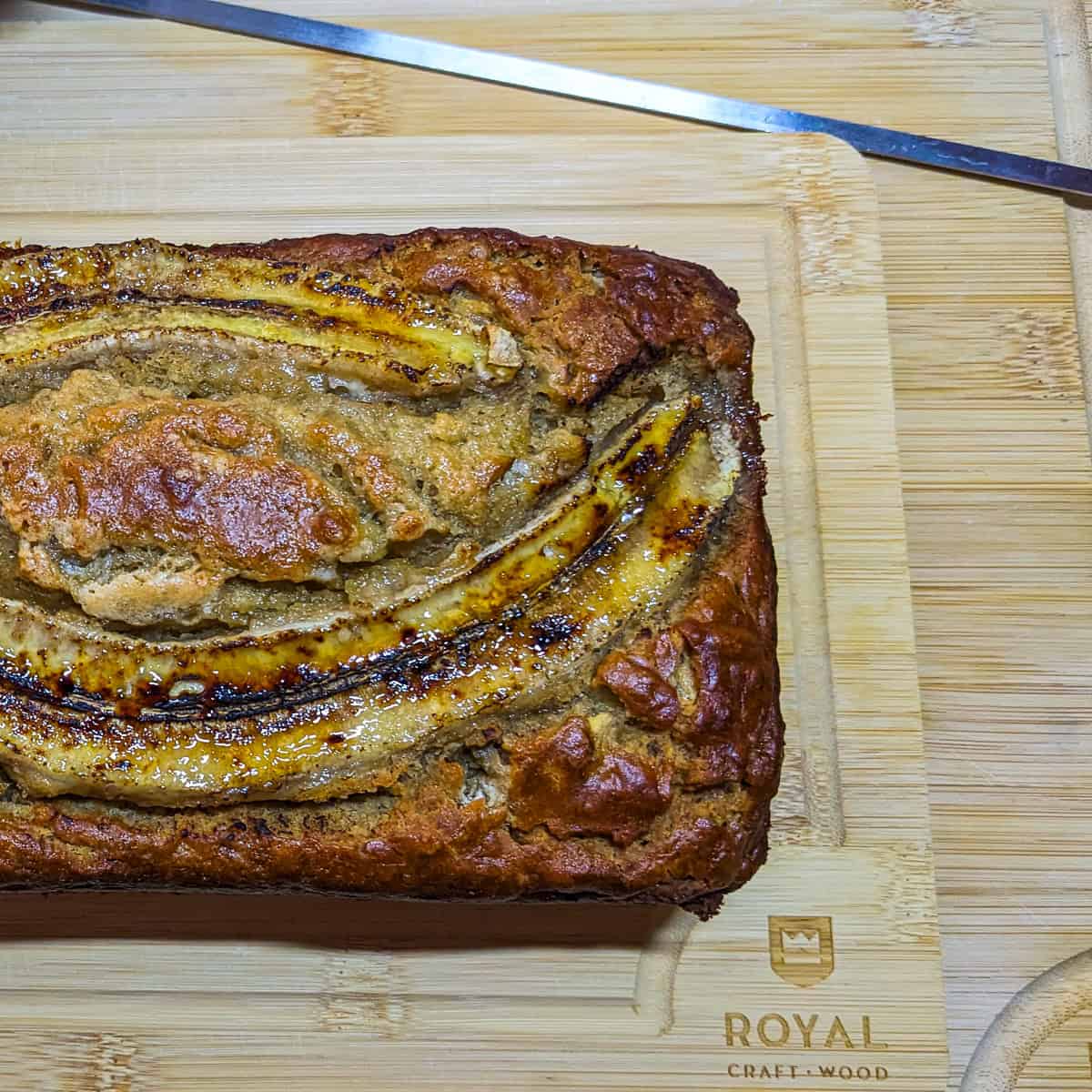
My Review: I love that this bamboo cutting board set came in so many convenient sizes; it makes it easy to grab exactly what I need, whether I’m chopping herbs or breaking down meat. The bright tones of the wood really stood out to me; they look beautiful on camera and bring a nice pop of warmth to my kitchen. It’s especially come in handy during meal prep or when someone else is helping me; everyone gets their own board! I also appreciate how lightweight yet sturdy they are, making them easy to move around while still holding up to serious chopping. Definitely a great gift for yourself or anyone who loves to cook or entertain. P.S. My hubby accidentally placed it in the dishwasher. And guess what? It didn't warp. A+!
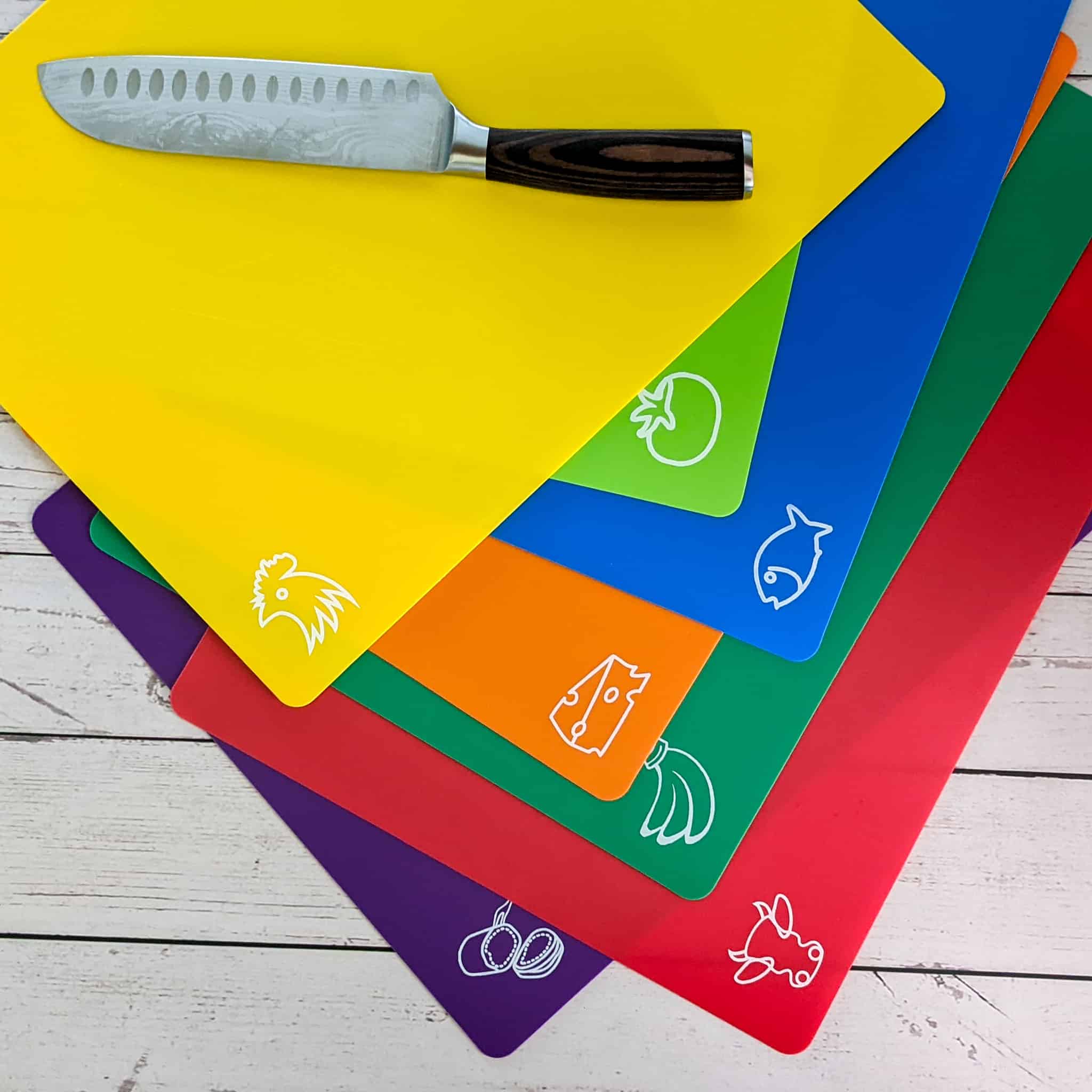
My Review: I’ve used these Fotouzy Cutting Board Mats for a long time, and while they’re flexible, dishwasher-safe, and great for preventing cross-contamination with their color coding, I now prefer solid plastic cutting boards. They’re BPA-free, non-porous, and wide enough to protect my wooden board, especially handy when zesting or transferring ingredients. That said, they don’t stay perfectly steady, even with a damp towel underneath, so I give them a 4 out of 5. But I still use it a lot for quick meat and veggie preps and place them right in the dishwasher.
Storage and Reheating
Learn how to properly store leftovers and reheat them to keep them fresh and flavorful. Learn more about Understanding Food Temperature Safety Zones: Cook, Store & Serve Safely.
Refrigerator: Store uncooked pressed tofu in a clean, airtight container in the refrigerator and use within about 3 days, or sooner, per the package instructions.
Freezer: Freeze tofu in a freezer-safe container for up to 3 months for best quality. Thaw it in the refrigerator before cooking.
Cooked Leftovers: Refrigerate promptly in an airtight container and use within 3 to 4 days.
Reheating: Reheat cooked tofu in a skillet, oven, or air fryer to help restore its exterior texture. Heat leftovers thoroughly to 165°F.
Frequently Asked Questions
Press tofu for 15-30 minutes for best results.
Yes, firm and extra-firm tofu can be pressed overnight in the refrigerator using gentle pressure. Avoid leaving it at room temperature for extended periods.
Yes. Pressing is optional for many recipes, particularly soups, curries, and dishes using super-firm tofu. Patting the surface dry may be sufficient.
Pressing before marinating is usually more practical when you want to remove excess moisture. Cut the tofu into pieces afterward to expose more surface area to the marinade.
Firm or extra-firm tofu is best for stir-frying due to its sturdy texture.
Plain tofu is generally gluten-free. However, seasoned tofu and prepared sauces may contain gluten-containing ingredients, so check the packaging when necessary.
The tofu may still have surface moisture, the pan may be too cool, or the skillet may be overcrowded. Dry the tofu thoroughly and cook in batches.
Tofu Recipes to Try
Now that you know how to press tofu, try these recipes from Just Maika Cooking:
- Bang Bang Crispy Tofu with Egg Fried Brown Rice: Crispy tofu paired with a flavorful sauce and hearty fried rice.
- Herb Panko Tofu with Curried Potatoes, Carrots, and Onions: Breaded tofu slices served with curried vegetables.
- Grilled Tofu with Vegetable Pearl Couscous Salad: Grilled tofu paired with vegetables and pearl couscous.
- Crispy Turmeric Herbed Grilled Tofu: Seasoned tofu that works as a protein addition to salads and other dishes.
- Kimchi Fried Rice Recipe | Simple Base You Can Build On
- Herb Panko Tofu with Curried Potatoes, Carrots and Onions
- Bang Bang Crispy Tofu with Egg Fried Brown Rice
- Grilled Tofu with Vegetable Pearl Couscous Salad




Cooking Tips and Tutorials
If you found this tutorial helpful, you'll love my Cook's Notebook collection. From knife skills and flavor bases to time-saving tricks and essential equipment guides, this section is packed with chef-tested lessons to help you cook with confidence.
You can also explore my Culinary Glossary for explanations of common cooking terms and preparation methods.

How to Use a Tofu Press
Equipment
Materials
- 1 block firm or extra-firm tofu
- Paper towels or a clean kitchen towel
Instructions
- Drain the Tofu: Remove the tofu from its packaging and discard the excess liquid.
- Set Up the Press: Place the tofu block inside the press and secure the lid according to the manufacturer's instructions.
- Apply Pressure: Begin with gentle, even pressure. If using an adjustable press, increase the pressure gradually as the tofu releases moisture.
- Press the Tofu: Allow the tofu to drain for 15 to 30 minutes, depending on its firmness and moisture content.
- Remove and Prepare: Release the press, discard the collected water, and pat the tofu dry before slicing, seasoning, or cooking.
Video
Notes

Subscribe to my YouTube Channel
SUBSCRIBE↗: 👈To my YouTube Channel to Get Notifications of New Videos.


Chef Maika Frederic-Liebman
Chef and Educator
Professionally trained Haitian-American chef Maika Frederic created Just Maika Cooking, where she shares globally inspired recipes, cooking techniques, ingredient guides, and food safety tips to help home cooks become more creative and confident in the kitchen. Combining years of professional culinary experience with a passion for teaching, she makes global flavors approachable through practical, accessible instruction for cooks of every skill level.
Leave a Comment or Ask a Question
Do you use a tofu press, or do you prefer the kitchen towel method? Share your experience or leave a question in the comments. I'd love to hear how you're preparing tofu in your kitchen.