


This ultimate guide to cleaning and cooking shrimp walks you through everything from prepping and deveining to the best cooking methods for perfectly delicious shrimp every time!

Table of Contents
Jump to:
- Tips on Shrimp
- Favorite Ways to Enjoy Shrimp
- Shrimp Cultivation
- Different Types of Common Shrimp Used in Cooking (Chart)
- Shrimp Size Matters (Chart)
- How to Buy Shrimp
- How to Safely Thaw Frozen Shrimp
- Culinary Glossary
- Why Clean Shrimp Properly?
- Kitchen Must-Haves Reviews
- Keep It Fresh When Cleaning
- Storage and Reheating Instructions
- How to Marinate and Before You Cook It
- Tips on Cooking Methods for Shrimp
- Delicious Shrimp Recipes
- Frequently Asked Questions
- More Cooking Tips and Tutorials
- Have a Comment or Question?
Tips on Shrimp
Shrimp is a superstar in kitchens worldwide, from the street food stalls of China to the beaches of the Caribbean, the aromatic kitchens of India, and the rich coastal dishes of Africa. And let's face it, shrimp is pretty easy to love.
But before you dive into that plate of shrimp curry or grilled shrimp skewers, every home cook should know one thing: how to clean and cook shrimp properly.
This guide walks you through shrimp-cleaning tips and cooking methods and introduces you to the different types of shrimp. And hey, it's a live blog, so I'll keep updating this as I add new shrimp recipes!
Favorite Ways to Enjoy Shrimp
Shrimp's popularity comes from its versatility, quick cooking time, and ability to absorb flavors beautifully, making it a favorite in countless cuisines. Who doesn't love a good shrimp boil, where shrimp is boiled with corn, potatoes, and sausage in a savory, spiced broth? It's the perfect communal meal.
Some of my personal favorites include Jamaican black pepper shrimp, shrimp scampi, shrimp baked pasta, and fried coconut shrimp. I especially loved buying Jamaican pepper shrimp from my local Caribbean store.

Looking for authentic Jamaican Pepper Shrimp recipes? Check out Orchids + Sweat Tea, JamDown Foodie, That Girl Cooks Healthy, and Karibe.
Peeling away the shell that had locked in all those delicious juices was a ritual to reach the tender, spicy shrimp inside. It was pure heaven! What's your favorite way to enjoy shrimp? Let me know in the comments!

Shrimp Cultivation
Shrimp has a long, fascinating history as a seafood staple worldwide. Shrimp cultivation, known as aquaculture, began centuries ago in Southeast Asia, where shrimp farming was a primary way to support local economies.
Today, people fish for shrimp in many coastal regions, including the Gulf of Mexico, South America, and parts of Africa. Wild-caught shrimp, harvested from oceans, rivers, and lakes, are often prized for their more robust flavor.
In contrast, farm-raised shrimp is cultivated in controlled environments and is more common in stores because of its affordability and year-round availability. While some purists prefer wild-caught shrimp for its taste, farm-raised shrimp offers a more sustainable option when managed responsibly.
Each method offers its own benefits, so you can choose based on your flavor preferences and sustainability goals!
Different Types of Common Shrimp Used in Cooking (Chart)

Understanding the different varieties of shrimp helps you choose the best one for your dish, enhancing your dining experience by pairing each shrimp type's unique flavor and texture with the right cooking method or recipe.
| Shrimp Type | Flavor | Best Uses |
|---|---|---|
| White Shrimp ↗ | Mild | Great for all-purpose cooking |
| Brown Shrimp ↗ | Slightly stronger | Perfect for gumbo or rich stews |
| Pink Shrimp ↗ | Sweet and tender | Ideal for salads or grilled dishes |
| Tiger Shrimp ↗ | Large, firm texture | Best for grilling and sautéing |
| Rock Shrimp ↗ | Lobster-like flavor | Perfect for frying or broiling |
Shrimp Size Matters (Chart)
Shrimp size plays a big role in both cooking time and the type of meal it's best suited for.
- Larger shrimp, like U10S or jumbo shrimp, are ideal for grilling or as the star protein in dishes like shrimp skewers or seafood platters because they hold up well to high heat and longer cooking times.
- On the other hand, smaller shrimp, such as 31/35s, cook in just a minute or two and are perfect for quick meals like stir-fries, salads, or shrimp tacos.

Chef's Tip: Overcooking shrimp is a common mistake, so knowing the size helps ensure you get perfectly tender shrimp every time, whether it's a light appetizer or a hearty main dish.
Shrimp Size and Use Chart
| Shrimp Size | Uses |
|---|---|
| U10 | Large shrimp for grilling |
| 16/20 | Ideal for stir-fries and sautés |
| 21/25 | Perfect for pasta or scampi dishes |
| 31/35 | Great for salads and appetizers |
How to Buy Shrimp
You can buy shrimp fresh or frozen at most grocery stores and seafood markets. But how do you know which one to choose? The best shrimp isn't necessarily the one sitting on ice at the seafood counter. Knowing what to look for can help you save money, avoid poor-quality seafood, and get the best flavor and texture for your recipes.
- Fresh Shrimp: Look for firm, slightly translucent flesh with a pearly appearance and a mild ocean-like smell. Avoid shrimp with a strong fishy or ammonia odor, slimy texture, or signs of deterioration. Fresh shrimp should be properly refrigerated or displayed on plenty of ice. Ask your fishmonger whether the shrimp has been previously frozen, since many shrimp sold at seafood counters arrive frozen and are thawed for display.
- Frozen Shrimp: A convenient option for home cooks, especially when you want shrimp on hand for quick meals. Look for tightly sealed packages without excessive frost, ice crystals, or signs of freezer burn. Individually quick-frozen (IQF) shrimp are especially useful because you can remove only what you need without thawing the entire bag.
Chef Maika's Tip: I recommend keeping a bag of raw, peeled, and deveined frozen shrimp in your freezer for quick weeknight meals. It saves preparation time, reduces waste, and makes it easy to prepare shrimp pasta, stir-fries, or rice bowls without an extra trip to the grocery store.
How to Safely Thaw Frozen Shrimp
For the best results, thaw frozen shrimp overnight in the refrigerator. When you're short on time, place the shrimp in a leakproof bag and submerge it in cold water, changing the water every 30 minutes until thawed. Cook promptly after cold-water thawing.
Never leave raw shrimp on the countertop to thaw at room temperature. Proper handling helps reduce the risk of foodborne illness. Learn more in my Understanding Food Temperature Safety Zones: Cook, Store & Serve Safely guide.
Culinary Glossary
This section provides concise definitions of key ingredients and techniques to enhance understanding and improve cooking skills related to this recipe.
- Deveining - Removing the shrimp's digestive tract.
- Brining - Soaking shrimp in a salt solution to enhance flavor and juiciness.
- Tail-on Shrimp - Shrimp with the tail left on for better presentation.
- Deveined - Shrimp with the dark digestive tract (or "vein") removed from their backs, ready to cook without the extra step of cleaning the vein yourself.
- Peeled - Shrimp with their outer shell removed, saving you time and effort while often leaving the tail on for presentation or convenience.
- Wild-Caught - Shrimp harvested from their natural habitats, such as oceans, rivers, and lakes, often considered to have a more robust, authentic flavor due to their varied diet and environment.
- Sustainably Farmed - Shrimp raised in controlled aquaculture environments, with practices that prioritize minimizing environmental impact, maintaining water quality, and avoiding overuse of antibiotics, ensuring a healthier, more eco-friendly option for consumers.
Why Clean Shrimp Properly?
First things first: cleaning shrimp isn't just about making them look good. You need to remove the shells, veins, and tails to ensure you're not chewing on something you shouldn't be. Besides, nobody likes a crunchy surprise in their pasta.
Scientifically speaking, deveining shrimp helps remove digestive waste (yes, the "vein" is technically the digestive tract), and while it's not dangerous to eat, it can affect texture and flavor.
Equipment for Cleaning Shrimp
To clean shrimp, you'll need a few basic tools: scissors, a deveining tool, or even your trusty fingers. Trust me, it's worth the effort!
- Sharp paring knife: Perfect for deveining and making precise cuts.
- Kitchen shears: Ideal for cutting through the shrimp shell with ease.
- Gloves: Help protect your hands from potential bacteria and shell punctures.
- Ziplock bags: Useful for storing shrimp shells to save for making seafood stock later.
- Sanitizer: Sanitize your work area and tools after cleaning shrimp to prevent cross-contamination and eliminate any bacteria left behind from the raw shrimp.
My Review: As a professional chef, I rely on quality knives. After loving the PAUDIN Santoku Knife, I invested in the 7-Piece Chef Knife Set, and I'm thrilled! These lightweight, sharp knives make prep work effortless when I'm dicing or chopping. The high-carbon stainless steel blades maintain their edge, and the Pakkawood handles provide a comfortable grip. I've used this set in my classes and home kitchen, and it consistently delivers precision. If you want a reliable, professional-quality knife set without overspending, PAUDIN is a fantastic choice! Highly recommended for both home cooks and professionals!

My Review: I highly recommend the ForPro Professional Collection Disposable Nitrile Gloves. They’re food-safe, powder-free, and latex-free, making them perfect for cooking. I’ve ordered these several times and use them both personally and for my videos. The gloves are durable and chemically resistant, offering excellent protection when handling raw ingredients. When pressed for time, they’re my go-to for preventing cross-contamination without needing to wash my hands constantly. A must-have for any busy kitchen!

How to Clean Shrimp with Pictures & Video
Follow the instructions and cooking tips below using the step-by-step picture guide. This is how I remove the shell and devein the shrimp the easiest way.
Step-by-Step Photos

If the head is still on, twist and pull it off. Get Color-Coded Cutting Mats

Hold the shrimp with the back and head facing you. Get a pair of Classic kitchen Shears.

For headless shrimp, simply cut with scissors by starting at the top, where the head was.

Then, work your way down the back to the tail.

Make a shallow slit so you don't cut into the shrimp's flesh.

At this point, peel off the shell and rinse under water to remove the dark line (the shrimp's vein).
Chef Maika's Tip: Keep the tail intact if you want that fancy shrimp cocktail presentation.
Kitchen Must-Haves Reviews
Find a collection of my reviews of kitchen equipment that I have purchased or recommend. Kitchen Must-Haves - Find other tools I use here.
My Review: The Sunnecko Heavy Duty Kitchen Scissors are the best I've found, and they closely resemble my trusty pair from over 20 years ago. These ultra-sharp, stainless steel shears feature a micro-serrated blade that effortlessly cuts through chicken, meat, and more. Every part of the scissors serves a purpose: trimming poultry, slicing herbs, cracking nuts, and opening bottles. Durable, dishwasher-safe, and reliable, they’re an essential tool for any cook. They’ve saved me countless times, proving that multi-functional kitchen shears are a must-have.

My Review: If you're looking for the best versatile tool in the kitchen, the Korean Barbecue Shears are the perfect choice. These stainless steel scissors are built to last, durable, and ready to tackle raw and cooked foods with ease. Inspired by Koreans who use kitchen shears to cut scallions, pork belly, and meats over the pot or grill without a cutting board, I bought these for their practicality. They've become essential for portioning ribs, trimming meats, or prepping veggies, thanks to their sharp, long, serrated blades. If you haven’t tried proper kitchen shears, start with these!

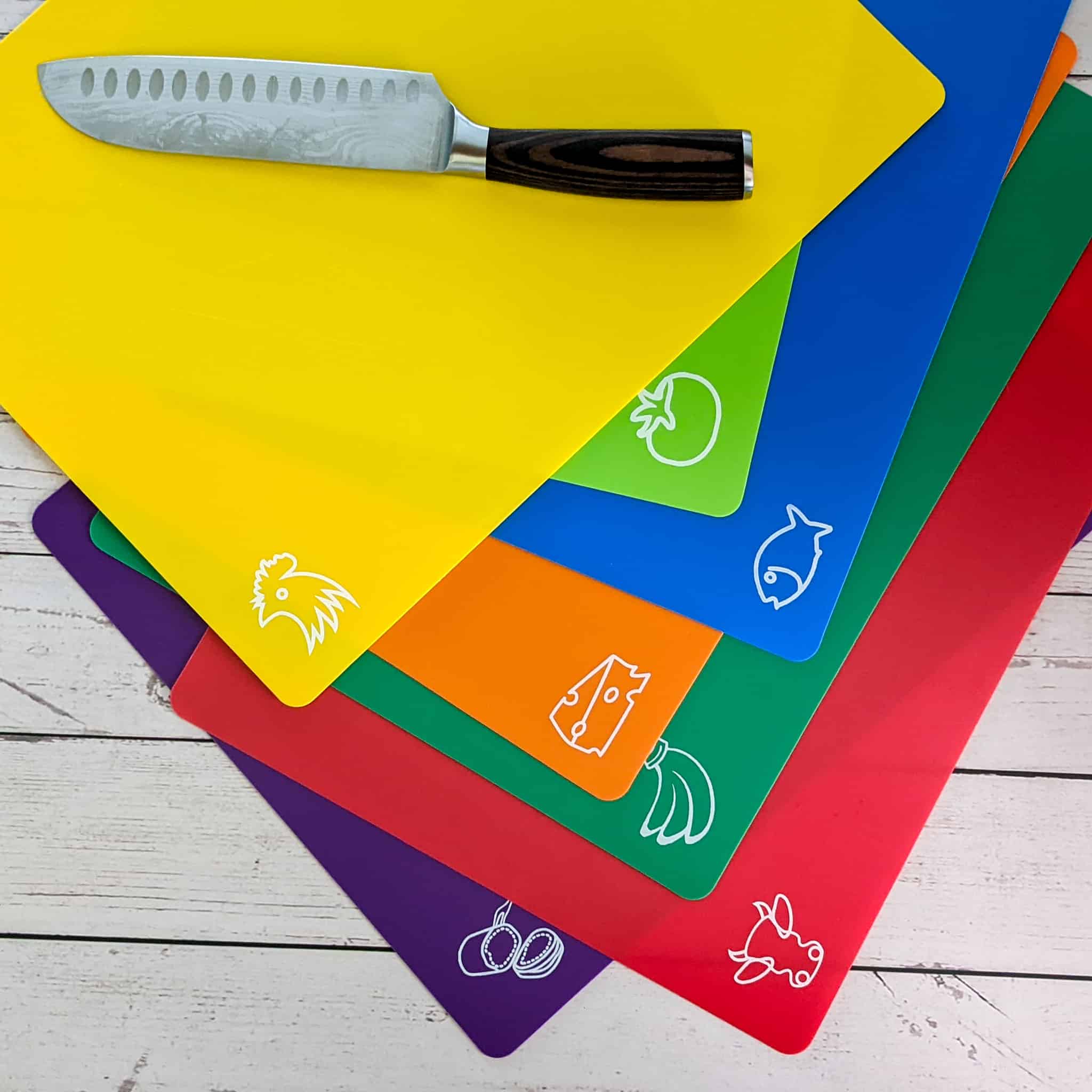
My Review: I’ve used these Fotouzy Cutting Board Mats for a long time, and while they’re flexible, dishwasher-safe, and great for preventing cross-contamination with their color coding, I now prefer solid plastic cutting boards. They’re BPA-free, non-porous, and wide enough to protect my wooden board, especially handy when zesting or transferring ingredients. That said, they don’t stay perfectly steady, even with a damp towel underneath, so I give them a 4 out of 5. But I still use it a lot for quick meat and veggie preps and place them right in the dishwasher.
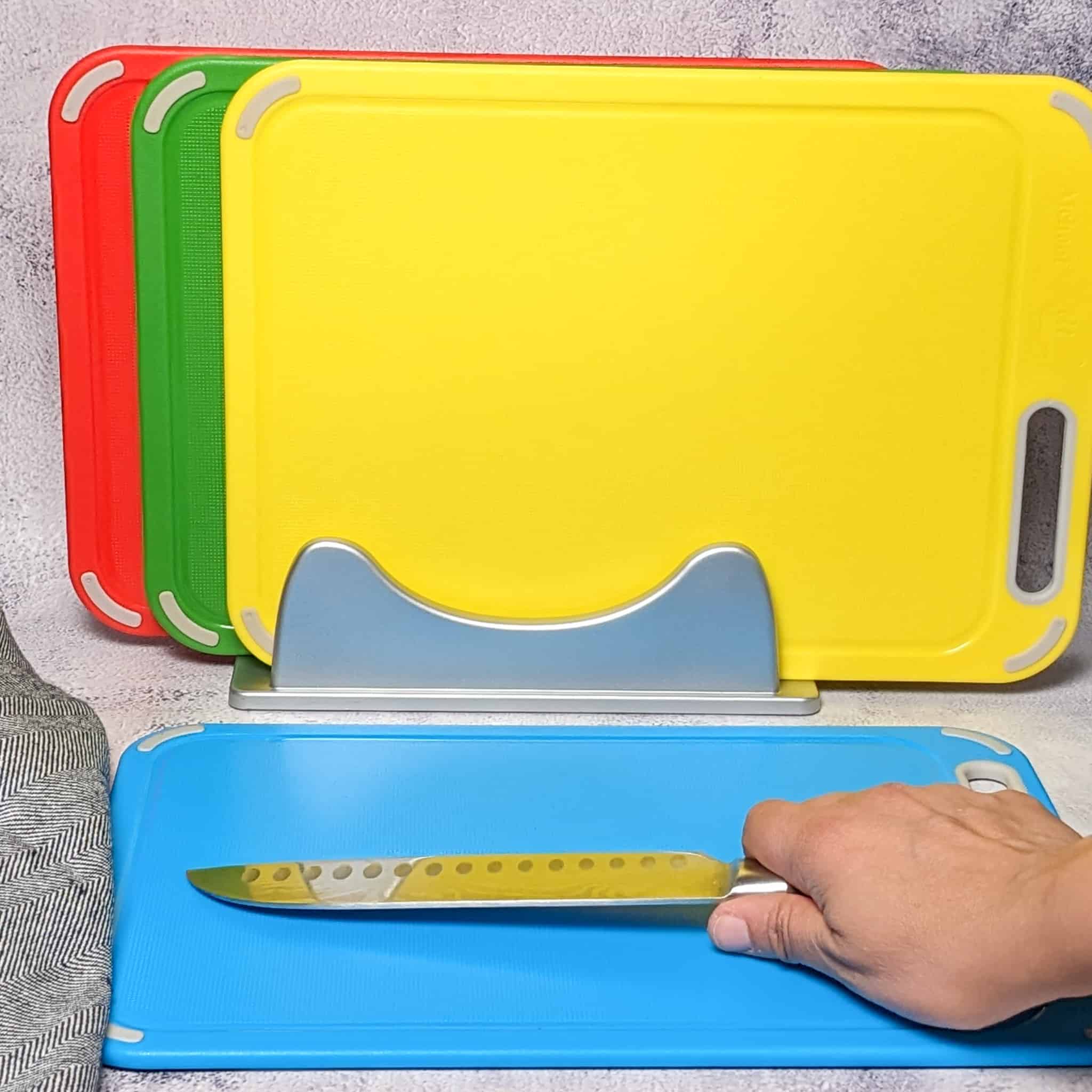
My Review: I absolutely love this Plastic Cutting Board Set of 4 with a Storage Stand! The color-coded boards are a lifesaver for preventing cross-contamination, especially when I’m switching between meats and veggies. The plastic is super sturdy, so I don’t have to worry about it flexing while I’m chopping. What really stands out for me is how easy they are to use after chopping. I slide everything straight into the pot, which keeps my kitchen clean and saves time. Cleanup is such a breeze, too; they go right into the dishwasher without any warping. Plus, the storage stand keeps everything neat and organized. These boards have made cooking so much easier and more enjoyable!
Keep It Fresh When Cleaning
When prepping shrimp, I always keep a bowl of ice nearby to keep them fresh and chilled while I clean and devein them. Shrimp can spoil quickly if left out at room temperature, so the ice helps maintain that firm texture and keeps bacteria from making a surprise appearance.
Plus, if you're working through a big batch, keeping them on ice keeps them cool and safe to eat until you're ready to cook. It's a simple trick but super effective!
What's that Dark Vein?
The black vein running along the back of the shrimp is its digestive tract; yep, it's where the shrimp's food gets processed! While that black line isn't harmful to eat, it can sometimes contain sand, grit, or partially digested food, which might affect the texture and taste of your dish.
That's why many people prefer to remove the shrimp poop during cleaning, especially for larger shrimp, where the vein is more visible. So, even though you won't get sick from eating it, taking a few extra minutes to devein your shrimp can make a big difference in the final result!

Be Careful Not to Get Infected!
Now, this might sound dramatic, but trust me, a shrimp tail can bite back. One time, a shrimp tail pierced my skin while cleaning, and let's just say, my fingertips swelled up like a balloon. Shrimp shells can carry bacteria, so if one pinches you, wash the area and disinfect it. I've since learned to use gloves or develop some ninja shrimp-cleaning skills to protect my hands!
Storage and Reheating Instructions
Learn how to properly store leftovers and reheat them to keep them fresh and flavorful. Learn more about Understanding Food Temperature Safety Zones: Cook, Store & Serve Safely.
- Refrigerator - Store fresh, cleaned shrimp in an airtight container for up to 2 days. Tip: Store shrimp in the coldest part of your fridge.
- Freezer - Freeze shrimp on a tray in a single layer, then transfer them to a resealable bag. Shrimp can last up to 6 months in the freezer.
- Thawing - When defrosting, use the fridge overnight or run them under cold water for a quick thaw.
- Reheating - Reheat cooked shrimp gently in a sauté pan or steamer to avoid drying them out.
Chef tip: Save those shells! They make amazing seafood stocks for soups or risotto.
My Review: These Pyrex Freshlock containers are the closest match to my favorite IKEA version, shallow, stackable, and built for everyday use. The shallow design is especially helpful for food safety, letting hot meals cool faster before refrigerating. They don’t stain, the airtight locking lids seal in freshness, and they work beautifully for both hot and cold storage. Plus, they’re freezer-, microwave-, and dishwasher-safe for easy cleanup.


How to Marinate and Before You Cook It
When it comes to marinating shrimp, less is definitely more. Shrimp are delicate and only need about 15-30 minutes to soak up flavors; anything longer, and the acid in most marinades (like lemon juice or vinegar) can start to "cook" the shrimp, making them tough.
Always start with thawed shrimp (if frozen), and dry them off with a paper towel first. Drying them helps the marinade stick better and ensures the shrimp gets a nice sear when cooking. Whether you're going for a citrusy, spicy, or herby marinade, a short soak is all it takes to make shrimp burst with flavor!


Tips on Cooking Methods for Shrimp
Boiling Tips and Recipes
Boiling shrimp is quick and easy. Toss them into boiling water for 2-3 minutes, until pink. Perfect for shrimp cocktails or pasta!
Poached Shrimp
Court bouillon is a flavorful poaching liquid often used for cooking shrimp, typically made with water, white wine, aromatic vegetables such as onions, carrots, and celery, and herbs and spices.
- To make it, simply simmer 4 cups of water with 1 cup of white wine, a sliced onion, a chopped carrot, a celery stalk, a bay leaf, a few peppercorns, and a pinch of salt for about 20 minutes.
- Strain the liquid, return it to the pot, and bring it back to a gentle boil before adding the shrimp.
- Poach the shrimp in the court bouillon for about 3 minutes until they turn pink and are cooked through, then serve immediately for a light, flavorful dish.
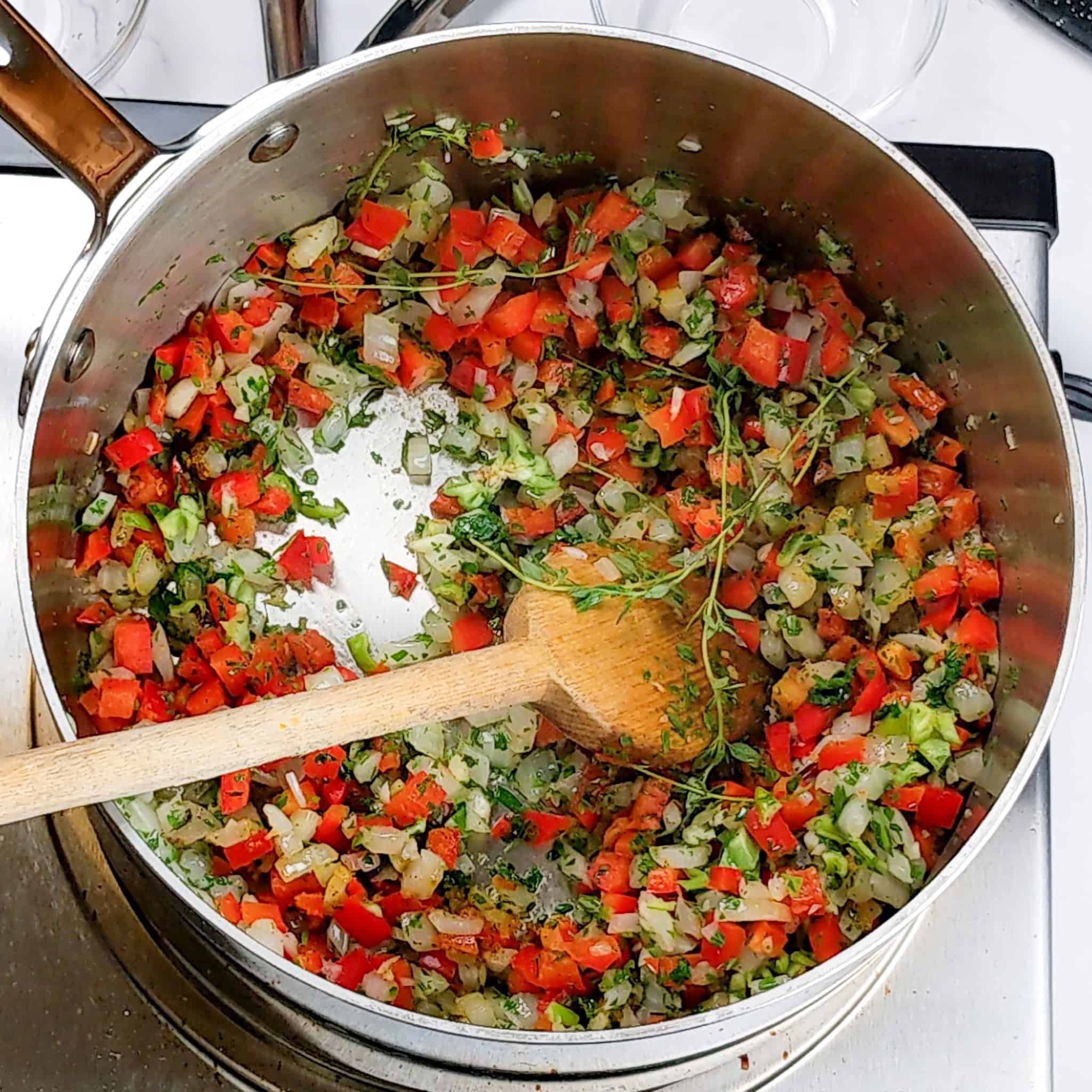
My Review: As a chef with over two decades of experience relying on All-Clad, their D5 Stainless 3-quart saucepan is a kitchen workhorse. The sturdy 3-ply construction ensures even heat distribution for perfect simmering, searing, and everything in between. It's a breeze to clean, goes effortlessly from stovetop to oven, and consistently delivers exceptional results for rice, soups, sauces, and more. This saucepan is a worthy investment if you're looking for durable, versatile, and American-made cookware.
Shrimp Cocktail Sauce
For a simple and delicious cocktail sauce:
- Mix 1 cup ketchup with 2 tablespoons prepared horseradish (or more if you like it spicier), 1 tablespoon freshly squeezed lemon juice, 1 teaspoon Worcestershire sauce, and a dash of hot sauce for a kick.
- Stir everything together until combined, then taste and adjust to your liking.
- Chill the sauce in the refrigerator for about 30 minutes to let the flavors meld before serving it alongside your shrimp cocktail or any seafood dish!
Grilling Tips
To avoid overcooking shrimp on the grill, watch them closely! As soon as they turn opaque, pull them off the heat. Best for large shrimp, like tiger shrimp. A grill pan is a great alternative when you want those signature grill marks and smoky flavor without the hassle of an outdoor grill. Plus, it keeps smaller shrimp from falling through the grate!
When grilling shrimp, a few key tips will make all the difference:
- First, clean the grill grate thoroughly before starting to prevent sticking. Nobody likes shrimp stuck to the grate!
- To avoid flare-ups, never spray oil directly onto an open flame. Instead, lightly coat the shrimp with oil beforehand or use a paper towel dipped in oil to wipe down the grate.
- This helps create a perfect sear while keeping things under control.
- Long tongs are your best friend here. Keep those hands safe and far from the flames as you flip the shrimp quickly.
- ⚠️Shrimp cook fast on the grill, so keep an eye on them, and you'll be good to go!
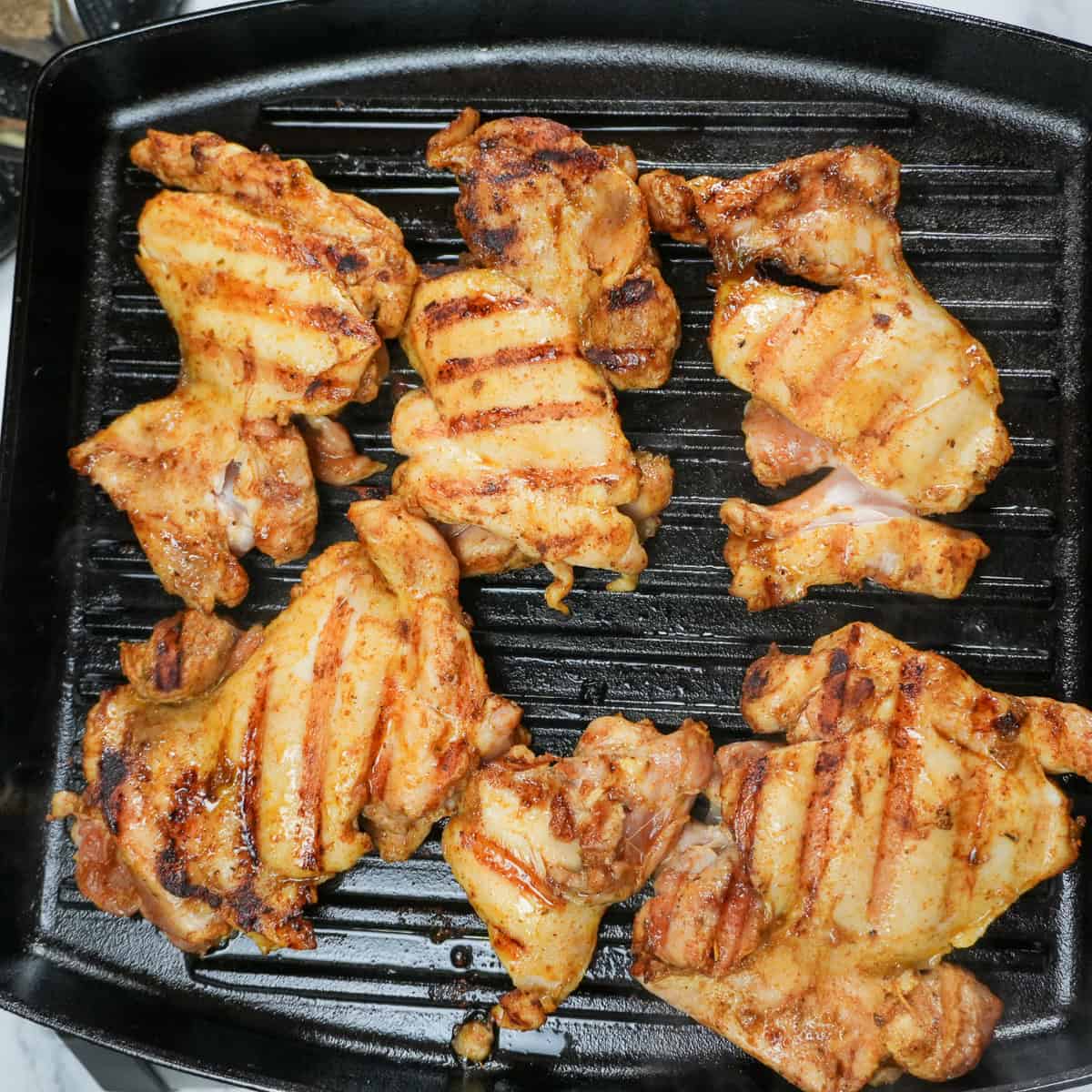
My Review: I was thrilled when Lodge introduced its Blacklock 12-Inch Triple-Seasoned Cast Iron Grill Pan. It combines the durability I’ve always trusted from the brand with a much lighter design that makes it a breeze to handle. The larger square surface was a welcome upgrade, easily fitting about 1 ¾ pounds of boneless, skinless chicken thighs with room to spare, and the triple seasoning provided a naturally nonstick finish right out of the box. I’ve been cooking with Lodge cast iron for years, and once again, they didn’t disappoint. This pan is built to last a lifetime while still making everyday cooking feel effortless. Check out my cast-iron care guide to keep yours in top shape!


Sautéing Tips
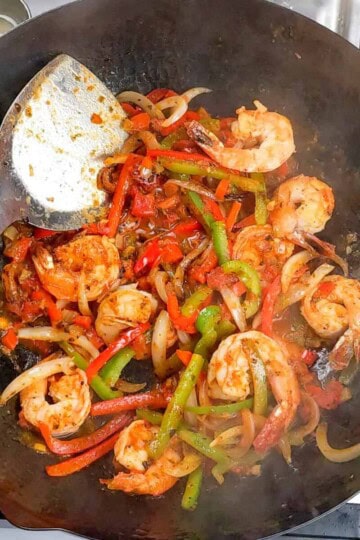
Shrimp cook fast in a pan, perfect for stir-fries or pasta dishes. Add them at the last minute to keep them juicy.
- When sautéing shrimp, heat about 1-2 tablespoons of oil (olive oil or any neutral oil works) in a skillet over medium-high heat.
- Heat the pan until hot before adding the shrimp so they sear quickly.
- Place the shrimp in a single layer, making sure not to overcrowd the pan, and cook for about 1-2 minutes per side.
- You'll know the shrimp are ready to flip when they turn pink and opaque.
- ⚠️Be careful not to overcook them. Overcooked shrimp will curl up tightly and become rubbery. As soon as they form a gentle 'C' shape and are firm but still tender, they're good to go!
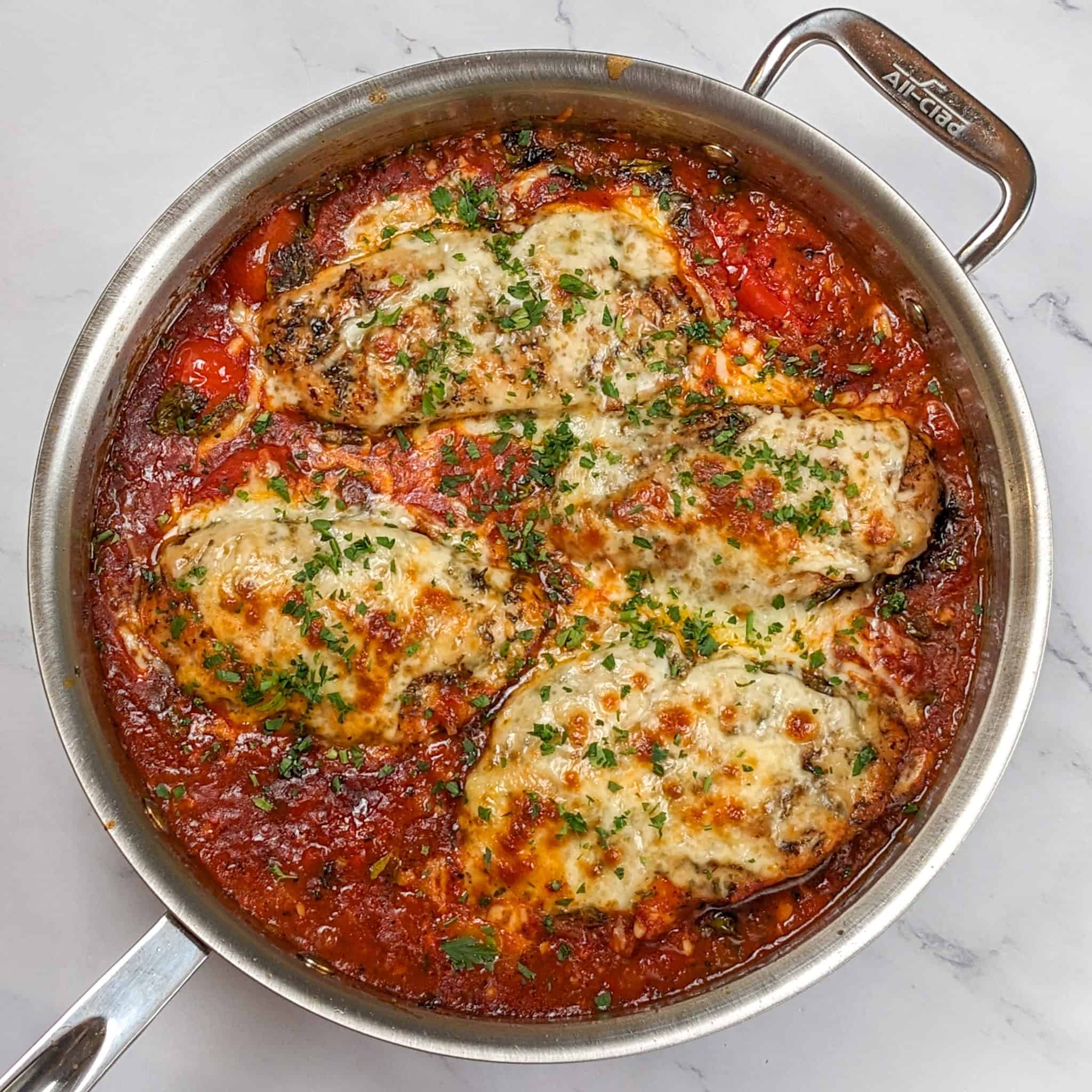
My Review: I absolutely love this All-Clad D3 4-Quart Stainless Steel Sauté Pan. It’s a professionally trusted workhorse in my kitchen. From its sleek, classic design to its even heat control, this pan makes cooking feel effortless. It’s oven- and broiler-safe up to 600°F and still dishwasher-safe, which is a huge win for easy cleanup. None of my All-Clad pans are going anywhere; they're built to last a lifetime and then some. If you're serious about quality cookware, this sauté pan is worth every penny.
Baking Tips
Sheet pan shrimp prep is basically a baked shrimp dish; baking helps lock in flavor while preventing overcooking. When baking shrimp, there are a few things to keep in mind for perfectly tender results:
- First, preheat the oven to 400°F. Shrimp cook fast, so a hot oven locks in those juices.
- Lay the shrimp out in a single layer on your baking sheet, leaving space for even cooking.
- A light coat of oil or butter will keep them from drying out, and don't forget to season them right before they go in.
- Shrimp usually takes about 8-10 minutes, depending on size, and you'll know they're done when they turn pink and opaque.
- ⚠️If they start curling into a tight "O" shape, though, pull them out, they're on the verge of getting rubbery!
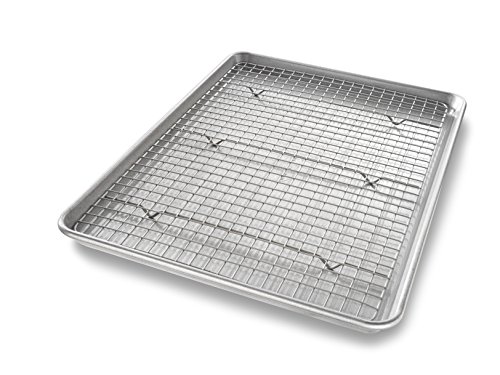
My Review: The USA Pan Bakeware Half Sheet Baking Pan and Nonstick Cooling Rack Set is such a smart buy, it’s incredibly convenient to have both the pan and rack come together as a set. You never know when you’ll need the rack for roasting, cooling, or glazing, and having it perfectly fitted to the pan saves so much time and hassle. The pan itself is super sturdy with excellent heat distribution, and the nonstick rack makes cleanup a breeze. I’ve used it for everything from baking cookies to roasting vegetables and even draining fried foods. It’s one of those kitchen upgrades that just makes life easier.
Delicious Shrimp Recipes
Looking for shrimp recipes? Try these:
- Gourmet Global Shrimp Recipes to Expand Your Dinner Rotation
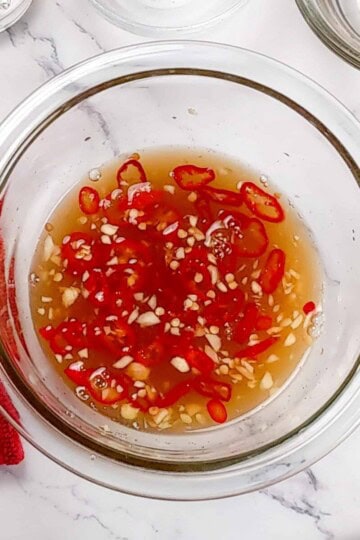
- Spicy Nuoc Cham Sauce (Vietnamese Fish Dipping Sauce)
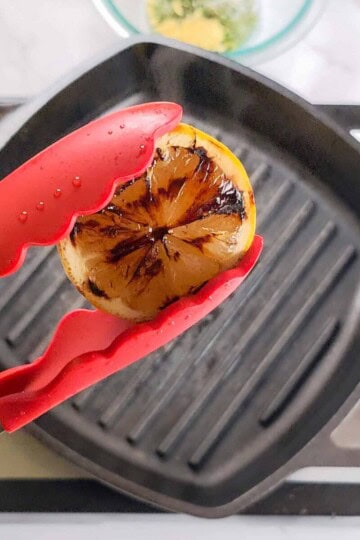
- Grilled Lemon Oregano Dressing & Vinaigrette Recipe
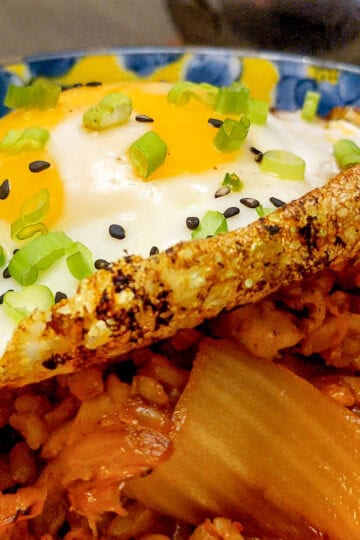
- Kimchi Fried Rice Recipe | Simple Base You Can Build On
Vegetarian and Vegan Shrimp Substitutes
For my veggie friends, all hope isn't lost! Substitutes like king oyster mushrooms or plant-based shrimp alternatives are popping up everywhere. You can still enjoy a vegan "shrimp" scampi by using these substitutes, which mimic shrimp's texture and flavor. Plus, they're high in fiber! Check out School Night Vegan for a vegan shrimp recipe.
Frequently Asked Questions
Yes, it's safe to eat shrimp without deveining, but it may affect the texture and flavor.
The best method is to thaw shrimp overnight in the fridge or quickly under cold running water.
Wild-caught shrimp are often considered superior in flavor and sustainability, but high-quality farmed shrimp can be a good option, too.
Steaming or grilling shrimp without added fats is a healthy way to enjoy them.
When shrimp turn pink and opaque, they're done! Avoid overcooking, as shrimp can get rubbery.
More Cooking Tips and Tutorials
If you found this tutorial helpful, you'll love my Cook's Notebook collection. From knife skills and flavor bases to time-saving tricks and essential equipment guides, this section is packed with chef-tested lessons to help you cook with confidence.
- Seasonal Produce Guide: What Fruits and Vegetables Are in Season?
- How to Roast Food: The Fundamental Principles of Roasting
- 2026 Fall Seasonal Produce Guide: Fruits and Vegetables to Enjoy This Season
- Indian Cooking Techniques That Changed How I Think About Food


Chef Maika Frederic-Liebman
Chef and Educator
Professionally trained Haitian-American chef Maika Frederic created Just Maika Cooking, where she shares globally inspired recipes, cooking techniques, ingredient guides, and food safety tips to help home cooks become more creative and confident in the kitchen. Combining years of professional culinary experience with a passion for teaching, she makes global flavors approachable through practical, accessible instruction for cooks of every skill level.

Subscribe to my YouTube Channel
SUBSCRIBE↗: 👈To my YouTube Channel to Get Notifications of New Videos.
Have a Comment or Question?
If you have a question or comment about this shrimp tutorial, please post it below. You will definitely get a quick response. It also helps our other readers to stay informed. Thanks!
Leave a Reply