

Find the best winter seasonal produce with this quick, easy guide highlighting the freshest fruits and vegetables available during the colder months. Use this list to plan flavorful, affordable, and nutrient-rich meals all season long.
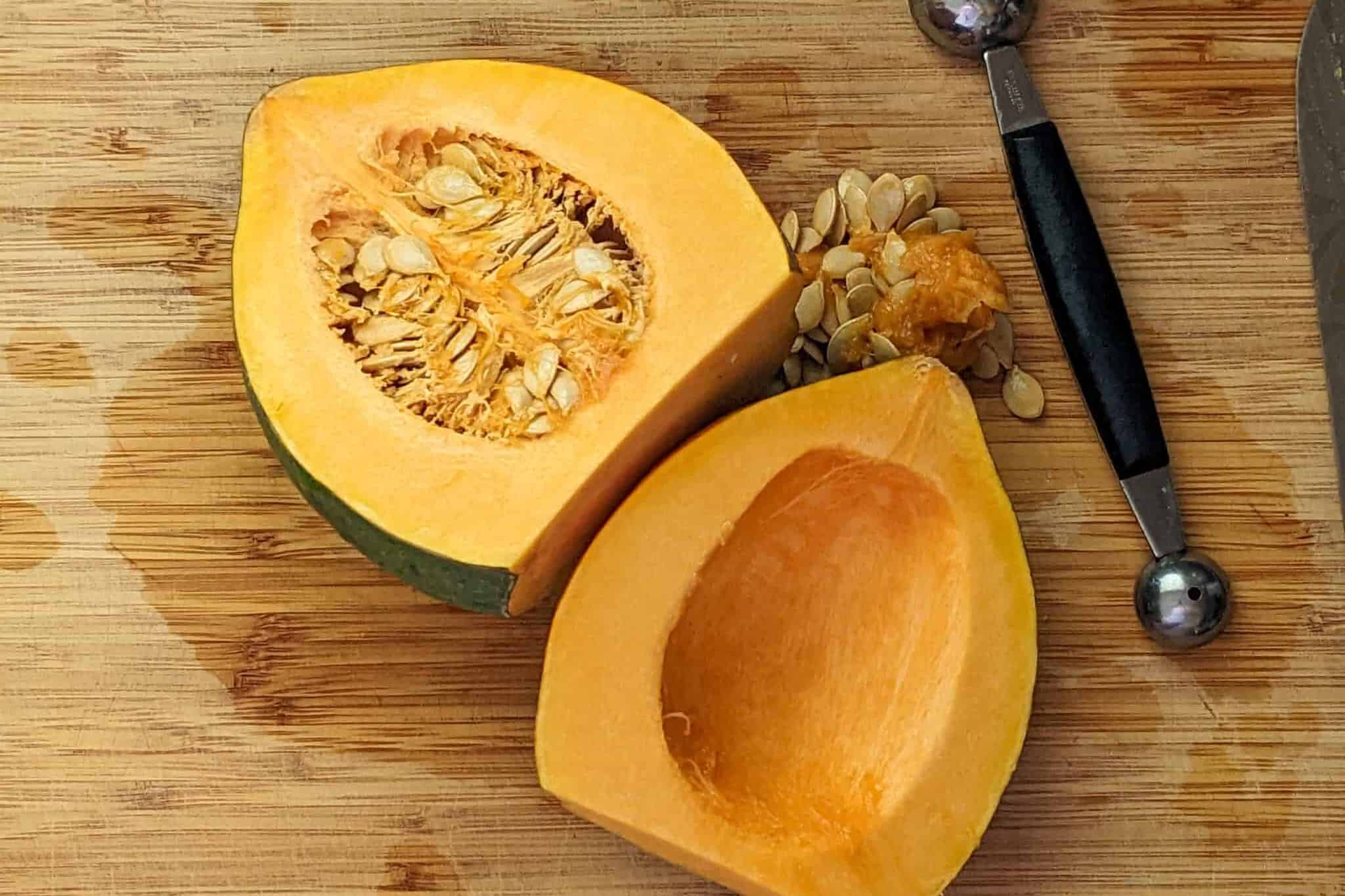
Table of Contents
Jump to:
- What's In Season During the Winter Months
- What Counts as Winter Seasonal Produce?
- Winter Fruits in Season
- Winter Vegetables in Season
- Monthly Breakdown Chart
- How to Shop for Winter Produce
- Easy Ways to Use Them in Your Cooking
- 5 Quick Storage Tips
- Kitchen Must-Haves Reviews
- Frequently Asked Questions
- Winter Recipes
- Cooking Tips and Tutorials
- Have a Comment or Question?
What's In Season During the Winter Months
Winter might feel like a quiet time for shopping for fresh produce, but the colder months are actually filled with bold flavors, vibrant colors, and some of the year's healthiest ingredients.
When you know which fruits and vegetables are naturally at their peak during the winter season, your meals become richer, more affordable, and easier to plan. This guide will help you make the most of seasonal cooking with the best winter vegetables, seasonal fruits, and fresh herbs available right now.
Winter Fruits
- Citrus fruits: sweet orange, Meyer lemons, grapefruit, limes.
- Pome Fruits: Apples & pears.
- Others: Pomegranates, cranberries, persimmons.
Winter Vegetables
- Root vegetables: carrots, beets, parsnips, turnips, sweet potatoes, celery root, new potatoes.
- Cruciferous Vegetables: Brussels sprouts, broccoli, cauliflower, cabbage.
- Leafy Greens: kale, collard greens, Swiss chard, bok choy.
- Winter Squash: butternut, acorn, delicata, spaghetti squash, kabocha.
- Legumes and Alliums: Green Beans and alliums (onions, garlic, leeks).

That's It?! No, scroll down to find the detailed list and a printable monthly breakdown chart!
What Counts as Winter Seasonal Produce?
Winter seasonal produce includes fruits and vegetables that naturally reach their peak ripeness during the winter months. These ingredients thrive in cooler temperatures, meaning they're harvested at their best flavor and texture between December and February.
While availability varies by region, USDA and SNAP-Ed resources consistently list recognized winter crops, including citrus fruits, root vegetables, cruciferous vegetables, leafy greens, and winter squash. Understanding what qualifies as in-season produce helps you shop with confidence at grocery stores and farmers' markets during this time of year.
Why Eating Seasonal Produce Matters
Choosing seasonal winter produce isn't just practical; it's nutritionally beneficial. Winter vegetables and fruits tend to be richer in vitamins, minerals, and fiber, making them excellent building blocks for a healthy diet.
Seasonal produce is also more affordable and fresher, which makes it easier to add nutrient-dense ingredients like leafy greens, citrus fruits, and sweet potatoes to your meals. These hearty winter staples naturally complement cold-weather cooking, inspiring warming dishes such as braises, soups, grain bowls, and roasted vegetable sides.
That's It?! Nope, keep scrolling down to find the detailed list and a printable monthly breakdown chart! It will start with "Winter Fruits in Season".
Recommended Reads
- Best Winter Recipes to Make for Cozy Dinners
- Collard Greens Prep Ultimate Guide
- Best of Fall Recipes | Cozy Soups, Stews & Comfort Food for Autumn
- How to Chop Onions Without Crying (Quick Method)
- How to Use a Citrus Squeezer for Max Juice
- Empowering Young Black Girls Through Food: The Miami Winter 2025 Black Girls Cook Cohort
Winter Fruits in Season
Citrus Fruits: Winter is peak season for sweet orange, lemons, limes, and grapefruit, but nothing shines this time of year like Meyer lemons. Citrus fruits reach their sweetest, juiciest peak during winter, making them great options for salad dressings, marinades, baked goods, cocktails, and even roasted vegetables.
These fruits are an excellent source of vitamin C, helping support immunity during the coldest months. Also, check out How to Use a Citrus Squeezer for Max Juice.
Apples & Pears: Even though apples and pears are available year-round, winter varieties harvested in late fall store beautifully and hold their shape when baked or cooked. They bring brightness to cold-weather meals and are perfect for crisps, compotes, salads, and slaws, like my Fresh Berry Apple Pecan Chicken Salad with Goat Cheese recipe.
Pomegranates, Persimmons, and Cranberries: These jewel-toned fruits add richness, tartness, and texture to seasonal cooking. Cranberries and pomegranates are especially helpful for New Year's recipes and winter celebrations. Check out my Chicken Paillard with Cranberry Pecan Acorn Squash Salad recipe.
Winter Vegetables in Season
Root Vegetables: Carrots, parsnips, beets, turnips, new potatoes, and sweet potatoes are among the most versatile winter ingredients. These root vegetables caramelize beautifully when roasted, bring natural sweetness to soups, and store well throughout the season.
Don't forget celery root, an underrated ingredient that adds earthy flavor to purées and gratins. Also, check out my Aleppo Pepper Spiced Vegetarian Borscht recipe.
Cruciferous Vegetables: This category includes Brussels sprouts, broccoli, cauliflower, and cabbage. They thrive in cold weather and often taste sweeter after a frost. Their hearty texture makes them perfect for roasting, sautéing, and adding to warm salads. They're also an excellent source of vitamin C and fiber, ideal for boosting winter meals. If you like Brussels sprouts, check out my Best Air Fryer Honey Dijon Mustard Chicken Rice Bowl recipe.
Leafy Greens: Winter is the peak season for kale, collard greens, Swiss chard, and bok choy. These dark leafy green vegetables are nutrient-rich and hold up well in braises, soups, sautés, and even smoothies. If you're looking to increase your vegetable intake during the colder months, leafy greens are one of the easiest ways to do it. Also, check out my Collard Greens Prep Ultimate Guide .
Winter Squash: Butternut, acorn, delicata, kabocha, and spaghetti squash offer sweet, nutty flavors perfect for hearty dishes. With their rich texture and ability to store for weeks, winter squash varieties are must-haves for cold-weather recipes, just like my Air Fryer Butternut Squash Spiced Chickpeas Chicken Soup recipe.
Green Beans & Other Everyday Vegetables: While green beans are available year-round, they remain great options for roasting, stir-frying, or adding freshness to winter meals. The same goes for onions, garlic, and leeks, foundational aromatics that support nearly every winter recipe. Check out my Chicken Stir-Fry with Mushrooms, Peppers, and Green Beans in Hoisin Sauce recipe.
Monthly Breakdown Chart
Use this breakdown to guide your grocery store trips or farmers market shopping, depending on the time of year.
| Month | In-Season Produce |
|---|---|
| December | Citrus fruits Brussels sprouts Sweet potatoes Winter squash Leafy greens |
| January | Meyer lemons Cabbage and other cruciferous vegetables Carrots and celery root New potatoes Apples and pears |
| February | Citrus fruits at their peak Leeks Bok choy Root vegetables Kale and chard |
Printable Version: Monthly Breakdown Chart
How to Shop for Winter Produce
When choosing fresh produce in winter, look for firmness, vibrant color, and minimal bruising. For citrus fruits, select ones that feel heavy for their size. For root vegetables, avoid cracks or excessive soft spots.
Winter squash should have tough skin, no soft areas, and a sturdy stem. Shopping at farmers' markets or local markets often means getting produce harvested just days before, which is a huge advantage during the winter months.
Easy Ways to Use Them in Your Cooking
These simple methods help you get the most out of in-season produce without complicated steps.
- Puree Blends: Bake with pears, apples, or winter squash puree
- One-Pot Meals: Make hearty dishes like stews, chili, and braises
- Sheet Pan Meals: Roast a sheet pan of mixed vegetables for meal prep
- Sauces: Use Meyer lemons and sweet orange in dressings and marinades
- Blend citrus fruits and fresh herbs into sauces
- Versatile Greens: Add leafy greens to soups, pastas, and grain bowls
5 Quick Storage Tips
Cook's Notebook is your Cooking Tips Resource Guide. Become a better home cook with tips to help you cook more efficiently.
- Root Vegetables: Store root vegetables in a cool, dark, well-ventilated space.
- Green: Keep leafy greens loosely wrapped in paper towels and stored in airtight containers.
- Fruits: Refrigerate citrus fruits to extend their shelf life.
- Squash: Winter squash stores best at room temperature for several weeks.
- Important: Do not wash produce until you're ready to use it.
Kitchen Must-Haves Reviews
Find a collection of my reviews of kitchen equipment that I have purchased or recommend. Kitchen Must-Haves - Find other tools I use here.
My Review: This lemon squeezer is still working great. Lemons are so big now! This larger squeezer is really helpful. When they designed this tool, they thought of everything! It's definitely a must-have. It easily fits extra-large lemons, collects the seeds, and has a strainer and spout for pouring out the juice! You can quickly squeeze multiple lemons while preserving the juice in its reservoir. Preparing for my Frozen Watermelon Lemonade recipe was a breeze. It's very convenient, and there are fewer materials to clean afterward.

My Review: I recently purchased the Benriner Mandoline Slicer with Collection Tray and 4 Blades and have been impressed with how sharp and precise the Japanese stainless-steel blades are for everything from paper-thin slices to uniform julienne cuts. The "real deal" for me is the built-in collection tray, which keeps all my prep neatly contained, making it especially convenient when I’m throwing together effortless chop salads. With four interchangeable blades, a stable base, and BPA-free construction, it’s a versatile, durable tool that makes slicing faster, cleaner, and more enjoyable. Just like my Classic Benriner Mandoline that I had for over 2 decades, I hope this one lasts as long.

My Review: As a professional chef, I rely on quality knives. After loving the PAUDIN Santoku Knife, I invested in the 7-Piece Chef Knife Set, and I'm thrilled! These lightweight, sharp knives make prep work effortless when I'm dicing or chopping. The high-carbon stainless steel blades maintain their edge, and the Pakkawood handles provide a comfortable grip. I've used this set in my classes and home kitchen, and it consistently delivers precision. If you want a reliable, professional-quality knife set without overspending, PAUDIN is a fantastic choice! Highly recommended for both home cooks and professionals!

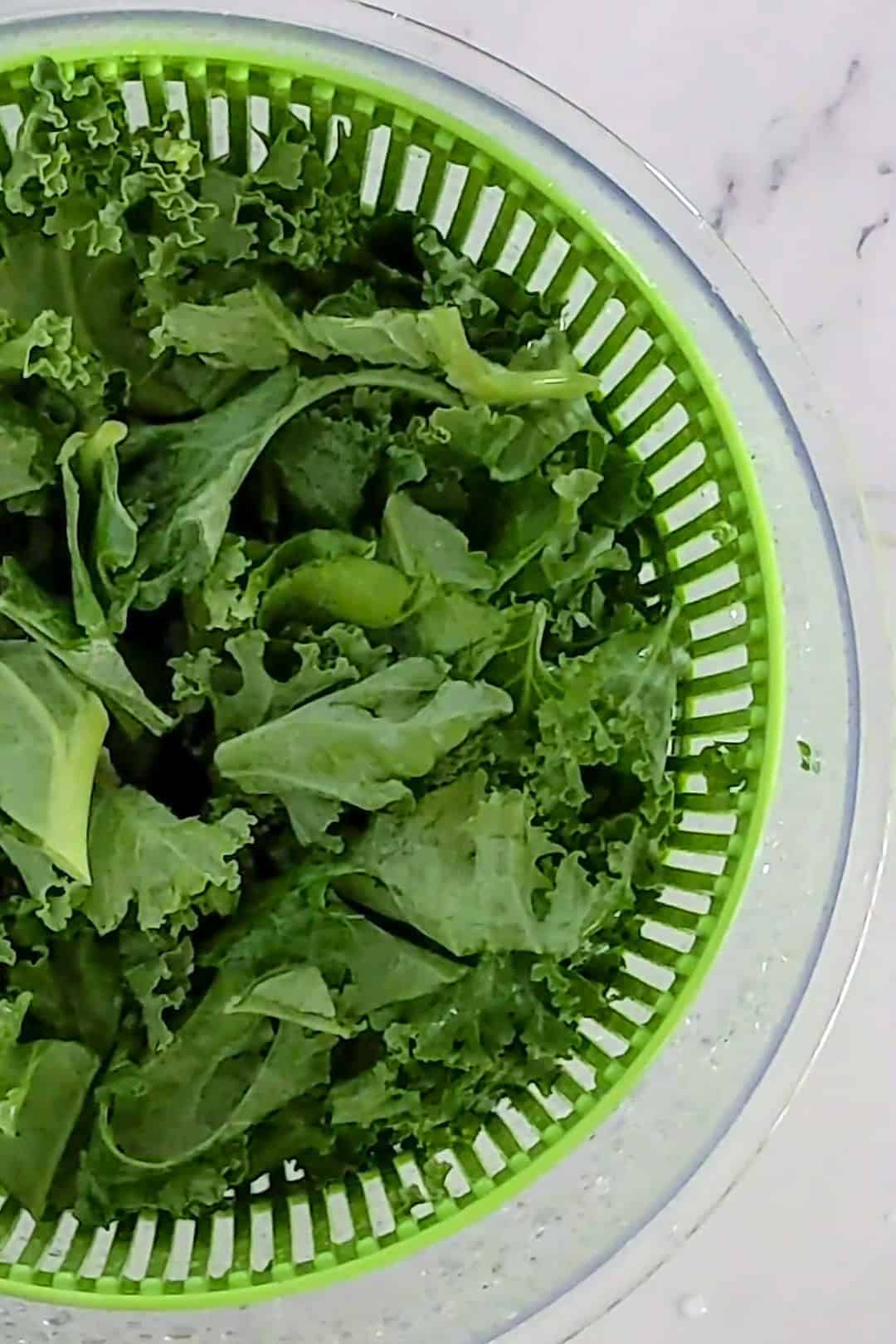
My Review: Cuisinart is a renowned brand known for its innovative, high-quality kitchen appliances and tools that make cooking and food prep effortless. Additionally, the Cuisinart Salad Spinner has been a trusty tool in my kitchen for years, and it’s proven to be so much more than just a salad spinner! Despite its compact size, it handles everything with ease, from rinsing and drying delicate herbs to cleaning mushrooms and, of course, prepping perfectly dry greens for salads. Its durable design has stood the test of time, and its efficiency has made meal prep so much quicker and easier. If you’re looking for a versatile, long-lasting kitchen tool, this little spinner is a must-have! I've made a post about it; check out my salad spinner post here.
My Review: If you're looking for the best versatile tool in the kitchen, the Korean Barbecue Shears are the perfect choice. These stainless steel scissors are built to last, durable, and ready to tackle raw and cooked foods with ease. Inspired by Koreans who use kitchen shears to cut scallions, pork belly, and meats over the pot or grill without a cutting board, I bought these for their practicality. They've become essential for portioning ribs, trimming meats, or prepping veggies, thanks to their sharp, long, serrated blades. If you haven’t tried proper kitchen shears, start with these!

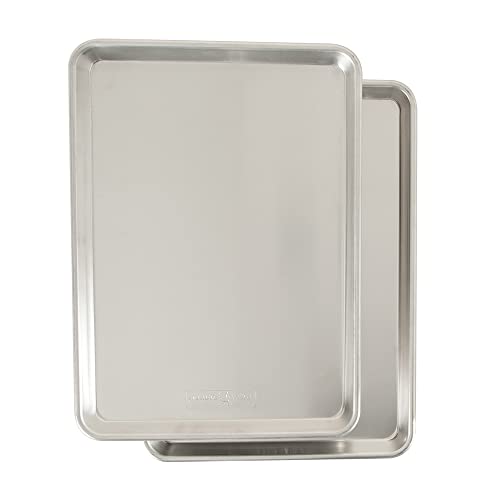
My Review: The Nordic Ware Half Sheet Pans are a must-have in my kitchen! Despite frequent use, these pans haven’t warped once, which is impressive. I accidentally ran one through the dishwasher, which caused the color to change, so I recommend sticking to handwashing as suggested. To avoid hard-to-remove baked-on food, use a silicone liner ↗; it makes cleanup so easy. These pans are durable, reliable, and well worth the investment!
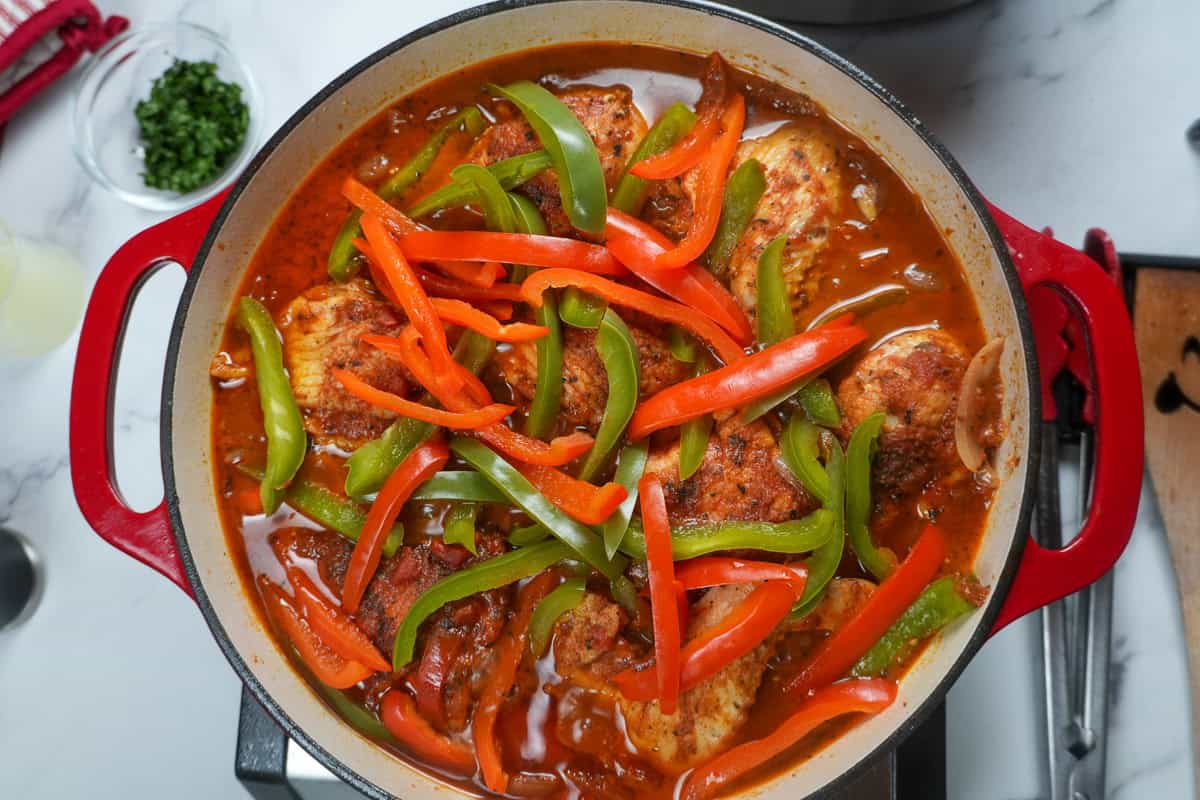
My Review: I love using this enameled casserole for braised meat dishes and hearty meat-and-rice meals. It holds heat exceptionally well, keeping the braising liquid at a steady simmer, and just like a Dutch oven, it can go straight from stovetop to oven. The oval shape makes it especially convenient for fitting larger cuts of meat, while the dual handles give you a secure grip when transferring it.
My Review: The Lodge Blacklock 10.25" Triple Seasoned Cast Iron Skillet has quickly become one of my favorite pieces of cookware. I’m especially impressed by how lightweight it feels compared to traditional cast iron, making it easy to maneuver while cooking and serving. The clean, smooth finish not only looks sleek but also delivers reliable nonstick performance, making cleanup simple. It’s a premium skillet that combines classic durability with a modern design upgrade I truly appreciate.

My Review: I finally used the ThermoWorks Square Dot®, and it's as great as my colleagues said. It's precise and easy to use, and America's Test Kitchen recommends it. ThermoWorks even provides helpful care and usage guides, so it earns a 5 out of 5 from me. The Square Dot® offers dual-temperature tracking and a clear display, making it easy to monitor both food and oven temperatures for accurate cooking.

My Review: Of course, I had to get this hand blender in red to match my stand mixer, and I love the convenience and power it brings to my kitchen! With all the included gadgets and easy cleaning (just detach and rinse!), It's become my go-to for everything from smoothies to soups. It's a true "stick blender" with a design that lets me blend even larger quantities of liquid, especially with the slim cup. Highly recommend! If you didn't know already, the KitchenAid Cordless Variable Speed Hand Blender boasts a powerful rechargeable battery that blends up to 25 bowls of soup on a single charge and offers a quick 20-minute charge option for smaller tasks. It's an 8" removable blending arm with a 4-point stainless steel blade that tackles a variety of recipes, from smoothies to soups, while the variable speed trigger switch provides precise control. This versatile hand blender comes with a convenient charger, blending jar, and pan guard, making it a practical and efficient addition to any kitchen.

My Review: We've been using the Vitamix Professional Series 750 Blender for over 5 years, and it continues to perform flawlessly, just as powerful and reliable as day one. This blender is a commercial kitchen favorite for good reason: it blends everything from smooth mango purees to nut butters and soups with ease, and the self-cleaning feature makes cleanup a breeze. It's 64 oz. Low-profile container fits perfectly under most cabinets, and if you're serious about quality, this is the blender to invest in.

Frequently Asked Questions
Here is a list of common questions I have answered. If you have any questions, please write them in the comments below.
Citrus fruits, root vegetables, cruciferous vegetables, leafy greens, and winter squash are the main categories of winter seasonal produce.
Cold weather concentrates their sugars, making oranges, tangerines, and Meyer lemons sweeter and juicier.
Root vegetables, cabbage, winter squash, and apples store exceptionally well.
Yes. Many farmers' markets feature hardy winter crops, greenhouse-grown produce, and storage vegetables.
Focus on hearty dishes, sheet pan meals, warm salads, and citrus-based sauces to highlight in-season produce.
Winter Recipes
Looking for other winter recipe ideas? Try these:
- Rosemary Garlic Roasted Chicken with Pan Gravy
- Cheesy Au Gratin Potatoes with Sharp Cheddar and Nutmeg
- Pasta and Lentil Soup Recipe (Italian Style)
- Banana Berry Corn Muffins with Greek Yogurt




Cooking Tips and Tutorials
If you found this tutorial helpful, you'll love my Cook's Notebook collection. From knife skills and flavor bases to time-saving tricks and essential equipment guides, this section is packed with chef-tested lessons to help you cook with confidence.
- Indian Cooking Techniques That Changed How I Think About Food
- What Is Emulsification? A Simple Guide to Creamier Sauces and Dressings
- Homemade Baby Food: How to Prep, Freeze & Build Easy Meals
- Summer Seasonal Produce: A Guide to Fruits and Vegetables in Season





Chef Maika Frederic-Liebman
Chef and Educator
Professionally trained Haitian-American chef Maika Frederic is the creator of Just Maika Cooking, where she shares globally inspired recipes, cooking techniques, ingredient guides, and food safety tips designed to help home cooks become more creative and confident in the kitchen. Combining years of professional culinary experience with a passion for teaching, she makes global flavors approachable through practical, accessible instruction for cooks of every skill level.
Have a Comment or Question?
If you have a question or comment about this post, please post it below. You will definitely get a quick response. It also helps our other readers to stay informed. Thanks!



Leave a Reply