Cauliflower-Potato Mash with Coconut Milk
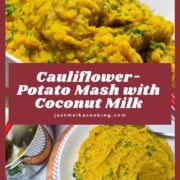
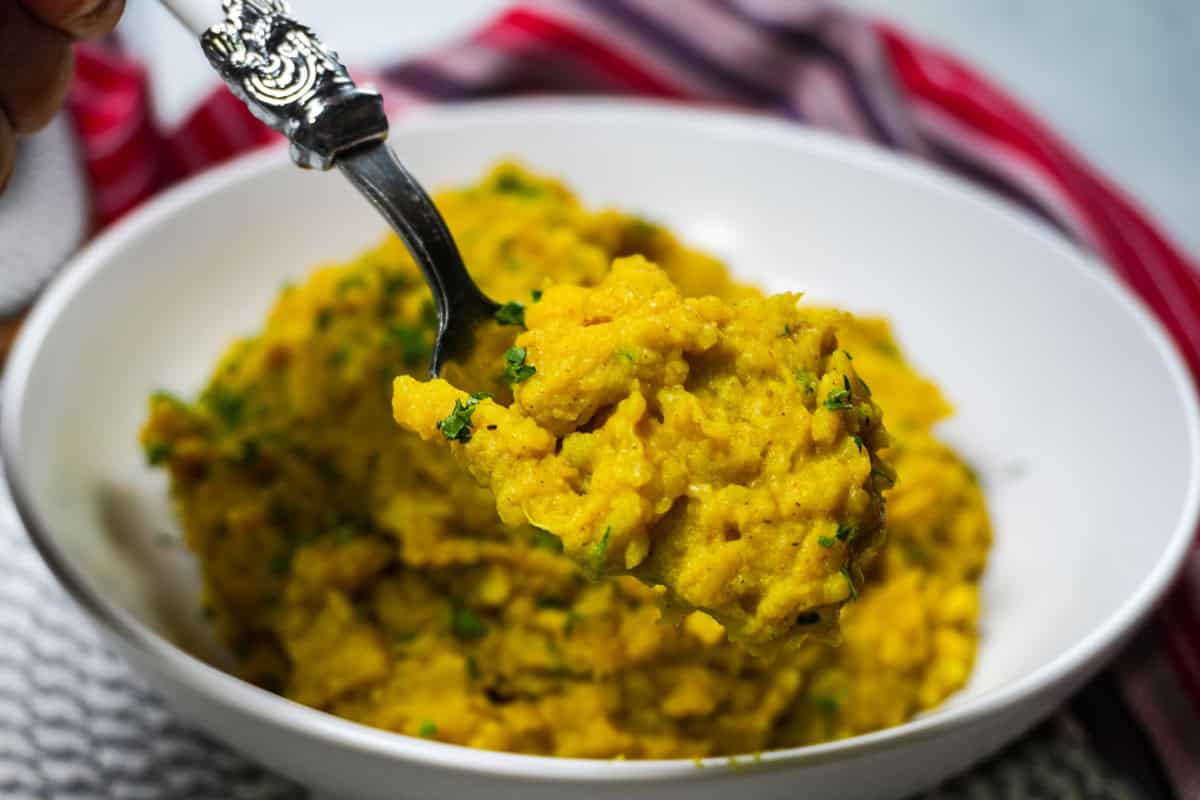
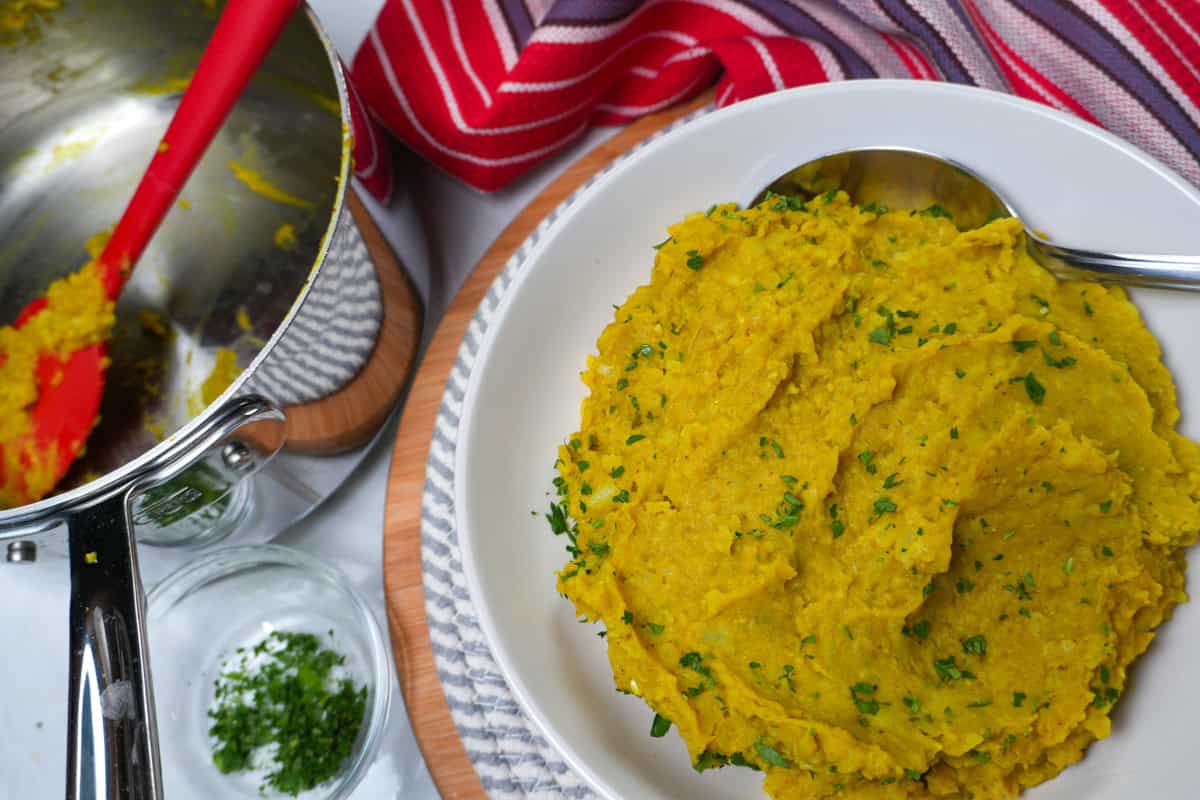
This creamy cauliflower potato mash combines yellow potatoes, cauliflower florets, and sautéed garlic in one saucepan. Unsweetened coconut milk brings it together, while turmeric and garam masala give it the flavor of lightly curried mashed potatoes.
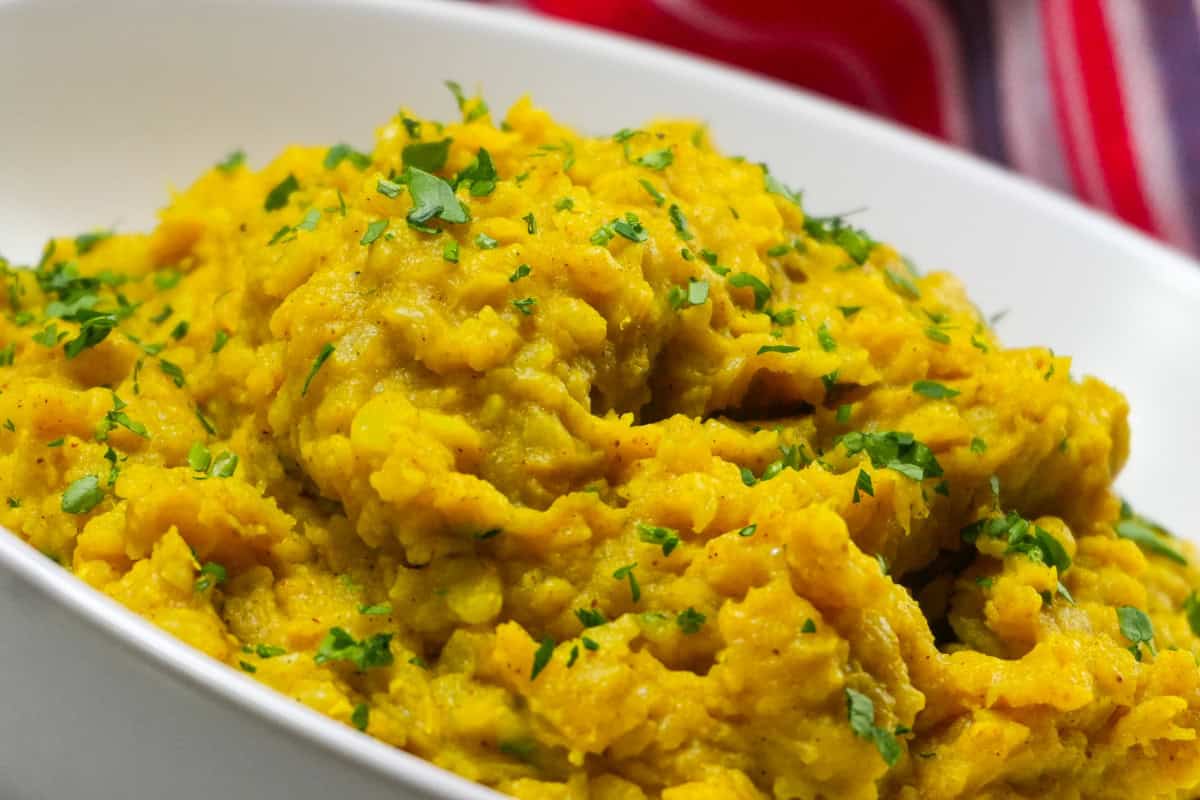
Table of Contents
Jump to:
- The Mash That Started on a Shepherd's Pie
- Why You'll Love This Recipe
- Ingredients with Steps
- Culinary Glossary
- Instructions with Pictures
- Equipment You'll Need (With Alternatives)
- Kitchen Tools I Use and Recommend
- Storage and Reheating
- Substitutions
- Variations
- 5 Quick Cooking Tips
- Frequently Asked Questions
- More Vegetable Side Dishes
- Cooking Tips and Tutorials
- 📖 Recipe
- Have a Comment or Question?
The Mash That Started on a Shepherd's Pie
This cauliflower and potato mash started as the topping for my vegetarian curry shepherd's pie. The yellow potatoes give it that familiar mashed potato texture, and the cooked cauliflower is soft enough to mash right along with them. Serve it as a side dish for weeknight dinners, spoon it onto a holiday plate, or top a lentil and vegetable filling with it. Try my Curry Shepherd's Pie with Cauliflower-Potato Mash.
Why You'll Love This Recipe
- One saucepan: Cook the potatoes and cauliflower together, then use the same pan to sauté the garlic and finish the mash.
- Mild curry flavor: Turmeric and garam masala add warmth to every bite, and you can leave out the cumin if you prefer.
- Creamy texture: Tender yellow potatoes and unsweetened coconut milk make the mash creamy enough to swoop with the back of a spoon.
- Flexible ingredients: Use ghee, unsalted butter, or refined avocado oil, depending on what you have and how you want to serve it.
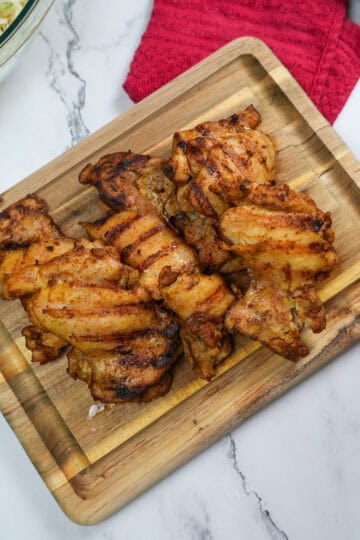
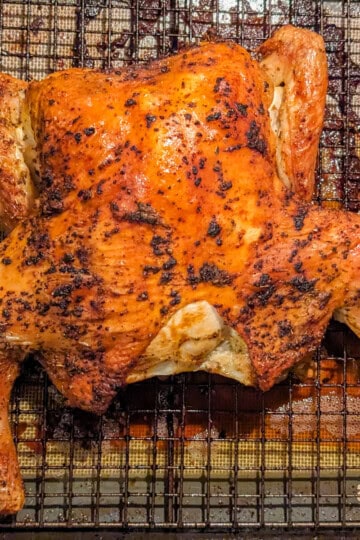
- Easy to pair: Try it with roasted chicken, seared fish, or a saucy lentil stew that can run into the mash on your plate.
Note From Chef Maika
I really loved this mash. It was a simple, delicious way to work cauliflower into mashed potatoes, and the seasoning was subtle. If the coconut milk has you wondering, I couldn't taste coconut in my batch. To me, it tasted like lightly curried mashed potatoes with a little garlic. I used half butter and half oil to sauté the garlic, and by the next day the whole batch was gone at our house. So much for leftovers!
Recommended Reads
Ingredients with Steps
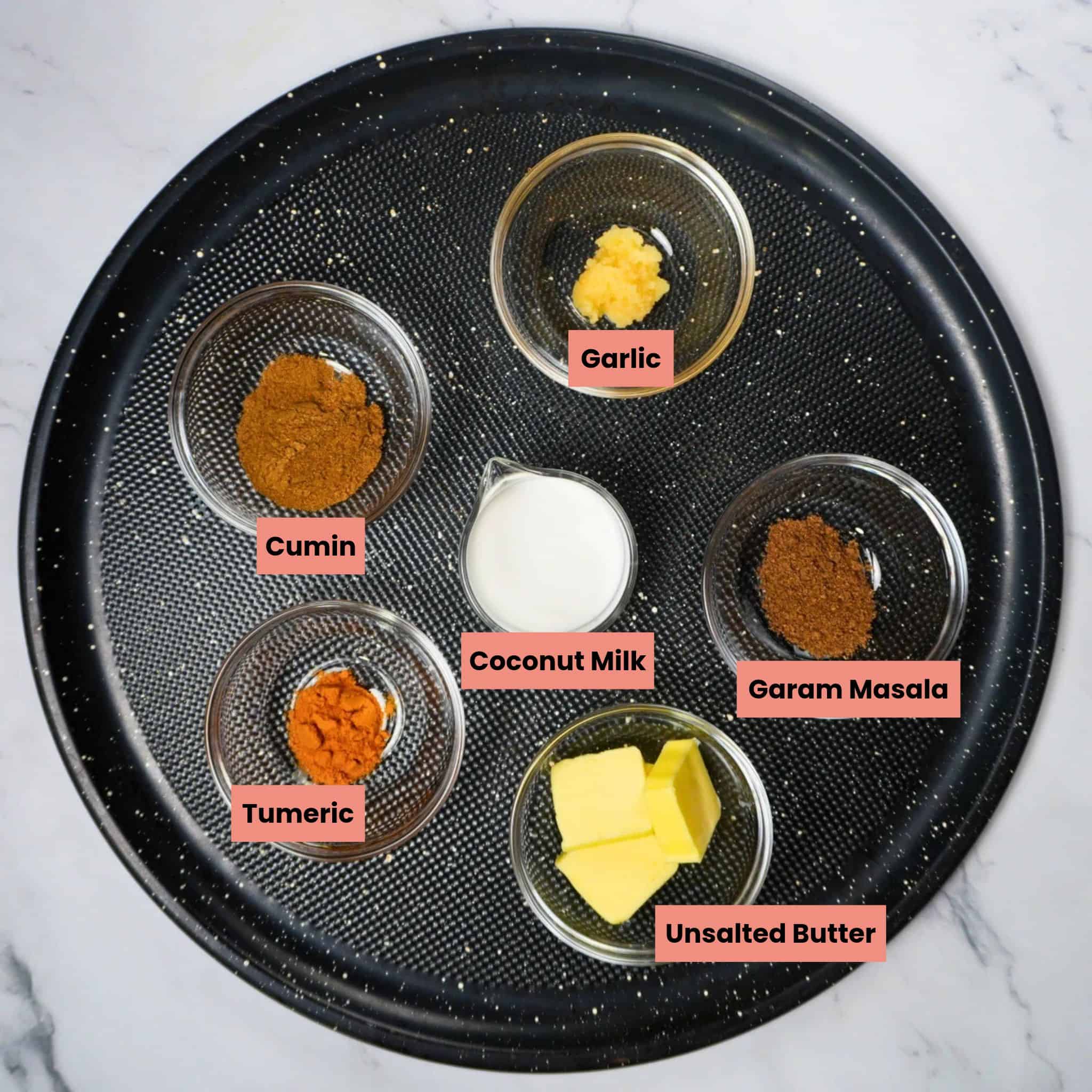
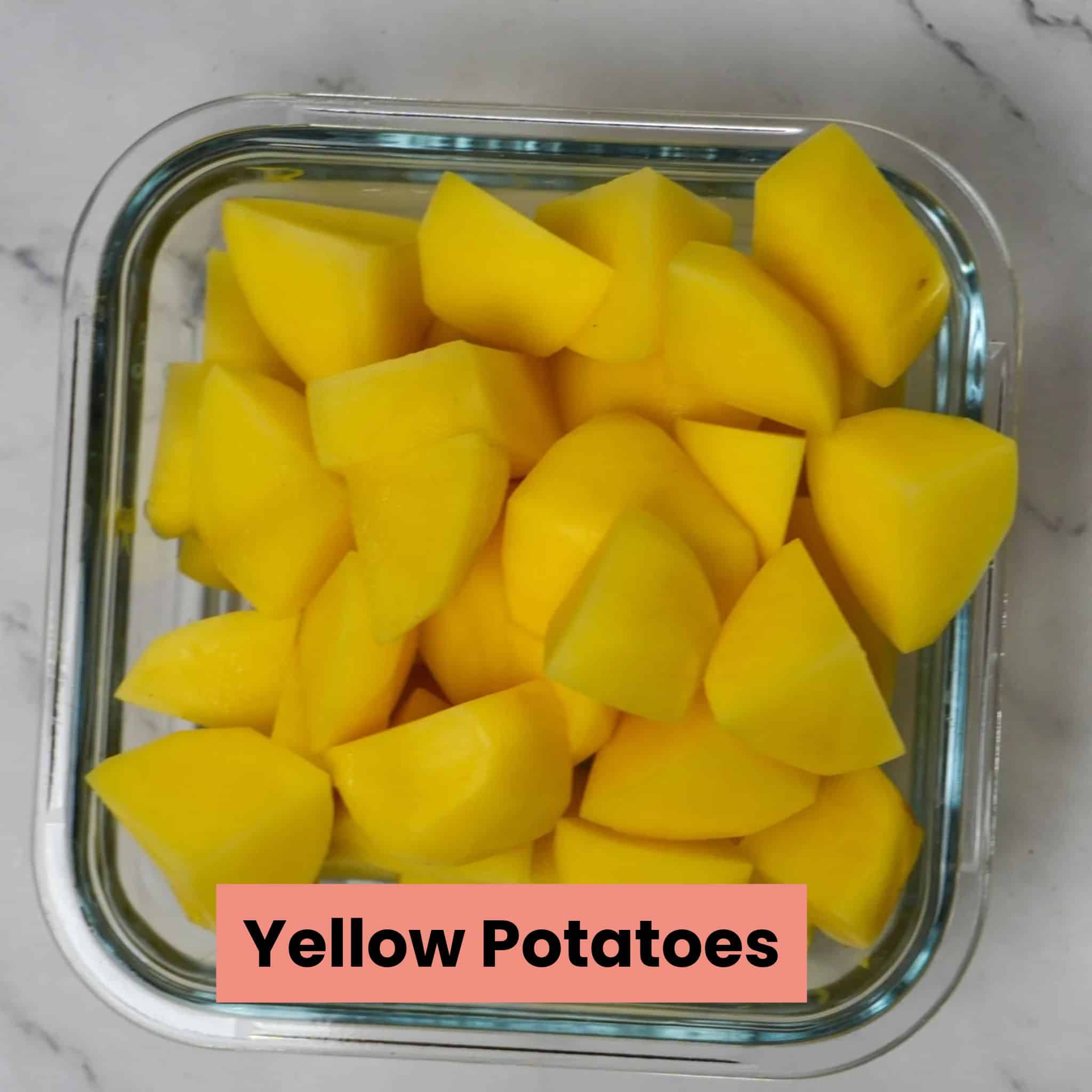
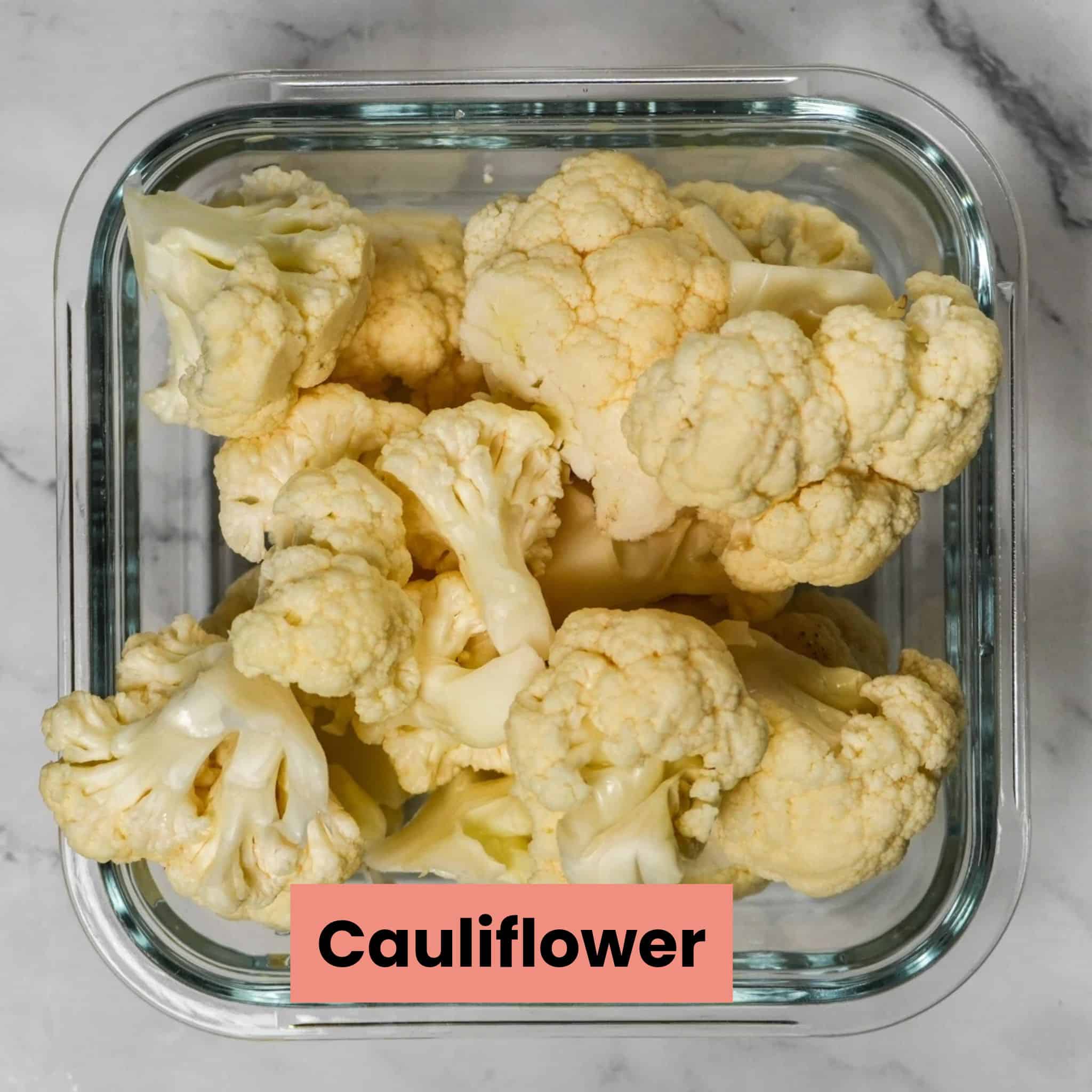
Peel and dice the yellow potatoes, then cook them with the cauliflower florets in water seasoned with kosher salt until both are fork-tender. Drain well. In the same saucepan, gently sauté the garlic paste in ghee, unsalted butter, or refined avocado oil. Take the pan off the heat, return the vegetables, and mash with unsweetened coconut milk, ground turmeric, garam masala, and ground cumin, if using. Taste and adjust with kosher salt and ground black pepper.
Culinary Glossary
This section provides concise definitions of key ingredients and techniques to help you understand and improve cooking skills related to this post. Find More Terms: Culinary Glossary.
Ingredients
- Yellow potatoes: naturally creamy when mashed. Yukon Gold is one variety you can use here.
- Cauliflower florets: the small branches you cut from the head of cauliflower. Similar-sized pieces cook more evenly.
- Garlic paste: garlic crushed or ground until smooth. It disperses easily through the cooked vegetables.
- Unsweetened coconut milk: adds moisture and richness. Stir it before measuring if the thicker cream has separated.
- Turmeric: an earthy spice that gives the mash its golden color.
- Garam masala: an aromatic spice blend. The spices in it vary by blend, so the finished mash may smell a little different from one brand to another.
- Ground cumin: brings a warm, earthy flavor. It's optional in this recipe.
- Ghee: is a clarified butter with a rich, often nutty flavor.
Techniques
- Fork-tender: means a fork slides into the center of the vegetable easily. Check both a potato piece and a cauliflower floret before draining.
- Sauté: means to cook briefly in a little fat. Here, the garlic paste only needs enough time over low heat to smell fragrant.
Instructions with Pictures
Follow the instructions and cooking tips below using the step-by-step picture guide.
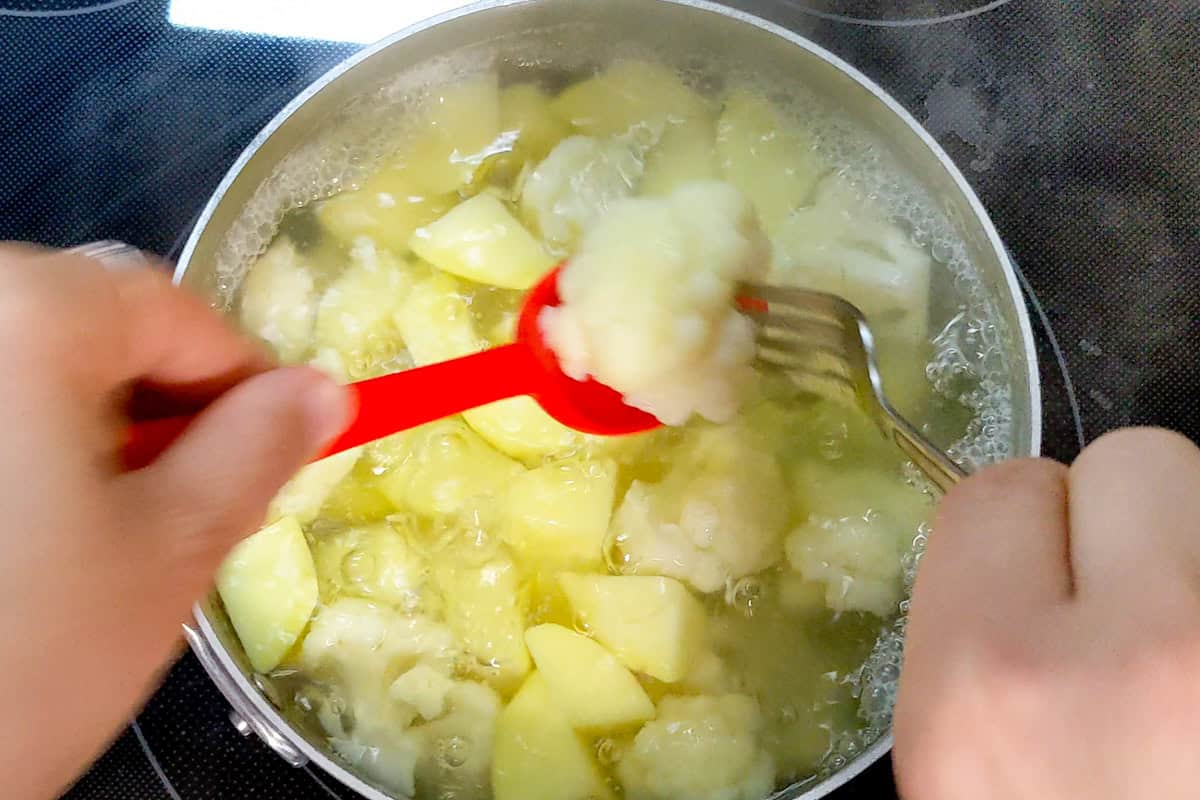
Boil the potatoes and cauliflower: Bring the salted water to a boil and cook until a fork pierces both vegetables easily. Test a larger piece before draining.
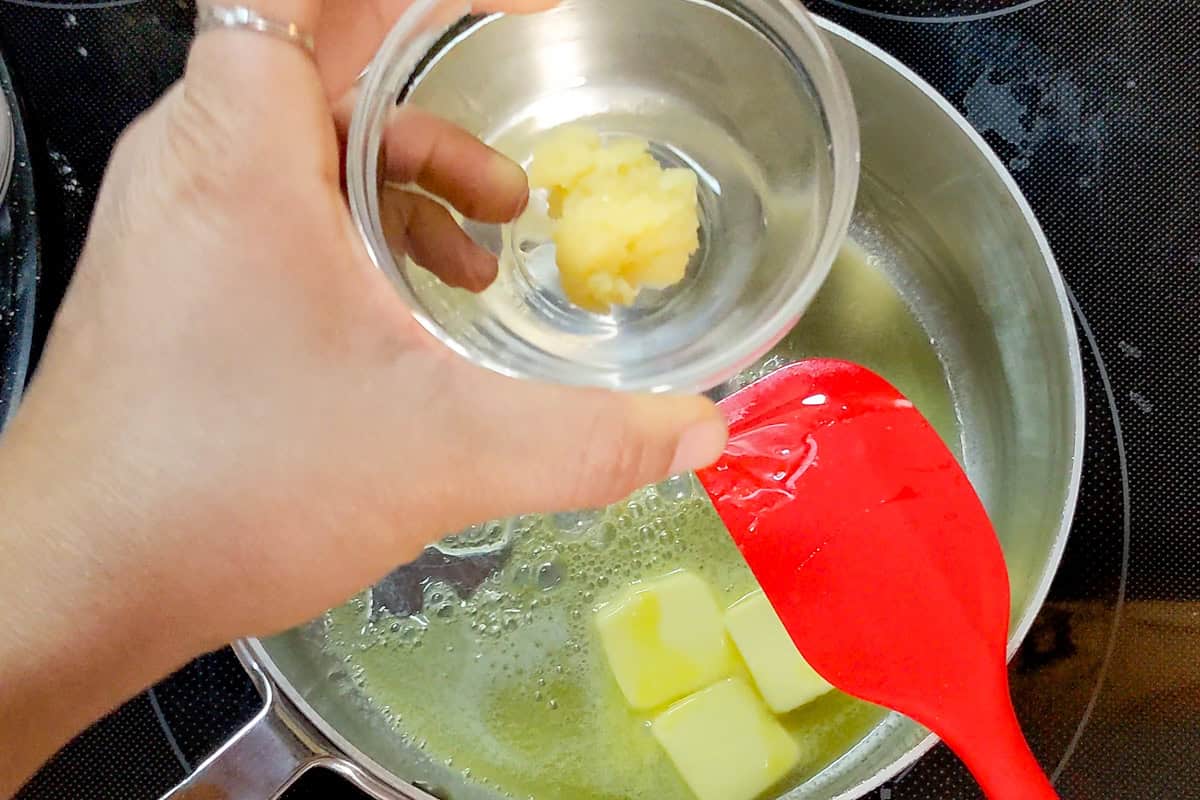
Drain and sauté the garlic: Let the vegetables drain while you warm your chosen fat in the saucepan over low heat. Stir in the garlic paste and remove the pan from the heat once it smells fragrant.
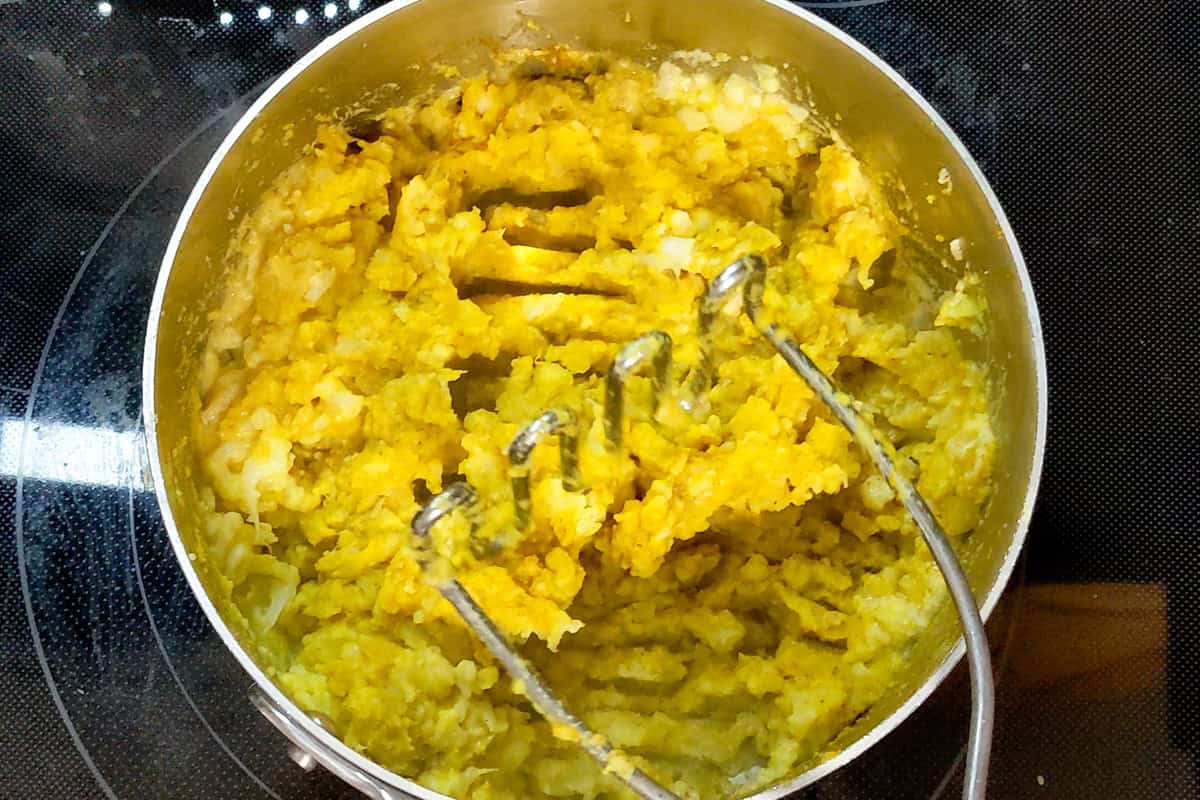
Add the coconut milk and mash: Return the vegetables to the pan, add the coconut milk and spices, and mash with a potato masher until you reach your preferred texture. Scrape along the edges to bring any unmashed pieces into the center.
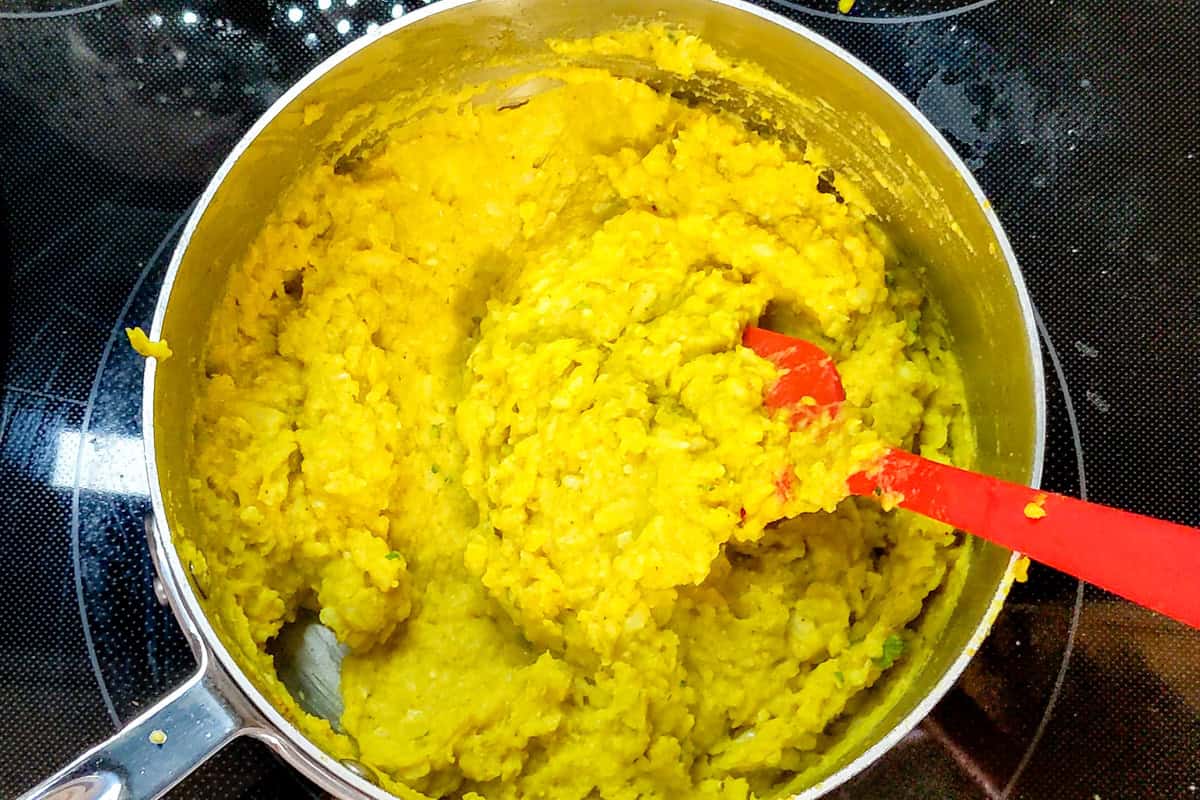
Taste and serve: Once the spices are evenly mixed, taste the mash and finish with kosher salt and black pepper. Spoon it into a serving bowl while warm.
Equipment You'll Need (With Alternatives)
Here's what you'll need to be efficient, plus easy swaps if you don't have everything on hand.
- Chef's knife and cutting board: Dice the potatoes and cut the cauliflower into florets (use a sturdy utility knife for smaller pieces).
- Vegetable peeler: Peel the potatoes before dicing (use a small paring knife).
- Large saucepan: Boil the vegetables, sauté the garlic, and mash everything in the same pan (use a small Dutch oven).
- Colander: Drain the cooked potatoes and cauliflower (lift the vegetables out with a slotted spoon and pour off the water).
- Potato masher: Break up the vegetables while they're warm (use a sturdy fork and work in batches).
- Measuring cups and spoons: Measure the florets, coconut milk, and seasonings.
Kitchen Tools I Use and Recommend
These are some of the kitchen tools I personally use that make cooking faster and easier. If you're building your kitchen setup or upgrading your tools, these are great places to start. More Kitchen Must-Haves - Find other tools I use here.
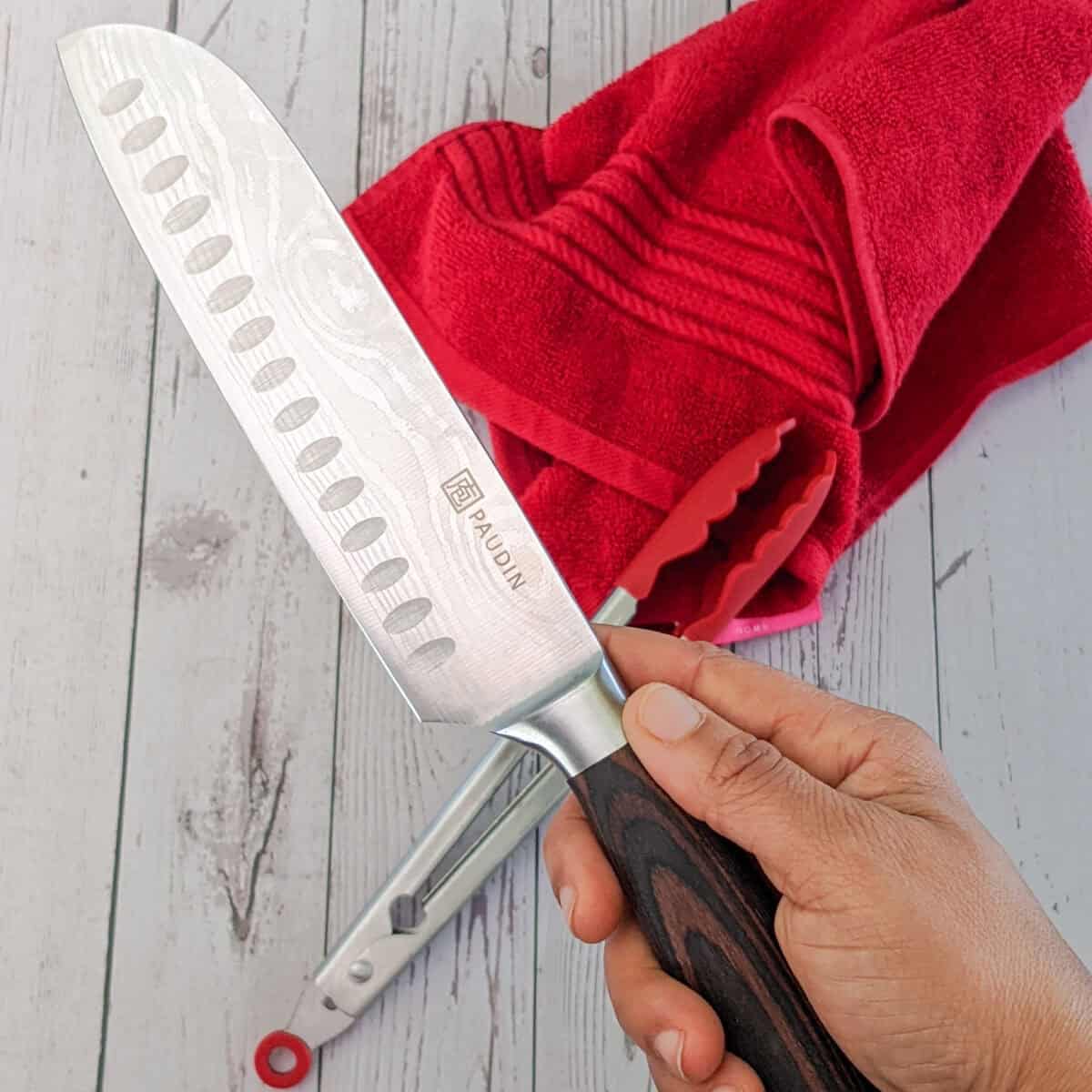
My Review: This knife is well-made. Super solid and multi-functional. It is made with high-carbon steel, so it will not rust. The grooves make slicing meat, like fish, easier. It doesn’t stick to the knife. The handle has an excellent grip and isn't heavy. For background, a Santoku is a versatile Japanese kitchen knife with a straight edge and "sheepsfoot" blade, designed for precise slicing, dicing, and chopping. Its name means "three virtues," referring to its ability to handle meat, fish, and vegetables efficiently, making it a staple in both professional and home kitchens.
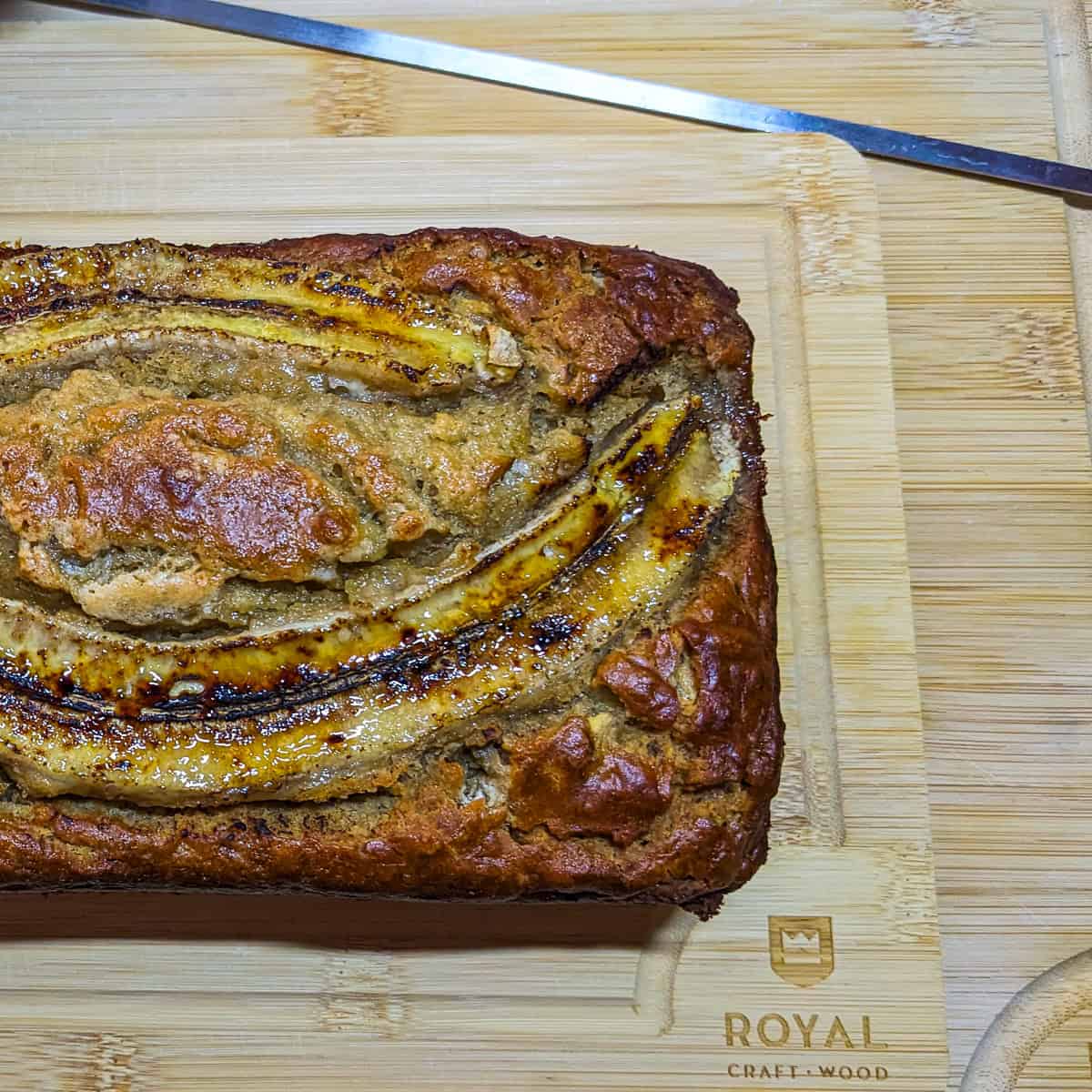
My Review: I love that this bamboo cutting board set came in so many convenient sizes; it makes it easy to grab exactly what I need, whether I’m chopping herbs or breaking down meat. The bright tones of the wood really stood out to me; they look beautiful on camera and bring a nice pop of warmth to my kitchen. It’s especially come in handy during meal prep or when someone else is helping me; everyone gets their own board! I also appreciate how lightweight yet sturdy they are, making them easy to move around while still holding up to serious chopping. Definitely a great gift for yourself or anyone who loves to cook or entertain. P.S. My hubby accidentally placed it in the dishwasher. And guess what? It didn't warp. A+!
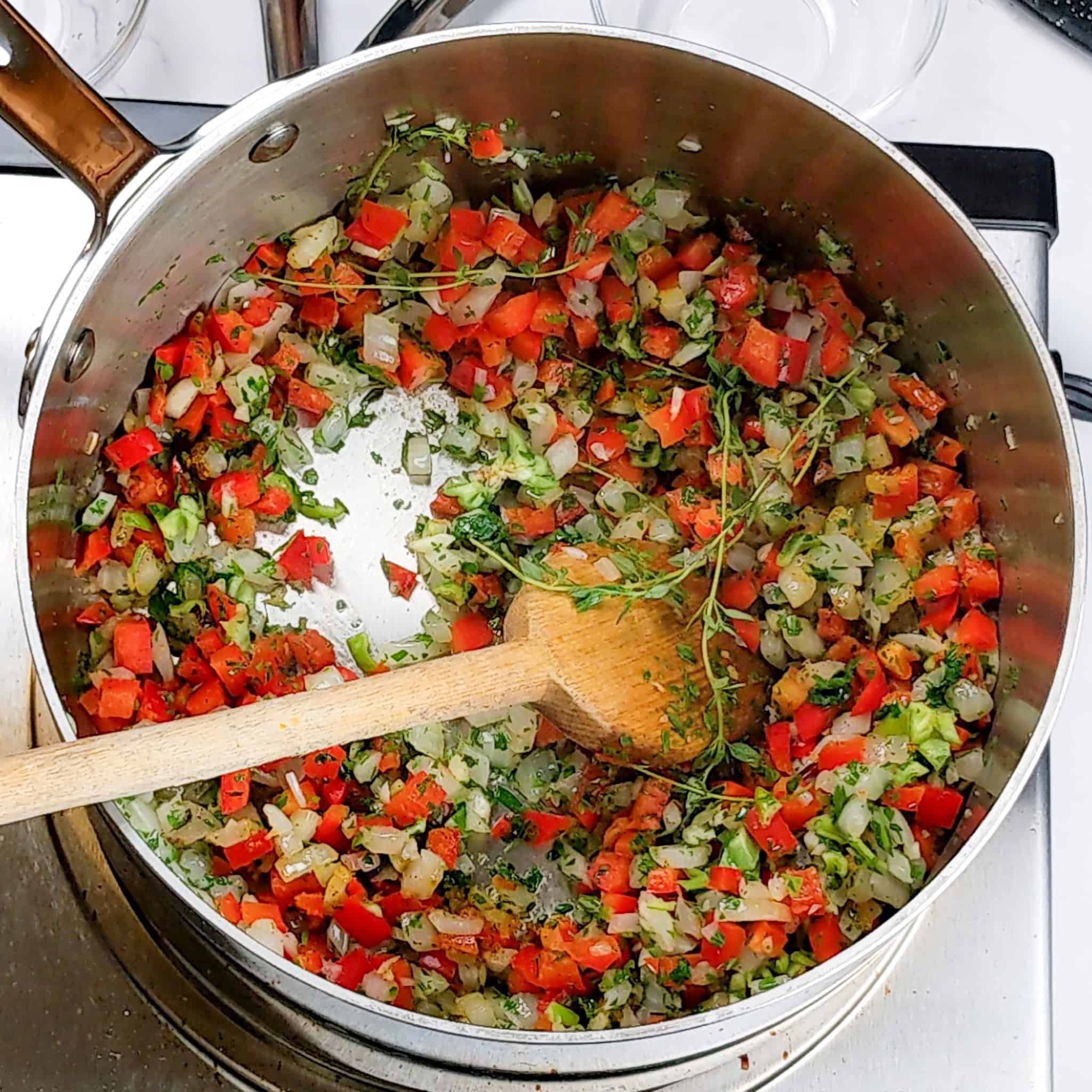
My Review: As a chef with over two decades of experience using All-Clad, I consider their D5 Stainless 3-quart saucepan a kitchen workhorse. The sturdy 3-ply construction ensures even heat distribution for perfect simmering, searing, and everything in between. It's a breeze to clean, goes effortlessly from stovetop to oven, and consistently delivers exceptional results for rice, soups, sauces, and more. This saucepan is a worthy investment if you're looking for durable, versatile, and American-made cookware. *All-Clad is a Home & Cook Groupe SEB Brand.
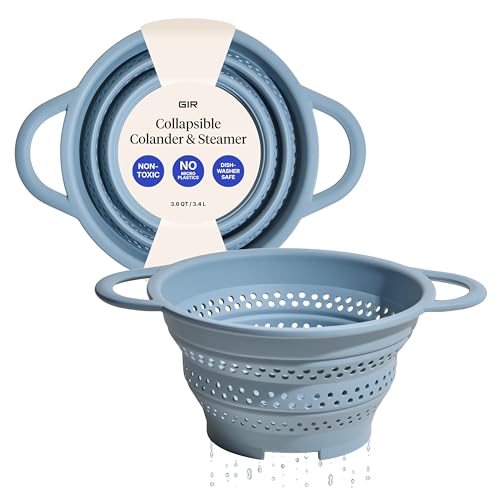
The GIR Collapsible Colander is a versatile, space-saving tool that makes rinsing and draining produce quick and easy, then collapses down for convenient storage and dishwasher cleanup. Its heat-resistant silicone also allows it to double as a steamer, and I find multifunctional kitchen tools like this are often the best ones to invest in because they save time, space, and the need for extra equipment.
A good potato masher is a kitchen must-have, especially if you love creamy, fluffy mashed potatoes! I've been using an old wavy-style potato masher from a brand I can't even remember because I've had it for so long. Unfortunately, I haven't been happy with the results. After checking America's Test Kitchen (ATK) recommendations, I decided to order the Zyliss Stainless Steel Potato Masher, and I'm excited to test it! What caught my attention was its perforated mashing plate, rather than the traditional wavy-wire design. The holes help break potatoes into smaller, more uniform pieces as you press down, making it easier to achieve a smoother consistency with fewer large lumps. I also love the look of its comfortable, non-slip handle. A secure grip is especially important when you're pressing down repeatedly on a pot full of potatoes!
My Tip: For fluffy mashed potatoes, mash while they're still hot and avoid overworking them. Too much mixing can release excess starch and create a gummy texture.
My Review Is Coming Soon! I've just ordered my Zyliss masher and will update this recommendation after testing it in my kitchen. For now, I'm looking forward to seeing whether its perforated design delivers the improvement I've been searching for.

The Kuhn Rikon Original Swiss Peeler is a lightweight, ultra-sharp kitchen tool designed for effortless peeling of fruits and vegetables. Known for its ergonomic handle and precision blade, this peeler makes prep work quick and efficient, perfect for peeling potatoes, carrots, and even delicate produce like tomatoes and peaches.

Storage and Reheating
Learn how to properly store leftovers and reheat them to keep them fresh and flavorful. Learn more about Understanding Food Temperature Safety Zones: Cook, Store & Serve Safely.
- Refrigerate. Transfer the mash to a shallow, airtight container and refrigerate within two hours. Use within three to four days. If the mash is above 90°F, refrigerate it within one hour.
- Freeze. Portion the mash into freezer-safe containers so you can thaw what you need. Thaw in the refrigerator. If the mash separates slightly, stir it as it reheats.
- Reheat. Warm it in a saucepan over low heat or microwave it in a covered, microwave-safe dish. Stir occasionally and heat to 165°F. If it thickens in the fridge, stir in a splash of unsweetened coconut milk to loosen it.
Substitutions
Find easy ingredient swaps to fit dietary needs or what you already have in your pantry.
Dairy-Free
Unsalted butter and ghee: Both are dairy products. Use refined avocado oil for all of the fat, including when sautéing the garlic.
Gluten-Free
The recipe is gluten-free as written.
Vegetarian
The recipe is vegetarian as written.
Convenience
- Yellow potatoes: Use peeled russet potatoes if that's what you have. They mash up fluffier, so add the coconut milk gradually to reach your preferred texture.
- Fresh cauliflower florets: Frozen florets work here too. Let the potatoes get a head start, then add the frozen florets and cook until both are fork-tender. Drain well.
- Garlic paste: Grate a fresh garlic clove into a paste, or use finely minced garlic and stir it frequently as it cooks.
- Refined avocado oil: Use light olive oil for another mild-tasting option.
Change Heat Level - Modify the recipe's heat level to your liking and learn more about the Scoville Scale and Chili Pairings.
Variations
Explore fun twists and creative ways to make this recipe your own. Explore. Experiment. Taste.
- Garlic and fresh herbs: Fold in finely chopped fresh chives or parsley for a fresh finish.
- Roasted garlic: Mash in soft roasted garlic for a mellow, sweeter garlic flavor.
- Shepherd's pie topping: Spread the mash over a lentil and vegetable filling and draw a few ridges with a fork so the top has edges that can brown in the oven.
5 Quick Cooking Tips
Cook's Notebook is your Cooking Tips Resource Guide. Become a better home cook with tips to help you cook more efficiently.
- Cut the vegetables evenly. Aim for similar-sized pieces within each vegetable so you can judge doneness without fishing around for a soft one.
- Check both vegetables. A tender floret is only half the story. Test a larger potato piece before draining.
- Give the cauliflower time to drain. Water clings between the florets, so gently shake the colander and let it drip.
- Keep the garlic over low heat. Garlic paste cooks quickly. Once it smells fragrant, move on to the mash.
- Mash by hand. A food processor can make cooked potatoes gummy. Press briefly, and stop when you like the texture.
Frequently Asked Questions
Here is a list of common questions I have answered. If you have any questions, please write them in the comments below.
I couldn't pick out the coconut in my batch. The coconut milk made it creamy, and the garlic, turmeric, and garam masala gave it the flavor of lightly curried mashed potatoes.
Use unsweetened coconut milk. Canned coconut milk works well for a creamy texture. If the cream has risen to the top, stir it back in before measuring.
Yes. Cook and mash the vegetables, then refrigerate the finished side dish. When reheating, add a little coconut milk if the mash needs loosening and stir until the texture is even.
Yes. A sturdy fork works if the vegetables are fork-tender. Press small batches against the side of the warm saucepan, then stir everything together.
If the mash has excess moisture, return the saucepan to low heat and stir gently to let some of it evaporate. Next time, drain the vegetables well and add the coconut milk gradually if you prefer a firmer mash.
More Vegetable Side Dishes
Find another vegetable side to round out dinner, from a simple roasted vegetable to a dish you can serve at a holiday meal.
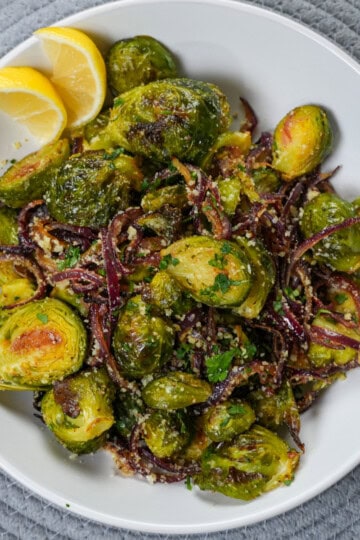
- Lemon Pepper Roasted Brussels Sprouts with Red Onion and Parmesan
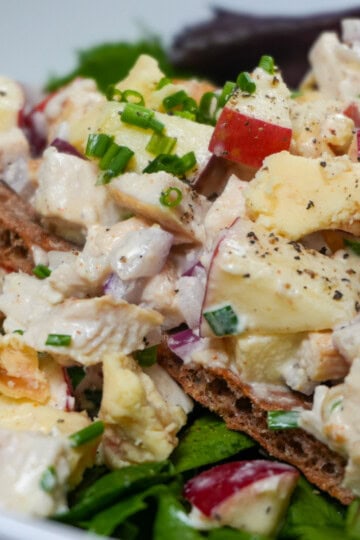
- Air Fryer Apple Stilton Chicken Salad on Wasa Crispbread
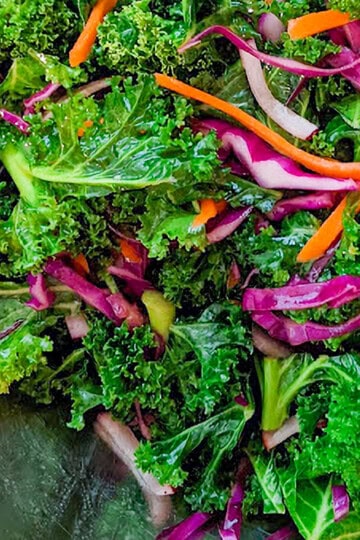
- Massaged Kale Salad with Cabbage, Carrots, and Radishes
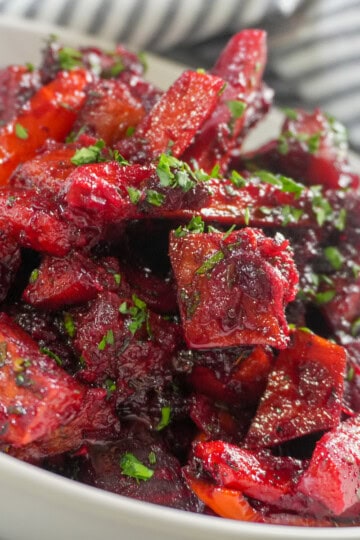
- Ras El Hanout Roasted Vegetables with Red Beet Hot Honey Glaze
Cooking Tips and Tutorials
If you found this tutorial helpful, you'll love my Cook's Notebook collection. From knife skills and flavor bases to time-saving tricks and essential equipment guides, this section is packed with chef-tested lessons to help you cook with confidence.
- Why You Should Let Meat Rest After Cooking
- Seasonal Produce Guide: What Fruits and Vegetables Are in Season?
- How to Roast Food: The Fundamental Principles of Roasting
- 2026 Fall Seasonal Produce Guide: Fruits and Vegetables to Enjoy This Season
📖 Recipe
Cauliflower-Potato Mash with Coconut Milk
Ingredients
- 1½ tablespoons ghee unsalted butter, or refined avocado oil
- 1 teaspoon garlic paste
- 2¼ cups cauliflower florets
- 3 medium yellow potatoes peeled and diced
- 4½ tablespoons unsweetened coconut milk
- 1½ teaspoons ground cumin optional
- ¾ teaspoon ground turmeric
- ¾ teaspoon garam masala
- Kosher salt and ground black pepper to taste
Equipment
- Large Saucepan or small Dutch oven
- Potato Masher or sturdy fork
Instructions
- Cook the potatoes and cauliflower: Bring the potatoes and cauliflower to a boil in a large saucepan of salted water. Cook until a fork slides easily into both, about 12 to 15 minutes. Drain well and set aside.
- Sauté the garlic: In the same saucepan, warm the ghee, butter, or oil over low heat. Stir in the garlic paste and cook just until fragrant, about 30 seconds.
- Mash and season: Remove the saucepan from the heat and return the potatoes and cauliflower to the pan. Add the coconut milk, turmeric, garam masala, and cumin (if using). Mash to your preferred texture. Taste and season with kosher salt and black pepper.
Notes
- Optional butter and oil blend. I made this batch with equal parts unsalted butter and refined avocado oil. Use the two together to make up the total fat listed. Keep the heat low while sautéing the garlic paste so the butter and garlic don't burn.
- Dairy-free option. Use refined avocado oil for all of the fat.
Nutrition

Subscribe to my YouTube Channel
SUBSCRIBE↗: 👈To my YouTube Channel to Get Notifications of New Videos.


Chef Maika Frederic-Liebman
Chef and Educator
Professionally trained Haitian-American chef Maika Frederic created Just Maika Cooking, where she shares globally inspired recipes, cooking techniques, ingredient guides, and food safety tips to help home cooks become more creative and confident in the kitchen. Combining years of professional culinary experience with a passion for teaching, she makes global flavors approachable through practical, accessible instruction for cooks of every skill level.
Have a Comment or Question?
If you have a question or comment about this post, please post it below. You will receive a prompt response. It also helps our other readers to stay informed. Thanks!