

Uncover the best spring seasonal produce, including seasonal fruits and seasonal vegetables at their peak flavor. This seasonal food guide helps you cook with fresh produce, shop smarter, and enjoy the true taste of spring produce.
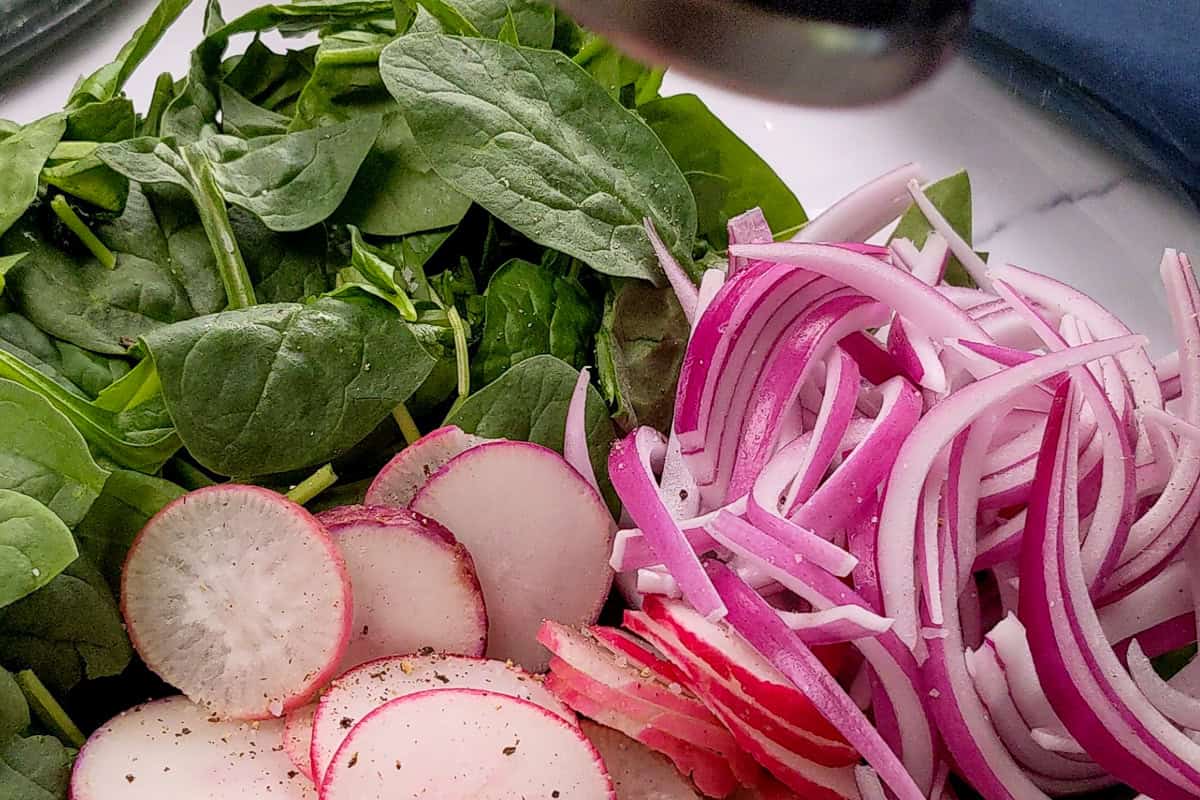
Table of Contents
Jump to:
- What Produce is in Season in Spring?
- What Counts as Spring Seasonal Produce?
- Spring Seasonal Produce List
- Why Cooking with Spring Produce Matters
- Note from Chef Maika
- Monthly Breakdown Chart
- How to Cook with Spring Produce
- Easy Spring Meal Ideas
- How to Store Spring Produce Properly
- Spring Recipes
- Kitchen Tools That Make Spring Cooking Easier
- Kitchen Must-Haves Reviews
- Frequently Asked Questions
- Cooking Tips and Tutorials
- Have a Comment or Question?
What Produce is in Season in Spring?
Spring is a great time for a kitchen reset. After heavier winter meals, this time of year brings lighter dishes, vibrant colors, and a wide variety of fruits and vegetables that truly shine in their peak season.
From fresh strawberries during strawberry season to tender green asparagus and young arugula, spring produce delivers unmatched flavor and texture. Cooking with in-season fruits and vegetables allows you to experience ingredients at their peak flavor while making the most of what local farms and your local farmers' market have to offer.

Add Arugula!! Arugula is a peppery green that's great for salads and pairs well with citrusy lemons. But you can also add them to hot dishes, such as soups. Learn more with my "Add Arugula" video.
What Counts as Spring Seasonal Produce?
Spring seasonal produce includes fruits and vegetables harvested from early spring through late May. These ingredients thrive in mild weather and are known for their tender texture, bright flavors, and high nutritional value, according to the USDA and SNAP-Ed seasonal produce guides.
While many items are available year-round at your local grocery store, they may not have the same quality as produce harvested at its natural peak season, based on USDA seasonal availability data (PDF). The best time to enjoy these ingredients is when they are grown locally and harvested fresh from a farm stand or local farms, as referenced in SNAP-Ed's seasonal food guide.
Spring produce often includes fresh greens, salad greens, cruciferous vegetables, and early root vegetables like new potatoes, using guidance from the USDA on seasonal produce and based on SNAP-Ed seasonal charts.
Spring Seasonal Produce List
Explore a thoughtfully grouped list of spring seasonal produce, organized by how ingredients grow and when they reach peak season. This section helps you understand why these fruits, vegetables, and herbs thrive during this time of year so you can cook with better flavor and intention.
Spring Vegetables
Tender Shoots & Early Growth Vegetables
- Green asparagus
- Snap peas and snow peas
- Fava beans
These vegetables are some of the first to appear in early spring because they grow quickly in cool soil and thrive in mild temperatures. Their tender texture and slightly sweet flavor reflect their early harvest, making them perfect for quick-cooking methods like sautéing or blanching. Check out my Hot Honey Lemon Chicken Skewers with Asparagus.
Crisp Root Vegetables & Bulbs
- Radishes
- Carrots
- Leeks
- Spring onions
- New potatoes
These vegetables develop underground during the cooler months and are harvested in early to mid-spring when they are still young and tender. Their flavor is milder and slightly sweet compared to their more mature versions, which makes them ideal for roasting, light sautéing, or fresh preparations. Get into spring with these Healthy Spicy Ground Turkey Stuffed Peppers with Baby Spinach & Radish Salad.
Leafy Greens & Fresh Greens
- Young arugula
- Spinach and other fresh greens
- Collard greens
Leafy greens thrive in cooler temperatures and can bolt or become bitter as the weather gets hotter. Spring is the best time to enjoy them when they are tender, vibrant, and packed with nutrients like vitamin K. These greens are perfect for salads, quick sautés, or blending into sauces. Try the Spicy Chicken Pitas with Arugula Feta Pomegranate Salad.
Late Spring & Transition Vegetables
- Green beans
- Cruciferous vegetables like cabbage and early Brussels sprouts
These vegetables begin to appear as the season transitions from cool spring into early summer. They are more structured and slightly heartier, making them great for roasting, stir-frying, or pairing with proteins for balanced meals. For an idea, check out the Chicken Stir-Fry with Mushrooms, Peppers, and Green Beans in Hoisin Sauce recipe.
Spring Fruits
Early Spring & Lingering Winter Citrus
- Citrus fruit (late season)
- Kiwi
Citrus fruits are still available in early spring because they peak during winter and carry over into the new season. Their bright acidity and high vitamin C content help balance lighter spring dishes and add freshness to both savory and sweet recipes. How about a Frozen Watermelon Lemonade?
Peak Spring Berries
- Fresh strawberries
Strawberries are one of the most iconic spring fruits, reaching peak flavor during strawberry season. When harvested at the right time, they are naturally sweet, juicy, and perfect for both raw and lightly cooked applications. Check out the Strawberry and Banana Shortcake recipe for inspiration.
Tropical & Warm-Climate Fruits
- Pineapple
- Mango
These fruits thrive in warmer climates and are harvested during the spring in many regions. Their natural sweetness and acidity make them ideal for balancing savory dishes, especially in salsas, marinades, and fresh salads. Try the Mango Coconut Felato | Ninja Creami Gelato-Style Treat.
Late Spring Stone Fruits
- Apricots
- Cherries
Stone fruits begin to appear toward the end of spring as temperatures rise. They signal the transition into summer and are known for their juicy texture and concentrated sweetness, making them great for desserts, sauces, or fresh snacking.
Fresh Herbs at Their Peak in Spring
- Basil
- Mint
- Cilantro
- Parsley
- Dill
Fresh herbs thrive in spring thanks to a balanced combination of sunlight and moderate temperatures. This allows them to grow quickly without becoming bitter or overly woody. During this time of year, herbs are especially aromatic and flavorful, making them perfect for brightening dishes, creating sauces, and enhancing the natural taste of seasonal produce.

That's It?! No, scroll down to find the detailed list and a printable monthly breakdown chart!
Why Cooking with Spring Produce Matters
- Peak Flavor - Ingredients harvested in their peak season offer the best taste and texture.
- Better Nutrition - Many spring vegetables are rich in vitamin C and vitamin K.
- Cost Savings - In-season produce is often more affordable at your local store or farmer's market.
- Supports Local Farms - Buying seasonal produce supports local farms and reduces transportation time.
- Encourages Seasonal Cooking - Helps you cook with intention and adapt to new seasons.
Looking for a farmer's market near you? Then check out Local Harvest and/or National Farmers Market Directory.
Note from Chef Maika
Spring is one of the best times to reconnect with ingredients in their simplest form. When produce is fresh and in season, you do not need to overcomplicate your cooking.
Remember that whether you are shopping at a local farmers market, a farm stand, or your local grocery store, focus on freshness, color, and texture. That is how you capture the true taste of in-season produce and bring your meals to life.
Dig deeper into learning about nutrition by visiting The Nutrition Source by the Harvard T.H. Chan School of Public Health.
Recommended Reads
- Winter Seasonal Produce Guide: What's In Season
- Lemongrass Marinated Grilled Chicken Spring Rolls
- Shrimp and Pork Belly Pad Thai - Spring Roll Style
- Best of Fall Recipes | Cozy Soups, Stews & Comfort Food for Autumn
- Mango Cookies and Cream No‑Churn Ice Cream | Easy Homemade Recipe
Monthly Breakdown Chart
Use this monthly breakdown chart as a quick reference to identify what produce is in peak season while you shop. You can print it out or take a screenshot on your phone to make grocery shopping easier and more intentional.
| Month | What’s in Season |
|---|---|
| March (Early Spring) | Green asparagus begins. Spinach and salad greens Radishes Leeks Citrus fruit (still available) |
| April | Snap peas and green beans Carrots and new potatoes Fava beans Fresh herbs increase Mango and pineapple |
| May (Full Swing) | Fresh strawberries at peak flavor Cherries begin Apricots Swiss chard Spring onions Sweet corn begins in warmer regions |
Printable Version: Monthly Breakdown Chart
How to Cook with Spring Produce
Spring cooking is all about letting fresh spring vegetables shine without overpowering them. Don't forget to check out Cook's Notebook, it's your Cooking Tips Resource Guide. Become a better home cook with tips to help you cook more efficiently.
- Quick Sautéing with Olive Oil - Perfect for green asparagus, green beans, and fava beans. Learn more about Heart Healthy, High Smoke Point Oils for Cooking.
- Light Roasting - Enhances natural sweetness without losing freshness.
- Raw Preparations - Ideal for salad greens, young arugula, and radishes.
- Blanching - Keeps vegetables bright and tender-crisp.
- Herb-Forward Sauces - Use fresh herbs to create light sauces and dressings, like my Spicy Jalapeño Chimichurri Sauce Recipe.
Easy Spring Meal Ideas
- Lemon and olive oil sautéed green asparagus with grilled chicken.
- Fresh strawberry and spinach salad with citrus vinaigrette.
- Spring vegetable pasta with peas, green beans, and herbs.
- Mango salsa served with grilled fish.
- Breakfast biscuits with spring vegetables, sausage gravy, and fresh greens.
How to Store Spring Produce Properly
Keep your spring produce fresh longer with these 5 quick storage tips that help preserve peak flavor, maintain nutrients, and reduce waste.
- Leafy greens and salad greens - Store in an airtight container with paper towels to control moisture.
- Fresh strawberries - Keep dry and unwashed until ready to use.
- Asparagus - Stand upright in water to keep it fresher longer.
- Herbs - Store like a bouquet or wrap in damp paper towels.
- Root vegetables like new potatoes - Store in a cool, dry place.
These storage techniques work because they help control two key factors that affect the quality of fresh produce: moisture and airflow. Delicate spring ingredients like leafy greens and herbs need a slightly humid environment to prevent wilting, which is why damp paper towels help maintain hydration without soaking them.
At the same time, using airtight or partially sealed containers slows moisture loss and limits exposure to air, reducing spoilage and preserving texture. Once you understand this balance, you can apply the same approach to other produce by adjusting how much moisture and airflow each ingredient needs to stay fresh longer.
Airtight Food Containers: I interchange glass food storage containers with plastic clip-on lids. I always suggest glass storage containers because they can be microwaved, hold food without staining, and keep food at a more stable temperature, keeping it fresher and longer. I recommend checking out these airtight food containers on Amazon.
Spring Recipes
Looking for spring recipe ideas? Try these:
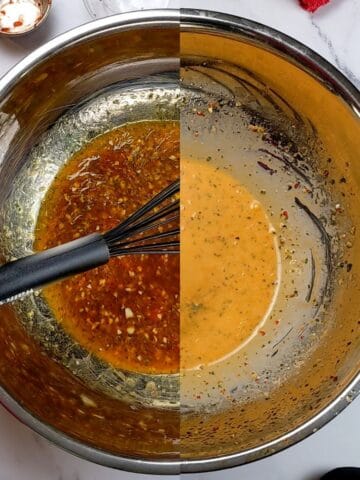
- Citrus Chili Sheet Pan Meal Sauce for Roasted Vegetables and Protein
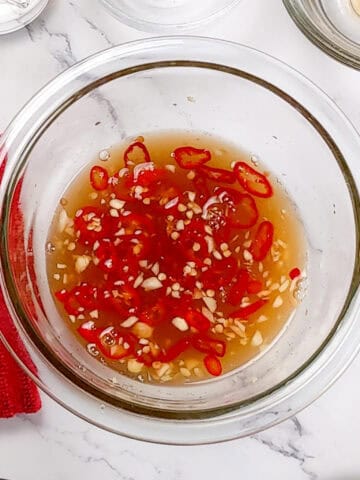
- Spicy Nuoc Cham Sauce (Vietnamese Fish Dipping Sauce)
- Banana Berry Corn Muffins with Greek Yogurt
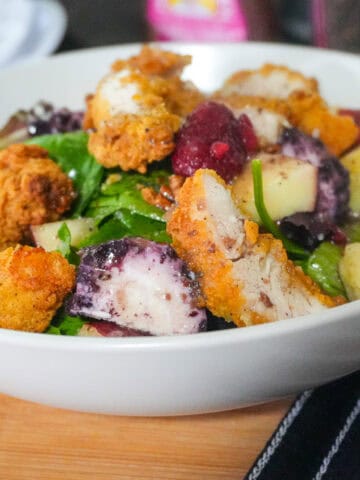
- Fresh Berry Apple Pecan Chicken Salad with Goat Cheese

Kitchen Tools That Make Spring Cooking Easier
To handle delicate spring ingredients efficiently, focus on tools that support quick prep and clean flavors:
- Salad spinner for fresh greens
- Sharp chef's knife for clean cuts on tender vegetables
- Vegetable peeler for carrots and asparagus
- Citrus squeezer for bright spring dishes rich in vitamin C
- Sheet pans for light roasting
- Glass storage containers for keeping fresh produce organized
Kitchen Must-Haves Reviews
Find a collection of my reviews of kitchen equipment that I have purchased or recommend. Kitchen Must-Haves - Find other tools I use here.
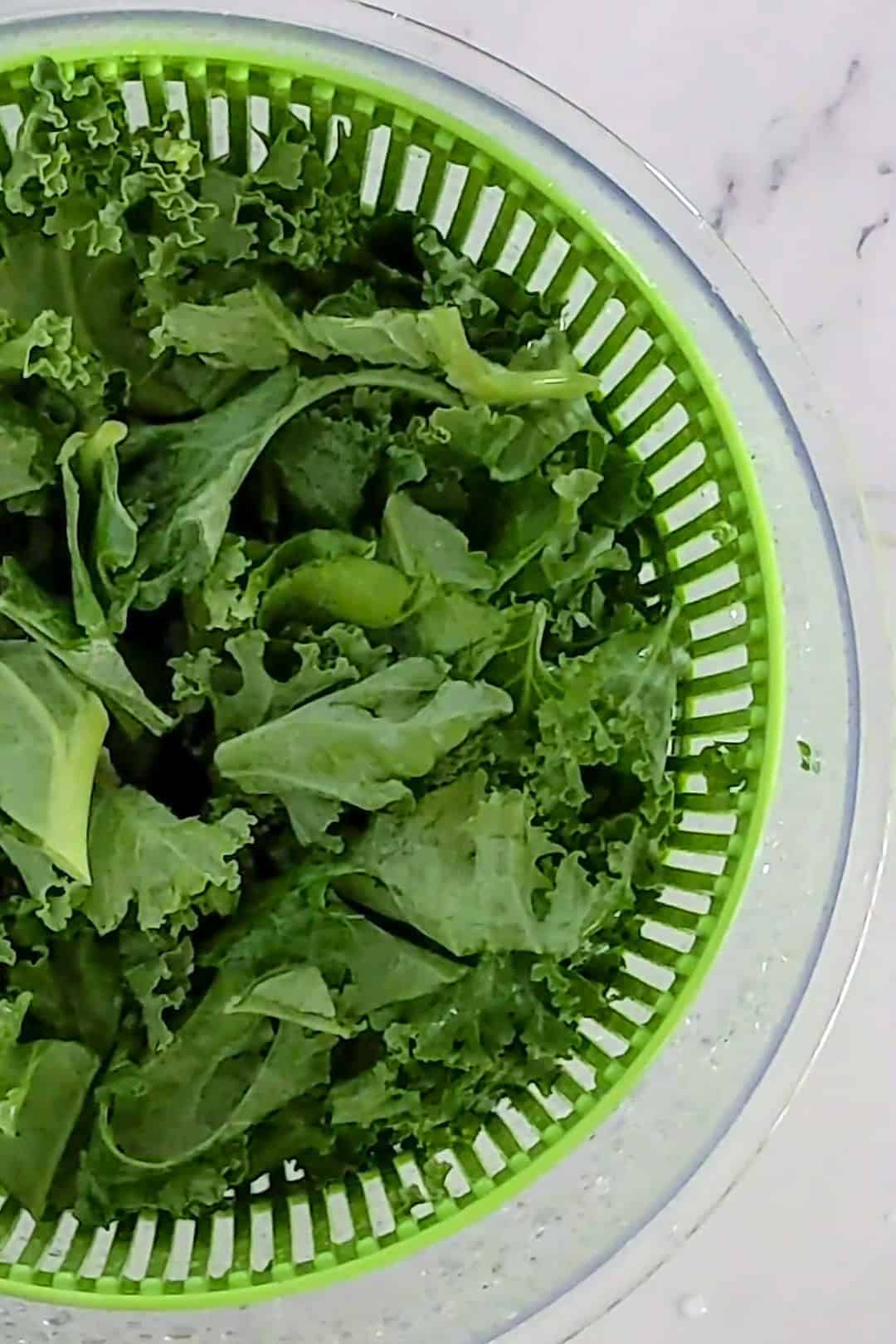
My Review: Cuisinart is a renowned brand known for its innovative, high-quality kitchen appliances and tools that make cooking and food prep effortless. Additionally, the Cuisinart Salad Spinner has been a trusty tool in my kitchen for years, and it’s proven to be so much more than just a salad spinner! Despite its compact size, it handles everything with ease, from rinsing and drying delicate herbs to cleaning mushrooms and, of course, prepping perfectly dry greens for salads. Its durable design has stood the test of time, and its efficiency has made meal prep so much quicker and easier. If you’re looking for a versatile, long-lasting kitchen tool, this little spinner is a must-have! I've made a post about it; check out my salad spinner post here.
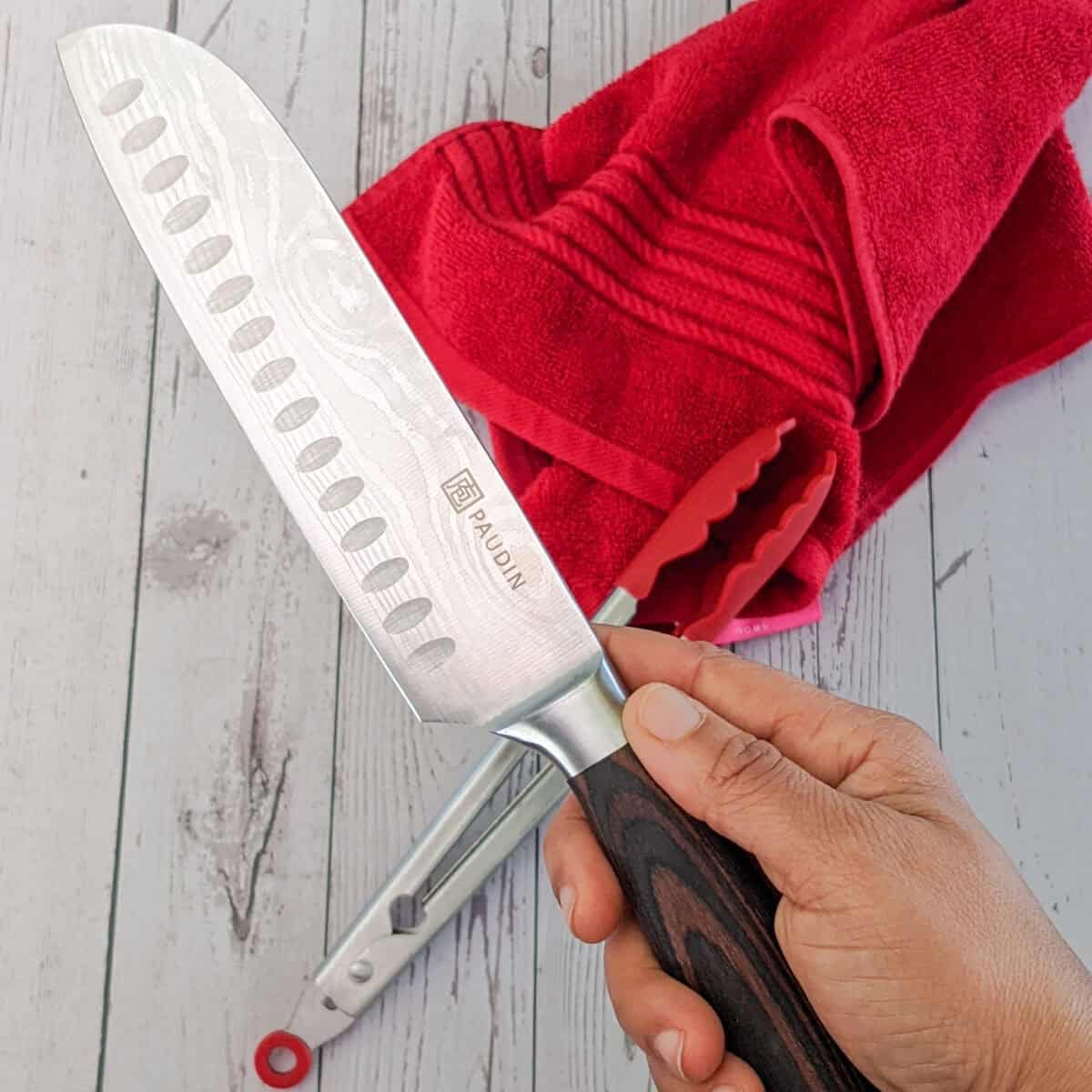
My Review: This knife is well-made. Super solid and multi-functional. It is made with high-carbon steel, so it will not rust. Slicing meat like fish is easier with the grooves. It doesn’t stick to the knife. The handle has an excellent grip, and it's not heavy. For some background, a Santoku is a versatile Japanese kitchen knife characterized by its straight edge and "sheepsfoot" blade, designed for precise slicing, dicing, and chopping. Its name means "three virtues," referring to its ability to handle meat, fish, and vegetables efficiently, making it a staple in both professional and home kitchens.
The Kuhn Rikon Original Swiss Peeler is a lightweight, ultra-sharp kitchen tool designed for effortless peeling of fruits and vegetables. Known for its ergonomic handle and precision blade, this peeler makes prep work quick and efficient, perfect for doing things like peeling potatoes, carrots, or even delicate produce like tomatoes and peaches.

The OXO Good Grips Y-Peeler is a versatile and indispensable kitchen tool designed for effortless peeling of fruits and vegetables. Its sharp, stainless steel blade glides smoothly through skins, while the ergonomic, non-slip handle provides a comfortable and secure grip, even when wet.
Benefits of a Y-Peeler:
- Efficiency: The Y-shaped design allows for a continuous peeling motion, making it faster and more efficient than traditional straight peelers.
- Versatility: Ideal for peeling a wide variety of produce, from soft fruits like tomatoes and peaches to firm vegetables like potatoes and carrots.
- Control: The sharp, swiveling blade easily follows the contours of the produce, minimizing waste and maximizing yield.
- Comfort: The cushioned, non-slip handle provides a comfortable grip, reducing hand fatigue even during extended use.
- Durability: The high-quality stainless steel blade stays sharp and resists rust, ensuring long-lasting performance.
Chef's Recommendation:
"As a chef, I've relied on Y-shaped peelers since my days in the commercial kitchen. Its unique shape and sharp blade make it incredibly efficient for peeling large quantities of produce. The comfortable grip and smooth action reduce hand strain, allowing me to work quickly and comfortably. It's a must-have tool for any serious cook." -Chef Maika

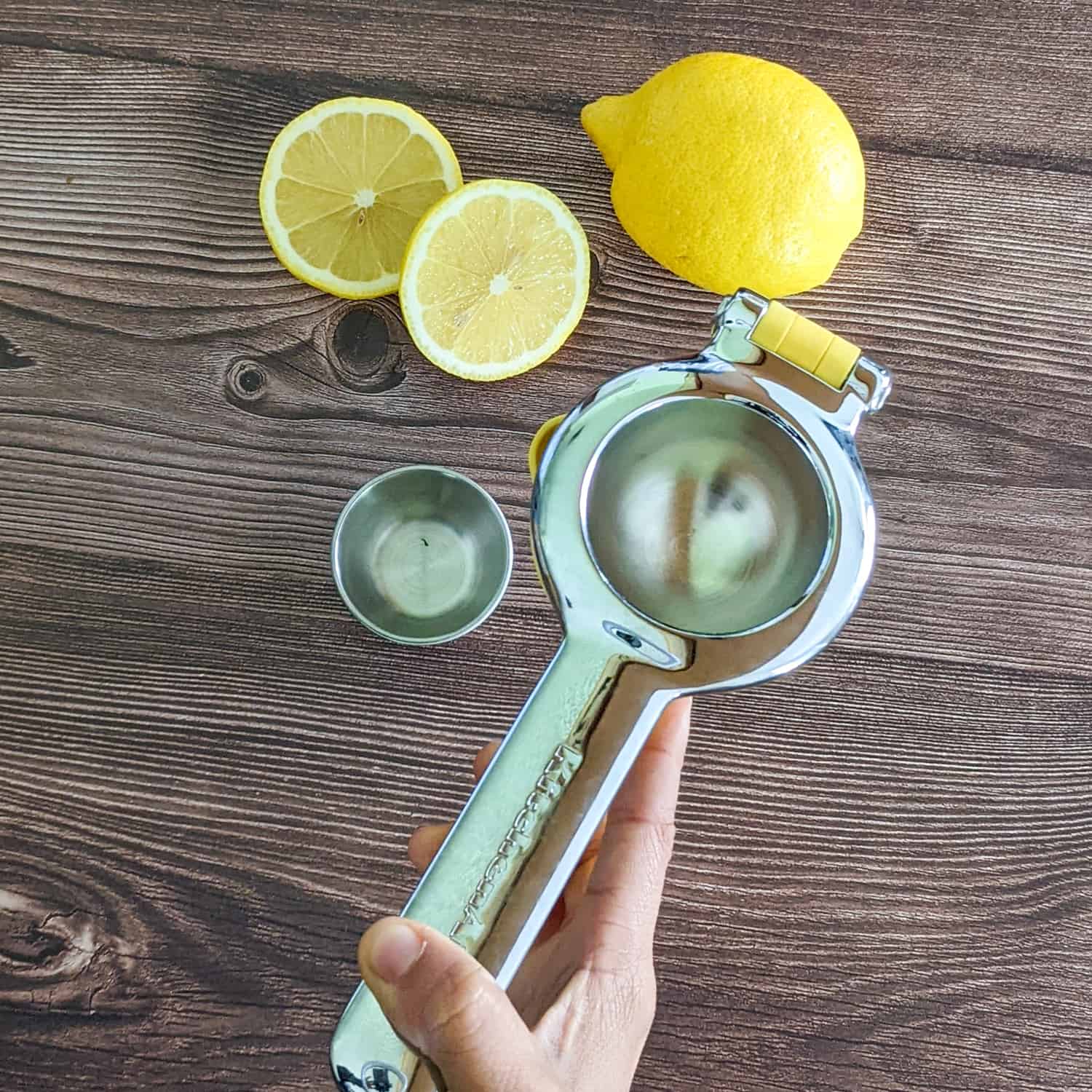
My Review: This lemon squeezer is still working great. Lemons are so big now! This larger squeezer is really helpful. When they designed this tool, they thought of everything! It's definitely a must-have. It easily fits extra-large lemons, collects the seeds, and has a strainer and spout for pouring out the juice! You can quickly squeeze multiple lemons while preserving the juice in its reservoir. Preparing for my Frozen Watermelon Lemonade recipe was a breeze. It's very convenient, and there are fewer materials to clean afterward.
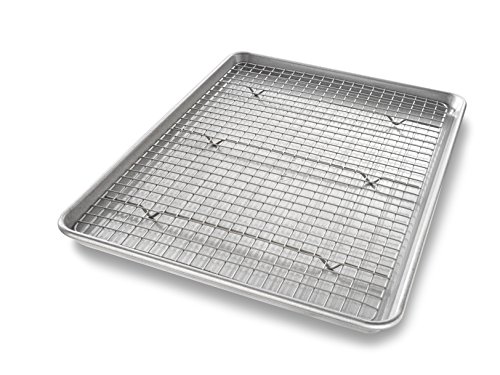
My Review: The USA Pan Bakeware Half Sheet Baking Pan and Nonstick Cooling Rack Set is such a smart buy, it’s incredibly convenient to have both the pan and rack come together as a set. You never know when you’ll need the rack for roasting, cooling, or glazing, and having it perfectly fitted to the pan saves so much time and hassle. The pan itself is super sturdy with excellent heat distribution, and the nonstick rack makes cleanup a breeze. I’ve used it for everything from baking cookies to roasting vegetables and even draining fried foods. It’s one of those kitchen upgrades that just makes life easier.
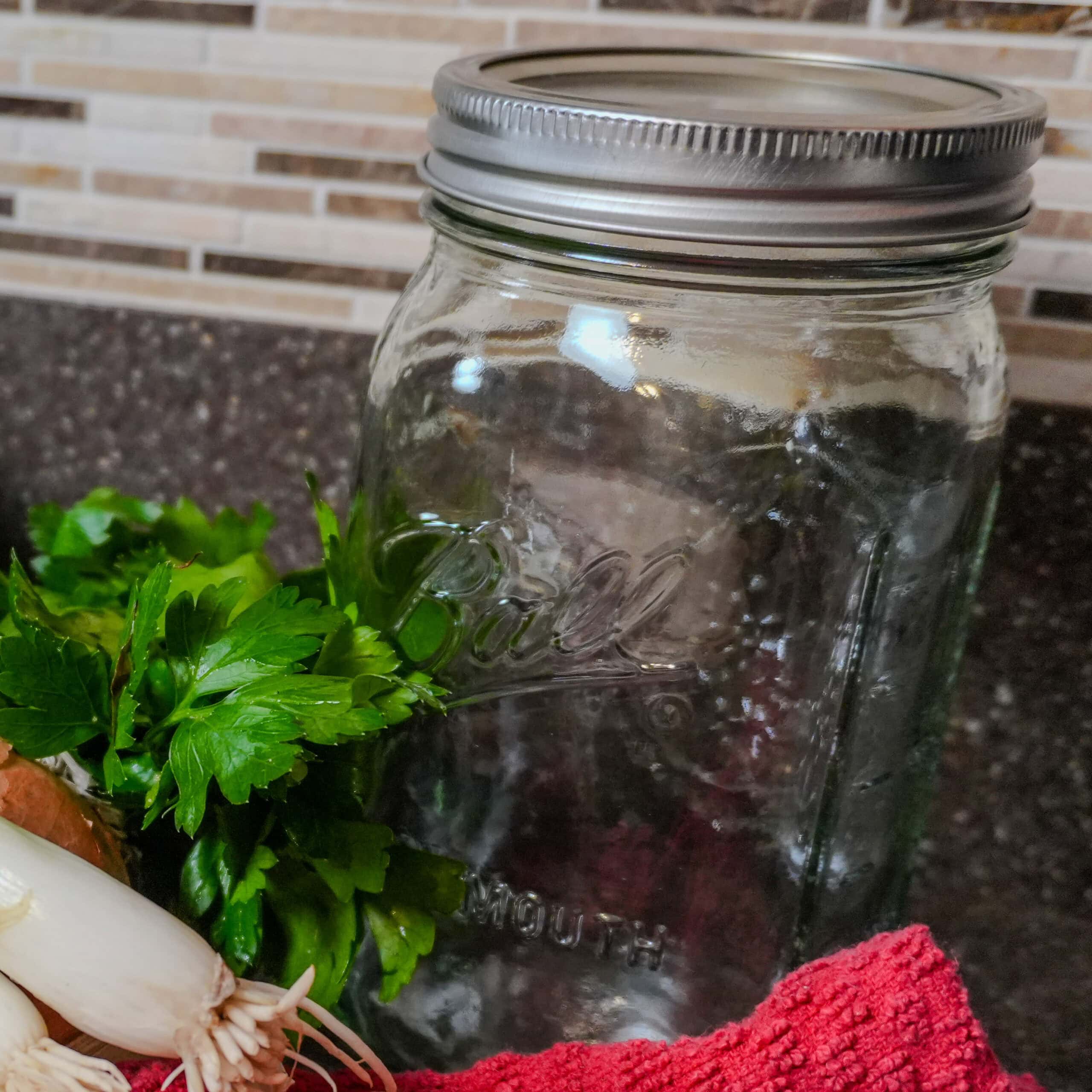
My Review: I own over 20 of these Ball Wide Mouth Glass Mason Jars because they’re just that reliable. I use them for everything from storing spices in my cabinet to keeping my wet seasoning blends fresh, organizing meal prep, and even as drinking glasses. Ball’s been around for over 130 years, so it’s easy to trust their quality and consistency. The wide mouth makes them super easy to fill and clean, and the sturdy lids and bands seal tight every time. From canning to just keeping my kitchen organized, these jars never fail me. Fun fact: during World War II, Ball shifted production to make shells and machine parts, showing just how durable their products really are!
Frequently Asked Questions
Here is a list of common questions I have answered. If you have any questions, please write them in the comments below.
Green asparagus, fava beans, green beans, and fresh greens are among the best spring vegetables for their peak flavor and versatility.
Yes, many spring fruits, like strawberries and citrus, are rich in vitamin C, while leafy greens provide vitamin K.
Many items are available year-round, but they taste best and are most affordable during their natural peak season.
Your best options are a local farmers' market, farm stand, or local store that sources from local farms.
Spring produce is lighter, more delicate, and cooks faster, making it perfect for fresh, quick meals.
Cooking Tips and Tutorials
If you found this tutorial helpful, you'll love my Cook's Notebook collection. From knife skills and flavor bases to time-saving tricks and essential equipment guides, this section is packed with chef-tested lessons to help you cook with confidence.
- Best Food Audiobooks for Chefs & Home Cooks
- Winter Seasonal Produce Guide: What's In Season
- What Is HACCP and Why Every Home Cook Should Care About It
- Holiday Kitchen Safety Tips: How to Cook, Serve, and Store

Subscribe to the YouTube Channel
SUBSCRIBE: 👈To my YouTube Channel to Get Notifications of New Videos.


Chef Maika Frederic-Liebman
Chef and Educator
Haitian-American chef and educator Maika Frederic blends bold flavors with approachable recipes. With a background in professional kitchens, classrooms, and children's therapy, she brings a thoughtful, inclusive touch to every dish as a trained chef, former teacher, and technician. Through her platform, Just Maika Cooking, she shares diverse meals and practical tips to empower home cooks of all ages and levels.
Have a Comment or Question?
If you have a question or comment about this post, please post it below. You will receive a prompt response. It also helps our other readers to stay informed. Thanks!

Leave a Reply