

Understanding how to cook with oils can completely transform your meals from achieving that perfect sear to keeping your dishes heart-healthy.
This guide breaks down the essentials of using high-smoke-point oils, why they're important for high-heat cooking, and how to choose the right oil for techniques like sautéing, roasting, baking, or air frying. Keep this as your go-to reference whenever you want to make smarter, more flavorful cooking choices.

Table of Contents
Jump to:
- What Are High Smoke Point Oils?
- Cooking with Oils for Heart Health
- Best Oils for Air Fryer Cooking
- How to Know When Your Oil Is Ready for Sautéing
- Oils You Shouldn't Cook With
- Oil Storage Tips to Keep Your Cooking Oils Fresh
- Best Cooking Oils and What to Use Them For
- Latest Recipe Ideas
- Cooking Tips and Tutorials
- Frequently Asked Questions
- Leave a Comment or Ask a Question
What Are High Smoke Point Oils?
High-smoke-point oils can withstand temperatures of 400°F or higher before breaking down and producing smoke. When oils are overheated past their smoke point, especially when reheated repeatedly, they form unstable free radicals and reactive compounds that can cause harmful health effects when consumed.
According to a 2016 study in Toxicology Reports by Perumalla Venkata and Subramanyam, free radicals formed from overheated oil can contribute to oxidative stress and inflammation in the body.

Chef Tip: For everyday high-heat cooking, avocado oil and canola oil (rapeseed oil) are excellent choices due to their high smoke points and mild flavor. Check out Wikipedia's Smoke Point Chart for a full breakdown of fats and their smoke points.
Source: Perumalla Venkata, R., & Subramanyam, R. (2016). Evaluation of the deleterious health effects of consumption of repeatedly heated vegetable oil. Toxicology reports, 3, 636-643. https://doi.org/10.1016/j.toxrep.2016.08.003
Cooking with Oils for Heart Health
Not all fats are created equal. Oils rich in monounsaturated and polyunsaturated fats can support heart health by reducing LDL cholesterol and inflammation.
Here's what to keep in mind:
- Use smaller amounts of oil, especially when sautéing, roasting, or baking.
- Avoid deep frying when possible.
- Opt for oils like olive oil, canola oil, and avocado oil for everyday cooking.
Heart Smart Choices: For more on making heart-smart choices, visit the American Heart Association.
Best Oils for Air Fryer Cooking
Air fryers require oils that can handle high, dry heat without smoking or breaking down. The top picks:
- Avocado oil (high smoke point + healthy fats)
- Canola oil (budget-friendly and neutral)
Both oils are great for air fryer recipes due to their mild taste and stability under high heat. Avocado oil tends to cost more but provides a richer nutritional profile.

Consumer Reports notes that not all oils are equal in terms of flavor, smoke point, and nutritional content. For example, avocado oil ranked high for its stability under heat and neutral taste. In contrast, extra virgin olive oil was praised for its heart health benefits in raw or low-heat applications. Oils like canola and safflower also stood out for their versatility and affordability, especially for air frying or sautéing.
Source: Consumer Reports, "How to Choose a Healthy Oil for Cooking". Summarized for educational use.
Air Fryer Recipes Using Heart-Healthy Oils
Check out these delicious air fryer recipes that pair perfectly with high-smoke-point oils like avocado or canola. These dishes are light, crispy, and easy to make just what your air fryer (and your heart) ordered!
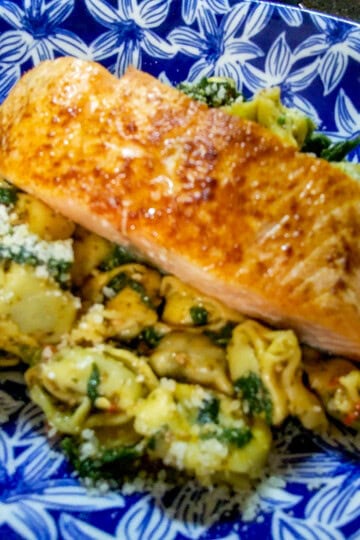
- Air Fryer Salmon with Spicy Pesto Spinach Tortellini
- Easy Air Fryer Chicken Nachos Recipe | Ready in 10 Minutes
- Protein-Packed Loaded Vegetarian Nachos Recipe
- Jerk Fajita Trio: 3 Must-Try Recipes for a Spicy Weeknight Cook-Up


How to Know When Your Oil Is Ready for Sautéing
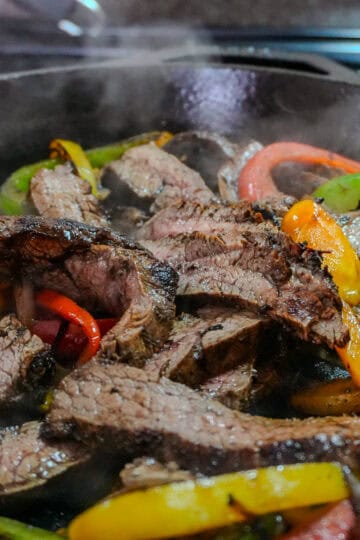
The oil should move more freely in the pan and shimmer slightly when it's hot enough. Here are two ways to test:
- Tilt test: Swirl the oil. If it glides smoothly across the surface, it's ready.
- Bread test: Drop in a small piece of bread-if it sizzles and browns in about 60 seconds, the oil is hot enough.
Chef's Tip: Heat your pan first, then add room-temperature oil. This helps create a nonstick layer and prevents your food from sticking or absorbing too much oil.
Why Not Add Cold Oil to a Cold Pan?
Starting with a cold pan and cold oil can lead to soggy, greasy food. When oil is added to a preheated pan, it forms an invisible barrier between the pan and the food, helping prevent sticking and giving you a better sear.
This is especially important when cooking delicate proteins like fish or when stir-frying. Always give both the pan and the oil time to heat before adding ingredients.
Oils You Shouldn't Cook With
Some oils are best enjoyed raw or as a finishing touch because of their low smoke points and intense flavors.
These include:
- Extra virgin olive oil: Great for dips, vinaigrettes, or drizzling on hummus.
- Toasted sesame oil: Best used as a finishing oil for Asian-inspired dishes.
- Flaxseed oil, walnut oil, and hemp oil: Ideal in salad dressings or smoothies.
Overheating Reactions: Don't worry, you won't get arrested by the oil police if you experiment, but just know the taste and nutritional value can change when overheated.
Olive Oil vs Extra Virgin Olive Oil
A good extra virgin olive oil has a stronger flavor and is great for dipping breads, topping hummus, vinaigrettes, etc. Regular olive oil has a milder flavor, making it versatile in cooking despite its low smoke point.
My Review: The Graza Extra Virgin Olive Oil Variety Pack (Sizzle & Drizzle) is a great option if you enjoy cooking with quality olive oil. I’ve used both bottles regularly, and while Sizzle is solid for everyday cooking, the Drizzle really stands out. It’s flavorful, smooth, and has a clean, fresh finish that’s perfect for finishing dishes. The squeeze bottles make it easy to control, and knowing the oil comes from single-farm olives in Spain adds to the appeal. It can feel a bit expensive, but honestly, that’s the reality that good olive oil quality is worth it. Plus, you don't always have to buy the squeeze bottles; they sell refillable cans, perfect for recycling.

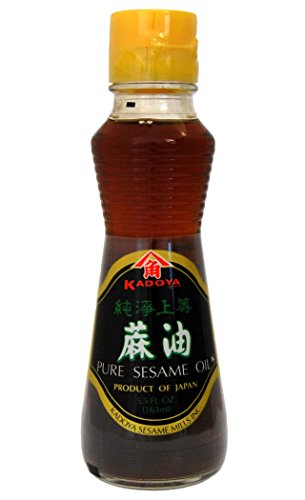
Sesame Oil vs Toasted Sesame Oil
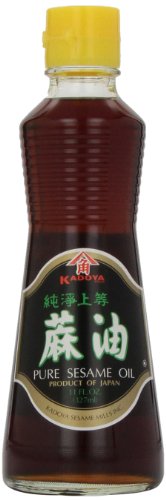
Toasted sesame oil, as its name suggests, is made from toasted sesame seeds, which gives the oil a more intense, nuttier taste. And this oil is mainly used to finish dishes, not to cook with it.
-
 4.9Buy on Amazon$32.99
We earn a commission if you make a purchase, at no additional cost to you.
10/04/2026 09:27 am GMT -
4.8Buy on Amazon
$10.95$9.01We earn a commission if you make a purchase, at no additional cost to you.
09/23/2026 11:27 pm GMT -
4.7Buy on Amazon$6.49
We earn a commission if you make a purchase, at no additional cost to you.
09/23/2026 11:28 pm GMT -
4.7Buy on Amazon$14.37
We earn a commission if you make a purchase, at no additional cost to you.
09/23/2026 11:28 pm GMT


Oil Storage Tips to Keep Your Cooking Oils Fresh
Proper oil storage is essential for flavor, nutrition, and food safety, especially if you're cooking with oils regularly. Exposure to heat, light, and air can cause oils to break down, go rancid, and lose their health benefits.
- Follow the shelf life: Most oils stay fresh for 3-6 months once opened (especially unrefined or cold-pressed oils).
- Store away from heat and light: Keep oils in a cool, dark pantry or cabinet, not next to the stove.
- Seal tightly: Always close the cap firmly to slow oxidation and prevent off smells or bitter flavors.
- Choose the right bottle: Dark glass bottles help block UV rays and preserve oil quality longer than clear plastic ones.
Chef Tip: If your oil smells "paint-like" or sour, it's gone rancid. Don't risk using it when in doubt; throw it out.
Recommended Reads
- Stovetop Garlic Confit (Easy Butter-Olive Oil Method)
- Air-Fried Turmeric Herbed Tofu
- Mouthwatering Air Fryer Lemon Pepper Pine Nuts Turkey Meatballs
- Potsticker Pinwheel
- Kimchi Fried Rice Recipe - Simple Base You Can Build On
Best Cooking Oils and What to Use Them For
Choosing the right oil can make or break your dish, not just in flavor, but in health benefits and cooking success. This guide breaks down the most common cooking oils, their best uses, smoke points, and whether they deserve a spot in your everyday kitchen routine.
Neutral High-Heat Oils for Everyday Cooking
These oils are perfect for sautéing, frying, air frying, and roasting thanks to their high smoke points and mild flavors. They work across many cuisines without overpowering your food.
Best For: Sautéing, frying, roasting, and air frying.
Smoke Point: ~520°F (refined).
Flavor: Mild, buttery, slightly grassy.
Health Benefits: High in monounsaturated fats, vitamin E, and lutein.
Everyday Use: Excellent for high-heat cooking and raw applications.
Best For: Frying, sautéing, baking, and air frying.
Smoke Point: ~400°F (refined).
Flavor: Very neutral.
Health Benefits: Low in saturated fats, high in omega-3 and omega-6 fatty acids.
Everyday Use: Great all-purpose oil for heart-healthy cooking.
Best For: Frying, baking, sautéing.
Smoke Point: ~450°F.
Flavor: Mild, neutral.
Health Benefits: High-oleic versions are rich in monounsaturated fats.
Everyday Use: Excellent neutral oil for high-heat use.
Best For: Deep frying, stir-frying, sautéing.
Smoke Point: ~450°F (refined).
Flavor: Lightly nutty, more neutral in refined versions.
Health Benefits: Moderate monounsaturated fat content; allergy caution.
Everyday Use: Great for high-heat and wok-style cooking.
Note: still high in saturated fat, so occasional use is best.
Best For: Baking, sautéing, tropical, and dessert dishes.
Smoke Point: ~350°F (unrefined), ~400°F (refined).
Flavor: Sweet, coconutty (unrefined); neutral (refined).
Health Benefits: High in saturated fat; offers antimicrobial lauric acid, but should be used moderately.
Everyday Use: Use occasionally or for specific flavor-driven dishes.
Best For: Frying, grilling, baking.
Smoke Point: ~450°F.
Flavor: Mild and slightly sweet.
Health Benefits: High in polyunsaturated fats, especially omega-6.
Everyday Use: Best for occasional use, avoid excessive omega-6 imbalance.
Chef's Note: Corn oil is stable under high heat and affordable, making it common in restaurants and processed foods. Use it when you need a neutral, high-heat oil, but balance it with omega-3-rich oils in your diet.
Flavorful & Specialty Oils for Cooking and Finishing
These oils add richness and aroma to dishes but may have lower smoke points or stronger flavors. Use them for medium heat cooking, salad dressings, or to finish a dish for a burst of flavor.
(Regular and Extra Virgin)
Best For: Salad dressings, sautéing, low-heat baking.
Smoke Point: ~375°F (extra virgin), ~465°F (refined/light).
Flavor: Fruity, peppery, slightly bitter depending on variety.
Health Benefits: High in monounsaturated fats and antioxidants (especially extra virgin).
Everyday Use: Ideal for Mediterranean-style cooking and finishing dishes.
Best For: Sautéing, stir-frying, and seasoning.
Smoke Point: ~410°F.
Flavor: Mild and slightly nutty (untoasted).
Health Benefits: Contains sesamol and sesamin, natural antioxidants.
Everyday Use: Suitable for everyday high-heat cooking in moderation.
Best For: Finishing dishes, salad dressings, and marinades.
Smoke Point: ~350°F.
Flavor: Very strong, nutty, roasted aroma.
Health Benefits: Same as regular sesame oil, but should not be cooked.
Everyday Use: Use in small amounts for flavor boosting.
Best For: Salad dressings, finishing oil, and desserts.
Smoke Point: ~320°F.
Flavor: Deep, rich, nutty.
Health Benefits: High in omega-3 and antioxidants.
Everyday Use: Best used raw or lightly warmed.
Best For: Finishing dishes, light sautéing, roasting, and vinaigrettes.
Smoke Point: Varies by base oil (typically ~350-425°F).
Flavor: Aromatic and herb-forward (garlic, basil, Herbes de Provence, etc.).
Health Benefits: Depends on the base oil; typically rich in monounsaturated fats.
Everyday Use: Best used occasionally to add flavor, not as a primary cooking oil.
Artisan & Infused Oils: How to Use Them Wisely
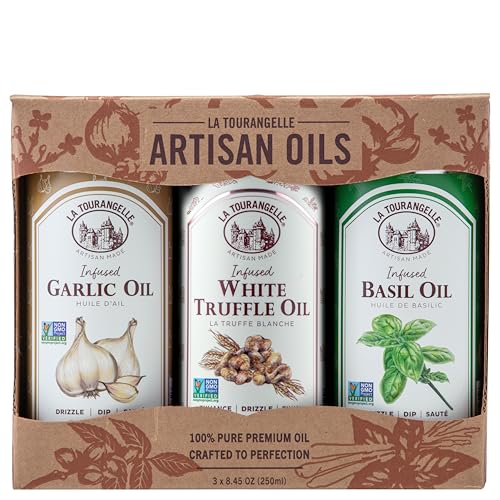
Infused oils like those from La Tourangelle bring aromatics such as garlic, basil, or Herbes de Provence directly into the oil, perfect for finishing dishes or layering in flavor without extra ingredients. While they're not designed for high-heat cooking, they shine in vinaigrettes, light sautéing, or as drizzles over roasted vegetables, grilled meats, and grain bowls.
For example, the garlic-infused oil can elevate a hummus plate or be whisked into a balsamic vinaigrette. The Herbes de Provence oil is excellent on roast chicken or crispy potatoes. These artisan blends are best used when you want to add depth of flavor with minimal effort. Think of them as your secret weapon for restaurant-style finishing touches.
La Tourangelle Infused Oils shine when used intentionally, drizzled over vegetables, mixed into dressings, or brushed onto proteins before roasting. They’re flavor boosters, not workhorse oils.
Cold-Use & Nutrient-Dense Oils for Raw Applications
Best used in dressings, smoothies, or drizzled over dishes, these oils are rich in delicate nutrients and omega-3s but not suitable for high-heat cooking.
Best For: Salad dressings, smoothies, cold dishes.
Smoke Point: Low (~225°F) - not for cooking.
Flavor: Earthy, nutty.
Health Benefits: Rich in plant-based omega-3s (ALA).
Everyday Use: Excellent raw, but not suitable for heat.
Best For: Salad dressings, smoothies, cold drizzles.
Smoke Point: Low (~330°F) - not recommended for cooking.
Flavor: Earthy, grassy, slightly nutty.
Health Benefits: Rich in omega-3 and omega-6 fatty acids in an ideal ratio.
Everyday Use: Excellent raw; avoid heat to preserve nutrients.
Best For: Salad dressings, desserts, finishing oil.
Smoke Point: ~320°F.
Flavor: Deep, rich, distinctly nutty.
Health Benefits: High in omega-3 fatty acids and antioxidants.
Everyday Use: Best used raw or gently warmed.
(For raw or no-heat applications)
Best For: Baking, no-heat recipes, tropical or dessert dishes.
Smoke Point: ~350°F.
Flavor: Strong coconut aroma and sweetness.
Health Benefits: Contains lauric acid; high in saturated fat.
Everyday Use: Use occasionally and intentionally, not as a daily cooking oil.
Chef's Tip: Walnut oil pairs beautifully with roasted beets, leafy greens, fruit-forward salads, and baked goods where a nutty note enhances the dish. Also, think of hemp oil like a finishing oil, great for grain bowls or blended into vinaigrettes, but never for sautéing.
Latest Recipe Ideas
Looking for inspiration? Browse my latest tested-and-tasted recipes featuring heart-healthy oils, bold flavors, and easy-to-follow steps.
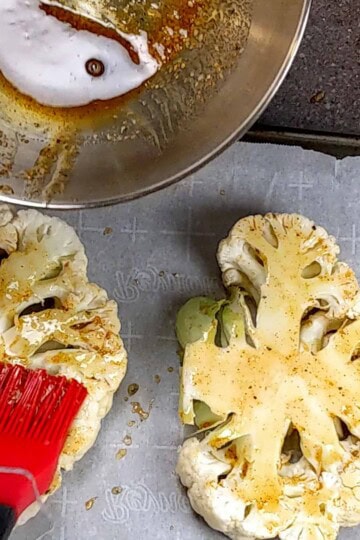
- How to Make and Roast Cauliflower Steaks
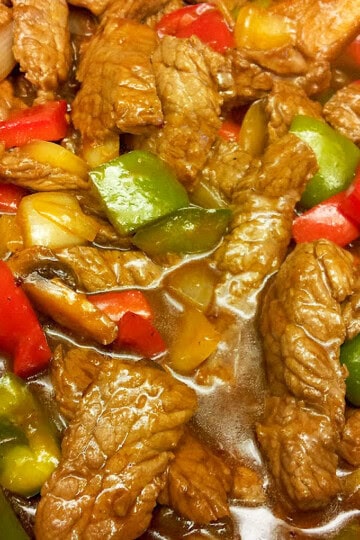
- Chinese Pepper Steak with Red Wine and Hoisin Sauce
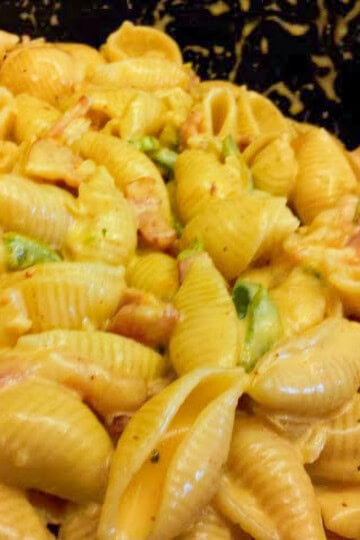
- Bacon Jalapeño Mac and Cheese
- Crispy Garlic Parmesan Baked Chicken

Cooking Tips and Tutorials
If you found this tutorial helpful, you'll love my Cook's Notebook collection. From knife skills and flavor bases to time-saving tricks and essential equipment guides, this section is packed with chef-tested lessons to help you cook with confidence.
- Seasonal Produce Guide: What Fruits and Vegetables Are in Season?
- How to Roast Food: The Fundamental Principles of Roasting
- 2026 Fall Seasonal Produce Guide: Fruits and Vegetables to Enjoy This Season
- Indian Cooking Techniques That Changed How I Think About Food
Frequently Asked Questions
These are healthy fats that stay liquid at room temperature. Found in olive oil, avocado oil, and nut oils, they help reduce bad cholesterol levels.
Essential fats your body can't produce. Found in safflower, corn, and sunflower oils. Includes omega-3 and omega-6 fatty acids.
Fats that are solid at room temperature, mainly from animal products or oils like palm and coconut oil. Overconsumption can lead to artery blockages.
Monounsaturated and polyunsaturated fats. Found in nuts, seeds, plant-based oils, and fatty fish like salmon and sardines.
A plant-based omega-3 fatty acid in walnuts, flaxseed, and chia. Linked to heart rhythm regulation and blood clot prevention.
Olive oil ranks first, followed by avocado oil, both of which are rich in monounsaturated fats and antioxidants.
Artificial fats are made by hydrogenating liquid oils. They are widely banned due to their link to heart disease.
Oils are extracted at low temperatures without chemical processing. These include cold-pressed coconut, almond, and flaxseed oil.
Disclaimer: This article is solely educational and should never replace professional medical advice.


Chef Maika Frederic-Liebman
Chef and Educator
Professionally trained Haitian-American chef Maika Frederic is the creator of Just Maika Cooking, where she shares globally inspired recipes, cooking techniques, ingredient guides, and food safety tips designed to help home cooks become more creative and confident in the kitchen. Combining years of professional culinary experience with a passion for teaching, she makes global flavors approachable through practical, accessible instruction for cooks of every skill level.
Leave a Comment or Ask a Question
I'd love to hear your thoughts, questions, or experiences with cooking with oil. Leave a comment or question and get a response from a professionally trained chef!



Leave a Reply