

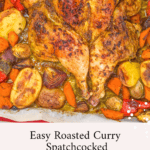
Simple one-sheet pan dinner with spicy Jamaican curry wet-rubbed spatchcocked chicken, Brussels sprouts, carrots, onions, and baby Dutch yellow potatoes. Finished with thyme and ginger for a bold, comforting curry-inspired meal.
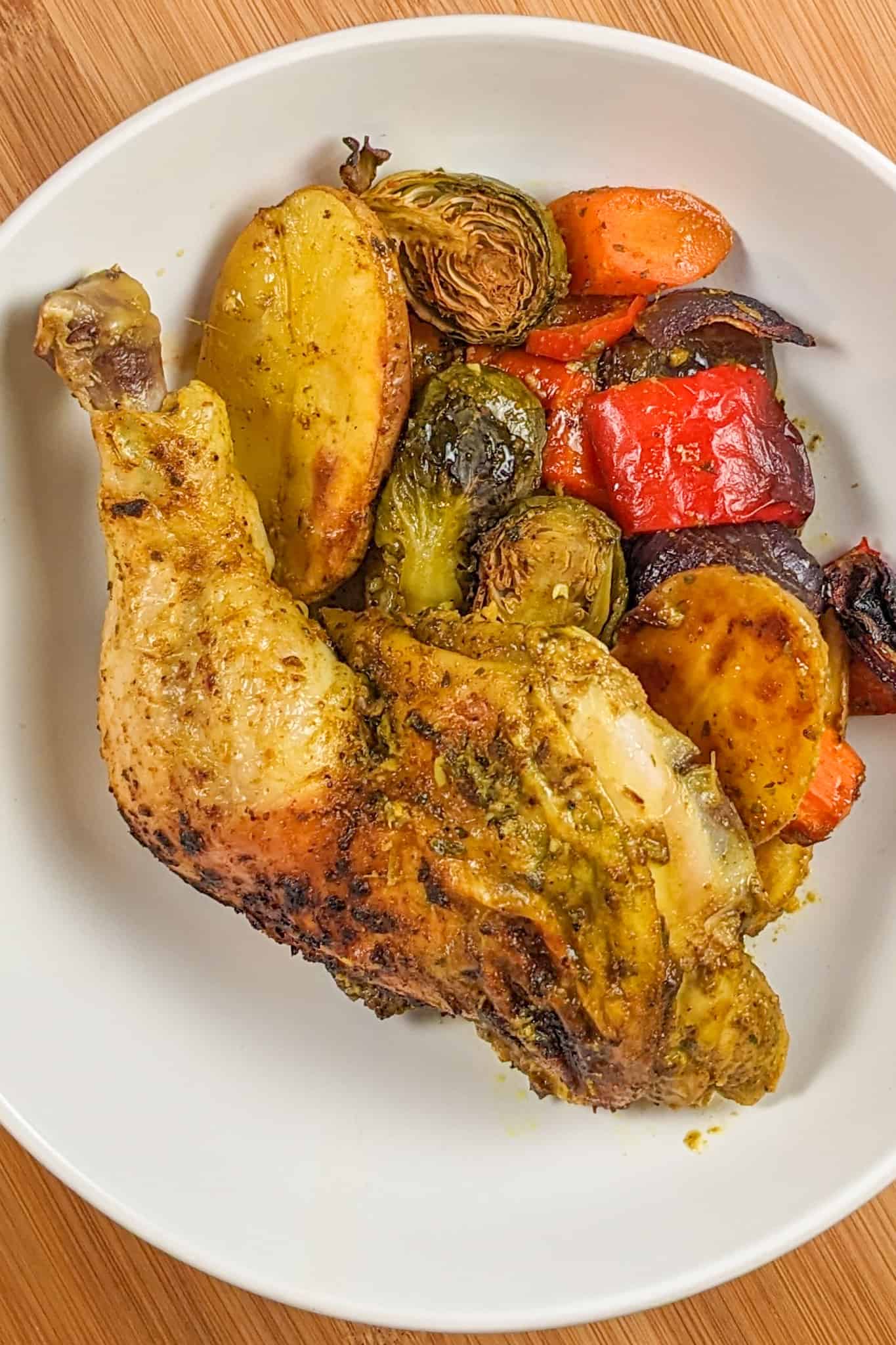
Table of Contents
Jump to:
- Simple Roasted Chicken Sheet Pan Dinner
- Why You'll Like It
- Ingredients with Steps
- Culinary Glossary
- Instructions with Pictures
- Equipment List
- Kitchen Must-Haves Reviews
- Storage and Reheating
- Substitutions
- 5 Quick Cooking Tips
- Frequently Asked Questions
- Chicken Recipes
- Cooking Tips and Tutorials
- 📖 Recipe
- Have a Comment or Question?
Simple Roasted Chicken Sheet Pan Dinner
This Jamaican Curry Spatchcocked Chicken and Vegetables is a flavorful one-pan meal that brings bold spice and practical technique together in a way that works beautifully for home cooks.
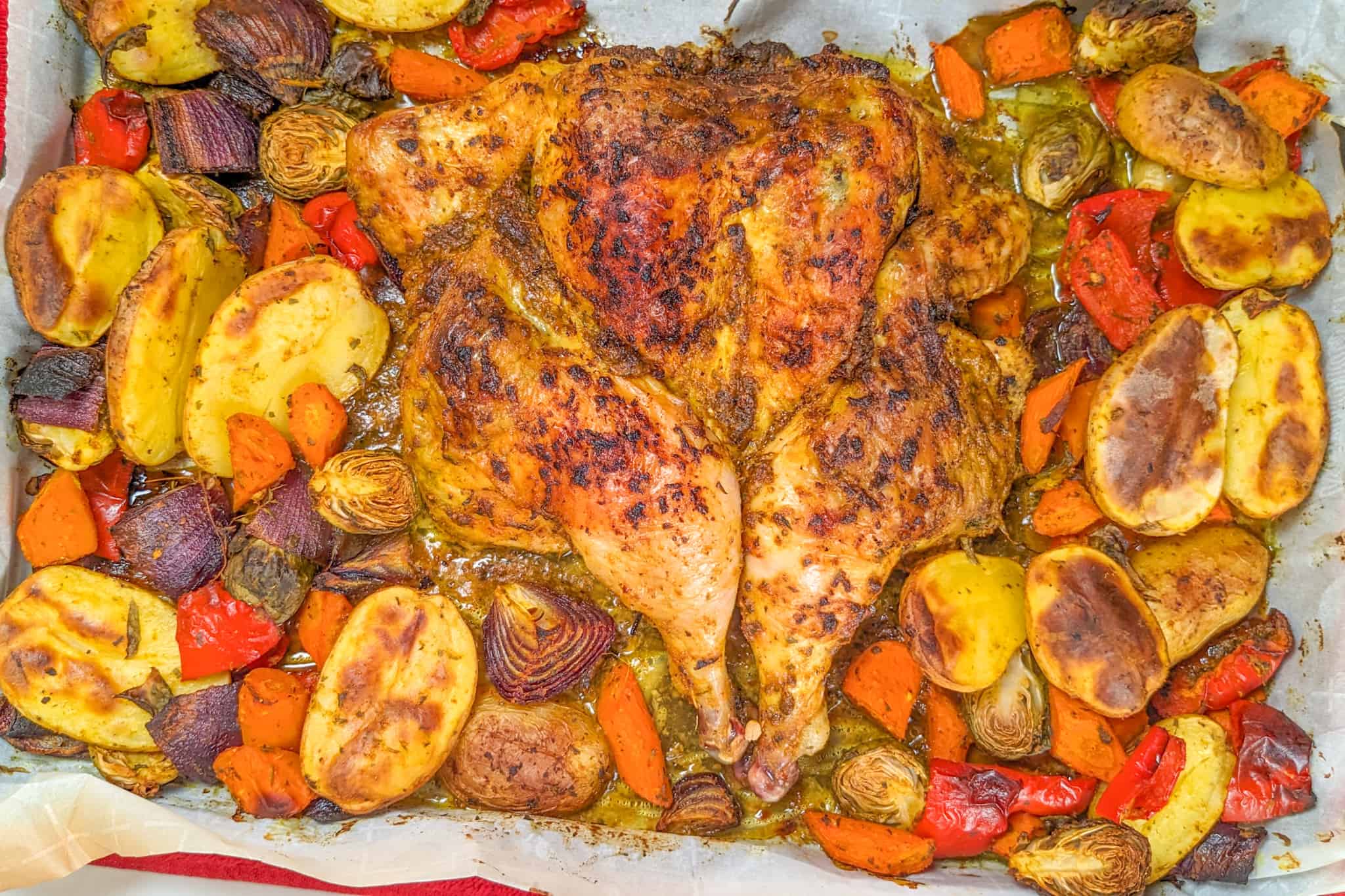
By spatchcocking a whole chicken and roasting it breast-side up on a baking sheet, you get crispy skin, tender meat, and even cooking in less time, all while letting root vegetables roast underneath and soak up the seasoned drippings.
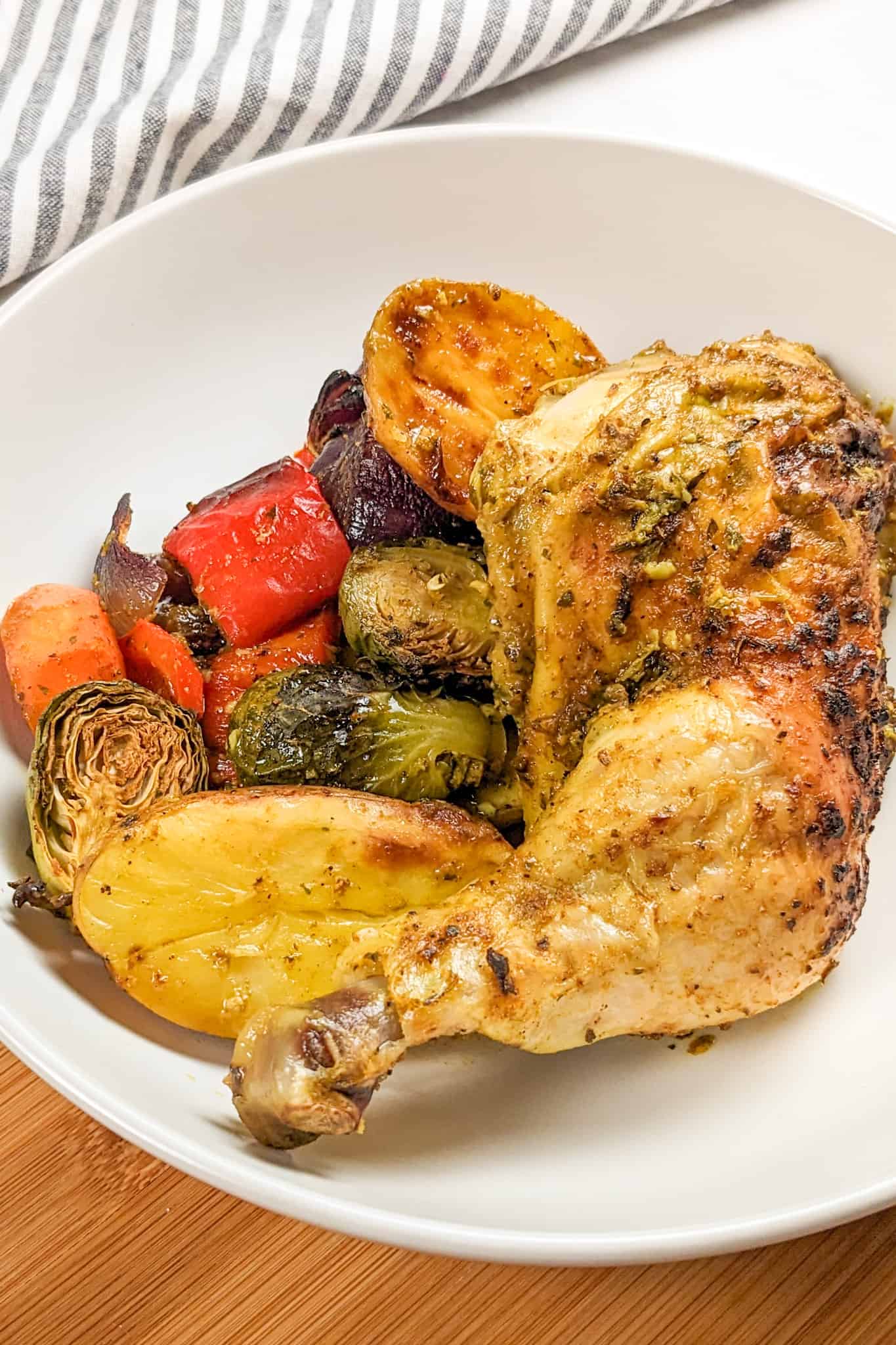
The chicken is coated in a Jamaican-style curry wet rub with thyme and ginger, then roasted in a single layer alongside Brussels sprouts, carrots, onions, and baby Dutch yellow potatoes for a satisfying roast dinner that feels special without requiring multiple pans or complicated steps.
Why You'll Like It
- Convenience: A true one-pan meal with minimal cleanup and big flavor.
- Jamaican curry powder adds warmth and color without overwhelming heat.
- Ideal for weeknights but impressive enough for a family-style roast dinner.
- Easier Uniform Cooking: Spatchcocking helps the chicken cook evenly, keeping the breast meat juicy and the skin crisp.
- Flavorful Meal: Roasted vegetables absorb the curry-seasoned juices from the chicken, enhancing the chicken's flavor.
- Great balance of crispy skin, tender meat, and hearty vegetables.
Note From Chef Maika
This recipe is not an authentic Jamaican curry chicken in the traditional sense. I use the word "Jamaican" here because the dish is seasoned with Jamaican curry powder, which is very different from Indian curry blends. Jamaican curry was introduced to the island through Indian indentured laborers in the 19th century.
However, over time, it evolved into local-spice blends like allspice, turmeric-forward, Scotch bonnet heat, and fresh thyme. Unlike many Indian curries that rely on layered spice pastes, coconut milk, or long-simmering sauces, Jamaican curry chicken is often boldly seasoned, rustic, and deeply savory.
This roasted, spatchcocked version is a modern, oven-roasted interpretation inspired by those flavors, not a traditional stew, and it is meant to honor the spice profile while fitting a practical sheet pan cooking style.

Curious about the "Curry Journey"? Check out CNN Travel's From Pakistan to the Caribbean: Curry's journey around the world. Also, Looking for Authentic Jamaican Recipes? Check out That Nurse Can Cook and Jamaican Food and Recipes.
Recommended Reads
- Easy Spicy Turmeric Calabrian Chili Pepper Wet Rub
- Chicken Curry Stir-Fry with Coconut Rice and Beans
- Haitian Style Spatchcock Turkey (Seasoned with Epis)
- Roasted Calabrian Pepper Spatchcocked Chicken and Vegetables
- Easy Crispy Baked Wet Lemon Pepper Chicken Cutlets
- Curry Chicken Gnocchi Soup with Spinach and Mushrooms
- Air Fryer Roasted Chicken, Chickpea, and Vegetable Curry
Ingredients with Steps
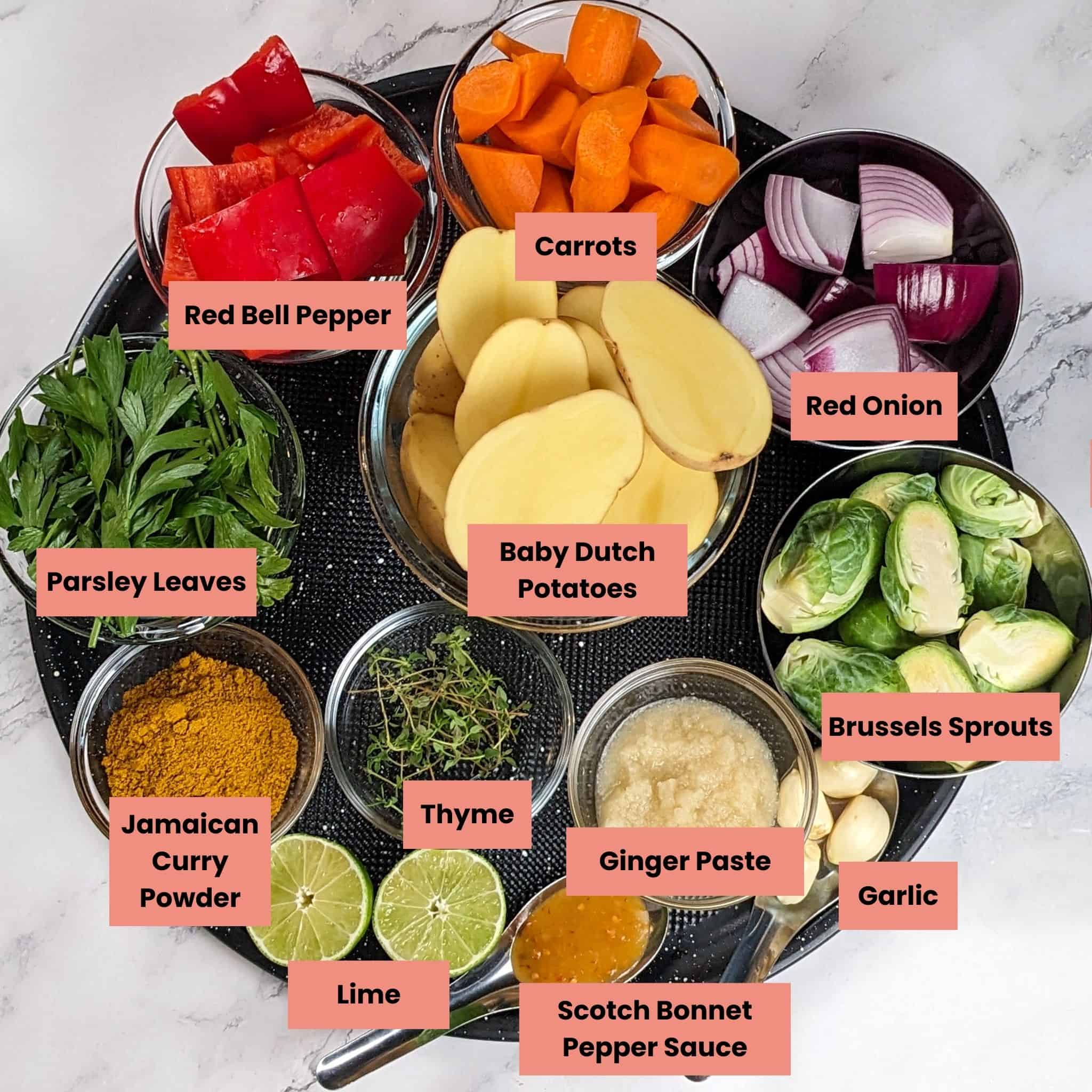
Blend Jamaican curry powder, Scotch bonnet pepper sauce, garlic, ginger paste, thyme, parsley, fresh lime juice, kosher salt, ground black pepper, and olive oil into a smooth wet rub. Toss red onions, baby Dutch yellow potatoes, carrots, red bell pepper, and Brussels sprouts with a portion of the curry paste in a large bowl and set aside.
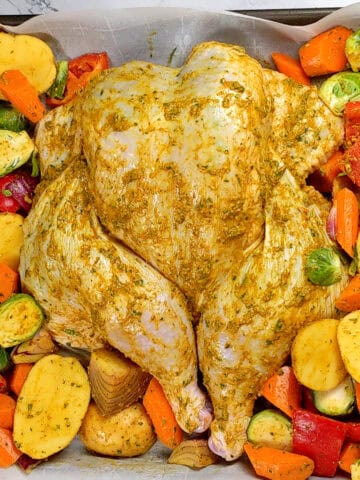
Spatchcock the whole chicken by removing the backbone, then flatten it and place it skin-side up on a parchment-lined sheet pan. Pat the skin dry with paper towels, rub the remaining curry paste under and over the skin, and arrange the vegetables evenly around the chicken.
Roast until the chicken is golden with crisp skin and reaches a safe internal temperature in the thickest part of the thigh, then let it rest before carving and serving the vegetables and chicken drizzled with the flavorful pan juices.
Culinary Glossary
This section provides concise definitions of key ingredients and techniques to enhance understanding and improve cooking skills related to this recipe.
Ingredients
- Jamaican Curry Powder: A turmeric-forward spice blend unique to Jamaica, typically containing turmeric, coriander, cumin, allspice, and fenugreek, which differs from Indian curry powders in both flavor and color.
- Scotch Bonnet Pepper Sauce: A spicy condiment made from Scotch bonnet peppers that adds heat and fruity depth; commonly used in Caribbean cooking.
- Crispy Skin: The golden, crackly texture is achieved when chicken skin is properly dried, seasoned, and roasted at high heat.
- Root Vegetables: Vegetables that grow underground, such as potatoes and carrots, are known for their hearty texture and ability to roast well alongside meats.
Techniques
- Spatchcocking: A technique where the backbone of a whole chicken is removed so it can be flattened before cooking, allowing it to cook faster and more evenly with crispier skin.
- Wet Rub: A paste made by blending spices, herbs, aromatics, and oil that coats the meat to add flavor and moisture before cooking.
- Breast-Side Up: Positioning the chicken so the breast meat faces upward helps it retain moisture while the skin crisps during roasting.
- Resting the Chicken: Allowing cooked chicken to sit briefly before cutting so the juices redistribute, resulting in more tender, juicy meat.
- Pan Juices: The flavorful liquid released from the chicken and vegetables during roasting is often drizzled over the finished dish to add moisture and depth of flavor.
- Single-Layer Roasting: Spreading ingredients out so they are not stacked or crowded, which helps them roast evenly and develop better color and texture.
- Internal Temperature: The temperature at the thickest part of the meat is used to determine doneness and food safety, especially important when cooking a whole chicken.
- Flattening the Breastbone: Pressing down on the center of the chicken after spatchcocking to help it lie flat, ensuring even cooking across both dark and white meat.
Instructions with Pictures
Follow the instructions and cooking tips below using the step-by-step picture guide.
Prep
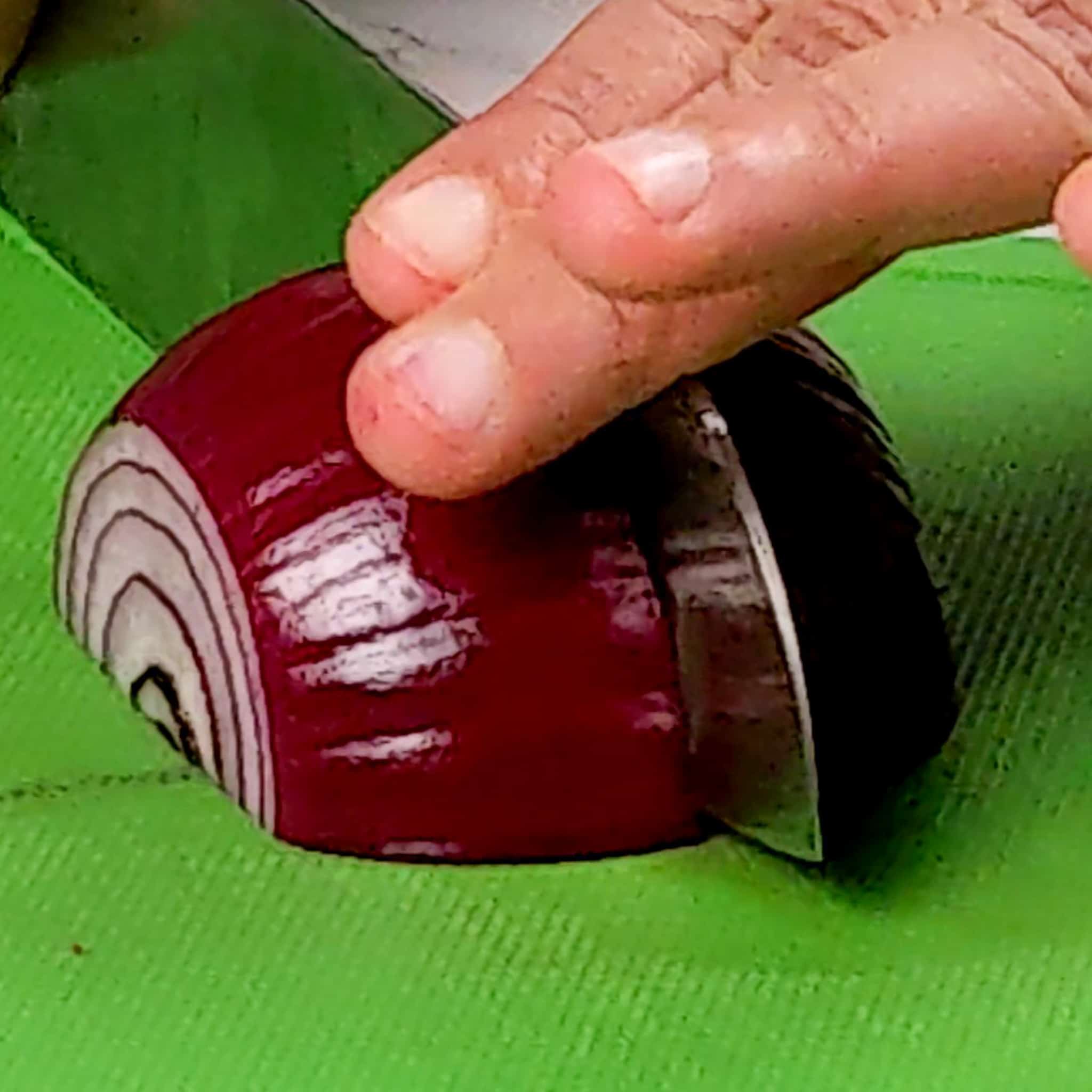
To cut into eighths, cut the tips off and peel. Next, lay it flat for stability, then cut each onion half in half again horizontally. Get these Color Coded Cutting Boards.
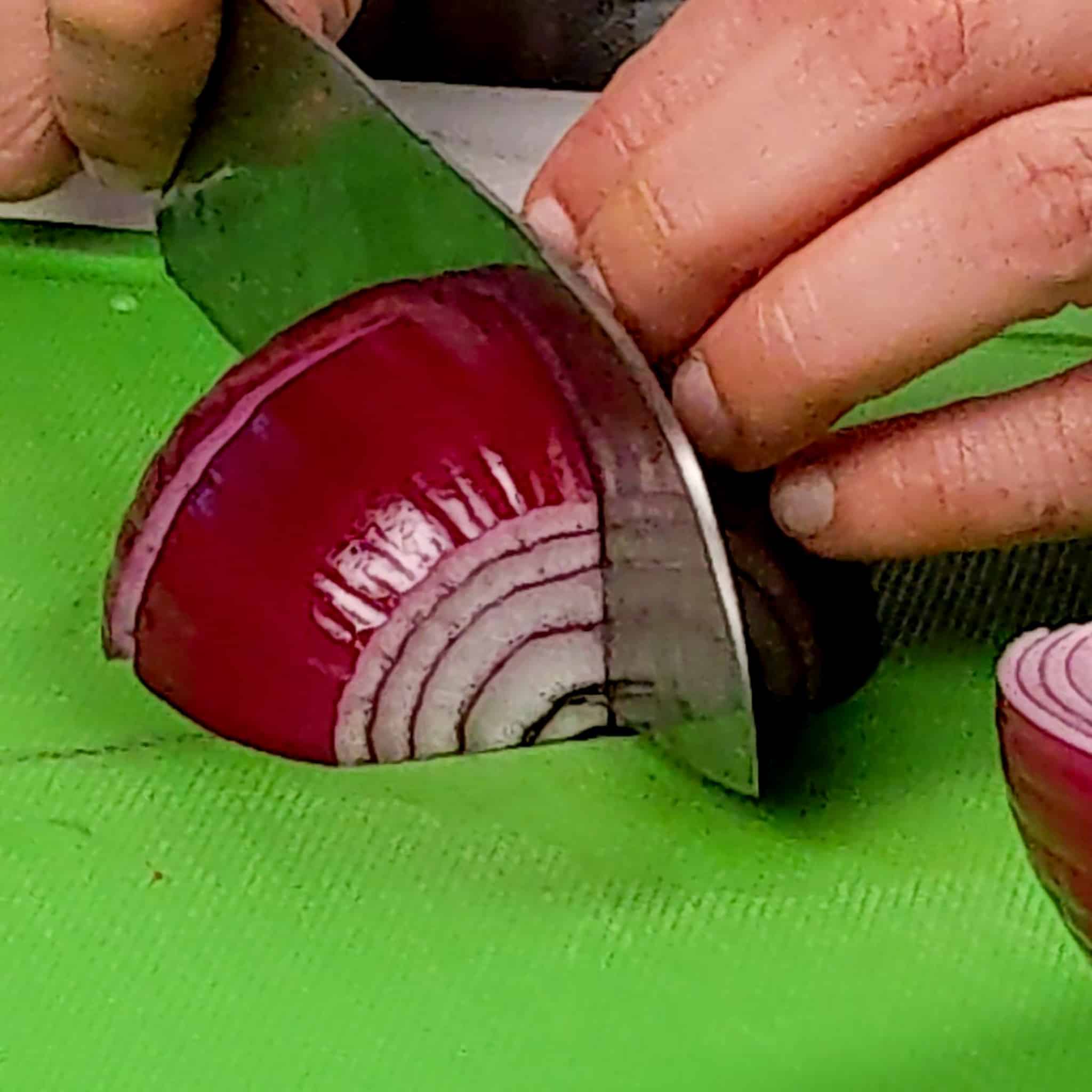
Turn the onion around and cut it in half horizontally. Get this Paudin Santoku Knife.
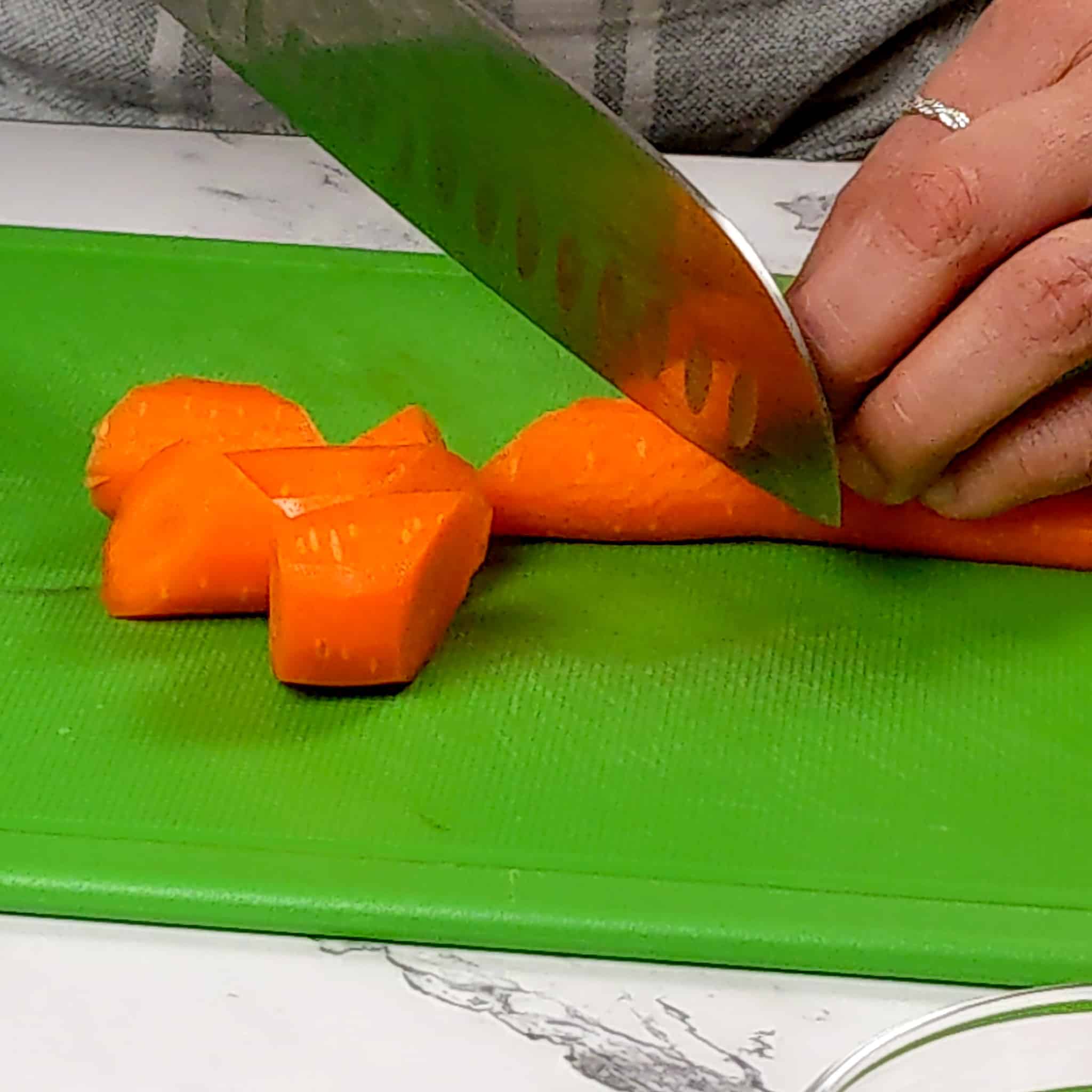
You can slice the carrots into uniform, large chunks or on a diagonal for presentation.
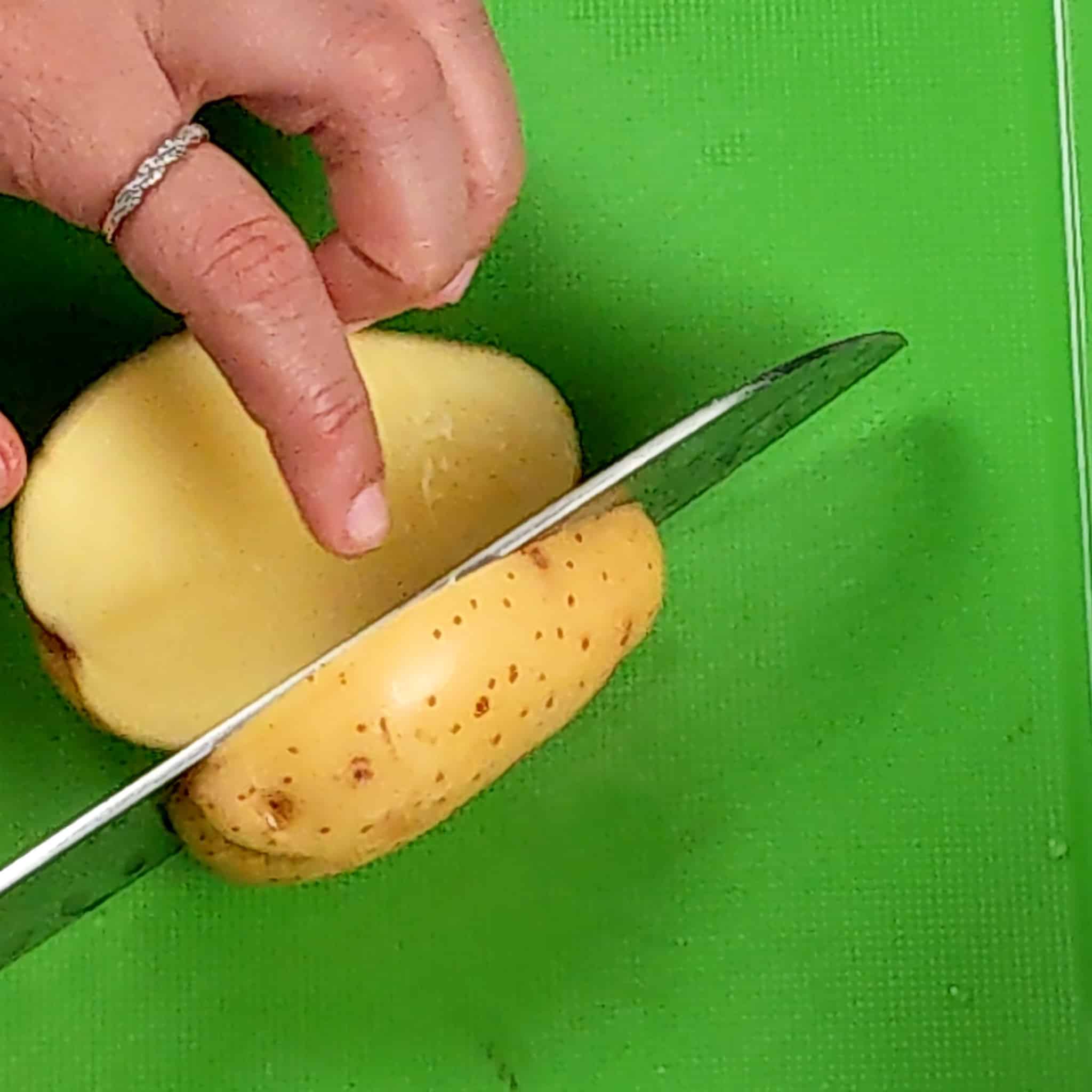
Whether the baby Dutch potatoes are big or small, make sure to have enough for each serving, about 3 to 4 per serving.
Season
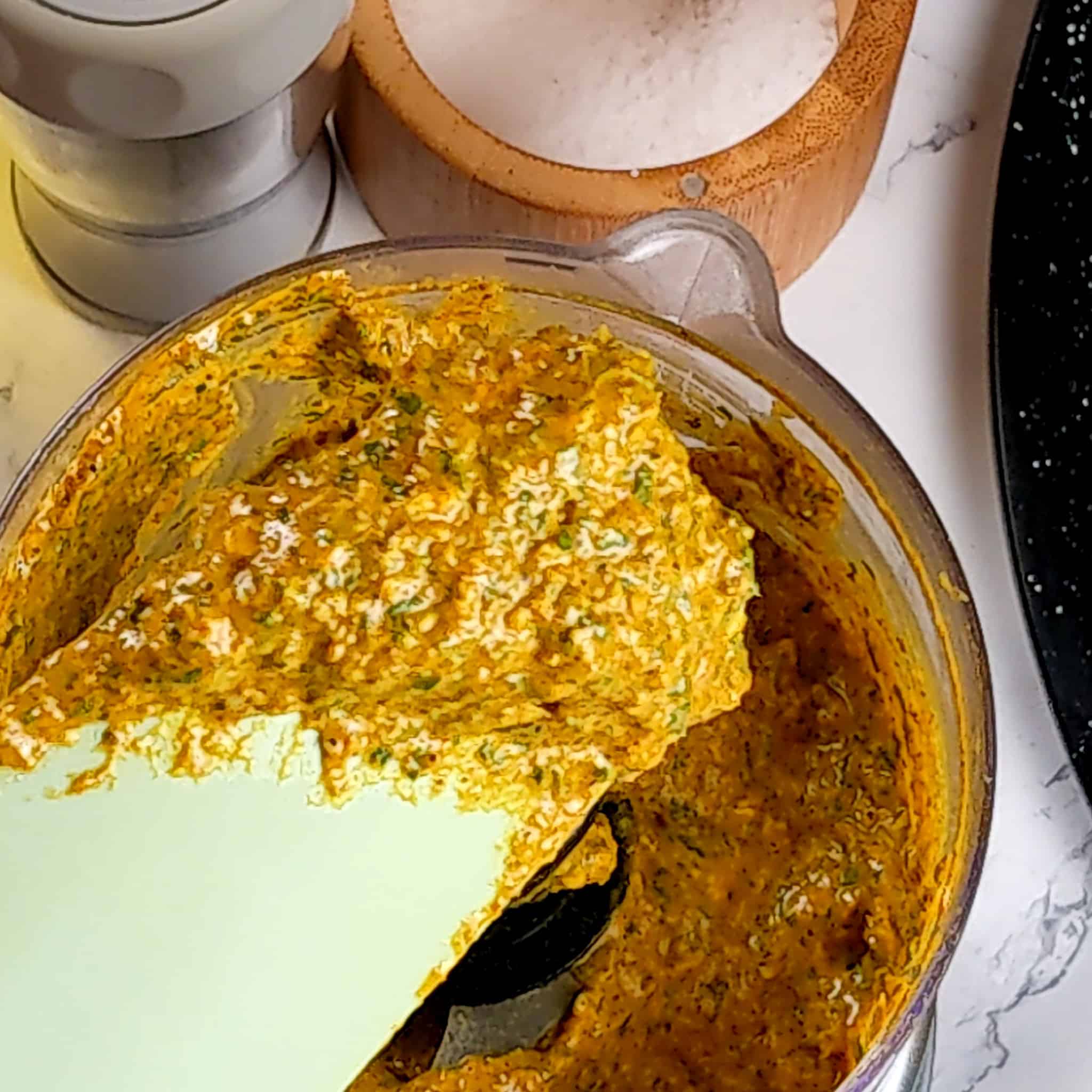
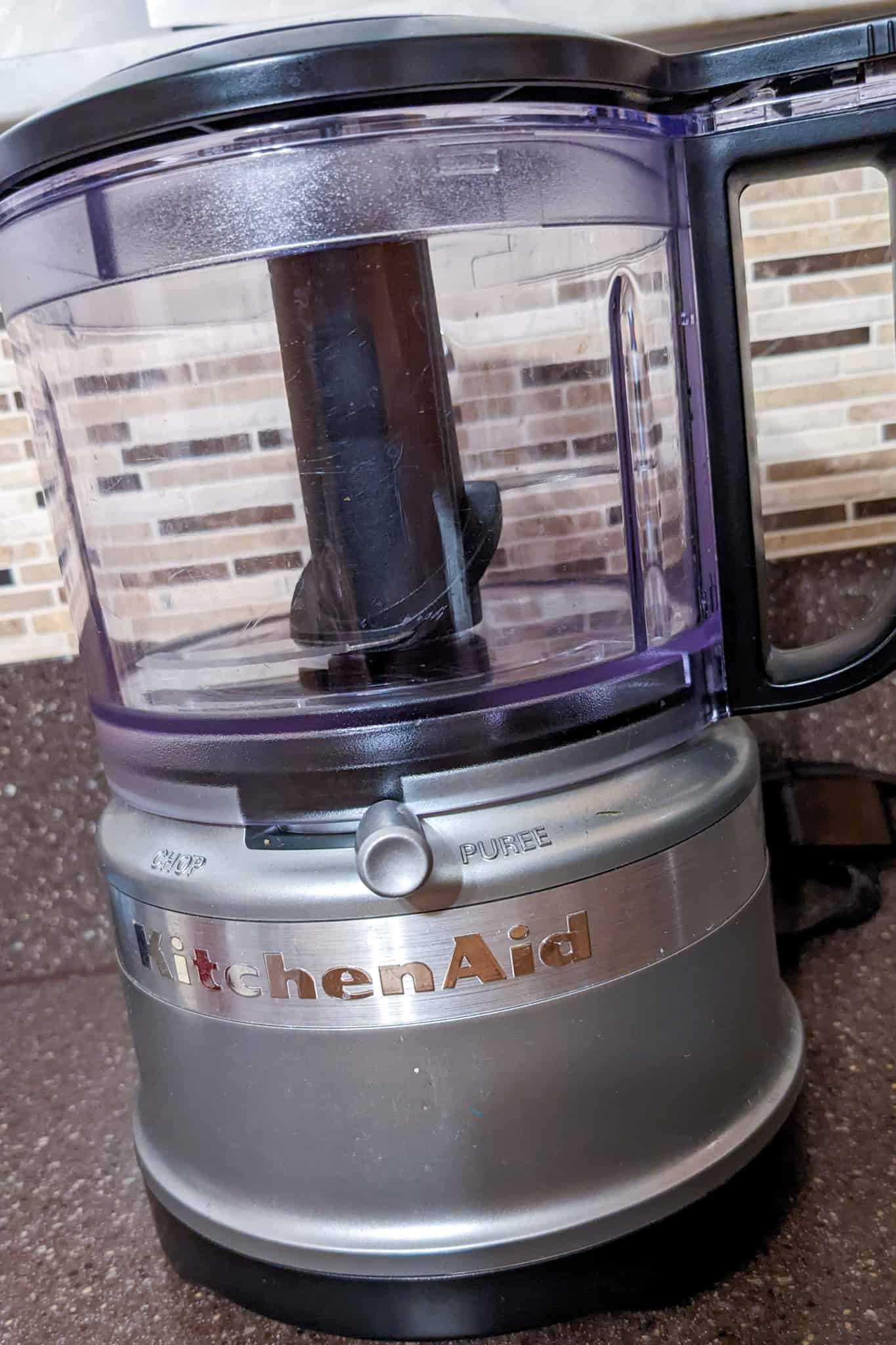
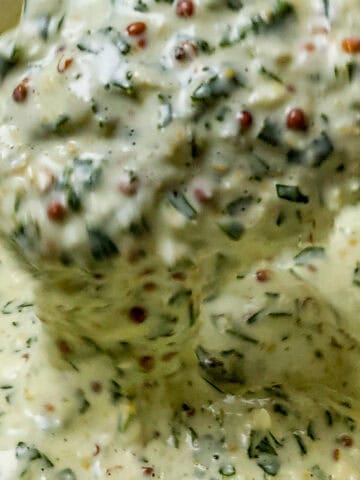
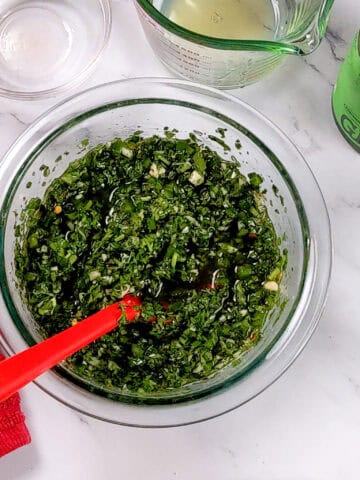
Blend the wet rub into a thick paste. A small blender is very useful to make about a cup of wet rub. Get this KitchenAid Food Chopper.
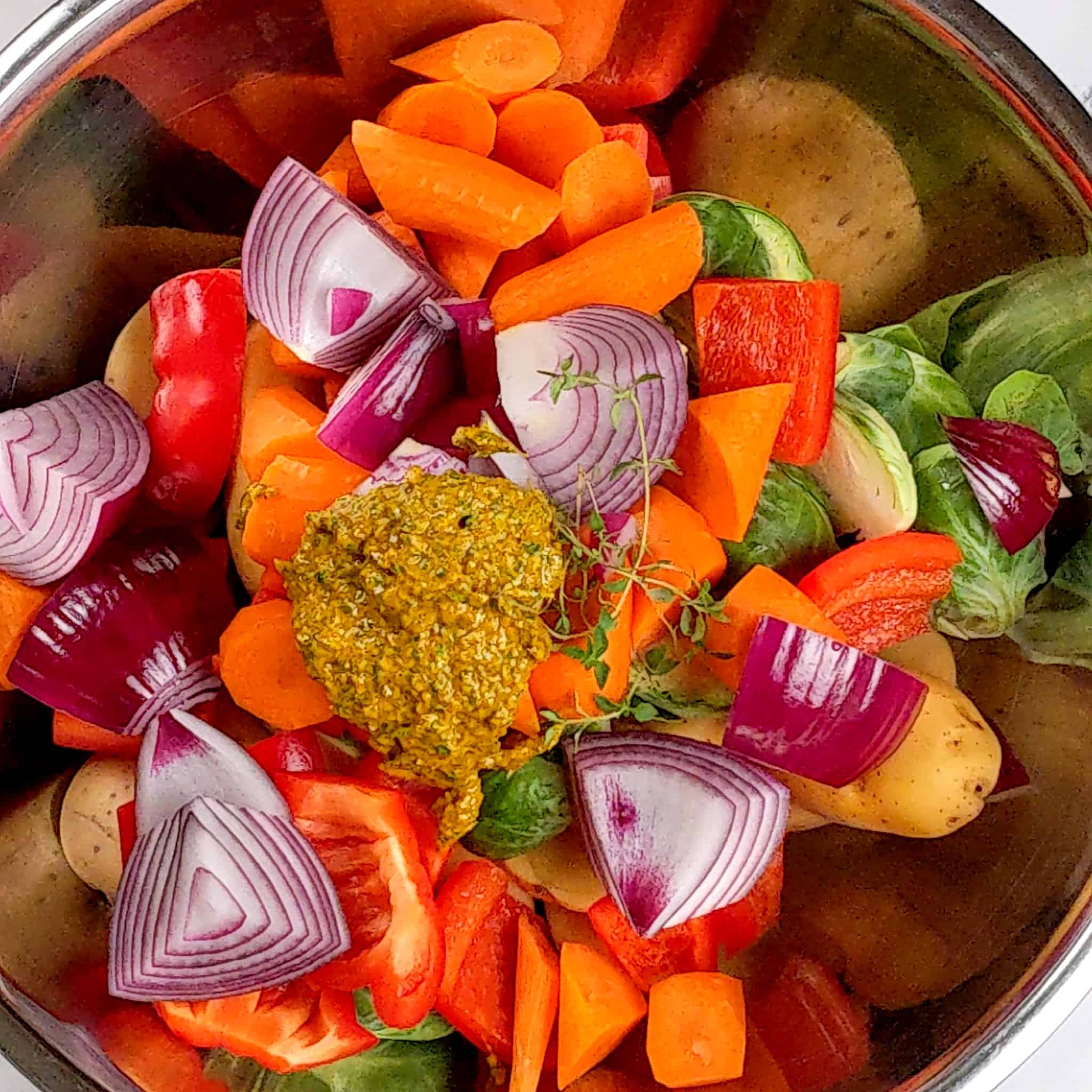
Add the paste to the uniformly cut vegetables. They need to be at a size that will allow them to roast simultaneously.
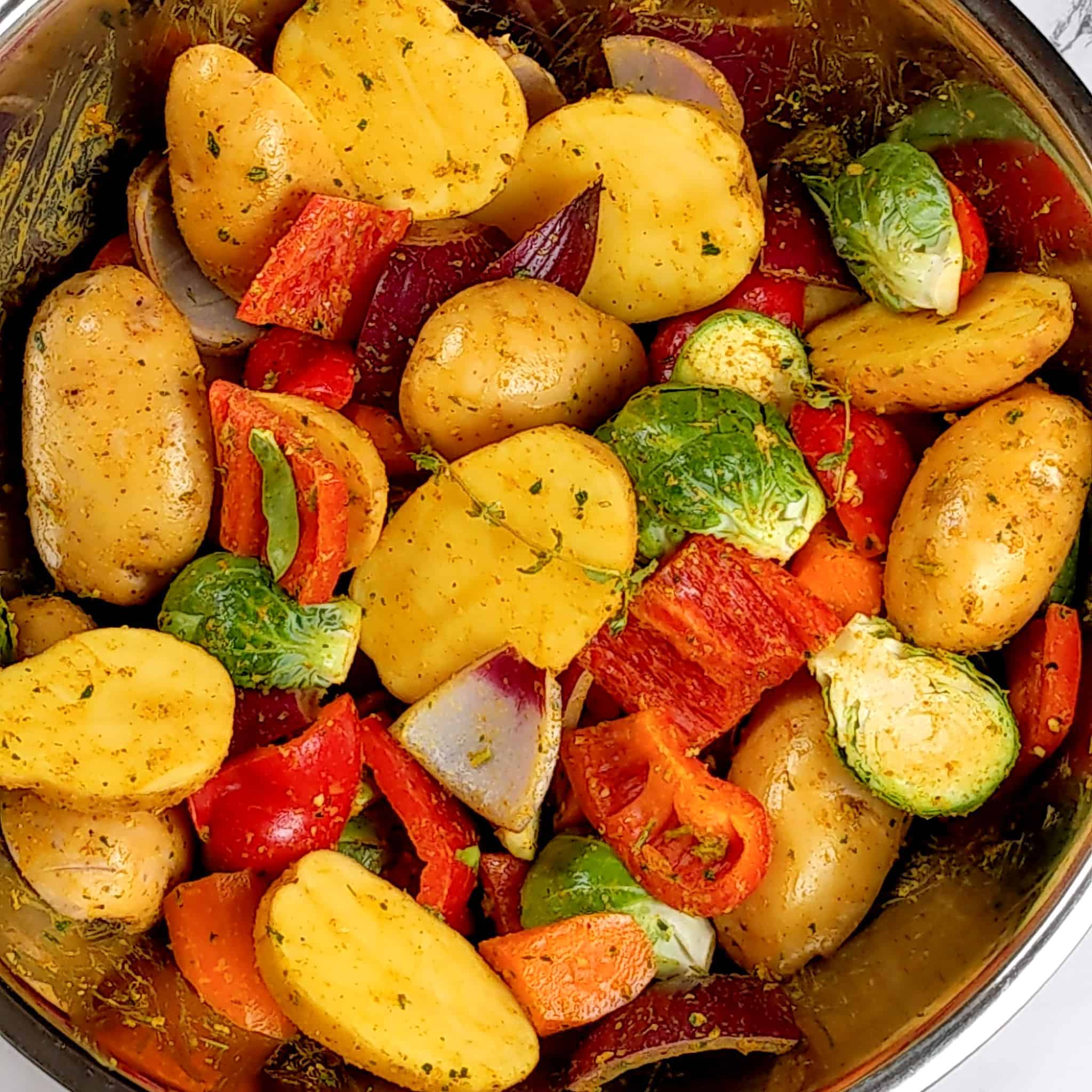
Combine well for a light coat of the wet rub. Since it already has salt and pepper, there is no need to season further.
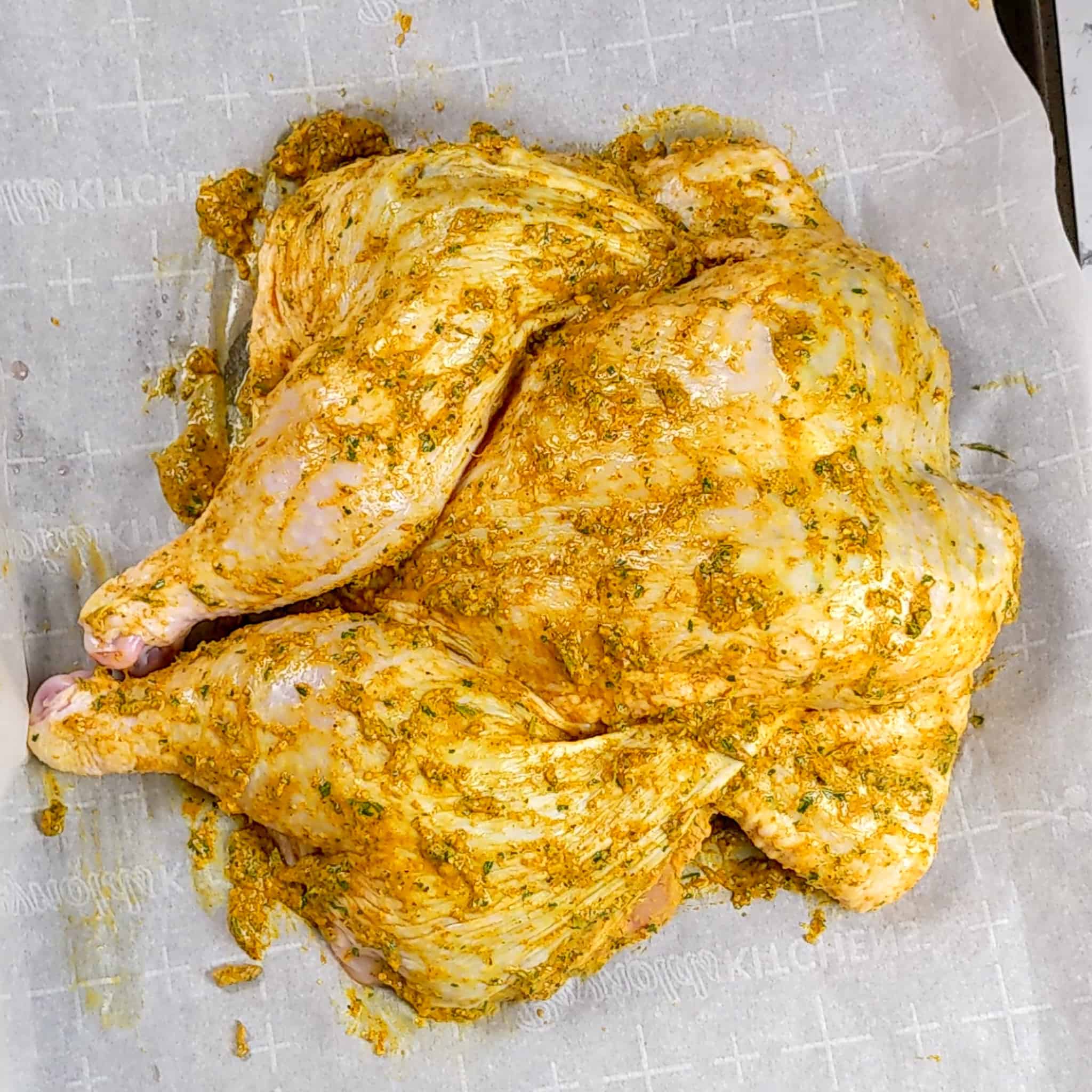
Use the remaining wet rub to season the chicken on the inside of the cavity, under, and over the skin. Important: Dry the chicken with paper towels to ensure crispy skin before applying the wet rub.
Roast
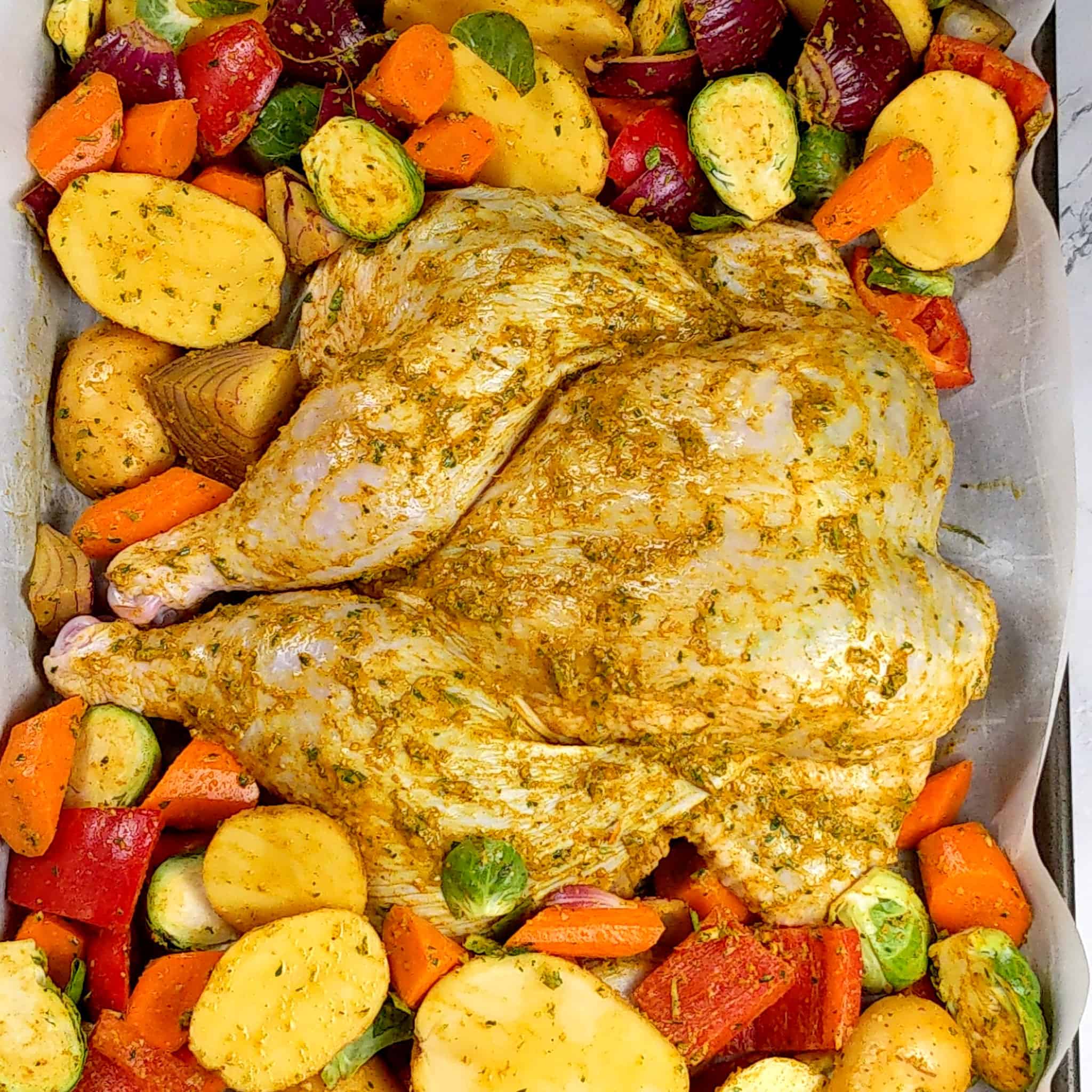
Ideally, push the chicken up on the sheet so there's space to place the vegetables around it. It may be crowded, but try to spread it flat as best as possible. Get a Half Sheet Pan.
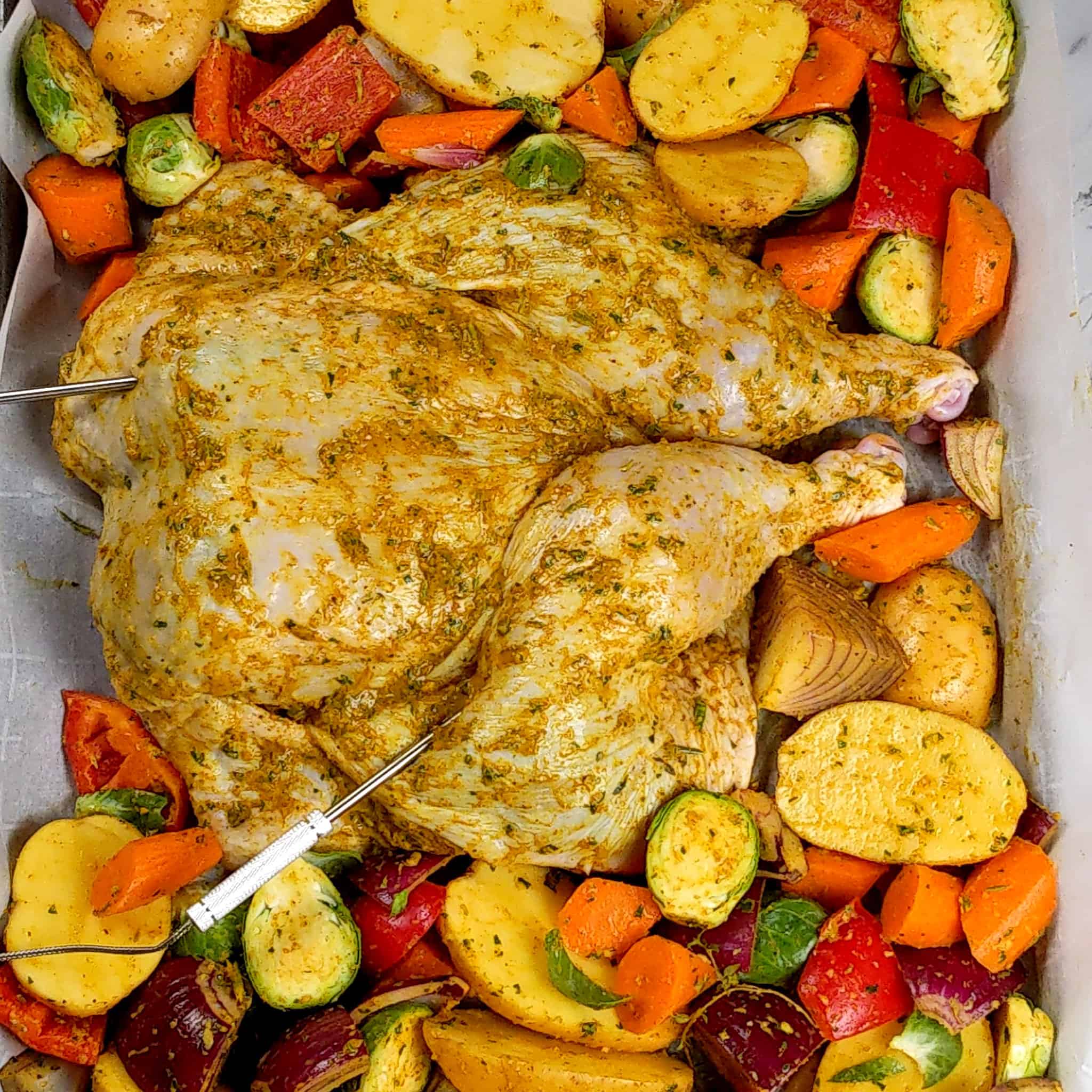
If you have temperature probes, place one between the leg and the thigh, and the other in the breast at the thickest part. Get this ThermoPro Wireless Meat Thermometer.
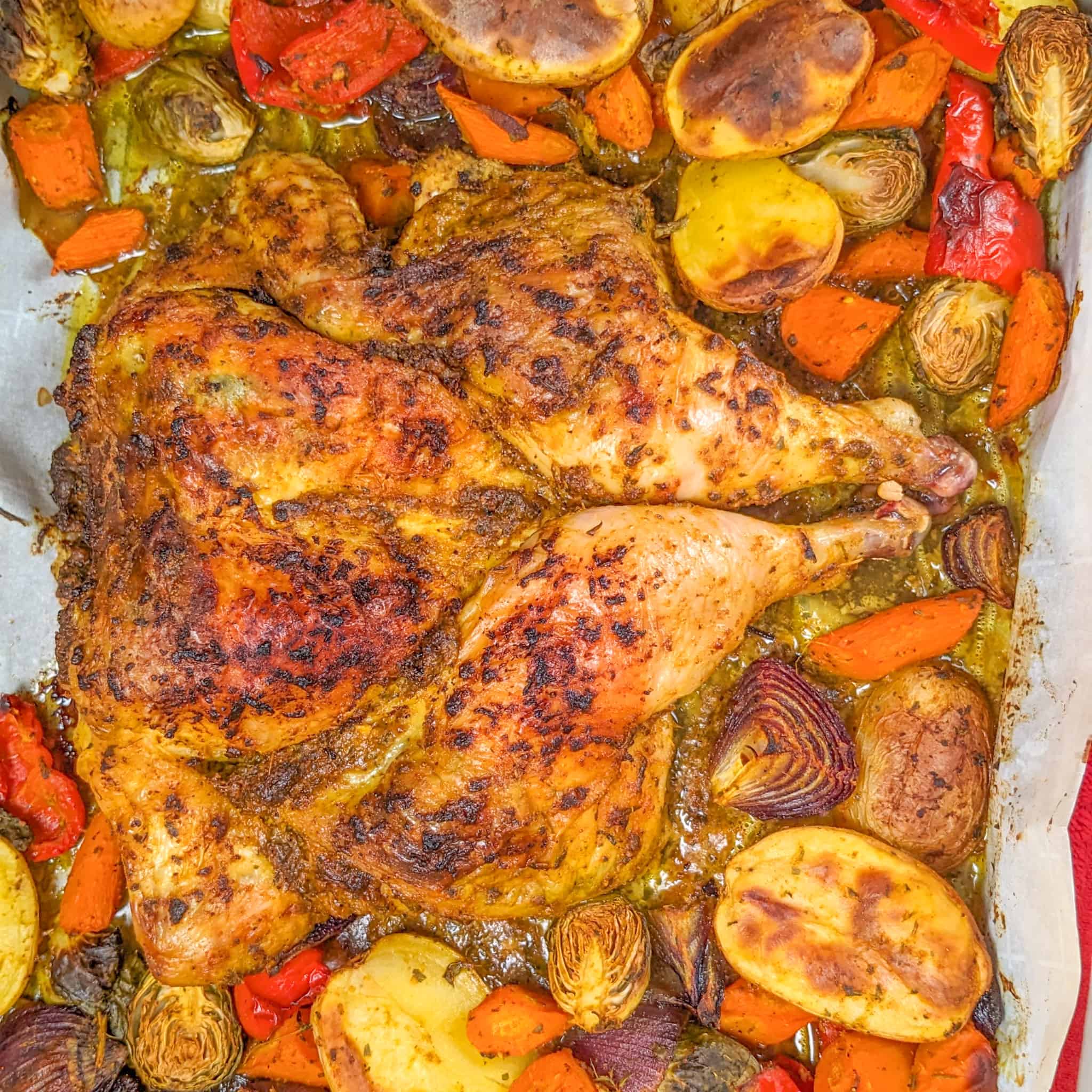
Roast to a golden brown, with the chicken's internal temperature at 160 F°. While it rests, it should reach 165 F° for safe consumption and moist chicken. Learn more about Understanding Food Temperature Safety Zones: Cook, Store & Serve Safely.
Equipment List
Here's what you'll need to make this recipe with ease. By the way, the links in this section may take you to an external site to shop for that item.
- Food Chopper (Processor) - Used to blend the wet rub ingredients. If you do not have a food processor, you can also chop all the wet rub ingredients by hand.
- To develop this recipe, I used the KitchenAid 3.5 Cup Food Chopper, which has an oil drizzle spout, great for emulsifying wet rubs and dressing from vinaigrettes to making fresh, healthy mayonnaise.
- Mixing Bowls - This will be used to combine the wet rub with the vegetables before placing them on the sheet pan.
- Kitchen Shears - It's always good to have a pair of sharp kitchen shears. These are used to cut and spatchcock the chicken (by removing its backbone) before seasoning and roasting.
- If you do not have a pair of kitchen shears, try using a boning knife. It's a knife with a narrow, sharp tip, designed to cut through cartilage and precisely between meat and bones, like the Henckels Forged Premio Boning Knife.
- Cutting Board - Use to prep the vegetables and spatchcock the chicken.
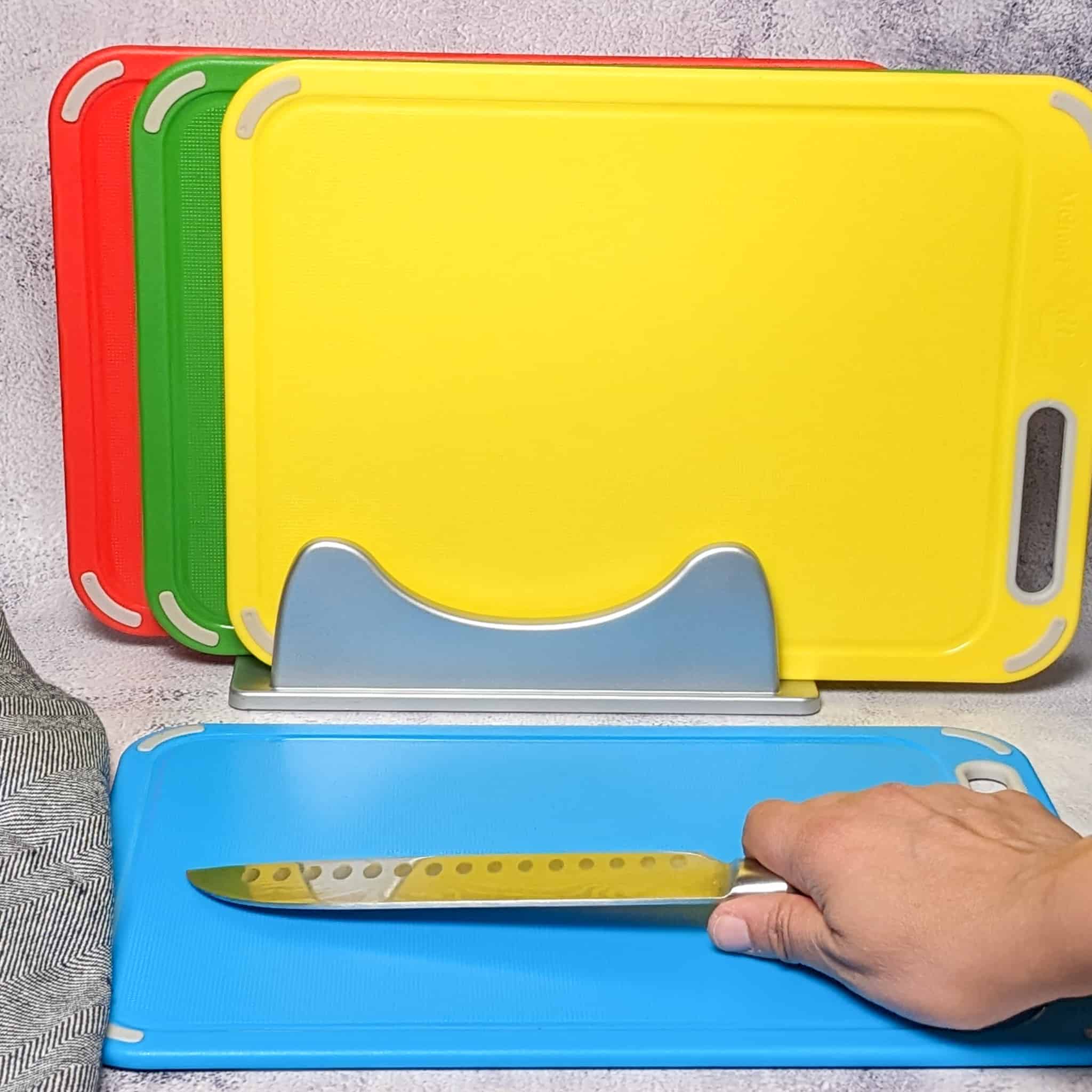
- If you watch my videos, you will see I like to use color-coded boards to prevent cross-contamination; try the Flexible Plastic Labeled Color-Coded Cutting Mats for easy storage.
- Sheet Pan - Used to bake the chicken and vegetables for the recipe. Try using parchment paper for an easy cleanup.
- For a reliable sheet pan, I suggest the Nordic Ware Natural Aluminum Half Sheet Pan.
- Instant-Read Thermometer - Used to check the chicken's temperature to prevent under- or overcooking. Especially when it is in the oven, I do not like opening the door too often, as it drastically drops the temperature and causes inconsistent cooking times.
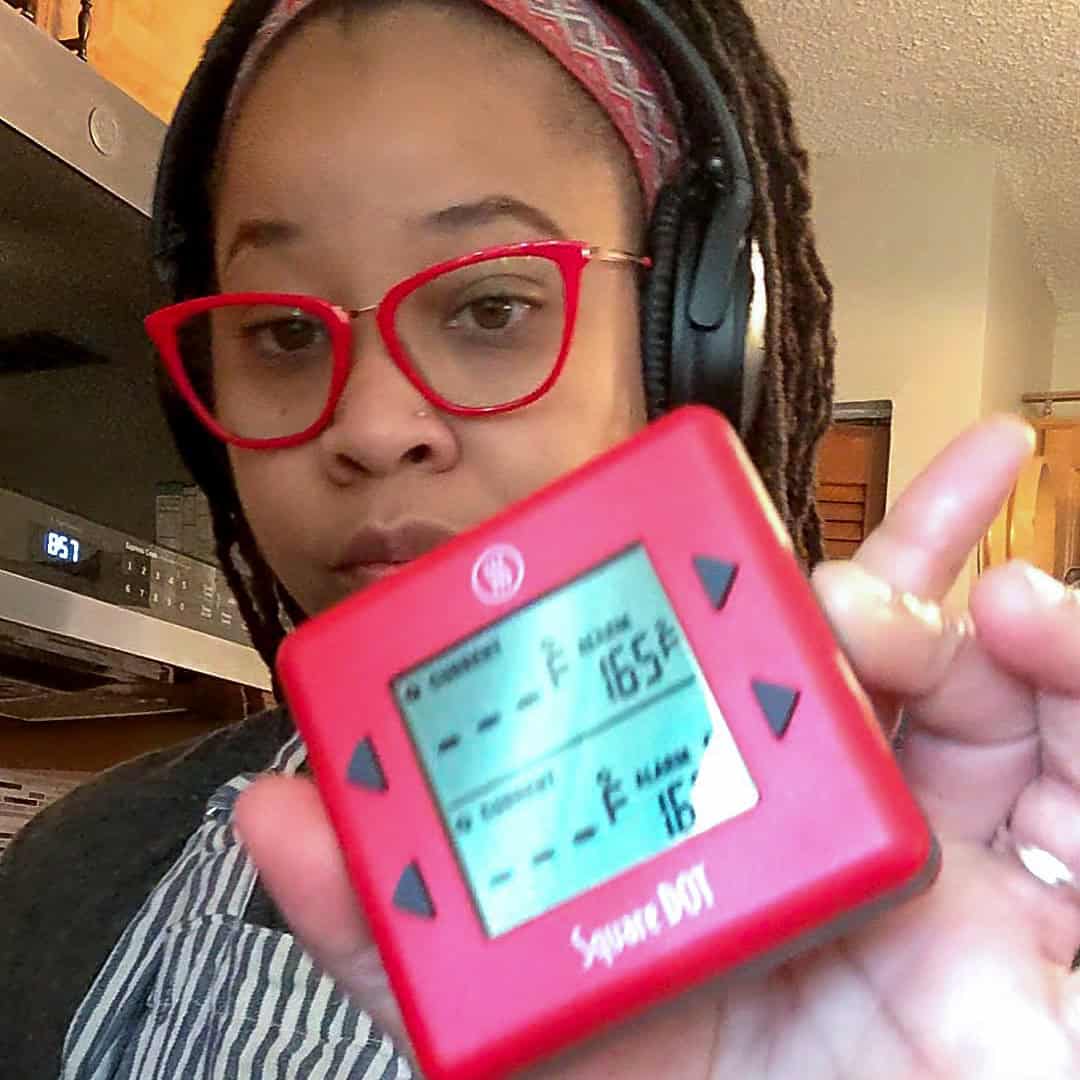
- It's best to use a thermometer probe that you can leave with a wireless thermometer, which you can keep track of on your phone, like the ThermoPro Wireless Meat Thermometer I used for this recipe.
Kitchen Must-Haves Reviews
Find a collection of my reviews of kitchen equipment that I have purchased or recommend. Kitchen Must-Haves - Find other tools I use here.
My Review: The KitchenAid 3.5 Cup Food Chopper is a must-have in the kitchen at a great price. It’s compact, powerful, and lightweight, making meal prep easier without taking up much space. I love its one-touch operation, perfect for quickly chopping, mixing, and puréeing. Plus, it's easy to clean. Watch me use it for my Spicy Tomato Farro Risotto and Chili Herb Crusted Rainbow Trout recipes. This chopper is essential, especially if you love cooking with lots of gadgets like me!
My Review: I love the clean, classic look of this Pyrex 3-piece glass mixing bowl set. It’s a staple in my kitchen. Pyrex is known for its durability, and these bowls definitely live up to that reputation. I use them for everything from mixing batters to storing leftovers, and the fact that they’re microwave-safe makes them super multifunctional. They’re also easy to clean and stack nicely in the cabinet. The only reason this isn’t a five-star for me is because I always have that little fear of breaking them when I’m using or storing them, even though they’re made to last.
My Review: The Sunnecko Heavy Duty Kitchen Scissors are the best I've found, closely resembling my trusty pair from over 20 years ago. These ultra-sharp, stainless steel shears feature a micro-serrated blade that effortlessly cuts through chicken, meat, and more. Every part of the scissors serves a purpose: trimming poultry, slicing herbs, cracking nuts, and opening bottles. Durable, dishwasher safe, and reliable, they’re an essential tool for any cook. They’ve saved me countless times, proving that multi-functional kitchen shears are a must-have.

My Review: I absolutely love this Plastic Cutting Board Set of 4 with a Storage Stand! The color-coded boards are a lifesaver for preventing cross-contamination, especially when I’m switching between meats and veggies. The plastic is super sturdy, so I don’t have to worry about it flexing while I’m chopping. What really stands out for me is how easy they are to use after chopping. I slide everything straight into the pot, which keeps my kitchen clean and saves time. Cleanup is such a breeze, too; they go right into the dishwasher without any warping. Plus, the storage stand keeps everything neat and organized. These boards have made cooking so much easier and more enjoyable!
My Review: I finally used the ThermoWorks Square Dot®, and it's as great as my colleagues said. It's precise and easy to use, and America's Test Kitchen recommends it. ThermoWorks even provides helpful care and usage guides, so it earns a 5 out of 5 from me. The Square Dot® is perfect with dual temperature tracking and a clear display, making it easy to monitor both food and oven temperatures for accurate cooking.
Storage and Reheating
Learn how to properly store leftovers and reheat them to keep them fresh and flavorful. Learn more about Understanding Food Temperature Safety Zones: Cook, Store & Serve Safely.
Storage
- Refrigerator: Allow the curry spatchcocked chicken and vegetables to cool slightly, then store them in shallow, airtight containers to help them cool quickly and evenly. Refrigerate within two hours of cooking. Properly stored, leftovers will keep well for up to three days.
- Freezer: Once completely cooled, separate the chicken from the vegetables if possible and store in freezer-safe, airtight containers or freezer bags labeled with the date. Freeze for up to two months for the best texture and flavor. Thaw overnight in the refrigerator before reheating.
Reheating
- Oven (Best for Crispy Skin): Place the chicken and vegetables on a baking sheet and cover loosely with foil to prevent drying. Reheat until warmed through, removing the foil during the last few minutes to help crisp the skin again.
- Stovetop: Warm the vegetables in a skillet over medium heat with a small splash of chicken stock or water to prevent sticking. Add sliced chicken and heat gently until warmed through.
- Microwave: Place chicken and vegetables on a microwave-safe plate and cover loosely. Reheat in short intervals, turning the chicken as needed for even heating. Note that the skin will soften when microwaved.
For best results, store the chicken off the bone if you know you'll be reheating portions later. This helps the meat warm more evenly and prevents it from drying out.
Substitutions
Find easy ingredient swaps to fit dietary needs or what you already have in your pantry.
Dairy Free
- Yay! This recipe is already dairy-free.
Gluten-Free
- Bonus! This recipe is also gluten-free.
Vegetarian
- Whole Chicken: Replace with cauliflower steaks, thick cabbage wedges, or extra-firm tofu. Coat generously with the curry wet rub and roast in a single layer, turning once for even browning.
Convenience
- Jamaican Curry Powder: Use a mild yellow curry powder or Caribbean-style curry blend. Avoid garam masala, as it has a different spice profile.
- Olive Oil: Swap it for avocado oil, vegetable oil, or another neutral, plant-based oil suitable for roasting. Check out Heart Healthy, High Smoke Point Oils for Cooking.
- Baby Dutch Potatoes: Sweet potatoes or Yukon Golds work well and pair well with curry spices.
- Brussels Sprouts: Use broccoli florets, cauliflower florets, or cabbage wedges placed cut-side down for caramelization.
- Garlic Cloves: Use garlic paste or jarred minced garlic when fresh cloves are unavailable.
- Fresh Ginger: Replace with ginger paste or ground ginger, using a smaller amount since dried ginger is more concentrated.
- Fresh Thyme: Use dried thyme leaves in place of fresh, reducing the amount to avoid overpowering the dish.
- Fresh Parsley: Substitute with cilantro or use dried parsley. If using dried herbs, mix the wet rub by hand instead of blending.
- Fresh Lime Juice: Fresh lemon juice is the best substitute. Avoid bottled citrus juice for the best flavor.
- Red Onion: Use a white or yellow onion, cut to a similar size for even roasting.
- Red Bell Pepper: Swap with yellow or orange bell peppers, or omit if unavailable.
- Carrots: Parsnips or thick-cut sweet potatoes make good pantry-friendly alternatives.
- Scotch Bonnet Pepper Sauce: Substitute with chili garlic sauce, sambal oelek, or omit for a mild vegetarian version. Check out Meet the Scotch Bonnet Pepper: Caribbean Heat with a Fruity Twist.
Change Heat Level - Modify the recipe's heat level to your liking and learn more about the Scoville Scale and Chili Pairings.
When making substitutions, aim to keep similar textures and sizes so everything roasts evenly and finishes together on the sheet pan.
5 Quick Cooking Tips
Your Cooking Tips Resource Guide - Become a better home cook with tips to help you cook more efficiently on the Cook's Notebook tab.
- Pat the chicken dry before seasoning. Drying the skin with paper towels before applying the curry wet rub helps the skin roast up crisp rather than steam.
- Flatten the chicken fully after spatchcocking. Press firmly on the breastbone so the chicken lies completely flat. This ensures even cooking between the breast meat and the thighs.
- Cut vegetables into similar sizes. Keeping the vegetables uniform allows everything to roast evenly and finish at the same time on the sheet pan.
- Give the vegetables space. Spread the vegetables around the chicken in a single layer so they roast rather than steam. Crowding the pan can prevent browning.
- Let the chicken rest before cutting. Resting the chicken allows the juices to redistribute, resulting in more tender, flavorful meat when sliced.
Frequently Asked Questions
Here is a list of common questions I have answered. If you have any questions, please write them in the comments below.
Spatchcocking removes the backbone so the chicken can lie flat, which helps it cook faster and more evenly. This technique also improves browning and yields crispier skin than roasting a whole chicken intact.
Yes. You can swap in vegetables such as sweet potatoes, white or yellow onions, winter squash, broccoli, cauliflower, or green beans. Just make sure everything is cut into similar-sized pieces for even roasting.
The chicken is done when the thickest part of the thigh and breast reaches a safe internal temperature. The skin should be golden and crisp, and the juices should run clear when sliced.
Absolutely. Reduce the amount of Scotch bonnet pepper sauce or omit it entirely. Jamaican curry powder provides flavor without heat, so the dish will still be well-seasoned.
Yes. You can prepare the curry wet rub and chop the vegetables in advance. Store them separately in airtight containers in the refrigerator, then assemble and roast when ready to cook.
Chicken Recipes
Looking for other chicken recipes like this? Try these:
- Kimchi Fried Rice Recipe - Simple Base You Can Build On
- Pan-Roasted Chicken and Andouille Sausage Gumbo
- Fresh Berry Apple Pecan Chicken Salad with Goat Cheese
- Braised Chicken | Mexican-Style with Roasted Tomato Sauce

Cooking Tips and Tutorials
If you found this tutorial helpful, you'll love my Cook's Notebook collection. From knife skills and flavor bases to time-saving tricks and essential equipment guides, this section is packed with chef-tested lessons to help you cook with confidence.
- Best Food Audiobooks for Chefs & Home Cooks
- Winter Seasonal Produce Guide: What's In Season
- What Is HACCP and Why Every Home Cook Should Care About It
- Holiday Kitchen Safety Tips: How to Cook, Serve, and Store
📖 Recipe
Roasted Curry Spatchcock Chicken & Vegetables
Ingredients
Curry Wet Rub
- 3 tablespoons Jamaican curry powder
- 1 teaspoon scotch bonnet pepper sauce
- 6 cloves garlic
- 2 tablespoons ginger minced
- 3 sprigs fresh thyme
- 1 cup fresh parsley leaves
- 1 lime juiced
- 1 teaspoon kosher salt
- ½ teaspoon ground black pepper
- 3 tablespoons olive oil
Chicken and Vegetables
- 3 pound young whole chicken
- 1 medium red onion cut into eighth
- 8 medium baby Dutch potatoes halved
- 3 medium carrots large cut
- 1 medium red bell pepper large dice
- 8 Brussel sprouts halved
Equipment
Instructions
- Save time in the kitchen: Read the instructions thoroughly, then gather and prep all your ingredients before cooking! Learn Prepping Tips.
- Set Oven: Preheat oven to 425 °F.
- Make Wet Rub: Combine the Jamaican curry powder, scotch bonnet pepper sauce, garlic, ginger paste, thyme, parsley, lime, salt, ground black pepper, and olive oil in the food processor, and set aside.
- Prepare the Vegetables: In a large mixing bowl, combine the red onions, potatoes, carrots, red bell pepper, and Brussels sprouts with ¼ of the wet rub, then set aside.
- Spatchcock the Chicken: Using kitchen shears or a sharp boning knife on a cutting board, start at the tail end of the chicken. Cut along one side of the backbone, going up towards the neck. Note: You may need to use some force to cut through bones.
- Be sure to stay as close to the backbone as possible. Then, repeat on the other side of the backbone to completely remove it. Once the backbone is removed, open the chicken up and lay it flat in the center of the sheet pan, skin side up.
- Press down on the breastbone with the heel of your hand to flatten the chicken further. You should hear a crack when it flattens.
- Season the Chicken: Place the chicken on a parchment paper-lined sheet pan, cavity side up. Rub the seasonings on, then flip. Pat the skin dry with a paper towel, then add some of the wet rub underneath the skin and on top.
- Finish the Tray: Place the vegetables around the chicken, spreading it out as evenly as possible.
- Cook the Chicken and Vegetables: Bake for 15 minutes, then reduce the temperature to 400 °F and bake until the internal temperature reaches 160 °F using a meat thermometer on the thickest part, about 30 to 40 minutes. Note: This may vary depending on the size of the chicken. Then remove the tray from the oven and place it in a warm area to rest; it will continue cooking to 165 °F, taking about 15 minutes before cutting.
- Plate Up: Plate up the vegetables first, then cut and place the chicken and drizzle some of the pan juice onto the dish.
Nutrition
Subscribe to my YouTube Channel
SUBSCRIBE: 👈To my YouTube Channel to Get Notifications of New Videos.
Have a Comment or Question?
If you have a question or comment about this recipe, please post it below. You will definitely get a quick response. It also helps our other readers to stay informed. Thanks!

Leave a Reply