


Learn how to use a salad spinner to wash and dry leafy greens, fresh herbs, and delicate produce more efficiently while improving the texture and freshness of your meals. This beginner-friendly guide includes chef-tested tips for meal prep, herb storage, and getting the most out of one of the most useful kitchen tools.

Table of Contents
Jump to:
What is a Salad Spinner?
A salad spinner is a kitchen tool designed to wash and dry leafy greens, fresh herbs, and many vegetables. Most models include three parts:
- A removable basket.
- An outer bowl that holds the water.
- A lid with a spinning mechanism operated by a pump, pull cord, crank, or turning knob.
After rinsing your produce, spinning the basket removes excess water through centrifugal force, leaving your ingredients much drier than they would be with just draining.

Dry produce isn't just more pleasant to eat; it also helps dressings stick better, reduces excess moisture in recipes, and can even help some ingredients last longer in the refrigerator.
Why I Recommend Owning a Salad Spinner
As a chef, I reach for my salad spinner almost every time I prepare fresh produce. Instead of juggling a large bowl, a colander, and stacks of paper towels, everything happens in one container.
I especially recommend one if you regularly:
- Make salads.
- Cook with fresh herbs.
- Meal prep vegetables.
- Wash produce for the week.
- Buy leafy greens in bulk.
It's one of the few kitchen tools that genuinely saves both time and cleanup.
Recommended Reads
- How to Wash Fresh Herbs
- How to Store Fresh Herbs
- How to Store Fresh Berries
- How to Clean Collard Greens
- Kitchen Safety Tips
- Culinary Glossary for Home Cooks
5 Chef Tips for Using a Salad Spinner
1. Dry Greens for Better Salads
One of the biggest reasons homemade salads become disappointing is excess water. Wet lettuce dilutes dressings, makes salads soggy faster, and prevents vinaigrettes from coating the leaves evenly.
After washing your greens, spin them thoroughly until they're mostly dry before adding any dressing.
If your lettuce has become limp after sitting in the refrigerator, soak it briefly in ice water, drain, then spin it dry. This simple trick often helps restore crispness.
2. Speed Up Weekly Meal Prep
A salad spinner makes washing produce much more efficient because the same bowl is used for washing and drying.
Wash multiple batches of lettuce, collard greens, kale, spinach, romaine, cabbage, or other greens, then store them in airtight containers lined with paper towels. Having clean, dry produce ready to use throughout the week makes cooking much easier.
3. Don't Forget Fresh Herbs
Fresh herbs often arrive with dirt, sand, or field debris, which should be rinsed before use.
Instead of rinsing herbs under running water and drying them with paper towels, place them directly into your salad spinner. After spinning, they're much easier to chop because the leaves don't stick together or cling to your knife.
I use my salad spinner regularly for:
- Parsley
- Cilantro
- Dill
- Basil
- Mint
- Chives
4. Prep Herb Garnishes Ahead of Time
If you're serving guests or simply want meals to look more polished, prepare herb garnishes before you begin cooking.
Wash herbs while still attached to their stems, spin them dry, remove the leaves, and chop them to your preferred size. Store the chopped herbs in an airtight container lined with a paper towel to help absorb excess moisture.
You can also save the stems to flavor homemade stocks, soups, and sauces.
5. It's More Versatile Than You Think
Although it's called a salad spinner, I use mine for much more than lettuce.
Try using it for:
- Washing berries before drying them thoroughly.
- Cleaning spinach and kale.
- Rinsing green onions.
- Drying fresh herbs.
- Washing edible flowers.
- Cleaning delicate vegetables that bruise easily.
The more you cook with fresh produce, the more useful this tool becomes.
Where to Buy a Salad Spinner
Salad spinners are widely available at grocery stores, warehouse clubs, kitchen supply stores, Asian markets, and many large retailers.
If you prefer shopping online, here's the model I recommend:
My Review: Cuisinart is a renowned brand known for its innovative, high-quality kitchen appliances and tools that make cooking and food prep effortless. Additionally, the Cuisinart Salad Spinner has been a trusty tool in my kitchen for years, and it’s proven to be so much more than just a salad spinner! Despite its compact size, it handles everything with ease, from rinsing and drying delicate herbs to cleaning mushrooms and, of course, prepping perfectly dry greens for salads. Its durable design has stood the test of time, and its efficiency has made meal prep so much quicker and easier. If you’re looking for a versatile, long-lasting kitchen tool, this little spinner is a must-have! I've made a post about it; check out my salad spinner post here.
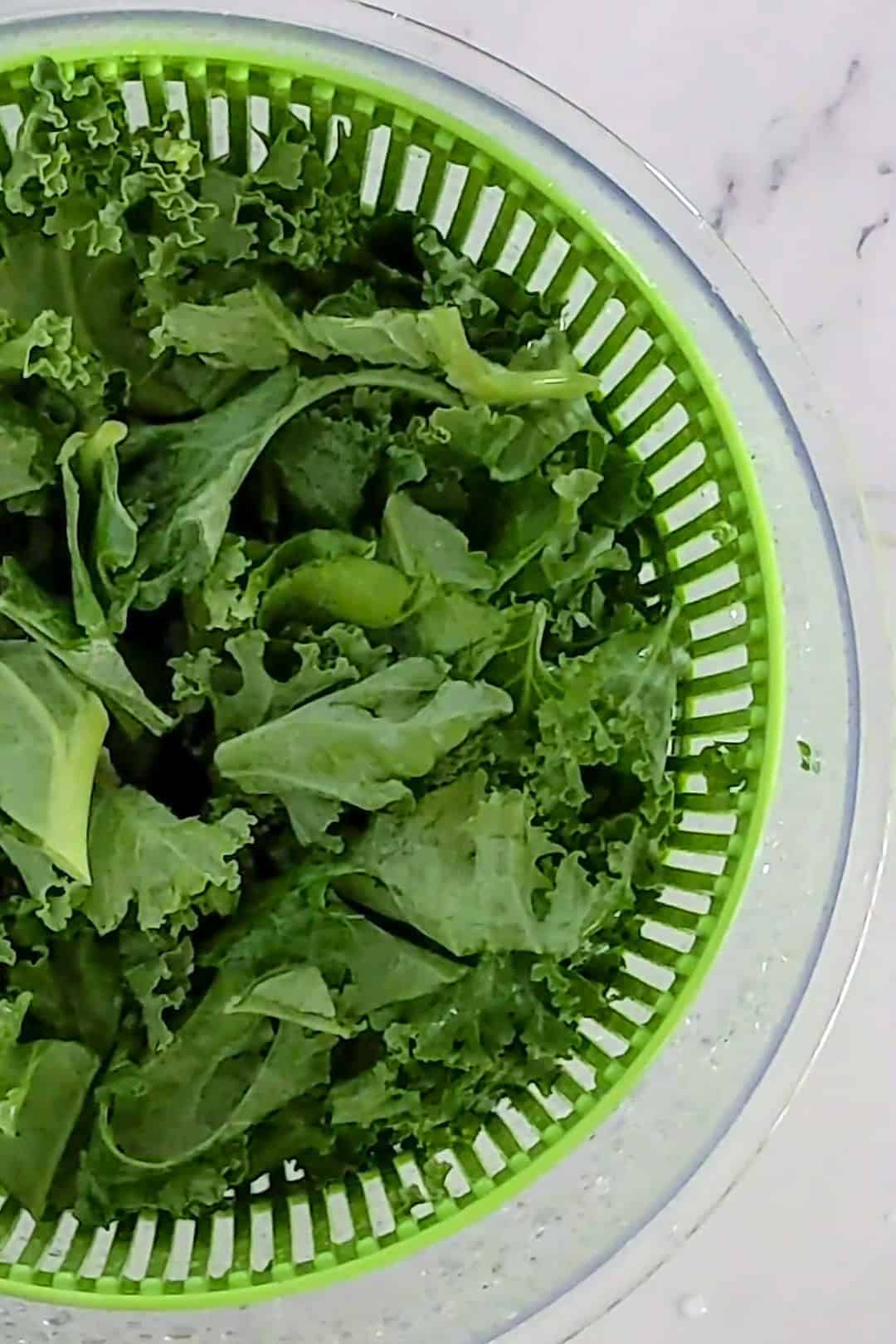
Video: How I Use My Salad Spinner
Watch my quick YouTube Short to see how I wash and dry leafy greens using a salad spinner and why it's become one of my favorite kitchen prep tools.
SUBSCRIBE: 👈To my YouTube Channel to Get Notifications of New Videos.
Cooking Tips and Tutorials
If you found this tutorial helpful, you'll love my Cook's Notebook collection. From knife skills and flavor bases to time-saving tricks and essential equipment guides, this section is packed with chef-tested lessons to help you cook with confidence.
- How to Roast Food: The Fundamental Principles of Roasting
- 2026 Fall Seasonal Produce Guide: Fruits and Vegetables to Enjoy This Season
- Indian Cooking Techniques That Changed How I Think About Food
- What Is Emulsification? A Simple Guide to Creamier Sauces and Dressings

Leave a Comment or Ask a Question
Do you own a salad spinner? I'd love to hear how you use yours. If you have questions about washing produce, storing fresh herbs, or choosing kitchen tools, leave a comment below. I'm always happy to help fellow home cooks build confidence in the kitchen.
Leave a Reply